REVIEW · BUENOS AIRES
Buenos Aires : Highlights Walking Tour With A Guide
Book on GetYourGuide →Operated by Guydeez Tours · Bookable on GetYourGuide
Buenos Aires is best learned on foot. This 3-hour highlights tour turns big-name sights into a real neighborhood story, guided by people who know how to connect the dots across Plaza de Mayo, San Telmo, La Boca, Puerto Madero, and Recoleta. I especially liked the way the guide (Regina, if you’re lucky enough to get her) explains what you’re looking at and then shares practical city advice that goes beyond the obvious photo stops.
One heads-up: it’s a walking tour, so you’ll want comfortable shoes, and since entry tickets aren’t included, you may need to plan a couple of add-on stops on your own later if something really grabs you.
In This Review
- Key highlights you will feel right away
- Why this 3-hour highlights route is worth your time
- Plaza de Mayo and Avenida de Mayo: start where Argentina’s story hits the street
- San Telmo’s cobblestones and tango roots: the city slows down here
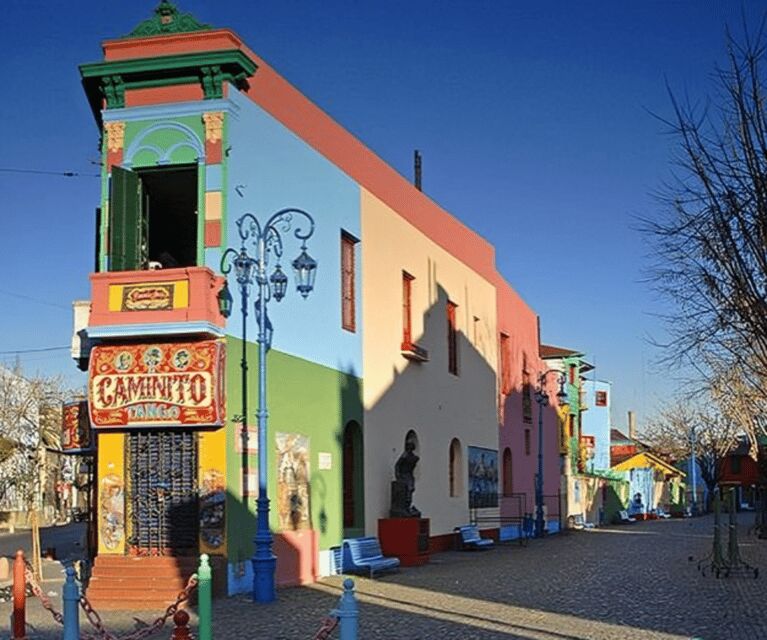
- La Boca and Caminito’s colored houses: where the postcard has a backstory
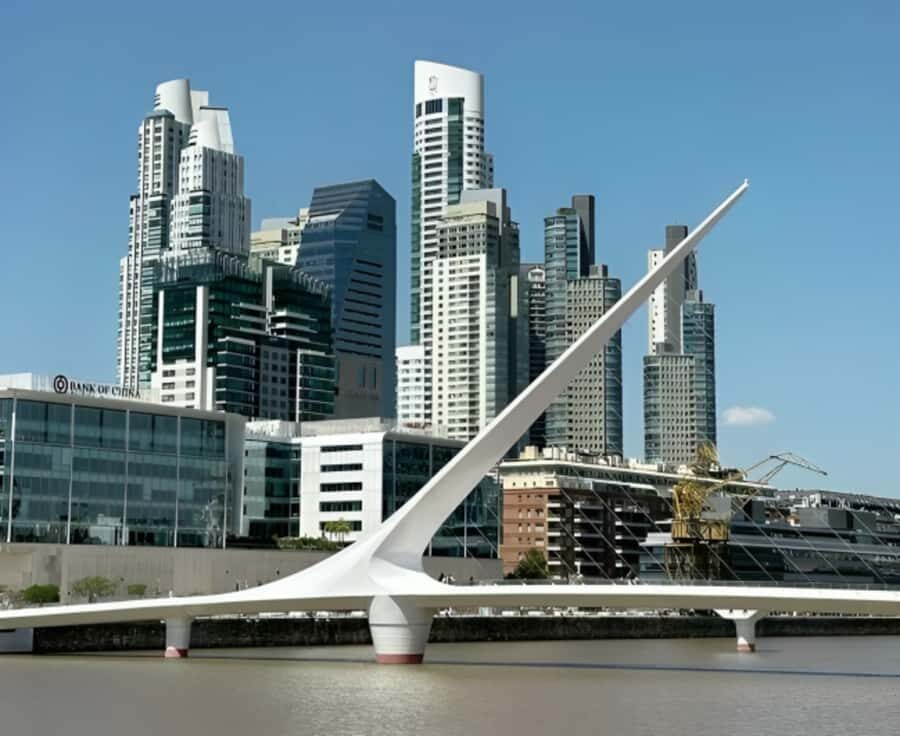
- Puerto Madero waterfront: a modern contrast that makes the city make more sense
- Recoleta Cemetery and Evita’s grave: the day’s emotional finale
- Transport, group size, and pacing: what it feels like in real life
- What’s included, what’s not, and how to plan your money
- Who should book this Buenos Aires walking highlights tour
- Should you book this tour?
- FAQ
- How long is the Buenos Aires highlights walking tour?
- Where do I meet the guide?
- Is this a private tour or a shared group?
- What’s included in the tour price?
- Are museum or monument tickets included?
- Can I get a refund if my plans change?
Key highlights you will feel right away
- Regina-style flexibility: if the weather swings, you can adapt fast (including getting shelter and continuing without rushing)
- Two layers of Buenos Aires: official landmarks plus lived-in streets in San Telmo and La Boca
- Photo-ready stops that still teach: Caminito’s colored houses, plus why they look that way and what to notice
- Strong end point: Recoleta Cemetery’s famous tombs, including Evita’s grave
- A guide who worries about the details: good explanations and attention to safety during the walk and transfers
Why this 3-hour highlights route is worth your time
At $36 per person, this tour isn’t trying to cram everything into one day. It’s built for the sweet spot: you get major sights from multiple neighborhoods, plus the kind of context that helps you enjoy the city even after the tour ends. Three hours is also long enough to feel like you did something real, but short enough that you won’t spend your whole day walking with sore feet and a dead phone battery.
The biggest value is your guide’s ability to connect places. You’re not just seeing Casa Rosada and then moving on. You’ll learn what to look for, how neighborhoods differ, and where to go next depending on your interests. Guides here can also help you book tickets for visits you want to make later, which is handy in a city where planning can make or break your schedule.
The format also matters. It’s private and exclusive, with no one else in your group (and there’s also a private group option). That means you can ask questions, adjust pace, and get personalized recommendations without feeling like you’re part of a moving human slideshow.
You can also read our reviews of more walking tours in Buenos Aires


Plaza de Mayo and Avenida de Mayo: start where Argentina’s story hits the street
You begin in the heart of civic Buenos Aires, meeting your guide at the front of Che Juan Hostel BA. From there, the tour naturally orients you: big, official buildings first, then you’ll work your way outward into older neighborhoods and coastal city energy later.
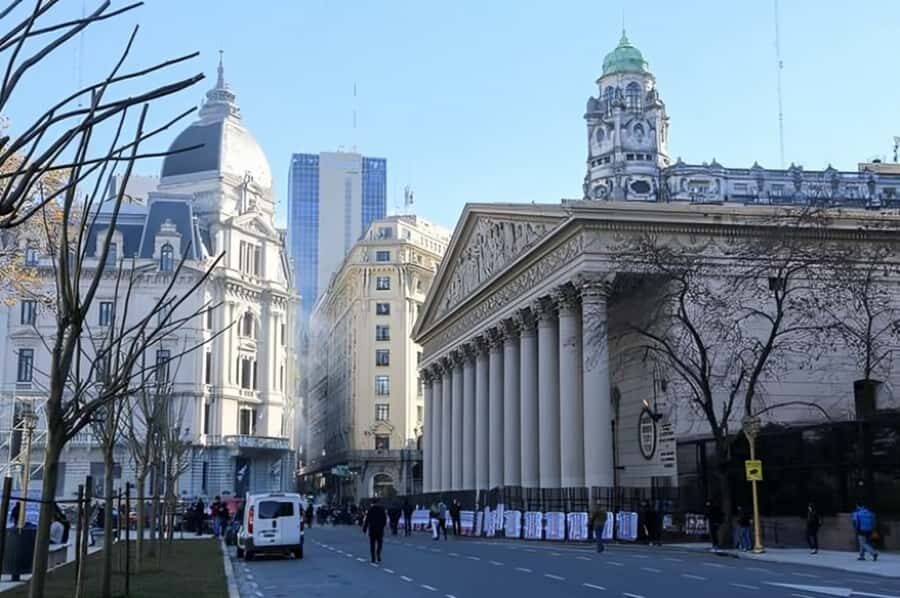
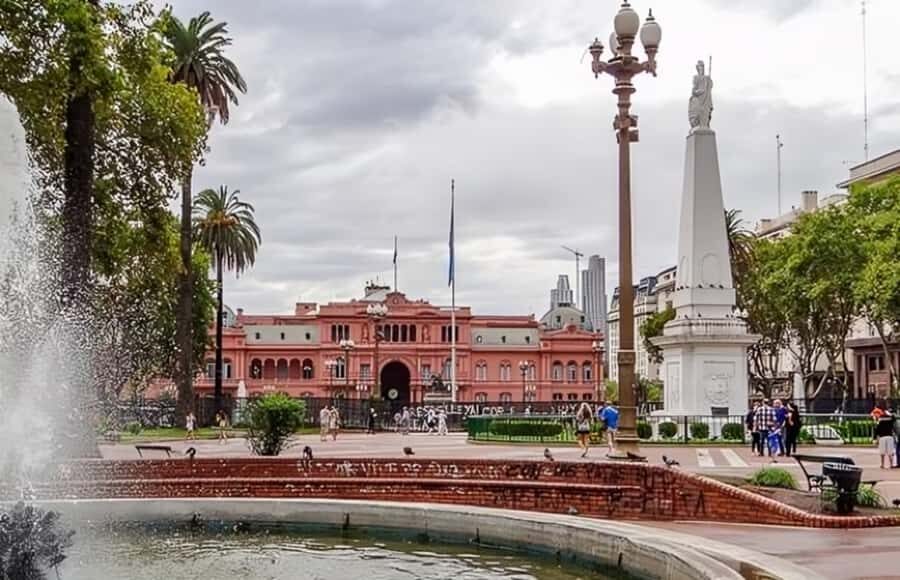
Plaza de Mayo is one of those places where you can feel the weight of the country’s history just by standing there. You’ll see the Casa Rosada presidential palace and get a sense of why this location matters. Even if you’re not a politics person, the guide’s job is to translate the setting into something you can read: what’s the function of the area, what role does it play in national life, and why people always end up here when they want to explain Argentina.
Then you’ll stroll down Avenida de Mayo, a wide, grand avenue that’s perfect for getting your bearings. It’s the kind of street where architecture tells you a lot about the city’s ambitions and changes over time. This section is also where you’ll get practical advice for the rest of your day—what neighborhoods are best to revisit, what to skip, and how to use your time wisely once you go off-script.
A small consideration: because this portion is centered on famous squares and government buildings, you may want to keep your daypack light and plan for some walking on uneven sidewalks depending on where the route goes.
San Telmo’s cobblestones and tango roots: the city slows down here
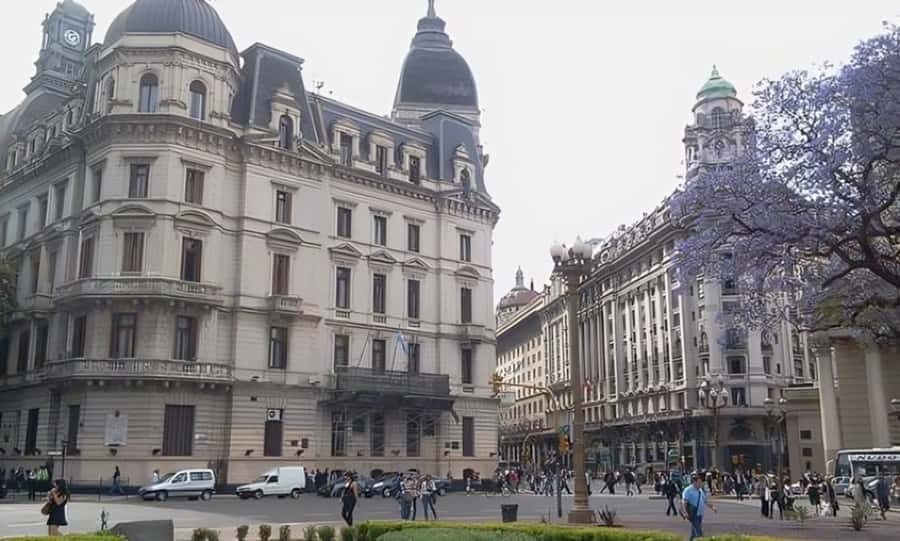
After the formal center, you shift into a different Buenos Aires mood in San Telmo. This is where the streets change character. You’ll walk through the historic area with its cobblestone streets, which instantly changes how you move. It’s not just aesthetic; it makes you slow your steps and look around instead of rushing to the next landmark.
San Telmo is also known for tango roots, and you’ll get a guided sense of how the neighborhood’s culture connects to music and social life. The advantage of having a guide is simple: you can appreciate what you’re seeing without needing to already know the backstory. You get the cultural cues, the street-level vibe, and the context for why the neighborhood has that strong artistic reputation.
This stop is often where I’d tell you to pay extra attention to the details. Notice storefronts, street corners, and the way the blocks feel different from the city center. These are the cues that help you understand Buenos Aires as a set of neighborhoods, not just a list of sights.
If you’re visiting for the first time, this is also one of the best places for your guide’s recommendations to make sense. When someone knows your interests, they can suggest where to listen for tango performances, where to grab a casual bite later, or which areas are worth exploring on your own.
La Boca and Caminito’s colored houses: where the postcard has a backstory
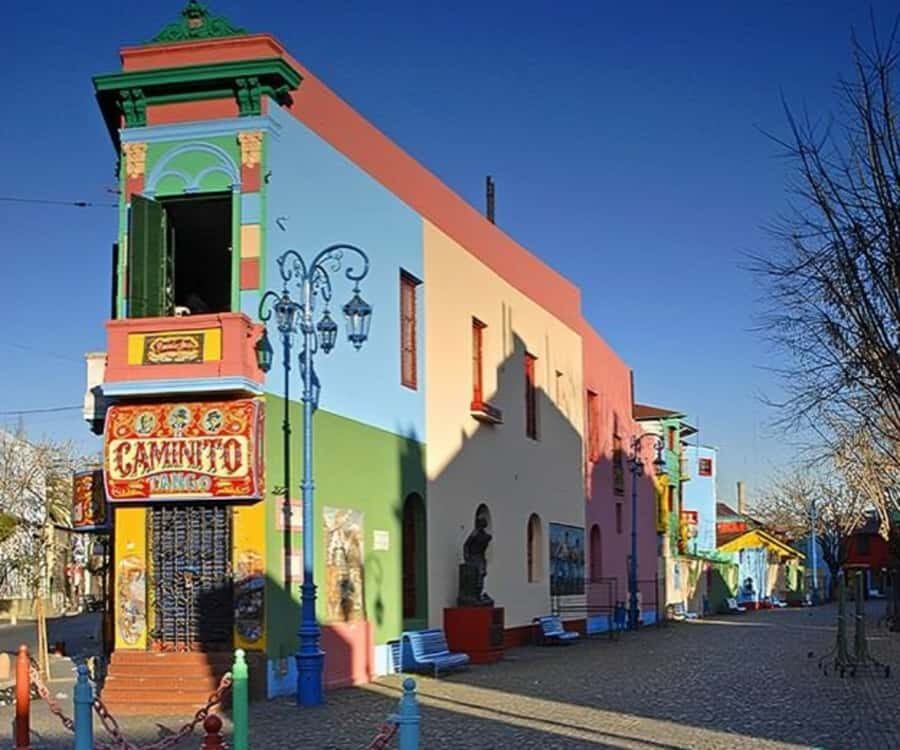
Next up is La Boca, and specifically Caminito, where the famous brightly colored houses line the street. Yes, this is the classic “look at the colors” stop. But with a guide, you also get the bigger picture behind the look—why the area became associated with this visual style, and what you should notice as you walk.
La Boca is a good reminder that Buenos Aires doesn’t only have monumental architecture. It also has identity expressed through everyday street scenes. The guide’s job here is to keep it from becoming just another photo shoot. You’ll get pointers on what angles tend to show more character, what streets to pay attention to, and how to interpret the neighborhood’s vibe beyond the obvious.
Because this part of the tour is still walking, wear shoes you trust. Cobblestones and uneven sections are common in older neighborhoods, and you’ll want your footing to feel solid so you can actually enjoy the walk instead of focusing on where to step.
Puerto Madero waterfront: a modern contrast that makes the city make more sense
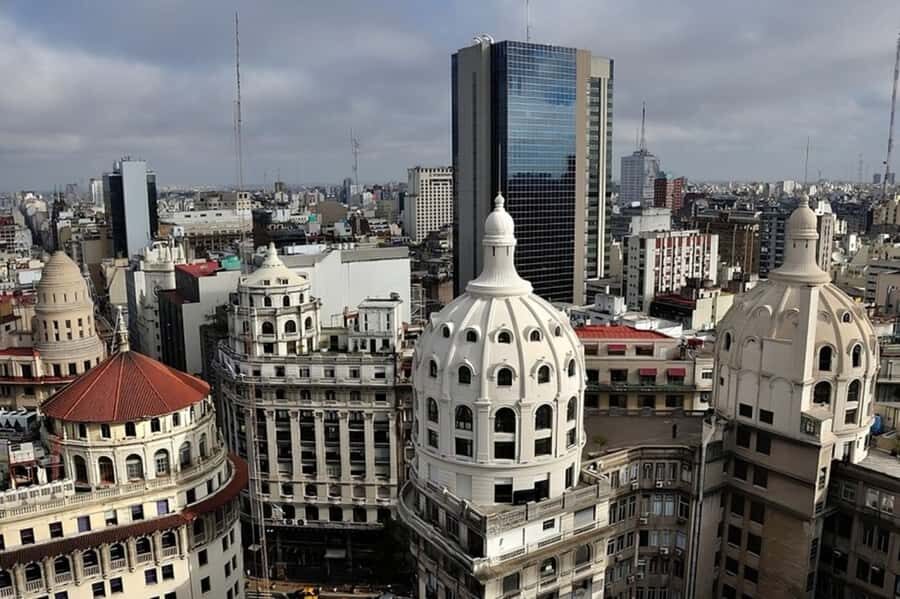
After the older districts, Puerto Madero changes the tempo. You’ll explore the modern waterfront and its more polished, upscale surroundings. This contrast is one of the reasons the tour route works so well: it helps you understand that Buenos Aires isn’t stuck in one era.
Puerto Madero can be easier to appreciate once you’ve seen earlier areas. The city’s differences become clearer. You’ll have a mental comparison built in—history and grit on one side, waterfront redevelopment and modern design on the other.
This is also a great stretch for taking photos and pausing when you need a breather. Even though it’s still part of a walking tour, waterfront sections generally let you appreciate scale and layout in a way that helps your brain rest for a minute.
If you’re the type who likes to plan ahead, ask your guide what to do next in Puerto Madero. The advice you get here can help you choose whether you want a simple walk along the water later, or whether you’d rather redirect your evening to something more cultural and less polished.
You can also read our reviews of more guided tours in Buenos Aires





Recoleta Cemetery and Evita’s grave: the day’s emotional finale
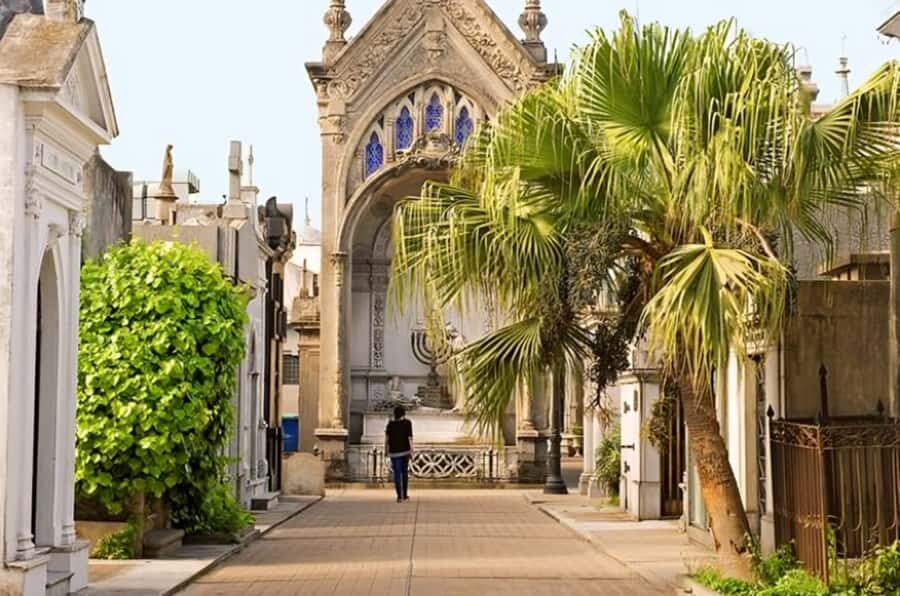
You finish at Recoleta Cemetery, one of the city’s most compelling stops. This is where the tour ends with impact. You’ll see the extravagant tombs of national icons, including Evita’s grave.
Even if you only know Evita from headlines, this cemetery adds a different layer to understanding Argentina. The guide’s role is important here, because cemetery art and monuments can be confusing if you’re walking through without context. You’ll get help noticing how the monuments reflect identity, status, and the way families remembered important people.
This last segment is also why the tour works as a “highlights” overview. It’s not just pretty streets and big buildings. You end in a place that gives you a deeper emotional reference point for the country.
One practical note: cemeteries are quiet and often cooler or still depending on the weather. Dress for comfort and keep your pace gentle so you can actually read and notice the details the guide points out.
Transport, group size, and pacing: what it feels like in real life
This is a walking tour with public transport included as needed, and it’s designed to keep your day from turning into a logistics headache. You’ll also have the benefit of round-trip, air-conditioned transport from your Buenos Aires hotel, which matters in a city where heat and timing can mess with your energy.
The route is built to be doable in three hours. That doesn’t mean it feels like a slow stroll the whole time. Expect real walking between neighborhoods. The best strategy is to plan for short rests—check in with your guide if you need a slower pace, especially during the longer transitions.
The “private and exclusive” setup is more than a marketing label. With a tour like this, it’s what allows your guide to be flexible with timing and route decisions. In the past, Regina has shown a very practical skill: she handled a storm by finding a great café for shelter and then continuing without acting like you were stuck. That kind of calm, adaptive energy makes the experience better because it reduces stress on you.
Also, your guide can customize the tour. That can mean adjusting emphasis—more photos, more explanation, or more neighborhood guidance—depending on what you’re into. If you want a general highlights pass, you can get it. If you want a slightly more culture-forward route, you can ask.
What’s included, what’s not, and how to plan your money
Here’s the clean breakdown of the value: you pay for a guided, multi-neighborhood experience with English-speaking guidance, walking, and the relevant transport. You do not pay for monument or museum entry. You also don’t get food or drinks included.
That sounds obvious, but it’s actually helpful. It means you can use the tour as orientation and then decide on paid attractions based on what you genuinely want to see. If entry tickets aren’t included, you avoid paying for things you might skip.
You’ll also have help from the team to book tickets for visits you want to make during or after the tour. That can save time and hassle, especially if you plan to fit a museum or special site into your schedule.
If you’re budgeting, think in two layers:
- pay for the guide and route now
- pay for any add-ons after the tour if they feel worth it to you
This is often a better way to travel than locking in every ticket up front.
Who should book this Buenos Aires walking highlights tour
I think this is a strong fit if:
- It’s your first time in Buenos Aires and you want a structured introduction across multiple neighborhoods
- You like learning context, not just taking pictures
- You want a guide to point you toward other things to do based on your interests
- You prefer a more personal group setup rather than being pushed around in a huge crowd
You’ll also like it if you’re the type who appreciates contrasts. The tour moves from the political heart at Plaza de Mayo, to older streets and tango culture in San Telmo, to the color-and-identity street scenes of La Boca, then to a modern waterfront at Puerto Madero, and finally to the powerful monument atmosphere at Recoleta Cemetery.
The only people I’d hesitate for are those who strongly hate walking or require very frequent stops. Even though the tour includes air-conditioned transport and public transport options as needed, it is still fundamentally a walking experience.
Should you book this tour?
If you want an efficient, guide-led overview that helps you understand Buenos Aires as neighborhoods—not just as a checklist—this tour is easy to recommend. The price is reasonable for the amount you cover in three hours, and the private/exclusive setup makes it feel more personal than the typical highlights scramble.
Book it if you value good explanations and practical advice. The best reason to choose it is the guide’s ability to handle real-life conditions. Regina’s flexibility in a storm, plus her clear knowledge and considerate approach, is exactly the kind of experience quality you want on day one.
Skip it only if you already know the city well, or if you’d rather spend those three hours doing one long museum visit instead of getting broad orientation.
FAQ
How long is the Buenos Aires highlights walking tour?
It lasts 3 hours.
Where do I meet the guide?
You meet your guide in front of Che Juan Hostel BA.
Is this a private tour or a shared group?
It’s private and exclusive, and a private group option is available.
What’s included in the tour price?
An English-speaking guide, a walking tour, public transport (except if you select one of the options), and help from the team to book tickets for desired visits.
Are museum or monument tickets included?
No. Entry to monuments and museums and tickets to attractions are not included.
Can I get a refund if my plans change?
Yes. Free cancellation is available up to 24 hours in advance for a full refund. You can also reserve now and pay later.