REVIEW · BUENOS AIRES
Buenos Aires: Teatro Colon Guided Tour
Book on GetYourGuide →Operated by Travel Argentina · Bookable on GetYourGuide
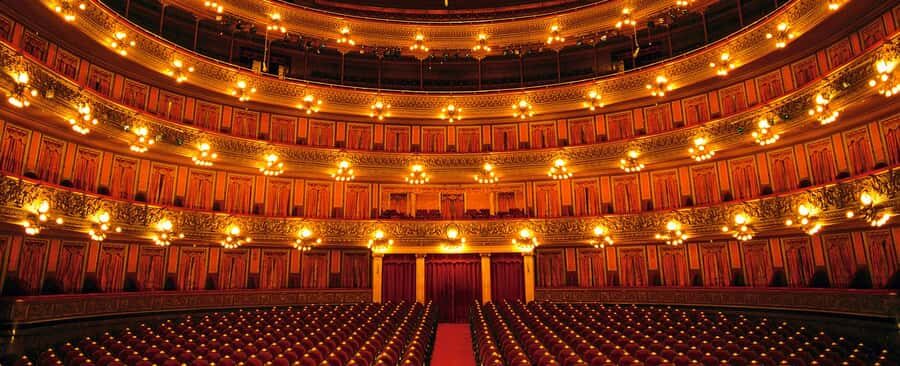
Teatro Colón is the kind of building you notice twice—outside and inside. On this 1-hour guided tour, you get the story behind Argentina’s star opera house, plus the sights that make it famous worldwide. I especially like that you’re shown the horseshoe-shaped auditorium for its sound, and you get up close to the ceiling frescoes by Raúl Soldi.
I also like how the guide turns architecture into something you can understand in real time: why the rooms were designed the way they were, how performance spaces work, and why this theatre became a cultural landmark. You’ll walk through grand early-1900s halls, then head into the main theatre area and (if conditions allow) backstage spaces.
One thing to keep in mind: the visit is short, and on some days the theatre lighting can be turned off for tests, which can affect what you can easily see or photograph.
In This Review
- Key highlights I’d circle first
- Your entry game plan: QR ticket rules and quick queue
- Walking the early-1900s halls of Teatro Colón
- 700-bulb chandelier and Raúl Soldi ceiling frescoes
- The horseshoe auditorium: where acoustics become real
- Backstage areas and what your tour includes in practice
- Guides, audio, and group size: what to do so you can hear
- Price and value: why $49 can make sense (or not)
- Best times to go and how to plan around the day
- Who this tour fits best
- Should you book this Teatro Colón guided tour?
- FAQ
- How long is the Teatro Colón guided tour?
- Where is the meeting point?
- What do I need to show at the theatre entrance?
- What’s included in the price?
- Are skip-the-line tickets included?
- What languages are available?
- What time do English tours run?
- Is the tour wheelchair accessible?
- What should I bring?
- Is there a minimum age?
Key highlights I’d circle first
- 700-bulb chandelier and the details that explain the building’s stagecraft
- Raúl Soldi ceiling frescoes you can actually look at, not just glance past
- The horseshoe auditorium tied to the reputation for excellent acoustics
- Backstage access during the tour (though what you see can vary day to day)
- English and Spanish schedules several times daily, making it easier to fit in
Your entry game plan: QR ticket rules and quick queue
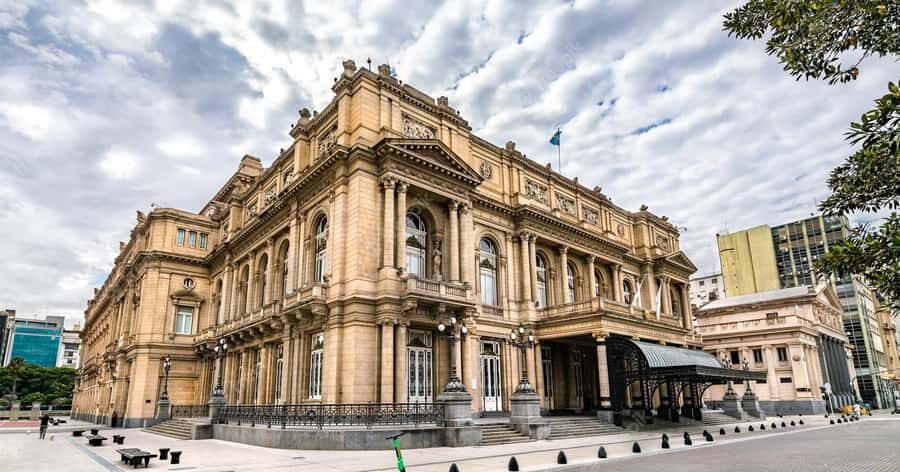
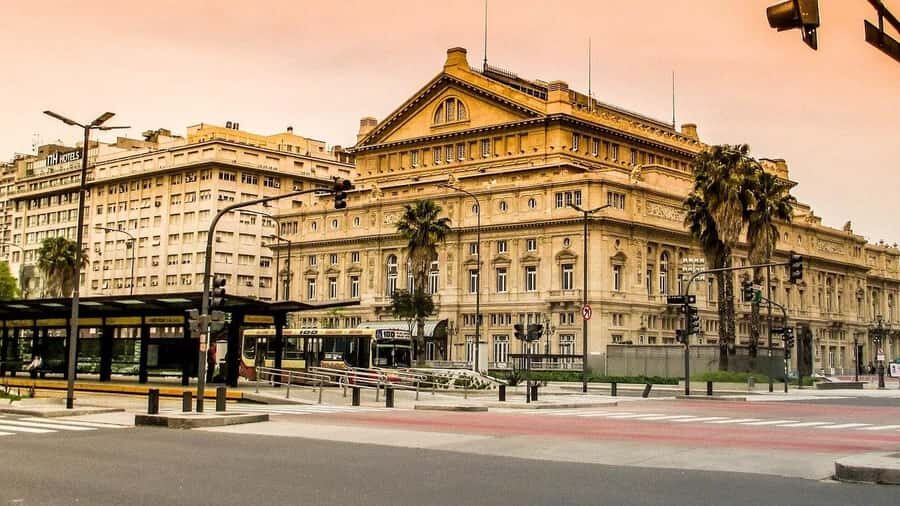
The tour starts at Tucumán 1171. When you arrive, you’ll enter the theatre first, then show the PDF ticket sent on WhatsApp with its QR code. The GetYourGuide voucher alone is not valid for entry, so don’t rely on screenshots or email.
You also need a passport or ID card. Comfortable shoes help, because you’ll be walking through multiple areas in a short window, and you don’t want to be distracted by aching feet.
Timing matters here. Because this is a famous stop, arriving for your scheduled slot and keeping your ticket handy is the easiest way to avoid stress—and that’s where the skip-the-ticket-line benefit really shows up.
You can also read our reviews of more guided tours in Buenos Aires

Walking the early-1900s halls of Teatro Colón
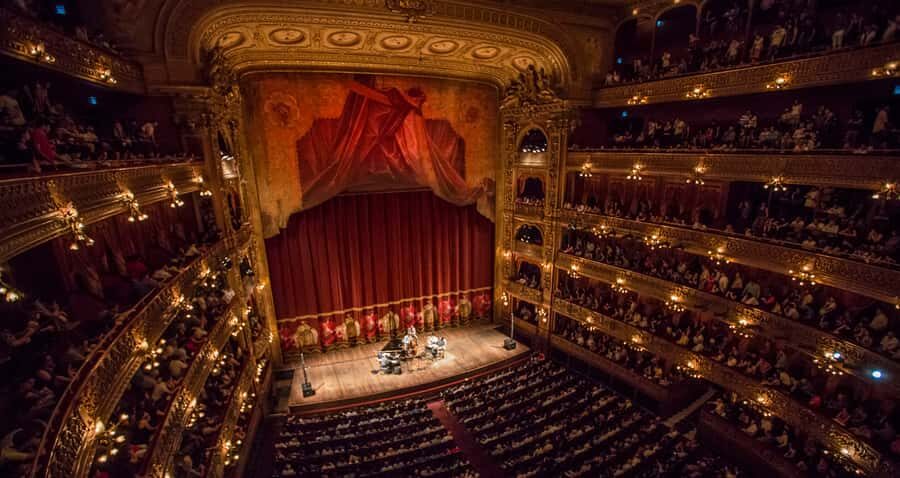
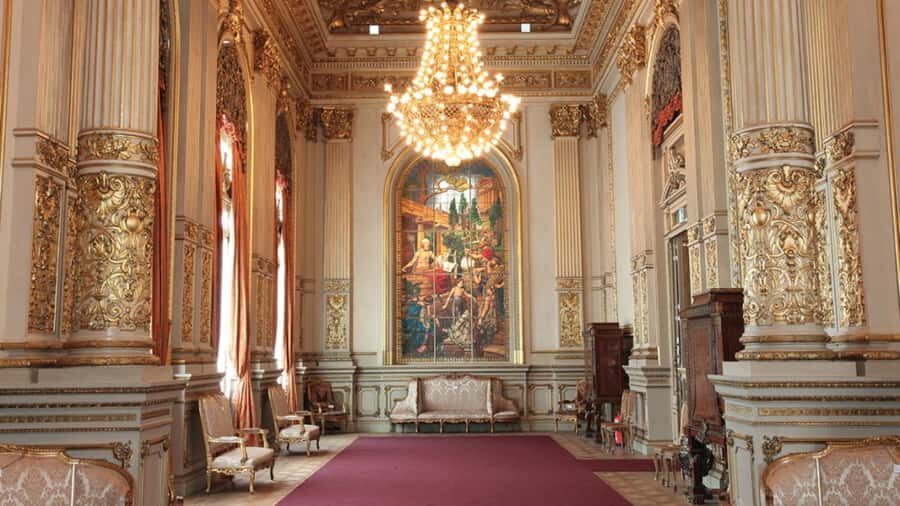
Once you’re in, the tour focuses on the most photogenic and meaningful parts of the building. Expect a guided walk through the majestic public spaces, dating back to the early 1900s, before you get to the theatre interior.
This is the moment where I think the tour earns its keep. A grand opera house can feel like a museum from the outside, but inside, the guide helps you connect what you see with what’s happening on stage. You’ll hear about performances and ballets over the years, plus how the venue became one of Argentina’s most important cultural treasures.
You’ll likely feel the group energy during this part. Some days the group is comfortably sized; other days it can run large, and that affects how easy it is to keep track of the guide and hear instructions.
700-bulb chandelier and Raúl Soldi ceiling frescoes
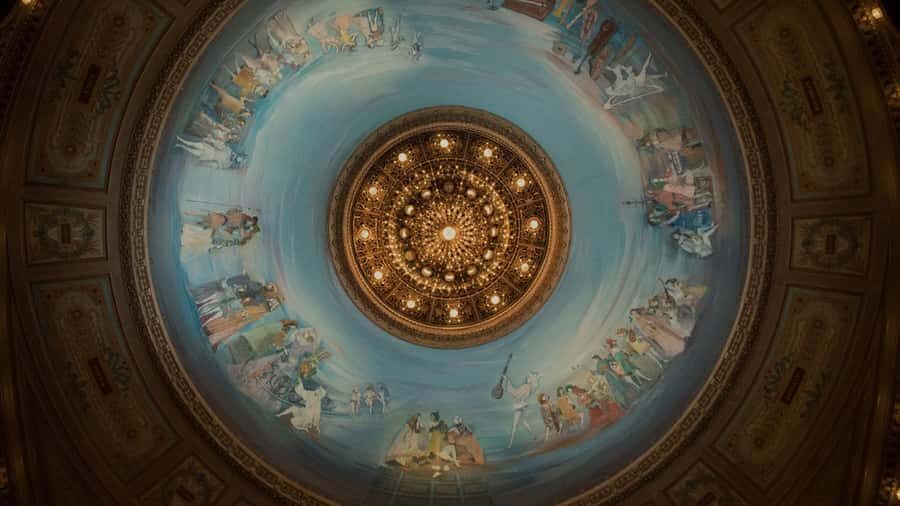
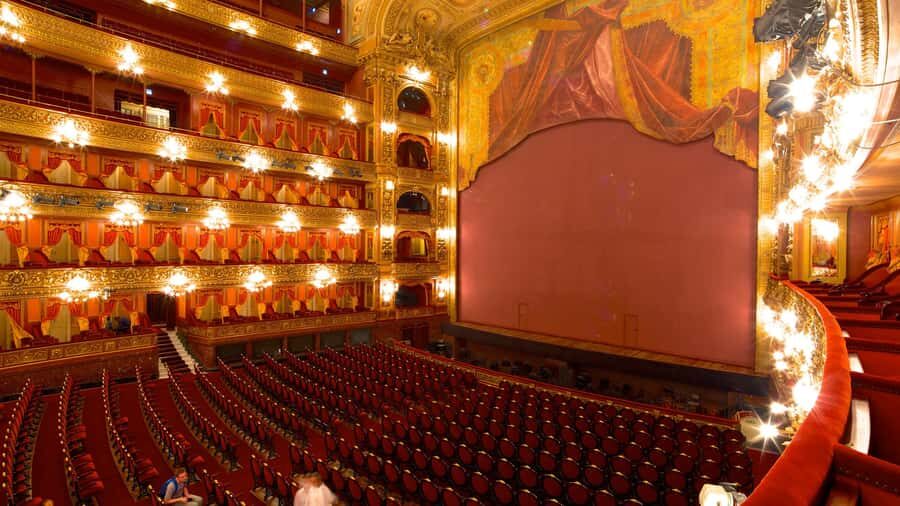
The ceiling and light fixtures are not background scenery here. You’ll spend time looking at the chandelier with 700 light bulbs, a detail that instantly signals this is a purpose-built performance space—not just a pretty building.
Then there’s the ceiling artwork. You’ll see frescoes painted by Raúl Soldi, and the guide will connect them to the theatre’s identity. I like this stop because it’s sensory: you can look up, focus, and actually notice brushwork and composition instead of rushing through a checklist.
A practical note: the theatre’s lighting can change based on what’s happening inside. One review mentioned the lights were on during their visit, while another described darker conditions due to a lighting test. If you care about photos, assume you might need to work with lower light in some moments.
The horseshoe auditorium: where acoustics become real
The headline moment is the horseshoe-shaped auditorium, known for excellent acoustics. Even if you don’t know opera terminology, you’ll get the big idea: the room’s shape and design help sound travel in a way that supports performances.
This is why the tour is worth doing even if you’re not a full-time opera fan. You’re standing in the place where the sound reputation comes from. And a good guide will explain the logic behind the design, so you leave feeling like you understood the building, not just that it was impressive.
You also get to appreciate the auditorium layout from multiple angles during the tour. That matters, because it’s hard to judge a theatre’s proportions from one spot. The guided flow helps you see how the spaces relate to each other—stage area, seating bowl, and the surrounding walls.
Backstage areas and what your tour includes in practice
The tour plan includes a look around backstage areas and theatre operations. In theory, that means you get beyond the public rooms and into the production side of the building—where sets, cues, and stage logistics all come to life.
In practice, what you see can vary. One review said they were disappointed that the tour felt like it stayed mostly in front-of-house areas and didn’t deliver the backstage access they expected. If seeing backstage is your top priority, keep expectations flexible and go with the idea of seeing what’s available during the visit window.
Also be aware that large crowds and ongoing theatre activity can influence timing. If the theatre is preparing for something, parts of the space might be limited or staged for testing. That’s not unique to this tour; it’s how working venues operate.


Guides, audio, and group size: what to do so you can hear
This tour lives or dies by the guide. The strongest reviews put a spotlight on guides who could explain both architecture and Argentine culture with clarity and energy. Names mentioned in the reviews include Ottavio, Martin, and Lucia, and they’re described as engaging and respectful, with plenty of interesting details.
But there are also small operational realities. One review noted the guide was soft-spoken and there was no microphone, which can make it harder to hear. Another mentioned a bit of audio disruption from nearby cleaning activity.
Here’s the practical fix: take a position where you can hear from the front or side and stay close during explanations. If you’re with a larger group, don’t drift. It’s easier for everyone when you stay within a small radius of your guide.
Price and value: why $49 can make sense (or not)
At $49 per person for about 1 hour, you’re paying mainly for two things: access with a guided route and a smoother entry experience. The skip-the-ticket-line detail helps value when you’re visiting at busy times.
That said, there’s a valid consideration. One reviewer felt it would’ve been cheaper to book directly because the tour was run by theatre staff. Another review called it costly for a short duration. So I’d treat this as a convenience purchase: you’re buying the guided storyline plus less friction.
If you’re the type who enjoys architecture, design, and how performance spaces work, the price usually feels fair. If you mainly want time to sit in the auditorium and soak up the atmosphere without explanation, you may prefer buying a theatre option that offers longer access (if available during your dates).
Best times to go and how to plan around the day
Schedule flexibility is a big deal with this stop. English tours are listed every day at 11:00 AM, 12:00 PM, 1:30 PM, and 3:00 PM. Spanish tours run daily at 10:30 AM, 11:30 AM, 12:30 PM, 1:30 PM, 3:30 PM, and 4:30 PM, with additional times added in 2025.
If you want the smoothest experience, pick a time slot earlier in the day. Multiple reviews hint that tours can get full, and a bigger crowd can mean more noise and less personal space. Going earlier also helps if you’re touring other sights the same day and want to avoid delays.
Language choice is also important. You can choose English, Spanish, and Portuguese when booking. In the schedule details you’re given, English and Spanish have the listed times, so if Portuguese matters most for you, double-check that your exact date and time offer that language.
Who this tour fits best
This is a great pick if you want a guided look at a top-tier opera house without spending extra time figuring out what to see. I’d especially recommend it for people who love architecture and stage history, or anyone who wants to understand why Teatro Colón is so famous for its acoustics.
It also works well for families with older kids since the minimum age is 5. The tour is wheelchair accessible, which is helpful if you’re planning accessible sightseeing in Buenos Aires.
If you hate short tours, though, this may feel rushed. And if you want guaranteed backstage access no matter what, be aware that reviews show it may not always match expectations.
Should you book this Teatro Colón guided tour?
Yes, I’d book it—especially if this is your one shot at Teatro Colón. The combination of guided explanation plus the signature sights (the 700-bulb chandelier, Raúl Soldi frescoes, and the horseshoe auditorium) makes the experience feel structured and worth the hour.
Book with eyes open on two points: lighting can be darker at times due to theatre tests, and the visit can feel crowded when groups are large. If you’re comparing options, it’s also smart to check whether the theatre’s own booking is cheaper, since at least one review suggested the tour is operated by theatre staff.
If you want a quick, meaningful introduction to why Teatro Colón is considered a world-class venue, this is a solid move.
FAQ
How long is the Teatro Colón guided tour?
The tour lasts 1 hour.
Where is the meeting point?
The meeting point is Tucumán 1171.
What do I need to show at the theatre entrance?
Once you enter the theatre, you must show the PDF ticket sent via WhatsApp with its QR code. The GetYourGuide voucher is not valid for entry to this tour.
What’s included in the price?
Your ticket includes the Teatro Colón guided tour entry and a live guided tour.
Are skip-the-line tickets included?
Yes, this experience includes skip the ticket line.
What languages are available?
You can choose English, Spanish, and Portuguese when you book. The listed tour times in the details you were given are for English and Spanish.
What time do English tours run?
English tours are available every day at 11:00 AM, 12:00 PM, 1:30 PM, and 3:00 PM.
Is the tour wheelchair accessible?
Yes, the tour is wheelchair accessible.
What should I bring?
Bring your passport or ID card and wear comfortable shoes.
Is there a minimum age?
Yes, the minimum age is 5 years old.