REVIEW · BUENOS AIRES
Best of Buenos Aires: Guided Sightseeing City Tour
Book on Viator →Operated by Tangol · Bookable on Viator
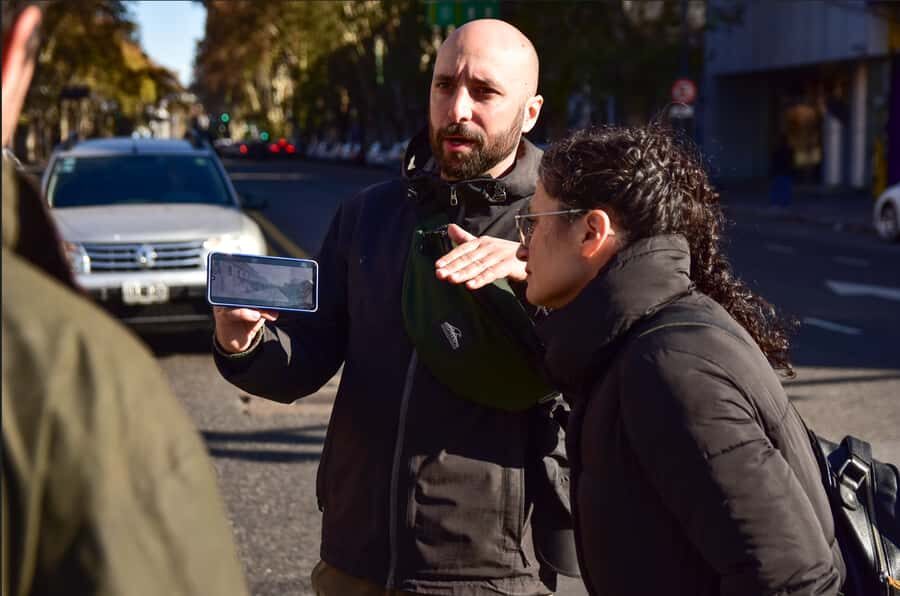
Buenos Aires can feel like a lot at once. This tour gives you a clear route through the city’s top sights, with breezy coach driving plus short walks where it matters. I like that it uses a local guide to add context while you’re moving, so the landmarks don’t feel like random postcards.
What I really like is the mix of neighborhoods. You get classic stops like La Boca’s Caminito on foot, plus major downtown landmarks such as Plaza de Mayo, without spending your whole day in transit. The main drawback: the schedule is tightly paced, and if you end up with a group that includes more than just English and Spanish, the guide may have to cover details in multiple languages, which can make some parts feel rushed.
In This Review
- Key Highlights Worth Your Time
- Price and Logistics: What You’re Paying For
- Retiro to Palermo Woods: Fast Orientation in a Big City
- Recoleta and the Cemetery Area: Architecture + Art + Names to Remember
- Teatro Colón, 9 de Julio Avenue, and the Obelisk: Photo Stops That Anchor the City
- Plaza de Mayo: Where Politics, Power, and Street Life Collide
- San Telmo and Dorrego Square: Tango Without Overplanning
- La Boca and Caminito: The Walking Moment You’ll Actually Remember
- Puerto Madero and Galerías Pacífico: A Modern Finish With Easy Next Steps
- What Makes This Tour a Good Value (and When It Isn’t)
- Should You Book It?
- FAQ
- How long is the Buenos Aires Best of City Tour?
- Does the tour include hotel pickup?
- Where is the meeting point if I’m not picked up at my hotel?
- What languages is the tour conducted in?
- Is Recoleta Cemetery included?
- Is food or drinks included?
Key Highlights Worth Your Time
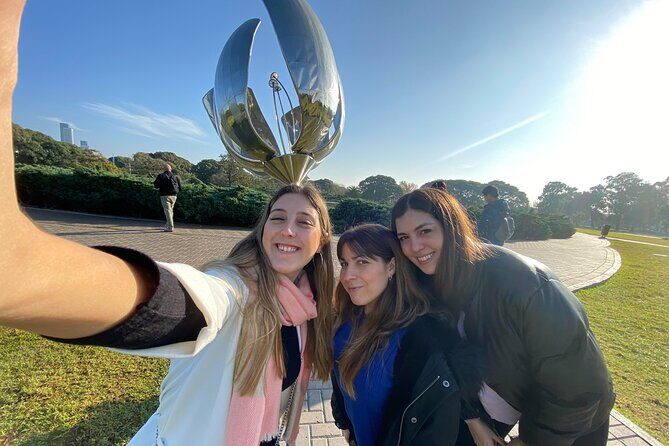
- Caminito in La Boca: walk time to see the colorful street and local artists up close.
- Plaza de Mayo + Casa Rosada area: a focused stop with landmark photo opportunities.
- Recoleta neighborhood views: passing the upscale mansions and targeting the cemetery area (Premium option).
- Iconic drive-by route: 9 de Julio Avenue, Obelisk of Buenos Aires, and nearby grand sights.
- San Telmo tango energy: Dorrego Square is a good spot to catch spontaneous performance moments.
- Puerto Madero finale: a dockside modern district and a chance to spot the Puente de la Mujer.
Price and Logistics: What You’re Paying For
At about $35 per person for a 4 to 5 hour highlights tour, you’re buying speed and structure more than deep exploration. This is a smart way to get your bearings quickly in a city that’s famously spread out. Buenos Aires has neighborhoods with totally different personalities, and the coach routing is built to move you efficiently between them.
You’ll typically start with hotel pickup in central areas (downtown, Recoleta, and Congreso). If your hotel isn’t in the pickup zone, you’ll meet the guide at a centrally listed point: Centro de Informes Recoleta, Av. Pres. Manuel Quintana 596. Either way, the idea is that you don’t have to plan transportation to see the headline sights.
One practical note: drop-off depends on which option you choose. The standard tour ends in central Buenos Aires near Galerías Pacífico, where you can keep exploring on your own. If you select the Premium option, you may also get hotel drop-off for selected downtown hotels. That can be a big deal if you’re tired, if your hotel is far from the center, or if you’re planning dinner soon after.
Finally, this is a small-ish group by bus (up to 30 travelers). You won’t feel swallowed by a massive crowd, but you should still expect some waiting while the van/coach completes pickups at nearby hotels.
You can also read our reviews of more guided tours in Buenos Aires

Retiro to Palermo Woods: Fast Orientation in a Big City
The tour starts in the Retiro area, a central neighborhood where many hotels and shops cluster. From there, you head toward Palermo, one of Buenos Aires’ largest districts. Palermo is where you’ll see the city’s “outdoor Buenos Aires” side, and it’s also where the skyline and architecture start to feel a bit more relaxed than downtown.
In Palermo, you’ll drive through Palermo Woods and pass well-known points such as Eco Park (formerly the Zoo), Plaza Italia, and the Galileo Galilei Planetarium. You’re not expected to spend hours here; the value is in seeing what each area looks like so you can decide later if you want to return for a longer visit.
If you choose the Premium option, you may get extra stops beyond the basic route, including the Palermo Racetrack and the Islamic Cultural Center. That’s a nice add-on if you’re curious about the variety of Buenos Aires beyond the classic “old town + cemetery + tango” loop.
Recoleta and the Cemetery Area: Architecture + Art + Names to Remember
After Palermo, the route passes through Retiro and into Recoleta, an upscale neighborhood known for elegant streets, cafés, and impressive buildings. This is also where you’ll get a strong sense of how Buenos Aires “presents itself” in a formal, postcard-ready way.
The big Recoleta moment is the Recoleta Cemetery area. Even if you’re only viewing it from the bus on the standard tour, you’ll get the location context, which matters because the cemetery is easy to treat like a “random famous stop” unless you understand why people make such a big deal about it.
With the Premium option, you’ll have a chance to actually go down for the cemetery visit. The cemetery entrance fee is not included, so you’ll need to book or pay that separately. If you do visit, plan to move slowly once you’re inside. The cemetery is part attraction, part history lesson, and it rewards a calm pace.
Tip: even if you skip the cemetery, pay attention to the streets and building styles in Recoleta. This neighborhood can help you choose where you’ll want to stay later—or at least where you’ll want to wander after dark when you feel like doing it yourself.
Teatro Colón, 9 de Julio Avenue, and the Obelisk: Photo Stops That Anchor the City
One of the most useful parts of this tour is the drive along 9 de Julio Avenue, which is one of Buenos Aires’ grandest boulevards. This is where the city feels big and ambitious. The bus route helps you connect the dots between multiple iconic landmarks without needing to navigate traffic on your own.
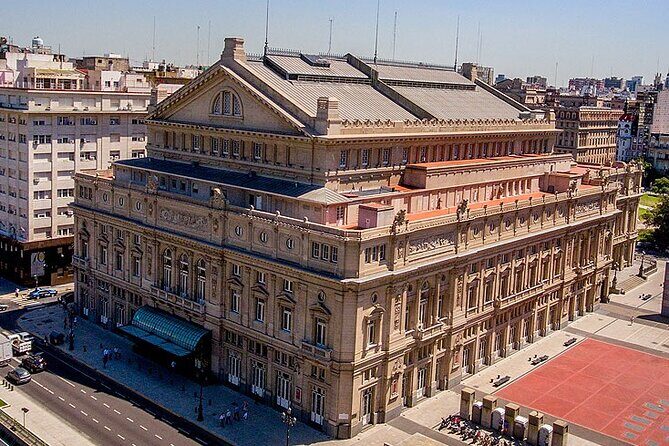
Along this corridor, you’ll see the Teatro Colón, described as built between 1889 and 1908. Even if opera isn’t your thing, this building is a visual landmark that helps you understand why Buenos Aires takes culture seriously. The sound and history are part of the story people associate with it, but from the street you mainly get the scale and presence.
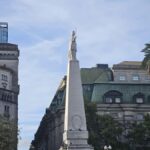
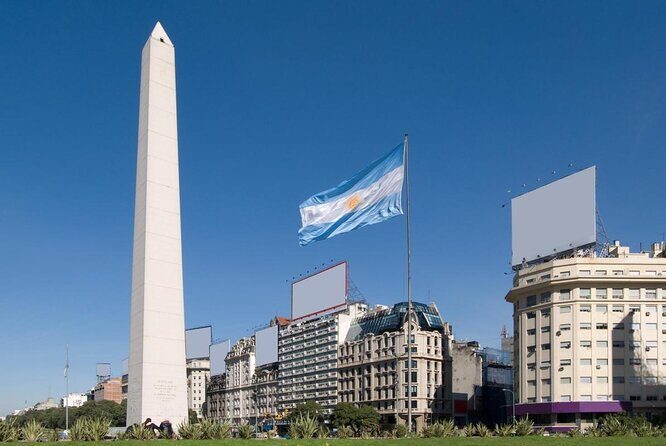
Next up is the Obelisk of Buenos Aires, a 1936 monument at the busy intersection of Avenida 9 de Julio and Avenida Corrientes. It’s 67 meters high, and it works like a city compass. Once you’ve seen it from the right angle, it becomes easier to plan later walks to nearby neighborhoods.
These are mostly “watch and snap photos” stops. That’s intentional. If you want performance-level detail or inside access, you’ll usually need a separate activity. But for a first pass at the city, these sights are the kind that instantly connect you to Buenos Aires’ layout.
Plaza de Mayo: Where Politics, Power, and Street Life Collide
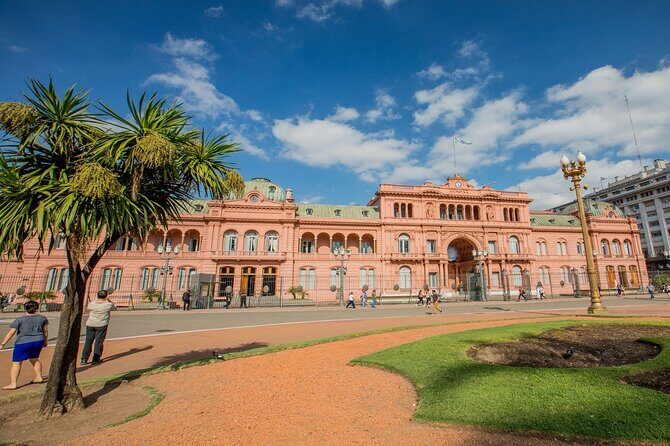
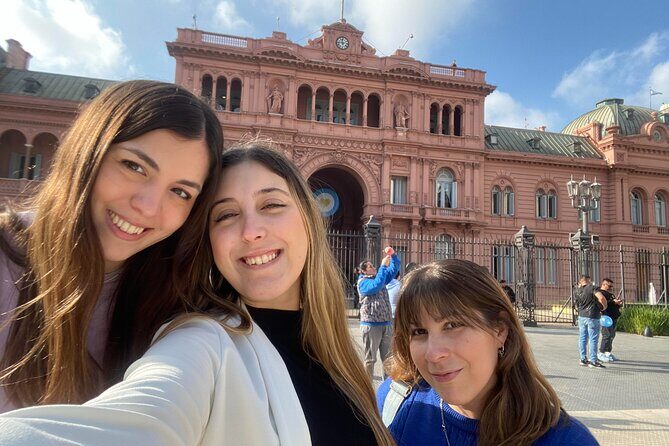
Then you reach Plaza de Mayo, one of the most important public squares in Buenos Aires. You’ll have about 30 minutes here, and that time is enough for a short orientation loop plus photos.
The landmark mix around Plaza de Mayo includes:
- Casa Rosada (the Presidential Palace and Argentina’s executive offices)
- Catedral Metropolitana
- Cabildo (Old City Hall)
Even if you don’t want to go deep into politics, this stop is valuable because it shows how Buenos Aires organizes itself around civic space. You’ll also get a feel for the energy of the city: this is where people pay attention, where flags and history show up in the everyday scene, and where downtown finally makes sense.
If you’re tight on time in the city, Plaza de Mayo is one of the best “use your minutes wisely” stops you can include.
You can also read our reviews of more city tours in Buenos Aires




San Telmo and Dorrego Square: Tango Without Overplanning
From Plaza de Mayo, the tour heads to San Telmo, one of the city’s oldest neighborhoods. The focus here is neighborhood vibe: preserved colonial architecture, old-school streets, and a feeling that Buenos Aires has layered itself over time.
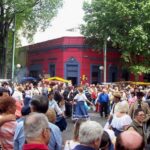
You’ll see attractions around Dorrego Square. This is a key point because Dorrego is known for being a place where you might spot spontaneous tango moments. You won’t get a formal show with guaranteed choreography here, but the payoff is that the atmosphere can feel alive in a way museum stops don’t.
This is also one of the best neighborhoods for getting a “how locals move through streets” impression. If you’re planning a longer afternoon later, San Telmo is a strong candidate.
La Boca and Caminito: The Walking Moment You’ll Actually Remember
No Buenos Aires first-timer plan is complete without La Boca. The tour gives you a focused time slot here, built around the most famous street: Caminito.
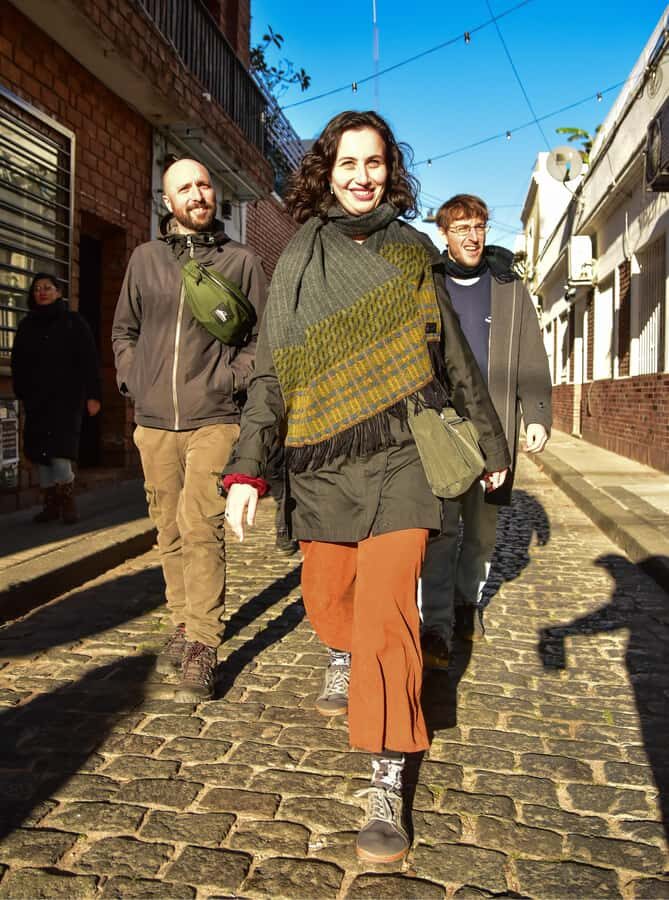
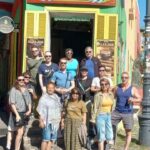
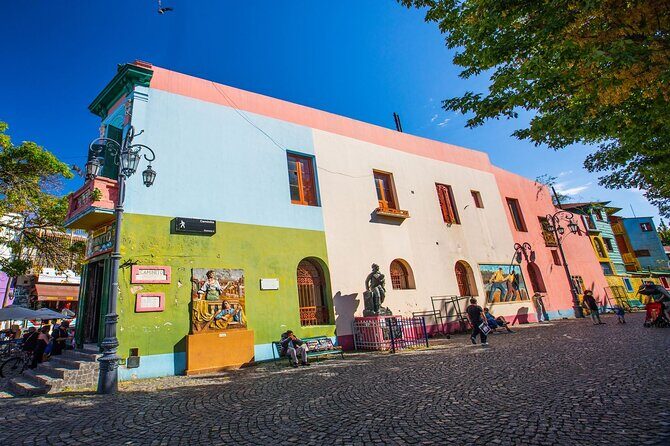
After you arrive, you’ll hop off the coach and stroll the area for about 30 minutes. Caminito is known for its brightly painted buildings and its pedestrian-only character. It’s a street designed for walking and noticing small things: colors, craft, and the constant presence of artists selling work.
This is one of the stops where the tour structure pays off. You’d likely struggle to get the timing right on your own if you’re juggling train lines, taxis, and distance. Here, you get just enough time to enjoy the vibe without getting stuck.
One practical mindset: La Boca is popular. You’ll see the tourist side clearly. Still, there’s a reason Caminito remains a highlight. When you visit for a short, planned window, you can appreciate it for what it is and still spend the rest of your day on your own terms.
Puerto Madero and Galerías Pacífico: A Modern Finish With Easy Next Steps
After La Boca, the tour continues to Puerto Madero, the modern dockside district. This area has been revamped into a mix of business and leisure, so it feels like a different Buenos Aires than San Telmo or Recoleta.
One key feature you’ll see is the Puente de la Mujer (Bridge of the Woman), designed by Calatrava. It’s a signature photo spot, and even if you don’t know the architect’s name, you’ll recognize the style once you’re there.
The tour then concludes at Galerías Pacífico, a shopping and city-center landmark where you can explore at your own pace. This is a good ending point because it’s central. You can pivot from “tour mode” to “wander mode” quickly—perfect if you’ve got dinner reservations later or you want to chase a neighborhood you loved most.
What Makes This Tour a Good Value (and When It Isn’t)
This is a good value if you’re the type of traveler who wants two things:
1) to see the headline sights without planning a complicated day, and
2) to leave with a shortlist of neighborhoods to revisit.
The price makes sense because so much of Buenos Aires is easier when someone else handles the driving and route logic. You’re also getting a local guide who provides commentary while you move between areas, so you’re not just transporting yourself around on a schedule with no context.
Where the value can slip a bit:
- The tour is pacing-heavy. If you’re the kind of person who wants to linger for long photos, shop slowly, or do a “second round” in one neighborhood, this may feel a little tight.
- You might run into language pace issues if your group composition requires more than English and Spanish. The tour is described as operating in English and Spanish, but if additional languages come into play, the narration can feel fast.
If you want a more leisurely day, combine this with one or two separate neighborhood activities after. Use the tour to choose what’s worth your next 2 to 3 hours.
Should You Book It?
Book this tour if:
- you’re in Buenos Aires for a short time and want a smart overview of the city’s top sights,
- you like “coach driving + short walk time” formats,
- you want to decide where to return later (Palermo, Recoleta, San Telmo, or La Boca).
Skip or upgrade your plan if:
- you prefer fewer stops and more time per stop,
- you’re counting on a long cemetery visit without extra planning (Premium helps, but the entrance fee still isn’t included),
- you hate the idea of having limited time to wander on your own.
If you do book, my best advice is simple: treat this as your city orientation day. Then build the rest of your trip around the neighborhoods you feel most drawn to once you’ve seen the big picture.
FAQ
How long is the Buenos Aires Best of City Tour?
It’s about 4 to 5 hours.
Does the tour include hotel pickup?
Yes, it includes hotel pickup from selected downtown hotels. If your hotel isn’t in the pickup area, you’ll meet at a centrally located meeting point (Centro de Informes Recoleta).
Where is the meeting point if I’m not picked up at my hotel?
The meeting point is Centro de Informes Recoleta (Av. Pres. Manuel Quintana 596).
What languages is the tour conducted in?
The tour is conducted in English and Spanish.
Is Recoleta Cemetery included?
You’ll see the Recoleta Cemetery area on the standard tour, but entrance is not included. If you choose the Premium option, you get descents in the cemetery area, but you’ll still need to handle the entrance fee separately.
Is food or drinks included?
No. Food and drinks are not included.