REVIEW · BUENOS AIRES
SAN TELMO + CAMINITO THE LOCAL WALKING TOUR!
Book on GetYourGuide →Operated by Cachalote tours · Bookable on GetYourGuide
Two neighborhoods can tell Buenos Aires in one morning. You’ll connect San Telmo—the city’s older spine—with Caminito in La Boca, where tango history and European immigration stories grew into a new life.
I love the mate ritual stop, because it turns local culture into something you can watch and understand on the spot. I also like the way the walk reads the streets for you, from architecture that goes back roughly 400 years to the everyday feel of narrow, lived-in lanes.
One possible drawback: you do need to be comfortable walking. The tour blends multiple street sections with a bus ride, so wear good shoes and plan for some time on your feet.
In This Review
- Key things to love about this local walking tour
- San Telmo meets Caminito: why this pairing works
- Starting at the Estatua de Mafalda: getting oriented fast
- San Telmo Market and the everyday side of history
- Maté ritual: culture you can see, not just read
- Around Parque Lezama: green space with old-city context
- Plaza Dorrego: the social heart of old San Telmo
- Bus to Caminito: changing neighborhoods without losing the thread
- Caminito in La Boca: tango beginnings and immigrant dreams
- Churches, colonial houses, and what you notice when you slow down
- Finishing with café inside a conventillo
- Price and value: what $35 buys you in real time
- Who should book this tour (and who might not)
- A quick checklist before you go
- Should you book San Telmo and Caminito?
- FAQ
- Where does the tour meet?
- How long is the tour?
- What languages is the tour guide?
- What’s included in the price?
- Is lunch included?
- What should I bring for the walk?
- Are there any rules about smoking or pets?
- Can I cancel for a full refund?
Key things to love about this local walking tour
- Maté ritual demonstration that gives you the why behind the habit, not just the drink
- San Telmo’s old Spanish-colonial atmosphere, tied to the city’s founding-era roots
- Lezama Park and Plaza Dorrego for a look at how locals mix history with daily life
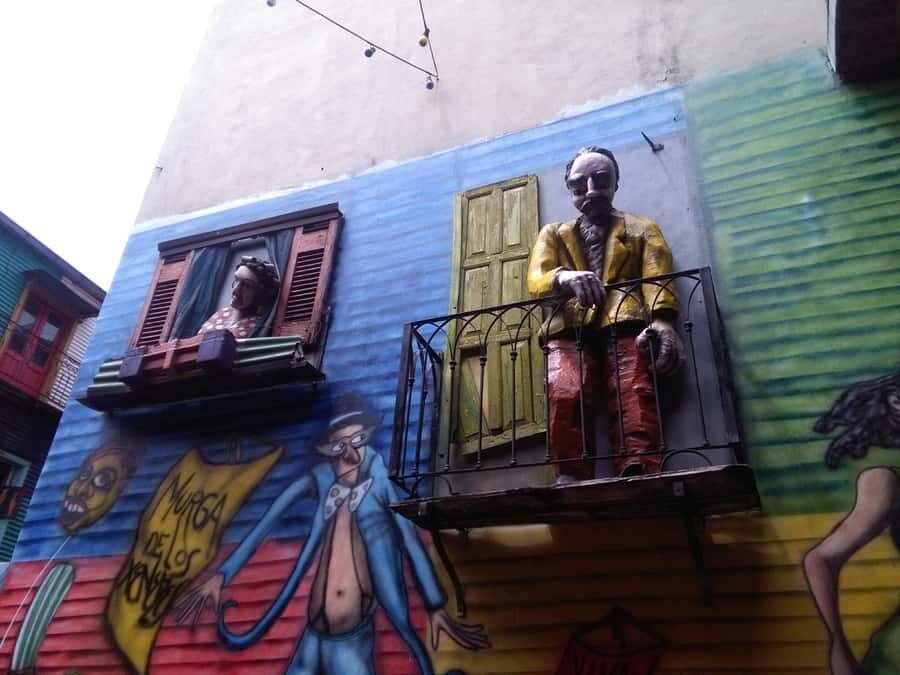
- Caminito’s color-block streets in La Boca, linked to tango’s beginnings at the end of the 1800s
- A small group capped at 10, which keeps the pace human and the guide questions answered
- A conventillo café finish, letting you close the day in a historic house feel
San Telmo meets Caminito: why this pairing works
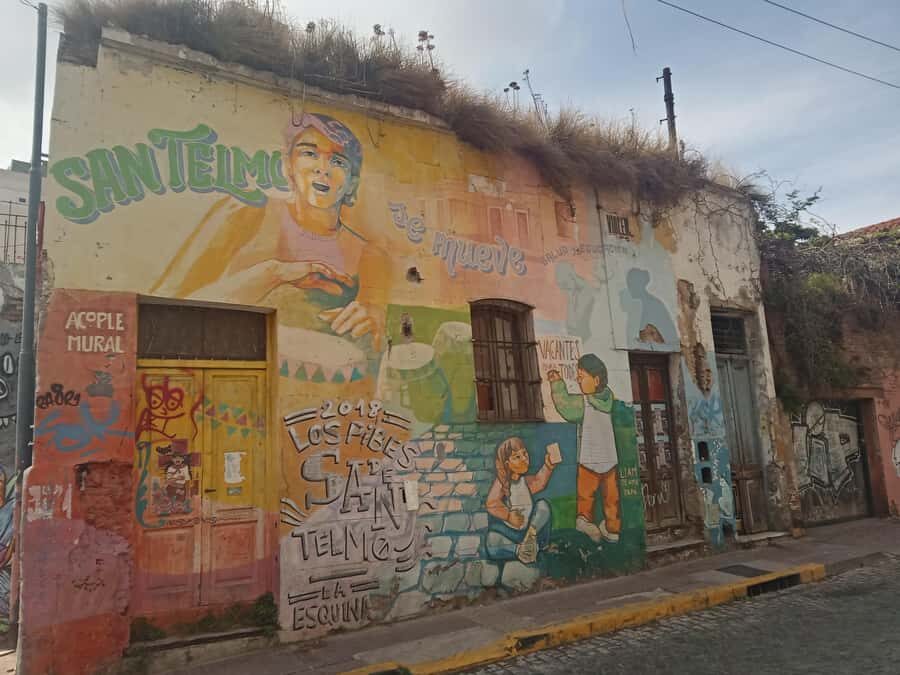
Buenos Aires has a reputation for grand boulevards and a more European mood, but this tour nudges you toward the south-of-center truth. San Telmo is the oldest neighborhood in the city, tied to the early founding years, and its architecture still carries a Spanish-colonial look. Then the route shifts down to La Boca, where Caminito’s color and energy reflect a different wave of life.
What I like about the pairing is the contrast in one day. You start with the older urban DNA—narrow streets, long-standing houses, and the kind of history that lives in plain sight. Then you land in a corner where immigration, working-class creativity, and tango culture connect, right down to the vibe.
This is also a smart value format. At about three hours of walking plus a bus transfer to Caminito, you’re not spending the day in transit or stuck in one single museum room.
You can also read our reviews of more walking tours in Buenos Aires


Starting at the Estatua de Mafalda: getting oriented fast
You meet at the Mafalda bench, the cartoon statue that’s become one of the city’s easiest rendezvous points. It’s a good move for first-timers because you don’t waste time hunting for a vague address.
From the start, the guide sets the tone with a quick photo stop and guided introduction (about 20 minutes). This matters because San Telmo can feel like a lot at once: churches, markets, old façades, and little side streets. A brief orientation helps you notice what you’d otherwise miss.
If you want a practical tip, use those first minutes to check your route mindset. This tour is built around walking and looking, not rushing. Comfortable clothes and water make the whole day feel easier.
San Telmo Market and the everyday side of history
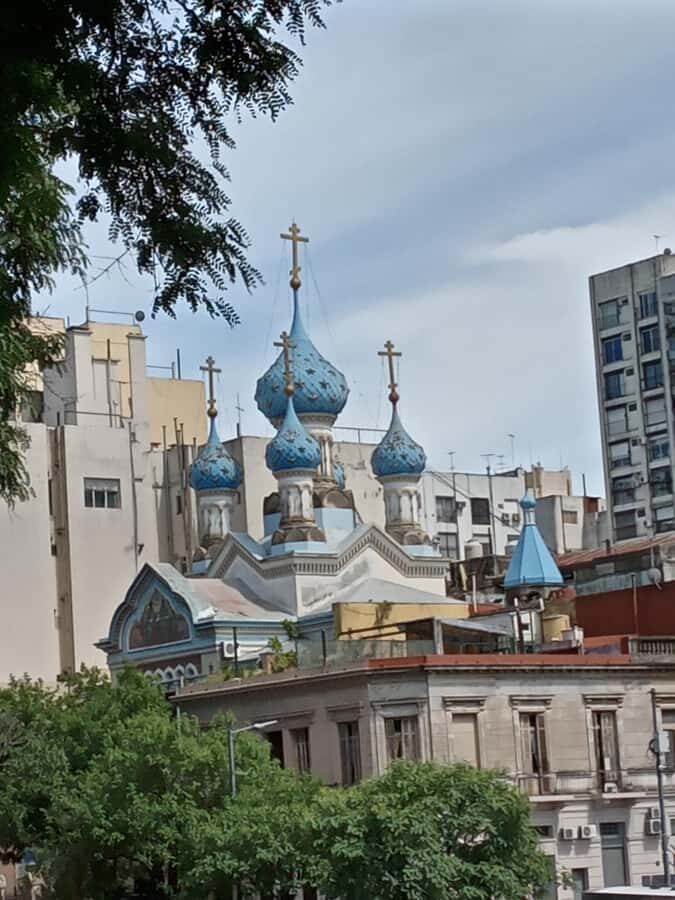
One of the most useful parts of the tour is the way it mixes landmarks with real neighborhood stops. The San Telmo Market is part of that. You get time to walk through the market area for about 30 minutes, which is long enough to get a feel without turning it into a full shopping spree.
You may also choose to grab local bites like empanadas while you’re there. Even if you skip food, the market is a good place to see how people actually move through San Telmo now, not just how it looked long ago.
San Telmo’s reputation isn’t only about old stones. It’s also about artisans, tango-era roots, and the sense that traditions survive because people keep using the spaces. That’s why this stop is more than a break—it’s where the tour starts to feel grounded in daily life.
Maté ritual: culture you can see, not just read

You’ll get a maté ritual demonstration during the walk. This is one of those details that makes the tour feel local instead of like a checklist.
Maté isn’t just a drink in Argentina; it’s a social rhythm. Watching the preparation helps you understand why the cup moves around and why locals treat it like a small moment of connection. The guide gives you the cultural context so you can recognize what you’ll see later, whether it’s at a café or in someone’s home.
If you’re trying to do Buenos Aires like a person, not like a tourist, this stop is a great start. You end up understanding habits you might otherwise label as just a trend.
Around Parque Lezama: green space with old-city context
After the market, you head toward Parque Lezama, with guided time and a short walk (about 20 minutes). Parks in big cities can feel generic, but in San Telmo the setting helps you slow down and think about how neighborhoods grew around shared public space.
This is also a good moment to regroup. You’re not only seeing buildings anymore—you’re catching your breath while the guide connects the dots between early city life and what’s still visible.
If you like photos, this is one of the stops where you can get a mix: people moving through the park, open sky, and the older neighborhood edges nearby. Just remember to keep your camera ready without turning it into a standstill.

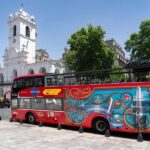

Plaza Dorrego: the social heart of old San Telmo
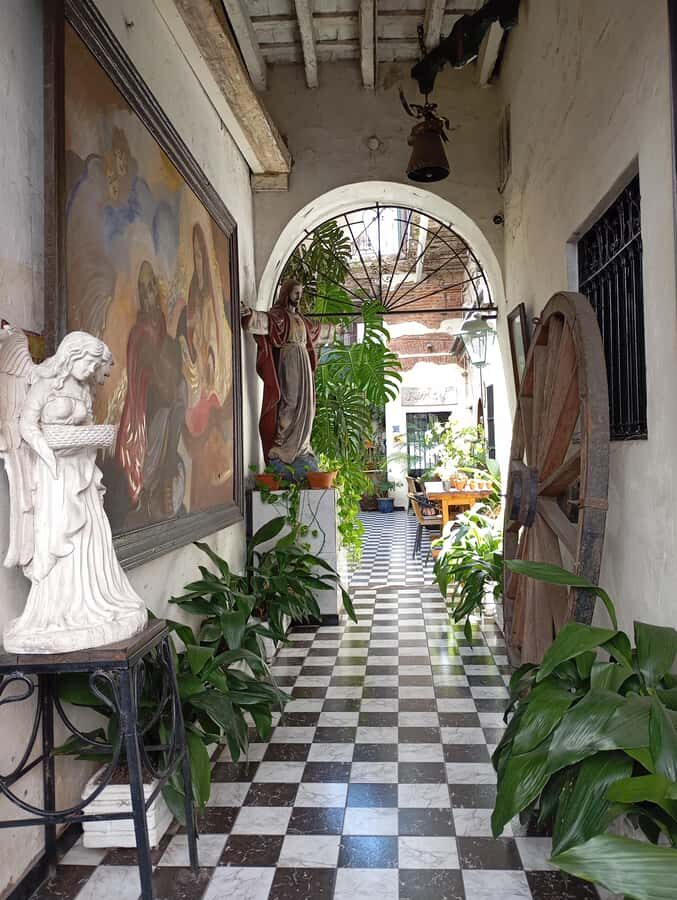
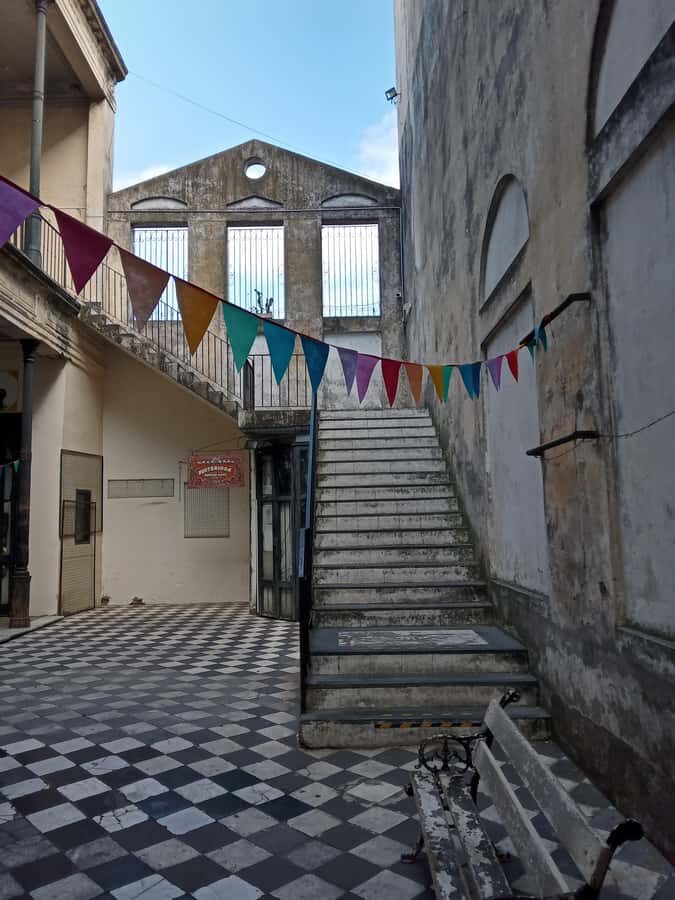
Next is Plaza Dorrego, with sightseeing time (around 15 minutes). This square is the kind of place where you can feel the neighborhood’s pull even if you don’t know every historical detail yet.
Why it works on this tour: Dorrego functions like a transition point. You get your San Telmo atmosphere set, then you move toward La Boca’s different mood. The guide uses these pauses to explain what you’re seeing—why certain streets and spaces matter, and how the neighborhood’s identity links to Buenos Aires as a whole.
If you’re the type who likes to understand the street-level reasons behind the famous names, this stop delivers. If you’re less into history, it still gives you a place to people-watch and reset your energy before Caminito.
Bus to Caminito: changing neighborhoods without losing the thread

Caminito is not right around the corner from San Telmo. The tour includes bus tickets so you can make that shift without dealing with solo navigation.
This is one of the tour’s quiet advantages. It keeps the day smooth, and it keeps you with the guide’s story arc. Instead of getting to La Boca and being overwhelmed, you arrive with the context already built.
You also get a photo stop and guided time in Caminito (about 1 hour). That combination is key: you don’t just take pictures of color; you learn what those colors and street scenes represent.
Caminito in La Boca: tango beginnings and immigrant dreams
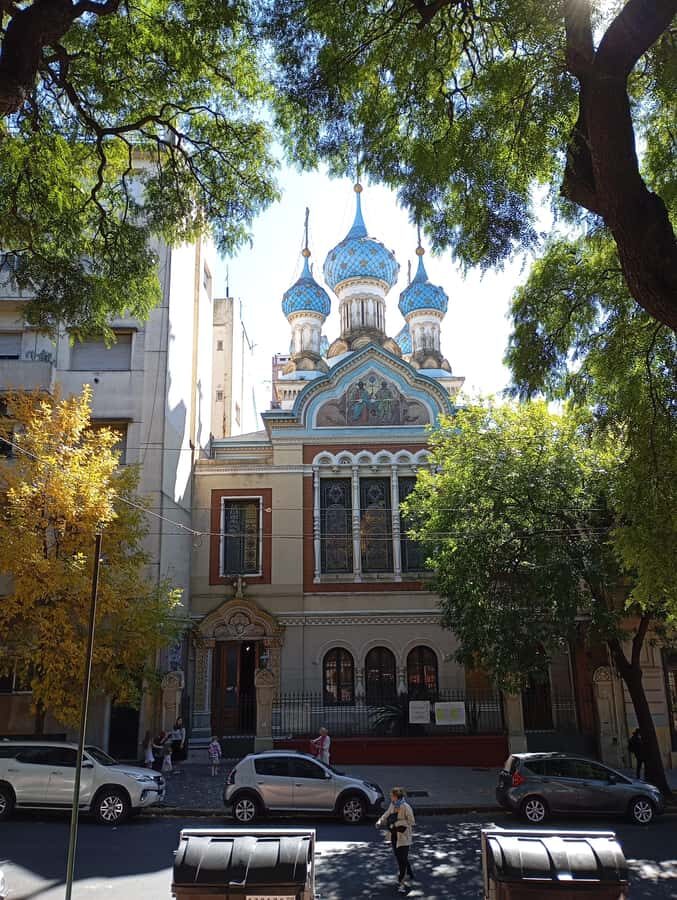
Caminito is a zone in La Boca known for blocks full of color and tradition. It’s often photographed, but the tour approach is better: it frames Caminito as a cultural crossroads rather than a backdrop.
Here’s what you’ll learn during the walk. The tour connects Caminito with the birth of tango toward the end of the 1800s. It also explains how European immigration started arriving in this part of Buenos Aires, with ships bringing people from Italy, Spain, Portugal, and Poland. Those arrivals weren’t just statistics—they became new dreams in a new country, and you can feel that creative energy in the streets.
The guide’s job in this section is to help you read the scene. Look beyond the obvious colors and focus on why this neighborhood took shape the way it did. That’s what turns a pretty street into an actually memorable one.
Churches, colonial houses, and what you notice when you slow down

You may also have a chance to see some churches in the area during the San Telmo portion. The same goes for historic homes and palaces along narrow streets. This is where the tour’s small-group size helps: you can pause, look closely, and ask a quick question without holding up a huge crowd.
San Telmo’s architecture brings an easy-to-miss detail into focus. The Spanish-colonial style contrasts with the common Buenos Aires imagination of Paris-like elegance. When you walk among houses that can date back around 400 years, that myth starts to crack in a good way.
Even if you don’t want to become a walking architecture student, you’ll start noticing patterns. Doorways, façades, and street geometry tell you how the city grew and who shaped it.
Finishing with café inside a conventillo
The tour ends with a café inside a conventillo, a historic house style associated with older Buenos Aires life. This finish is more than a last-minute treat. It’s a closing chapter that matches the rest of the day’s theme: history you can still step into.
Conventillo culture fits the San Telmo-to-La Boca story, because it ties together how people lived, worked, and shared space in older Buenos Aires. You’re basically shifting from street-level sights to a calmer indoor moment to process what you saw.
You’ll also get indications for how to return to your place afterward, so the day doesn’t end with confusion.
Price and value: what $35 buys you in real time
At $35 per person for a full-day experience (with a walking-heavy schedule and transportation included), the value comes from three areas.
First is the guide. A good guide doesn’t just translate names; they explain what matters and why. This one gives you English or Spanish instruction, and the small group size keeps it interactive.
Second is the included maté ritual and bus tickets. Those aren’t just add-ons. They remove friction, so you don’t have to figure out local customs or transit once you’re out walking.
Third is time efficiency. You cover San Telmo and Caminito in one day, with structured stops like the San Telmo Market, Parque Lezama, Plaza Dorrego, and then Caminito itself. That’s a lot of ground for one organized block without turning the day into a sprint.
Who should book this tour (and who might not)
This is a great fit if you want Buenos Aires that feels lived-in. If you like street walking, cultural context, and learning through neighborhoods instead of only museums, you’ll probably enjoy the pace.
It’s also a good choice if you like small groups. With a maximum of 10 participants, the guide can answer questions and keep the walking flow comfortable.
It may be less suitable if you have limited tolerance for walking. The tour involves several street sections plus a bus segment, and the day is designed for people who can comfortably move for hours at a time.
A quick checklist before you go
Bring comfortable shoes. You’ll be on foot through narrow streets, markets, parks, and squares. Pack water and comfortable clothing, because Buenos Aires weather can shift and you don’t want to feel stuck.
You’ll also want to be aware of the tour rules: no pets, and no smoking or vaping. Alcohol and drugs aren’t allowed, so plan for water and non-alcohol breaks as needed.
If you’re traveling with a baby under 1 year, or if you’re over 70, this tour is listed as not suitable. That’s worth taking seriously because the walking-heavy format matters.
Should you book San Telmo and Caminito?
If you want a single day that connects Buenos Aires’ older Spanish-colonial roots with La Boca’s tango-and-immigration story, this tour is a strong bet. The included mate ritual, bus transfer, and end-at-a-conventillo finish make it feel thoughtfully designed rather than random hopping.
Book it if you like walking, you want the guide’s explanations in English or Spanish, and you’d rather learn through neighborhoods than only through indoor exhibits. Skip it if you need long rest breaks or you’re not comfortable with a walking-forward schedule.
FAQ
Where does the tour meet?
The meeting point is the Mafalda cartoon statue bench, the Estatua de Mafalda.
How long is the tour?
The experience runs for one day, with a walking route through San Telmo and Caminito in about three hours, plus a bus transfer to Caminito.
What languages is the tour guide?
The tour guide offers instruction in English or Spanish.
What’s included in the price?
The tour includes a guide in English or Spanish, a maté (Argentinian tea) ritual demonstration, and bus tickets.
Is lunch included?
No. Lunch is not included.
What should I bring for the walk?
Bring comfortable shoes, water, and comfortable clothes.
Are there any rules about smoking or pets?
Yes. Pets are not allowed, and smoking and vaping are not allowed. Alcohol and drugs are also not allowed.
Can I cancel for a full refund?
You can cancel up to 24 hours in advance for a full refund.