REVIEW · BUENOS AIRES
Buenos Aires: Panoramic Bus Tour
Book on GetYourGuide →Operated by Providence Viajes · Bookable on GetYourGuide
Buenos Aires moves fast, and this tour helps you move smarter. It’s a 3-hour panoramic bus ride with a bilingual guide that threads together the city’s oldest blocks and its most modern districts, so you can get your bearings fast. I like that you’re not stuck in one neighborhood—you see how the city changes as you travel from Retiro to La Boca and over to Puerto Madero.
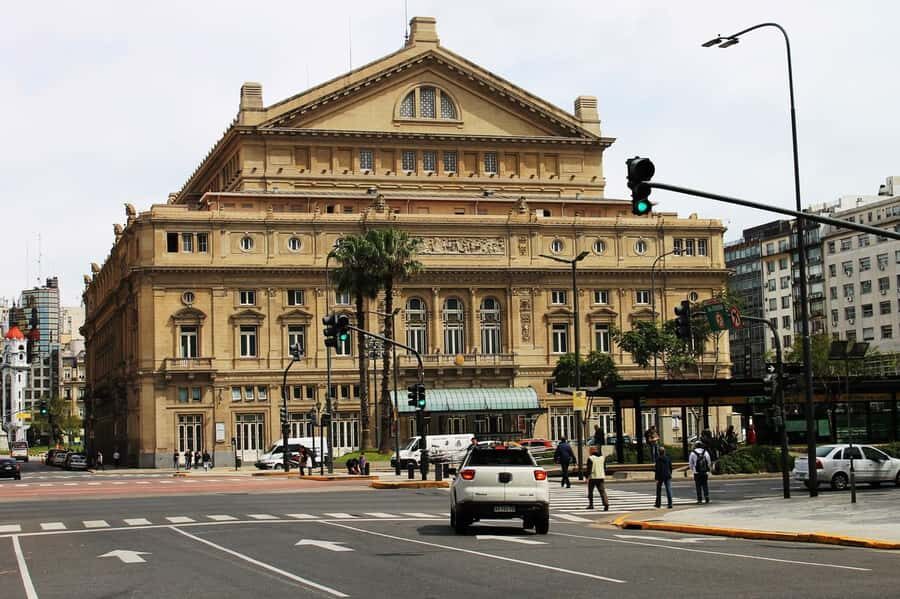
Two things I especially liked: the sightline views of big-city icons like the Obelisk and Colón Theatre, and the way the guide ties each stop to local culture and immigrant-era stories. The photo stops at Plaza de Mayo and Caminito are also practical, because they give you a clear target for photos without turning the whole day into a scavenger hunt.
The main drawback to consider is the fixed schedule. On a bus with a group, you’re working within a tighter time window, and you may have to wait for everyone during stops—so if you want total flexibility, a hop-on option could suit you better.
In This Review
- Key highlights to look for
- A fast 3-hour loop through Buenos Aires’ most recognizable areas
- On a panoramic bus with a bilingual guide: what the ride is like
- Retiro to San Nicolás: immigrant gateway to the Obelisk and Colón Theatre
- Monserrat and Plaza de Mayo: the political core in a short, focused window
- San Telmo’s old streets to La Boca’s Caminito colors
- Puerto Madero’s modern skyline meets a women-focused landmark
- Palermo and Recoleta: art, parks, and the elegant cemetery approach
- Ending near the Obelisk: why the route finish matters
- Photo stops at Plaza de Mayo and Caminito: how to make the most of them
- Price and value: is $55 worth it?
- Who should book this panoramic bus tour (and who should skip it)
- FAQ
- FAQ
- How long is the Buenos Aires panoramic bus tour?
- What landmarks and areas does the tour cover?
- Where are the photo stops?
- Is pickup included?
- What languages is the live guide available in?
- What should I bring?
- Is the tour good for mobility needs?
- Can I cancel and get a refund?
- Should you book this tour?
Key highlights to look for
- Obelisk and Colón Theatre panoramas: big, easy-to-spot landmarks from the bus route
- Plaza de Mayo photo stop in Monserrat, the political heart of the city
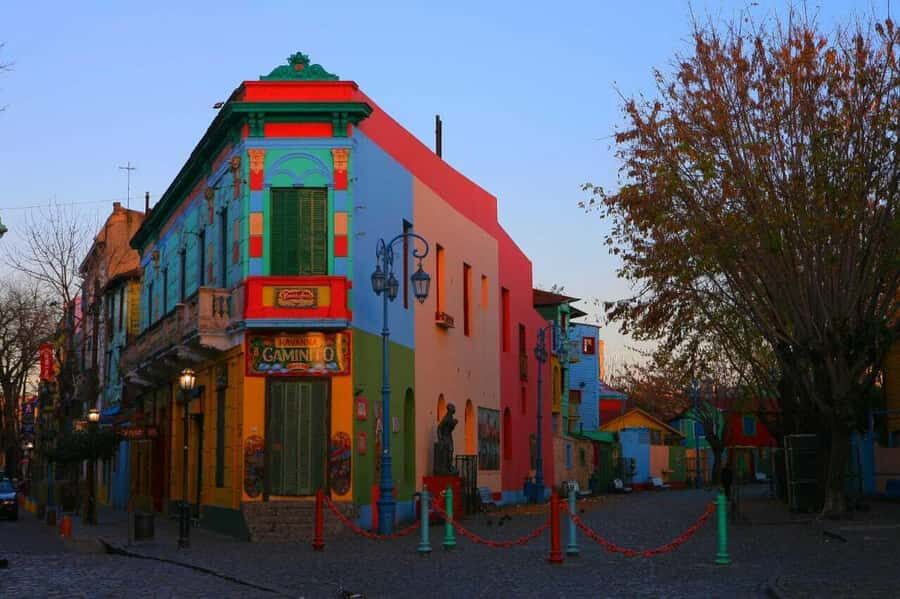
- Caminito in La Boca: colorful streets paired with an explanation of how the neighborhood formed
- Neighborhood contrast: Palermo and Recoleta’s elegance alongside San Telmo’s old-town feel
- La Boca walking segment: less just “photo time,” more context and culture
- One smooth route: from Retiro and San Nicolás through Monserrat, San Telmo, La Boca, Puerto Madero, Palermo, and Recoleta, finishing near the Obelisk
A fast 3-hour loop through Buenos Aires’ most recognizable areas
If you’re short on time, this tour is built for first impressions. You’ll cover a lot of Buenos Aires in about three hours, without needing to plan connections or figure out where to start. The route also makes sense for orientation: you’re moving through older central neighborhoods first, then branching out into trendier and more modern areas.
What makes it work isn’t just the list of districts. It’s the way the guide frames what you’re seeing—so Palermo doesn’t feel like random scenery, and La Boca doesn’t feel like a postcard without context. By the end, you’ll have a mental map of where the city’s different identities are strongest.
You can also read our reviews of more tours and experiences in Buenos Aires.

On a panoramic bus with a bilingual guide: what the ride is like
You ride in a true panoramic-style bus, and the experience is guided live in English, Portuguese, and Spanish. That matters if you’re traveling with someone who doesn’t speak Spanish well, or if you want the guide to explain what you’re looking at rather than reading it on your phone.
Group size and timing are the trade-offs. One review notes the bus carries around 30 people, and with that many people the schedule can feel slightly tight. The good news: your route is organized, you get photo stops, and you’re not spending your limited energy on transportation logistics.
One more practical note: the pickup can be from your hotel or a nearby meeting point depending on where you’re staying. If you’re outside the pickup area, you’ll be directed to a closer hotel option, which keeps things simple.
Retiro to San Nicolás: immigrant gateway to the Obelisk and Colón Theatre
The tour starts in Retiro, a key entry point for millions of immigrants between the 1800s and 1900s. From the bus, you’ll see how this area blends business and residential life, with classic city sights like Plaza San Martín, the pedestrian street Florida, the train station area, and the Monumental Tower.
From there, the route heads into San Nicolás, the city’s central hub. This is where the big “Buenos Aires, there you are” moments land. The guide points out the Obelisk, the Colón Theatre, and Corrientes Avenue, known for its constant energy thanks to theaters and places to eat.
Why this part is valuable: you’re seeing the city’s most iconic skyline anchors early on, which helps later stops make more sense. When you know where the Obelisk sits in relation to the surrounding areas, you’ll feel more confident navigating on your own afterward.
Monserrat and Plaza de Mayo: the political core in a short, focused window
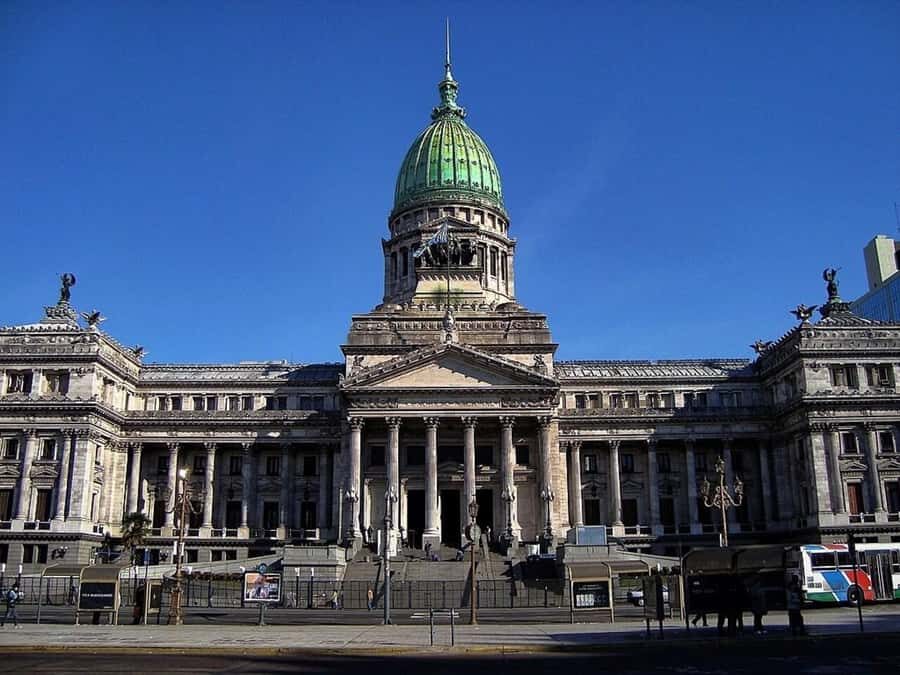
Monserrat is the oldest neighborhood in Buenos Aires, tied to the first Spanish settlers. In practical terms, it’s also where you’ll find the city’s formal, historic government and civic buildings—so it’s an ideal match for a photo stop.
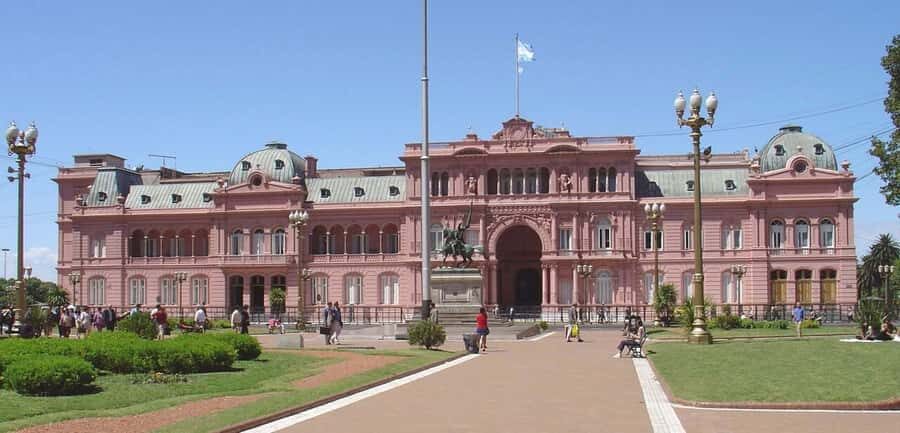
The tour includes a photo stop at Plaza de Mayo, and then a guided look at the area for about 30 minutes. You’ll pass major landmarks tied to Argentina’s public life, including the Cabildo, the Casa Rosada (Government House), the Cathedral, and Avenida de Mayo.
The key thing to watch for here: don’t rush past the buildings because the bus is moving. Listen for what the guide explains about how this neighborhood became the center of political life. Even if you don’t have time to go inside everything, you’ll understand why this square matters and how the surrounding architecture supports that role.
San Telmo’s old streets to La Boca’s Caminito colors
After Monserrat, the route moves toward San Telmo, one of the city’s oldest traditional neighborhoods. This is where the atmosphere feels more like old Buenos Aires: Casco Histórico, classic streets, and tanguerías (tango venues). The guide highlights places such as Defensa Street, Lezama Park, and Casa Mínima.
What’s useful for you: San Telmo is a great “slow-down” neighborhood, but you won’t get lost here because this portion is still guided. You’ll understand what you’re looking at—then you can decide later whether you want to return for longer.
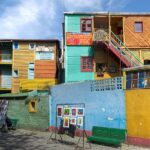
Then comes La Boca, one of the most distinctive neighborhoods in the world. The tour includes both a photo stop and a guided experience. You’ll get to walk between Caminito, the older tenement-style housing, and the surrounding streets where the neighborhood’s identity is strongly tied to Boca Juniors and soccer passion.
One of the most interesting parts is the immigrant backstory. The neighborhood developed because workers settled here for the labor opportunities, and many homes were made with wood and sheet metal. Even the way people painted walls comes into the story—using leftover paint from shipyards—which helps explain why the colors look the way they do.
Practical tip: for La Boca, make sure your camera is charged before you arrive, because the photo-worthy spots are frequent and the stop has a structure. If you show up ready to take quick shots, you’ll enjoy it more and waste less time fiddling.
Puerto Madero’s modern skyline meets a women-focused landmark
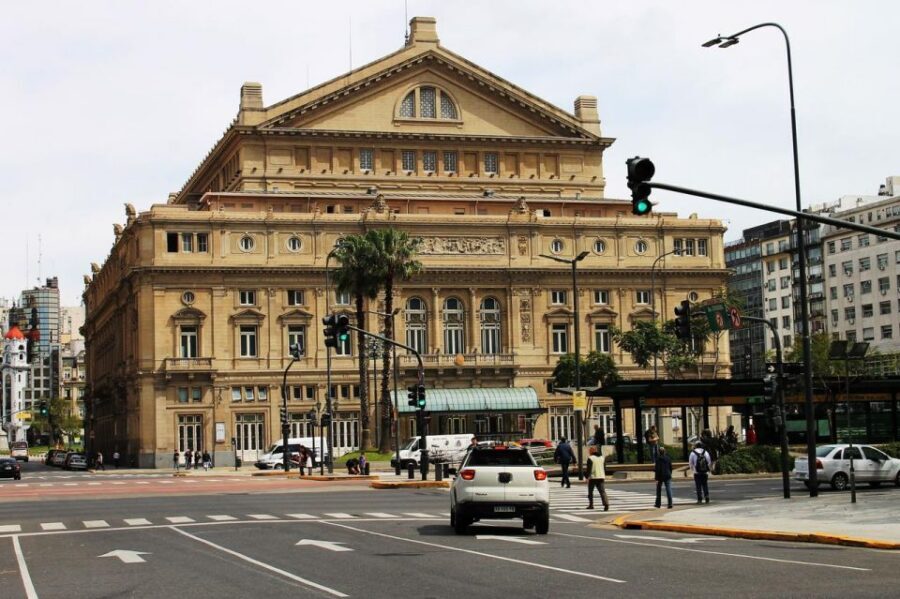
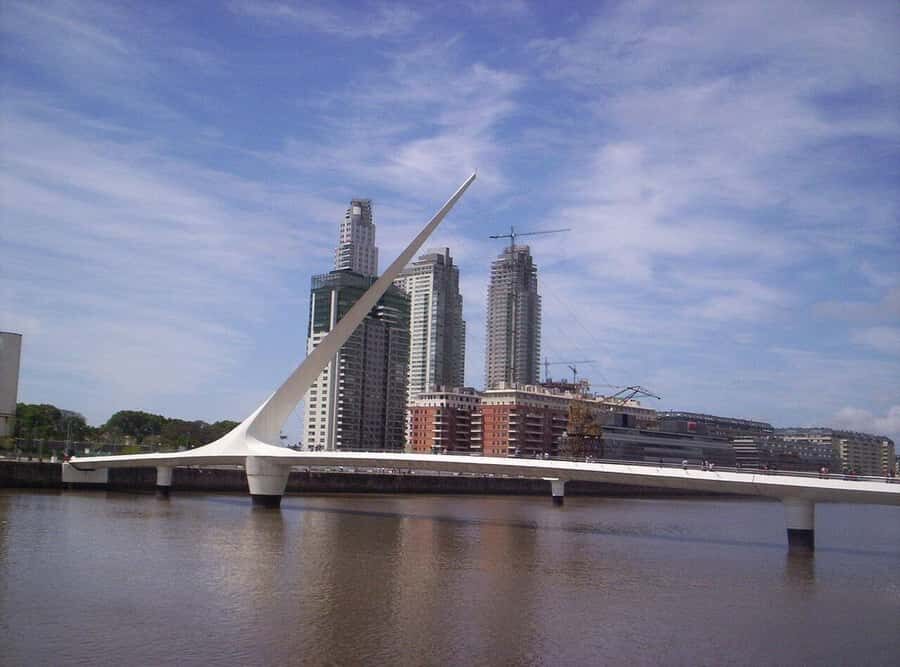
Next up is Puerto Madero, Buenos Aires’ more modern waterfront district. This is a different mood from La Boca and San Telmo: cleaner lines, newer infrastructure, and a strong focus on walking areas and public spaces.
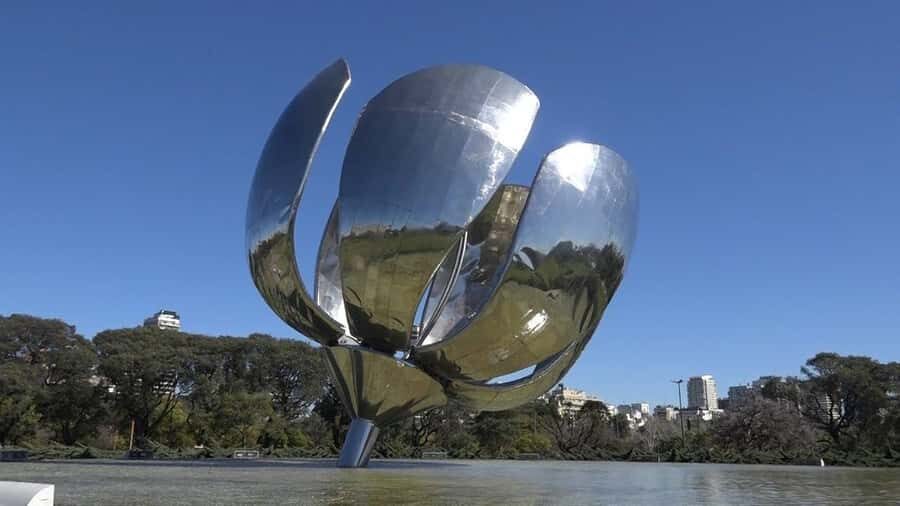
The guide points out highlights such as the Puente de la Mujer (Women’s Bridge), the Costanera Sur Ecological Reserve, and the Tango Monument. The tour also notes that Puerto Madero pays tribute to notable women in Argentine history, which gives the neighborhood more meaning than just “nice views.”
Why I think this stop is a smart fit: it balances the older neighborhoods you’ve already seen. If your itinerary is packed, Puerto Madero is a helpful contrast so the city doesn’t blur together.
Palermo and Recoleta: art, parks, and the elegant cemetery approach
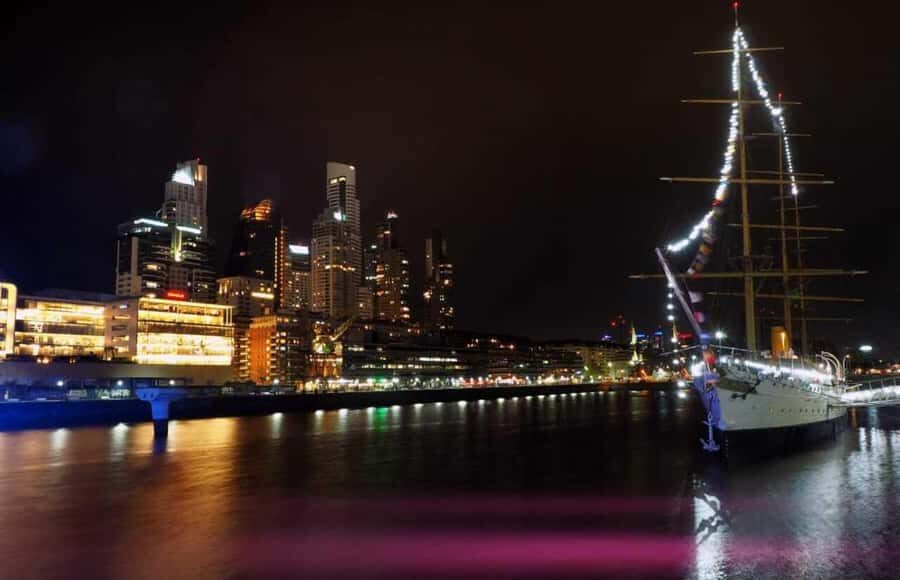
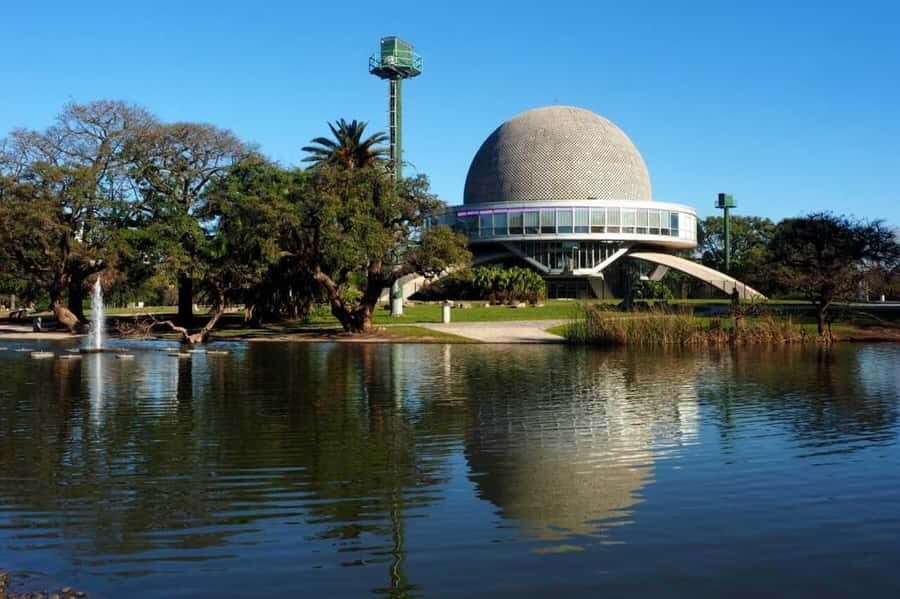
From Puerto Madero, you’ll move toward Palermo, the largest neighborhood in the city. The guide highlights Los Bosques de Palermo (a park area), the Galileo Galilei Planetarium, Plaza Italia, and Malba Latin American Art Museum. You’ll also pass the Hippodrome.
Palermo is a “choose your own pace” kind of place—yet on this tour you’ll get the high-level map. If you’re planning a return day, this is where the tour quietly helps you decide what kind of day you want: art-focused, park-focused, or something more city-and-lifestyle.
Then the route heads into Recoleta, known for elegance and notable landmarks. You’ll hear about Recoleta Cemetery, where famous people are buried, plus the National Museum of Fine Arts, Carlos Thays Park, and the renowned Law School.
This is a good time to remember what the tour is doing overall: it’s giving you a guided framework so your future visits feel targeted. Recoleta can be overwhelming if you’re walking around on your own without context, but here you get the quick explanation that helps you recognize the major players right away.
Ending near the Obelisk: why the route finish matters
The tour finishes at the Obelisco area. That’s not just convenient—it’s strategic. Ending near a central icon makes it easier to continue your day without needing to retrace steps.
Also, because the route already brought you through San Nicolás earlier, the finish feels like you’re closing the loop. You’ll likely notice how the city’s core connections work, which can make your next self-guided plan smoother.
Photo stops at Plaza de Mayo and Caminito: how to make the most of them
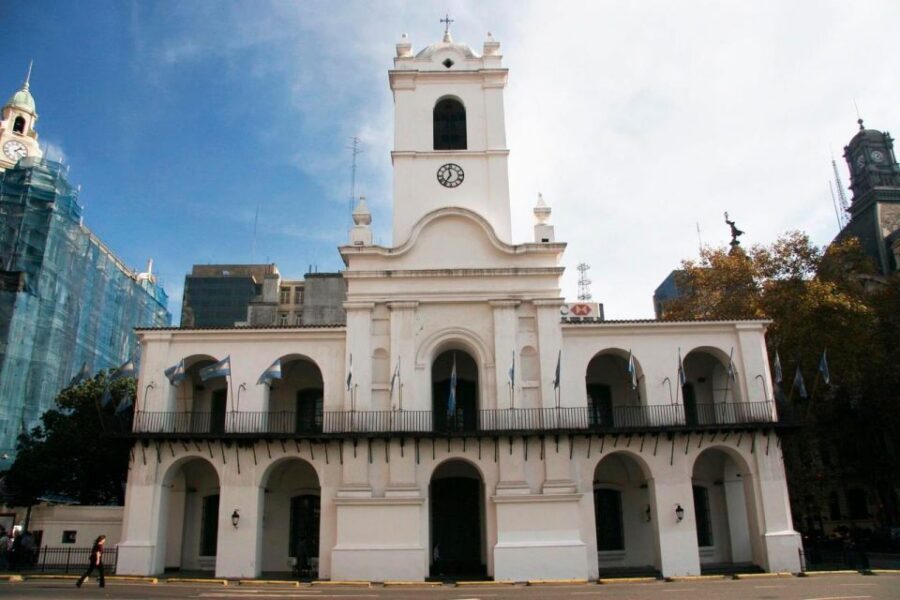
The two photo stops are clearly identified: Plaza de Mayo in Monserrat and Caminito in La Boca. Because they’re baked into the route, you’re not spending half your time asking where to stand and when to move.
Here’s how I’d handle it if you want better results:
- Keep your camera ready before you arrive at each stop.
- Use the guided moment to orient yourself, then take photos from a couple angles instead of hopping between spots.
- When the bus timing is tight, don’t try to do extra errands nearby—you’ll lose the flow.
These stops also do something subtle: they give you a story backdrop. Plaza de Mayo isn’t just a big open square; La Boca isn’t just color. The guide’s explanations help your photos feel connected to meaning instead of looking like disconnected snapshots.
Price and value: is $55 worth it?
At $55 per person for about three hours, this tour earns its value by combining four things most travelers struggle to do at once: cover multiple neighborhoods efficiently, get live interpretation, include pickup/meeting-point convenience, and include key photo stops.
If you’re doing Buenos Aires for the first time, value often comes from saving time and avoiding wrong turns. Instead of spending energy moving between districts and figuring out what matters most, you get a guided route that highlights major landmarks like the Obelisk, Colón Theatre, Plaza de Mayo, and Caminito.
That said, the price also assumes you’re okay with a structured pace. If your ideal day is slow walking and lingering in one place for hours, then a fixed-route bus tour may feel limiting. If you prefer flexibility, that’s when a hop-on/hop-off style option can match your style better.
Who should book this panoramic bus tour (and who should skip it)
I’d book this if you:
- Want an organized overview of Buenos Aires neighborhoods in one sitting
- Like learning through a guide rather than relying only on maps
- Enjoy seeing major landmarks quickly, then picking favorites to revisit later
- Want guided moments in both older central districts and newer areas like Puerto Madero
I’d skip it (or at least think twice) if you:
- Have mobility limitations, because the tour is not suitable for people with mobility impairments
- Strongly prefer total flexibility during stops, since the schedule is designed around group timing and waiting is possible
- Want lots of “wander time” on your own, because this tour’s structure favors interpretation and photos over open-ended exploration
A quick bonus if you’re planning ahead: you can cancel up to 24 hours in advance for a full refund, and there’s also a reserve now, pay later option. That makes it easier to fit into a changing Buenos Aires plan.
FAQ
FAQ
How long is the Buenos Aires panoramic bus tour?
The tour lasts about 3 hours.
What landmarks and areas does the tour cover?
You’ll go through neighborhoods including Retiro, Palermo, Recoleta, San Nicolás, Monserrat, San Telmo, La Boca, and Puerto Madero, and you’ll finish at the Obelisco.
Where are the photo stops?
There are photo stops at Plaza de Mayo (Monserrat) and Caminito (La Boca).
Is pickup included?
Yes. Pickup is included from your hotel or designated meeting points, depending on your location.
What languages is the live guide available in?
The live guide offers English, Portuguese, and Spanish.
What should I bring?
Bring a passport or ID card. A copy is accepted.
Is the tour good for mobility needs?
No. The tour is not suitable for people with mobility impairments.
Can I cancel and get a refund?
Yes. You can cancel up to 24 hours in advance for a full refund.
Should you book this tour?
If you want a clear first map of Buenos Aires—with the Obelisk, Colón Theatre, Plaza de Mayo, and Caminito all in one guided sweep—this is a solid choice. I like it most for early trips when you’re still learning how the city fits together.
Book it when you’re okay with a structured pace and group timing. Skip it if you need extra mobility support or if you truly want long, independent wandering time in just one neighborhood.