REVIEW · SAN CARLOS DE BARILOCHE
Bariloche: German Immigration and History Walking Tour
Book on GetYourGuide →Operated by Bariloche Stories Walking Tour · Bookable on GetYourGuide
A German story with real streets to match. This 90-minute walking tour in Bariloche links the town’s German connections to the everyday places you can still see, from the civic core to the German neighborhood and the sites tied to Erich Priebke.
I especially liked how the guide keeps the story moving between key stops, and how the tour explains the three waves of German immigration in a way that feels grounded rather than abstract.
One thing to consider: it is a short route, but parts of the walk can be mostly uphill, so wear shoes with good grip.
In This Review
- Key takeaways before you go
- Starting at Bariloche Civic Center Square: the tour’s “map”
- Three waves of German immigration, told through real Bariloche sites
- Wave 1 to the early shaping of Bariloche
- Wave 2 as the community expands and institutions take shape
- A club and national-park administration that show local integration
- Wave 3 and the late history that includes the Nazi era
- German School and Belgrano Square: how architecture and memory overlap
- The German School: more than a building
- Belgrano Square: community geography you can still feel
- Erich Priebke’s house: the moment the story turns serious
- Ending with theories on German presence in Patagonia: separating stories from proof
- How the walking route really feels: 1 km, 90 minutes, and a bit of uphill
- Guide style that makes history stick (Diego, plus others)
- Price and value: what you get for about $41
- Who this tour suits best
- Should you book the Bariloche German immigration and history walking tour?
- FAQ
- How long is the tour?
- How much walking is involved?
- Where do I meet the guide?
- What languages are available?
- Who leads the tour?
- What will we see during the walk?
- How much does it cost?
- Is it good for people who want to understand German immigration waves?
- What if I need to cancel?
Key takeaways before you go
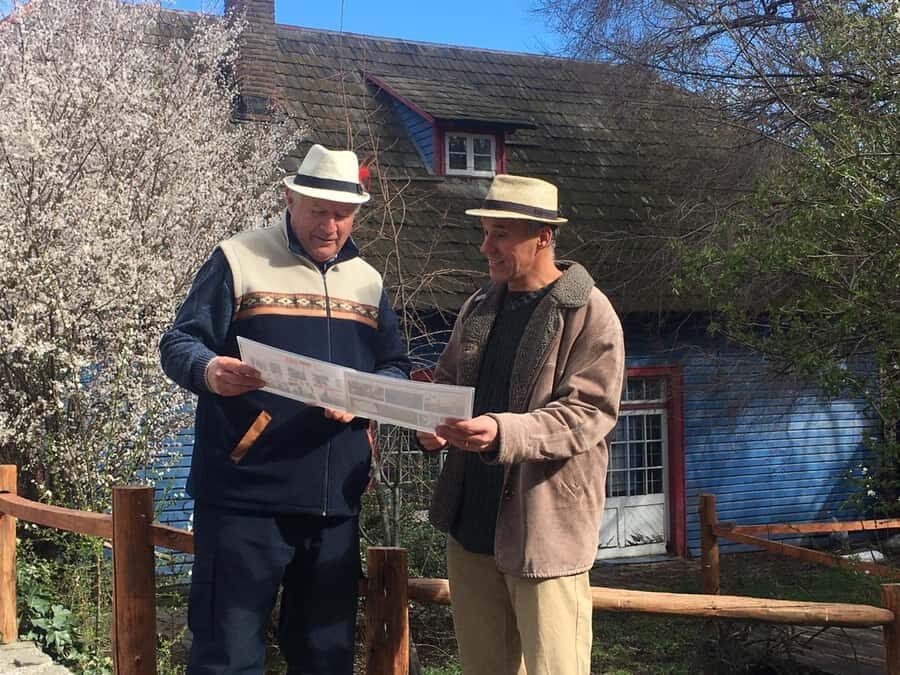
- See the German School area tied to Erich Priebke’s interception and connect it to what happened later
- Follow three distinct waves of German immigration to Bariloche, from the mid-1800s through the post–WWII period
- Learn the difference between reality and myths about German presence in Patagonia
- Walk from the Civic Center into a German-influenced area using specific local landmarks, not just general history
- Expect a fast, storyteller-style pace with frequent location changes to keep the narrative clear
Starting at Bariloche Civic Center Square: the tour’s “map”
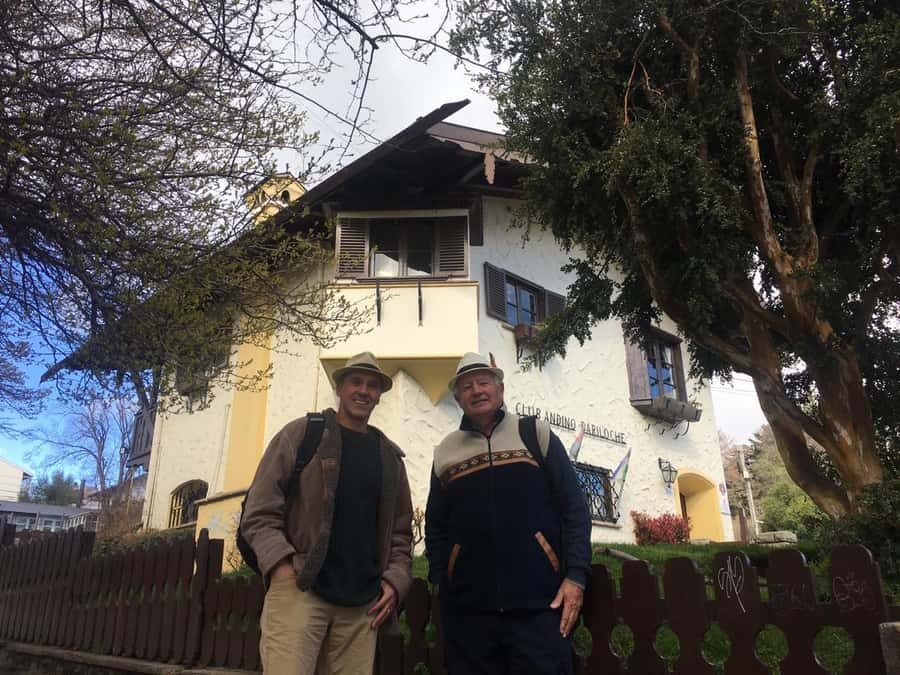
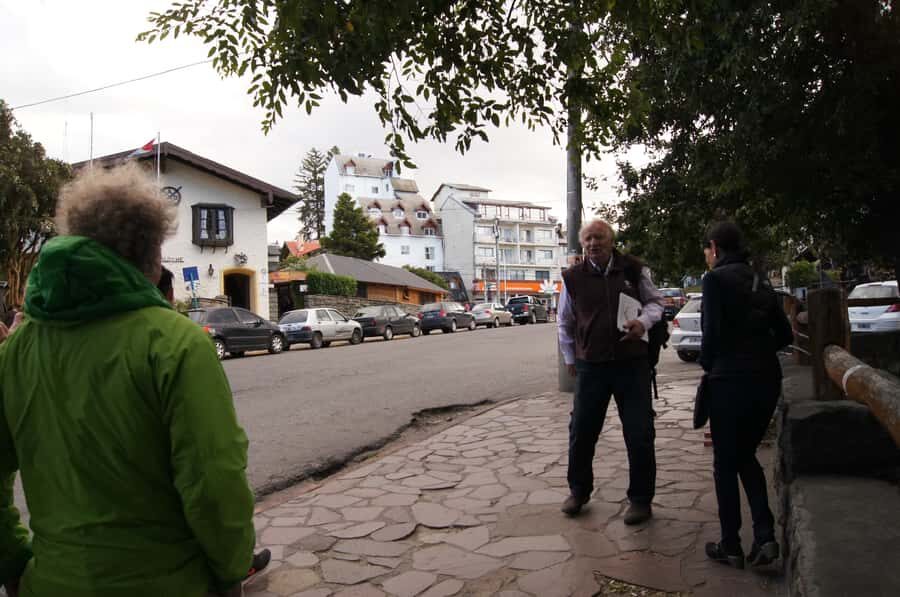
You meet at the Bariloche Civic Center square, right by the tourist information office door. From there, you’re on foot for about a 1 km route, but the point isn’t distance. It’s direction and context: you’re walking across the layers of Bariloche’s identity.
This is a smart way to learn a complicated topic. Instead of cramming dates into your head, the guide ties history to places you can point at—something you can revisit later when you’re wandering on your own. It also makes the tour feel practical for real travel time: 90 minutes is long enough to build a thread, short enough that you can still do your lake or mountain plans afterward.
You can also read our reviews of more tours and experiences in San Carlos De Bariloche.
Three waves of German immigration, told through real Bariloche sites
What I like most about this tour is how it treats the German presence as something that changed over time. You don’t just hear one origin story and call it a day. You get three main waves of immigration, with the later phase including the Nazi period, and the guide connects each wave to what Bariloche looked like on the ground.
Wave 1 to the early shaping of Bariloche
You start with the earliest phase of German immigration, the part tied to the mid-19th century. Even without drowning in names and dates, the tour gives you the big idea: early arrivals helped shape settlement patterns, community structures, and cultural influence. The “value” here is that you understand why German architecture and social life show up in the places you’ll actually walk through later.
Wave 2 as the community expands and institutions take shape
As the story moves forward, the guide explains how the German presence grew and organized. This is where the tour’s landmark choices matter. You aren’t just seeing houses. You’re seeing how immigrant communities tend to build institutions and routines—clubs, civic spaces, and local governance that connect daily life to a wider region.
That brings you to the next key stop.
A club and national-park administration that show local integration
One of the representative sites is the Bariloche Andean Club and the Nahuel Huapi National Park administration area. It’s an important stop because it shifts the tour from “people arrived” to “people participated.” You start to see how Bariloche’s identity wasn’t only shaped by German roots, but also by Patagonia’s public life and the work of organizing a growing town around the nearby national park region.
Even if you’re not a history geek, this part helps you read Bariloche more clearly. You start spotting why certain buildings and public spaces feel formal or community-focused. They’re not random. They match the story you just heard.
You can also read our reviews of more historical tours in San Carlos De Bariloche
Wave 3 and the late history that includes the Nazi era
The final phase is the heavy one: the Nazi wave, culminating in the story of Erich Priebke. This tour doesn’t treat it like a sensational detour. It’s presented as part of the longer arc of immigration history—meaning you’re shown how reality and myth can get tangled when wartime events collide with postwar escape routes and new lives.
If you prefer your tours light and airy, you might find this emotionally heavy. But if you want a history that tells the full truth of how places get shaped, this stop is the crux.
German School and Belgrano Square: how architecture and memory overlap
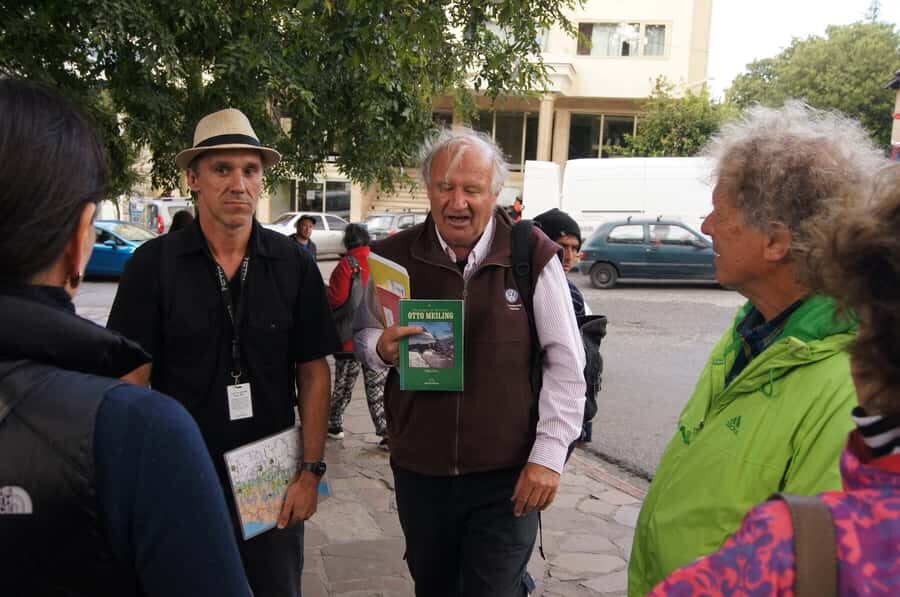
After the civic start, the walk gets more focused on the German-influenced area. Two stops stand out for helping you read Bariloche like a map of identity: the German School and Belgrano Square.
The German School: more than a building
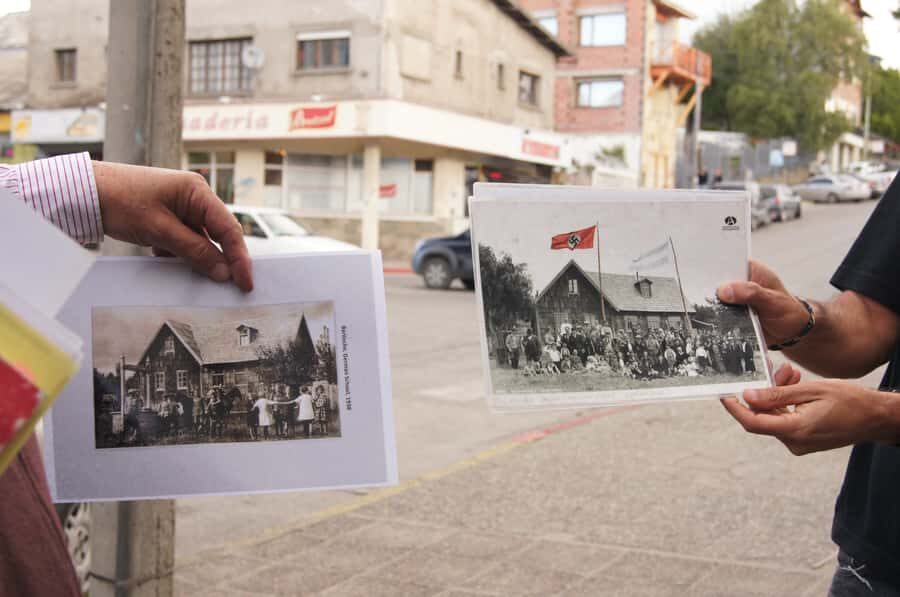
The German School stop matters because it’s tied directly to Priebke’s story. The tour includes the detail that Priebke was intercepted by Sam Donaldson in connection with this period, and it uses the school setting to anchor that information to a real local location.
Why that’s valuable: it shows you how history clings to ordinary places. Schools are supposed to represent learning and the future, yet in this story they connect to a moment when the past caught up with someone hiding in plain sight.
Belgrano Square: community geography you can still feel
Belgrano Square is another named landmark that helps you visualize the neighborhood layout. You get a sense of how central squares function in immigrant areas: they’re meeting points, social anchors, and easy reference points for what a community builds around itself.
The tour’s take isn’t just that German influence existed. It also pushes you to ask what’s myth, what’s documented, and why some stories spread faster than evidence. That theme lands especially well once you stand in a place that has become a symbol to some people and a real neighborhood to others.
Erich Priebke’s house: the moment the story turns serious
The most talked-about stop is the house where Erich Priebke lived before his extradition in 1994, after an American journalist discovered his presence. This is the part of the tour that makes it feel more than cultural history.
From a travel-experience standpoint, this stop works because the guide ties it to the broader narrative you’ve already built. You aren’t dropped into a random crime story. You’ve been following the immigration waves, and now you see how the last wave connects to specific outcomes and global attention.
It’s also why this tour has a “talking in circles” risk—history like this can become either sensational or vague. The guide’s job is to keep it factual and paced. Based on the way the tour is described, the guide uses storytelling tools (like transitions that make you look forward to the next stop) without losing the plot.
If you choose to book this, go in prepared for a serious segment. You’ll likely walk away with questions about how memory works in a town: what people remember, what people prefer not to discuss, and what gets repeated until it becomes myth.
Ending with theories on German presence in Patagonia: separating stories from proof
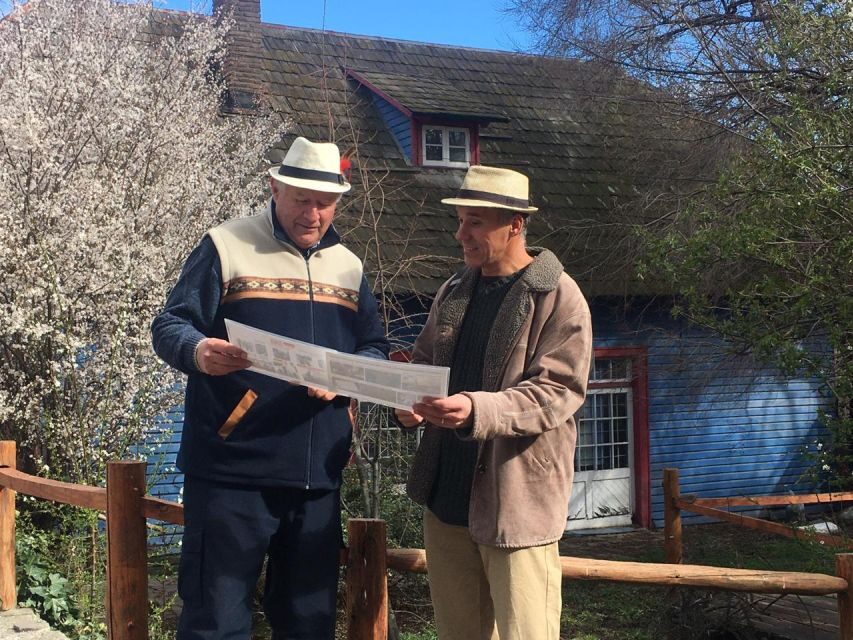
The tour closes with a discussion of theories around German presence in Patagonia. This matters because German influence in the region can become oversimplified very fast—either painted as one big tidy origin story or treated as a bunch of rumors.
The guide’s approach, as you’ll feel during the walk, is to keep that debate grounded. Instead of pushing one answer, you get the tools to think critically about why certain claims are repeated and what evidence likely supports or challenges them.
For you, this ending is a good mental upgrade. It helps you enjoy the rest of your Bariloche trip without falling into easy stereotypes. You’ll start noticing details with more balance—what looks German, what just looks European-influenced, and what has documented links.
How the walking route really feels: 1 km, 90 minutes, and a bit of uphill
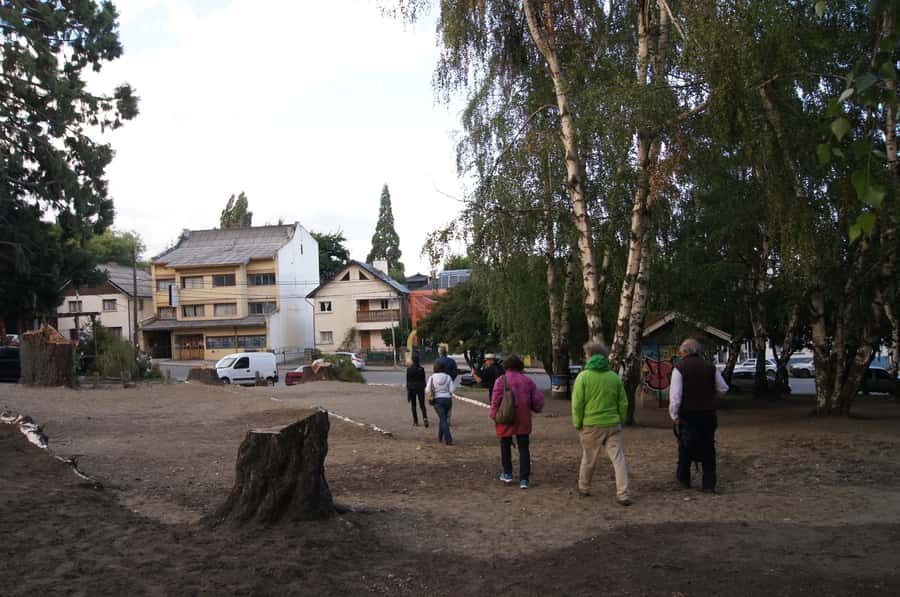
On paper, the route is simple: a 1 km walk starting at the Civic Center by the tourist information office door, moving through the German-influenced area.
In practice, you should plan for the walking to feel like more than “just 1 km.” One clear consideration from the experience is that the area can be mostly uphill. It’s not a marathon, but it can change what you need to wear.
My practical advice:
- Wear shoes with solid grip.
- If you’re sensitive to uphill walking, pace yourself and don’t assume speed will matter more than comfort.
- Bring a basic water plan for the afternoon if you’re doing this before outdoor activities.
The good news is the time is right for a history stop. Ninety minutes is enough for context, and it’s short enough that you can still enjoy Bariloche’s outdoors the same day.
Guide style that makes history stick (Diego, plus others)
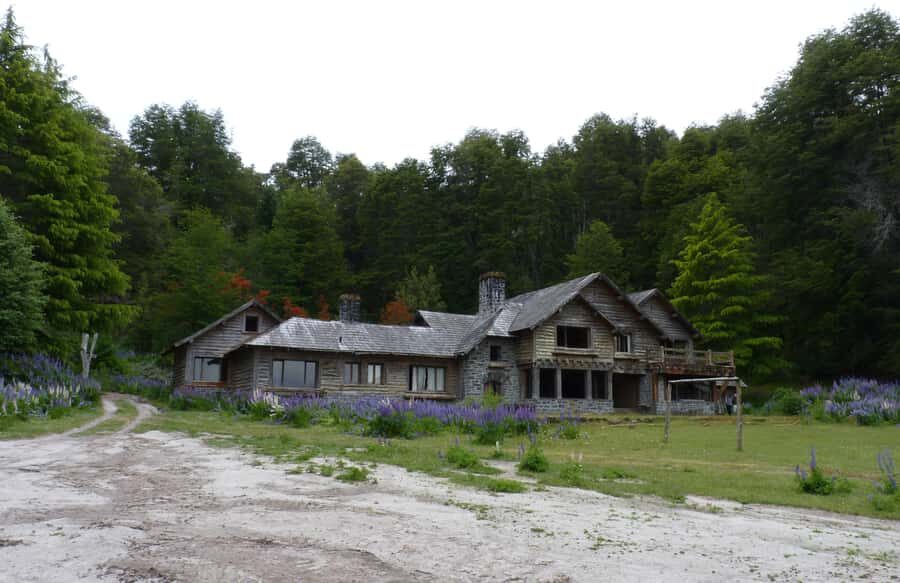
The big reason this tour earns such strong marks is the guide’s delivery. In many experiences, the guide is Diego, described as an engaging storyteller who answers questions as you go along and keeps people included, even when the group is bigger than usual.
You’ll also see that the tour runs in both English and Spanish, which helps a lot if your group includes mixed-language travelers. One review notes that the guide can work in bilingual mode while still keeping the story coherent, and that’s the skill that makes a 90-minute walking tour feel smooth instead of messy.
There’s also at least one reference to Pedro as a guide. So if you’re trying to match expectations, know that the tour is led by a live guide using Spanish and English.
Price and value: what you get for about $41
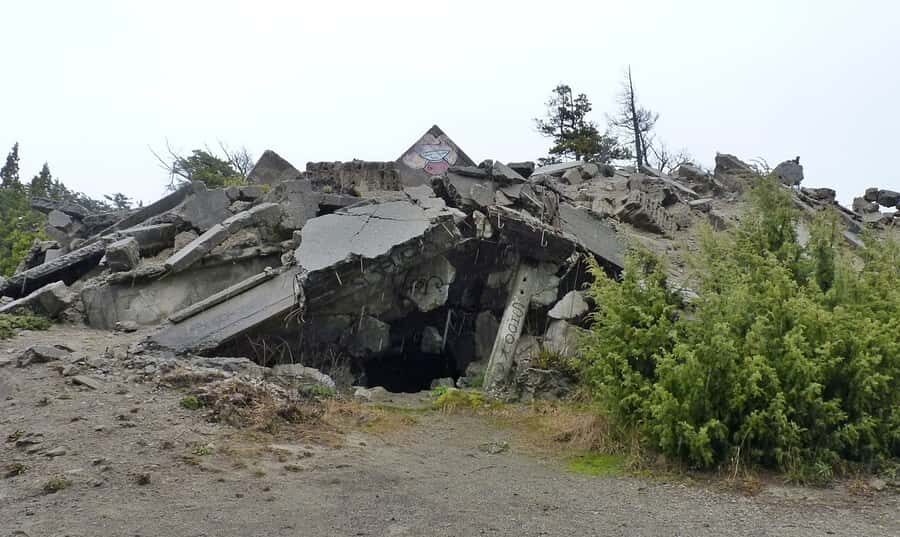
At $41 per person for a 90-minute walk, this isn’t priced like a “quick museum chat.” It’s priced like an interpretive tour where the guide is doing real work: linking three immigration waves, using multiple landmarks, and finishing with myth-vs-reality theories.
For value, the biggest factor is time efficiency. You get:
- A focused route you can complete in one afternoon window
- Multiple specific stops, not just one photo-op building
- A heavy historical thread handled as part of a wider story
If you love walking tours, this will likely feel worth it. If you only want light cultural color and zero heavy history, you may decide it’s not your kind of tour.
Who this tour suits best
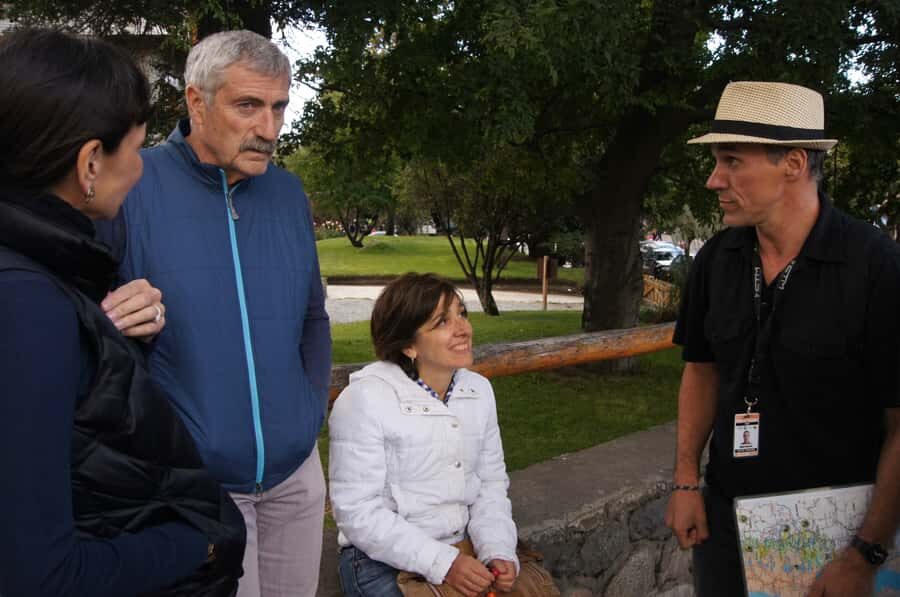
This tour fits you if you:
- Want German immigration history tied to actual Bariloche locations
- Prefer guided context over reading random plaques on your own
- Like walking tours that explain more than they point
- Are comfortable with a serious WWII-related segment as part of a broader narrative
It might not fit you as well if you:
- Don’t want to mix tourism with uncomfortable history
- Need a fully flat route (some uphill is expected)
- Expect a long, slow discussion that replaces the walking time (the format is paced and stop-based)
Should you book the Bariloche German immigration and history walking tour?
Yes, if you want a guided walk that gives you a sharper understanding of Bariloche than you’d get from casual sightseeing. The best reason to book is simple: the tour connects three immigration waves to places you can still see, then ends with a myth-and-theory discussion so you know how to think about what you’re noticing.
If the uphill walk is a concern, or if you prefer only cheerful history, consider whether the Priebke segment will feel right for you. For many people, though, this is exactly the kind of experience that turns Bariloche from pretty scenery into a place with clear, human context.
FAQ
How long is the tour?
It lasts 90 minutes.
How much walking is involved?
It’s about a 1 kilometer walk.
Where do I meet the guide?
Meet at the Bariloche Civic Center square, by the tourist information office door.
What languages are available?
The live tour guide offers Spanish and English.
Who leads the tour?
It’s run with a live tour guide. Reviews mention Diego as a guide, and another review mentions Pedro.
What will we see during the walk?
You visit key Bariloche sites including the Civic Center area, the Bariloche Andean Club and Nahuel Huapi National Park administration area, the German School, Belgrano Square, and the house where Erich Priebke lived before his extradition in 1994. The tour also finishes with a discussion of theories about German presence in Patagonia.
How much does it cost?
The price is $41 per person.
Is it good for people who want to understand German immigration waves?
Yes. The tour explains three main waves of German immigration to Bariloche and covers reality versus myths of German presence.
What if I need to cancel?
You can cancel up to 24 hours in advance for a full refund.