REVIEW · BUENOS AIRES
Classic City Tour of Buenos Aires: Neighborhoods and Emblems
Book on GetYourGuide →Operated by Gray Line Argentina · Bookable on GetYourGuide
Buenos Aires rewards people who arrive with curiosity and a short time window. This 4-hour city loop gives you fast bearings across the city’s best-known neighborhoods and emblems, from the Obelisk to La Boca. I especially like how the route mixes grand civic landmarks with lived-in street scenes, so you get a feel for why Buenos Aires is often called the Paris of South America.
My second favorite part is the built-in rhythm: short panoramic driving plus two focused photo stops (about 20 minutes each) where you can actually stop, look, and frame photos without feeling rushed. The main drawback to factor in is timing around hotel pickup and end drop-off—some stops can be late, and you may not finish right back at your original hotel.
In This Review
- Key things to know before you go
- How this Buenos Aires tour helps you get your bearings fast
- Recoleta and Retiro: elegance, monuments, and grand avenues
- San Nicolás and Montserrat: Plaza de Mayo and the power of the center
- The Obelisk and Teatro Colón: two landmarks you can’t miss
- San Telmo: narrow streets and the feel of older Buenos Aires
- La Boca and Caminito: color, photos, and street theater energy
- Alvear Avenue palaces and Puerto Madero’s modern reset
- The photo stops: why Plaza de Mayo and Caminito timing matters
- Pickup, late starts, and how to protect your schedule
- Guides in Spanish: what to expect when you’re not fluent
- Drop-off points: ending centrally, not at your doorstep
- Price and value: is $45 a smart use of half a day?
- Who should book this tour, and who should skip it
- Should you book Classic City Tour of Buenos Aires?
- FAQ
- How long is the Buenos Aires classic city tour?
- How much does the tour cost?
- Is hotel pickup included?
- What language is the guide?
- Are there photo stops during the tour?
- Where do you get dropped off at the end?
- Is food included?
Key things to know before you go
- Neighborhood sweep in 4 hours: Recoleta, Retiro, San Nicolás, Montserrat, San Telmo, and La Boca in one route
- Big emblems included: Obelisk, Plaza de Mayo, Casa Rosada, Metropolitan Cathedral, and more
- Photo stops with breathing room: about 20 minutes in Plaza de Mayo and Caminito
- Spanish-language guiding: the tour runs in Spanish, with guides known for strong communication
- Central pickup and drop-off: convenient points, but some hotels aren’t covered and you may end away from your door
How this Buenos Aires tour helps you get your bearings fast
If it’s your first time in Buenos Aires, this kind of half-day tour is gold. You’re not trying to “see everything.” You’re learning the city’s shape: where the major sights cluster, how neighborhoods feel different, and which areas are worth your time the next day.
The tour’s value is in its balance. It doesn’t lock you into museums. Instead, you get a mix of panoramic views from main avenues and brief in-person moments at iconic plazas and streets. That makes it easier to plan a smart follow-up day—especially if your time in the city is tight.
Also, the tour is built around contrasts. You’ll go from polished, formal architecture to older colonial layouts and then to a colorful, tourist-famous corner. That jump in style is exactly what helps you understand Buenos Aires without needing weeks.
You can also read our reviews of more city tours in Buenos Aires

Recoleta and Retiro: elegance, monuments, and grand avenues
Recoleta is where you go to see Buenos Aires flex its more formal side—wide streets, impressive façades, and a sense of order. In this tour, it’s typically part of the “orientation” leg: you’re getting a mental map of where the city’s polished world sits relative to the downtown core.
Retiro adds a different energy. It’s closer to the action that connects you to other parts of Argentina, and it often feels more like a working hub than a postcard zone. Even if you don’t spend a long time on foot, you’ll come away knowing the general geography: where you can later return for specific sights.
One note I’d treat with respect: some versions of this tour may include or may not include extra stops like Recoleta Cemetery. If cemetery access is important to you, ask directly when you’re on the bus or at the start of the day. One practical tip from past guests: if you do visit, ask for directions to find Eva Perón’s grave, since it can be hard to spot on your own.
San Nicolás and Montserrat: Plaza de Mayo and the power of the center
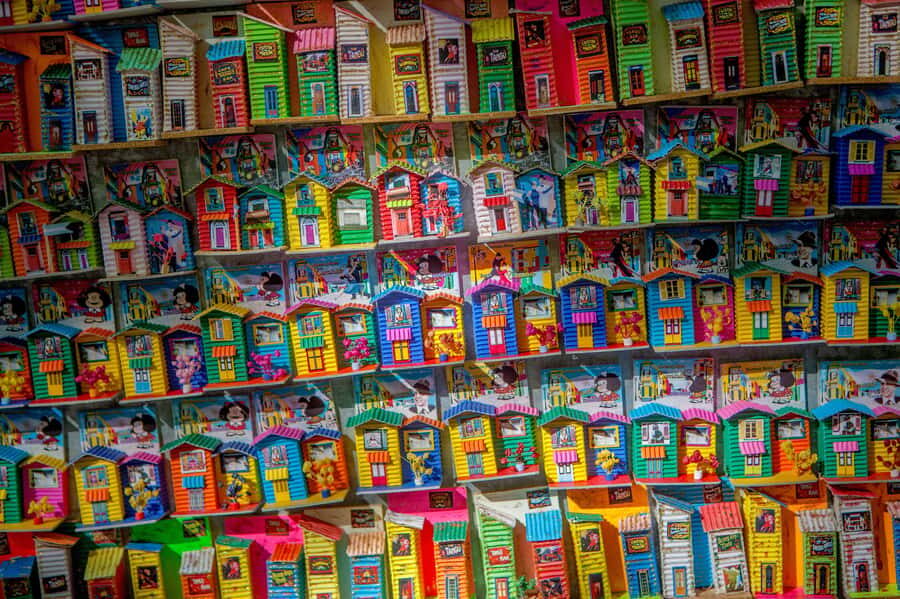
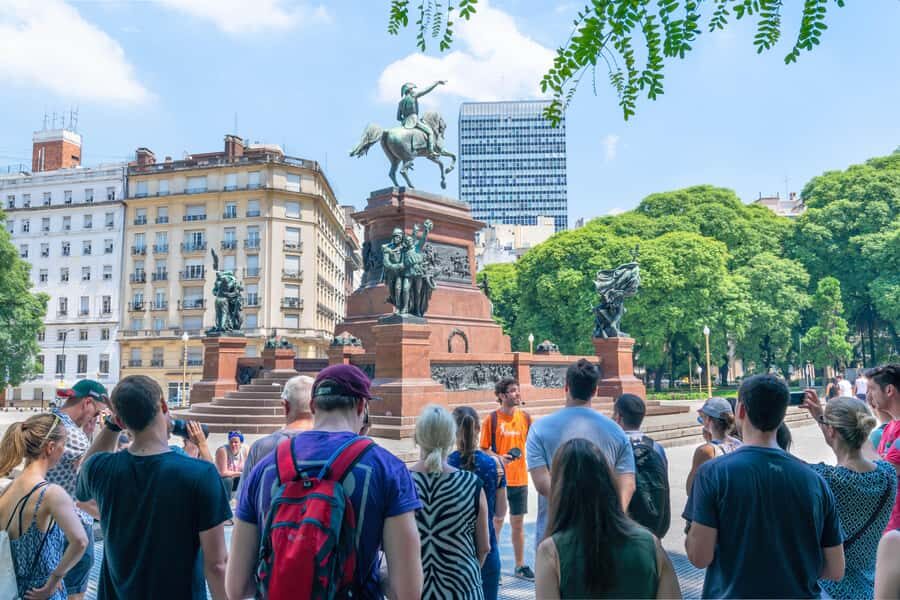
Downtown Buenos Aires is where everything feels official—government, big institutions, and major public spaces. In this tour, Plaza de Mayo is a key checkpoint, and it’s also one of the two designated photo stops (around 20 minutes). That stop matters because Plaza de Mayo isn’t just a square. It’s the stage where the city’s political life and national identity show up in brick, stone, and ritual.
You’ll see major emblems tied to the state: Casa Rosada (seat of the National Government) and the Metropolitan Cathedral and the Cabildo, which take you back toward the colonial era. Even from the outside, these buildings help you understand why the center of Buenos Aires looks the way it does—heavy symbolism, formal lines, and lots of foot traffic.
Montserrat is the other downtown neighborhood that helps connect the story. It’s often where the city feels layered: older structures, major avenues, and the kind of streets where you can imagine Buenos Aires before everything became modern. This tour typically keeps things efficient here—good for an overview, but not long enough for deep exploration if you’re a architecture fanatic.
The Obelisk and Teatro Colón: two landmarks you can’t miss
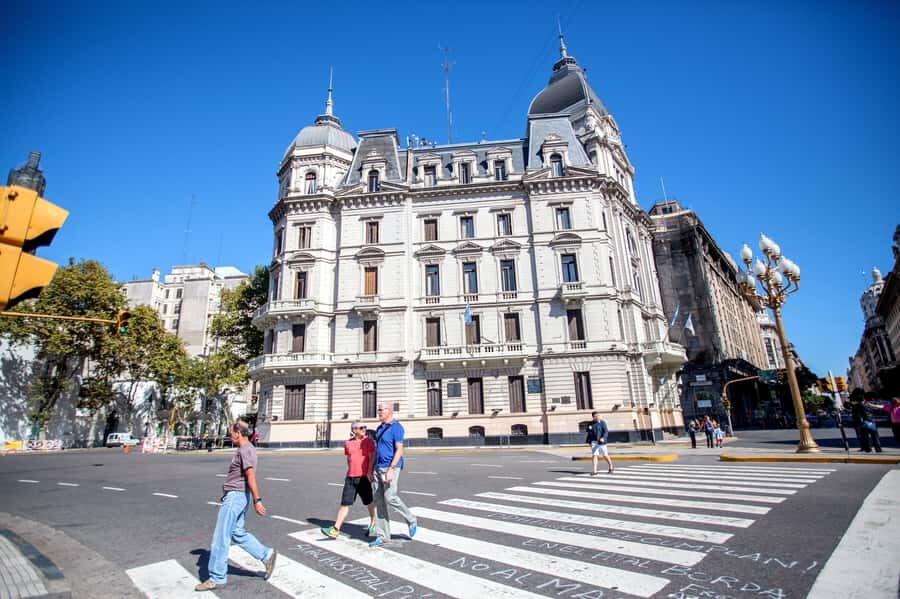
The Obelisk is one of those Buenos Aires markers you’ll remember instantly, even if you can’t explain exactly why. It’s fast to spot, photogenic, and it’s positioned so it helps you orient your next moves on your own.
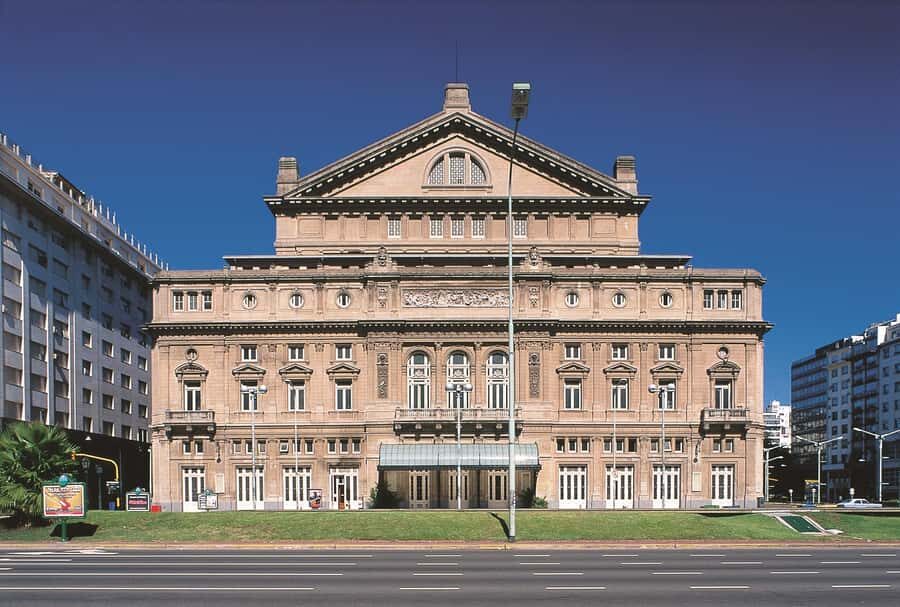
Another standout along the route is Teatro Colón, often cited as one of the world’s major opera houses. This tour tends to treat it as an emblem you recognize from the outside or through short viewing time—enough to put it on your radar. If opera is your thing, this can be a helpful “trigger moment” to return later for a performance or a deeper look.
In short: the Obelisk and Teatro Colón are here to help you anchor Buenos Aires in your mind. You’ll use them like reference points.
San Telmo: narrow streets and the feel of older Buenos Aires
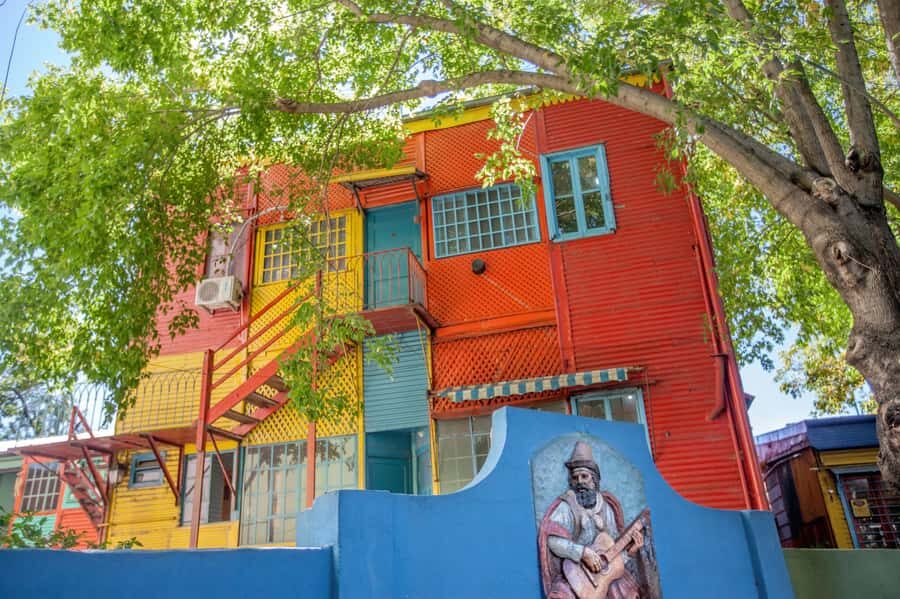
San Telmo is where the city starts to feel more intimate. Instead of broad avenues and formal districts, you get narrower streets and a sense of older urban texture. Even when the tour time here is brief, it gives you a contrast you can feel immediately—less about grandeur, more about street-level character.
This tour typically includes time for walking and getting closer to the atmosphere. One practical benefit from past guests: it helped them identify places they wanted to revisit for longer stops, especially around the central squares and key areas tied to the city’s identity.
If your plan is to spend the rest of your trip exploring on foot, San Telmo is often a smart bet. You’ll leave with enough clues to decide where to go back—without needing to figure it all out on Day One.




La Boca and Caminito: color, photos, and street theater energy
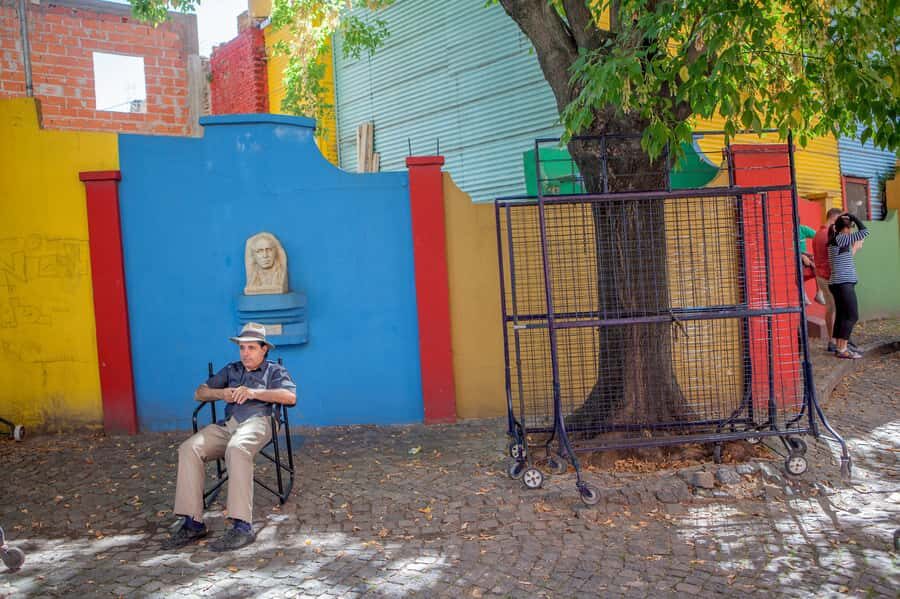
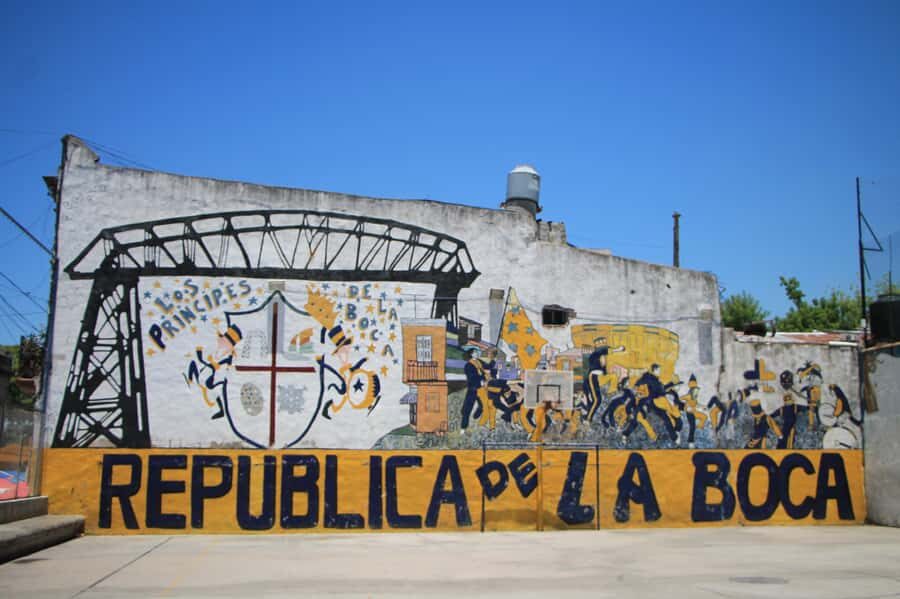
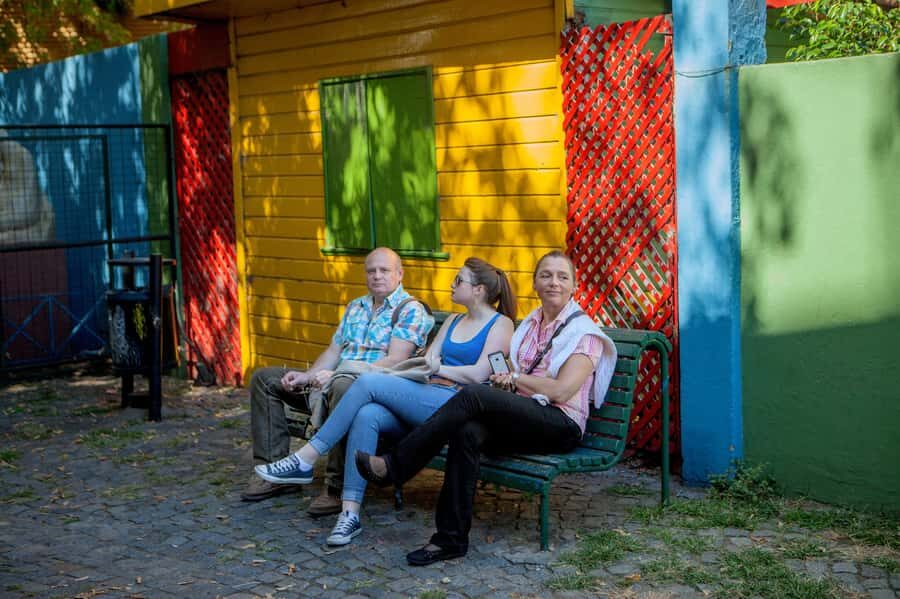
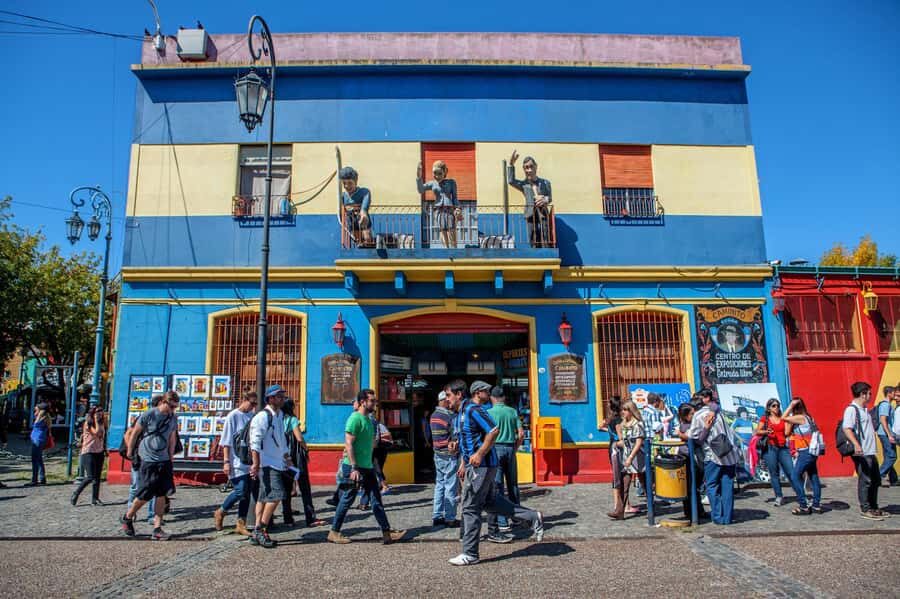
La Boca is the neighborhood most people picture when they imagine Buenos Aires. The main reason is simple: Caminito Street looks like a storybook version of the city—bright facades, strong visual style, and constant activity.
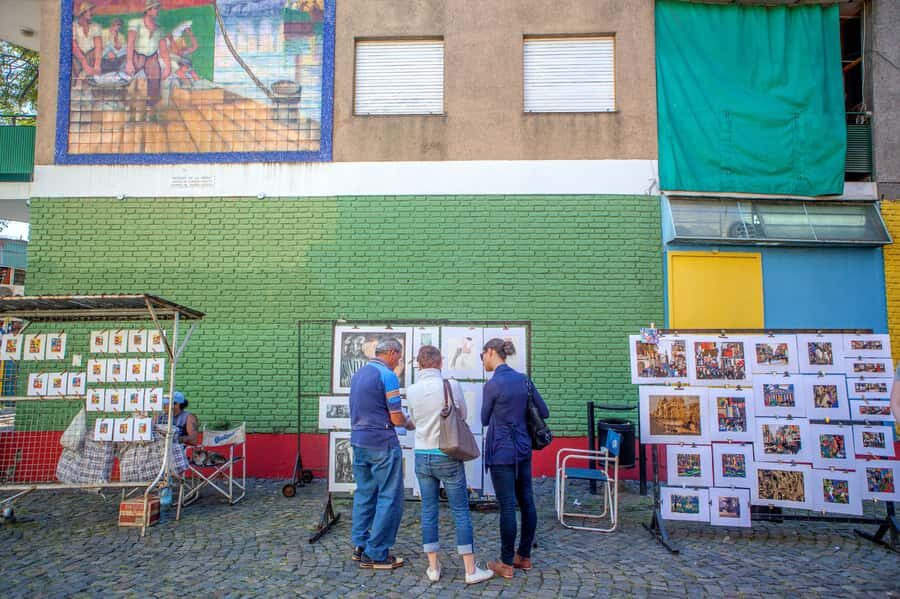
This tour includes a photo stop there of about 20 minutes, which is just enough time to do the classic shots and then reassess what you want next. The trick with La Boca is not to rush. Use that time to get your bearings, then keep an eye out for details: street art, textures, and the way people actually move through the area.
Past guest advice that’s worth your attention: you’ll often get some time in this zone to walk around, so wear comfortable shoes. La Boca can be a bit uneven and crowded, and you’ll do better if you treat it like a short neighborhood walk rather than a rapid checklist.
Alvear Avenue palaces and Puerto Madero’s modern reset
One of the most interesting parts of this tour is that it doesn’t end in the older neighborhoods. You’ll also pass through areas tied to Buenos Aires’ more luxurious, formal side—often associated with the grand palaces on Alvear Avenue. Even if you don’t go inside, this gives you a real contrast to the older downtown geometry and La Boca’s street style.
Then comes Puerto Madero, the modern recycled waterfront area. This is where Buenos Aires shifts gears. Instead of colonial or early-20th-century vibes, you get a newer urban plan and a different kind of skyline.
This stop is useful for planning. Puerto Madero is often a great place to end a day because it feels like a calm, easy zone to wander, grab a drink, and watch the light change. Even if you don’t do that on the tour itself, the tour sets you up to do it later.
The photo stops: why Plaza de Mayo and Caminito timing matters
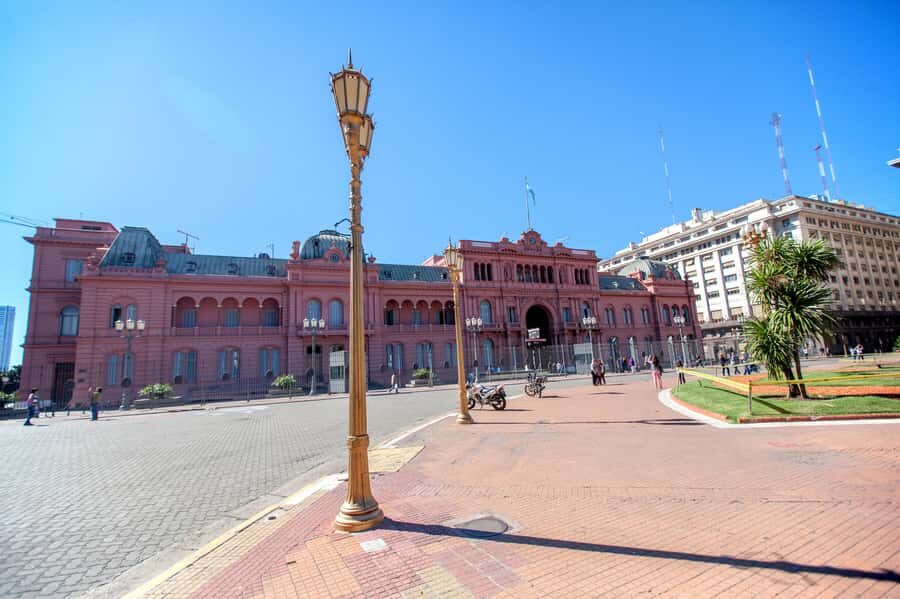
The tour includes two photo stops of about 20 minutes each: Plaza de Mayo and Caminito. That duration is a sweet spot for most people. Long enough to capture photos and take in what’s around you. Short enough that the day doesn’t collapse into a slow march of sightseeing.
At Plaza de Mayo, you’ll likely spend time seeing major civic buildings and getting photos of the square and surroundings. The key is to stand back first, then walk inward to get a better sense of scale. In places like this, buildings look different at different distances.
At Caminito, you’ll want to do a quick loop and then pick a second angle. Colors and backgrounds can change your photo dramatically. If you’re traveling with a camera or phone that you rely on, treat this like your planned checkpoint and keep your gear ready.
Pickup, late starts, and how to protect your schedule
Logistics are the part of this tour you should take seriously. The tour includes hotel pickup from centrally located hotels, but some hotels aren’t part of the pickup itinerary (Palermo is one example mentioned). If your hotel isn’t covered, the operator contacts you to tell you the nearest pickup point, and you wait in the lobby of that hotel.
What can trip you up: delays. Multiple past guests reported pickups that ran late by about an hour, and in some cases there were mix-ups with pickup locations. That doesn’t mean the tour is bad. It means you should build in margin.
Practical advice:
- If your plans are tight, avoid scheduling something immediately after the tour ends.
- When you book, confirm your pickup timing details clearly so you know where you need to be.
- If you’re prone to stress about timetables, bring a little patience. Buenos Aires runs on its own rhythm, and this tour can start that rhythm for you.
Guides in Spanish: what to expect when you’re not fluent
This tour runs with a live guide in Spanish. The good news is that guides are described as very competent and willing to explain, with some guests noting English support depending on the group.
In particular, guide names that have come up include Macarena, Mercedes, Elba, and Sophia. That’s useful because it suggests you’re not just getting a generic narration. You’re getting a person who’s used to translating ideas into real on-the-street context.
If you’re not comfortable in Spanish, here’s what you can do: listen for the structure. The tour moves neighborhood to neighborhood, so even if you miss a word here and there, you should still catch the meaning of what you’re seeing. That matters because the landmarks are bigger than any single sentence.
Drop-off points: ending centrally, not at your doorstep
The tour ends with drop-off at one of several central points: Florida Street, Galerías Pacífico, or Obelisco. Many people like this because it puts you near major streets and easy connections. You’re not stuck in an odd corner.
The trade-off is that you might not end exactly where you started. Some guests reported needing to walk quite a bit back to their hotel when drop-off points didn’t match what they expected. So plan your last-hour logistics with flexibility.
If you’d rather not walk, consider building a buffer: either plan a nearby meal or arrange a taxi or rideshare after you get dropped.
Price and value: is $45 a smart use of half a day?
At $45 per person for a 4-hour tour, the value depends on how you’re traveling. If you’re short on time, this is efficient. You get a guided overview across multiple neighborhoods plus iconic landmarks without needing to map a multi-stop route yourself.
If you’re a detailed planner who loves slow wandering, you might think, why not DIY? You can. But you’d need a lot more effort: figuring out transit, deciding which plazas and streets are worth your time, and arranging a route that doesn’t waste half your day in transit.
This tour works best as a first-pass. It’s a way to buy yourself time and clarity. Then you return on your own where you actually want more.
Who should book this tour, and who should skip it
Book this if:
- It’s your first visit and you want orientation across Recoleta to La Boca.
- You want a guided overview without spending hours in museums.
- You like the idea of landmarks plus street-level stops and photos.
- Your Spanish comfort is at least basic, or you’re okay following along by context and landmark recognition.
Consider skipping if:
- You hate waiting around for pickups or you need tight timing with no margin.
- You want long, in-depth visits inside sites. This is more overview than deep dive.
- You only care about one area. You’ll likely spend time in several neighborhoods you might not revisit.
Should you book Classic City Tour of Buenos Aires?
I’d book it if you’re visiting Buenos Aires for a short stay and you want a guided snapshot that helps you choose where to spend your next hours. The combination of neighborhood variety, major emblems like the Obelisk and Plaza de Mayo, and the planned photo time in Caminito makes it a solid use of a half day.
I wouldn’t book it as your only Buenos Aires experience. Use it as your first layer, then come back for the parts that genuinely grabbed you—whether that’s a square, a cathedral area, a street like Caminito, or a more relaxed waterfront afternoon in Puerto Madero.
If you’re sensitive to schedule hiccups, do yourself a favor: confirm pickup details the day before and give your day slack. This tour is at its best when you treat it like a guided introduction, not a promise of minute-by-minute perfection.
FAQ
How long is the Buenos Aires classic city tour?
It lasts 4 hours.
How much does the tour cost?
The price is $45 per person.
Is hotel pickup included?
Yes, pickup is included from centrally located hotels. There is no pickup from hostels, aparthotels, or private homes. Some hotels, such as those in Palermo, may not be included; if yours is not, you’ll be told the nearest pickup hotel and where to wait in the lobby.
What language is the guide?
The tour guide speaks Spanish.
Are there photo stops during the tour?
Yes. There are two photo stops of about 20 minutes each, one in Plaza de Mayo and one in Caminito.
Where do you get dropped off at the end?
You’ll be dropped off at Florida Street, Galerías Pacífico, or at the Obelisco.
Is food included?
No. Food, beverages, and other services are not included unless specified.