REVIEW · USHUAIA
Small group Trekking to Vinciguerra Glacier and Témpanos Lagoon
Book on Viator →Operated by Arpon Trekking · Bookable on Viator
Vinciguerra glacier feels close fast. This is a small-group trek (max 14) in the real sub-Antarctic outdoors, guided end-to-end as you climb from Fuegian forest to Vinciguerra Glacier and the Témpanos Lagoon area. I love the mix of guided confidence on rough ground and the fact you’re not just dropped off and left to figure it out. The main consideration is the trail can turn muddy and slippery, so good waterproof footwear and layers are not optional.
I also like the overall flow: hotel pickup, an easy-to-reach trailhead near the city, and a gear check before you start. You’ll stop for snacks and a hot infusion during the walk, then eat lunch on the mountain with a packed sandwich. If you’re the type who gets cold fast or hates steep climbs, this is still doable, but plan on working for the views.
Expect about 8 hours total and a real effort level. There’s a climb of roughly 600 meters early on, plus steep sections on the way back, so bring strong fitness and a calm mind for winter-style trail conditions.
In This Review
- Key points that make this hike worth your time
- Why this Ushuaia hike beats the usual day tours
- Pickup, timing, and the short ride that saves your energy
- Getting going: Cerro Alarken before the Valley of Andorra
- The Fuegian forest climb to Laguna de los Tempanos (the heart of the day)
- From the iceberg lagoon to Vinciguerra Glacier: crampons if needed
- The return hike: same path, different mood
- What’s included (and why it’s more valuable than it looks)
- What you need to bring for comfort and safety
- Pace, guide style, and communication on the trail
- Weather reality in Ushuaia: mud, ice, and gear that matters
- Price and logistics: what $149 buys you in real terms
- Who should book this, and who should skip it
- Should you book this tour or not?
- FAQ
- FAQ
- What is the duration of the trek?
- How big is the group?
- What time does the pickup happen?
- Where does the tour start?
- Is the admission ticket included?
- What’s included in the price?
- What should I bring that’s not included?
- Is trekking equipment provided?
- How physically demanding is the hike?
- What happens if the weather is bad?
Key points that make this hike worth your time
- Max 14 people means less waiting and more personal attention on the trail
- Guides lead the line and help you move confidently on roots, mud, and icy patches
- Two big natural stops: Laguna de los Tempanos and Vinciguerra Glacier area
- Snack + hot infusion mid-trek keeps energy steady during the climb
- Crampons and trekking sticks are included if needed, so you don’t have to guess
Why this Ushuaia hike beats the usual day tours
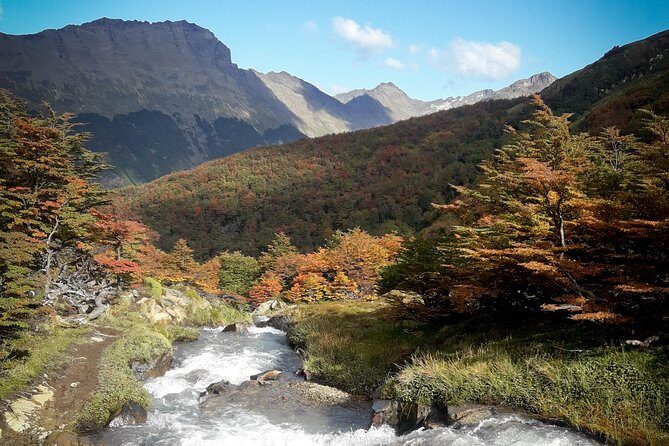
Ushuaia has plenty of options, but this one feels more like hiking the place than sightseeing the place. You get a structured day in Patagonia’s far-southern mood: forest, a lagoon filled with ice pieces, and then a glacier that makes everything else feel smaller.
What really makes it click for me is the balance. You’re on foot for most of the day, but the logistics are handled—transport, gear support, and meals are built in. That lets you focus on the trail and the scenery instead of juggling everything yourself.
Also, the small group size matters more than you might think. When the ground is uneven and weather shifts quickly, a big group can slow you down and add stress. Here, staying in a compact group keeps the day moving.
You can also read our reviews of more hiking tours in Ushuaia
Pickup, timing, and the short ride that saves your energy
The day starts with pickup from your hotel in Ushuaia. Before you go, the guide checks equipment and clothing so you start prepared, not guessing.
The trailhead is only about 20 minutes from the city center, which is a huge value in a place where weather can change fast. Less time on a vehicle means more time outdoors, and it also means you’ll be warmed up (or at least ready) when you hit the trail.
The tour also runs with a pickup window in the morning (Monday–Sunday, 8:00 AM–10:00 AM). So if you like early starts and want a full day without burning daylight waiting around, this fits well.
Getting going: Cerro Alarken before the Valley of Andorra
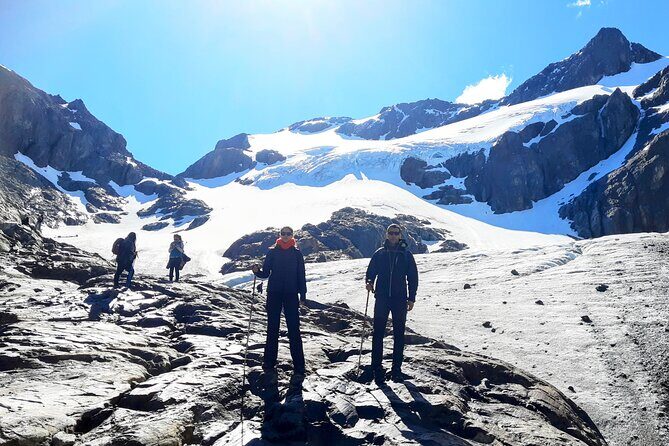
Before you reach the main valley area, you pass Cerro Alarken. This is where the hike starts to feel like a real route, not just a straight line to one point.
You’ll get short paths you can take as you move through this section. That matters because it breaks up the day and gives you a chance to adjust your effort early, especially once the climb begins.
One practical note: early terrain can feel easy and then suddenly shift. If you pace yourself here, you’ll thank yourself later on the steeper parts.
The Fuegian forest climb to Laguna de los Tempanos (the heart of the day)
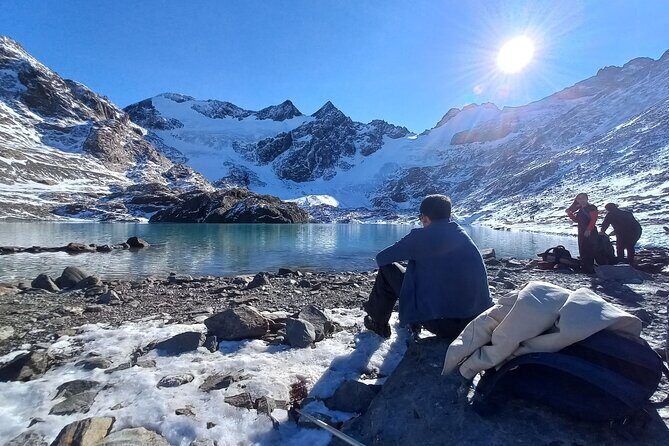
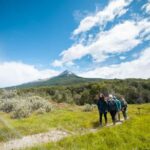
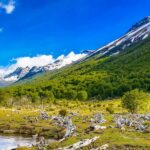
About the first three hours are in the Fuegian forest. This is where Patagonia shows its character: damp ground, roots underfoot, and constantly changing traction.
Then you climb roughly 600 meters to reach the Laguna de los Tempanos. That climb is the work portion of the day, and it shapes the whole experience. You’re not doing a flat walk to a view; you’re earning it.
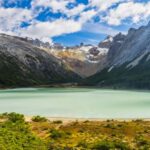
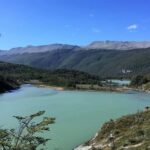
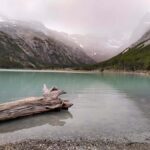
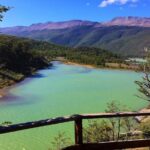
When you reach the lagoon area, you get a payoff that’s more interesting than a single photo moment. You’re in the right place to feel the contrast between forest life and the ice-and-water world around the glaciers.
The big takeaway: if you’re physically solid and you keep a steady pace, this middle portion will feel challenging but controlled. If you try to rush it, the mud and steep sections will punish you.
From the iceberg lagoon to Vinciguerra Glacier: crampons if needed
After the laguna portion, you move through the iceberg lagoon area and arrive at the Vinciguerra Glacier. Plan on about one hour at the glacier, which is a good amount of time to absorb what you’re seeing without feeling rushed.
Then you return along the same route for about three more hours. That means the day isn’t just about reaching the glacier—it’s also about getting back safely when you’re tired.
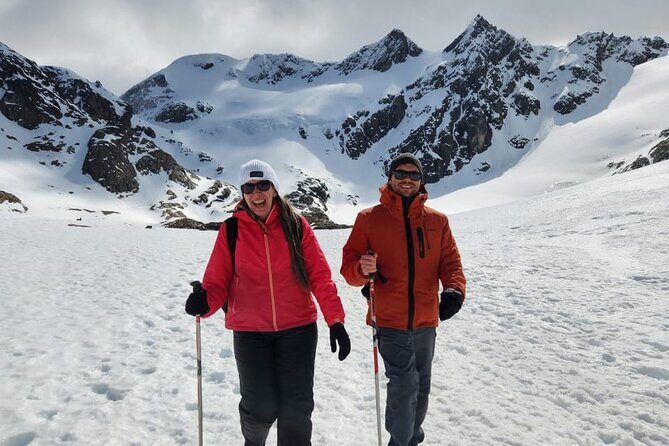
This is where the included support matters. Sticks and crampons are provided if needed, and they can make a real difference when footing gets slick. A glacier day can quickly turn into an ice-on-rock day depending on melt and freeze patterns, so having the right traction tools is smart.
Also, don’t expect every option to be available in every season. If conditions are melting or unsafe, you may not be able to access certain glacier features like caves. In those cases, you still get the main glacier experience plus the best possible views for that day.
The return hike: same path, different mood
Going back on the same trail is not boring—it changes the way the terrain feels. Uphill becomes downhill, and downhill is where the mud and slippery patches test your balance.
Keep your eyes on your footing and use the trekking sticks if they were provided for you. The goal is steady steps, not speed. People often underestimate the return because it’s the same route they just did, but by then fatigue is real.
If you’re prone to sore knees, this is the section to respect. The combination of steep sections and uneven ground can be tiring even if you’re fit.
What’s included (and why it’s more valuable than it looks)
This tour includes the stuff that typically adds cost—or hassle—when you plan independently:
- Round-trip private transportation
- Lunch: a sandwich plus hot infusion
- Snacks during the hike
- Traveler insurance
- Sticks and crampons if needed
- Admission tickets are listed as free for the featured areas
For $149 per person, that package pricing makes sense if you value convenience and safety. In Patagonia, costs add up quickly once you factor transportation, gear, and a full-day guide. Here, you’re paying for a guided route plus the practical extras that keep you going.
One detail I appreciate is the lunch structure. You’re not stuck with a cold meal while you’re waiting for the right time. The hot infusion and sandwich setup is built into the pacing of the day.
What you need to bring for comfort and safety
Not included in the price are the essentials that directly affect how pleasant the hike feels:
- Trekking boots (waterproof, with grip)
- Waterproof clothing
- Bottled water
- Backpack
Plan for layers. Even if you’re warm at the start, you’ll feel temperature shifts as you climb and as wind picks up higher on the route. The cold in Ushuaia can sneak up on you, and dampness makes it worse.
Also, pack your water. The plan includes snacks and a hot infusion, but bottled water is explicitly not included.
If you tend to run cold, bring an extra layer you can access quickly. If you run warm, bring clothes you can remove without losing warmth in the wind.
Pace, guide style, and communication on the trail
The hiking pace is guided, and the group size helps the guide keep everyone moving. Several guides have been praised for a casual pace that doesn’t leave the slower hikers behind, including Gisela, Marissa, Violeta, Leo, Diego, Manuel, and Joaquín.
Most guides communicate in at least English and Spanish, but language comfort can vary by guide and day. If you need clear English explanations, it’s worth asking when you book.
What you should count on is practical leadership: the guide is the person who decides where to step, how to pace, and when to pause. That’s a big deal on muddy or icy terrain.
Weather reality in Ushuaia: mud, ice, and gear that matters
This experience depends on good weather. If conditions are poor, you’ll be offered another date or a full refund.
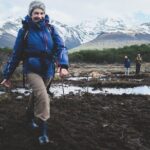
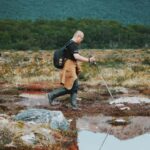
When the weather is workable, expect a trail that can be mixed: mud, roots, rock, and sometimes icy or snow-melt patches. One of the most repeated pieces of advice is simple: invest in decent waterproof boots and don’t show up under-dressed.
Even in warmer stretches, wind and sudden chill are common. In other words, don’t assume summer means mild trail weather.
Price and logistics: what $149 buys you in real terms
At $149 per person, you’re not just paying for scenery. You’re paying for:
- a full guided day of hike + navigation + safety choices
- transport that removes the hardest part of planning your own route
- meals that keep you fueled during a climb and return hike
- gear support like crampons and sticks when conditions demand it
If you’re the type who enjoys hiking but hates planning, this is the kind of day that feels like good value. If you’re already fully set up with gear and you’re comfortable hiking independently, you might save money on paper—yet you’d lose the guidance that makes glacier-day traction much less stressful.
Who should book this, and who should skip it
This hike suits you if you’re comfortable with a steep, muddy trek and want a glacier day that feels hands-on. It’s also a good fit if you travel solo, couples, or friends who like the structure of a guided route.
You should be cautious if you don’t handle steep climbs well, or if you show up without proper waterproof boots. The terrain can be slippery, and the climb is not gentle.
If you love pairing a forest start with a glacier finish, this route hits that mood perfectly.
Should you book this tour or not?
Yes—if your priorities are a real hike, a glacier-focused day, and a guide who helps you move safely without turning it into a marathon. The small group size is a strong reason to pick this over larger bus-style excursions.
Wait or consider something else if you’re easily discouraged by muddy trails or if you don’t want to manage layers and waterproof footwear. This isn’t a stroll, even though the route is guided and well managed.
If you’re visiting Ushuaia and you want the parts most casual tours miss—forest climbing, the lagoon approach, and the Vinciguerra Glacier day—this is a solid booking.
FAQ
FAQ
What is the duration of the trek?
It’s listed as about 8 hours total.
How big is the group?
The tour caps at a maximum of 14 travelers.
What time does the pickup happen?
Pickup runs Monday to Sunday from 8:00 AM to 10:00 AM.
Where does the tour start?
Your guide picks you up from your hotel in Ushuaia.
Is the admission ticket included?
Yes. Admission tickets for the listed areas are listed as free.
What’s included in the price?
Included are snacks, private transportation, lunch (sandwich + hot infusion), sticks and crampons if needed, and traveler insurance.
What should I bring that’s not included?
Bring trekking boots, waterproof clothing, bottled water, and a backpack.
Is trekking equipment provided?
Crampons and trekking sticks are provided if needed, but you must bring your own boots and waterproof clothing.
How physically demanding is the hike?
You should have strong physical fitness. There’s a climb of about 600 meters early in the hike and steep sections in the overall route.
What happens if the weather is bad?
The experience requires good weather. If it’s canceled due to poor weather, you’ll be offered a different date or a full refund.