REVIEW · BUENOS AIRES
Buenos Aires: Group tango class with mate and snacks
Book on GetYourGuide →Operated by Milonga City · Bookable on GetYourGuide
Two hours can turn nervous into confident. In Almagro, you’ll learn tango with Johana Copes and her team, with mate and snacks to break the ice. One thing to plan for: it’s a group class, so teacher attention can vary depending on the mix in the room.
I especially like the two-part structure: an hour of real instruction, then an extra hour to practice with teachers nearby. You also get the social payoff—people in the class come from different countries, so the conversation starts fast, not after the dancing.
And yes, tango is more than a workout here. You’re learning the dance that was born in Buenos Aires and is recognized by UNESCO as an Intangible Cultural Heritage of Humanity.
In This Review
- Key things I’d bet on
- Tango in Almagro: a relaxed start in a classic Buenos Aires mansion
- Your 2-hour flow: mate, sweet snacks, tango basics, then practice
- Learning tango steps the friendly way (and what to watch for)
- The mate and sweet table part is not filler
- How to get the most from the 1-hour practice session
- What to bring (and how to dress for comfort)
- Who this is best for in Buenos Aires
- Price and value: $25 for class time plus cultural extras
- Small logistics that matter more than you think
- What the feedback points to (the good and the one caution)
- Should you book this Buenos Aires tango and mate class?
- FAQ
- Where does the tango class take place?
- When is the class offered?
- How long is the experience?
- What is the price per person?
- What is included in the $25 price?
- Is hotel pickup or drop-off included?
- What languages are available with the live guide?
- What should I wear or bring?
- Is it suitable for kids and everyone?
- Can I cancel, and is payment flexible?
Key things I’d bet on
- Johana Copes and her team lead the instruction, not a random instructor
- Mate + sweet table in a Spanish-style patio turns the class into a social moment
- 1 hour learn + 1 hour practice helps you leave with more than memorized steps
- All-level vibe comes from a real mix of people, including those with prior tango experience
- Live guide in English/Portuguese/Spanish keeps you oriented and helps you understand what to do
Tango in Almagro: a relaxed start in a classic Buenos Aires mansion
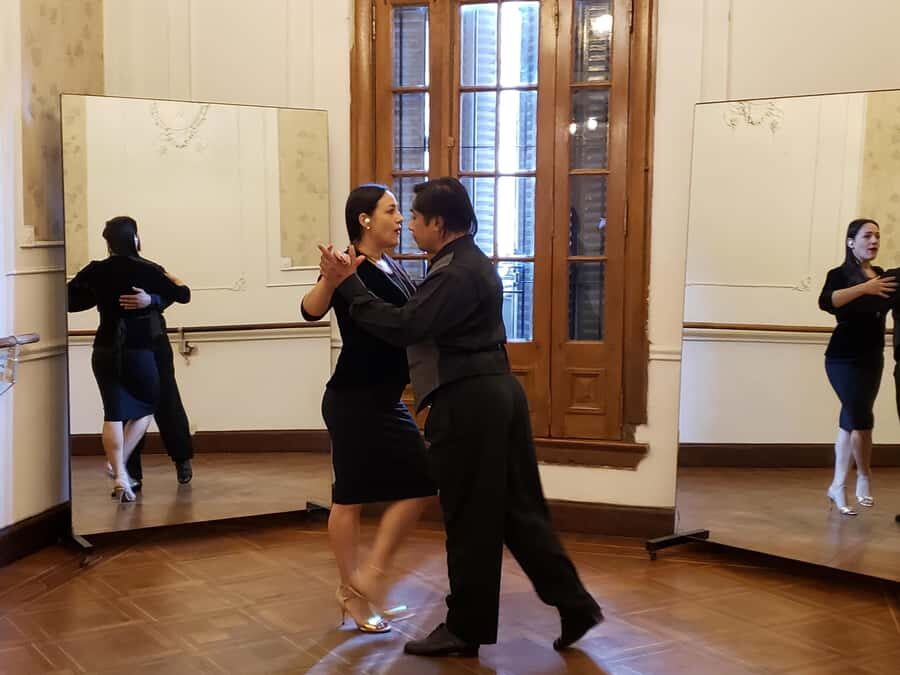
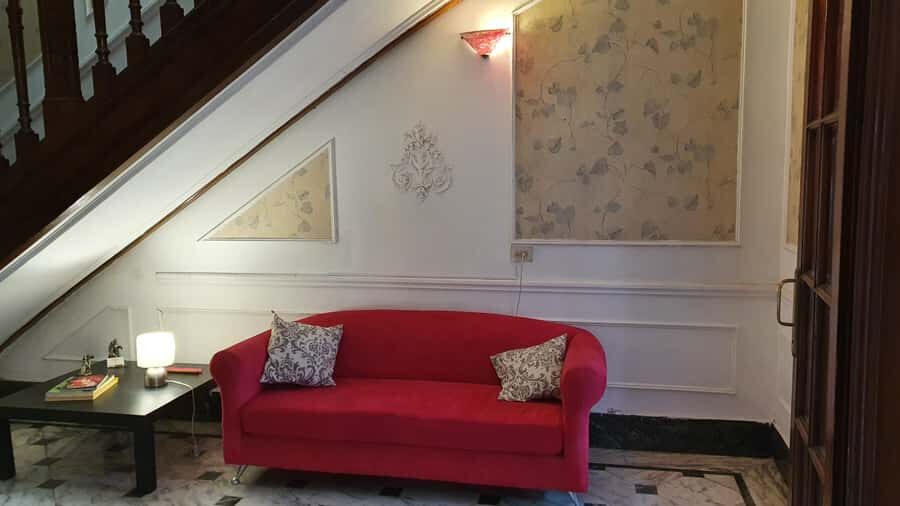
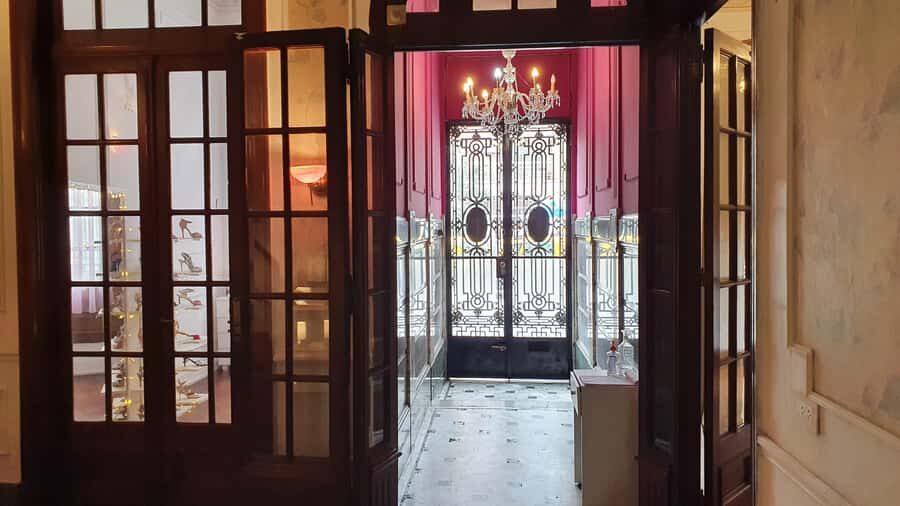
This experience runs in the Almagro neighborhood, inside a beautiful old-style mansion. That matters more than you might think. Tango classes are often either too formal (you freeze) or too chaotic (you get lost). In this kind of setting, you can hear instructions, you can relax, and the group feels like it has a real place to gather.
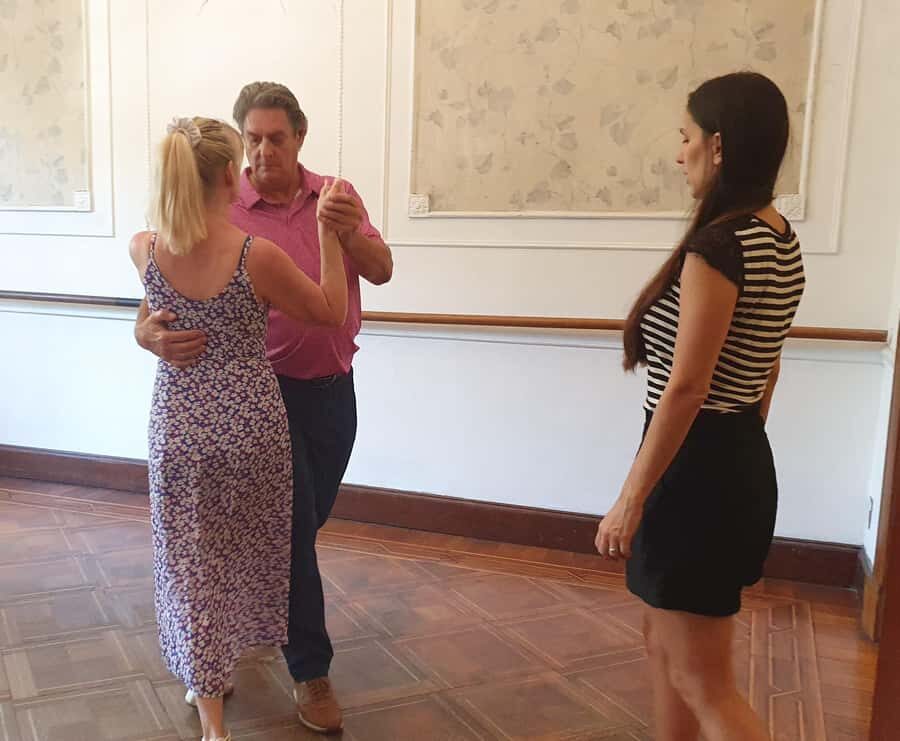
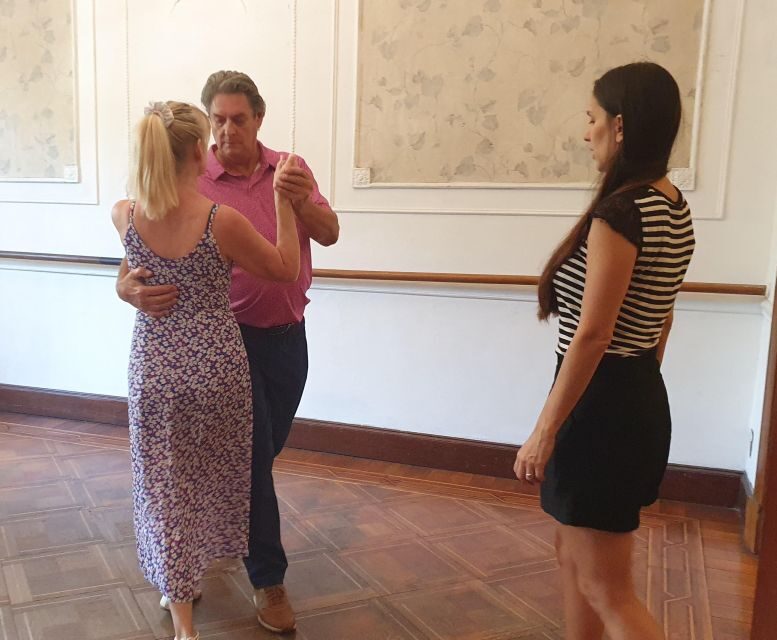
The session is led by international dancer Johana Copes, along with her staff of teachers. It’s not presented as a performance workshop. It’s taught as a first-steps experience—exactly the kind of class that helps you learn tango basics without feeling like you need to already know what you’re doing.
You’ll arrive and ring the bell at the exact address. So build in a little buffer time at the start. Buenos Aires is big on streetsigns and small on obvious tourist “front desk” cues, and this one is no exception.
Language support is built in with a live tour guide working in English, Portuguese, and Spanish. That’s a practical detail: tango instruction includes a lot of small corrections, and being able to understand those corrections in your language makes the lesson smoother.
A few more Buenos Aires tours and experiences worth a look


Your 2-hour flow: mate, sweet snacks, tango basics, then practice
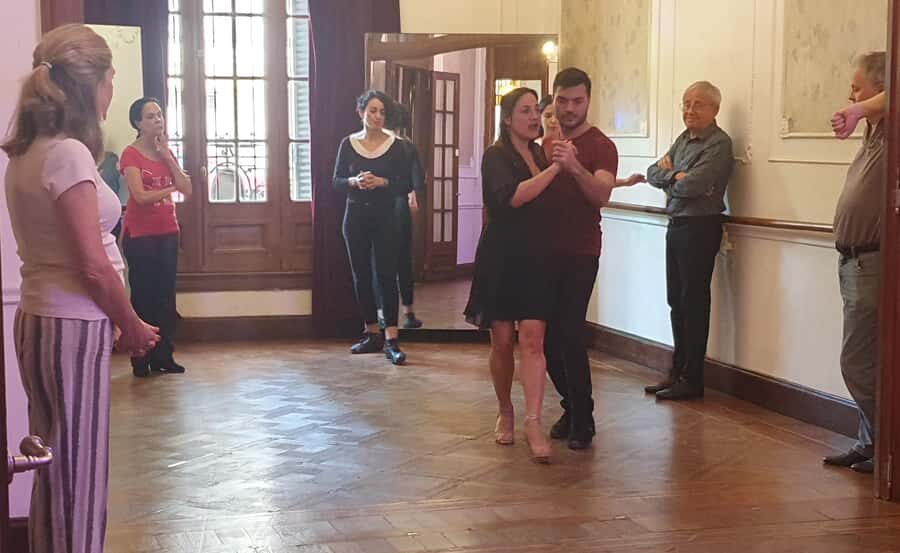
The class is scheduled every Saturday afternoon and runs for about 2 hours total. The pacing is one of the best reasons to book this. You don’t just sit through a lesson and call it done. You get a complete cycle: introductions, learning, eating/social time, then practice.
Here’s how the afternoon typically unfolds:
- You arrive, ring in, and get settled with introductions.
- You try traditional Argentine mate as part of the welcome.
- In the Spanish-style patio, you enjoy a sweet table and time to chat.
- Then you do a full 1-hour group tango class led by Johana Copes and her teachers.
- After that, you get 1 hour of free practice with the teachers available to help.
That last piece is key. “Free practice” here doesn’t mean “good luck.” It means you can run the steps you learned and ask for nudges while you’re still fresh from instruction.
Learning tango steps the friendly way (and what to watch for)
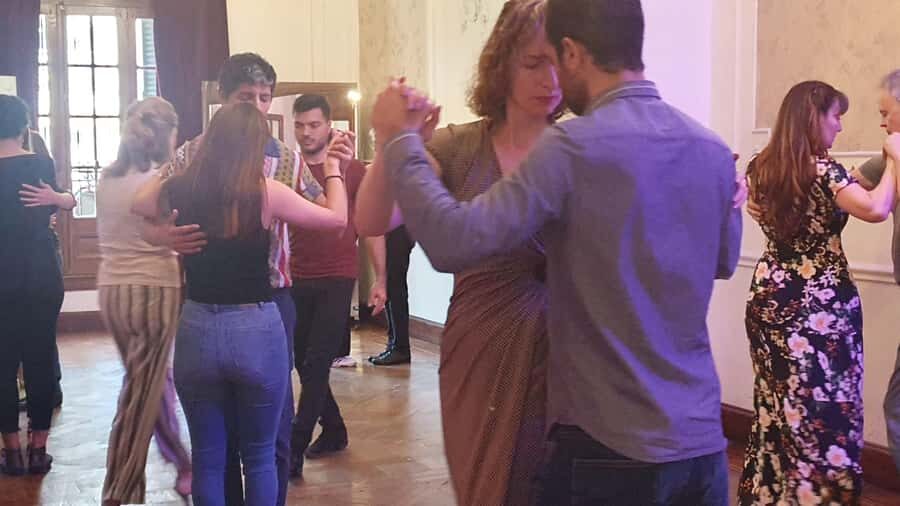
The goal is to teach you the first steps of tango in a relaxed and fun way. That’s a good match for beginners. Tango can look intimidating from the outside, but the dance is mostly about clear body connections, timing, and learning how to move together. When instruction is focused on first steps, you can build those connections without overloading yourself.
One theme that comes through in feedback is the vibe: people describe the class as enjoyable, with a strong positive atmosphere. They also highlight the teachers as friendly and the overall energy as welcoming, even when some participants seem more experienced.
Here’s the consideration you should keep in mind. One review notes that teacher time can skew toward students who already know the routine. In a group setting, that can happen: if the room includes regular dancers, the teacher may spend more time correcting and moving between people who pick things up faster. If you want extra attention, go in ready to practice actively during the instruction hour and use the second hour to keep asking questions while teachers are around.
Practical advice from this setup:
- Ask for quick corrections during the practice hour, not only during the first lesson
- Expect a mix of experience levels, and use that mix to learn
- If you’re brand-new, focus on doing the “basics” cleanly rather than trying to add flair
The mate and sweet table part is not filler
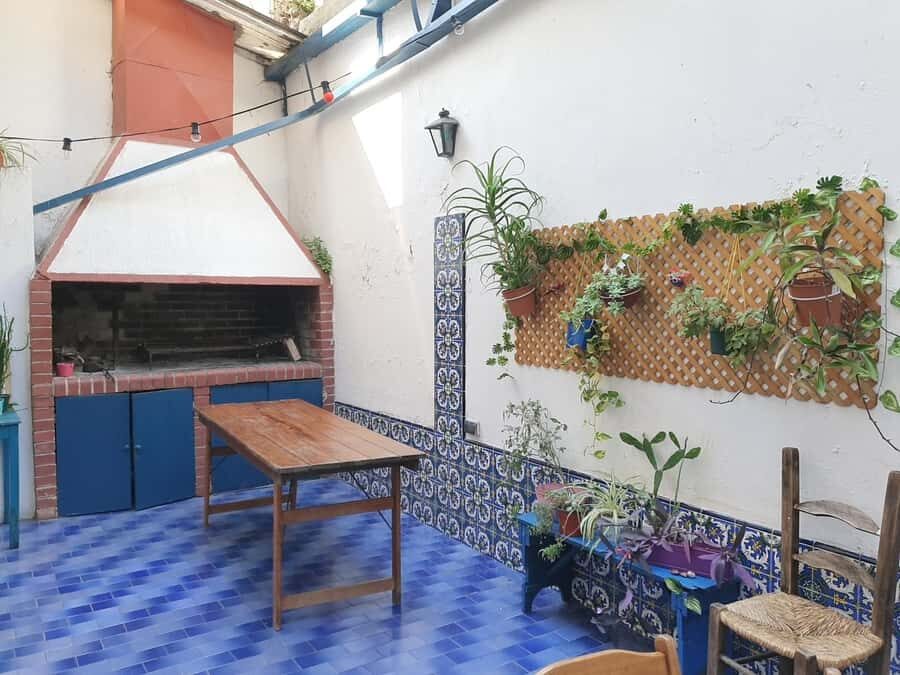
In many tours, the food is a checkbox. Here, it’s part of the culture of tango evenings and a smart way to help you connect with the group.
You’ll taste authentic Argentine mate. Mate isn’t just a drink; it’s a social ritual. In a class setting, it works like a reset button. You stop thinking like a tourist and start thinking like a participant, because you’re sitting and chatting with the same people you’ll dance with later.
Then there’s the sweet table in the Spanish-style patio. It gives you an easy snack break that doesn’t require you to track down food after the class. It also buys you time to talk before you hit the dance floor, which is especially helpful if you’re traveling solo.
If you tend to judge a tour by how naturally you can talk to others, this is one of the stronger parts of the experience. People come from different countries with a shared interest in tango, and the shared drink and sweets lower the awkwardness fast.
How to get the most from the 1-hour practice session
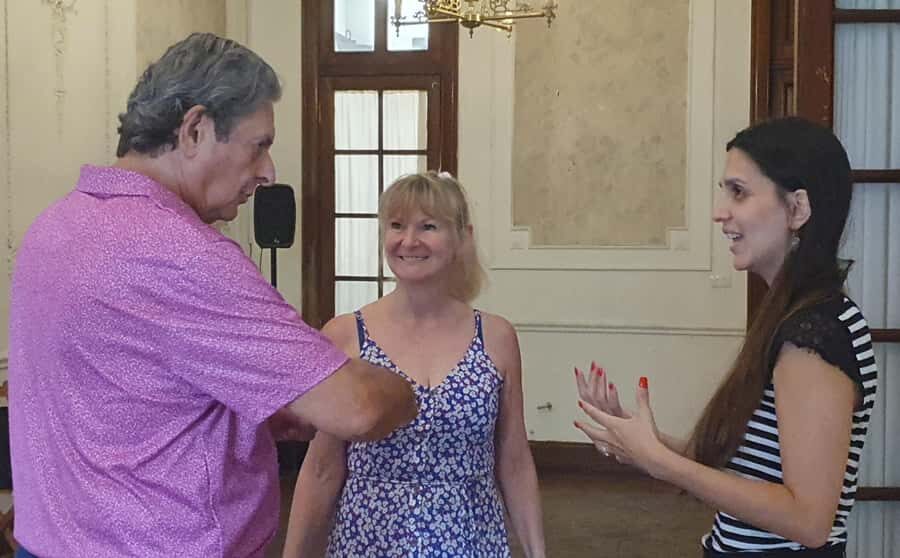
The second hour is where you turn learning into something you can actually do. You’ll practice all the steps you learned with support from the teachers. That means you can try things at your own pace while still getting guidance.
This hour is also your best chance to correct small problems that show up the moment you start repeating steps:
- timing feels off
- your posture doesn’t hold the same way each time
- your partner connection needs a different weight shift
- you forget a sequence when you speed up
Since you’ll be practicing with teachers nearby, treat that hour like a coaching window. You don’t need to fear looking awkward. In fact, it’s often the fastest way to improve—because the teachers can spot issues immediately while you’re working them out.
Based on feedback about friendly companions and a welcoming atmosphere, you’ll likely find it easier to practice if you show up open and curious. When the group is warm, people tend to help each other figure out the basics.






What to bring (and how to dress for comfort)
The only specific requirement you’re given is to wear comfortable clothes. Do that, and you’re already set up well.
Tango classes involve standing, stepping, and moving your body in ways that feel different from walking around the city. Comfortable clothes let you focus on learning rather than adjusting your outfit every few minutes.
If you like to be prepared, arrive with the mindset that you’ll be practicing more than you’ll be watching. That means comfort beats style.
Who this is best for in Buenos Aires
This is a short, two-hour tango introduction with a social component. It’s a good fit if you:
- want to learn tango basics without going for a long, intensive workshop
- enjoy meet-and-chat moments as part of your travel days
- like structured time: class first, then practice
- want the cultural feel of a tango afternoon in Buenos Aires, not just a dance demo
It’s also a decent choice if you’re traveling solo. One note from feedback highlights that someone who arrived alone ended up getting personalized attention during the session, even though the group also included regulars. That doesn’t guarantee a one-on-one, but it suggests the team can adapt if you’re a beginner who needs extra support.
Who should skip it? The activity isn’t suitable for:
- children under 13
- pregnant women
- people with heart problems
- wheelchair users
If any of those apply, it’s better to look for a different tango experience that fits your needs.
Price and value: $25 for class time plus cultural extras
At $25 per person for about 2 hours, the value is pretty clear on paper. You get:
- 1 hour of group tango instruction
- tasting authentic Argentine mate
- a sweet table snack
- 1 hour of free practice with teachers
- a live tour guide who supports English, Portuguese, and Spanish
So you’re not just paying for dancing. You’re paying for instruction time, guided practice time, and a cultural introduction that makes the whole afternoon feel like an Argentine tango moment instead of a quick tourist stop.
One practical cost that isn’t included is hotel pickup and drop-off. That affects value depending on where you’re staying. If you’re already nearby in the city, you’ll likely feel the value more strongly. If you’re far out, add the cost and time of getting to Almagro before you book.
Small logistics that matter more than you think
Two simple things can make the difference between an easy afternoon and a frustrating one:
- Ring the bell at the exact meeting address when you arrive
- Bring comfortable clothes and show up ready to move
Also, since it’s every Saturday afternoon, plan your week around that timing. This isn’t a random daily drop-in. If you’re only in Buenos Aires briefly, Saturday may be the perfect day—or the only day that fits.
What the feedback points to (the good and the one caution)
The strongest praise connects to three parts: the atmosphere, the friendliness, and the quality of the teaching. People highlight that the professor is great and that the group setting feels warm, including for solo participants.
The one recurring caution is about teacher focus. In a group with regular dancers, the teacher may spend more time with those who already know the basics. So if you’re expecting “lots of personal coaching,” you might leave a bit frustrated if you’re not able to grab guidance during the practice hour.
My advice: treat this as a first-step tango introduction with practice support, not a full private lesson. If you go in with that mindset, you’re likely to enjoy it.
Should you book this Buenos Aires tango and mate class?
Book it if you want a friendly, structured tango introduction in Almagro, with real instruction from Johana Copes and her team, plus authentic Argentine mate and a sweet snack break. It’s especially worth it if you like the idea of learning first, then practicing right away while teachers are still around.
Skip it if you need more one-on-one time than a group format usually provides, or if any of the stated unsuitability factors apply (age under 13, pregnancy, heart problems, wheelchair users). Also factor in the lack of hotel pickup, since getting there is on you.
If Saturday afternoon is available for you and you’re comfortable moving in class, this is a solid value way to experience tango as it’s meant to feel: social, learnable, and connected to Buenos Aires culture.
FAQ
Where does the tango class take place?
It takes place in the Almagro neighborhood in Buenos Aires, at an old-style mansion. You ring the bell at the exact address upon arrival.
When is the class offered?
Every Saturday afternoon.
How long is the experience?
The duration is 2 hours total.
What is the price per person?
It costs $25 per person.
What is included in the $25 price?
You get 1 hour of group tango class, a tasting of authentic Argentine mate, a sweet table/snack, and 1 hour of free practice with teachers.
Is hotel pickup or drop-off included?
No, hotel pickup and drop-off are not included.
What languages are available with the live guide?
The live tour guide offers English, Portuguese, and Spanish.
What should I wear or bring?
Wear comfortable clothes.
Is it suitable for kids and everyone?
It is not suitable for children under 13, pregnant women, people with heart problems, or wheelchair users.
Can I cancel, and is payment flexible?
Yes. You can cancel up to 24 hours in advance for a full refund. You can also reserve now and pay later.