REVIEW · USHUAIA
Ushuaia: Laguna Esmeralda Guided Trek with Box Lunch
Book on GetYourGuide →Operated by Pingüinos Expediciones · Bookable on GetYourGuide
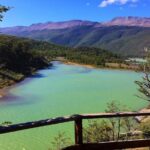
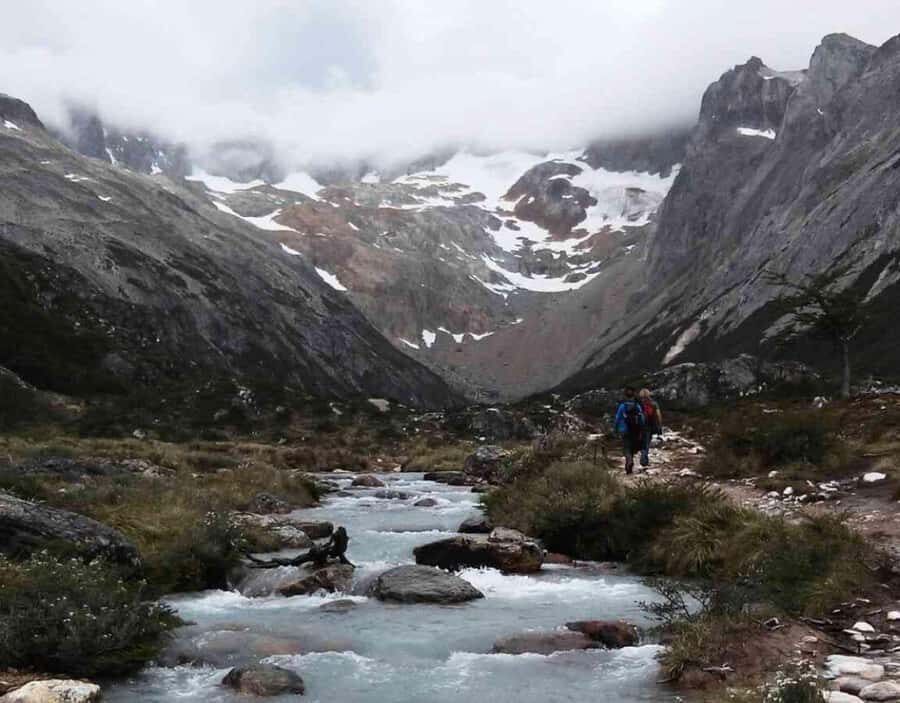
Laguna Esmeralda feels like another planet. This guided trek turns a hike into a full-on Andes experience in Tierra del Fuego, with the kind of scenery that makes you stop talking and just look. You’ll walk from near Ushuaia into sub-Antarctic forest, then reach the Emerald Lagoon after a scenic stretch along the Esmeralda River.
I love how the tour balances effort with payoff: it’s long enough to feel like you earned the views, but it’s paced with guidance, photo stops, and trekking canes provided. My other favorite is the arrival at the lagoon itself—especially in the colder months when it can look like a frozen mirror under snow. The main thing to consider is practical: the trail can get very muddy, and you need proper waterproof footwear, which is not included.
In This Review
- Key highlights you’ll feel right away
- Laguna Esmeralda: why this Ushuaia trek hits so hard
- Getting there: the day’s rhythm from Ushuaia pickup to return
- The hike: 4.5 km, mud, and why you should trust the guide
- Reaching the Emerald Lagoon: frozen mirror moments in season
- Box lunch on the trail: what you actually get
- Guides and safety: canes help, waterproof shoes are mandatory
- Who should book this trek (and who should skip it)
- Price and value: does $100 make sense here?
- The decision: should you book this Laguna Esmeralda trek?
- FAQ
- What’s the duration of the Laguna Esmeralda guided trek?
- How long is the walk to the lagoon?
- What’s included with the tour price?
- Do I need waterproof shoes?
- What languages are the guides?
- Is the lagoon frozen in winter?
- What should I bring and what is not allowed?
Key highlights you’ll feel right away
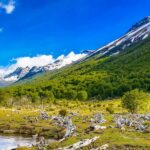
- Sub-Antarctic forest trekking that smells clean and feels wildly different from town
- Panoramic viewpoints along the way, with frequent chances to pause and take photos
- Esmeralda River walking segment before you reach the glacial water
- Emerald Lagoon at the turnaround point, with winter conditions that can mean ice and snow
- Box lunch included (sandwich, alfajor, fruit, water, orange juice)
- Guides in Spanish or English, with some guides also explaining local fauna and flora
Laguna Esmeralda: why this Ushuaia trek hits so hard
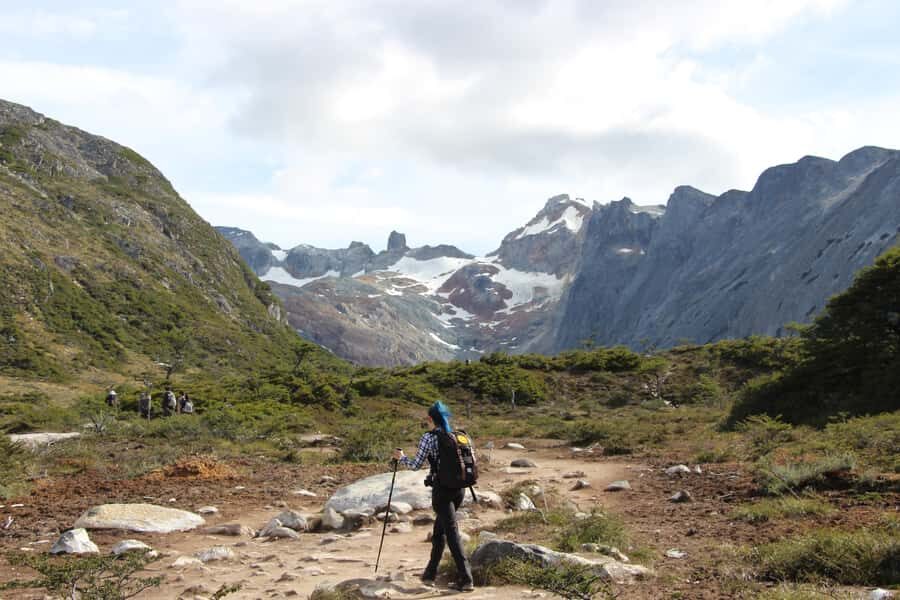
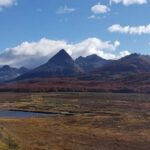
If you’re in Ushuaia and you want the real Tierra del Fuego feeling—not just a photo by the harbor—this trek is one of the strongest bets. The area sits on the edge of the Cordillera de los Andes, and the vibe changes fast: you’re not hiking through a theme park of trails. Instead, you move through a sub-Antarctic forest where the air feels sharper and the ground is visibly alive with conditions that belong to this part of the world.
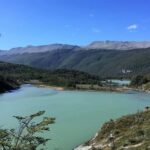
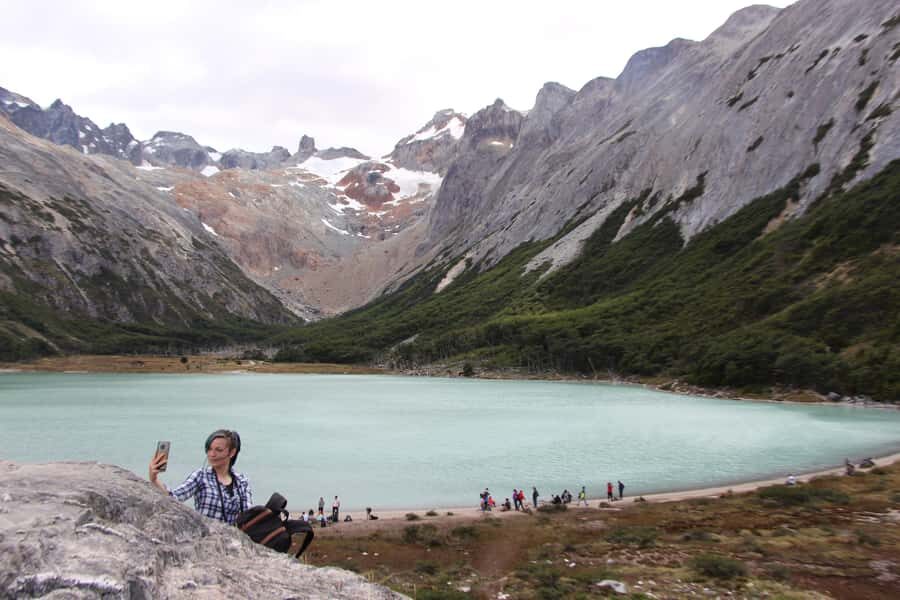
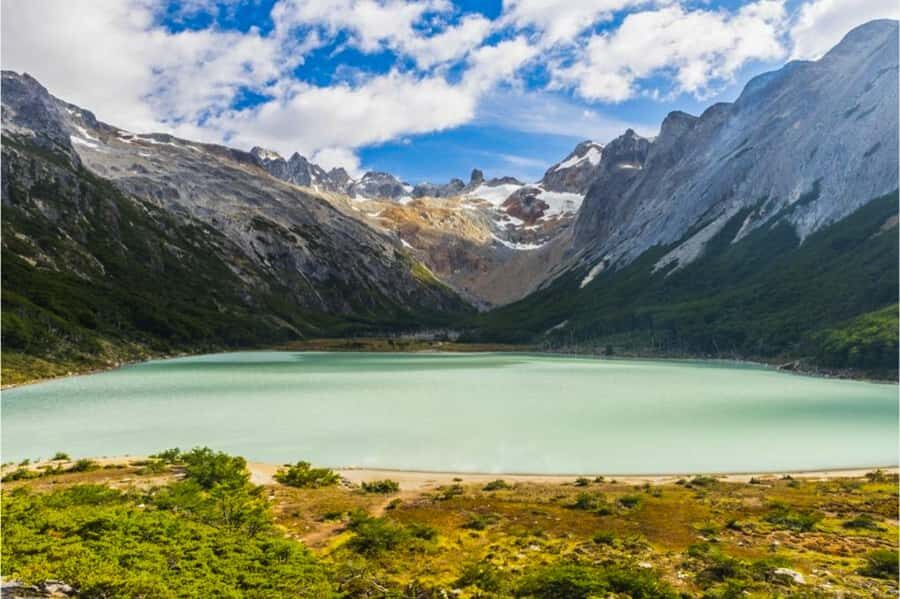
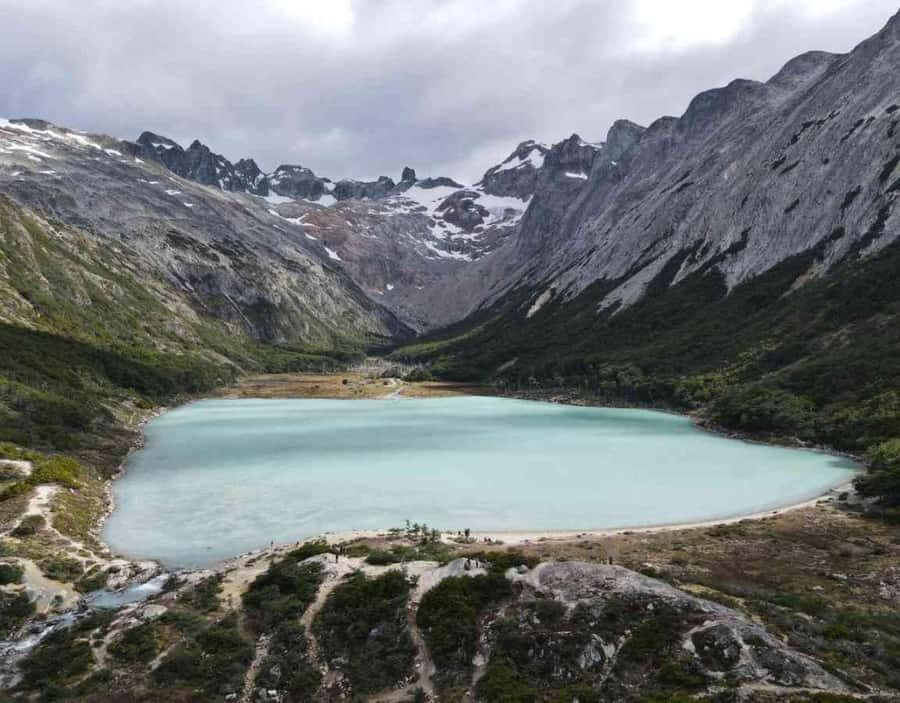
What makes Laguna Esmeralda special is the destination itself. The tour ends at a glacial-water mirror, and the color and clarity are the point. In winter season (from the end of May to the beginning of October), you may see frozen water covered with snow, which changes the whole mood—from a lake stop to a cold, dramatic scene. Even when conditions aren’t perfect, the views along the route and the river-side walking give you that sense of being pulled into a wild landscape.
My honest take: this is the kind of hike that works even if you’re not a hardcore trekker. You’re not going for speed or summit bragging rights. You’re going for the long stretches of view, the river path, and that moment when the lagoon shows up.
You can also read our reviews of more guided tours in Ushuaia
Getting there: the day’s rhythm from Ushuaia pickup to return
Your day starts with pickup from your accommodation in Ushuaia. The provider sends an approximate pickup time by WhatsApp, so you’re not left guessing. Once you’re in the van, you’ll travel for about 40 minutes to reach the trail area, since the path begins roughly 20 km from the city.
Then the main event takes over. The schedule includes a photo stop, guided tour, and walking that totals around 4 hours at the trail and lagoon area. That big block of time matters because it gives the guide room to manage the pace and make the experience more than just point-to-point hiking. You get time to walk, stop, look, and absorb the river-and-lagoon progression.
Finally, the van returns you to Ushuaia about another 40 minutes after the trek. The whole tour clocks in at 5 hours, which is a comfortable chunk of time if you’re trying to do a major nature outing without sacrificing your entire day. If you’re the type who likes a clear plan, this one is easy: get picked up, hike, eat, get back.
The hike: 4.5 km, mud, and why you should trust the guide
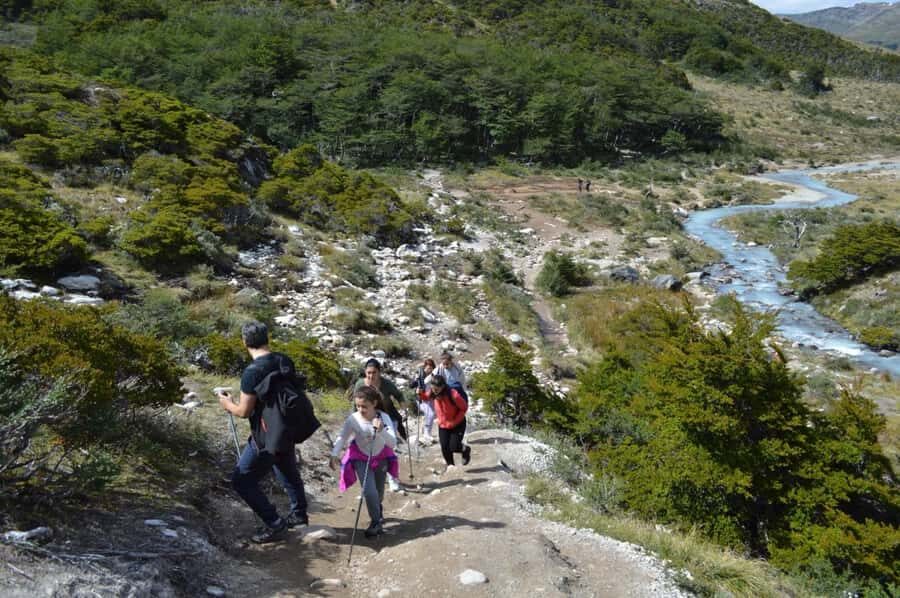
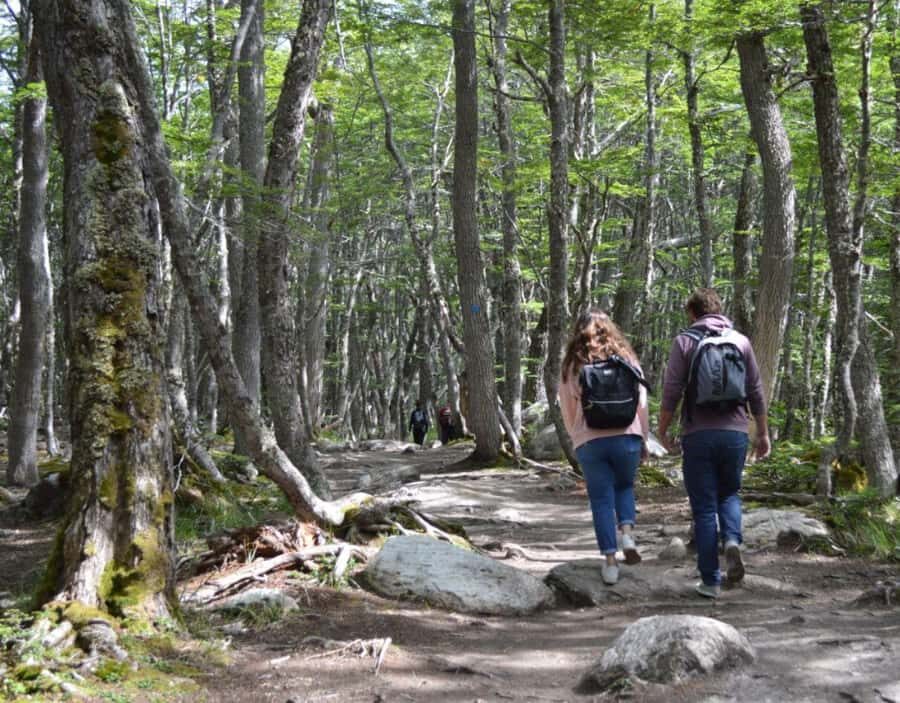
The walking portion is about a 4.5 km stretch to reach the lagoon, and it takes almost 2 hours at a walking pace. That’s the time most people actually care about, because it tells you the hike isn’t a quick stroll. You’ll want to feel mentally ready for steady movement through forest and uneven ground.
One practical detail that becomes a big deal on this trail: the route can be muddy. A good tour guide helps you read the ground and pick safer footing, and that matters because there aren’t scary creatures to worry about on this particular trek—the challenge is usually the surface. Trekking poles (provided as canes) can help a lot here. The idea isn’t to make you faster; it’s to reduce strain and keep balance when the trail gets slick.
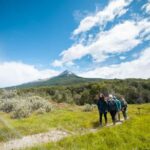
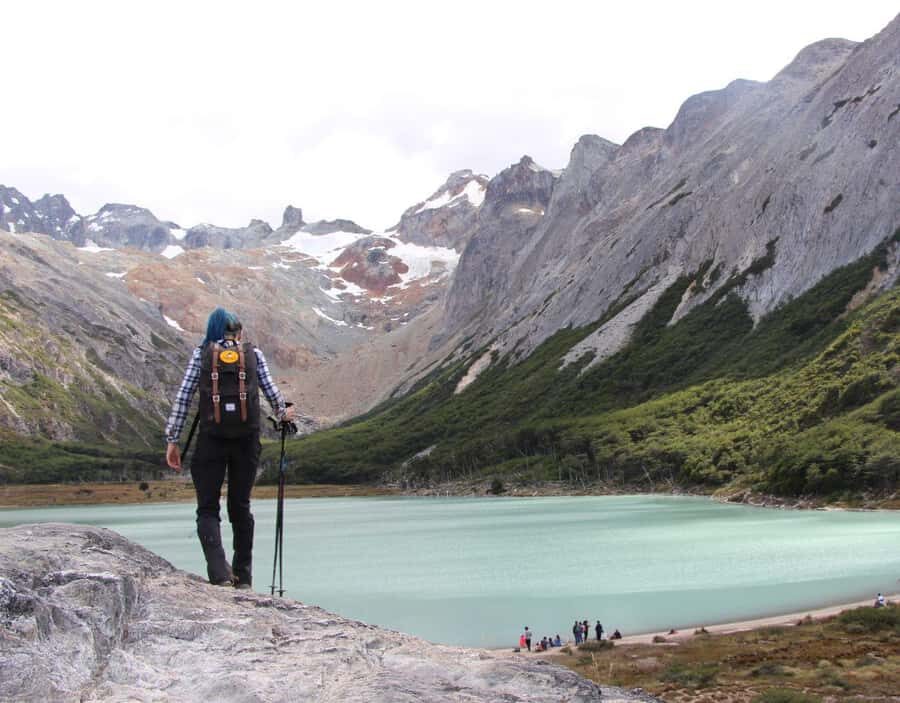
You also walk bordering the Esmeralda River. This matters because it keeps the scenery changing while you hike. Instead of a single straight “line hike,” you get a progression of views: forest, river edges, and then those panoramic viewpoints that show up along the route. The guide may also pause to explain what you’re looking at. In one account, the guide Violet was praised for making stops that connected the scenery to local fauna and flora, which can turn a muddy slog into a story you’ll remember later.
Still, one caution from experience-style feedback: some groups have had faster pacing. That doesn’t mean it’s unsafe, but it does mean you should be prepared to keep moving and listen during stops rather than expect a super relaxed, slow-walk pace all the time.
Reaching the Emerald Lagoon: frozen mirror moments in season
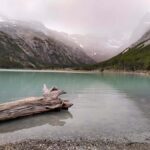
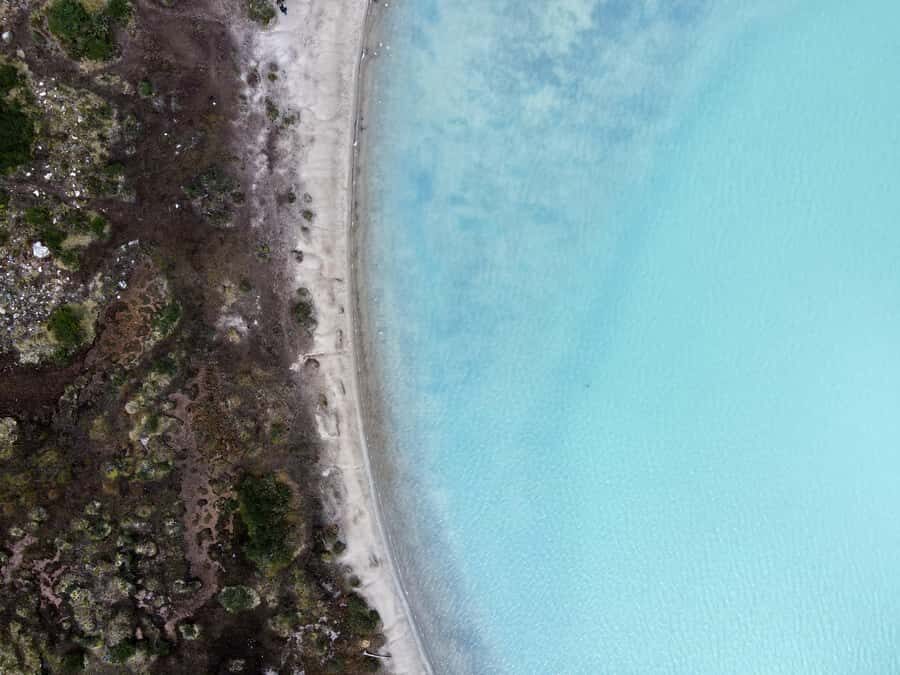
The destination is a glacial-water mirror, and that phrase is accurate in a visual way. The lagoon can reflect the surrounding mountains and sky like a sheet. On calm days it looks crisp; in winter season it can feel even more unreal.
From the end of May to the beginning of October, the lagoon may be frozen and covered with snow. If you’re visiting during that window, you’re more likely to get the classic “ice mirror” feel. Even if the snow cover is patchy, you’re still hiking into conditions that belong to the far south. That’s why the waterproof footwear requirement isn’t optional. This isn’t about comfort; it’s about safety when the ground stays wet and cold.
When you arrive, you’ll have a photo stop and guided time at the lagoon. That matters because you’ll likely be tempted to wander around without context. A guide’s job is to help you see what’s there—river edge, glacial features, and the way the terrain shapes the views—without you wasting energy.
The lagoon visit is also a mental reset. You’ve spent time walking through forest and mud. Then suddenly you’re at open water and big sky. This change in scale is one reason the trek feels so satisfying even for visitors who don’t consider themselves experienced hikers.
Box lunch on the trail: what you actually get
Hiking builds hunger fast, and this tour covers you with an included box lunch. That’s not a “nice to have.” Food is part of why this trek works as a complete half-day plan.
The box lunch includes:
- A sandwich
- An alfajor
- A piece of fruit
- Mineral water
- Orange juice
In other words, it’s not just a snack. It’s enough calories to keep you steady through the walk, especially if the trail has mud and your legs are working harder than you expected.
One review note to keep in mind: if you have a dietary restriction, tell the provider in advance when you reserve, since they require you to contact them about food restrictions. One instance described an offered lactose-free sandwich, but the dessert portion included dulce de leche, which may not fit every lactose-free need. I’d treat that as a reminder to be very explicit with your restriction type when you book.
Also note what isn’t allowed: no food in the vehicle. So this included meal is not something you should plan to replace with a grocery-store snack unless you know the rules for your specific tour.
A few more Ushuaia tours and experiences worth a look
Guides and safety: canes help, waterproof shoes are mandatory
Pingüinos Expediciones runs the tour, and guides operate in both Spanish and English. That’s important because this hike isn’t only about scenery; it’s also about reading trail conditions. A strong guide helps you move confidently, not just talk about the view.
Safety comes down to one main point: waterproof footwear is mandatory, and it’s not included. The tour also warns that sandals or flip flops aren’t allowed, and it lists several restrictions like no large bags, no luggage in the vehicle, and no pets. The good news is you’re in Ushuaia, so you can likely rent proper shoes in the city—your best move is to ask where to rent them ahead of time so you don’t lose time on arrival.
Trekking canes are provided for the walk. That’s a smart inclusion for this terrain, especially if mud shows up. Even if you don’t use poles regularly at home, consider using them here. They can reduce slip risk and give your body more stability when the ground is uneven.
Weather also matters. If you need a rain coat, you can request one for an extra cost. So keep an eye on the forecast the morning of, and don’t assume the sub-Antarctic conditions will behave like the weather back north.
One more practical note: the tour has a fairly specific “not suitable” list, which I’ll cover next. If you’re on that edge medically, it’s worth checking with the operator before you book, since the pace and footing can be demanding.
Who should book this trek (and who should skip it)
This tour isn’t for everyone. It’s listed as not suitable for:
- Children under 12
- Pregnant women
- People with back problems
- People with mobility impairments
- People with heart problems
- Wheelchair users
- People with epilepsy
- People over 60
- People with haemophilia
- People with pre-existing medical conditions
- People with high blood pressure
- People with recent surgeries
- People with motion sickness
That list is long, but it’s also a clear signal about the hike’s reality: it involves walking through natural terrain that may be muddy and requires stable footing. Even with canes and a guide, it’s still an active trek, not a stroll on a paved path.
If you don’t fit those categories, you’re likely a good match—especially if you want nature time with structure. I think it’s ideal for visitors who:
- Want a guided outing but still like walking on their own legs
- Appreciate scenery that changes with weather and season
- Enjoy seeing a place with context, not just a viewpoint drop-off
- Want a half-day plan with food included
If you’re traveling with limited time in Ushuaia, the 5-hour total duration is another plus. You can do this without turning your trip into a logistics marathon.
Price and value: does $100 make sense here?
At $100 per person for a 5-hour guided trek with an included box lunch, you’re paying for three things: guidance, access to the trail area, and the included meal. In remote-sensation places like Tierra del Fuego, value often comes down less to cheapness and more to whether the experience saves you stress.
With a guide, you’re not figuring out the route and pacing yourself through forest and mud. You also get canes and a planned timeline that includes time for photos and a lagoon visit. The lunch is also part of the cost calculation: you’re not buying food on the side, and you’re less likely to end up hungry while your legs are still working.
Still, one note from feedback: some people feel it’s a bit expensive outside peak conditions, especially because the experience involves a lot of walking through mud. That’s a fair consideration. If you’re traveling during a shoulder season and conditions are messy, double-check whether you’re okay with that trade-off.
My value take: book this if you want a guided nature experience that’s structured, seasonal, and scenic. If you’re the type who hates muddy trails or you’re very budget-focused, you might compare against other ways to get to the lagoon area. But if you want the best shot at a smooth experience, a guided trek with lunch at the end of it usually pays off.
The decision: should you book this Laguna Esmeralda trek?
Book it if you want a real Tierra del Fuego hike with big payoff: forest walking, river views, panoramic points, and a lagoon stop where winter can turn the water into an ice-and-snow mirror. The included box lunch and provided canes make the day feel complete, and guides in Spanish and English help you make sense of what you’re seeing.
Think twice if any of these apply: you dislike muddy trails, you don’t want to deal with waterproof footwear, or you fall into the medical categories marked as not suitable. Also, if you have strict dietary needs, contact the provider in advance and be specific, since accommodations may not automatically cover everything in the box lunch.
If your goal is to experience what Ushuaia feels like when you step away from town, this is a strong choice. Just come prepared to walk, look, and handle the ground underfoot.
FAQ
What’s the duration of the Laguna Esmeralda guided trek?
The total experience lasts about 5 hours, including van transport from Ushuaia and time for the photo stop, guided portion, and walk to Laguna Esmeralda.
How long is the walk to the lagoon?
The route reaches Laguna Esmeralda after a 4.5 km walk, which takes almost 2 hours at a walking pace.
What’s included with the tour price?
The tour includes the guided experience, pickup from your accommodation in Ushuaia, trekking canes, and a box lunch (sandwich, alfajor, fruit, mineral water, and orange juice).
Do I need waterproof shoes?
Yes. Waterproof footwear is mandatory for safety reasons, and it is not included. The tour notes you can rent shoes in the city.
What languages are the guides?
Guides are available in Spanish and English.
Is the lagoon frozen in winter?
In winter season, from the end of May to the beginning of October, the glacial water mirror may be frozen and covered with snow.
What should I bring and what is not allowed?
Bring sunscreen, water, gloves, and a daypack. Sandals or flip flops aren’t allowed, and there are restrictions like no pets, no luggage or large bags, and no food in the vehicle.