REVIEW · USHUAIA
Private Experience “Tierra del Fuego” National Park
Book on GetYourGuide →Operated by Signaturetours · Bookable on GetYourGuide
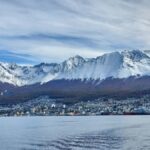
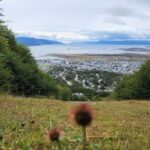
The End of the World starts with a rail ride. This private half-day in Tierra del Fuego National Park is built around real scenery and a guide-led plan with lots of photo stops. It’s also timed to get you out of Ushuaia early, so you’re not spending the best light stuck in traffic.
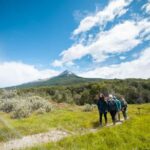
What I like most is the mix of terrain and detail. You move from river-and-bog country on the optional train to sub-antarctic forests in the park, with specific stops for places like Ensenada Zaratiegui and the lagoons.
One thing to consider: it’s not wheelchair accessible, and it’s not a great match if you’re over 70 or pregnant. If you’re in those groups, check with your provider before you book.
In This Review
- Key highlights at a glance
- Why Tierra del Fuego feels like the End of the World
- Price and what $325 really covers
- Hotel pickup at 8:15 and why timing matters
- The optional Train of the End of the World (and how the handoff works)
- Entering Tierra del Fuego National Park: Ensenada Zaratiegui
- Green Lagoon viewpoint and Verde Lagoon: getting your bearings fast
- Bahia Lapataia peat bogs and beaver dams
- Lago Roca (or Acigami) and the ride back to Ushuaia
- Pace, comfort, and who this private tour fits best
- Guide-led value: what you get beyond the view
- Should you book this Tierra del Fuego National Park tour?
- FAQ
- What time does the tour pickup start in Ushuaia?
- How long is the tour?
- Is the Train of the End of the World included?
- What’s included in the price?
- What costs extra?
- What languages are available for the live guide?
- Do I need a passport and are pets allowed?
- Is this tour wheelchair accessible?
- Who might this tour not be suitable for?
Key highlights at a glance
- Optional one-way Train of the End of the World before the park, with the guide meeting you at the national park station
- Ensenada Zaratiegui forest stop featuring lengas, ñires, coihues, and plants like calafate, michay, and canelo
- Panoramic viewpoints along the route, including the Green Lagoon viewpoint and later lagoon views
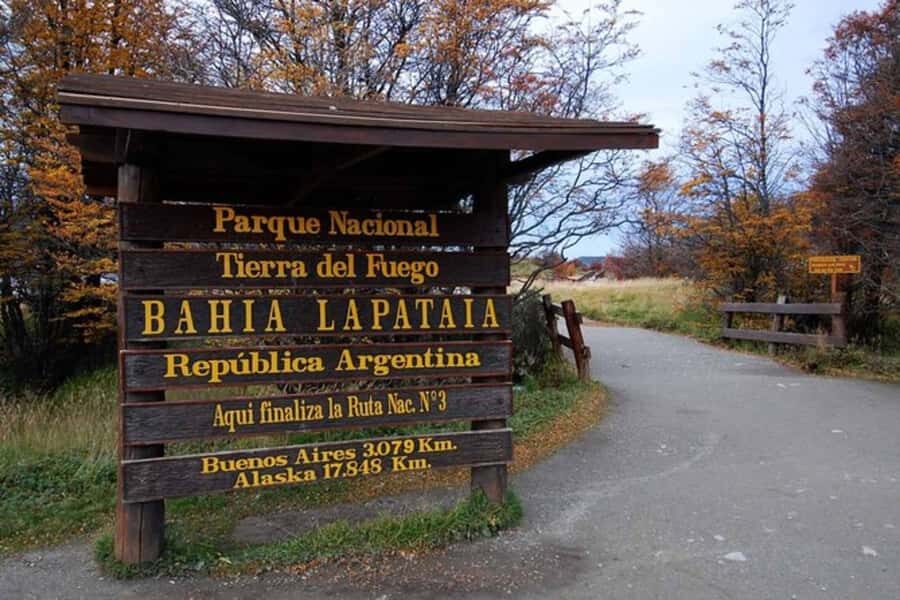
- Peat bogs and beaver dams at Bahia Lapataia
- Final photo stop at Lago Roca (or Acigami) before heading back to Ushuaia
- Private group with a specialized guide, in English, Portuguese, or Spanish
Why Tierra del Fuego feels like the End of the World
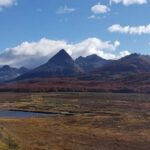
There’s something about the far south that makes even a simple morning feel special. In Tierra del Fuego National Park, you’re not just looking at scenery. You’re walking through a sub-antarctic world with plants and waterlogged ground that don’t belong anywhere else in the country.
This tour’s strength is that it doesn’t treat the park like one big blur. It sequences you through multiple habitats: forest, lagoons, peat bogs, and river-and-wetland zones. Each stop is there for a reason, and your guide can connect what you’re seeing to how the ecosystem works.
You’ll also get a sense of continuity between Ushuaia’s past and the park’s present. That’s especially true if you add the optional Train of the End of the World, which follows the same idea of prisoners logging trees and gathering firewood for old Ushuaia.
You can also read our reviews of more private tours in Ushuaia

Price and what $325 really covers
At $325 per person, this is not a budget city-crawl. But it’s also not trying to be a luxury flight to Antarctica. You’re paying for structure: a specialized guide plus transfer in/out from your hotel, timed for a smooth half-day.
What’s included:
- Specialized guide
- Transfer in/out
What’s not included:
- Tierra del Fuego National Park fee
- Lunch
That matters for value. If you budget for the park fee and a meal (or snacks), the core experience stays predictable: you’re spending your time in the park and learning as you go, instead of figuring out transport and routing yourself.
Also, this is a private group experience (up to 20 travelers). In practice, that often means the guide can keep the pace from becoming rushed, and you’ll have a better chance to ask questions about what you’re seeing.
Hotel pickup at 8:15 and why timing matters
Your day starts early: pickup is at 8:15 am from your hotel in Ushuaia. The park is close to town by Tierra del Fuego standards—about 12 km away—so you’re not burning half the morning just getting there.
That timing helps you do two things at once:
- Get into the park while you still have strong morning light for photos.
- Keep the day from turning into a long slog, since you’re out for about 5 hours on the scheduled tour.
If you’re the type who likes seeing everything without feeling exhausted, the early start is a real advantage. You also get a clean flow: optional rail first, then the park itself, then back to Ushuaia.
The optional Train of the End of the World (and how the handoff works)
Before you reach the national park, there’s a previous stop: the Train of the End of the World. This is optional, and it’s designed to take you one way only.
Here’s how it works in plain terms:
- You can choose the train ride as part of the day.
- The route recreates the journey prisoners once made: logging down trees and collecting firewood for a small old town in Ushuaia.
- You pass through striking scenery like woods, rivers, peat bogs, and ruins of a native settlement.
- There’s also a stop at Macarena cascade during the ride.
Important practical detail: when the train ends at the national park station, your guide is waiting to continue the excursion in the vehicle. So you’re not stuck. You’re simply switching modes—rail to road—without losing the group.
The best reason to consider the optional train is simple: it adds context. You see the same kinds of environments the rail passes through, and then you step into the park with a guide who can interpret what you’re seeing beyond the view itself.
If you skip the train, you still reach the key park stops by vehicle, so you’re not forced into it.
Entering Tierra del Fuego National Park: Ensenada Zaratiegui
Once you arrive at the park, the tour becomes all about the sub-antarctic forest—and especially the kinds of plants you might never have heard of before.
Your first major stop is Ensenada Zaratiegui, where you can observe typical species of this sub-antarctic wood. This is where the guide’s value is easiest to see, because your attention isn’t only on what’s big and scenic. You’re also paying attention to how the vegetation fits together.
You’ll look for:
- Lengas
- Ñires
- Coihues
- Calafate bushes
- Michay
- Canelos
- The so-called old man’s beard
That last one is a fun detail. It helps you notice that in this region, plants don’t just grow—they cling, cover, and survive in ways that reflect the climate. Your guide can point it out, so you don’t leave with only vague photos of trees.
Expect guided tour time plus photo stops and panoramic views. The practical upside is that you get both storytelling and time to take pictures without constantly being hurried.
A small drawback: if you’re expecting a park of big “wow” monuments, you may find the appeal is more about immersion in nature and plant life than about iconic structures. But for people who like forests and ecology, this is exactly the point.
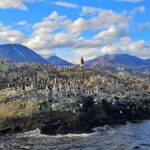
Green Lagoon viewpoint and Verde Lagoon: getting your bearings fast
After Ensenada Zaratiegui, you’ll move through a sequence of scenic stops—designed so you can see the changing feel of the park as you travel.
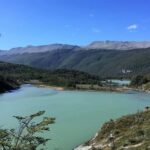
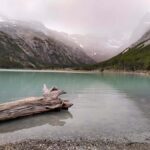
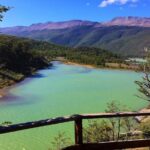
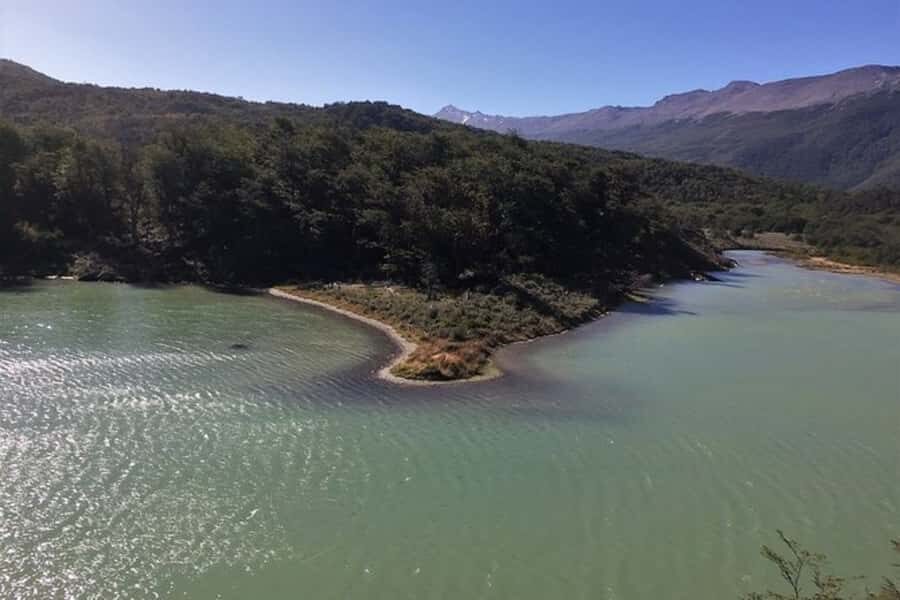
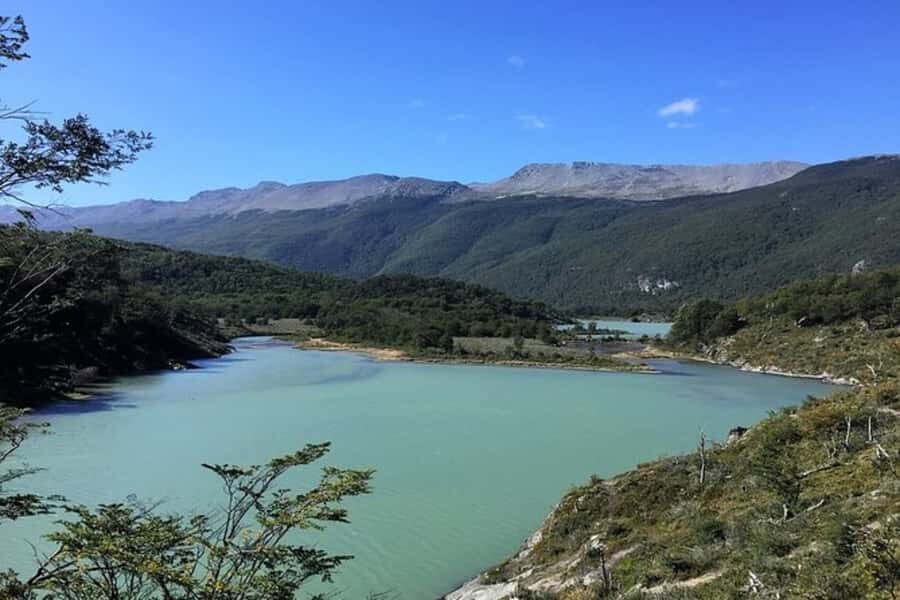
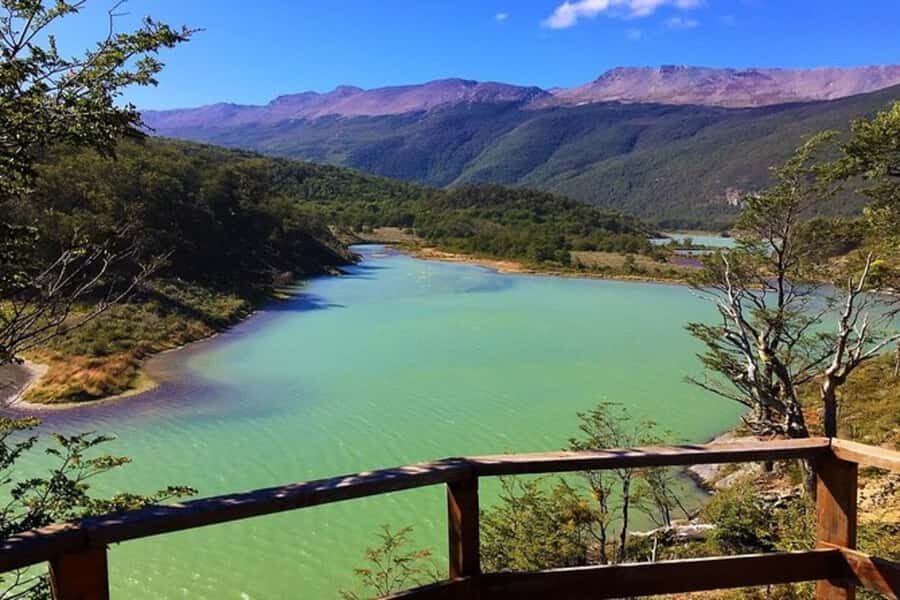
One key stop is a Green Lagoon viewpoint. Then the route continues toward the Verde Lagoon. These lagoon stops are where you shift from dense plant identification to open water views and wider sightlines.
Why these matters for your day:
- Lagoons give you a break from tree-level walking and help you reset visually.
- They also show how the ground behaves here—wet, flat in places, and closely tied to peat and bog areas you’ll see a bit later.
If the weather is clear, these stops are also some of the better chances for crisp photos. If it’s cloudy or windy (not rare in the far south), you’ll still get the drama, just with a darker palette.
Bahia Lapataia peat bogs and beaver dams
The tour’s standout ecological moment for many people is Bahia Lapataia. This is where the route turns toward peat bogs and beaver dams.
Peat bogs aren’t just a scenic detail. They tell you the region’s story: how water is retained, how plants grow in saturated ground, and why the ecosystem supports certain kinds of flora and wildlife.
Then there are the beaver dams. Even if you didn’t come to the park expecting animals on a wildlife hunt, this stop gives you a concrete reason to look closely. The dam structure affects the water flow and habitat, and that’s part of why the park feels alive even from a viewing point.
Practical advice: at stops like this, slow down. Let your eyes find the edges of the water, the shape of the dam, and the way vegetation clusters near wet ground. A quick glance can turn into a missed moment when the details are what make it interesting.
Lago Roca (or Acigami) and the ride back to Ushuaia
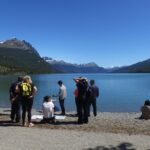
Your final planned sightseeing stop is Lago Roca, which may also be called Acigami Lake, depending on signage or local usage. This is your last chance to take in a broad view before returning to Ushuaia.
From a scheduling perspective, this stop is smart because it gives you one final payoff after the earlier forest and lagoon segments. From a photography perspective, it often helps to use this time to gather the shots you’ll want for a quick memory review later.
After Lago Roca (Acigami), you head back to the city.
If you’re someone who likes to keep the day from dragging, you’ll probably appreciate that there’s an actual end point and return timing, rather than an open-ended day that stretches into something exhausting.
Pace, comfort, and who this private tour fits best
This is a 5-hour tour on the schedule, with a guided park experience that involves multiple stops and viewpoint time. It’s not described as a wheelchair-accessible outing, and it’s not a fit for everyone.
Who it suits:
- Most travelers who are comfortable with a guided day outdoors
- People who like nature-focused travel with a guide who points out what you’re actually looking at
- Visitors who want a private group experience with transfers handled
Who should think twice:
- Not wheelchair accessible
- Not suitable for pregnant women
- Not suitable for people over 70
- Infants must sit on laps
- Pets are not allowed
What to bring is simple and important: you’ll need a passport.
Also, no feeding animals is allowed. That’s common in sensitive environments, but it’s worth noting so you don’t accidentally plan a hands-on moment that the staff won’t allow.
About the guide experience: the experience has strong feedback for the guide quality. One name that stands out from the feedback is Flora, who has been described as lovely and part of what made the day feel special.
Guide-led value: what you get beyond the view
The reason this tour works well is that it turns scenic stops into learning opportunities. At Ensenada Zaratiegui, you’re not only seeing forest—you’re learning the names of key trees and bushes, including lengas, ñires, coihues, calafate, michay, canelos, and old man’s beard.
At Bahia Lapataia, the guide helps you connect peat bogs and beaver dams to why the environment looks and functions the way it does.
And with the optional train, you gain a historical frame. The train’s story about logging down trees and collecting firewood is more than a fun fact. It ties the idea of the far south as an edge of settlement and labor to the landscapes you see today.
If you’re traveling solo or with a partner and you don’t want to guess what to look for, this is the kind of tour that makes your photos better. Not because your camera changes, but because your attention does.
Should you book this Tierra del Fuego National Park tour?
Book it if you want a guided, efficient day that prioritizes nature details and multiple key viewpoints without long planning. It’s especially worth it if you care about plant identification, peat-bog ecosystems, and the “how does this place work” side of travel.
Skip or rethink if:
- You need wheelchair accessibility
- You’re in the not-suitable categories (pregnant or over 70)
- You only want city comforts and indoor time
- You’re mainly chasing a single iconic monument rather than forest and water features
If you’re on the fence about the optional Train of the End of the World, I’d treat it as a bonus you add when you want context and variety. It’s one-way only, but the handoff is built in, with the guide meeting you at the national park station.
FAQ
What time does the tour pickup start in Ushuaia?
Pickup starts at 8:15 am from your hotel in Ushuaia.
How long is the tour?
The tour duration is listed as 5 hours. The park sightseeing portion is listed as about 6 hours on the itinerary schedule.
Is the Train of the End of the World included?
No, the train is optional. If you take it, it’s one-way only, and the guide will be waiting for you when you arrive at the national park station.
What’s included in the price?
The price includes a specialized guide and transfer in/out.
What costs extra?
The Tierra del Fuego National Park fee and lunch are not included.
What languages are available for the live guide?
The live guide is available in English, Portuguese, and Spanish.
Do I need a passport and are pets allowed?
Yes, you need a passport. Pets are not allowed, and feeding animals is not allowed.
Is this tour wheelchair accessible?
No, it is not wheelchair accessible. Strollers are accessible, and infants must sit on laps.
Who might this tour not be suitable for?
It’s listed as not suitable for pregnant women and for people over 70.