REVIEW · USHUAIA
Ushuaia: National Park & Train of the End of the World Tour
Book on GetYourGuide →Operated by Info de Ushuaia · Bookable on GetYourGuide
Ushuaia feels like the planet’s edge. This 5-hour outing stitches together Tierra del Fuego National Park with the Train of the End of the World, then caps it with classic photo stops and a truly old-school souvenir: a passport stamp at a working post office.
I especially love the big, iconic moments: the End of Route 3 sign at Lapataia Bay and the chance to get your passport stamped at Ensenada Zaratiegui. I also like how the day is paced with short guided visits and photo time, so you don’t feel rushed through the best viewpoints.
One thing to plan around: the tour price doesn’t include the national park entry fee (listed as AR$40,000 per person), and a few departures can run longer than the stated 5 hours—so keep your evening flexible.
In This Review
- Key points to know before you go
- How the day flows: train, park stops, and the post office finish
- Ushuaia pickup and getting oriented fast
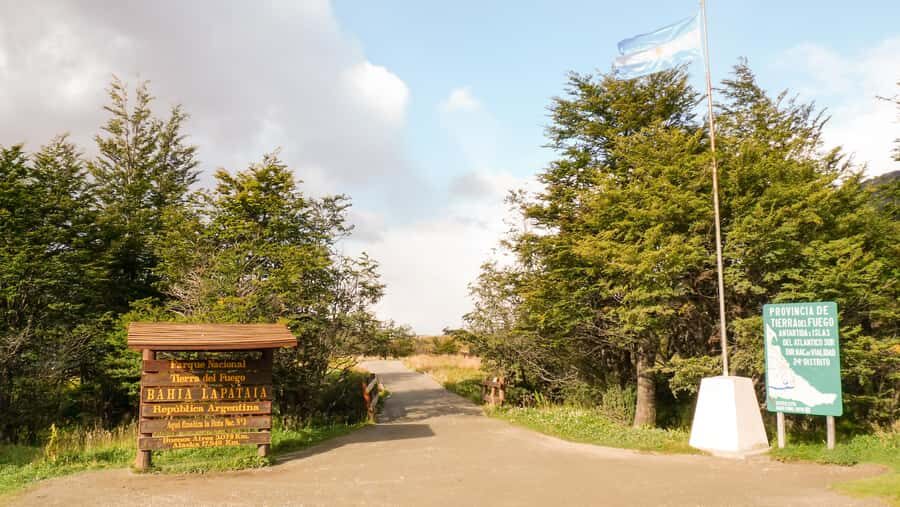
- Tierra del Fuego National Park: Lapataia Bay and the End of Route 3 photo
- Southern Fuegian Railway: history on rails, plus the reality of a short ride
- Lake Roca and Alakush: connecting postcards to place
- Ensenada Zaratiegui: the passport stamp and the last postal box feeling
- Time, weather, and the little things that affect your day
- Price and value: what you’re paying for, and what you must budget extra for
- Who should book this tour (and who might prefer something else)
- Should you book this Ushuaia tour?
- FAQ
- Is the national park entry fee included in the tour price?
- What does the tour price include?
- How long is the excursion?
- Where does the tour start and end?
- What languages are the guides?
- Do they pick up people from the airport?
Key points to know before you go
- End of Route 3 at Lapataia Bay for the famous End of the World photo spot
- Passport stamp at Ensenada Zaratiegui via the last postal box at Argentina’s end
- Train ride included on the Southern Fuegian Railway, with history-focused commentary
- Lake Roca shoreline views that feel postcard-perfect without needing a long hike
- Alakush Interpretation Center stop to connect what you see with local history and nature
- Downtown pickup and drop-off right in Ushuaia’s main area (not from the airport)
How the day flows: train, park stops, and the post office finish
This tour is built like a highlight reel, but it’s not just bus-window sightseeing. You start with pickup in Ushuaia (within the Ushuaia metropolitan area), then you move through the park in a way that balances guidance, viewpoints, and quick stretches of free time for photos.
What makes it work well for most people is the rhythm: you’re not expected to do a long trek. Instead, you get several distinct “chapters” of the region—Lapataia Bay first, then train time, then Lake Roca and interpretation, and finally the post office in Ensenada Zaratiegui. If you’re visiting Ushuaia for a short window (or you’re coming from Antarctica), this format fits neatly.
You can also read our reviews of more tours and experiences in Ushuaia.

Ushuaia pickup and getting oriented fast
You’ll be met by the minibus driver and a professional tour guide, and the plan is to keep things organized from the first minute. Pickup is included for accommodations across Ushuaia’s metro area, and drop-off is back in the city center at Av. San Martín 775.
Why I like this approach: it removes the stress of figuring out transport in a place where weather can change fast. Also, the guided part isn’t just for show—your guide ties the stops together with history and geography, so each viewpoint lands with context instead of feeling random.
A small practical note: the pickup doesn’t include the Ushuaia airport. If you’re flying in and trying to match this tour, you’ll want to avoid last-minute timing headaches.
Tierra del Fuego National Park: Lapataia Bay and the End of Route 3 photo
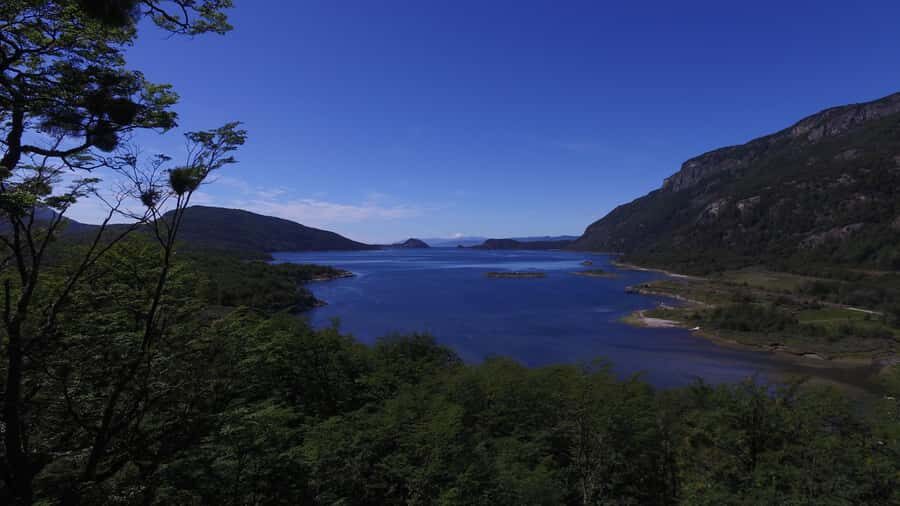
The heart of the park stop is Lapataia Bay and the End of Route 3 area, where you’ll see the famous sign that symbolizes the union of Ushuaia and Alaska. This is the “everyone takes a photo here” stop, and it’s popular for a reason: it’s one of those places where the geography feels symbolic, not just scenic.
You’ll have a guided visit time plus enough space to get your shots. The sign, the bay setting, and the sheer “this is far south” feeling make it an easy win even if the weather isn’t perfect. Several recent guides (including people named like Aileen, Jackeline, and Camilla in different departures) were praised for keeping the group on schedule without feeling rushed—exactly what you want at a must-do photo stop.
If you care about photos, treat this moment like a mini mission:
- Stand where you can keep the sign and the water/shoreline together in frame
- Take a wide shot first, then come back for closer portraits
- Bring a warm layer so you’re comfortable enough to actually linger
Southern Fuegian Railway: history on rails, plus the reality of a short ride
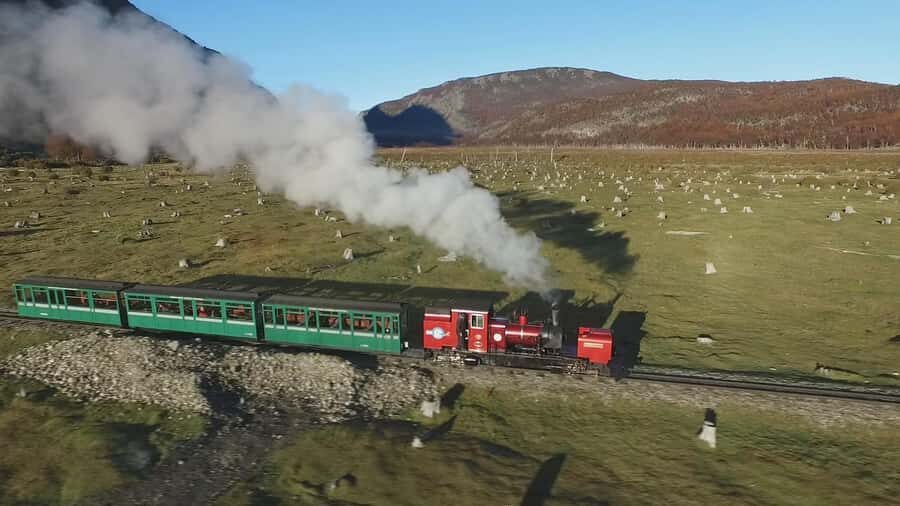
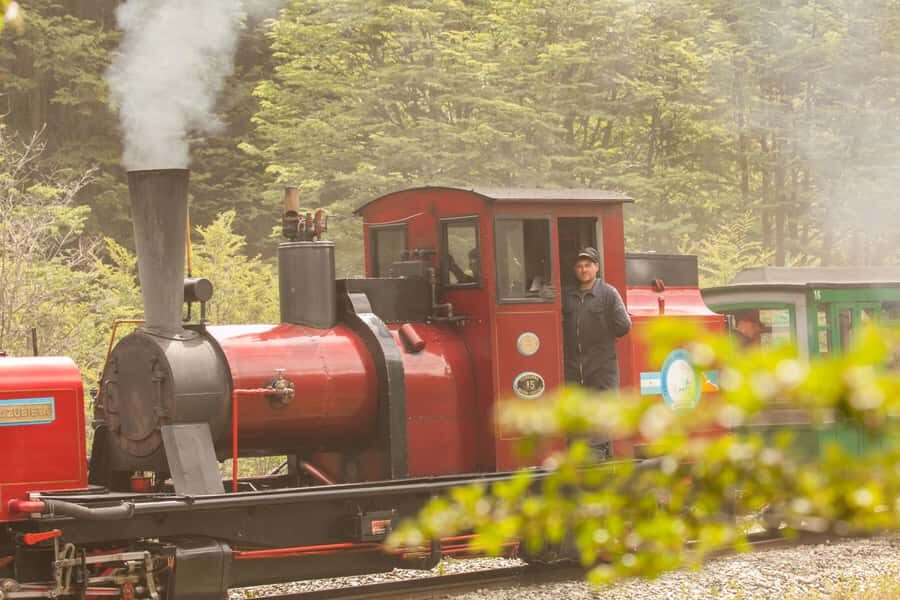
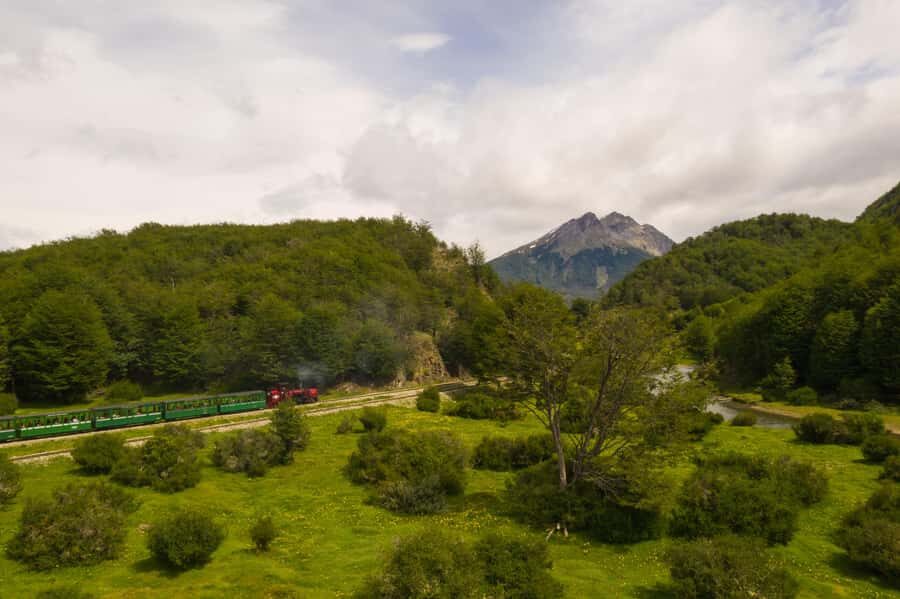
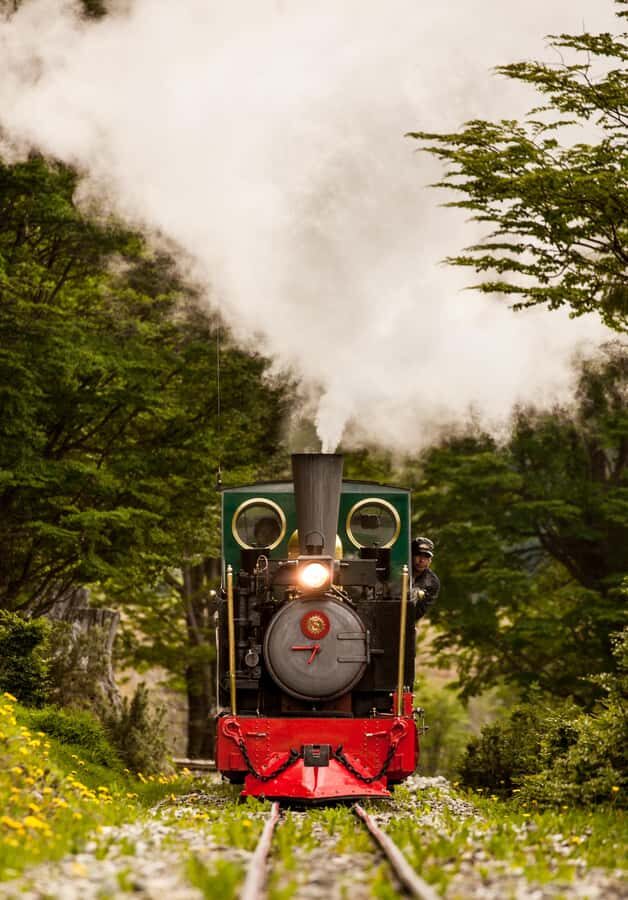
Next comes the Southern Fuegian Railway on the Train of the End of the World. This is the part that turns the park into a living story. You’re traveling on a route strongly associated with prisoners who built the railway years ago, and the commentary helps you understand why this rail line mattered.
The ride is only about an hour, so you’re not signing up for a long scenic journey. You’re there for atmosphere and context: the motion, the old-time feel, and the history talk that connects Ushuaia’s “end of the world” identity to real people and real work.
A balanced heads-up from what you can read in firsthand experiences: some people feel the train portion can be more “experience” than “value,” especially if you expected lots of uninterrupted train time for photos. Also, if window photography is a top priority, keep expectations realistic—one practical complaint was about limited window freedom for pictures, so don’t plan on perfect shots from every angle.
That said, most people who recommend this day do so because the train is included and it adds a totally different texture than the bus-and-viewpoint format. If the idea of “history on rails” appeals to you, it’s one of the best ways to do it in a single half-day.
Lake Roca and Alakush: connecting postcards to place
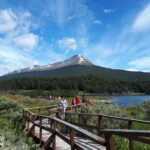
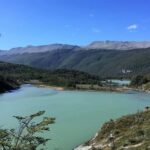
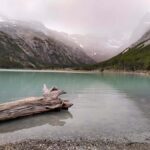
After the railway, the park keeps giving. Lake Roca is a key stop where you’ll get time to contemplate the shoreline. This is one of those moments that feels like a Patagonian postcard without needing a full-day hike, and it works well as a breather between the more “structured” segments.
Next you’ll visit the Alakush Interpretation Center, where you can get more about the history of the area around Ushuaia. This is where the day starts to click: the guide can point out what you’re seeing in terms of Fuegian forests and local geography, and the center helps you understand why this region looks the way it does.
In my mind, interpretation stops like this matter because Patagonia can feel remote and untouchable. When you get a little context for the environment and the human story, the scenery becomes easier to read—and you end up caring more about what you’re looking at.

Ensenada Zaratiegui: the passport stamp and the last postal box feeling
The final stop is Ensenada Zaratiegui. This is where the experience goes from “cool nature day” to “I have a real artifact from the trip.”
In the post office at Ensenada Zaratiegui, you can get your passport stamp—specifically mentioned as part of the experience. If you want that stamp, bring your passport with you (and make sure it’s accessible), since you’ll be doing this as part of the scheduled visit.
Why I think this stop is a strong finish:
- It’s quick and memorable
- It’s tangible, not just a photo you’ll scroll past later
- It gives the day a unique ending that most tours don’t have
Even on overcast or wintry days, people tend to remember this part clearly because it’s hands-on and different from the usual viewpoint routine.
Time, weather, and the little things that affect your day
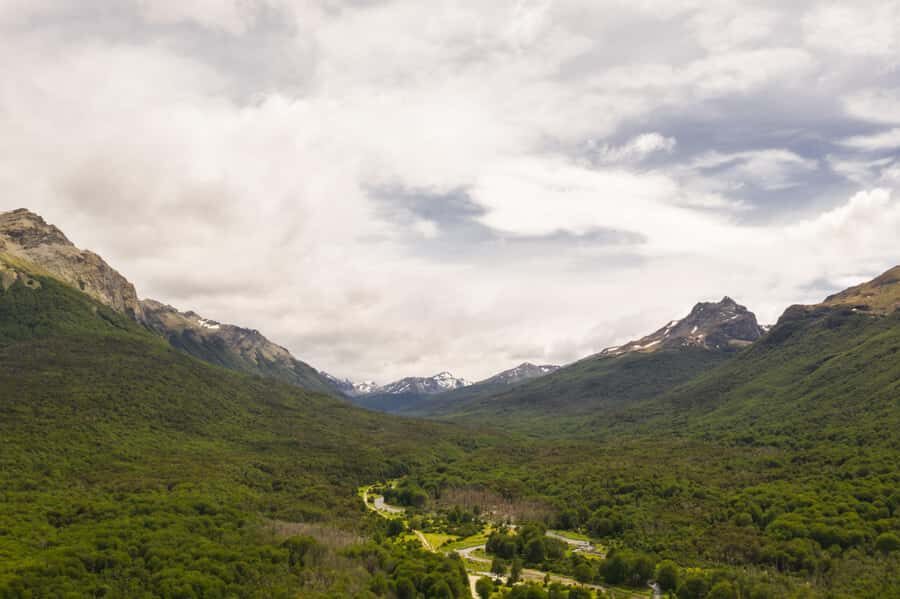
The tour is advertised as 5 hours, with guided segments (park, interpretation, bay, and post office) and the train included. In practice, the biggest variable you’ll face isn’t the itinerary—it’s conditions outside.
Ushuaia can be weather-prone, and one common theme in experiences is that the scenery still works when the day is rainy or snowy. That’s good news: you’re not paying just for blue-sky photos. You’re paying for access to places that feel meaningful even when conditions are dramatic.
One scheduling note: there’s at least one reported case where the day ran closer to 7 hours instead of 5. I’d treat that as a sign to avoid tight connections right after your tour. If you’re getting picked up from a cruise, also make sure you’ve communicated your ship times—cruise coordination is specifically called out.
Price and value: what you’re paying for, and what you must budget extra for
The tour price is listed at $111 per person and runs about 5 hours. For value, the big deal is that the train ticket is included and the park portion is guided. The train is a key part of what makes this experience feel like more than a standard bus tour.
However, the national park entry fee is not included. The rate provided is AR$40,000 per person, and you should budget for it at the gate. Some experiences also report that cards (like Mastercard/Visa) worked at the entrance, so you should ideally carry both local currency and at least a card option.
So how do you decide if it’s worth it?
- If you want a single, organized way to hit multiple famous stops with a guide, it tends to feel like good value.
- If you mainly care about long walks, you may find the “short stops” approach less satisfying, since the format is designed for time efficiency, not trekking.
Also, food costs can pop up depending on what you choose to buy during breaks. One person mentioned a hot chocolate stop; another flagged the cafe on the way as pricey compared to shopping locally. If you’re sensitive to snack markups, bring a plan: either carry a small backup snack or budget a bit for a warm drink when you stop.
Who should book this tour (and who might prefer something else)
This tour is a great fit if you want:
- Iconic southern Ushuaia photo stops without a long hike
- A mix of nature + history, including the railway story
- A “done in one afternoon” plan that works well after a cruise day
It’s less ideal if:
- You’re wheelchair dependent, since it’s stated as not suitable for wheelchair users
- You’re the type who expects a long, continuous train ride with lots of time for windows and photos (some people felt the train segment didn’t add as much as they hoped)
One more match question: if you’re traveling with kids or just want an easy outing with clear landmarks, the short guided stops are a plus. If you want to roam independently for hours at a time, you may do better with a longer, self-paced nature option.
Should you book this Ushuaia tour?
I’d book it if you want the “End of the World” feeling without spending the whole day figuring out logistics. The combination of Lapataia Bay’s End of Route 3, the Southern Fuegian Railway, and the passport stamp at Ensenada Zaratiegui gives you three different kinds of memories: symbolic, historical, and physical.
I’d think twice only if you hate structured tours or you’re only interested in maximum time on foot. In that case, the short park segments and the train’s limited duration might feel too staged for your style.
If you’re flexible with timing, bring your passport and a warm layer, and you’re excited by the mix of nature and human history, this one is a strong afternoon use of time in Ushuaia.
FAQ
Is the national park entry fee included in the tour price?
No. The national park entry fee is not included. The provided rate is AR$40,000 per person.
What does the tour price include?
It includes hotel-area pickup and drop-off in the city center, the train ride ticket, and a guided tour at the national park.
How long is the excursion?
The duration is listed as 5 hours.
Where does the tour start and end?
It includes pickup in Ushuaia (within the metro area) and it finishes at Av. San Martín 775, V9410 Ushuaia.
What languages are the guides?
The tour is offered with live guidance in Spanish and English.
Do they pick up people from the airport?
No. Pickup is included within the Ushuaia metropolitan area, but they do not pick up from the Ushuaia airport.