REVIEW · USHUAIA
Tierra del Fuego National Park
Book on GetYourGuide →Operated by Agência CIATRIP. · Bookable on GetYourGuide
The south of South America has a way of resetting your mind. Tierra del Fuego National Park is the planet’s southernmost park and the only Argentine park where mountains, forests, and sea come together in one day. I like that this tour pairs scenery with story, from local geography and wildlife basics to the historic rail line tied to prisoner transport.
Two things I really like: the guide-led narration that keeps you from just “looking at views,” and the optional End of the World Train that adds real context before you get into the park. A comfortable round-trip transfer also matters here, since the day is long and the roads are part of the experience.
The main drawback to consider is timing and language fit. One past booking flagged that the schedule felt managed poorly, and the Spanish guide may not cover everyone’s language needs, so you’ll want to think about how much you rely on guided interpretation.
In This Review
- Key things to know before you go
- Entering a world where mountains, forest, and sea meet
- Hotel pickup and the comfort factor in Ushuaia
- The End of the World Train: optional, but meaning-packed
- Lake Roca (Acigami): where the park slows down
- The dirt-road drive and the restaurant viewpoint reset
- Lapataia Bay: the deck that delivers the End of the World feeling
- End of the World Post Office: passport stamp potential
- Price and what $117 buys you in a long day
- Who this tour fits best
- Practical tips to make the day smoother
- Should you book Tierra del Fuego National Park?
- FAQ
- Where is Tierra del Fuego National Park?
- How long is the tour?
- What’s the meeting point?
- Is the park entrance fee included?
- Is the End of the World Train included?
- What will the guide talk about?
- Where does the tour stop inside the park?
- Can I stamp my passport?
- Is coffee or snacks included?
Key things to know before you go
- The End of the World Train turns a scenic hour into a history lesson about the rail used to move prisoners from Ushuaia to Mount Susana.
- You cover a lot of ground in a 30 km drive through the park, with planned stops instead of a long “free time” push.
- Lake Roca (Acigami) is a standout: lake + forest + a lakeside walk with Chilean mountains in view.
- Lapataia Bay is your big “at the end of the world” moment, reached by a short walk to a deck view.
- End of the World Post Office can help you stamp a passport and send a postcard when it’s open.
- Expect a Spanish guide, and plan for limited coverage if your group needs another language.
Entering a world where mountains, forest, and sea meet
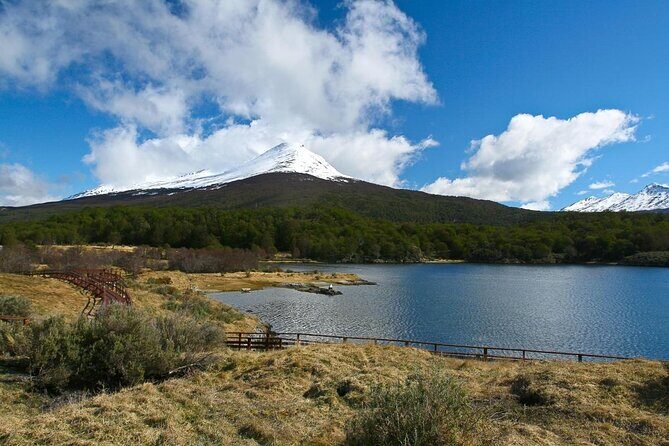
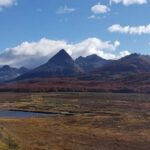
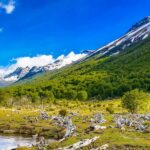
Tierra del Fuego National Park sits at the bottom edge of Argentina, where weather, wind, and big skies shape everything. What makes it special is the mix: you get mountains, forests, and sea in one outing, not in separate “day trips” that never line up.
This is the kind of place where a guide makes a difference. Without explanation, you’d still enjoy the views, but with the right context you’ll start noticing how the geography drives the scenery, and how the local natural world fits together.
You can also read our reviews of more tours and experiences in Ushuaia.

Hotel pickup and the comfort factor in Ushuaia
You start from your hotel in Ushuaia with round-trip transfers, and that part is more valuable than it sounds. One review specifically called out the transportation as comfortable, which matters because this is a long day with driving between multiple stops.
While the exact pickup time can vary, I recommend you confirm it clearly before departure. One booking noted schedule handling could have been better, especially around pickup timing. If you’re trying to connect other plans that same day, treat this tour like a commitment to staying flexible.
The End of the World Train: optional, but meaning-packed
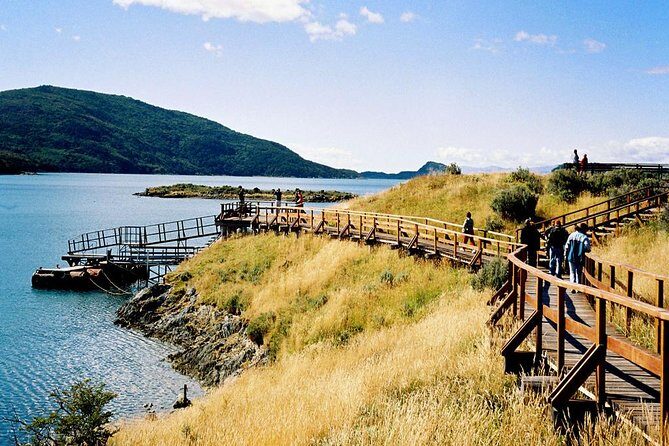
Your first real stop is just before entering the park, at the End of the World station. If you want the train, you’ll purchase tickets on-site, then ride for about 1 hour through the scenery.
The train isn’t only a “pretty ride.” The onboard experience includes history about the railway that was used to transport prisoners from Ushuaia to Mount Susana. Even if you’re not a rail history person, it helps the landscape click into place: you’re seeing where people were moved, where work happened, and why this corridor mattered.
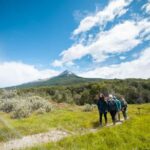
If you choose not to ride, you still have options: there’s a short hike or time to enjoy the station while your guide shares railway background. In practice, that means you’re not forced into one pace. Pick the version that matches your energy—train if you want the story with minimal effort, walk if you want to stretch your legs early.
Lake Roca (Acigami): where the park slows down
After the train segment, the day shifts into a park drive covering around 30 km, with planned appreciation stops. Next up is Lake Roca, also known as Acigami.
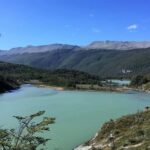
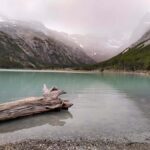
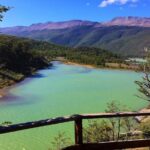
This is the part I’d put on your “must photo” list. You can glimpse the Chilean mountains, then enjoy the lake and surrounding forest, plus a lakeside walk. It’s one of those stops where you can actually stop moving for a minute and let the air and water take over the senses.
The benefit of scheduling a walk here is simple: it’s a chance to experience the park at a human scale. Don’t rush through it. Take a slow loop, check the shoreline views from slightly different angles, and use the guide’s narration to connect what you’re seeing.
The dirt-road drive and the restaurant viewpoint reset
Once you leave the lake area, you continue along a dirt road through more of the park’s changing scenery. Eventually you reach the park restaurant, which includes pies, coffee, drinks, and a view.
This is useful even if you don’t eat much. A scheduled break gives you time to warm up, refuel, and reset before the “big moment” toward the bay. It also keeps the day from feeling like non-stop transportation.
You’ll also visit the Alakushi Indigenous Interpretation Museum at the restaurant stop. The museum adds a cultural layer, so you don’t only interpret Tierra del Fuego through geology and scenery. It helps you understand the region through Indigenous interpretation, which is exactly the kind of context that makes a nature outing feel complete.
One practical note: coffee and snacks aren’t listed as included in the price, so treat food here as something you can buy if you want it.

Lapataia Bay: the deck that delivers the End of the World feeling
After the museum stop, you head toward Lapataia Bay, one of the tour’s most special places. At the entrance, there’s a sign with interesting facts, including that Lapataia Bay marks the southernmost point of Route 3.
That Route 3 detail matters because it gives you a real place-to-placemark connection. This is not just symbolism. It’s a concrete “you’re at the edge” moment tied to how roads and travel paths were built.
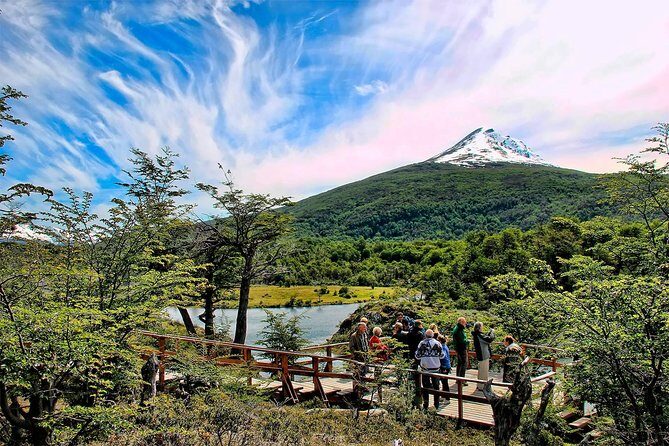
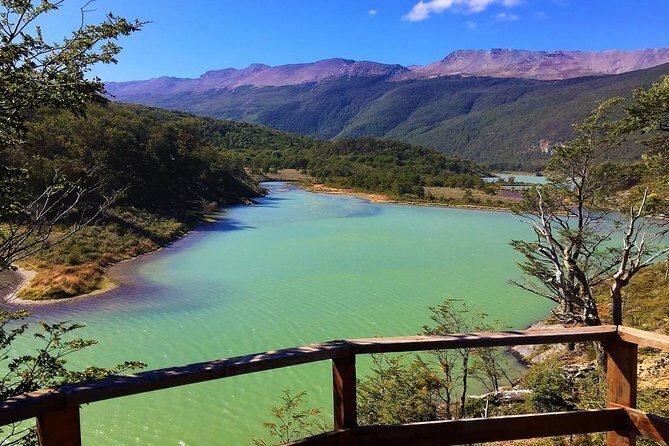
From there, you take a short walk to a deck for the best view of the bay. Don’t treat it as a quick photo stop unless you want only a snapshot. If the weather cooperates, this is where you’ll want a little time to look across the water and watch how light and wind shift the scene.
End of the World Post Office: passport stamp potential
One of the easiest “souvenir with meaning” moments on this tour is the End of the World Post Office. When it’s open, the plan includes a stop so you can stamp your passport and send a postcard from the southernmost reaches of South America.
This is the kind of detail that sounds small, but it’s memorable later. A stamped passport is something you’ll actually notice months or years down the road, and it turns the day into a real story you can share.
Since the post office stop is noted as dependent on being open, expect that timing could matter. If this is a must-do for you, it’s smart to ask your guide whether it’s guaranteed for your departure date.
Price and what $117 buys you in a long day
At $117 per person, the value here comes from three things you’re not paying for separately in other ways.
First, you get round-trip hotel transfers, which is a big deal in a town like Ushuaia where distances and weather can make independent travel less convenient. Second, you’re paying for a live guide—specifically described as Spanish—who provides narration on fauna, flora, and geography, which is where a “view only” day often falls flat. Third, the tour structure includes the full route of major park highlights, including the train option and multiple stops inside the park.
What’s not included is important to budget. The national park entrance fee is payable at the entrance in Argentine pesos, and coffee/snacks aren’t included. The train also typically requires purchasing tickets once you’re at the station, so don’t assume the train ride is built into the price.
So yes, it’s not a cheap trip. But if you want a guided, efficient southern-park day—covering the key points without getting stuck on logistics—the price makes sense.
Who this tour fits best
I think this works best for you if you want a guided day that doesn’t require planning. You’ll enjoy it if you like understanding what you’re seeing—how the region’s geography shapes the plants and wildlife, and why this rail line matters historically.
It also suits people who don’t want to do the whole park by foot. A big part of the experience is built around planned stops, short walks, and a comfortable transfer flow.
If you’re sensitive to language barriers, plan carefully. One booking regret was that the guide didn’t speak French, which reduced the amount of detail the group could absorb. Since the guide is described as Spanish, your best bet is either Spanish comfort or a willingness to enjoy the tour even if your questions don’t get answered in your language.
Finally, if you expect the day to be mostly action, take note. One review felt the time management left a bit to be desired and that it was mostly park scenery. If you want lots of hiking, you may need to add separate walking time outside this tour.
Practical tips to make the day smoother
Bring layers. Even when conditions look clear at the start, the south can change fast, and this tour includes time outside at the station area, at Lake Roca, and at Lapataia Bay.
Comfort shoes are worth it even for “short walk” stops. You’ll move around decks and lake paths, and the surface can be uneven.
If train history is a priority, arrive mentally ready for a story-heavy hour. If it’s not, you can still keep your energy focused on the walks and viewpoints while your guide handles the background.
And if you care about the postcard and passport stamp, treat Lapataia Bay and the post office as your “plan for timing” moments, not just photo stops.
Should you book Tierra del Fuego National Park?
Book it if you want the southernmost-park experience packaged with interpretation, not just photos. The mix of End of the World Train history, Lake Roca (Acigami), Lapataia Bay, and the End of the World Post Office gives you a full arc to the day, from story to scenery to a lasting keepsake.
Skip or rethink if you need very tightly managed timing, or if your group relies on a specific language besides Spanish. Also reconsider if you’re chasing an activity-heavy itinerary, since the day is built around viewing points and short walks more than long hikes.
If you do book, I’d choose it specifically for the guide-led narration and the efficient park coverage. That’s where this tour earns its value.
FAQ
Where is Tierra del Fuego National Park?
It’s in Tierra del Fuego, Argentina, and it’s described as the planet’s southernmost park.
How long is the tour?
The duration is 330 minutes (about 5.5 hours).
What’s the meeting point?
Pickups are arranged from hotels in Ushuaia. If you’re staying in an Airbnb, you’ll be directed to find a nearby hotel where the transfer will be made.
Is the park entrance fee included?
No. The Tierra del Fuego National Park entrance fee is payable in Argentine pesos at the entrance.
Is the End of the World Train included?
The train experience is optional. If you want it, you purchase tickets at the End of the World station, and the ride lasts about 1 hour.
What will the guide talk about?
The guide shares insights into the region’s peculiarities, including fauna, flora, and geography, plus historical context related to the railway and the park.
Where does the tour stop inside the park?
Key stops include Lake Roca (Acigami), the park restaurant area with the Alakushi Indigenous Interpretation Museum, Lapataia Bay, and the End of the World Post Office (when open).
Can I stamp my passport?
Yes, at the End of the World Post Office, when it’s open. The stop is designed to allow you to stamp your passport and send a postcard.
Is coffee or snacks included?
Coffee and/or snacks are not included. Food and drinks are available at the park restaurant, but you should budget for them separately.