REVIEW · TEMAIKEN
Temaiken Biopark Entry Tickets
Book on GetYourGuide →Operated by Grupo Summa · Bookable on GetYourGuide
A day at Temaiken Biopark feels like walking through worlds. I like that it’s big on nature without being pretentious, and I also love the mix of zoo, botanical gardens, and an aquarium in one ticket.
You’ll get a structured route across different regions, with Native, African, Asian, Patagonia, and Mesopotamian areas, plus life underwater in the aquarium. The only drawback to plan around: animal viewing can be hit-or-miss depending on where animals are hanging out that day.
For a good day, think slow and steady. If you’re expecting a quick, guaranteed parade of animals every few minutes, give yourself time to follow the spaces and settle in for calmer viewing.
In This Review
- Key things to know before you go
- Temaiken Biopark tickets: what $33 really buys
- Your route through the park: zones that make habitats make sense
- Native Zone: start with local ecosystems
- Mesopotamian Fauna: the wetlands vibe
- Patagonia Fauna: from Andes to Atlantic in one sweep
- African Zone: flamingos, pelicans, and the small-life cast
- Lemur islands and the big predators’ neighbors
- Asian Zone: tigers and the flying-animals factor
- The aquarium is the most reliable anchor in your day
- Birds and botanical gardens: why they’re more than background
- Why the bird count matters
- Why the gardens matter
- Timing and pacing: how to spend 8 hours without feeling stuck
- Practical value: who this park fits best
- Tickets, vouchers, and what to bring (the stuff that trips people up)
- Should you book Temaiken Biopark entry tickets?
- FAQ
- How long is the Temaiken Biopark visit?
- Where is Temaiken Biopark located?
- What’s the price per person?
- What is included in the ticket?
- Do I need transport to get there?
- What do I need to bring for entry?
- Do I need a printed voucher?
- How will I receive my tickets after booking?
- Is the GetYourGuide voucher valid for entry?
- Is Temaiken Biopark wheelchair accessible?
Key things to know before you go

- Over 178 acres to explore, so comfortable shoes matter more than speed.
- Almost 2500 birds from 5 continents, including impressive variety beyond the usual zoo hits.
- Region-themed zones (Native, Patagonia, African, Asian, Mesopotamian) help you make sense of habitats.
- Big-animal moments: tigers, hippos, cheetahs, zebras, plus lemur islands.
- Aquarium with tide pools, rivers, and shark tanks, a strong “plan B” if animals are quiet outdoors.
- Printed voucher is required, so don’t count on a phone screen at the gate.
Temaiken Biopark tickets: what $33 really buys
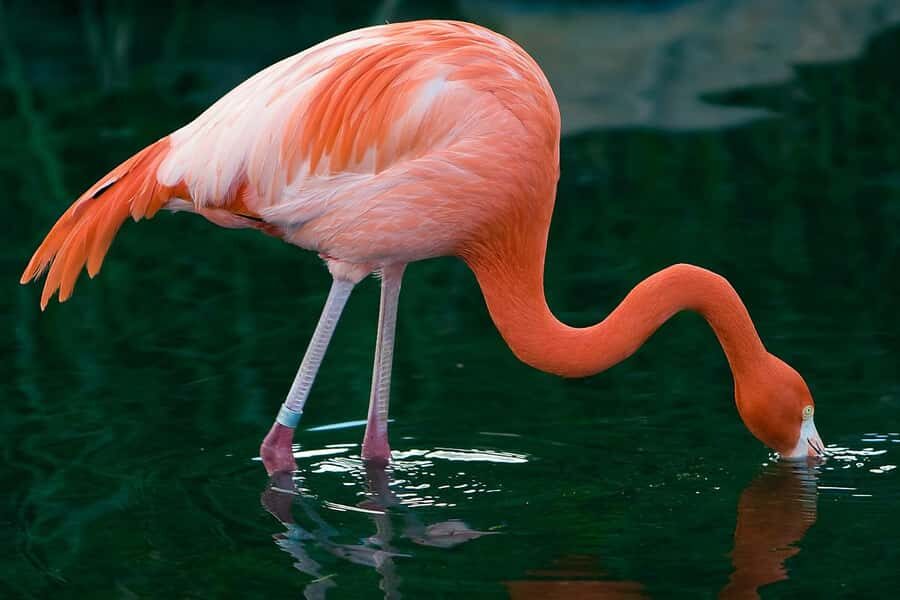
At about $33 per person for an 8-hour visit, the value here comes from scale and variety, not just a handful of exhibits. Temaiken Biopark is built like a slow day you can actually enjoy: 178 acres of pathways plus multiple layers of animal and plant life.
It’s also good value for families and mixed groups because the day has several “engines.” If you’re into birds, there’s a huge bird focus. If you prefer mammals, you’ll find major-show species. If you want indoor time, the aquarium anchors the schedule.
One practical point: transport isn’t included. So your real cost is whatever you’ll spend to get there from Buenos Aires Province. If you’re already nearby or you’ve arranged reliable rides, the ticket price feels fair for a full-day outing.
Your route through the park: zones that make habitats make sense

Temaiken Biopark blends a botanical garden, a zoo, an aquarium, and a natural history and anthropology museum feel into one admission. Even if you skim parts, the zones give you a mental map: you’re not just passing cages, you’re seeing how different regions support different life.
Native Zone: start with local ecosystems
Begin in the Native Zone to learn about Buenos Aires’ own flora and fauna. This is a smart opener because it sets context. You start to notice plants and habitats you might otherwise ignore, and the theme pushes the visit toward preservation and protection, not just entertainment.
If you like learning, this section is where you’ll get the most “why it matters” feeling. If you just want animals fast, you can still enjoy it, but keep in mind this zone is more about understanding the local ecosystem than ticking off the biggest mammals.
Mesopotamian Fauna: the wetlands vibe
Next comes the Mesopotamian Fauna section. This area is built around the kind of landscape that supports turtles, capybaras, and other semi-aquatic wildlife. Here you’re looking for species such as black yacarés and overos, plus tapirs, capybaras, and lagoon turtles.
This is where the park’s habitat-style approach pays off. You’ll likely spend a little more time here, because the “wetlands logic” encourages you to slow down and watch how animals use space.
Patagonia Fauna: from Andes to Atlantic in one sweep
Then head into Patagonia Fauna, which recreates environments stretching from the Andes Mountain Range to the Atlantic coast. The point isn’t that Patagonia is one single exhibit. It’s that the park tries to help you connect climates and landscapes to the animals that live in them.
If you’re a person who likes when exhibits are tied to a place, this zone will feel satisfying. If you’re chasing quick sightings, you may want to balance Patagonia with the aquarium time so you don’t end up waiting for one rare moment.
African Zone: flamingos, pelicans, and the small-life cast
In the African Zone, you can expect birds like flamingos and pelicans, plus animals such as antelopes and meerkats. This part works well because it mixes big silhouettes with smaller, curious characters.
Meerkats are often the kind of animals that encourage you to watch quietly for a while. Plan for that style of viewing. It’s rarely about one second of action and more about patience plus good vantage points.
Lemur islands and the big predators’ neighbors
Temaiken also has three islands of lemurs, and you’ll encounter other major mammals tied to separate island-style spaces, including hippos, cheetahs, and zebras. These are the spots where you can easily spend longer than you planned, because the viewing setup tends to make you stop and scan.
One thing to keep your expectations grounded: large mammals may not always be visible at full activity. So if you’re set on seeing everything, repeat checks help. If you only see a few, it doesn’t mean the animals aren’t there. It means it’s a timing day.
Asian Zone: tigers and the flying-animals factor
Finally, explore the Asian Zone, where you may get close to tigers, plus bats, flying fox, and squirrels. This zone is great for variety in one place: you’re looking at big cats, and then turning your attention to animals that behave very differently.
If you want to maximize your chances for sightings, slow down here too. Birds and mammals can follow different daily rhythms, and the Asian Zone tends to reward steady watching more than fast walking.
The aquarium is the most reliable anchor in your day
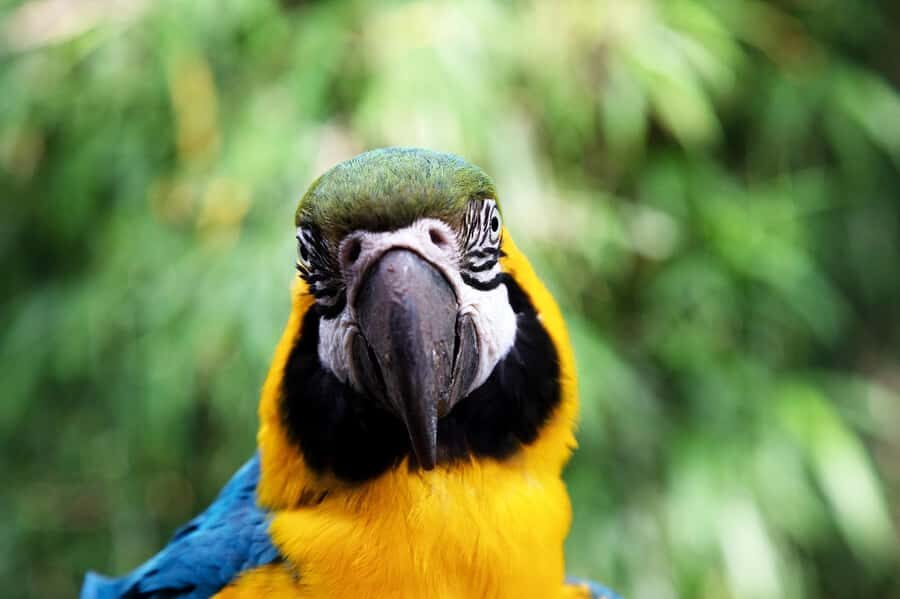
If you want one place that tends to deliver no matter the weather or outdoor animal activity levels, make the aquarium a priority. Temaiken’s aquarium lets you experience life underwater and focuses on different environments, not just one theme tank.
Look for the sections about tide pools and rivers, and then spend time with the sharks swimming in their tanks. Even if sharks are the only thing you care about, arriving with enough time helps. Aquarium exhibits often reward unhurried watching: you notice movement patterns, feeding cycles, and how animals use the water column.
For people who found outdoor animal viewing slower on certain days, the aquarium becomes the “you still got your money’s worth” moment. Build it into your plan early enough that you don’t feel rushed when you hit it.
Birds and botanical gardens: why they’re more than background
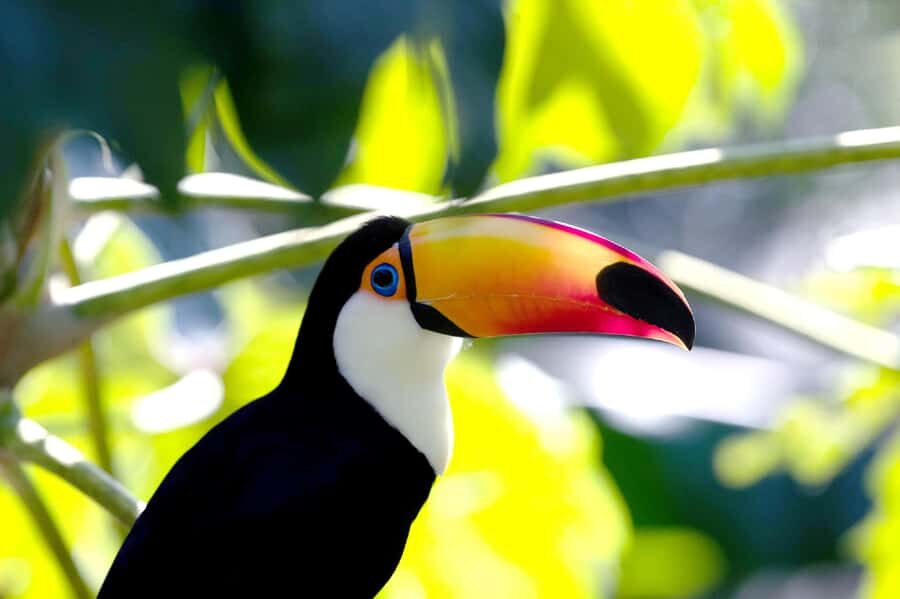
Two big strengths of Temaiken are almost 2500 birds from 5 continents and the botanical gardens. Together, they change how the park feels. You’re not trapped in one animal-only lane.
Why the bird count matters
When there are that many birds, the experience becomes about variety and repetition. Birds aren’t just a single highlight; they become an ongoing presence across different habitats. It also makes the day easier for mixed groups—someone who isn’t a big mammal fan still has plenty to watch.
Why the gardens matter
The botanical side helps you slow down and recognize that habitats include plants, not just animals. You’ll enjoy this more if you’re willing to pause between animal areas. It also gives you a break when you hit long sightline waits.
Timing and pacing: how to spend 8 hours without feeling stuck

With an 8-hour duration, you don’t need to sprint. You do need a plan for pacing, because the park is spread across a lot of space.
Here’s how I’d structure a smooth day:
- Start with Native and Mesopotamian zones while you’re fresh and before you’ve burned all your energy.
- Midday, mix Patagonia and African so you cover different animal types without backtracking.
- Save the aquarium for a planned anchor point when you want guaranteed “something is happening” time.
- Finish with Asian and then return to any zones you particularly liked if animals were off-screen earlier.
Animal viewing can vary day to day, so you’ll get a better outcome by expecting downtime and choosing comfortable spots to watch. If you keep walking with no breaks, you’ll end up tired, and you won’t see as much as you could have.
Practical value: who this park fits best

Temaiken Biopark is a strong match if you want a full-day nature-and-animals experience without hopping multiple tickets across town. It’s also good for families because you can split attention—birds and gardens for some, big mammals for others, and aquarium time for everyone.
You’ll likely enjoy it most if:
- You like habitat-themed areas that connect animals to landscapes.
- You’re happy to spend time watching rather than only chasing “fast sightings.”
- You want one ticket that covers zoo + aquarium + botanical gardens + museum-style learning.
If you’re the kind of visitor who needs high animal visibility at all times, bring extra patience. Some days feel more active outdoors than others, and the park is big enough that you’ll want to follow the spaces even when you don’t spot something instantly.
Tickets, vouchers, and what to bring (the stuff that trips people up)
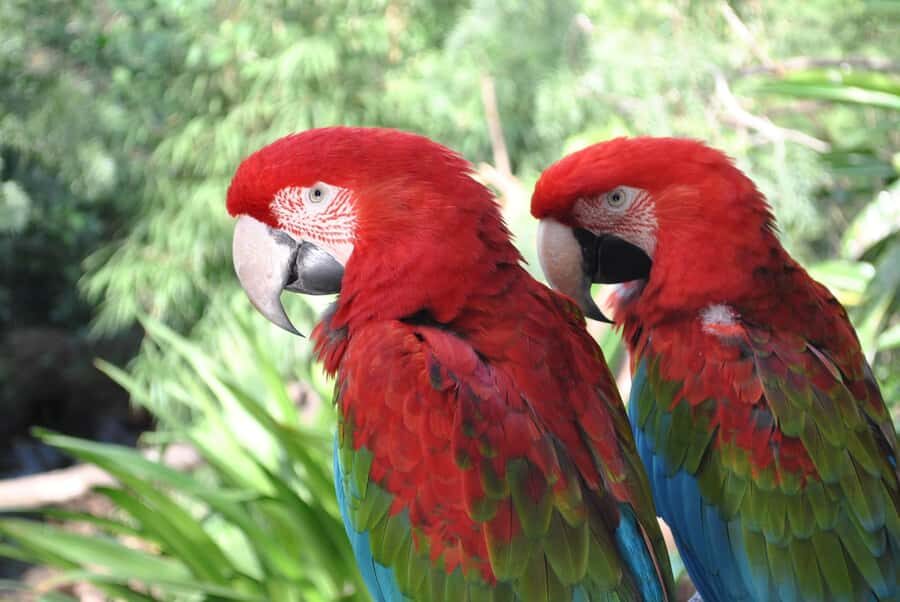
Temaiken requires a printed voucher for entry, and your GetYourGuide voucher won’t be valid for access. After booking, the local provider (Grupo Summa) sends your tickets 24 hours before your activity via email or WhatsApp. So don’t wait until the morning of to check your messages.
Bring a passport or ID card. If you travel with kids, keep their documents handy too.
Languages for the experience aren’t clearly listed in the details you provided, but you can expect communication to vary with your booking method since tickets are sent via email/WhatsApp.
Should you book Temaiken Biopark entry tickets?
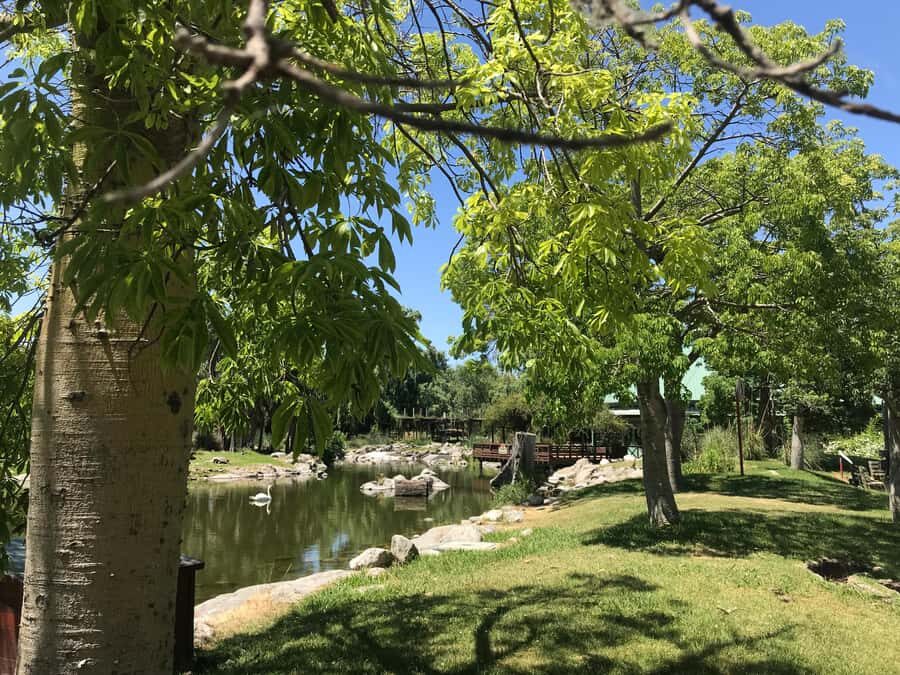
Yes, you should book if your goal is a full-day, habitat-style outing that mixes birds, botanical gardens, big animals, and an aquarium under one admission. The price-to-experience ratio is strong when you treat it as an all-day walk with breaks, not a quick checklist.
Skip the purchase only if you know you’re bothered by slow pacing and variable animal visibility. If you’re the “I must see everything quickly” type, you may feel frustrated by the time spent searching.
Either way, plan your day around the park’s strengths: follow the themed zones, make the aquarium a priority, and give yourself room to watch quietly. That’s how Temaiken turns into a memorable day instead of just another ticket.
FAQ

How long is the Temaiken Biopark visit?
The experience is set up for an 8-hour visit. Starting times depend on availability.
Where is Temaiken Biopark located?
It’s in Buenos Aires Province, Argentina.
What’s the price per person?
The entry tickets are listed at $33 per person.
What is included in the ticket?
The ticket includes admission to Temaiken Biopark.
Do I need transport to get there?
Transport to or from the park is not included, so you’ll need to arrange getting to the site.
What do I need to bring for entry?
You should bring a passport or ID card.
Do I need a printed voucher?
Yes. A printed voucher is required for entry.
How will I receive my tickets after booking?
About 24 hours before your activity, the local provider will send your tickets by email or WhatsApp.
Is the GetYourGuide voucher valid for entry?
No. The GetYourGuide voucher will not be valid for entry.
Is Temaiken Biopark wheelchair accessible?
Yes, it’s wheelchair accessible.