REVIEW · USHUAIA
Ushuaia: Catamaran Sailing to Penguin Island
Book on GetYourGuide →Operated by Tolkeyen Patagonia Turismo · Bookable on GetYourGuide
Ushuaia’s penguins feel shockingly close. On this Beagle Channel catamaran, I like how the day is built around real wildlife viewing, not just “look from far away.” You also get close-up time with penguins plus calm, comfortable boat rides with a guide calling out what you’re seeing and where to stand.
One thing to plan for: the trip is a long day. With about 330 minutes on the water and time cruising between stops, it’s not ideal if you get seasick fast or if you’d rather spend less time riding out the waves.
In This Review
- Key points worth knowing before you go
- Ushuaia to Penguin Island: What the 5.5-hour catamaran day is really like
- Meeting in Ushuaia and getting ready for the boat
- Leaving Ushuaia: Beagle Channel viewpoints you can’t get any other way
- Sea Lion Island and Bird Island: the stops built for watching, not rushing
- Sea Lion Island
- Bird Island (Cormorants and marine birds)
- Les Eclaireurs lighthouse: myth, navigation history, and wreck stories
- Isla Grande de Tierra del Fuego: Estancias, mountains, and border geography
- Martillo Island Penguin Island: the moment you’ll wait for
- Photo reality check
- Extra wildlife surprises: whales and dolphins when the captain slows down
- Comfort, food, and where to sit for better views in the cold
- Food and drinks
- How to get the best photos without losing your sanity
- Price and value: is $92 a fair deal for the penguin payoff?
- Who should book this tour, and who might want a different plan
- Should you book the Ushuaia Catamaran to Penguin Island?
- FAQ
- What time does the tour depart, and how early should I check in?
- Where is the meeting point in Ushuaia?
- How long is the sailing to Penguin Island?
- What penguins will I see on Martillo Island?
- What wildlife stops are part of the route?
- Is the Les Eclaireurs lighthouse included?
- Are food and drinks included in the ticket price?
- What languages does the guide speak?
- What should I bring for a cold day on the water?
- Are pets or drones allowed, and what happens if weather cancels the sailing?
Key points worth knowing before you go
- Beagle Channel cruising with panoramic views of Ushuaia, industrial areas, and mountains like Olivia and Cinco Hermanos
- Sea lions and bird viewing from the boat at Sea Lion Island and Bird Island, including Magellanic and Imperial cormorants
- Les Eclaireurs lighthouse stop tied to shipwreck stories, including the Mount Cervantes wreck in 1930
- Martillo Island (Penguin Island) where you can see Magellanic and Gentoo penguin colonies in summer
- Captain-controlled photo time, with maneuvering to help everyone get views (including on the way out and back)
Ushuaia to Penguin Island: What the 5.5-hour catamaran day is really like
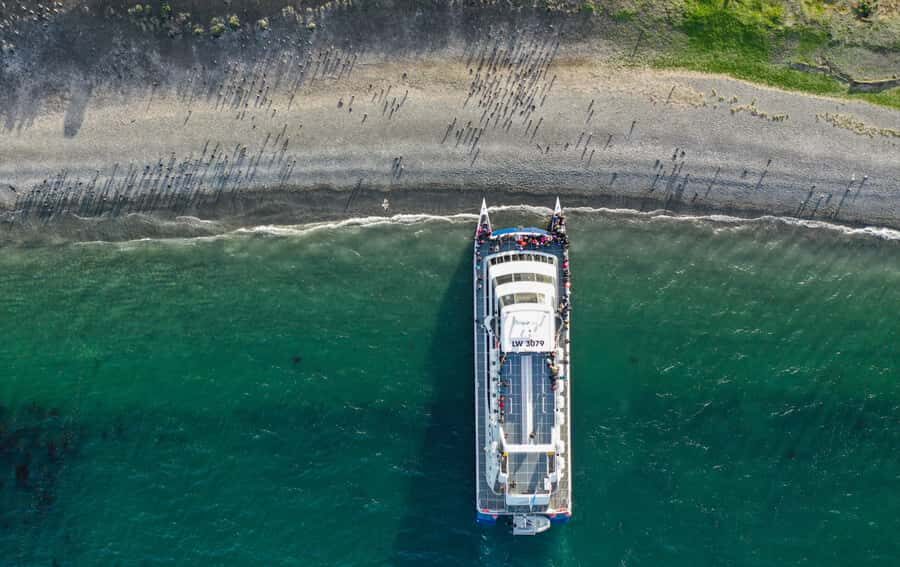
This is a classic Tierra del Fuego excursion: you leave Ushuaia by catamaran, cross the Beagle Channel on a route packed with natural life and historic points, then end at Martillo Island—aka Penguin Island. The total duration is listed as 330 minutes, and from the way the sailing is paced, most of your day is split between slow, scenic cruising and a handful of wildlife stops.
What I like most is that the tour is structured around watching. You’re not just checking boxes. You’ll spend time looking for animals on the water, near rocky islands, and finally up close on Martillo Island.
The other big reality check: weather and sea conditions matter. You might still get great wildlife sightings even when conditions aren’t perfect, but navigation can be canceled due to bad weather or port closure—and the company may reschedule or refund if it can’t be done.
You can also read our reviews of more boat tours in Ushuaia
Meeting in Ushuaia and getting ready for the boat
You depart at 15h, and you need to present about 30 minutes before departure at Tolkeyen Patagonia’s office. That office is in the tourist pier area at the blue house.
You’ll want to dress like you’re expecting wind and cold, because Ushuaia can be brisk even on clearer days. Bring warm layers, comfortable shoes for deck time, plus sunglasses, a sun hat, and sunscreen—the sun can still feel sharp when you’re moving across open water.
Also note the limits: pets and drones aren’t allowed. If you’re coming with camera gear, you’ll be happier if you pack it for cold handling (gloves help) and plan for lots of time with your gaze angled outward.
Leaving Ushuaia: Beagle Channel viewpoints you can’t get any other way
Before you even reach the wildlife stops, you get a moving panorama. As you depart the tourist pier, you’ll navigate the Beagle Channel and watch the coastline change from city edges to the working-water feel of the region.
As the boat heads away from Ushuaia, you’ll get views that include:
- the Maritime Museum and the End of the World Museum along the waterfront
- the industrial area
- and mountain backdrops like Mount Olivia and Mount Cinco Hermanos
This part is valuable even if you’re mainly there for penguins. The Beagle Channel is the story. Cruising it gives you the scale of the place—Ushuaia isn’t tucked into a postcard; it sits at the edge of real, active waterway geography.
Sea Lion Island and Bird Island: the stops built for watching, not rushing
After the initial cruising, the route brings you to the islands where animal sightings are the main event.
Sea Lion Island
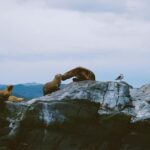
You’ll approach Sea Lion Island, where you can watch sea lions interacting on the island. Watching from a moving boat can be hit-or-miss in wildlife terms, but here the goal is to give you time to scan and then focus. You’re looking for movement on rocks and shoreline edges—sea lions tend to make themselves visible even when they’re doing nothing but lying and blinking.
This is one of the best “warm-up” stops. It gets you in the rhythm of spotting animals at a distance before you reach Martillo Island, where expectations shift from spotting to actually seeing behavior up close.
You can also read our reviews of more sailing experiences in Ushuaia
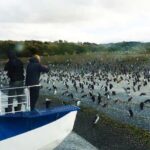
Bird Island (Cormorants and marine birds)
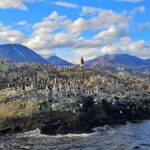
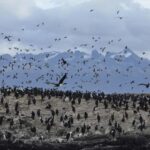
Next you’ll head toward Bird Island, where you can spot Magellanic Cormorants and Imperial Cormorants, along with other marine birds. Cormorants are the kind of birds that look almost penguin-ish at a glance, but they’re different, and that small confusion is exactly why a guide matters. You’ll be more confident about what you’re seeing, and that makes the photos better.
This section also helps you understand the food-and-habitat logic of the area. Birds gather where prey exists; sea lions hang out where there’s real access to the water. It all connects once you’re watching long enough.
Les Eclaireurs lighthouse: myth, navigation history, and wreck stories
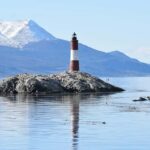
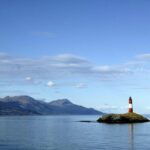
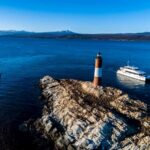
One of the standout route points is Les Eclaireurs lighthouse. You’ll sail toward it in the archipelago that shares the same name, and the tour connects the lighthouse to a maritime event: the Mount Cervantes vessel wrecked in 1930.
Why this matters for your experience: lighthouse stops aren’t just scenic. They give you context. When you see a light out in that harsh channel environment, you understand why ships needed it—and why shipwrecks were part of the region’s reality.
If you’re the type who likes to take in a bit of story while you’re traveling, this is the moment where the trip feels more than “animals and photos.” It becomes a sense of place—how people navigated these waters, and what it cost when things went wrong.
Isla Grande de Tierra del Fuego: Estancias, mountains, and border geography
On the south side of Isla Grande de Tierra del Fuego, you’ll keep moving past working-land marks and dramatic terrain.
You’ll get views that include Estancia Remolino, tied to another ship incident: the Mount Sarmiento ran aground there. Even if you don’t know the details of the wreck yet, it’s a powerful reminder that the land and water are part of the same system—shipping lanes, coastline access, and survival all overlap here.
Then the route crosses the Beagle Channel on a north-south track where you’ll see:
- Gable Island
- Port Williams Navy Base (noted as being on Navarino Island, Republic of Chile)
That cross-border visibility is one of the subtle strengths of this excursion. You’re not stuck inside a single country’s postcard view. The channel reads like a shared frontier of geography, maritime activity, and wildlife.
Martillo Island Penguin Island: the moment you’ll wait for
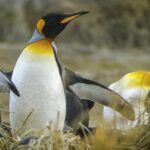
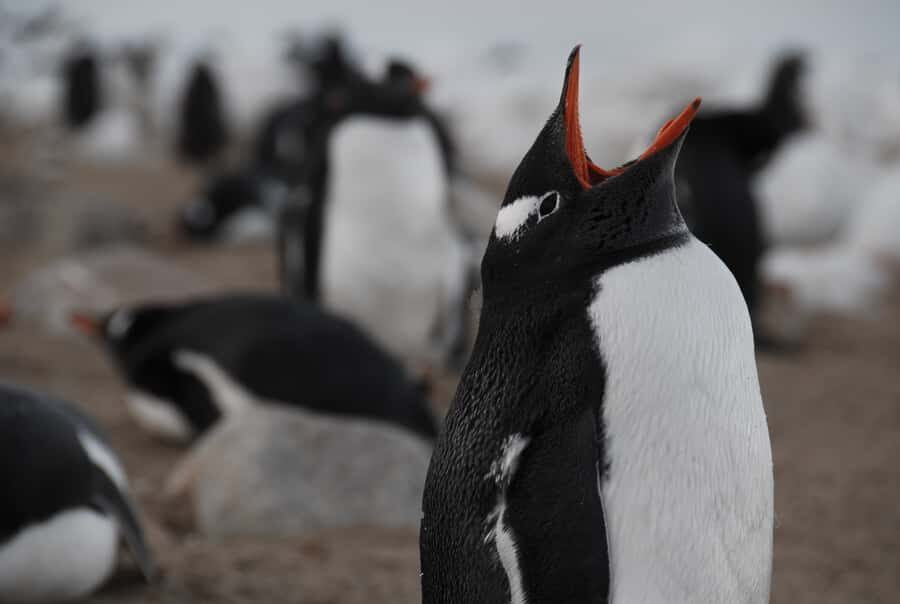
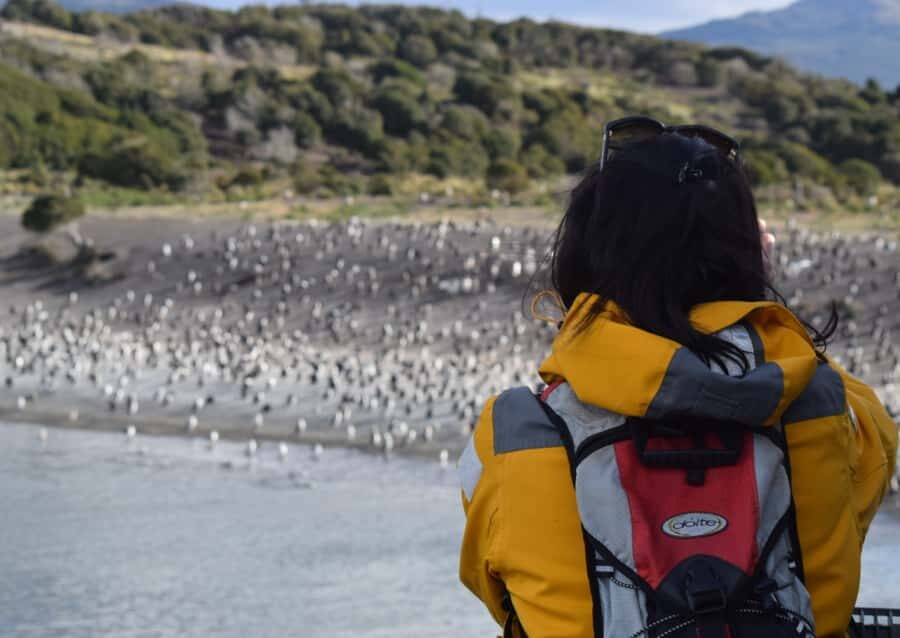
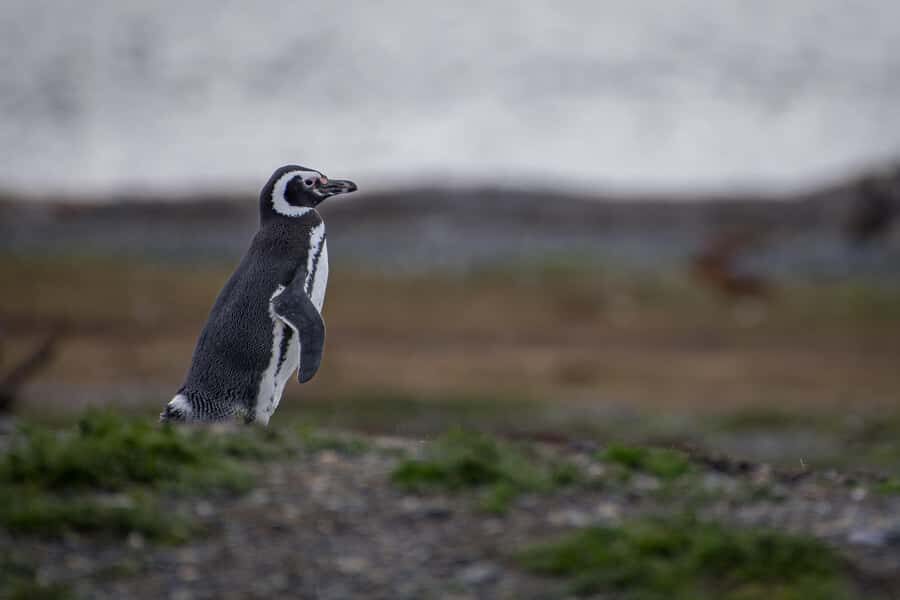
Eventually, you reach the star of the show: Martillo Island, also called Penguin Island. This is where the tour aims for the real payoff—seeing penguins living close together during the summer.
The tour specifically highlights two species:
- Magellanic Penguins
- Gentoo Penguins
What I like about Martillo as a destination is how quickly it changes your brain from “searching” to “observing.” On the boat, you scan for movement. On Martillo, you can focus on behavior: how penguins move across terrain, how they pause, and how close they appear when you’re positioned right.
Photo reality check
You’ll typically get time at the colony for viewing and photography, but the exact flow depends on weather and on-site movements. If you’re hunting for the sharpest angle, take a practical approach:
- Stand where you have both a clear sightline and a safe footing.
- Expect people to shift constantly as viewing angles open and close.
- Treat your first minutes as your best chance to get your orientation.
Also, keep an eye out for practical crowd factors. Some boats include onboard photographers and their customers near the bow, and that can make your preferred photo spot feel more crowded than you’d expect.
And yes—Martillo can feel cold fast once you stop moving. Dress for wind chill, not for warmth.
Extra wildlife surprises: whales and dolphins when the captain slows down
Even though the core goal is penguins and sea lions, wildlife days in the Beagle Channel can add bonus sightings. The cruise route and captain behavior can lead to extra time on other animals when spotted.
From reported experiences, you may see things like:
- humpback whales on the way out or back
- dolphins during the cruise
- and extra opportunity to watch when the boat stops and maneuvers for visibility
This is one of the reasons the trip feels less predictable—in a good way. The tour gives you strong structure, but it still feels like you’re out in the real environment, not just following a script.
Comfort, food, and where to sit for better views in the cold
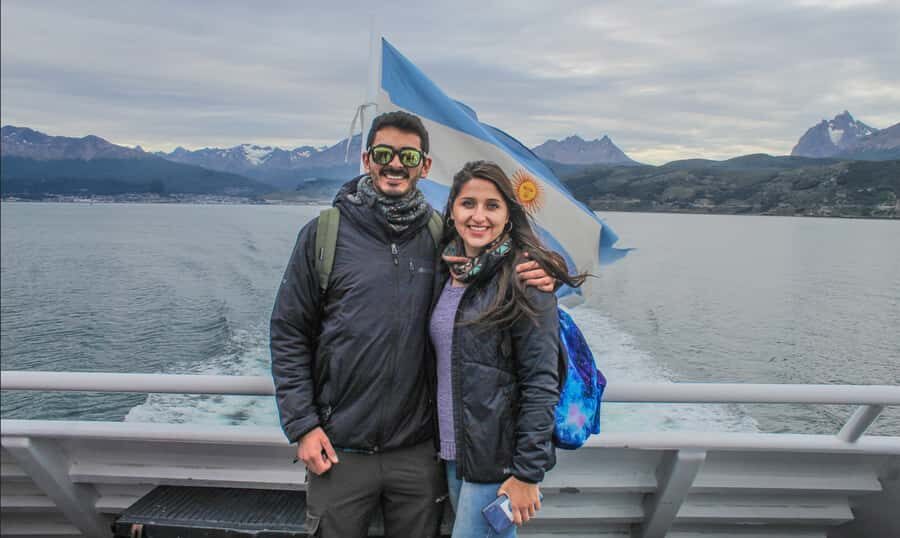
This is a catamaran, and the difference shows in comfort. The boat is described as comfortable and spacious, with seating on multiple levels and deck areas for outdoor viewing.
A practical tip: if you run cold easily, think about where you sit. Some advice from past experiences is simple—take the top deck when conditions are sharp, because lower decks can feel colder and less pleasant for long stretches.
Food and drinks
Food and drinks aren’t included. That said, there’s often an onboard café where you can buy refreshments. So bring a plan for staying hydrated and having something warm if you need it, but don’t expect a full meal included in the ticket price.
How to get the best photos without losing your sanity
You’ll likely want the outdoor deck space during the wildlife stops, especially when the boat is positioned for the lighthouse and the penguin viewing area. Bring a camera strap you can handle with cold fingers, and avoid keeping everything in pockets where it gets hard to access quickly.
If you’re traveling with friends, agree early on who checks the weather and who watches for animal sightings. It makes the whole day feel smoother.
Price and value: is $92 a fair deal for the penguin payoff?
At $92 per person for a 330-minute catamaran tour with a guide and multiple wildlife stops, the value comes down to how much you care about proximity and guided interpretation.
Here’s what you’re paying for, in plain terms:
- a guided route with history points like Les Eclaireurs and wreck context
- time on the water with repeated wildlife viewing chances (not just one)
- and a structured visit to Martillo Island for penguins
A couple of passengers raised concerns about price for a boat-only day, plus the long sailing time. That’s a fair debate. But if your main goal is penguins plus sea lions, and you want this done in a way that supports photography and viewing (with the captain maneuvering to help visibility), the price often starts to look more reasonable.
If you’re budget-tight, keep in mind that you’ll likely spend extra on drinks/snacks onboard. Also, transfer to the port isn’t included.
Who should book this tour, and who might want a different plan
This tour fits you best if you:
- want to see penguins and sea lions without doing separate tickets
- like wildlife watching with a guide pointing out what you’re seeing
- care about photo time and don’t mind a cold-weather boat day
It’s also a good match if you’re curious about the maritime story of the area, since the route includes lighthouse and wreck references tied to real navigation history.
You might want to choose a different approach if:
- you’re very prone to seasickness and can’t handle bumpy water
- you prefer shorter trips with fewer hours at sea
- you hate crowding around the best viewing points at stops
Should you book the Ushuaia Catamaran to Penguin Island?
I’d book it if your priority is a one-day penguin mission from Ushuaia that also delivers sea lions, birds, and the Les Eclaireurs lighthouse on the same cruise. The mix of wildlife watching plus built-in context makes the time feel earned.
I’d think twice if you’re sensitive to motion or you know you’ll be miserable in cold wind for long stretches. In that case, you’ll still get the animals, but the experience might feel like too much water time to justify the price.
FAQ
What time does the tour depart, and how early should I check in?
The tour departs at 15h. You need to present about 30 minutes before departure at the meeting office.
Where is the meeting point in Ushuaia?
You meet at the Tolkeyen Patagonia office located in the tourist pier area. It’s in the blue house at the pier.
How long is the sailing to Penguin Island?
The duration is listed as 330 minutes (about 5.5 hours).
What penguins will I see on Martillo Island?
Martillo Island is home to Magellanic penguins and Gentoo penguins during the summer season.
What wildlife stops are part of the route?
You’ll navigate the Beagle Channel and have viewing opportunities including sea lions at Sea Lion Island and cormorants at Bird Island, plus other birds and marine animals along the way.
Is the Les Eclaireurs lighthouse included?
Yes. The route sails toward the Les Eclaireurs lighthouse in its namesake archipelago and notes historical shipwreck context.
Are food and drinks included in the ticket price?
Food and drinks aren’t included. There is a café onboard where you can buy refreshments.
What languages does the guide speak?
The live tour guide provides commentary in English and Spanish.
What should I bring for a cold day on the water?
Bring comfortable shoes and warm clothing. You should also pack sunglasses, a sun hat, sunscreen, and outdoor clothing for windy, cold conditions.
Are pets or drones allowed, and what happens if weather cancels the sailing?
Pets and drones aren’t allowed. Navigation can be canceled due to bad weather and port closure; the company makes efforts to reschedule or provides a full refund if rescheduling isn’t possible.