REVIEW · USHUAIA
Trekking Esmeralda Lagoon
Book on GetYourGuide →Operated by Tierra del Fuego Aventura EVT · Bookable on GetYourGuide
A windy lagoon trek feels like a real taste of Tierra del Fuego. This hike to Laguna Esmeralda mixes peat bog walking, lenga forest paths, and that classic Ushuaia-region payoff: glacier views with your snack.
What I like most is the chance to walk through natural terrain for an intimate feel, and the way a guide helps you stay on the right track and read the conditions. The main thing to keep in mind: you’re outside the whole time, with no bathroom facilities, and the lagoon area can be very cold and windy even when the sun is out.
The itinerary is built around a smooth rhythm. You get pickup in Ushuaia, a short scenic drive north, then about 5 hours of guided trekking through boggy ground, up a stream, and into a mountain-framed lagoon.
One drawback is the commitment level: this is for people with solid fitness, and you must complete a health form before you go.
In This Review
- Key Highlights Worth Your Time
- Trekking to Laguna Esmeralda From Ushuaia: What the Day Feels Like
- How the 6 hours are paced
- Getting There: The North Drive and Why It Matters
- The Trek: Peat Bog to Lenga Forest to the Stream Climb
- Peat bog walking: slow steps, real ground contact
- Lenga forest: shade changes your pace
- Up a stream: the route guides you
- Laguna Esmeralda Arrival: Snack Time With Glacier Backdrop
- Why this stop is worth planning your weather around
- The Return Trip: Sunset Light and Beavers in the Mix
- What’s Included (and What It Actually Buys You)
- Price and Value: Is $145 Worth It?
- What to Bring: Your Weather Survival Kit
- Clothing and gear you must provide
- Quick comfort checklist
- Who This Trek Is For (and Who Should Skip It)
- Health Form Requirement: Don’t Wait Until the Last Minute
- Should You Book Trekking Esmeralda Lagoon?
- FAQ
- FAQ
- How long is the Trekking Esmeralda Lagoon experience?
- What’s included in the price?
- What’s not included?
- Do I need to complete a health form before the trek?
- Is pickup from Ushuaia hotels included?
- What language is the live guide?
- Is there a place to use the bathroom during the trek?
- What should I bring for the hike?
- Are waterproof boots and winter clothing provided?
- Is the trek suitable for everyone?
Key Highlights Worth Your Time
- A guided path through tough ground: the route goes through peat bog and muddy patches, and the guide helps you avoid trouble spots
- Real Fuegian forest walking: you’ll move from bog up into a lenga forest stretch
- Snack with glacier views: your lunchbox isn’t an afterthought; it’s timed for the views
- Wildlife and human craft, both on display: you can spot beavers and the dams foresters build
- Crampons only matter in winter: gear is included when conditions require it, but you still bring your winter clothing
Trekking to Laguna Esmeralda From Ushuaia: What the Day Feels Like
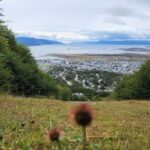
This is the kind of outing that makes your body warm and your mind quiet at the same time. From Ushuaia, you head north on National Route 3 to get away from the Beagle Channel area, and you start the day with a change in scenery that feels like you’re moving into the island’s deeper valleys.
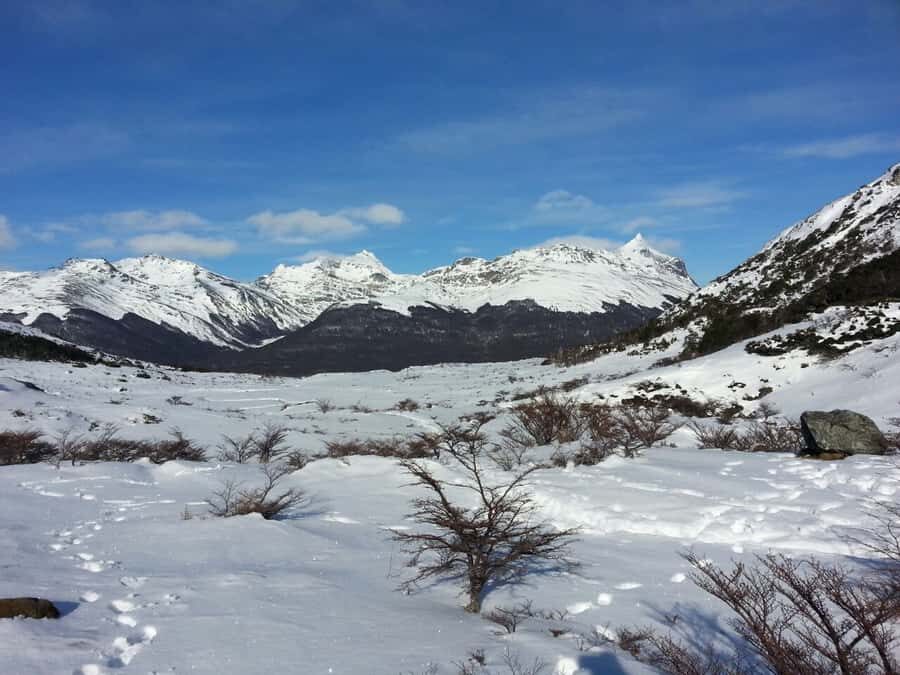
Then the real action begins: you’ll walk from peat bog toward a lenga forest, and your route gradually turns into a stream-following climb. By the time you reach Laguna Esmeralda, the whole hike starts to make sense. The lagoon sits between mountains, and the timing is set so your snack moment comes with glacier views behind you.
You can also read our reviews of more hiking tours in Ushuaia
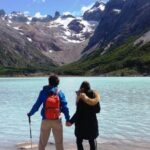
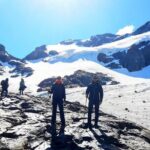
How the 6 hours are paced
Expect a full day at about 6 hours total. The drive in and out is about 20 minutes each way, and the guided trekking time is about 5 hours. The total length matters because this isn’t a quick nature stroll. You’ll be moving for most of the day, so dress for weather and plan on working your legs.
Getting There: The North Drive and Why It Matters
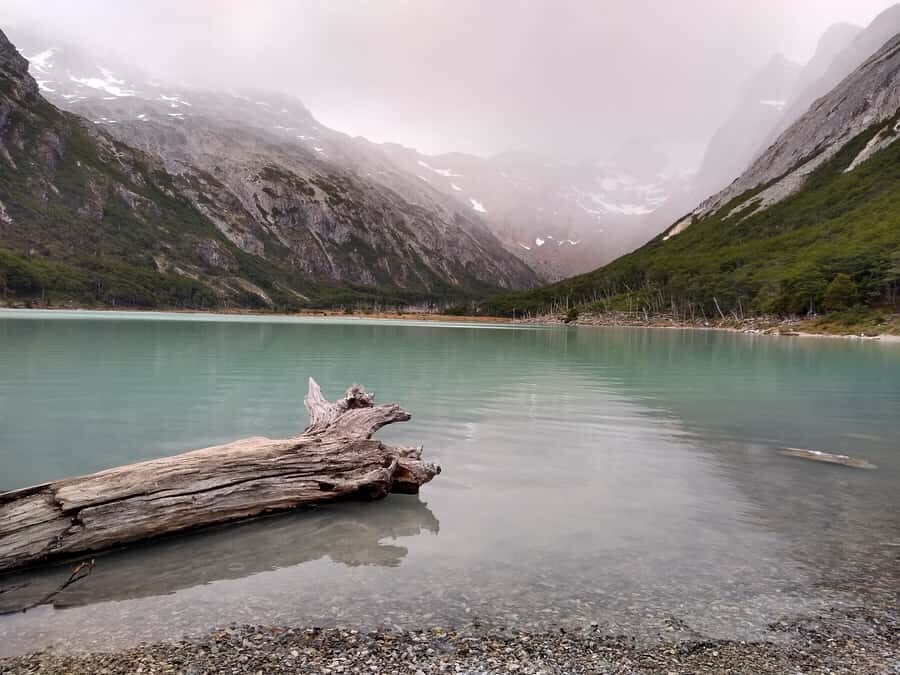
Pickup is from your hotel in Ushuaia, and the transport heads north along National Route 3. The ride is short—about 20 minutes—but it’s not just transfer time. It’s your first taste of how Tierra del Fuego changes when you leave the immediate shoreline area behind.
If you like your photos to show variety in one day, this portion helps. You’re not stuck with the same view for the whole experience. Even the scenic pull-off moments on the way set you up for the trek’s bigger shift: bog, then forest, then lagoon.
The Trek: Peat Bog to Lenga Forest to the Stream Climb
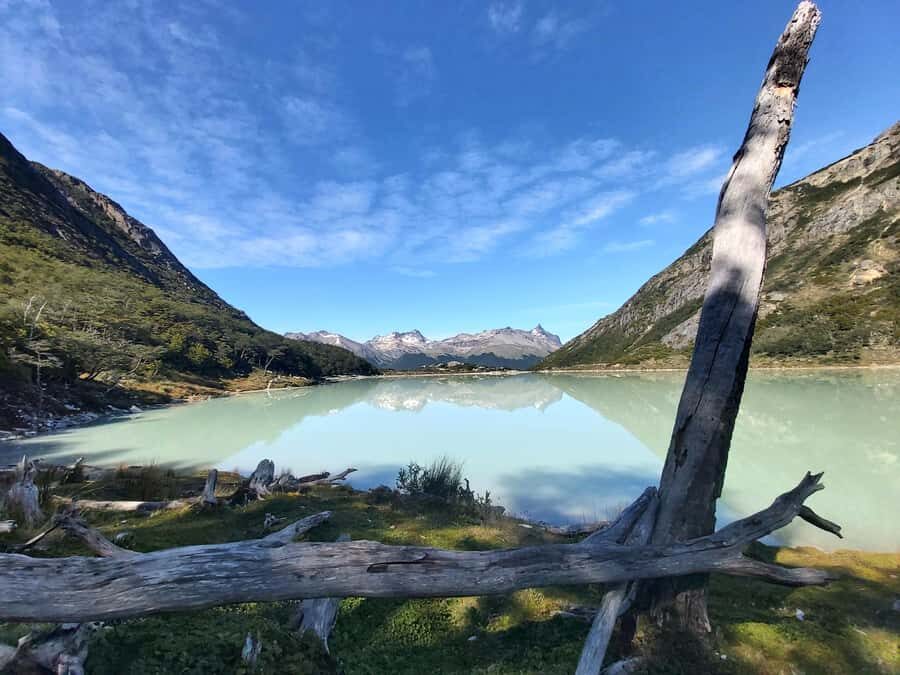
This is a trek with layers. The route doesn’t jump straight to a postcard view. It slowly builds you into it.
Peat bog walking: slow steps, real ground contact
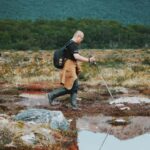
You start by walking through a peat bog. This is where the hike feels most “Fuegian.” Peat bog ground can mean soft footing, mud risk, and that slightly slippery texture that makes you focus on your step.
Here’s where you’ll feel why having a guide is more than a nice add-on. A good guide knows where the mud accumulates and where the ground is easier to manage. I’d plan on taking it seriously and using your trekking sticks, because the terrain is part of the experience, not something you should fight.
Lenga forest: shade changes your pace
After the bog stretch, you reach a lenga forest. The change in vegetation helps break up the day visually and physically. Forest walking often feels steadier than bog walking, and it gives you a different kind of background noise—less open wind, more protected air and movement.
This is also where the day tends to click for people who enjoy learning as they hike. A guide can point out fauna and flora you’d likely miss if you were simply walking from point A to point B.
Up a stream: the route guides you
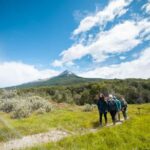
The hike continues up a stream that guides you toward the lagoon. In practical terms, this kind of route planning helps because streams often mark natural lines through the terrain. In experience terms, it makes the hike feel like you’re following the landscape rather than forcing yourself across it.
You’ll want to keep an eye on where you place your boots. In this kind of environment, your footing choices matter more than speed. If you rush, you’ll end up working harder.
Laguna Esmeralda Arrival: Snack Time With Glacier Backdrop
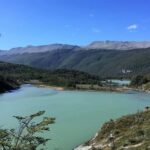
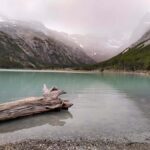
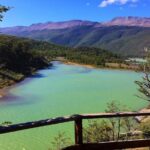
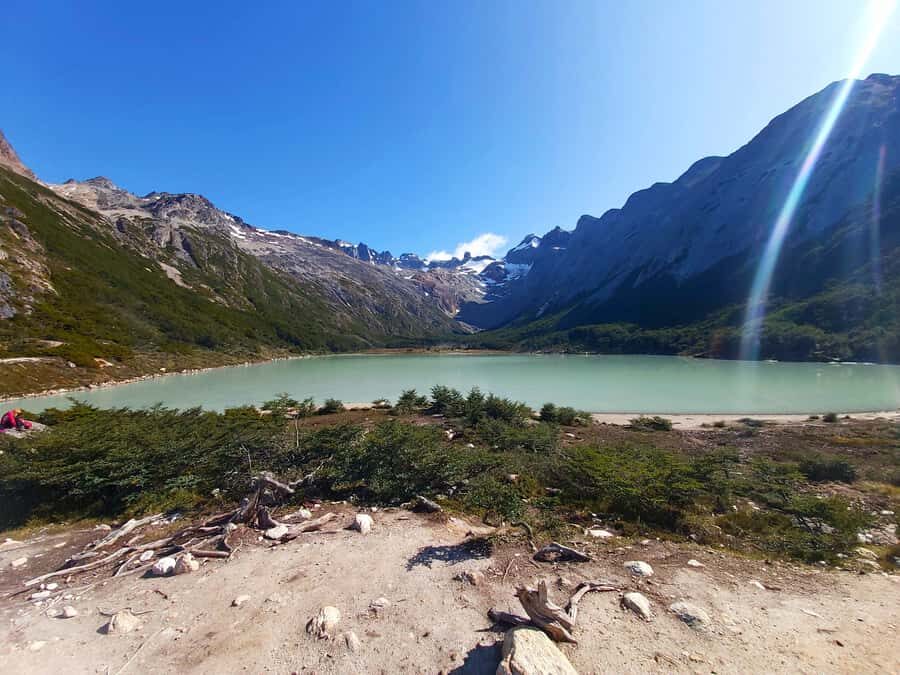
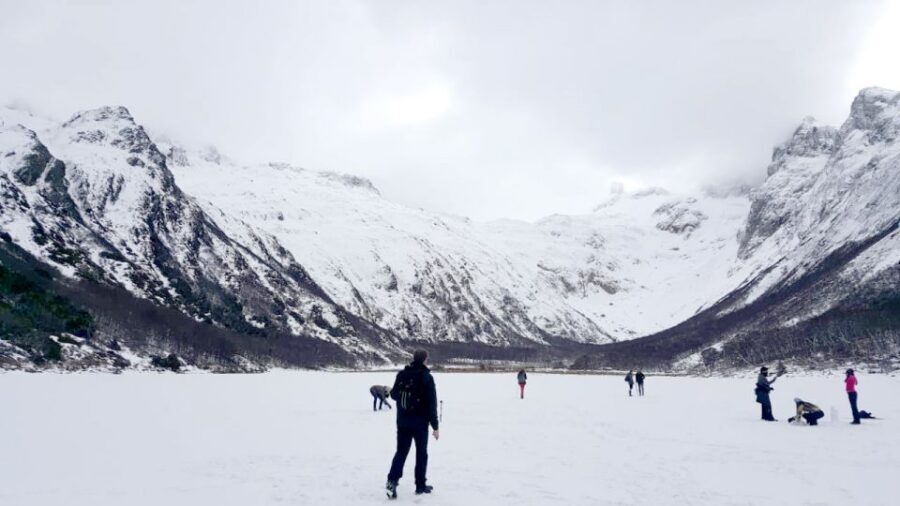
Once you reach Laguna Esmeralda, the trek’s payoff shows up quickly. The lagoon is framed by mountains, and your timing is built so you can enjoy a snack/lunchbox with glacier views in the background.
That snack stop is a useful part of the day, not just a break. It’s your chance to reset and enjoy the quiet moment after hours of moving. And because it’s placed at the lagoon, you’re not eating in a random clearing. You’re eating with the environment doing the storytelling.
Why this stop is worth planning your weather around
Even with sun in the forecast, the lagoon area can be cold and windy. The temperature shift can feel sudden once you’re on more exposed ground near the water. That’s why your clothing choice isn’t a fashion decision—it’s how you stay comfortable enough to truly enjoy the view.
The Return Trip: Sunset Light and Beavers in the Mix
On the way back, the schedule is designed to take advantage of the long sunset. That means you’re not just retracing your steps in the dull part of the day. You’ll likely get better light on the terrain, and the late-day feel makes the hike feel more cinematic and less rushed.
Along the return route, you can also spot foresters’ dams and beavers. These are the kind of “small” nature details that turn a good hike into a memorable one, because they show how the ecosystem and human observation connect.
Even if you’re not a wildlife watcher, these moments are easy to appreciate because they’re visible proof of how the area functions.
What’s Included (and What It Actually Buys You)
At $145 per person for about 6 hours, the value isn’t just the destination. It’s what you get bundled into the day:
- Pickup and drop-off from Ushuaia hotels
- A mountain guide to navigate and explain what you’re seeing
- A lunchbox with non-alcoholic drinks
- Trekking sticks (very helpful for muddy, uneven ground)
- Crampons in winter season
For this region, those inclusions matter. Winter hiking can turn into a painful day fast if you don’t have the right traction. Even in milder months, sticks help your stability when the ground is soft or wet.
You’ll still need to bring the big-ticket items that determine comfort: waterproof winter clothing and boots.
Price and Value: Is $145 Worth It?
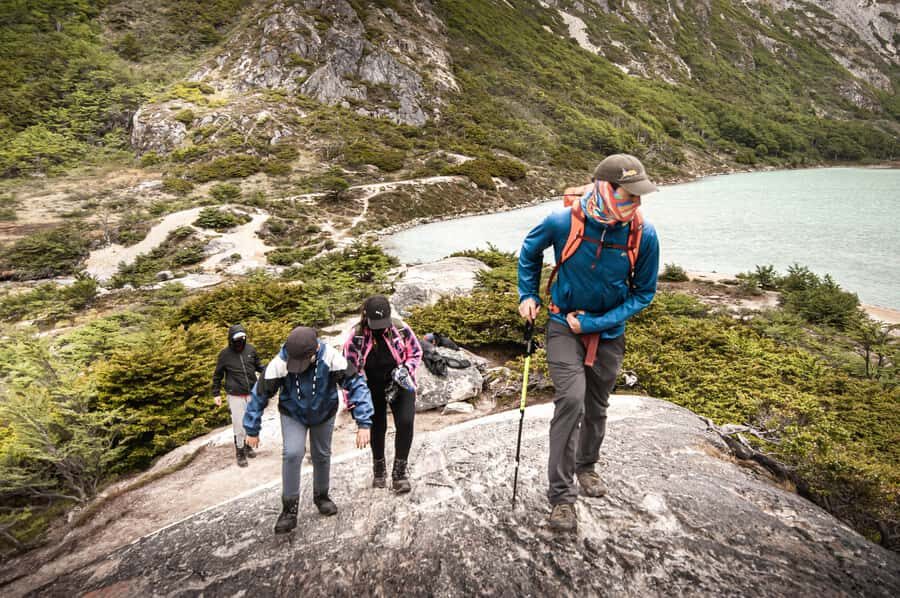
For most people, the fair comparison is not just the cost versus a longer walk on your own. It’s the cost versus (1) reliable guidance on muddy ground, (2) gear that improves safety and comfort, and (3) a planned day with transport and a prepared snack stop.
If you’re confident on uneven trails and you don’t mind figuring out routes, you could theoretically hike independently. But you’d be trading away the guide’s ability to spot conditions and adjust the path to avoid heavy mud and rutted sections. In this area, that trade can turn your experience from peaceful to exhausting quickly.
So for me, the value lands in the middle: it’s a guided trek with practical gear and a timed snack-with-views moment. If you want nature plus know-how, the price makes sense.
What to Bring: Your Weather Survival Kit
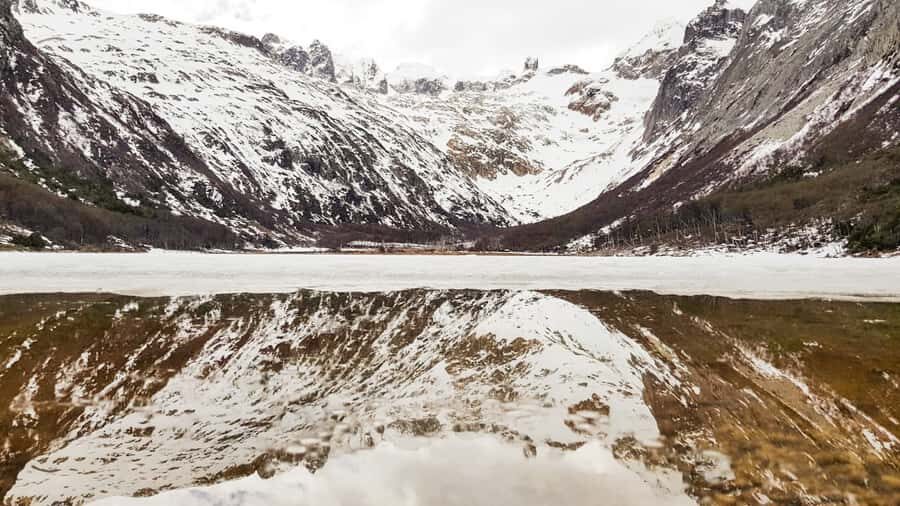
This tour requires you to be outside the whole time, with no bathroom facilities. So packing the right gear isn’t optional.
Clothing and gear you must provide
You’ll want waterproof winter clothes and boots. These are not provided by the operator. Plan for cold and wind, especially around the lagoon.
Bring:
- Warm clothing
- Hat
- Rain gear
- Snow clothing
- Socks
- Scarf
- Warm shoes
Quick comfort checklist
- Bring layers you can adjust while walking
- Use your scarf/hat to cut wind chill
- Make sure your socks are warm and dry-friendly
- Don’t assume the sun means warmth—especially near water
Who This Trek Is For (and Who Should Skip It)
This is a trekking excursion, so you should already be comfortable walking for hours on uneven ground. The day also includes outdoor time with no bathroom facilities, and it demands a solid fitness level.
It’s not suitable for:
- Pregnant women
- People with mobility impairments
- People with respiratory issues
- People with low level of fitness
If you’re someone who likes a guided approach, enjoys learning about local fauna and flora, and is okay with cold wind and muddy footing, you’ll likely enjoy this one a lot.
Health Form Requirement: Don’t Wait Until the Last Minute
Before you go, you must complete a health form. It’s one of those steps that can sneak up on you when you’re finalizing plans. Get it done early so you don’t end up stuck when your pickup day arrives.
Should You Book Trekking Esmeralda Lagoon?
Book it if you want:
- A full-day nature trek with a guided route through peat bog and lenga forest
- Glacier-view snack time instead of a random lunch stop
- A day designed around late light and scenic payoff
Skip it if:
- You’re not comfortable walking for about five hours on uneven ground
- You need indoor breaks, bathrooms, or very easy pacing
- Cold wind near water would be a problem
FAQ
FAQ
How long is the Trekking Esmeralda Lagoon experience?
The duration is about 6 hours total.
What’s included in the price?
Pickup and drop-off from Ushuaia hotels, a mountain guide, a lunchbox with non-alcoholic drinks, trekking sticks, and crampons in winter season.
What’s not included?
Winter clothes for the activity, extra food and drinks, and personal expenses.
Do I need to complete a health form before the trek?
Yes. You must complete a health form before the activity.
Is pickup from Ushuaia hotels included?
Yes. Pickup is included from your hotel in Ushuaia, with return drop-off afterward.
What language is the live guide?
The guide provides live interpretation in Spanish and English.
Is there a place to use the bathroom during the trek?
No. You’ll be outside in nature for the entire duration, and there are no bathroom facilities.
What should I bring for the hike?
Bring warm clothing, a hat, rain gear, snow clothing, socks, a scarf, and warm shoes.
Are waterproof boots and winter clothing provided?
No. You must wear waterproof winter clothes and boots, and these are not provided by the operator.
Is the trek suitable for everyone?
It’s not suitable for pregnant women, people with mobility impairments, people with respiratory issues, or people with low fitness levels.