REVIEW · USHUAIA
Trekking to Emerald Lagoon
Book on GetYourGuide →Operated by Latitud Ushuaia Travel · Bookable on GetYourGuide
A hike to Laguna Esmeralda feels like chasing a moving target. The color is the big draw, but the walk is what makes it worth your time in Tierra del Fuego. You’re going for that glacial-origin emerald look—yet you’ll also enjoy the peat bogs, river walking, and the way the guide keeps the route clear.
I especially like two things about this experience: the promise of amazing emerald color in summer, and how the hike follows a marked, practical route that still feels wild. It’s one of the more accessible hikes you can do from the southernmost city hub, without turning into a hardcore expedition.
One thing to consider: the hike is season-dependent. In winter, the lagoon is frozen and covered with snow, so the famous emerald look won’t be the same. And you’ll want the right trekking footwear—this is not the place for fashion sneakers.
In This Review
- Key things that make this trek worth your time
- Why the Emerald Lagoon’s color changes by season
- Getting from Ushuaia: the short ride that puts you on the trail fast
- Crossing Tierra Mayor Valley: peat bogs, rock, and a route that’s actually clear
- Following the Esmeralda River to the lagoon
- Box lunch at the lagoon: where “energy loading” actually matters
- A smart water setup: refillable bottle, fewer plastics
- Footwear rules and what they mean for your day
- How the tour keeps things safe and organized
- Price and value: what $135 covers in real terms
- Practical tips that make the difference on the trail
- Who should choose the Emerald Lagoon trek
- Should you book the Emerald Lagoon trek?
- FAQ
- How long is the Emerald Lagoon trek?
- Where does the trek start?
- What is included in the price?
- What should I bring?
- Are trekking boots mandatory?
- Is the lagoon color the same in winter?
- Is water included?
- Is this hike suitable for kids or pregnancy?
Key things that make this trek worth your time
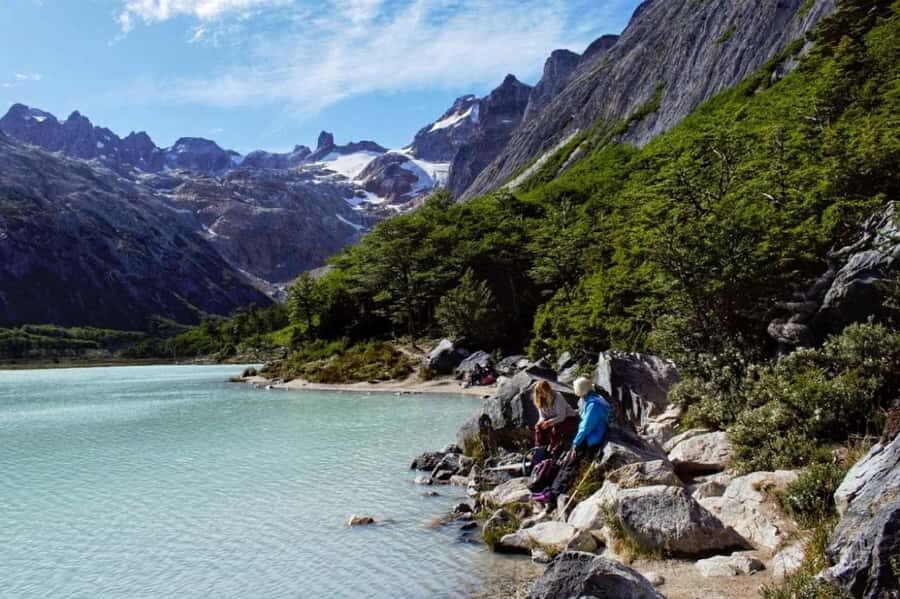
- Emerald Lagoon color only shows in summer due to glacier-sediment conditions (winter is frozen and snow-covered)
- Clear, marked path across Tierra Mayor Valley, with route details adjusted by season
- Peat bogs + rocky terrain, plus walking sticks to keep your footing comfortable
- Esmeralda River route and forest time, with plenty of flora to spot along the way
- Box lunch at the lagoon, plus a refillable water bottle setup to cut down plastic waste
- Guides who manage the pace and explain what you’re seeing (including science behind the color)
Why the Emerald Lagoon’s color changes by season
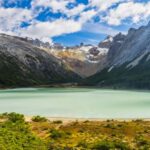
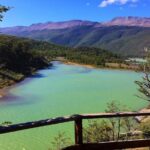
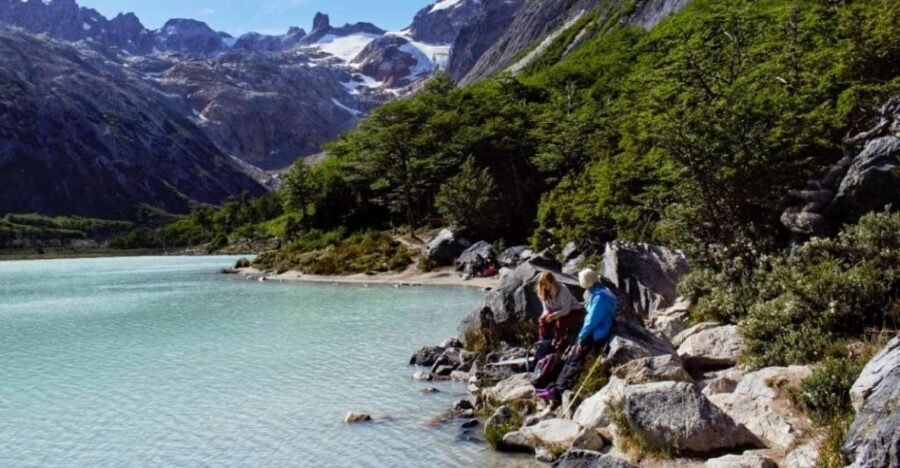
This trek is built around reaching Laguna Esmeralda, a small lake of glacial origin. The reason it gets the “emerald” label is pretty cool: the lagoon’s color comes from sediments carried from the Ojo del Albino Glacier. In summer, that sediment effect shows off as a striking green glow.
In winter, though, you’re not going to see the same look. The lagoon will be frozen and covered with snow, so your experience shifts from color-chasing to pure wintry scenery and a frozen-water payoff. That’s not a downgrade; it’s just a different goal. If your trip dates are flexible, I’d plan around summer timing if the green color is your main reason for going.
Either way, the lagoon feels special because you’re not just walking to a viewpoint. You’re walking to a place where the environment does something visible and seasonal—something you can talk about long after you leave.
You can also read our reviews of more hiking tours in Ushuaia
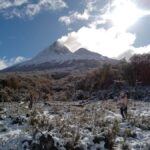
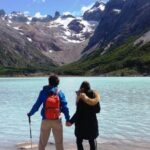
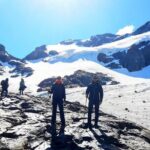
Getting from Ushuaia: the short ride that puts you on the trail fast
Ushuaia is your base, and the operation is set up to make the day feel easy to start. You’ll get hotel pickup and drop-off, so you don’t need to figure out transport or wrangle your own route on unfamiliar roads.
After pickup, you head north in the direction of the trail area—about 20 minutes from the city. That matters more than it sounds. In a place like Tierra del Fuego, weather and daylight can change the vibe fast. A short transfer means you’re spending more of your paid time moving through the scenery, not sitting on a bus.
When you finish, the vehicle is waiting again to bring you back to Ushuaia. It’s a simple loop: you get in, you hike, you eat, you walk back, and you’re not stuck trying to time your return.
Crossing Tierra Mayor Valley: peat bogs, rock, and a route that’s actually clear
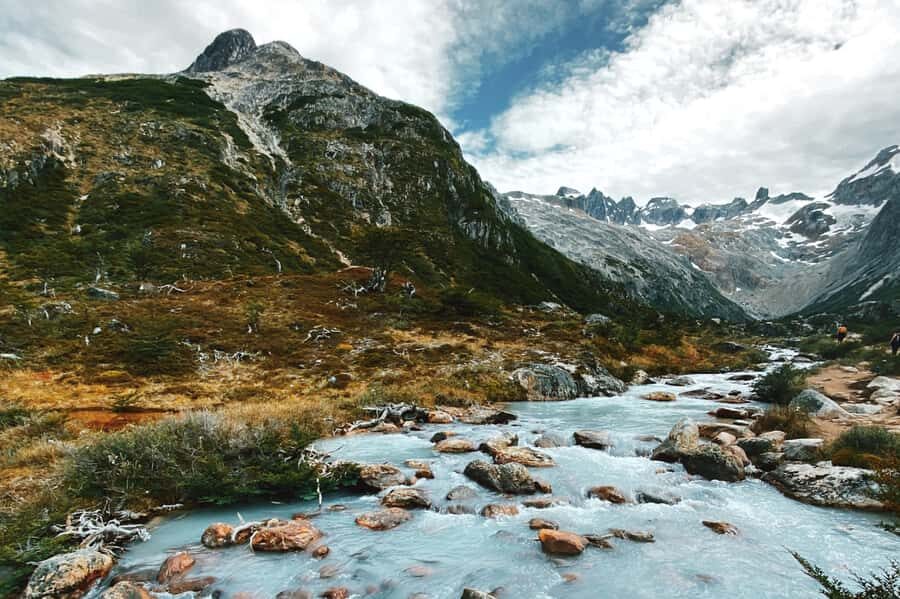
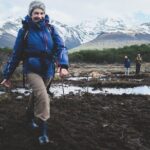
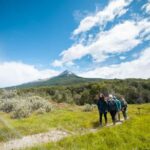
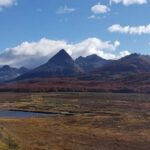
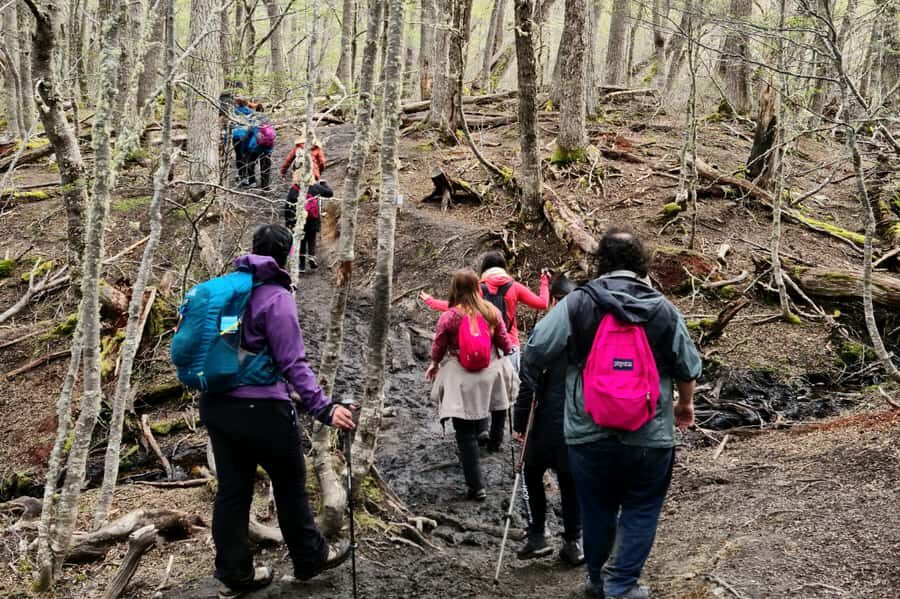
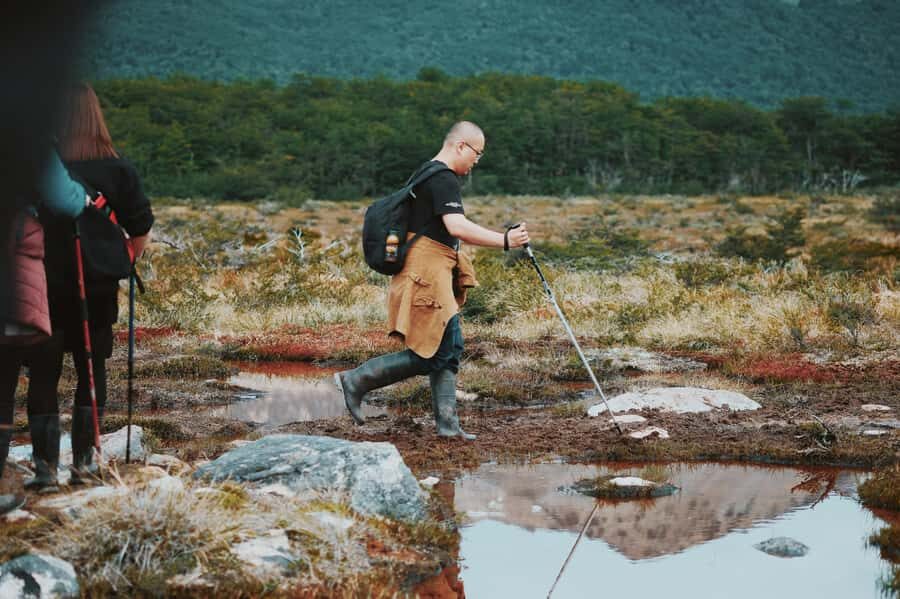
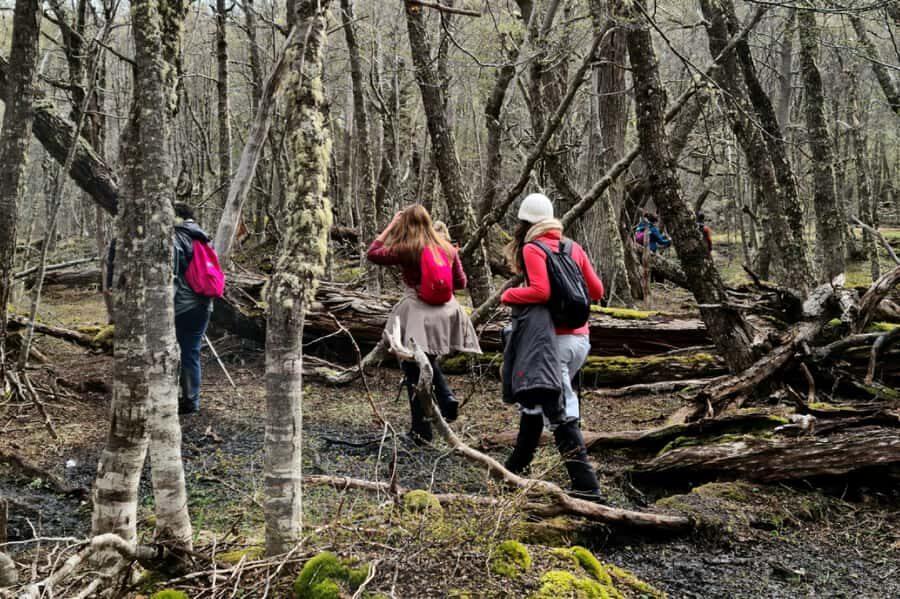
The hike begins with a guide explaining the route and how it changes by season. The main crossing is the Tierra Mayor Valley, and this is where you’ll feel the “Tierra del Fuego” side of the trip.
Expect to deal with:
- Peat bogs along the way
- Rocky terrain depending on conditions
- A path that’s very clear and marked, so you’re not guessing where to step
This is one of those hikes where the walking sticks included with the tour are more than a nice extra. If your footing gets soft or uneven, sticks give you stability and reduce the stress on your knees. If you’ve hiked in wet areas before, you’ll recognize the rhythm: step deliberately, trust the trail line, and keep your pace steady.
And because the guide adjusts what you do based on the season, you get a route that’s meant for the conditions you’re actually hiking in. That’s a big deal in this region, where a summer-day hike and a winter-day hike can feel like two different tours.
Following the Esmeralda River to the lagoon
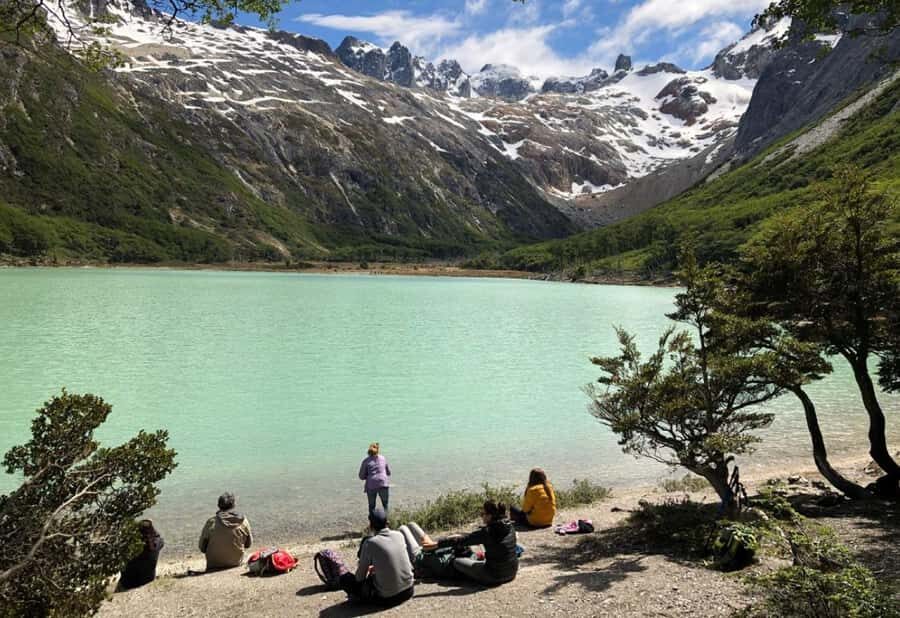
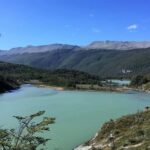
Once you’ve crossed the valley, you’ll move into a section that follows the Esmeralda River. This is a quieter stretch than the initial valley crossing, and it’s where the day starts feeling more like a story than a checklist.
Along the way, you’ll walk through more forest time, and that’s where the flora element comes in. Even if you’re not a plant specialist, it helps to have a guide who points things out as you pass. You’ll also start to build anticipation, because the river route is the setup for seeing Laguna Esmeralda for real.
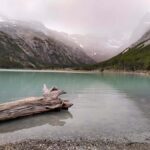
Finally, you reach the lagoon. At that moment, it clicks why this hike is a favorite: the lagoon isn’t just “pretty water.” It’s water with a visible cause behind its color—the sediments linked to the Ojo del Albino Glacier. In summer, the emerald shade is the headline. In colder months, the frozen look becomes the headline.
Box lunch at the lagoon: where “energy loading” actually matters
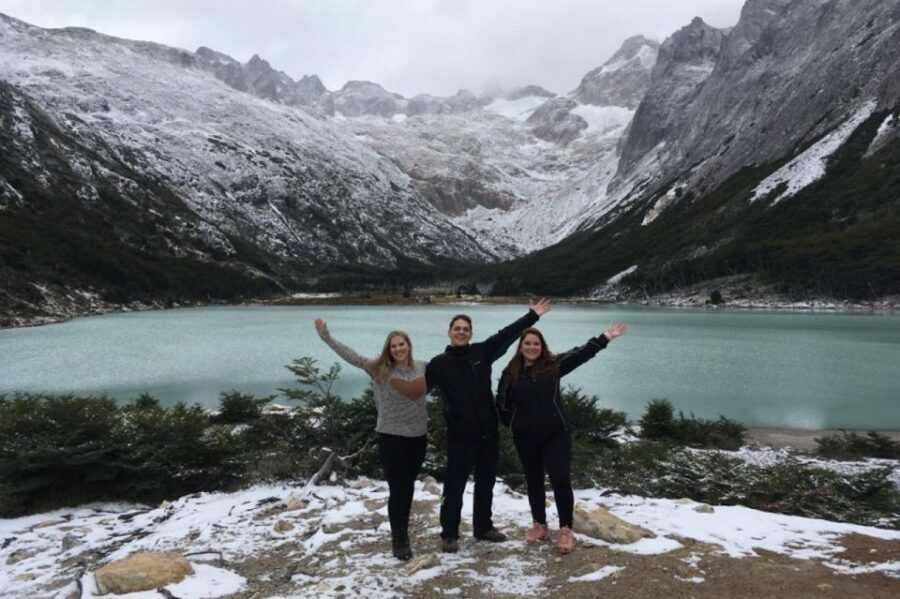
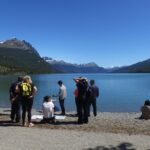
When you arrive, you get time to enjoy the view before heading to lunch. You’ll eat a box lunch while you take in the lagoon and its surrounding terrain.
This part of the tour matters because it gives you a break without ending the hike. You’re not rushing to the viewpoint, grabbing a snack, and sprinting back. You’re pausing at the place you came for, eating something filling, and resetting before the return.
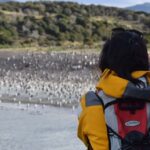
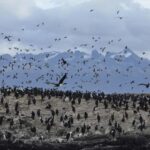
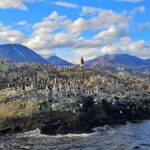
Also, this is when your best photos tend to happen. The lagoon gives you a natural frame, and the walk up makes the view feel earned. The tour’s tagline about turning your postcards into real ones isn’t just marketing fluff—this is the kind of spot where photos feel believable because the environment is doing the work.

A smart water setup: refillable bottle, fewer plastics
This trek includes an environmental push that’s simple and practical: bring a refillable water bottle. Before starting, you’ll be given water so you can fill your bottle and reduce the need for single-use plastic.
If you’ve ever hiked in cold or windy conditions, you know dehydration still sneaks up on you. A refill plan makes it easier to stay comfortable across the full 5-hour window.
One small caution: the tour does specify that bottled water isn’t included, but water for refills is provided. So plan to arrive with your bottle ready to use.
Footwear rules and what they mean for your day
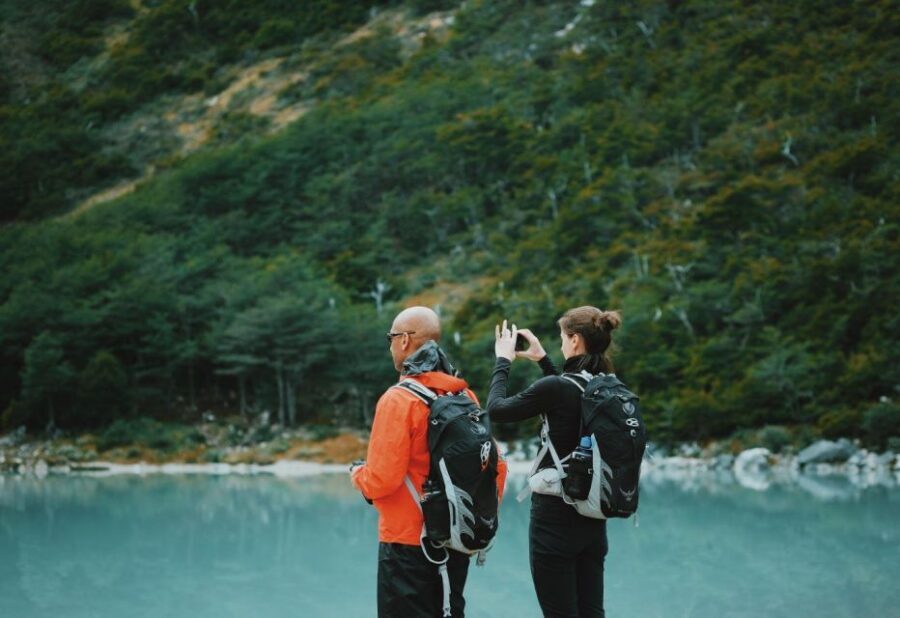
This hike is accessible in the sense that it’s set up for hikers who can walk on uneven ground for several hours. But it still has real terrain: peat bogs, rocks, and river-adjacent paths.
The key rule: trekking boats are mandatory. The guide may not take passengers who don’t have the appropriate footwear and clothing. That matters because you’re not just walking; you’re stepping through seasonal conditions. Shoes with the wrong traction or stability can turn the hike into an anxious experience.
You’ll also want to keep your packing simple. No luggage or large bags are allowed. It’s a day trip mindset, not a bring-everything adventure.
This trek also isn’t suitable for everyone:
- Pregnant women
- Children under 10
If you fit those categories, this is likely not the right choice. If you’re between ages and able to walk steadily, you’re probably a good match—especially if you take the footwear rule seriously.
How the tour keeps things safe and organized
A small detail that makes the experience feel more professional is the satellite tracking system included with the trek. You may not notice it while you’re hiking, but it adds a layer of safety and coordination behind the scenes.
Your group follows the marked path under the guidance of your live tour leader (Spanish or English). And because the trek is planned around reaching the lagoon, you’re not spending energy on route-finding. That reduces stress and keeps you focused on the walk and the scenery.
There’s also a nice human element shown in the way guides run the pace. One guide named Josephina comes up as especially passionate and knowledgeable, with an ability to adapt to each person’s rhythm and answer questions. Even if you don’t get the same guide, the tour’s approach is clearly hands-on and explanation-friendly.
Price and value: what $135 covers in real terms
At $135 per person for about 5 hours, you’re paying for more than a walking route. You’re paying for a guided, organized day in a place where conditions can be unpredictable.
Here’s what’s included:
- Hotel pickup and drop-off
- Box lunch
- Walking sticks
- Satellite Tracking System
- Live tour guide (Spanish/English)
And what’s not included:
- Trekking footwear/clothing (trekking boats are mandatory)
- Bottle of water (but refill water is provided)
When you look at it this way, the price starts to make sense. You’re not just buying entry to a trailhead. You’re buying logistics, gear support (sticks), and a guide who brings the route and the science of the lagoon color into context.
If you’re traveling in Ushuaia and want a structured nature experience without hiring private transport or building a DIY plan, this is the kind of day trip that tends to feel like good value.
Practical tips that make the difference on the trail
These are the things I’d do to make the day smoother:
1) Bring the right footwear even if you think you don’t need it. The tour can refuse passengers without trekking boats and proper clothing. Treat that as non-negotiable.
2) Wear sports shoes only if they truly match trekking needs. The tour notes sports shoes, but the mandatory trekking boots rule is the deciding factor. If you’re unsure, err on the side of proper trekking shoes.
3) Pack light and leave big bags behind. No luggage or large bags means you’ll carry only what you need for comfort and weather.
4) Plan for a seasonal expectation. If you’re there in summer, the emerald color is the goal. If you’re there in winter, go in expecting frozen and snow-covered views.
5) Use your water bottle. Refillable water is part of the experience plan, not a suggestion.
6) Bring your curiosity. The guide’s job isn’t only to lead you; it’s to explain what you’re seeing—why the lagoon looks the way it does and what you’re stepping across.
Who should choose the Emerald Lagoon trek
This is a great fit if you:
- Want a guided hike from Ushuaia that’s built for accessibility while still giving you real terrain
- Like nature explanations, not just silent viewpoint time
- Want a day trip with a clear “goal”: reach Laguna Esmeralda and enjoy lunch there
- Hike at a moderate pace and can handle peat bogs and rocky patches
It’s less suitable if:
- You’re pregnant
- You’re traveling with kids under 10
- You don’t want to follow footwear rules
- You want a super-easy flat walk (this one includes uneven ground)
Should you book the Emerald Lagoon trek?
If you’re in Ushuaia and you want one memorable, nature-focused day with a clear payoff, I’d book this—especially in summer when the emerald color is possible. The combination of a marked route, a guide who keeps things moving and explained, and an included lunch at the lagoon makes it feel like a complete experience rather than a quick hike-and-leave.
Just don’t bank your whole plan on emerald-green perfection. In winter, you’ll get a different kind of magic: frozen lagoon views instead of the color show. If you go in with the right expectations and you show up with proper trekking footwear, this is exactly the kind of day trip that turns Tierra del Fuego from “a place on the map” into something you can remember.
FAQ
How long is the Emerald Lagoon trek?
The tour lasts about 5 hours.
Where does the trek start?
You’ll be picked up from your hotel in Ushuaia, then travel about 20 minutes north toward the trail area.
What is included in the price?
Hotel pickup and drop-off, a box lunch, walking sticks, and a satellite tracking system are included.
What should I bring?
You should wear sports shoes and bring any clothing needed for trekking. A refillable water bottle is also strongly encouraged so you can use the water provided for refills.
Are trekking boots mandatory?
Yes. Trekking boats are mandatory, and the guides may not take passengers if they don’t have the appropriate footwear and clothing.
Is the lagoon color the same in winter?
No. In summer, you can see the emerald color. In winter, the lagoon is frozen and covered with snow.
Is water included?
Bottled water is not included, but water is provided for you to fill your bottle.
Is this hike suitable for kids or pregnancy?
It is not suitable for pregnant women and children under 10 years old.