REVIEW · BUENOS AIRES
Bike Tour: Buenos Aires to the South
Book on GetYourGuide →Operated by La Bicicleta Naranja · Bookable on GetYourGuide
Buenos Aires clicks when you pedal. This southbound bike tour lets you see San Telmo street life and feel the pull of La Bombonera without wasting time in traffic. I like the mix of neighborhood textures, from cobblestone lanes to wide river views, and I like how quickly the city’s biggest passions show up. One drawback: with only about 3 hours total, some stops can feel a bit short if you want to linger.
The guides help you connect the dots, and you can get names like Deborah or Flor depending on the day. You’ll ride with a bilingual English/Spanish guide, so it’s easy to ask questions and keep the pace moving. The best part for me is that you go from football and color to quieter nature time at the Reserva Ecologica.
In This Review
- Key highlights worth caring about
- Why this Buenos Aires South bike route works
- Price and what you actually get for around $48
- Getting started: meeting points and staying comfortable
- The early stretch in the older neighborhoods
- San Telmo: tango mood, street life, and old-city energy
- La Boca and Caminito: color with meaning
- La Bombonera: football symbolism up close
- Puerto Madero: modern docks and a calmer river mood
- Reserva Ecologica: nature time in the middle of the city
- Plaza de Mayo and the Montserrat feel: old meets skyline
- Pacing, groups, and the role of the guide
- What to bring, and what to plan around
- Who this tour is best for
- Should you book this Buenos Aires South bike tour?
- FAQ
- How long is the Buenos Aires to the South bike tour?
- Where do I meet the guide?
- What’s included in the price?
- Is hotel pickup or drop-off included?
- Are there electric bikes available?
- What should I bring?
- Is the tour suitable for mobility impairments?
Key highlights worth caring about
- San Telmo cobblestones give you that “old Buenos Aires” feel fast.
- La Boca and Caminito are perfect for photos and for understanding the neighborhood’s identity.
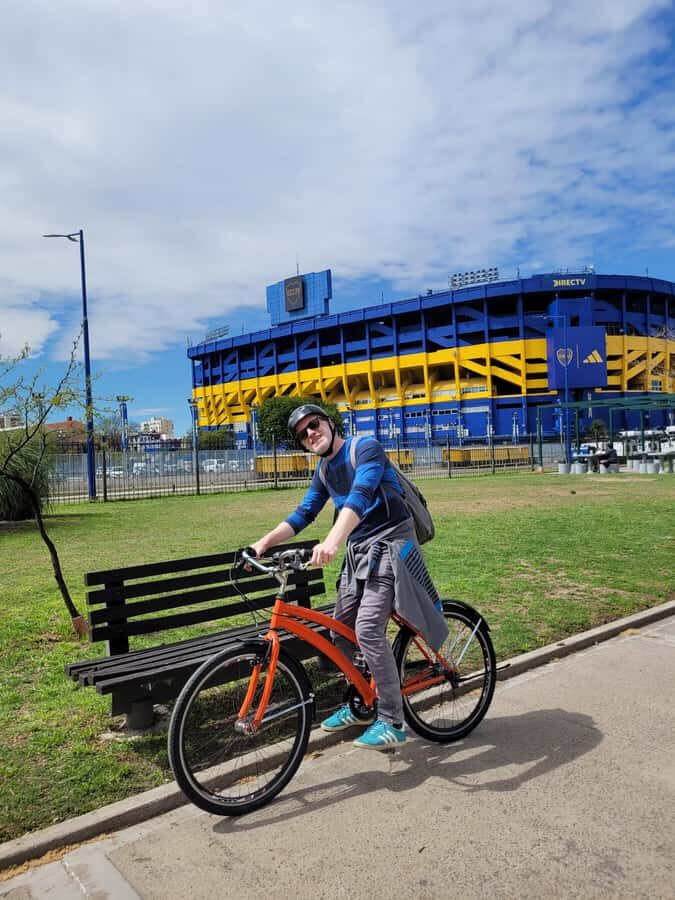
- La Bombonera is a real stop, not just a quick glance.
- Puerto Madero adds modern architecture and a calmer river mood.
- Reserva Ecologica gives you nature and Río de la Plata views in the middle of the city.
Why this Buenos Aires South bike route works
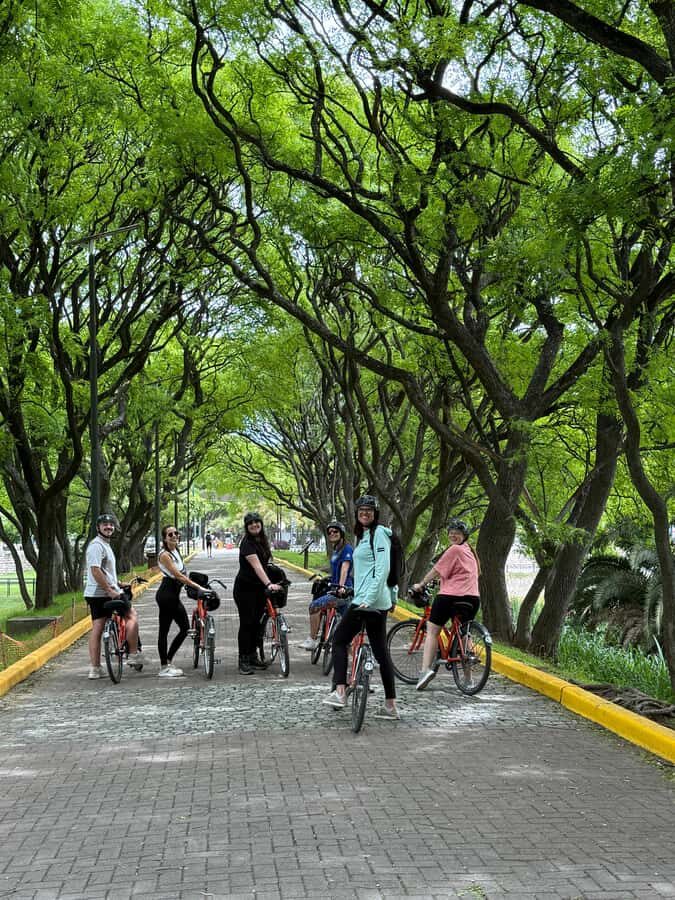
A good bike tour does two things: it gets you close to the places you came for, and it helps you understand what you’re looking at. This one nails both. You’re moving through several very different Buenos Aires zones in just a few hours, so you get a snapshot of how the city shifts from history to sport to modern river life.
I also like the value angle. For a price point around $48, you’re not just renting a bike. You’re getting a guided route with a bike, helmet, lock, and even a water bottle. That matters in Buenos Aires, where finding a good path on your own can cost time and energy.
One more practical thing: this route is designed to be doable in a half-day. The pace is lively, and the stops are timed, which keeps it fun. Just keep your expectations realistic: you’re tasting neighborhoods, not finishing them.
You can also read our reviews of more cycling tours in Buenos Aires
Price and what you actually get for around $48
At about $48 per person, this tour is positioned as a budget-friendly way to cover real ground. You’re paying for three main components: bike + safety gear, a bilingual guide, and a structured route that hits iconic stops on the south side.
Here’s the tradeoff. You’re not paying for private transportation or a long meal stop. Food and drinks aren’t included, so you should plan on grabbing something afterward if you want more time to eat, snack, or cool down.
If your goal is to check off several big Buenos Aires landmarks in one go—especially La Boca, La Bombonera, Puerto Madero, and the Ecological Reserve—the price feels fair. If your goal is slow wandering with hours of museum time, you might prefer a longer, neighborhood-by-neighborhood plan.
Getting started: meeting points and staying comfortable
You start near one of two locations, depending on what you book: Calle Doctor Jose M. Giuffra 370 (or Dr. José Modesto Giuffra 370) and Parque Lezama. The tour also ends with drop-off at Calle Doctor Jose M. Giuffra 370 / Dr. José Modesto Giuffra 370, so you’re not stuck trying to navigate back across town at the end.
Total time is 3 hours (about 210 minutes). That’s a sweet spot for many visitors because it gives you energy for photos and questions, without turning the day into an all-day commitment.
Wear comfortable shoes. The route includes narrow streets and cobblestones in the older parts of the city, and those surfaces are not a “fashion shoes” situation. Also, electric bikes are available only if they’re offered on the day, so don’t assume you’ll automatically get one.
The early stretch in the older neighborhoods
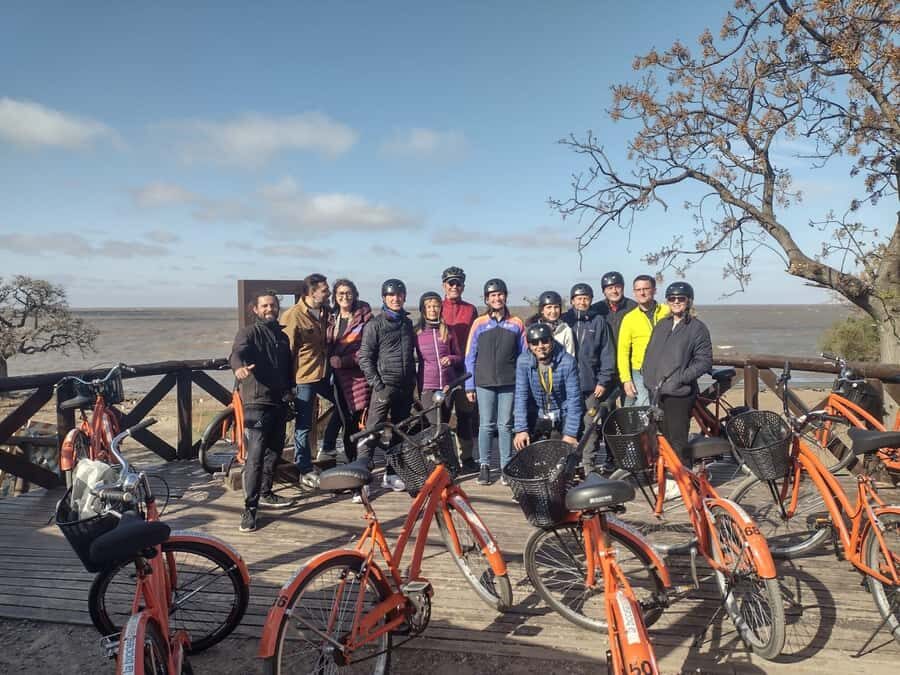
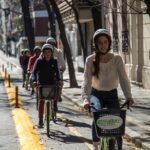
The tour begins in the oldest, most walkable-feeling parts of Buenos Aires, where you’ll ride through narrow lanes and cobblestone streets. This matters because Buenos Aires isn’t only about landmarks. It’s also about scale: the way the city compresses around you, and how details show up when you move slowly enough to notice them.
As you ride, the guide’s job is to connect the city’s layers—early settlement patterns, later influences, and the arrivals that shaped neighborhoods over time. Even if you don’t consider yourself a history person, this part works because it sets up why areas like San Telmo feel the way they do: not random color, but a story you can see.
My practical tip: keep your eyes up and forward. On cobbles, it’s easy to stare at your front wheel. You’ll get more out of the ride if you glance up every few seconds and match what you see to what the guide is explaining.
San Telmo: tango mood, street life, and old-city energy
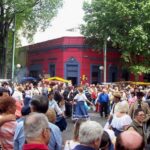
San Telmo is where the tour’s nostalgia lands. Expect a neighborhood feel that’s tied to Argentina’s love of tango, with the vibe expressed through streets and corners rather than a single performance.
The best way to enjoy this portion is to treat it like a guided “orientation lap.” The guide helps you recognize what’s distinctive, so later, when you’re walking back through on your own, you’ll notice more than you would if you just showed up cold.
Keep in mind that this is also one of those areas where crowds can affect how long you’ll spend in any one spot. If you’re the type who wants extra time to pause, browse, or take in a street scene, plan to add some self-guided time after the tour.

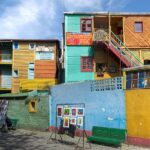
La Boca and Caminito: color with meaning
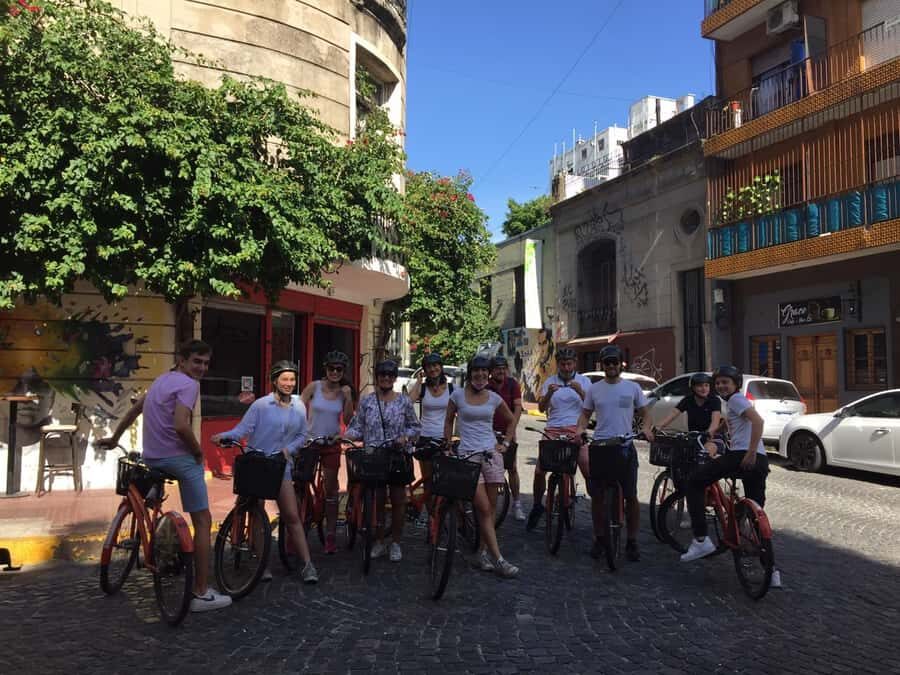
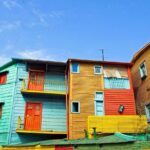
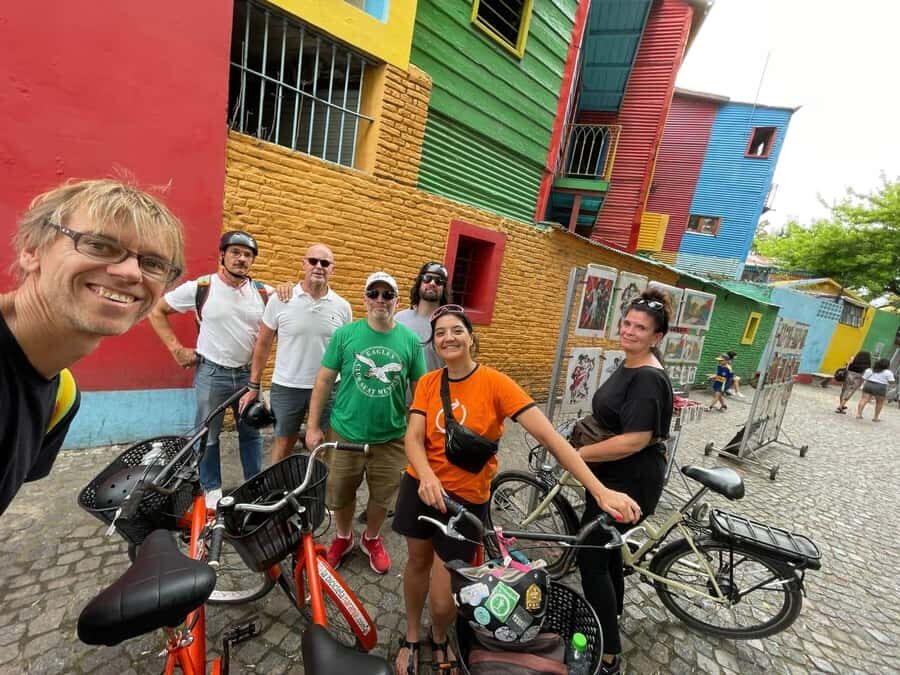
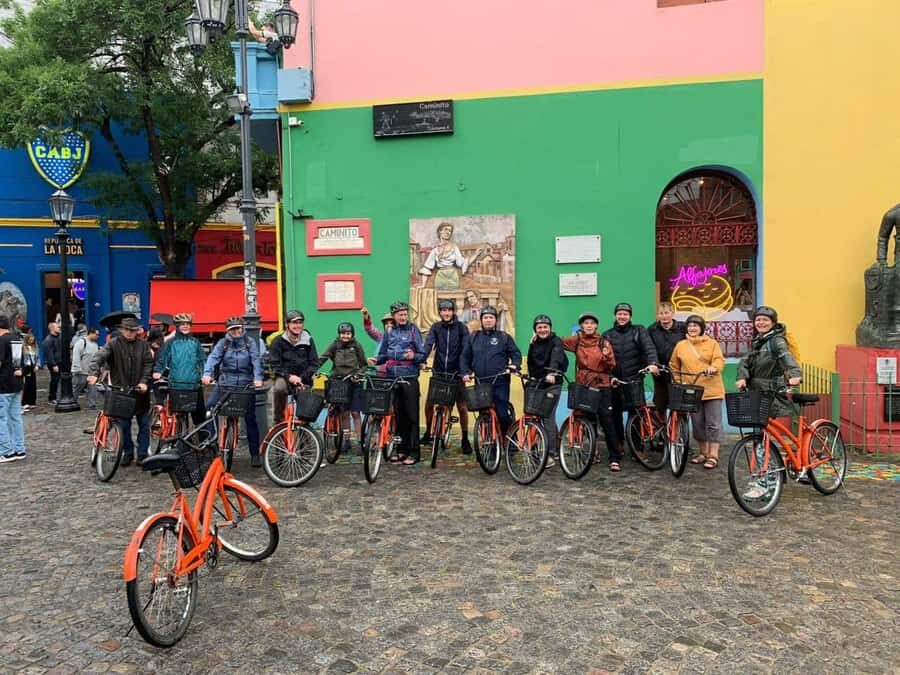
Then you swing toward La Boca, and the energy changes fast. This is where the tour leans into Argentina’s biggest passions, especially football culture. You’ll also spend time along Caminito Street, one of the neighborhood’s most famous spots.
Caminito works well on a bike tour because it’s accessible and easy to frame from the street. You can see why people come here for photos, but you’ll also get context for what you’re seeing: the neighborhood’s identity shaped over generations, not just a storefront trick.
A good photo strategy here is simple. Take a few wide angles first, then come back for closer shots. That way you don’t end up with only head-on pictures without the surrounding details that make La Boca feel like La Boca.
La Bombonera: football symbolism up close
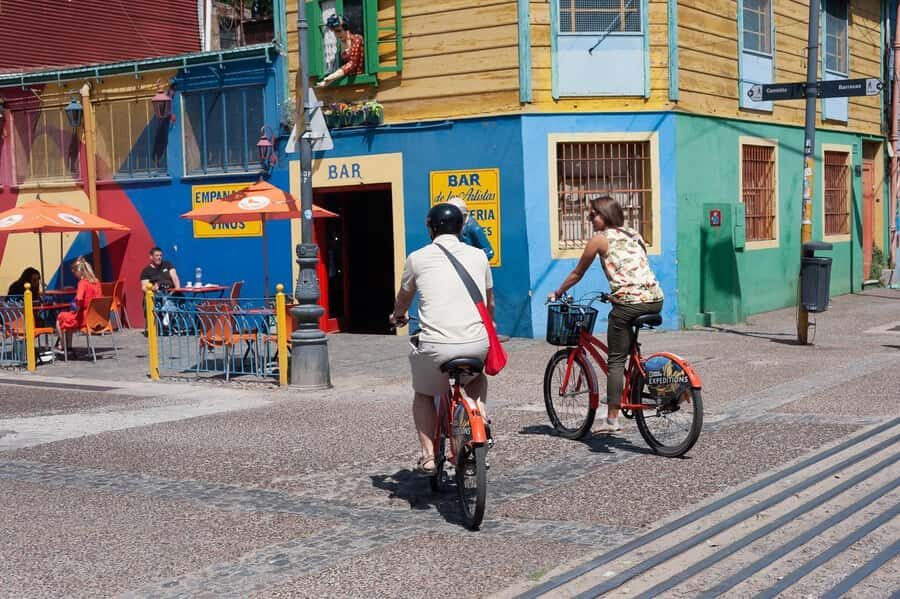
Next comes La Bombonera, the famous stadium that’s more than a sports venue in Argentina. On this tour, the stadium stop is short, but it’s positioned to give you the moment. Even if you’re not a lifelong football fan, the surrounding atmosphere helps you understand why people wear their team loyalty like a badge.
This is also a good stop to ask questions. The guide can put the stadium into the bigger picture of what football represents culturally, and why it can be so emotional in a place like Buenos Aires.
Practical note: don’t rely on this portion to satisfy a hardcore stadium tour. It’s a sight-and-context experience. If you want ticketed match time or a deeper stadium visit, treat this stop as your introduction.
Puerto Madero: modern docks and a calmer river mood
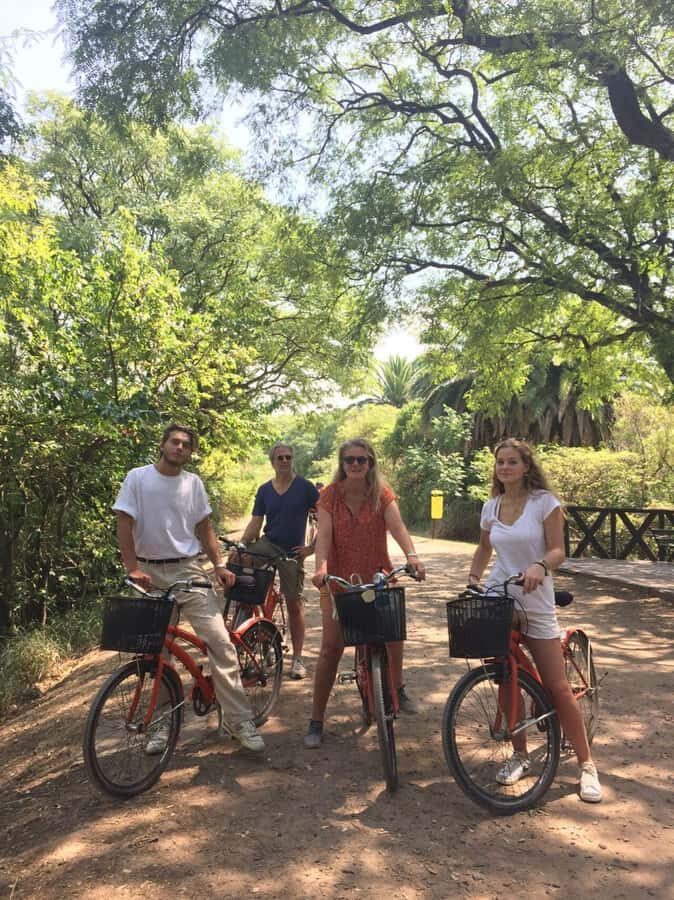
After the intensity of La Boca, Puerto Madero feels like a reset button. The area is known for its modern architecture and for the former docks turned into restaurants and offices. By bike, you can glide across the transitions between old waterfront space and newer city planning.
I like this part because it gives your eyes a break. You get different lines, more open spacing, and views toward the water. That change of scenery is one of the reasons the tour doesn’t feel like it’s just repeating the same type of street scene.
If you’re sensitive to sun, bring a little patience here. Even in the middle of the afternoon, the waterfront can be bright and reflective. Take advantage of the guide time, but also keep a moment for your own walk afterward if you want.
Reserva Ecologica: nature time in the middle of the city
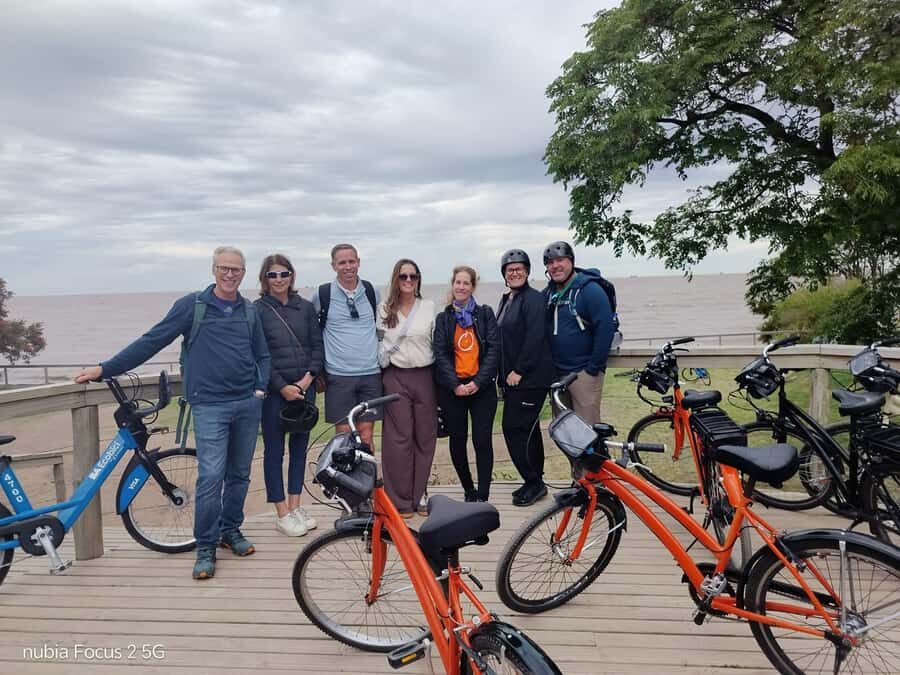
Then comes one of the most satisfying curveballs on the route: Reserva Ecologica. This is described as an ecological haven in the heart of Buenos Aires, with views toward the Río de la Plata and an opportunity to observe local biodiversity.
What makes this portion valuable is contrast. You’ve just been in dense, culture-heavy neighborhoods. Then you get a chance to slow down mentally, listen for bird life, and notice how Buenos Aires can still have wild pockets.
You probably won’t spend all day here—this is a short segment—but even a short one works if you go in ready to observe. Don’t force it like a museum visit. Treat it like a nature pause on a city outing.
Plaza de Mayo and the Montserrat feel: old meets skyline
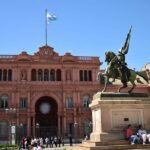
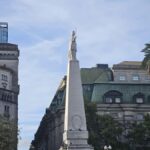
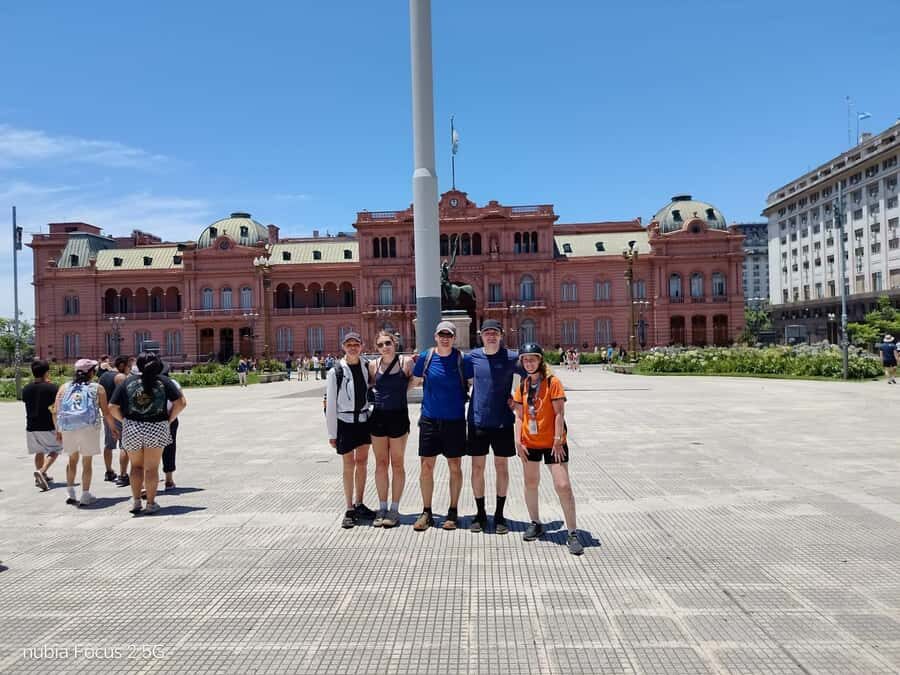
As the ride continues, you’ll reach Plaza de Mayo and pass through Montserrat, an area where colonial-era architecture blends with modern skyscrapers. This is one of those Buenos Aires moments that can be hard to understand if you’re only looking from a bus window.
By bike, you can see the edges of spaces and the way different eras sit next to each other. That makes Plaza de Mayo and nearby streets feel more legible as you move.
If you’re into street photography, this is where you can focus on contrasts: simple historic facades against sharper lines farther out. If you’re more into “just see it,” keep your questions handy for the guide. This is the kind of location where context turns a landmark into something you remember.
Pacing, groups, and the role of the guide
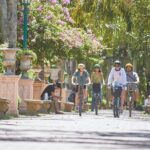
This tour can be private or in small groups, and you’ll have a bilingual guide in English and Spanish. Reviews highlight that guides often strike a good balance between explaining and not talking at you, with enough info to answer questions.
I’d expect a paced experience: you’ll stop, look, listen, then roll again. That’s not a bad thing. In a city as spread out as Buenos Aires, bike tours win when they keep momentum and still give you meaningful time at each stop.
Two names show up in feedback: Deborah and Flor. If you get them, it’s worth paying attention to how they explain the corners of neighborhoods and adjust the pacing based on how people are moving.
What to bring, and what to plan around
Bring comfortable shoes and expect some time on cobblestones and city sidewalks. You’ll get a bike, a helmet, and a lock, plus a water bottle. That covers the basics so you’re not hunting for gear during the trip.
Food and drinks are not included, so plan to eat before or after. If you’re sensitive to heat, bring something small for sun protection even if the ride isn’t all midday.
Also note: the tour is not suitable for people with mobility impairments, which is important for your planning.
Electric bikes are subject to availability, so if that’s a must for you, confirm when you book.
Who this tour is best for
This is an ideal match if you want a compact Buenos Aires “greatest hits” ride with real neighborhood context. It’s also a strong option for first-time visitors who don’t want to spend days figuring out routes across the city.
You’ll likely enjoy it if you care about:
- La Boca culture and Caminito
- football symbolism at La Bombonera
- a switch to modern waterfront life in Puerto Madero
- a breather in Reserva Ecologica
It may not be the best fit if you want long time at one location, or if you rely on mobility accommodations.
Should you book this Buenos Aires South bike tour?
Yes, if you want a guided bike experience that hits multiple signature areas—San Telmo, La Boca, La Bombonera, Puerto Madero, Reserva Ecologica, and Plaza de Mayo—in about three hours. The value is in the structure: bike + safety gear + a bilingual guide + an efficient route, without the extra costs of transport.
Book it especially if you like learning while you move, and if you want your photos to come with context. If you’re the type who hates rushing, keep in mind that some stops will be brief. A smart move is to use the tour as your start, then go back afterward to your favorite area on foot.
One last practical check: since electric bikes depend on availability, decide now whether you’re comfortable with a regular bike on cobblestones. If not, ask while reserving.
FAQ
How long is the Buenos Aires to the South bike tour?
The tour runs about 3 hours, listed as 210 minutes.
Where do I meet the guide?
The meeting point can vary based on the option booked. Options include Calle Doctor Jose M. Giuffra 370 (Dr. José Modesto Giuffra 370) and Parque Lezama.
What’s included in the price?
You get the bike, helmet, and lock, a bilingual guide (English and Spanish), and a water bottle.
Is hotel pickup or drop-off included?
No. Hotel pickup and drop-off are not included.
Are there electric bikes available?
Electric bikes are subject to availability.
What should I bring?
Wear comfortable shoes.
Is the tour suitable for mobility impairments?
No, it’s not suitable for people with mobility impairments.