REVIEW · BUENOS AIRES
Buenos Aires in a Day – All Inclusive Bike Tour
Book on Viator →Operated by Rental Bike Argentina · Bookable on Viator
Buenos Aires makes a strong first impression, especially by bike. This all-inclusive ride (bike, helmet, and a local guide) helps you cover major neighborhoods without burning the day on sidewalks. I like how the pace stays relaxed with fewer stops and more time rolling between spots, and I love that guides bring the city to life with real storytelling, including standouts like Santiago and Florencia who clearly know their way around.
You’ll get a lot for the price, but plan for one trade-off: you’re riding in shared city traffic at times. Even with bike lanes and safety-minded routing, you’ll want to stay alert at intersections and be ready for occasional delays from lights and congestion.
In This Review
- Key things to know before you pedal off
- Buenos Aires by Bike: why this all-inclusive format works
- The price and what you actually get for $95
- Meeting point and the day’s rhythm (start at 10:00)
- Stop-by-stop: what you’ll see and why each stop matters
- 1) Rental Bike Argentina: gear check and quick start
- 2) San Telmo and Parque Lezama: old Buenos Aires mood
- 3) The iconic stadium story: neighborhood passion on wheels
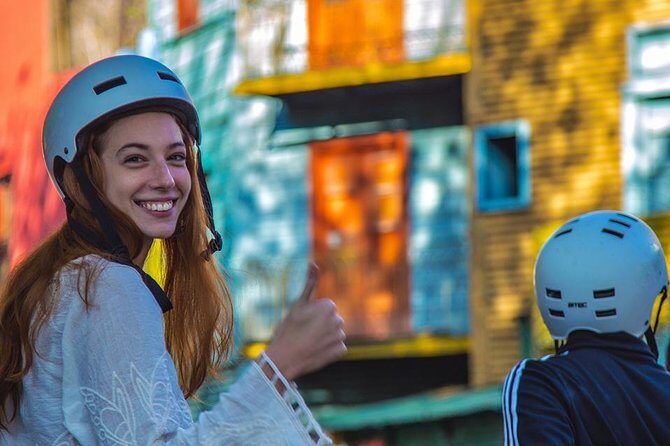
- 4) Caminito: tango, conventillos, and colorful street life
- 5) Reserva Ecologica Costanera Sur: birds and river views without entry
- 6) Puerto Madero bridge and waterfront modern Buenos Aires
- 7) Lunch in Puerto Madero at Restaurante Brote
- 8) Plaza de Mayo: the second birthplace of the city
- 9) Retiro: monuments plus skyline contrast
- 10) La Recoleta Cemetery: famous but no entry
- 11) Palermo greens and Rosedal de Palermo: roses plus poetic busts
- 12) Park Congreso and the legislative building
- How the guides shape the experience (Santiago, Sam, Aida, and more)
- Safety, bikes, and road reality
- Lunch value and what to do about hydration
- Who this tour suits best
- Should you book Buenos Aires in a Day (All Inclusive Bike Tour)?
- FAQ
- How long is the Buenos Aires in a Day bike tour?
- What’s included in the tour price?
- Is bottled water included?
- Do we enter the ecological reserve or the Recoleta cemetery?
- What food options are available at lunch?
- Is there a menu for strict celiacs?
- What’s the minimum age and height requirement?
- How big are the groups?
- What happens if it rains?
- Are guide tips included?
Key things to know before you pedal off
- Small group size (max 8) means more personal attention and fewer long waits at each stop.
- Flat, mostly easy terrain with a comfort-first pace, even if Buenos Aires can feel chaotic at street level.
- Helmet and bike provided, so you don’t have to hunt down gear or worry about packing.
- Lunch in Puerto Madero at Restaurante Brote, with specific Argentine options and a soft drink included.
- No entry to the ecological reserve and the Recoleta cemetery, so you’ll be viewing from outside/on the route.
- Bring your own water bottle; bottles aren’t included, and you’ll refill where allowed.
Buenos Aires by Bike: why this all-inclusive format works
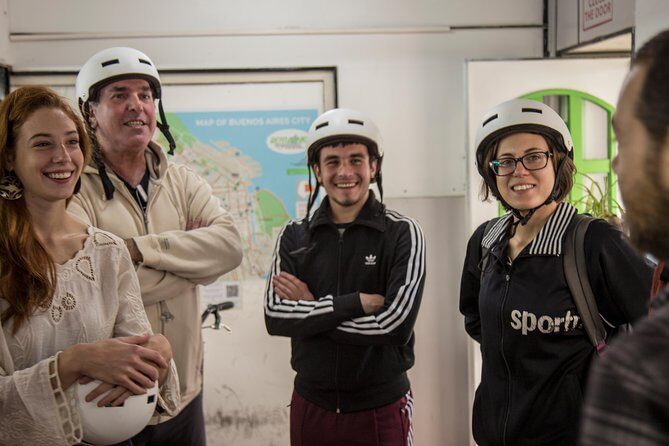
A bike tour is the quickest way to get your bearings in Buenos Aires. The city is wide, the sights are spread out, and on foot you’d spend a lot of energy just walking between neighborhoods. Here, the “all inclusive” setup matters: your bike and helmet are handled, your guide manages the flow of stops, and lunch is built into the schedule so you’re not hunting for food at the wrong time.
The biggest win is that you’re not stuck in one area. You move from the older fabric of the city into modern waterfront areas, then back toward central landmarks. That gives you a sense of how Buenos Aires works—where people hang out, where history lives, and how the city re-invents itself block by block.
Still, read the day like a local event, not a classroom field trip. You’ll share the roads with cars, taxis, and buses. That’s normal here. The good news is that the operation is used to cycling in the city, and the guide leads with group safety in mind.
You can also read our reviews of more cycling tours in Buenos Aires
The price and what you actually get for $95
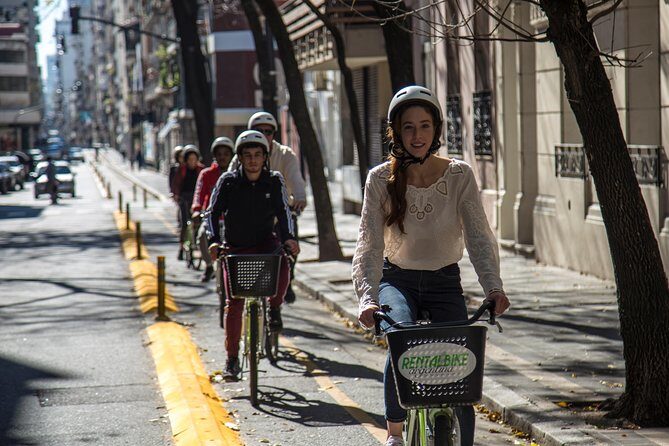
At $95 per person for about 7 hours, you’re paying for four things: a guided route, bicycle use, helmet use, and lunch with a non-alcoholic drink. On top of that, the schedule is packed with high-value sights—major squares and neighborhoods—without turning into a bus day where you sit still most of the time.
What’s not included is equally important. You won’t get tips for the guide or the restaurant, bottled water won’t be provided, and alcohol isn’t part of lunch. If you want to be comfortable, bring a refillable bottle and plan your hydration. A few review notes also point out that water logistics can be a real issue on long outdoor days, so treat that as part of your prep.
Meeting point and the day’s rhythm (start at 10:00)
The tour starts at Chile 1145 in Cdad. Autónoma de Buenos Aires, and it ends back at the same meeting spot. You’ll depart around 10:00 a.m., and the operation has a short buffer for lateness: if you’re not there within about 10 minutes, the tour starts without you and there’s no refund. That rule is pretty standard for a group ride, but it matters because the day is timed.
The ride also expects weather. It can go out in light to moderate rain, but it can be suspended or rescheduled if weather alerts or conditions make it unsafe (heavy rain or strong winds). If you’re traveling in cooler or wetter months, keep a flexible mindset.
Stop-by-stop: what you’ll see and why each stop matters
1) Rental Bike Argentina: gear check and quick start
You begin at the shop, where you’ll handle bike pickup and helmet use. This is where the tour becomes convenient: you don’t have to show up with your own setup. I’d still do a fast personal check when you get your bike—seat height, brakes feel, and handle comfort—because one review mentioned bikes can vary in condition.
This first part also sets the tone. The better the briefing, the easier the day feels once you hit the road.

2) San Telmo and Parque Lezama: old Buenos Aires mood
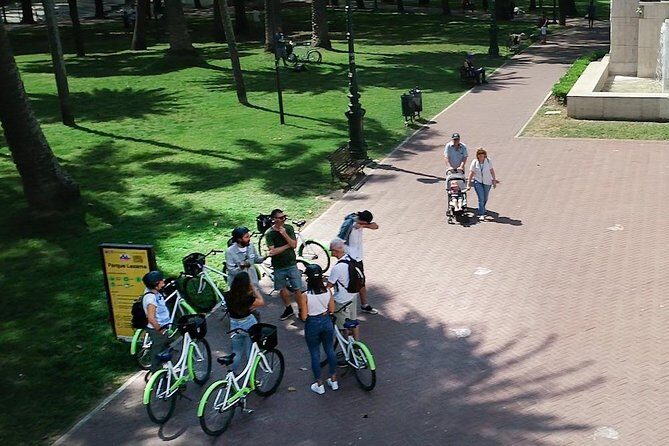
San Telmo is where Buenos Aires shows its oldest personality. You’ll spend time near Parque Lezama and the historic square area, which is surrounded by monuments and tied to key pages of Argentine history. It’s a great early stop because it puts you in context fast—before you move into the more photogenic parts of town.
On a bike, you also get to see the neighborhood’s vibe through motion, not just a few quick snapshots. That makes the later contrast with modern districts more meaningful.
3) The iconic stadium story: neighborhood passion on wheels
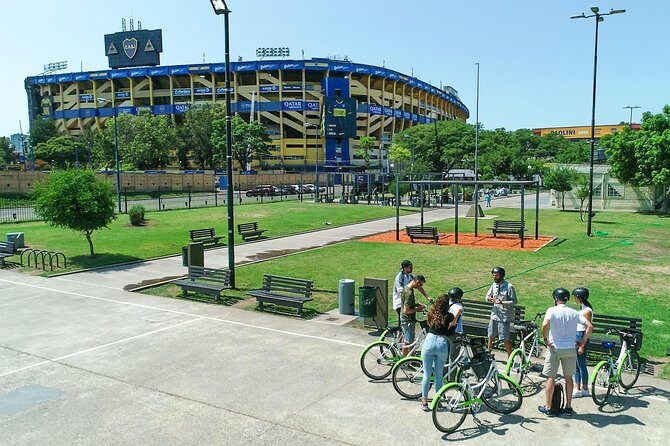
Next comes a stop for history and stories around a famous, heavily photographed stadium. The point here isn’t just the building—it’s what the stadium represents for the neighborhood. You’ll hear how local identity and sports passion shaped parts of Buenos Aires over time.
This is one of those moments where a guide makes the difference. Without the story, you might just see an impressive spot. With the story, it becomes a clue to how the city’s neighborhoods “think” and “feel.”
4) Caminito: tango, conventillos, and colorful street life
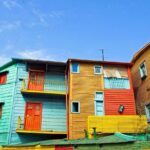
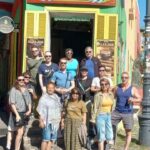
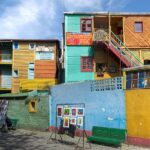
Caminito is your first long stop, and it’s the kind of place that pulls you toward photos even if you don’t plan on buying anything. It’s known as an open-air museum linked to tango, with colorful scenes and the feel of older conventillo-style living.
Plan for a little freedom here. You’ll have time to admire the colorful streetscape by the river area, take pictures, and browse souvenirs if that’s your thing. If you’re the type who gets impatient in shopping zones, keep your eyes on the bigger goal: this is one of the most recognizable cultural corners in the city.
5) Reserva Ecologica Costanera Sur: birds and river views without entry
This stop is intentionally different: the tour does not enter the reserve. Instead, you cycle alongside the river La Plata and pass through protected natural surroundings from the outside. It’s a smart choice in a bike day because you get the scenery and bird-life potential without the time cost of walking and guided entry.
Even if you don’t spot a ton of wildlife, the horizon views and green rhythm are a welcome reset after dense city blocks. It also breaks up the day psychologically: the tour shifts from streets into open air.
6) Puerto Madero bridge and waterfront modern Buenos Aires
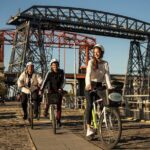
Puerto Madero is where Buenos Aires looks polished and planned. You’ll cross a bridge that connects you to the waterfront and the newer port area. It’s a different kind of Buenos Aires than San Telmo—more modern urban design, with arts and nature working side by side.
This portion also gives you a sense of scale. You’ll see how the city’s “new face” sits right beside older neighborhoods, which is part of why Buenos Aires can feel both historic and reinvention-driven.
7) Lunch in Puerto Madero at Restaurante Brote
Lunch is a real highlight. Restaurante Brote is the sit-down stop in Puerto Madero, and the meal includes a soft drink. The menu options include classic Argentine dishes like:
- mini steak with French fries
- Creole-style pork with Spanish potatoes
- veal milanese with mashed potatoes
There are also pasta, chicken, and salad options.
Two practical notes for dietary needs: there isn’t a specific menu for strict celiacs, but vegan and vegetarian options are available. If you have serious allergies or dietary restrictions, ask questions early or plan to adjust your expectations.
Also, bring your hunger filter. This lunch is included and convenient, but some people felt the venue was fairly standard. For me, the value is less about “fine dining” and more about not losing your day to decision fatigue.
8) Plaza de Mayo: the second birthplace of the city
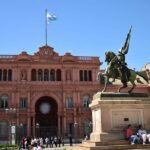
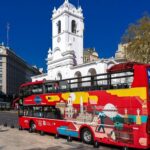
Now you swing back into central history. Plaza de Mayo is surrounded by major landmarks such as La Casa Rosada, El Cabildo, and the Catedral Metropolitana. The tour uses the space to connect hundreds of years of political and social change into something you can actually point to.
Even if you’ve seen photos before, seeing the scale around you makes it click: this is where city power, identity, and public life collide.
9) Retiro: monuments plus skyline contrast
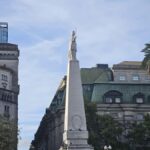
Retiro brings a mix of major sights and different architectural flavors. You’ll see the San Martin monument, Torre Monumental, the Kavanagh skyscraper, and the monument dedicated to soldiers of the Malvinas war, among other highlights.
This segment works well on a bike because you’re not stuck staring upward from one sidewalk corner. You get to move through the “view corridors” created by streets and plazas.
10) La Recoleta Cemetery: famous but no entry
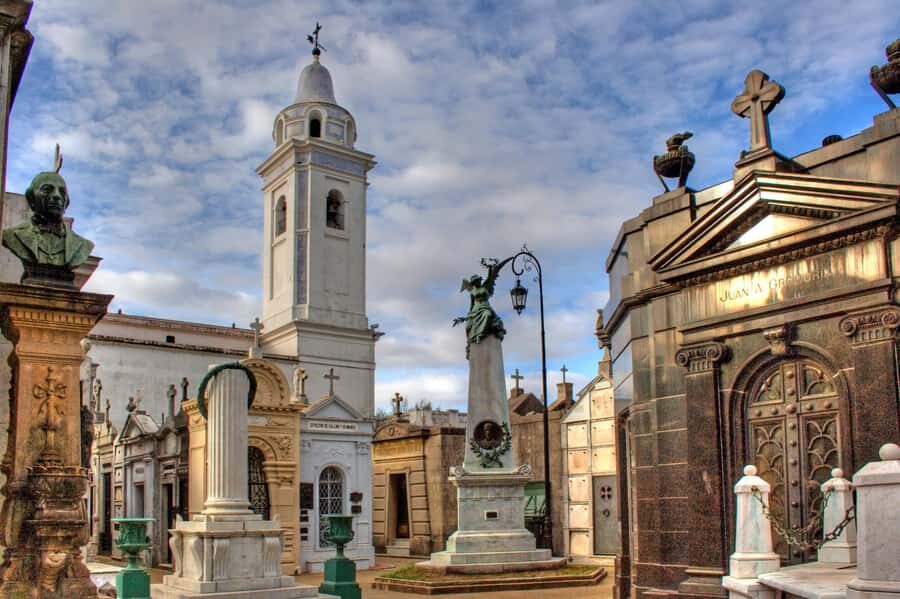
La Recoleta Cemetery is one of South America’s most famous necropolises, known for architecture and sculptures—and yes, for the high-profile people associated with it, including Evita Perón. But the tour does not enter the cemetery. You’ll view and learn from outside, then move on.
If your #1 goal is going inside, this might feel like a letdown. If your goal is getting orientation and learning context fast, it’s a smart time-saver inside a packed day.
Also, admission to the cemetery is not included. Even though you don’t enter on this tour, it’s worth knowing that the cemetery has its own rules and costs if you plan a separate visit.
11) Palermo greens and Rosedal de Palermo: roses plus poetic busts
After Recoleta, you’re headed into the green rhythm of Palermo. You’ll also stop at Rosedal de Palermo, the rose garden known for thousands of roses and for being a kind of Buenos Aires “central park” moment.
You’ll cross a bridge within the gardens and see the busts in the Garden of the Poets. The names mentioned include J. L. Borges, W. Shakespeare, and Alfonsina Storni, which gives the stop more than just flowers. It turns a pretty place into a short cultural history lesson.
One caution: this stop is subject to weather conditions. If conditions are harsh, you may get limited time or adjusted viewing.
12) Park Congreso and the legislative building
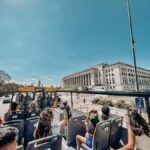
The last highlight is Park Congreso and the legislative power building. You’ll get a chance to rest your eyes on the architecture—a style described as academicismo italiano, and noted for its decree date in 1993.
This final stop gives the day a clean arc: from old barrios to modern waterfront, back into central power sites, and then out into gardens and civic architecture.
How the guides shape the experience (Santiago, Sam, Aida, and more)
Guide quality is the real multiplier. When it’s done well, you leave with more than photos—you leave with mental maps. Several guides from different groups stood out for how they explained neighborhoods, connected the past to what you see today, and kept the ride flowing at an easy pace.
I’ve heard examples of guides like Santiago, Florencia, Vilson, Sebastian, Sam, May, Martina, Aida, and Matias N. all doing what good tour guides do: pairing facts with local texture. It’s not just trivia. It helps you understand why the city feels the way it does.
Safety, bikes, and road reality
The ride is designed to use bike lanes and safer routes when possible, and the terrain is mostly flat with only a small incline. That’s why many people find it manageable even if they’re not sporty.
That said, Buenos Aires driving culture is not gentle. You should expect occasional tricky crossings and intersections. Reviews mention a few near-miss moments and also mention that some intersections felt dicey. The fix is simple: keep your focus, don’t stare at your phone, and trust the guide when they manage the group.
One more thing: bikes can vary. Most of the time they’re functional and comfortable, but at least one review flagged older gear setups and bike condition issues. Before you fully relax, do that quick personal check when you pick up your bike.
Lunch value and what to do about hydration
Lunch is included and it’s a solid mid-day anchor. You get real Argentine options, plus a soft drink. You’ll also have a chance to recharge before the afternoon push into central and park areas.
Hydration is the one practical item I wouldn’t ignore. The tour does not provide bottled water for ecological reasons, and you’re asked to bring your own bottle. Reviews also include a clear complaint about not getting water on an all-day ride. If you tend to get thirsty quickly, bring more than you think you need, and plan for refills where the tour allows.
Who this tour suits best
This is a great fit if you want:
- a first-time orientation to Buenos Aires
- a way to cover lots of famous areas in one day
- a guided pace that doesn’t feel like a workout class
It also works well for couples and solo travelers because the group is small and the guide does most of the navigation work. If you’re traveling with limited patience for long walks, this is a strong alternative.
If you have tight mobility limits, this may be tough. It’s a bike ride with multiple stops across the day, and you’ll need to be comfortable cycling for hours.
Should you book Buenos Aires in a Day (All Inclusive Bike Tour)?
Book it if you want a high-value day that mixes classic landmarks with neighborhoods you might miss on your own. The combination of easy cycling, small-group energy, and included lunch in Puerto Madero is the core reason it earns such a high recommendation rate.
Skip it—or at least plan a different strategy—if you specifically want an inside visit to the ecological reserve or the cemetery. This day is built for seeing from the outside and keeping momentum. Also, be honest with yourself about staying alert in city traffic, and come prepared with a refillable water bottle.
In short: if your goal is to understand Buenos Aires fast, and you’re okay with a bike-day that includes real street intersections, this tour is a very practical choice.
FAQ
How long is the Buenos Aires in a Day bike tour?
It runs about 7 hours, starting at 10:00 a.m. and ending back at the meeting point.
What’s included in the tour price?
You get the use of a bicycle, a helmet, a local guide, and lunch in Puerto Madero with Argentine meal choices plus a soft drink.
Is bottled water included?
No. You should bring your own bottle of water.
Do we enter the ecological reserve or the Recoleta cemetery?
No. The tour does not include entry to the ecological reserve, and it does not enter the cemetery.
What food options are available at lunch?
Lunch includes specific Argentine dishes like mini steak with fries, Creole-style pork with Spanish potatoes, or veal milanesa with mashed potatoes, plus pasta, chicken, or salad options. Soft drinks are included.
Is there a menu for strict celiacs?
No strict celiacs menu is listed. Vegan and vegetarian options are offered.
What’s the minimum age and height requirement?
The tour is for over 12 years old, and participants must reach 1.50 in height to be able to ride.
How big are the groups?
The maximum group size is 8 travelers.
What happens if it rains?
The tour departs in light to moderate rain, but it may be suspended if there’s a weather alert or if heavy rain or winds create safety risks. If canceled, it will be rescheduled or you’ll receive a full refund.
Are guide tips included?
No. Tips are not included for the guides or the restaurant.