REVIEW · BUENOS AIRES
Soccer Match in Buenos Aires with Transfers and Local Guide
Book on Viator →Operated by Tangol · Bookable on Viator
Four hours. One electric stadium night. This Buenos Aires soccer experience is interesting because it handles the hard parts for you: stadium transfers and a bilingual local guide who gives context to the rivalries and the rituals.
I love that it’s built around more than just the match itself. You get a snack and bottled water, and you also get short time at famous stadiums tied to big-name clubs like River Plate and Independiente.
One possible drawback to plan for: stadium entry paperwork and rules can be strict, and if your game is at River Plate you’ll need a passport and may have to complete Face ID registration.
In This Review
- Key highlights I think matter most
- A matchday in Buenos Aires, planned for real life
- Tangol’s office and the pre-match reset
- The stadium stops: eight big clubs, one city obsession
- River Plate’s Monumental (El Monumental)
- Independiente at Estadio Libertadores de América
- San Lorenzo at Estadio Pedro Bidegain
- Racing at Estadio Presidente Perón
- Huracán in the tango-and-bohemia neighborhood
- Vélez at Estadio José Amalfitani
- Argentinos Juniors at Estadio Diego Armando Maradona
- The match itself: what you’re actually there for
- Transfers and tickets: why it’s worth paying for the structure
- Your guide’s job: club culture, safety, and crowd sanity
- Food and drinks: what’s included, what’s not
- What to pack (and what can get you turned away)
- When the schedule changes: reschedules are part of the deal
- Price and value: what $172 really buys
- Who this tour is best for
- Should you book this Buenos Aires matchday?
- FAQ
- What’s the duration of the soccer match experience?
- What’s included in the tour price?
- How much does the tour cost?
- Do I need ID or a passport to enter the stadium?
- Is a passport required for River Plate?
- Are Face ID steps required for River Plate?
- Can I bring food, drinks, or a professional camera into the stadium?
Key highlights I think matter most
- Bilingual guide who’s a real fútbol fan and explains what you’re seeing, plus security basics for the crowd
- Transfers + entrance ticket included, so you’re not coordinating transport or entry on matchday
- Short visits to major Buenos Aires stadiums, linked to clubs such as River Plate, Independiente, San Lorenzo, Racing, Huracán, Vélez, and Argentinos Juniors
- Snack and bottled water to help you settle in before kickoff
- Small group size (max 15), which makes it easier to stay together in busy areas
- Bring the right ID; documentation rules can vary by stadium, especially for River Plate
A matchday in Buenos Aires, planned for real life
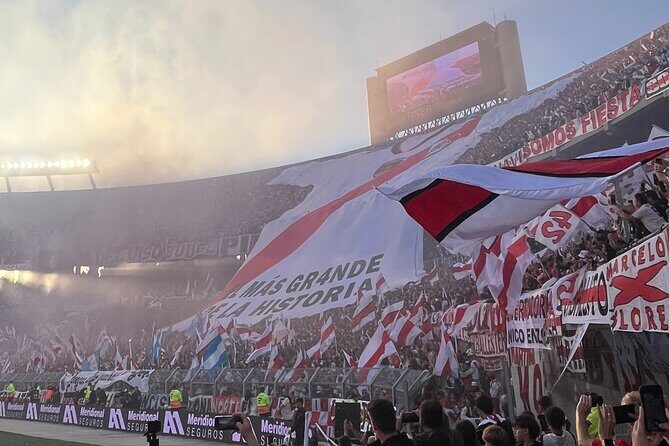
Buenos Aires is one of those cities where soccer isn’t just entertainment. It’s a social event, a voice, and a full-on city rhythm. What makes this tour work is that it turns that chaos into something you can actually manage in a short window of time.
The meeting point is tied to Tangol’s office on Defensa 831, and the plan is to get you to the stadium with transportation arranged. Once the game ends, you’re brought back to your central area rather than left to figure things out solo. For first-time visitors, that alone can make the difference between a fun night and a stressful one.
The tour is listed at about 4 hours, and it typically gets booked around a month ahead. A lot of this experience is about timing and match-day logistics, so that advance planning is a good sign.
You can also read our reviews of more guided tours in Buenos Aires
Tangol’s office and the pre-match reset
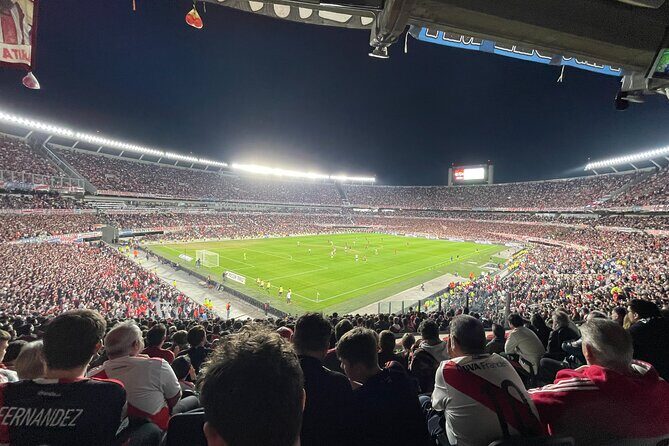
Your evening starts at Tangol Tours at Defensa 831. This is where you get sorted before heading to the stadium with your bilingual guide. In practice, that setup matters because match schedules can shift, and Argentine soccer has a habit of moving kickoffs.
Expect the guide to run you through the key points for the night. You’ll get reminders about what’s allowed in and what isn’t, and how to keep track of your group. If you’re anxious about crowds, this is where you’ll feel your shoulders drop a notch.
This is also where the tour’s ticket handling becomes part of the value. You’re not standing in lines or guessing which gate to use while everyone else is already moving toward the terraces.
The stadium stops: eight big clubs, one city obsession
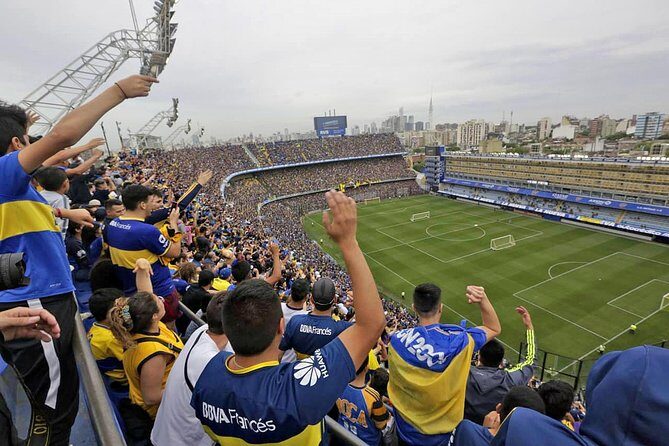
Even when the match is at one specific ground, this style of tour gives you a taste of how different Buenos Aires stadiums feel and who they belong to. The evening can include short visits and quick stops at iconic arenas linked to top first-division clubs.
Here’s what you might see, depending on the day’s lineup:
River Plate’s Monumental (El Monumental)
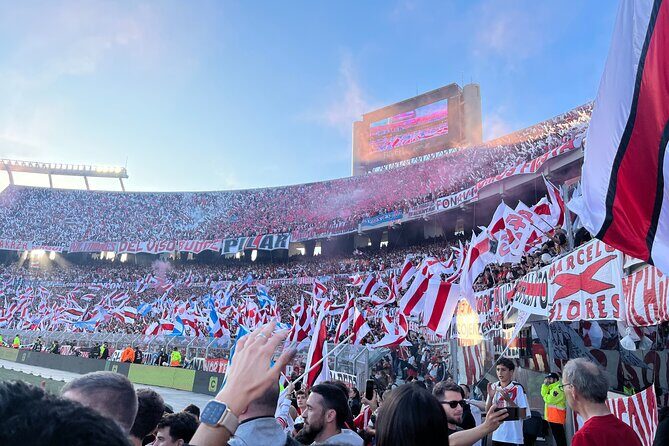
If the match option centers on River Plate, the stadium is Estadio Monumental de River Plate. The Monumental is known for its scale and for hosting big events, including the Argentine national team in major moments like the 1978 World Cup era.
Practical note: River Plate has specific entry rules for foreign visitors. The tour data says you need a passport for River Plate entry, and foreign ID cards may not be accepted. If your game is at River Plate, treat that as the main checklist item for your trip.
Independiente at Estadio Libertadores de América
For Independiente, you’re looking at Estadio Libertadores de América. The club is associated with the nickname Rey de Copas because of its seven continental titles.
This stop is less about ticking a landmark box and more about hearing how fans and traditions connect to the stadium. Even if you’re not a lifelong Independiente supporter, the guide can help you understand why the chants and atmosphere can be intense.
San Lorenzo at Estadio Pedro Bidegain
San Lorenzo is tied to Estadio Pedro Bidegain. The tour describes San Lorenzo as the most “creative,” linked to the songs of their supporters, and also as the club connected to Pope Francis.
This is one of those stadium stops that adds a human angle. You start seeing the club as part of local identity, not just a team with three points on a spreadsheet.
Racing at Estadio Presidente Perón
If your schedule points to Racing, you’ll be at Estadio Presidente Perón. Racing is described as known for relentless fan energy that lasts the full 90 minutes.
What I like about hearing this in advance is that it changes how you watch the match. You notice the rhythm of support, not just the result.
Huracán in the tango-and-bohemia neighborhood
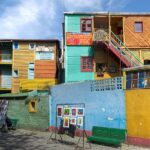
Huracán brings you to Estadio Tomás Adolfo Ducó. The tour places it in a tango and bohemian neighborhood in Buenos Aires, which helps you picture the setting beyond the pitch.
This is a good reminder that many Argentine stadiums are embedded in neighborhoods with their own vibe. Even before kickoff, you’ll often feel that local texture through the walkways, shops, and street noise.
Vélez at Estadio José Amalfitani
For Vélez Sarsfield, the stadium is Estadio José Amalfitani. The tour describes Vélez as a world champion and export club, and notes that the venue hosted the 1978 World Cup.
If you’ve ever wondered how Buenos Aires can feel both modern and historic at the same time, hearing that World Cup connection helps. You get a sense that these places are built into the city’s sports timeline.
Argentinos Juniors at Estadio Diego Armando Maradona
For Argentinos Juniors, you’re looking at Estadio Diego Armando Maradona. This is the club linked to Diego Maradona’s early playing days, which is a powerful cultural hook even if your focus is simply on the match.
It’s also a reminder that in Argentina, greatness often starts in places that feel more “local” than global. You’ll likely feel that in how the crowd treats the game.
The match itself: what you’re actually there for
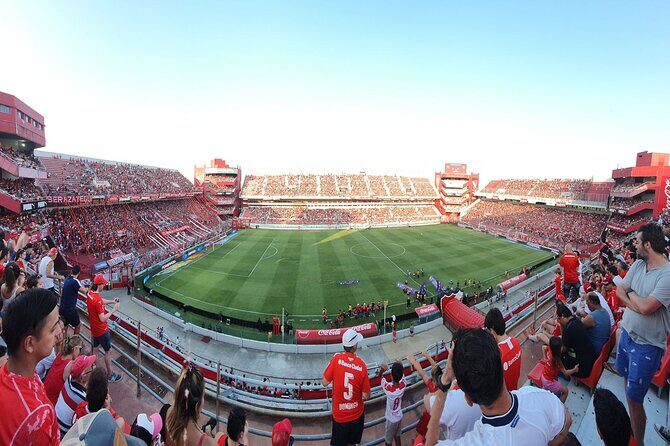
The core of the experience is the match. You’ll arrive, move through the crowd to your seat, and watch Buenos Aires top-level professional teams compete. The stakes are high, and the fans are serious, so you should expect noise, chants, and an intense sense of home advantage.
Your guide is there to make the match easier to read. They share club history and help you understand what you’re seeing in the stands. That kind of explanation can turn a game from something you watch into something you participate in.
During the match, you’ll also have time to experience stadium concessions (at your own expense). You’ll get a snack as part of the tour so you’re not walking in hungry, but if you want more, you’ll be shopping in the stadium the way locals do.
Transfers and tickets: why it’s worth paying for the structure
One of the strongest parts of this tour is that it removes the “matchday friction.” In busy stadium zones, timing matters. If you arrive late or use the wrong entrance, you lose more than minutes—you lose the smooth flow that keeps you calm.
The tour includes transfers to the stadium and an entrance ticket. Bottled water is also included, which is a small thing that matters when you’re standing in line, walking with a group, and waiting for the crowd to settle.
The group size is capped at 15, which helps. Large groups get split by accident. Smaller groups tend to stay together, and your guide can keep an eye on everyone.
Your guide’s job: club culture, safety, and crowd sanity
This tour is powered by the guide’s football instincts. The local guide is described as bilingual and dedicated to fútbol, and the experience is designed around that. You’re not just listening to facts—you’re learning how to behave in a stadium environment.
In the stories from guides like Manuela, Gabi, Gabi’s team, Leandro, Mathew, Andres, and Matteo, a clear theme shows up: they help you feel safe and organized. That includes practical guidance around security and the general rules of staying together.
I also like that the tour doesn’t pretend every moment is effortless. Kickoff times can shift, and stadium rules can be strict. Your guide’s role is to keep the evening from turning into guesswork.
Food and drinks: what’s included, what’s not
The tour includes a snack and bottled water. That means you’re covered for the basics, especially if you’re arriving a bit early for matchday movement.
What you should be ready for is this: anything beyond the included snack is on you. Stadium concessions are your own expense. One visitor noted the value comparison felt uneven when they expected more food and drink inside, while others were very happy with the help the guide provided around snacks. So the honest takeaway is simple: plan for the included snack and treat extra purchases as optional.
If you’re the type who likes to eat more than once, you’ll probably want to grab something before you meet up. If you’re the type who just wants to settle in and watch, the included snack should be enough.
What to pack (and what can get you turned away)
Matchday stadium entry in Argentina can be strict about what you bring. The tour data gives clear do-not lists, and I’d treat them as hard rules.
Bring only essential items like your phone and wallet. You must present an ID or passport or driver’s license to enter a stadium. And it’s not allowed to enter with food, drinks, or professional cameras.
For River Plate specifically, the documentation rules are sharper: a passport is required, and foreign ID cards are not accepted. Also, for the River Plate option, the tour notes that Face ID registration may be required to confirm attendance. If your match is at River Plate, reach out to the representatives in time so you can complete whatever step they ask for.
If you’re unsure which stadium you’ll go to, check your confirmation details before you head out.
When the schedule changes: reschedules are part of the deal
A big piece of this experience is staying flexible. Match date fixtures and kickoff times can change, and the tour says they’re confirmed the week before. If your match is rescheduled, you should be notified in advance.
The good news is that the tour is built to handle those changes. There are examples of the team adjusting plans when a booked game moved. If you keep your phone handy and respond quickly to messages, you’ll usually be fine.
This is another reason the guide and transfers matter. On your own, a reschedule can turn into lost time and scrambling. Here, the plan shifts so you still end up at a match.
Price and value: what $172 really buys
At $172 per person, you’re not just paying for a seat. You’re paying for the match-day support: the ticket, transfers, a bilingual guide, bottled water, and a snack. For a short 4-hour outing, that bundled structure is the value.
Also, many of the “hidden costs” of going solo are time and stress. The guide’s safety guidance, crowd navigation, and ticket handling reduce those costs. If you’re visiting Buenos Aires with limited time, this kind of organized match experience often costs less than it feels like when you factor in the hassle.
The main value tradeoff is the one you should watch: included food and drink are limited. If your priority is a big meal at the stadium, you’ll want to budget extra. If your priority is the match atmosphere and not the food court experience, this is easier to justify.
Who this tour is best for
This tour is a strong fit if you:
- want a matchday experience without running logistics on your own
- value a guide who can explain club identity and what to watch for in the stands
- prefer small-group pacing (max 15) and a structured pickup-to-stadium-to-return plan
- are traveling solo or as a couple and want an experience that feels safe and organized
It may be less ideal if you:
- are very picky about the amount or type of stadium food and drink you’ll receive
- strongly prefer fully flexible, go-anywhere pacing with no group plan
- haven’t checked documentation needs and you end up with a River Plate passport requirement
Should you book this Buenos Aires matchday?
I’d book it if your goal is to see Argentine top-flight football in a way that’s practical, guided, and low-stress. The included ticket and transfers remove the biggest headaches. The guide element is the real differentiator, especially for first-timers who want to understand why the fans sing, drum, and react the way they do.
I would hesitate only if you can’t meet the documentation rules (especially for River Plate) or if you expect more food and drink included than the tour provides. If you plan for the snack and treat extra concessions as optional, you’ll get good value from the structure.
If you want a simple checklist: bring the right ID, keep your phone ready for any Face ID steps if needed, travel light, and let the guide handle the crowd rhythm.
FAQ
What’s the duration of the soccer match experience?
It runs for approximately 4 hours.
What’s included in the tour price?
The tour includes a bilingual guide, an entrance ticket, transfers to the stadium, and bottled water. A snack is also included for the matchday.
How much does the tour cost?
The price is listed at $172.00 per person.
Do I need ID or a passport to enter the stadium?
Yes. You must present an ID, passport, or driver’s license to enter.
Is a passport required for River Plate?
Yes. For River Plate, a passport is specifically required, and foreign ID cards are not accepted as valid documentation.
Are Face ID steps required for River Plate?
If you choose the River Plate option, the tour notes that Face ID registration will be required to confirm attendance.
Can I bring food, drinks, or a professional camera into the stadium?
No. It is not allowed to enter with food, drinks, and/or professional cameras.