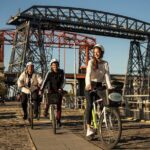
A bike tour plus street art in Buenos Aires sounds made up, until you’re rolling through it. I love how the ride is built for real neighborhoods, not photo backdrops, and how you connect the murals to soccer, politics, and everyday life. I also like that you pedal at a human pace with lots of short breaks for foot stops, yerba mate, and pictures. One consideration: this isn’t a casual stroll. You need comfort biking in city traffic and being out in less-touristy areas.
If you’re curious about urban art but tired of the usual “this is the famous wall” routine, this tour is a smart way to reset your Buenos Aires eyes. I particularly liked the mix of big landmarks (like Alfredo Segatori’s huge mural) and the quieter backstreet work by local collectives. The ride has a calm, steady rhythm, and it’s the kind of tour that helps you get your bearings fast for the rest of the city. Main drawback to factor in: a few past riders noted the bikes can use a bit more maintenance, so you’ll want to do a quick check with your guide before rolling.
In This Review
- Street art by bike: why this Buenos Aires loop feels different
- Meeting in San Telmo, then getting into the rhythm
- Stop 1: Biking Buenos Aires and the purpose-driven vibe
- Calle Lanín and UNESCO-level recognition
- Barracas: Pasaje Lanín mosaics and Alfredo Segatori’s mural
- La Boca: getting the story behind the painted buildings
- Design district stops: Metropolitan Design Center and Cooperativa Vieytes
- The ride, the breaks, and why the pacing works
- Safety and comfort: what you should realistically expect
- Price and value: what $115 buys you in Buenos Aires
- Who this tour suits best
- Booking call: should you do this hidden urban art bike tour?
- FAQ
- How long is the Private Off the Beaten Path Hidden Urban Art Bike Tour?
- Where does the tour start and end?
- Is this a private tour?
- What’s included in the price?
- Is an e-bike available?
- Do I need to be comfortable biking in Buenos Aires traffic?
- What time of day does the tour run?
- What if plans change close to the start date?
Street art by bike: why this Buenos Aires loop feels different
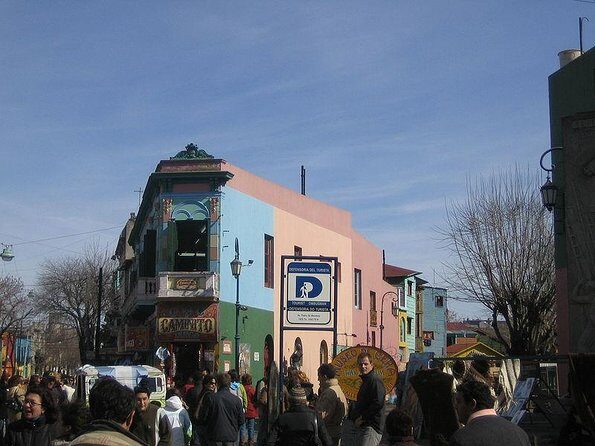
Buenos Aires street art is more than decoration. It’s commentary, identity, and sometimes protest—all painted into the daily commute of working-class neighborhoods. This tour works because the art isn’t treated like a museum exhibit. You see it while you’re moving, turning corners, and suddenly realizing you’re in a part of town most visitors miss.
You start with a short orientation and urban-riding tips, which matters because your route isn’t built around car-free streets. You’re learning how to read the city as you ride: where to slow down, when to watch intersections, and how to stay relaxed when traffic gets busy.
What I like most is the way the guide turns murals into a map of ideas. Instead of just pointing at pretty images, you get context—why certain artists paint certain messages, how local collectives organize, and how themes like sports, faith, and politics show up in the walls. One guide shared that street art becomes a kind of trigger for history and culture, not just aesthetics—and that matches how the tour is paced.
Meeting in San Telmo, then getting into the rhythm
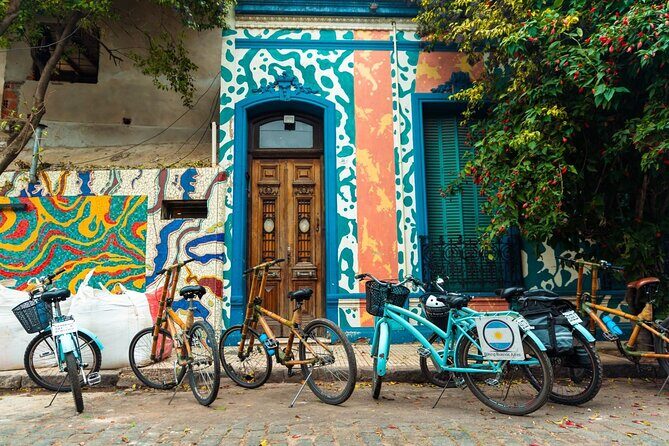
You’ll meet in San Telmo, at Balcarce 1016 (C1064). It’s a good neighborhood to start from because it’s close to the city’s older core, and it sets a grounded tone for what comes next. The tour is scheduled for the early afternoon, which usually helps with daylight for photos and enough time for the full circuit.
From the start, the experience leans practical. You get bike setup plus general riding guidance before you head out. There’s also an interesting “people and purpose” framing tied to how the company operates—part of the pitch is about crossing cultural bridges through coexistence, and the tour is presented as more than sightseeing.
Then you roll south. The first stretch is about settling in: learning your pace, getting comfortable with the group flow, and spotting the first street art details before the route grows into the larger mural areas.
You can also read our reviews of more cycling tours in Buenos Aires
Stop 1: Biking Buenos Aires and the purpose-driven vibe
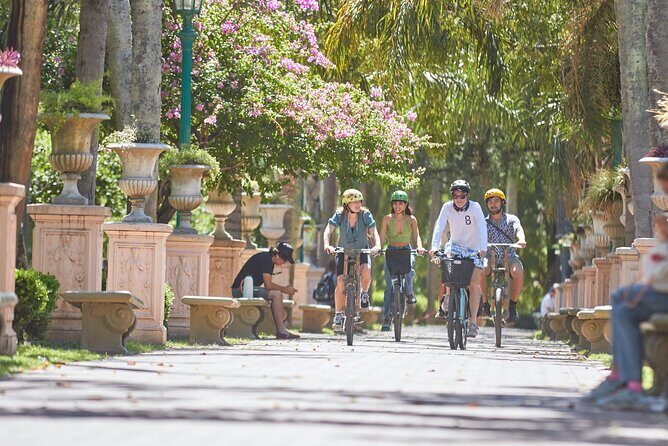
The first stop is not a mural, at least not in the traditional sense. It’s an orientation moment connected to how the operator frames the tour—this business is tied to a constitutional agreement with Holocary®, aiming for a bossless flat structure designed as a For Purpose Enterprise. That may sound corporate, but it lands in a simple way: you’re encouraged to perceive the city, its people, and its culture through what you’re riding past.
In practice, this opening matters because it affects how the ride feels. Your guide isn’t only managing bikes and times. They’re guiding the way you look. You’ll notice that street art is treated like a living record of community work, not a backdrop for selfies.
Calle Lanín and UNESCO-level recognition
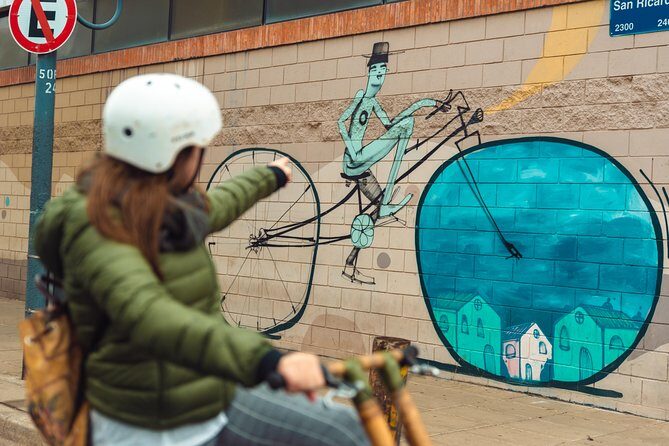
After you’re rolling smoothly, you head toward the hidden street area known as Calle Lanín (often discussed around Barracas/nearby connections on this route). This street is described as having once been grey and quiet, then brought back to life by artist Marino Santa Maria. What makes it meaningful is that it’s been listed by UNESCO as a site of cultural interest.
What you’ll feel here is scale and transformation. The tour isn’t only chasing “largest” murals; it’s showing how long-term creative effort can change the mood of an area. This is a good place to slow down, look closely, and notice the craft—how lines, surfaces, and textures work together. It’s also where you start seeing street art as something that shapes how locals experience their own streets.
Barracas: Pasaje Lanín mosaics and Alfredo Segatori’s mural
Barracas is where the tour really turns into an urban-art showcase. You’ll spend time around detailed mosaic passages known for their intricate work, including Pasaje Lanín (the tour names this specifically as a key visual stop). It’s the kind of place where the art rewards standing still for a minute and scanning up and across.
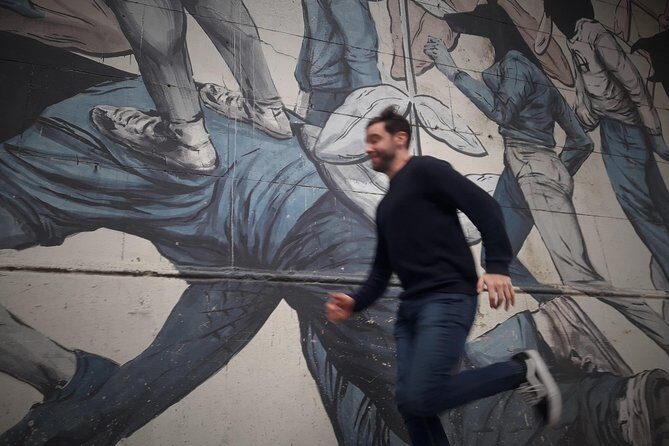
Then comes the big one: the world’s largest street mural by Alfredo Segatori, also known as Pelado. This piece spans three buildings, and it’s described as a masterwork—so yes, it’s huge. In the Barracas area you’ll also hear about a related work called El Regreso de Quinquela, which was once the longest mural painted by one person (and is noted as the longest in Argentina now).
Here’s why this matters for your experience: seeing a mural this large changes your sense of what street art can do. It’s not small-tag energy. It’s city-scale design that still lives inside the street world, not outside it.
The tour also doesn’t stop at one famous name. You’ll look at collaborative mural work tied to the Styles Street Art Convention, plus pieces by artists including Pum Pum, Mart, Pol Corona, and Martin Ron. This variety is a big part of the value: you get to compare styles and messages without feeling like you’re only chasing a single landmark.
La Boca: getting the story behind the painted buildings
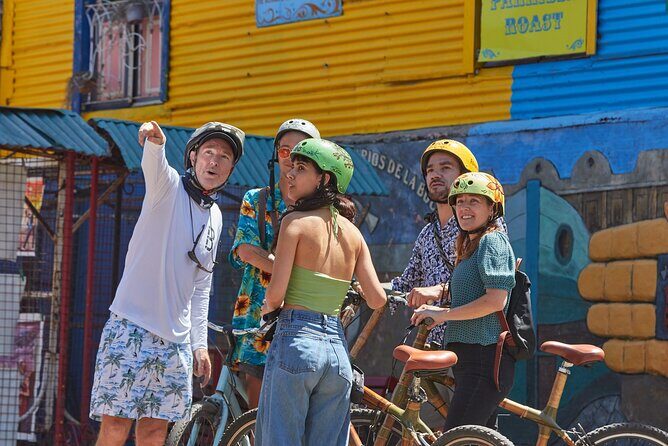
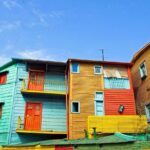
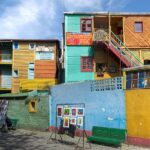
Next you move into La Boca, the neighborhood tied to working-class history and Italian roots, plus the emotional gravity of Boca Juniors. The tour explains why this area became known for its colorful surfaces and mural culture, and it also connects the energy to events like Color BA (named on the tour as a festival that happens in the area).
You’ll check out several murals and street art around the original La Boca neighborhood. This portion is where you’ll feel the tour’s social angle most strongly: the walls don’t just look good; they communicate local identity.
One highlight here is a stop focused on a street-art technique called Stealth Stencil, plus a chance to sample a local drink that’s described as a favorite among Argentines. This isn’t a “sit and be served” moment. It’s more like a small cultural breather—taste something local, then keep moving while the neighborhood is still in front of you.
You can also read our reviews of more private tours in Buenos Aires


Design district stops: Metropolitan Design Center and Cooperativa Vieytes
After the traditional art-heavy stops, the tour leans into a modern Buenos Aires angle: design and creative industry spaces. You’ll explore areas tied to contemporary design, including the Metropolitan Design Center and Cooperativa Vieytes.
Cooperativa Vieytes is described as a collective housed in a former ice cream factory, with a symbolic mural decorating the space. That detail is more than trivia. It’s part of the message of the tour: street art and creative work in Buenos Aires aren’t isolated hobbies. They’re connected to production spaces, communities, and how art gets organized.
If you like the bridge between street art and “serious” creative work, this segment is a smart inclusion. It helps you connect the paint on the street to people who make, collect, and coordinate creative output.
The ride, the breaks, and why the pacing works
A key detail: you’re not pedaling for four straight hours. You make around eight stops, with breaks to wander on foot, take photos, and sip yerba mate. The tour also includes bottled water and snacks, and you get a mate pause plus coffee and/or tea.
That pacing is practical in a city like Buenos Aires. Street art is best when you actually slow down enough to notice details—brushwork, layers, how images interact with the building surfaces. If you rush, you miss the good stuff.
You’ll also be in control in a subtle way. Because you’re on bikes, you can move between neighborhoods efficiently. But because you keep stopping, it doesn’t feel like a bus tour where everything blurs together.
Safety and comfort: what you should realistically expect
This tour is designed for people who feel comfortable biking in an urban setting and exploring areas that aren’t the usual tourist lanes. That’s not just marketing language—your route includes backstreets and busier thoroughfares.
In the positive side, multiple past riders described feeling safe with the guide while moving through different parts of the city. The guide’s job is partly logistics and partly confidence-building: if you’re unsure, you’ll get riding tips up front.
On the practical side, here’s what to watch: one review noted the bikes could use a little more maintenance, even though they still did the job. My advice is simple—when you start, ask to confirm your seat height and brakes feel solid. Then, if anything feels off, mention it immediately before you get into traffic stretches.
If you’re the type who gets anxious in moving-city traffic, you might want to consider an easier city route first. But if you’re comfortable riding and you can stay focused, this tour is a very good match.
Price and value: what $115 buys you in Buenos Aires
At $115 per person for about 4 hours, you’re paying for two things: bike-guided access to multiple neighborhoods and an interpretive guide who explains the art’s meaning. Street art tours can be cheap when they’re just a walking loop. This one isn’t. The bike piece is what earns the money.
You also get a bundle of real costs that add up on your own: bicycle and helmet use, bottled water, snacks, and a mate stop (plus coffee and/or tea). There’s also an option for e-bikes for an extra fee, which can make the whole experience more comfortable if your legs need a break.
The tour is private—meaning it’s just your group. That matters. In a street art experience, your guide can pace the stops to your interests and photography style, instead of forcing everyone through the same tight timeline.
Booked about 20 days in advance on average, which is a sign this isn’t an obscure niche. If you care about timing, plan ahead rather than assuming you can book late.
Who this tour suits best
This is ideal if you want Buenos Aires that feels lived-in, not staged. It’s also a strong choice if you like art that has a point of view. You’ll get a mix of large murals, smaller technique work, and creative-community spaces—so you’re not stuck in one art style or one neighborhood mood.
It also fits well if you’re doing Buenos Aires for a short stay and want to “front-load” your city understanding. One person even recommended doing it early in the trip so you come away with both street art knowledge and practical suggestions for what to do next.
Booking call: should you do this hidden urban art bike tour?
Book it if:
- You’ll be comfortable biking in a city and you want neighborhoods like La Boca and Barracas, not just the postcard route.
- You like street art that connects to real stories—sports, politics, and community life.
- You want a guided plan that still leaves room for wandering, photos, and mate.
Skip it (or choose another style of tour) if:
- You’re not confident in urban cycling or you’d rather avoid non-touristy streets.
- You hate the idea of short rides between stops and prefer only walking.
If you meet those comfort requirements, I think this is one of the best “day-shaping” experiences in Buenos Aires—half art tour, half city education, with a fun pace that makes the murals feel part of the place, not pasted onto it.
FAQ
How long is the Private Off the Beaten Path Hidden Urban Art Bike Tour?
The tour lasts about 4 hours.
Where does the tour start and end?
The meeting point is Balcarce 1016, C1064 San Telmo, Cdad. Autónoma de Buenos Aires. The tour ends back at the meeting point.
Is this a private tour?
Yes. Only your group participates.
What’s included in the price?
Included are local taxes, bicycle use, helmet use, an English/Spanish speaking guide, bottled water, snacks, and coffee and/or a yerba mate stop.
Is an e-bike available?
Yes, an e-bike is available for an extra fee (optional).
Do I need to be comfortable biking in Buenos Aires traffic?
Yes. The tour requires a good level of comfort biking in an urban setting and riding through non-touristy areas.
What time of day does the tour run?
It meets in the early afternoon in San Telmo.
What if plans change close to the start date?
You can cancel for a full refund up to 24 hours in advance. If you cancel less than 24 hours before the start time, the amount paid is not refunded.