REVIEW · MENDOZA
Mendoza: Mt. Aconcagua Confluencia Camp Trekking
Book on GetYourGuide →Operated by Destino Montaña · Bookable on GetYourGuide
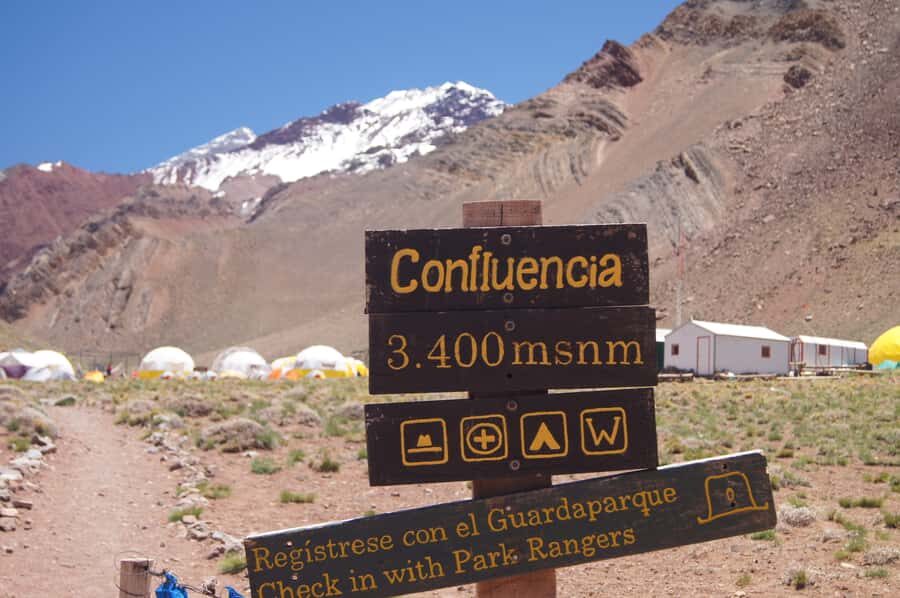
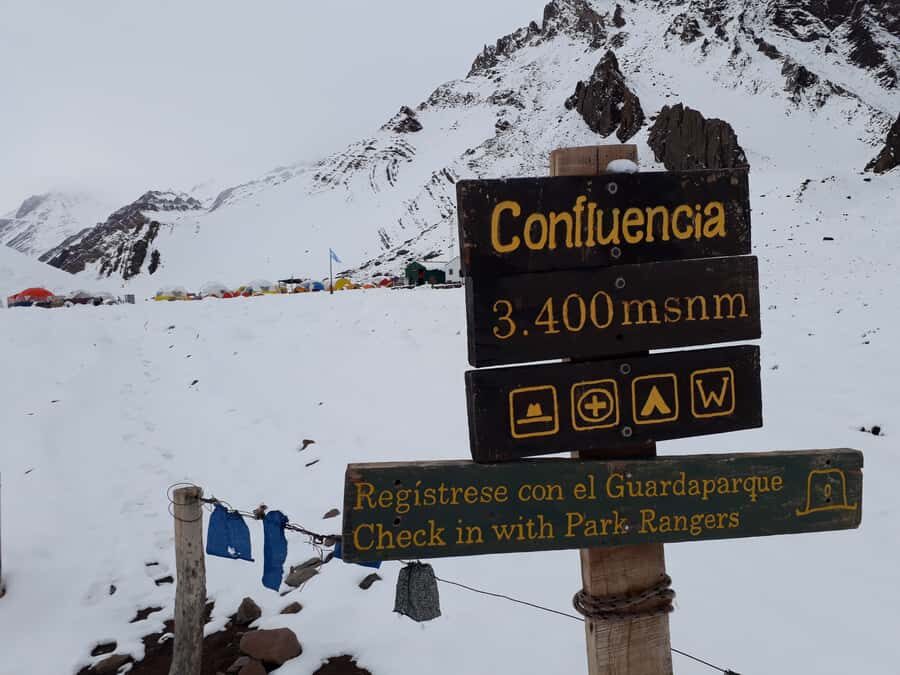
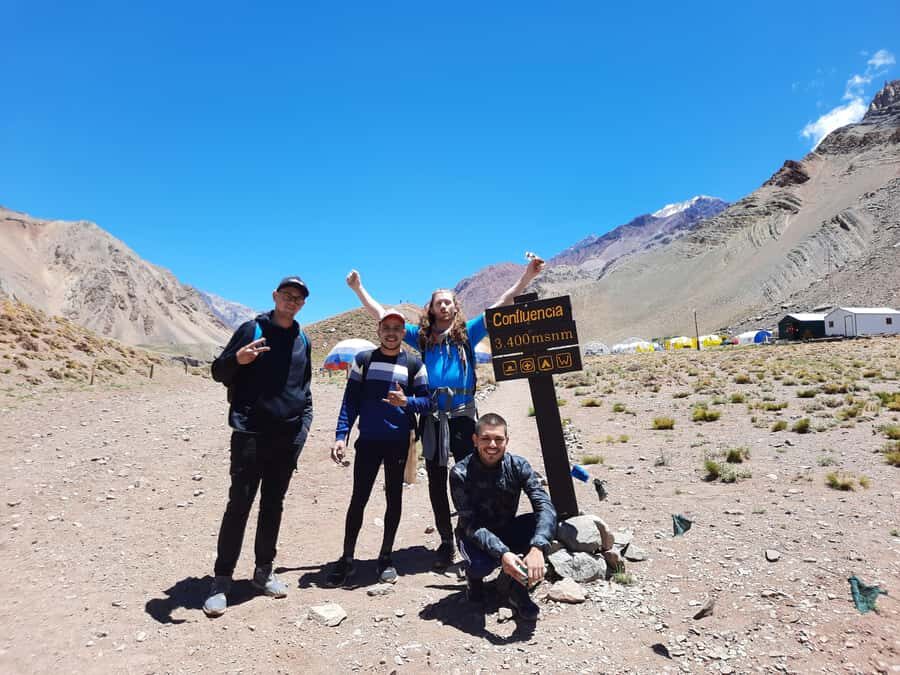
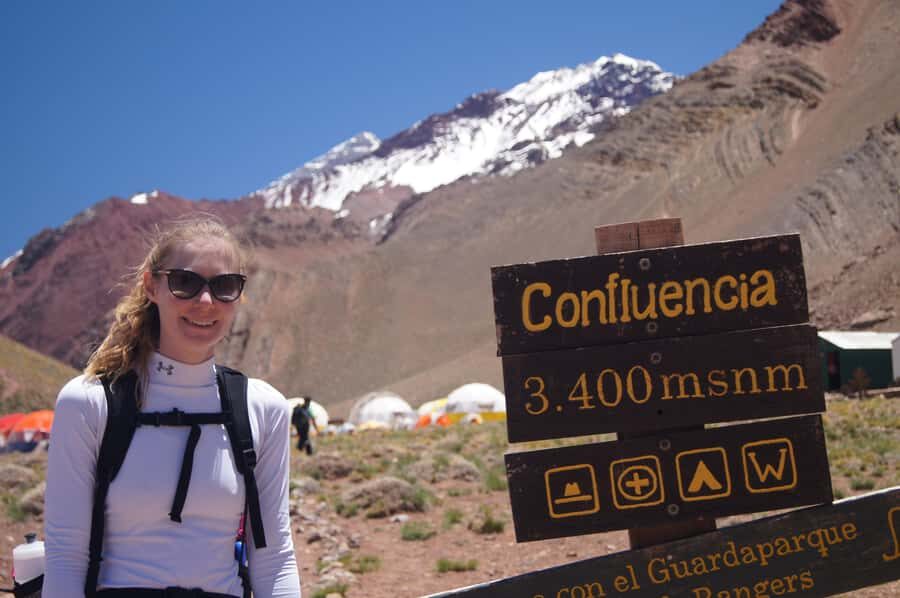
Early starts have payoff here. This one-day Mt. Aconcagua Confluencia Camp trek in Mendoza Province takes you along one of the best-known routes, built around a real mountain day with a bilingual professional guide and services handled end to end. The big win is the hike itself: you’ll climb into the Aconcagua world, reaching the Confluencia area at about 3,400 meters where hundreds of mountaineers aim for bigger goals.
Two things I really like about this experience are the focus on a clear, challenging route (not a casual stroll), and the way the guiding shows up in the details—tight pacing, explanations, and calm support. The main drawback to consider is that this is an altitude day with a high walking workload, and the Aconcagua park entrance fee is not included, so you need to pay it the day before in person.
In This Review
- Key points to know before you go
- Why Confluencia is the Aconcagua warm-up you actually feel
- Getting to the trailhead: Cacheuta, Potrerillos, Uspallata, Puente del Inca
- The hike to Confluencia Camp: what 3,000–3,400 m really means
- Your guide and small-group setup: pacing, explanations, and names to remember
- Food, safety, and included services that matter at altitude
- Price and logistics: where costs can surprise you
- Who should book this one-day Aconcagua hike (and who should skip it)
- Should you book this trek to Confluencia?
- FAQ
- How long is the Mt. Aconcagua Confluencia Camp trek?
- Where can I get picked up in Mendoza?
- Is the Aconcagua park entrance fee included?
- What languages are the guides?
- What should I bring?
- Is this trek suitable for people with medical conditions?
Key points to know before you go
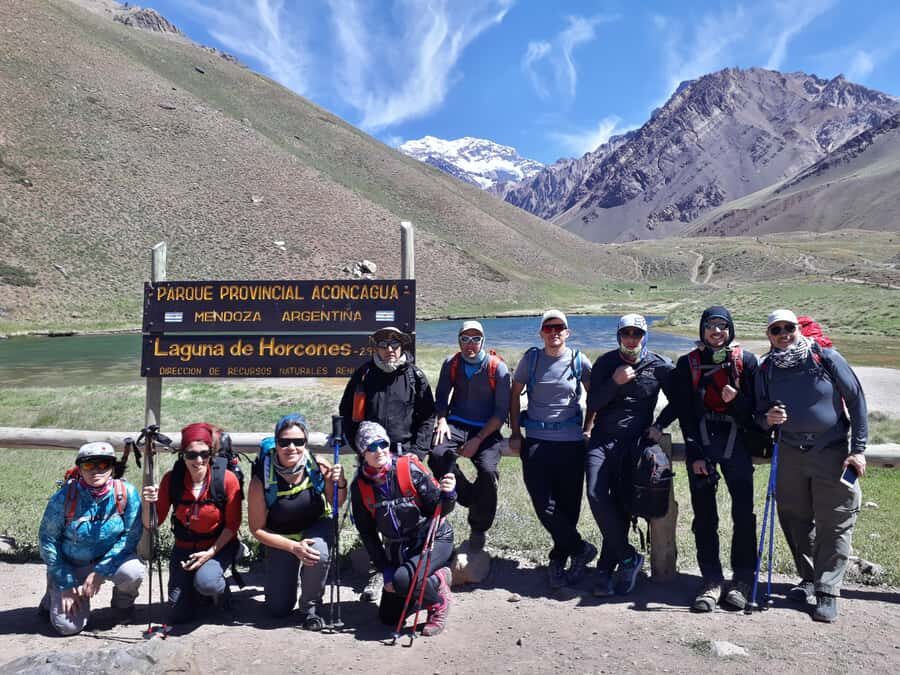
- A one-day push to Confluencia (about 3,400 m): You get the feel of Aconcagua without needing a multi-day expedition.
- A route with famous stops on the drive: Cacheuta, Potrerillos Dam, Uspallata, and Puente del Inca can all be part of your scenic transfer.
- Real mountain pacing from trained staff: Guides are praised for adjusting rhythm and watching every detail.
- Included food for high altitude effort: Snacks plus a box-lunch picnic style meal keep you fueled on the move.
- Small group size: Limited to 10 participants, which usually means more attention and smoother logistics.
Why Confluencia is the Aconcagua warm-up you actually feel
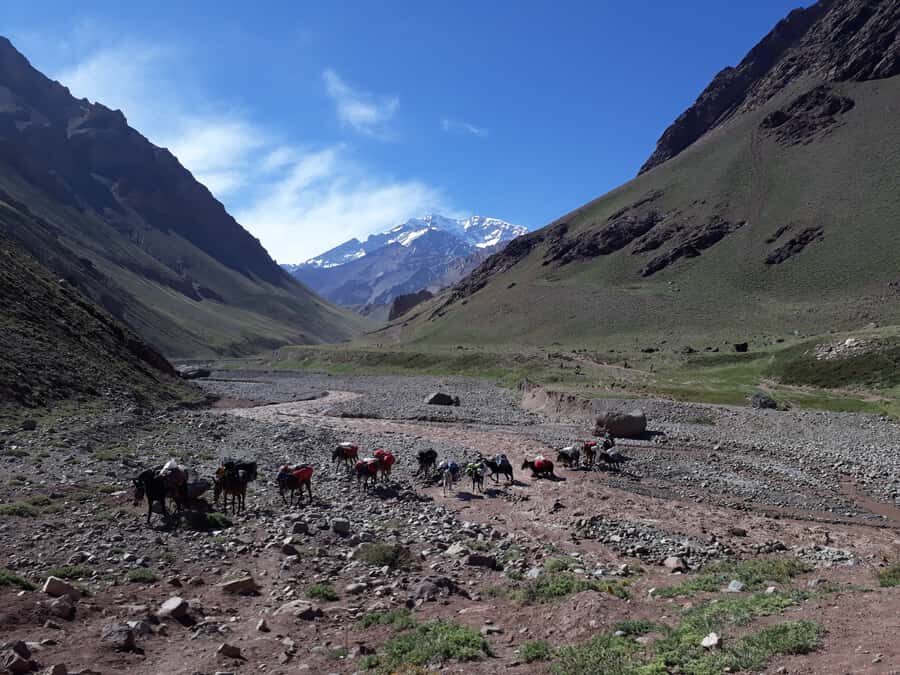
If you want Aconcagua without committing to the summit grind, the Confluencia route is a smart target. You’re not just looking at mountains from a bus window—you’re walking into a mountaineering world where altitude becomes part of your pace, your breathing, and your decision-making.
What makes this day special is the way the trek connects “famous Aconcagua route” energy with a manageable one-day format. You spend time hiking between roughly 3,000 and 3,400 meters, which is exactly the kind of altitude window that teaches you how your body behaves high up. It’s moderate-to-high effort, but it’s built for a day on your feet rather than a marathon of days in base camp.
The other reason I’d pick this over a random hike is the human component. In the guide feedback, names like Martín and Pablo show up with the same pattern: they’re described as attentive, encouraging, and focused on pacing—so you’re not left “figure it out” in thin air. That matters because on Aconcagua approaches, comfort comes from consistency, not heroics.
You can also read our reviews of more hiking tours in Mendoza
Getting to the trailhead: Cacheuta, Potrerillos, Uspallata, Puente del Inca
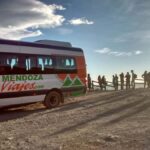
This isn’t a hike where you sprint straight from town to trail. You start early and you get a scenic transfer that helps the day feel like a proper mountain trip, not just a ticketed walk.
Your pickup is available from multiple areas in Mendoza, including Godoy Cruz, Luján de Cuyo, Guaymallén, Maipú, and Mendoza itself. You’ll also be dropped back in the Mendoza area after the trek (drop-off locations include Mendoza, Maipú, Godoy Cruz, Guaymallén, and Luján de Cuyo). If you’re staying farther out, note that pickup is included for Mendoza, and it’s not meant for places more than 20 km beyond the city.
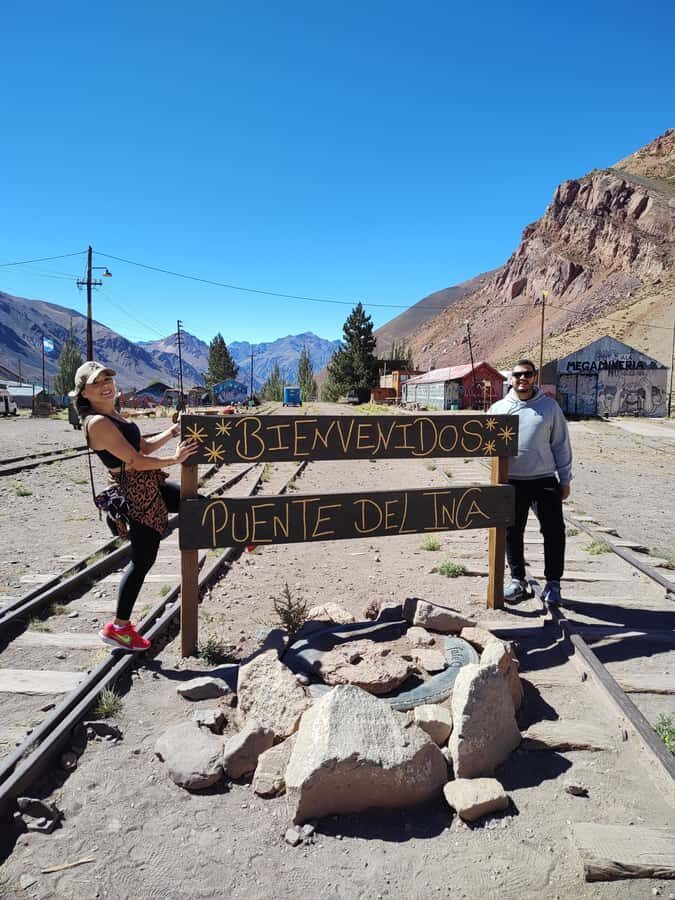
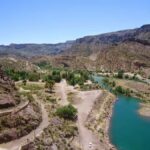
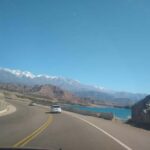
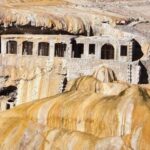
On the drive, you can pass iconic viewpoints and stops such as Cacheuta, Potrerillos Dam, Uspallata, and Puente del Inca (Inca Bridge). Even if you’ve seen photos online, the value here is in the order of things: it frames the region before your body meets the altitude. You arrive with the day already “clicking” in your mind.
The hike to Confluencia Camp: what 3,000–3,400 m really means
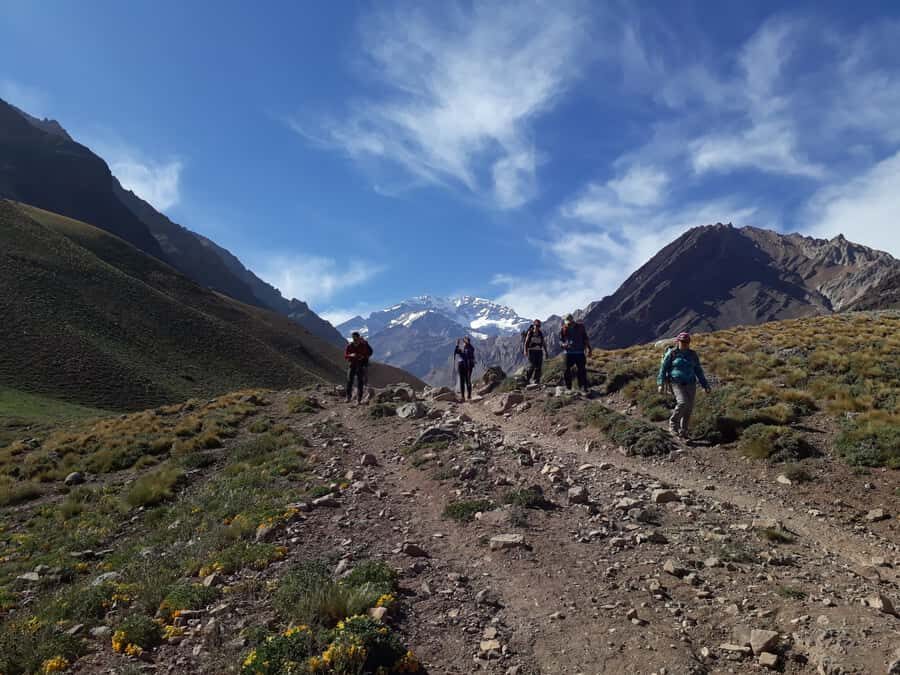
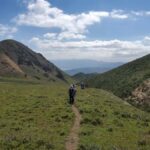
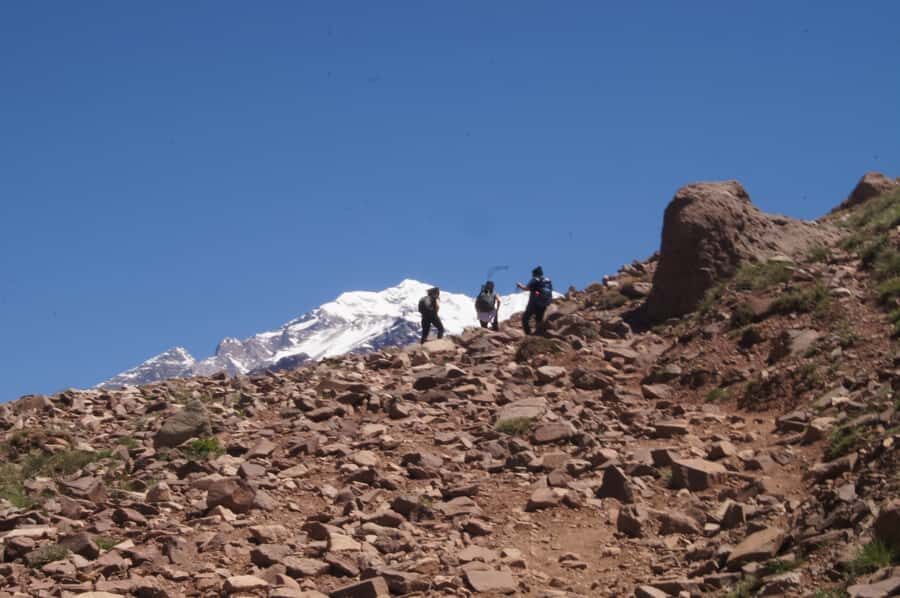
The core plan is straightforward: hike to Confluencia camp, the place where many mountaineers camp during their larger attempts. The route is often described as one of the most famous Aconcagua walks, and the day is built around a sustained effort rather than a couple of photo stops.
Expect around 6 hours of hiking as part of the itinerary, with the overall hiking time described as roughly 8 hours of walking effort. Either way, the point is the same: you’re outdoors for a long stretch, and you’ll move between altitudes that make every decision feel bigger—slower steps, more water attention, and a steady pace.
At this altitude, the big practical move is pacing. The guides (you’ll see this in the feedback tied to Martín, Pablo, Matías, Sol, Fernando, and others) are praised for keeping groups in sync and for explaining what’s happening in the park and on the route. Translation: you’re less likely to burn out early because someone is watching the group rhythm, not just counting minutes.
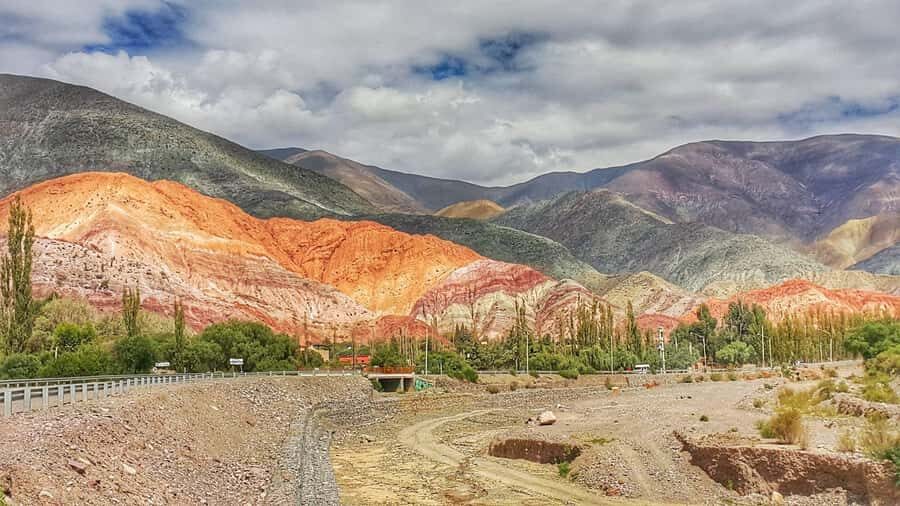
What about the view payoff? The day is described as scenery that hits you step after step—because you’re gaining elevation and moving through a route that mountaineers recognize. And since Confluencia is a camp area, it has that special feeling of being near people who are seriously focused. You’re not alone in the goal mindset.
Your guide and small-group setup: pacing, explanations, and names to remember
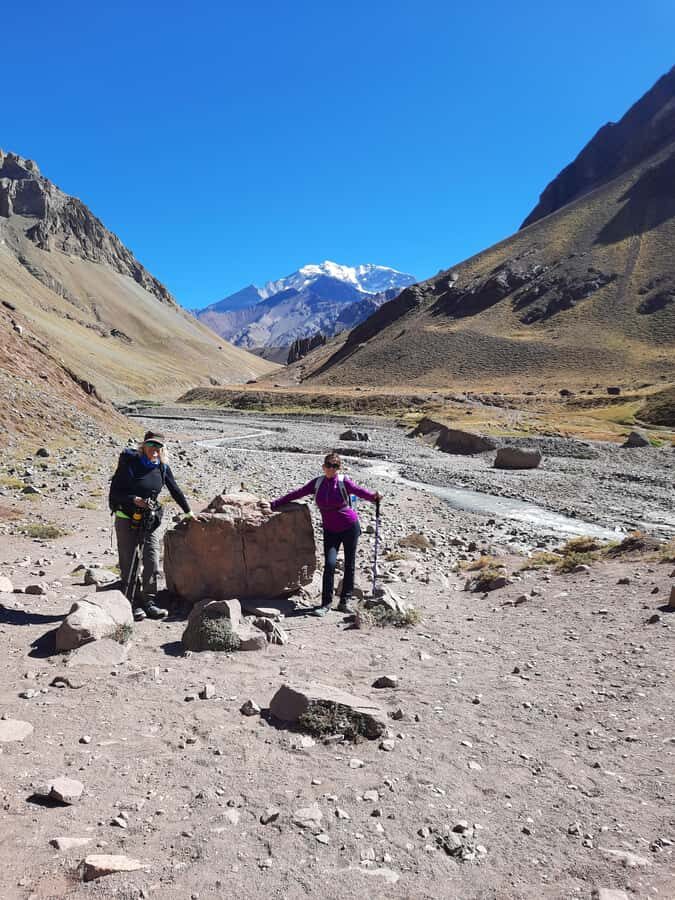
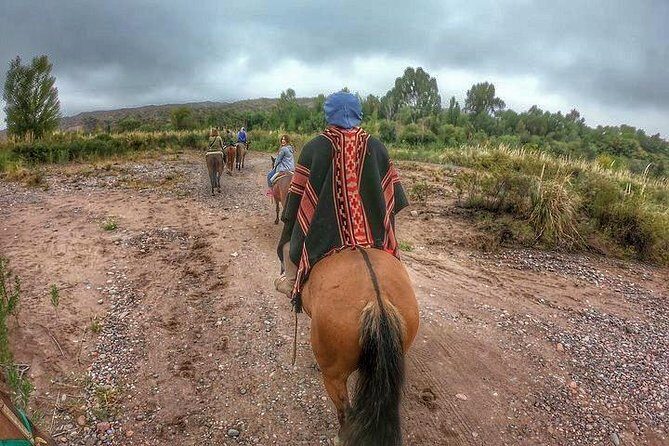
This trek shines when it’s run like a guided mountain day, not a bus tour. The tour includes a bilingual professional guide (English and Spanish) plus first-aid trained staff. With a small group capped at 10 participants, it’s typically easier for the guide to adjust pacing for different bodies and comfort levels.
In the guide praise, certain names keep coming up with very specific reasons:
- Martín is noted for being attentive to details and adjusting to the group’s pace, turning it into a more personalized experience.
- Pablo is described as friendly and motivating, with strong knowledge of the area and smooth pacing through the hike.
- Sol is praised for being attentive and knowledgeable.
- Matías shares facts about Aconcagua and the park, and even the lunch gets called out as more generous than expected for high altitude effort.
- Fernando is simply called amazing.
- Vanina is described as a real mountain guide, including taking care of lunch in Confluencia.
Also pay attention to the group size note in the feedback. One smaller group size (4 people total including the guide) is specifically called out as perfect—so if you like having more one-on-one guidance, this format tends to deliver.
If you’re the type of traveler who likes learning as you go—why you’re walking where you are, what you’re seeing, and how high-altitude hiking works—this is the right style.
Food, safety, and included services that matter at altitude
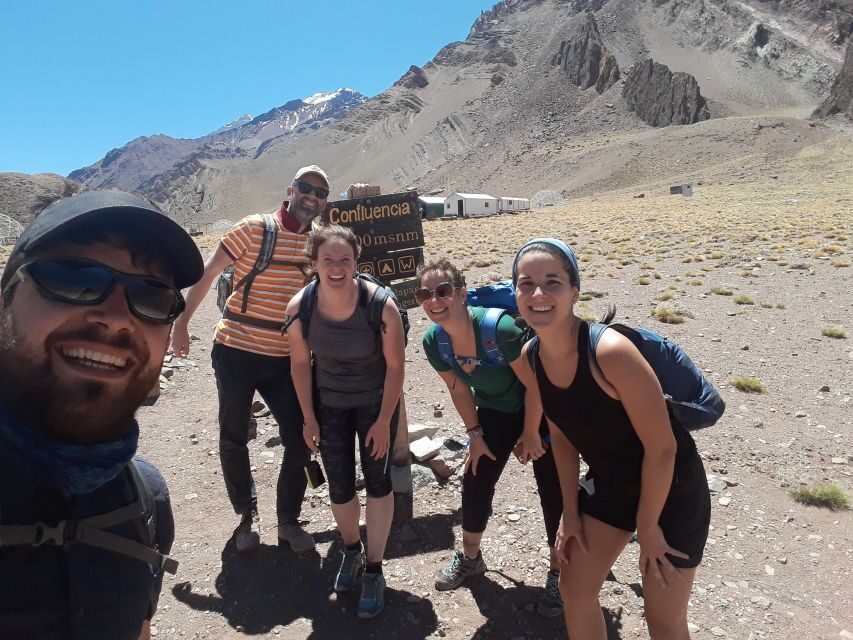
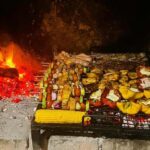
The included setup is designed around a high-effort day. You get transportation from Mendoza, plus snacks and a box lunch picnic-style. That sounds basic, but at altitude it’s not. Consistent small fuel helps keep energy steady and makes the walking feel more controlled.
You also get staff trained in first aid, which is a real comfort item on a day that involves altitude and long hours on foot. Just as important: the tour’s structure keeps you from having to coordinate gear, navigation, and logistics on your own.
Dietary options are available, but the exact range isn’t listed here—so if you have specific needs, plan to communicate them ahead of time when you reserve.
One more “practical comfort” point: since evacuation or rescue costs are not included, think of this as a guided hike with professional support, not an all-risk insurance policy. If you’re asking whether this is safe for your situation, the tour already signals who should skip it—especially people with heart problems, serious medical conditions, back problems, or pregnancy.
Price and logistics: where costs can surprise you
The price is listed as $465 per group (with the amount shown as up to 1 participant), while the tour itself caps at 10. In real-life terms, that means value depends on how full your group becomes. If your group is small, the per-person cost can be higher. If you’re going during a busier season, you may get better value.
Here’s the cost piece you can control to avoid surprises: the Aconcagua entrance fee is not included. You’ll need to pay it the day before in person. That’s the kind of detail that can throw off first-timers, especially if your arrival timing is tight. Build a little buffer into your schedule.
What else is not included? Personal gear, additional meals beyond the box lunch and snacks, and evacuation/rescue costs. Your best move is to bring proper trekking gear and plan for a long day out of the house. Even if you’re fit, altitude days punish mistakes like underpacking layers or forgetting basic hiking essentials.
Finally, pick your pickup spot carefully. Pickup is included in the Mendoza areas listed, and the tour notes that it’s not for pickups more than 20 km away from Mendoza City. If you’re staying just outside the covered radius, you may need to arrange a workaround.
Who should book this one-day Aconcagua hike (and who should skip it)
This trek is aimed at people in excellent physical condition and who want a moderate-to-high challenge. The day is described as an early start plus long hiking time between 3,000 and 3,400 meters. If you’ve never hiked at altitude, treat this as a learning day, not an ego test.
It’s recommended for people who are comfortable hiking for hours with sustained effort and who can handle the idea of breathing differently as you gain elevation. If you’re the kind of traveler who likes a structured day with a guide adjusting pace, you’ll fit right in.
It is not suitable for:
- Pregnant women
- People with back problems
- People with heart problems
- Wheelchair users
Also, it’s not recommended for participants with heart complaints or other serious medical conditions. That’s not just a formality—altitude + sustained walking is a real demand on the body. If you have any doubt, talk to a clinician before you book.
If you love mountains but want less risk than a summit attempt, Confluencia is an excellent compromise. You get the Aconcagua atmosphere, the learning, and the satisfaction of a meaningful hike without signing up for a bigger expedition schedule.
Should you book this trek to Confluencia?
Book it if you want a true mountain day with guided support, a route that’s closely tied to Aconcagua mountaineering culture, and a clear one-day goal. The small-group limit helps, and the included snacks plus picnic-style lunch make it easier to focus on hiking instead of logistics.
Don’t book it if your body can’t handle long walking at altitude, or if you fall into the clearly listed no-go categories like heart conditions, back problems, pregnancy, or mobility limitations. And don’t book it last-minute if you’re the type who forgets administrative steps, because you still need to pay the park entrance fee the day before in person.
One smart way to decide: ask yourself whether you want Aconcagua as a hike experience or as a summit campaign. If you want the hike experience—with guidance, pacing, and a memorable finish at Confluencia—this is a strong match.
FAQ
How long is the Mt. Aconcagua Confluencia Camp trek?
The total duration is listed as 12 hours, with the hiking portion described as about 6 hours and the overall walking effort described as a moderate challenge.
Where can I get picked up in Mendoza?
Pickup is included from Mendoza-area locations such as Godoy Cruz, Luján de Cuyo, Guaymallén, Maipú, and Mendoza (you should state your pickup location when booking).
Is the Aconcagua park entrance fee included?
No. The Aconcagua entrance fee is not included, and it must be paid the day before in person.
What languages are the guides?
The tour includes a live guide in Spanish and English.
What should I bring?
You should bring your passport and trekking gear.
Is this trek suitable for people with medical conditions?
It is not recommended for participants with heart complaints or other serious medical conditions, and it is not suitable for pregnant women, people with back problems, or people with heart problems. Wheelchair users are also not suitable.