REVIEW · USHUAIA
Ushuaia: Beagle Channel Catamaran Tour
Book on GetYourGuide →Operated by Pingüinos Expediciones · Bookable on GetYourGuide
A few hours on the Beagle Channel changes your pace. You’ll cruise in a heated catamaran with close-to-shore wildlife viewing, then step onto land for a short panoramic walk toward city-and-mountains views. My kind of “end of the world” outing, fast and scenic. One thing to note: there’s an optional on-board photo service, and some passengers find the photographers pushy about taking space for shots.
I also like the way the experience is built around the channel itself—how the islands sit in the water and how the guide explains what you’re seeing as you pass. It’s also practical: you can stay comfortable inside, then head to the deck when you want open-air photos.
If the weather turns ugly, the short hike at the viewpoint may be limited or skipped, but the boat stops and wildlife viewing still make the trip worth it.
Key highlights to know before you go
- Les Eclaireurs Lighthouse stop for a classic Beagle Channel sight
- Shore-level approaches to Sea Lion Island and Cormorant Island
- Bridges Island viewpoint walk (weather-dependent) over Ushuaia and the mountains
- Enclosed, heated catamarans plus an option to step out on deck
- Spanish/English bilingual guide so you don’t miss the context behind the scenery
In This Review
- First impressions: a heated catamaran for a cold-water adventure
- Meeting point and what you’re really buying for $78
- The Beagle Channel sailing: how the captain’s timing changes everything
- Les Eclaireurs Lighthouse: the classic photo stop with real context
- Sea Lion Island: the closest you’ll get to “wild” without danger
- Cormorant Island: smaller movement, sharp details
- Bridges Island and the short viewpoint walk: best effort, weather decides
- Inside vs. deck: how to dress so you’re comfortable the whole time
- The one real downside: photo service pressure
- Crew care and seasickness reality check
- Who should book this catamaran tour (and who might skip it)
- Should you book? My straight answer
- FAQ
- FAQ
- How long is the tour?
- Where does the tour start and end?
- What islands are visited on the Beagle Channel tour?
- Is there a hike during the tour?
- Are meals included?
- Does the tour include transportation to the port?
- What languages does the guide speak?
- Is the catamaran heated?
- Is the tour wheelchair accessible?
- What’s the cancellation and timing rule?
First impressions: a heated catamaran for a cold-water adventure
Ushuaia is where you go when you want big skies, real water, and a feeling of being at the edge of the map. This tour gives you that without demanding heroic preparation. The catamaran is enclosed and heated, so you’re not stuck shivering for the entire ride.
Then, when you want the best angles, you can go out to the deck. That simple option matters. Inside is warmer and steadier for photos through glass-free air. Outside is where you’ll really notice the wind, the spray, and how close the islands come to the boat.
The tour runs about 150 minutes total. The main cruising time is listed as around 3 hours on the water, so expect a schedule that feels like a half-day outing even if it’s shorter than many day tours.
Meeting point and what you’re really buying for $78
The start is Av. Prefectura Naval Argentina 410. The good news: you don’t have to figure out a mystery shuttle system from some remote corner. You start and return to the same place.
For the price (about $78 per person), you’re mostly paying for three things:
1) a comfortable catamaran ride through the Beagle Channel,
2) multiple island stops with wildlife viewing,
3) a bilingual guide who frames what you’re seeing so it’s not just “pretty water.”
Food is not included, and transportation to the port is not included either. So if you’re hungry, plan ahead. If you’re taking the local transit or a taxi, also plan a little buffer time so you’re not arriving already stressed.
You can also read our reviews of more boat tours in Ushuaia

The Beagle Channel sailing: how the captain’s timing changes everything
Once underway, the trip becomes all about rhythm: slow approach, shoreline viewing, then movement again before wildlife drifts out of view. That’s exactly what you want in a place where animals don’t hold still on a timetable.
The boat approaches the islands closely enough for you to see marine life in their natural setting. You’re not watching nature from far away. You’re watching it from the water’s edge, with the channel doing what it does—moving things around, changing light, and making every minute feel a bit different.
If conditions are choppy, you’ll notice it right away. What helps here is that you can choose your comfort level: stay inside and let the heating do its job, or step onto the deck for the full feel. Some passengers also shared that the crew checks in after the return and offers tips if you’re prone to motion sickness—useful, because the Drake Passage this is not, but the Channel can still rock.
Les Eclaireurs Lighthouse: the classic photo stop with real context
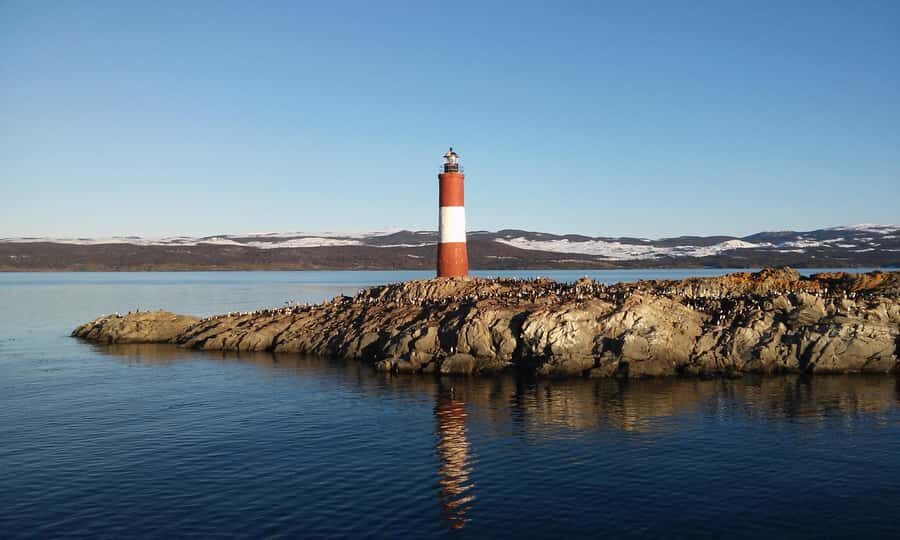
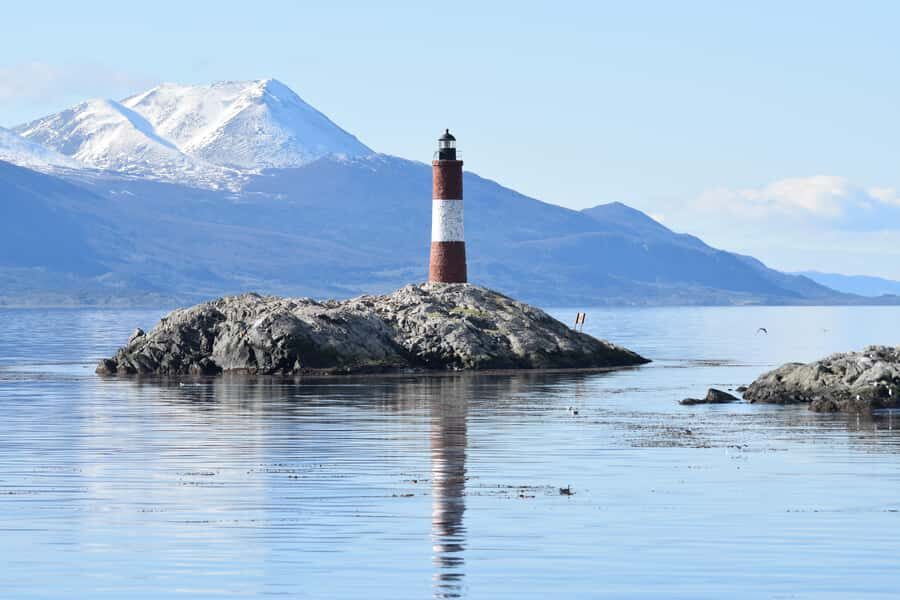
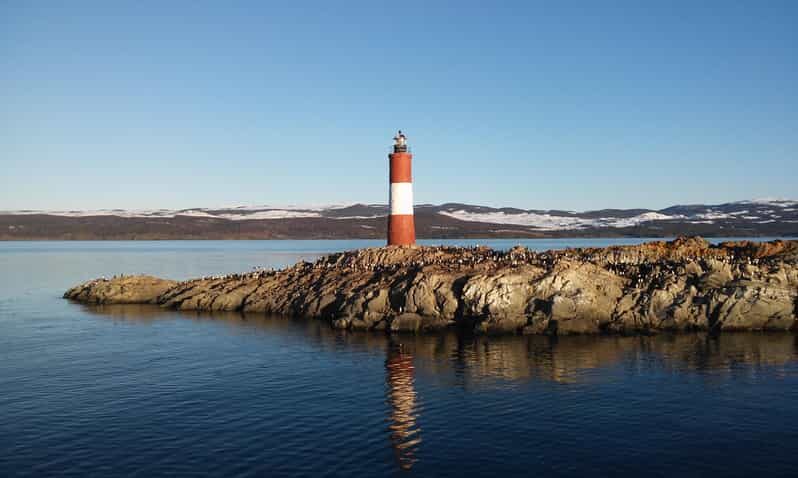
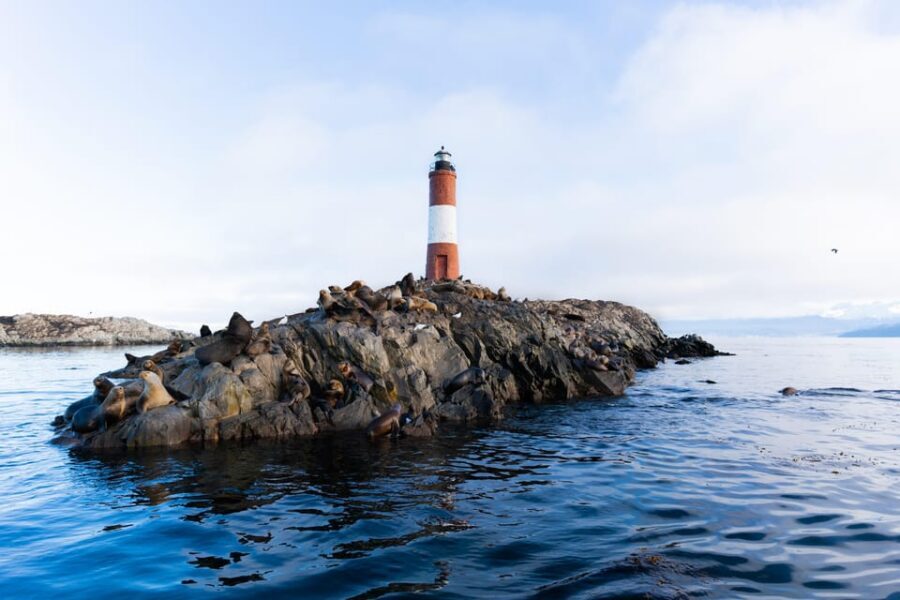
One of the named stops is Les Eclaireurs Lighthouse. This is one of those iconic sights where the postcard version is only part of the story. Up close, you’ll see how the lighthouse fits into the geography—set against cold water and island outlines that make navigation here feel like both work and survival.
The guide’s job matters at this point. A lighthouse is just a tower if nobody explains why it sits where it does and what sailors needed from it. With the bilingual guide on board, you can follow along in Spanish or English and connect the dots between the channel’s layout and its maritime history.
Practical tip: if you care about photos, keep an eye on the light changes. The Channel can flip from flat-gray to bright reflectance quickly, and you’ll want your best shots during those clearer moments.
Sea Lion Island: the closest you’ll get to “wild” without danger
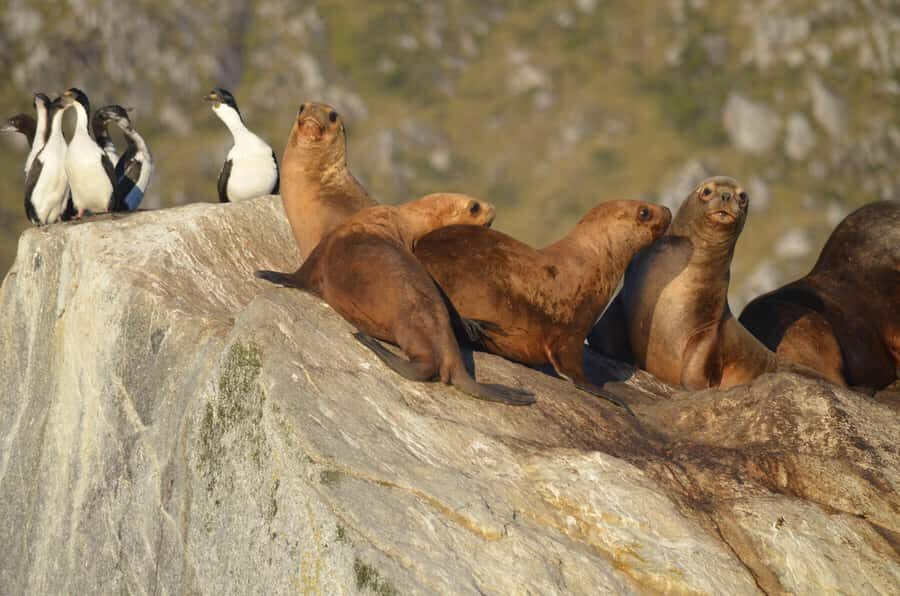
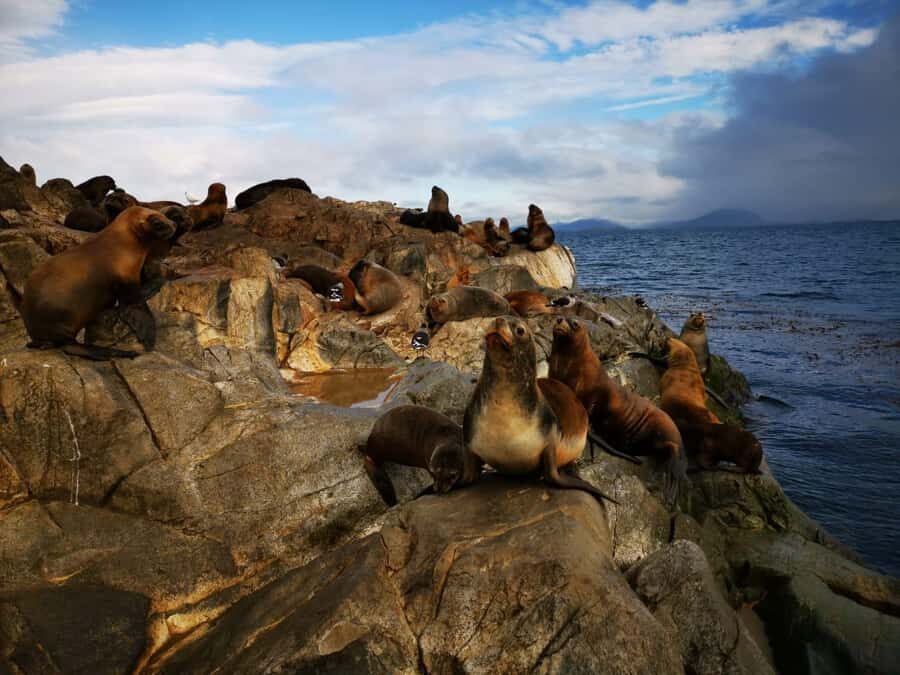
After the lighthouse, the itinerary includes Sea Lion Island. This is the stop most people think of when they picture the Beagle Channel. The big payoff is simple: the boat approaches the shore, so you can see sea lions as active animals, not just distant shapes.
When animals are right there, you also understand why these islands matter to them. The shoreline is a feeding-and-resting space, and you get a better sense of how the channel supports their routine.
What to do on this stop:
- stay alert and watch where the animals surface,
- don’t just stare at the brightest spot—scan along the shoreline where movement appears,
- be ready to shift your angle as the boat adjusts.
This is also where a guide helps again, because you’ll get explanations about the wildlife you’re seeing, not just a list of names.
Cormorant Island: smaller movement, sharp details
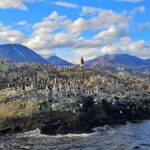
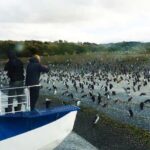
Next comes Cormorant Island. Cormorants can be harder to “read” at first than loud, obvious sea lions. But once you start noticing their posture—where they sit, how they angle their bodies, how they react to the boat—you’ll get into the rhythm.
This stop is valuable because it makes the trip feel balanced. If every island visit were only one kind of animal, you’d miss the ecological mix that gives the Beagle Channel its character. The cormorants add a different texture: more stillness, more observation, and details you notice when you slow down.
Again, keep your expectations flexible. Wildlife viewing is never guaranteed in the way a museum ticket is. Still, the boat’s approach strategy is built specifically for better sightlines.
You can also read our reviews of more sailing experiences in Ushuaia


Bridges Island and the short viewpoint walk: best effort, weather decides
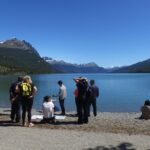
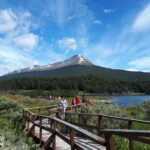
Here’s the part that turns a boat tour into a land moment: at Bridges Island, there’s a landing for a short hike to a viewpoint.
The goal is a panoramic view back toward Ushuaia and the surrounding mountains. And that’s the right kind of reward: you get to connect the water scenery with the city geography.
The catch is also clearly stated: this walk is subject to weather conditions. So if the wind is heavy or visibility is poor, don’t be surprised if the hike is limited. Either way, the viewpoint concept is solid—moving from boat level to elevated sightlines helps you understand the whole area in a single sweep.
If you’re the type who likes to “earn” photos (rather than only standing in place), this stop is for you.
Inside vs. deck: how to dress so you’re comfortable the whole time
Because the boat is enclosed and heated, you don’t need to dress like you’re going on a glacier trek. Still, Ushuaia weather isn’t forgiving, and the deck can feel colder once you step out.
My practical approach for these kinds of rides:
- bring layers you can remove and add quickly,
- wear something warm for your upper body (you’ll notice it most),
- keep a hat or hood option handy for wind.
And when the boat starts moving closer to islands, be ready for moments when the air feels sharper.
The one real downside: photo service pressure
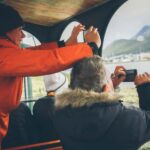
One recurring irritation in the experience is the on-board photo service. People reported that photographers try to take priority during viewing moments and ask passengers to give up seats or space so they can shoot photos.
This doesn’t mean the tour isn’t good. It just means you should go in with eyes open. If you’re hoping for uninterrupted wildlife viewing time, consider this: you may want to keep your spot near the view but also be mentally prepared for brief interruptions when photo staff move around.
My advice: if you dislike pressure, stay inside where you have more control over your seating area and avoid getting boxed in. If you’re okay with it, the rest of the ride can still feel smooth and memorable.
Crew care and seasickness reality check
This is one of those trips where you’ll hear “it depends” about motion and comfort, but you can still take steps. The crew reportedly checks in table by table after the return and gives advice for avoiding seasickness. That simple attention helps more than you’d think, especially if you’re sensitive to boat movement.
A captain who manages waves gently can reduce discomfort, and the navigation matters when the water is agitated. Even with careful driving, some people still get sick. The best mindset: treat it like a boat ride, not a calm lake cruise.
If you know you get motion sick, plan accordingly with your preferred remedy before you get on board.
Who should book this catamaran tour (and who might skip it)
This tour suits you if:
- you want wildlife viewing around multiple islands in one outing,
- you like the idea of lighthouse scenery plus animal watching,
- you enjoy a short walk with a payoff view (when weather allows),
- you prefer comfort—heated interior plus deck access.
You might skip it if:
- you want a long, land-heavy hiking day (this is mostly time on the water),
- you dislike any chance of photo staff moving through your space,
- you’re looking for a food-inclusive experience (cafeteria service exists, but food isn’t included in the listing details you have).
It’s also a great choice for mixed groups: some people enjoy the deck and photos, others stay warm inside with the guide commentary.
Should you book? My straight answer
I’d book this if you’re in Ushuaia and you want your time to feel efficient and “worth the trip.” For the price, you get a heated ride, multiple island stops, and a real viewpoint moment on land. The wildlife focus also makes it more than scenery—there’s always something to watch and learn.
If you’re very sensitive to motion sickness or you hate photo-service interruptions, go in prepared. Choose your comfort spot early, dress in layers, and don’t expect the deck to be the warmest place on the planet. Do that, and this becomes one of the most practical ways to experience the Beagle Channel’s end-of-the-world mood.
FAQ
FAQ
How long is the tour?
The duration is listed as 150 minutes.
Where does the tour start and end?
It starts and returns to Av. Prefectura Naval Argentina 410.
What islands are visited on the Beagle Channel tour?
The tour visits Les Eclaireurs Lighthouse, Sea Lion Island, and Cormorant Island.
Is there a hike during the tour?
Yes. At Bridges Island, there is a landing for a short hike to a viewpoint. It depends on weather conditions.
Are meals included?
No. Food is not included, though cafeteria service is available on board.
Does the tour include transportation to the port?
No. Transportation to the port is not included.
What languages does the guide speak?
The guide is bilingual: Spanish and English.
Is the catamaran heated?
Yes. The catamarans are enclosed and heated, with an option to go out to the deck.
Is the tour wheelchair accessible?
Yes, it is listed as wheelchair accessible.
What’s the cancellation and timing rule?
You can cancel up to 24 hours in advance for a full refund, and a minimum of 24 hours notice is required to take the tour.