REVIEW · BUENOS AIRES
Tour Buenos Aires in one day on Electric Scooters
Book on Viator →Operated by Rollin Argentina · Bookable on Viator
Electric scooters make Buenos Aires click fast. You get an easy, low-effort way to cover about 16 km and learn why Argentines love soccer, barbecue, and their own way with authority. I also love the food rhythm here: mate + alfajor, then chipá + fernet, and you end with choripán at @Chori.
One thing to weigh: you’re riding a scooter for hours, and this isn’t the tour for people who can’t comfortably handle balance on two wheels. The small-group setup (max 9 people) helps, but you still need to be ready to ride confidently after the short practice.
In This Review
- Key points before you go
- Why a Buenos Aires electric scooter day beats the usual loop
- Price and value: what $89 buys you (and why it can work)
- The route rhythm: how the day moves through Buenos Aires
- Stop-by-stop: what you’ll see and the story behind it
- Plaza Estado del Vaticano to Obelisco: starting with culture, then going loud
- Banco Nación and the Corralito: when finance becomes personal
- Centro Cultural Kirchner and Luna Park: culture in motion
- Puente de la Mujer: Calatrava’s bridge and a different kind of Argentina
- Torre Monumental and Malvinas: nicknames, memory, and meaning
- Plaza General San Martín and University of Buenos Aires: protests and access
- Floralis Genérica, Recoleta Cemetery, and the Basilica: beauty with attitude
- Plaza Serrano and @Chori: finish with choripán and beer
- What you’ll snack on: mate, alfajor, fernet, chipá, and choripán
- Scooter handling, safety gear, and who should be cautious
- What the guides do differently (Mike and Rita)
- Weather, timing, and making the day fit your itinerary
- Who this tour is best for
- Should you book the Buenos Aires in One Day Scooter Tour?
- FAQ
- How long is the Buenos Aires in one day electric scooter tour?
- How far will we ride during the tour?
- What’s included in the price?
- What’s the meeting point and the end point?
- What time does the tour start?
- How big is the group?
- Do I need good weather to go?
- Can I cancel for free?
Key points before you go

- 16 km, about 5 hours: a full highlights sweep without turning your feet into hamburger.
- Landmarks with bite-sized context: each stop comes with a story that connects to Argentine life.
- You actually snack: mate, alfajor, chipá, fernet, plus craft beer and choripán at the end.
- Good guide energy matters: both Mike and Rita were praised for mixing clear English explanations with a relaxed vibe.
- Safety gear is provided: helmet and a reflective belt, plus an on-the-ground scooter check before you roll.
Why a Buenos Aires electric scooter day beats the usual loop
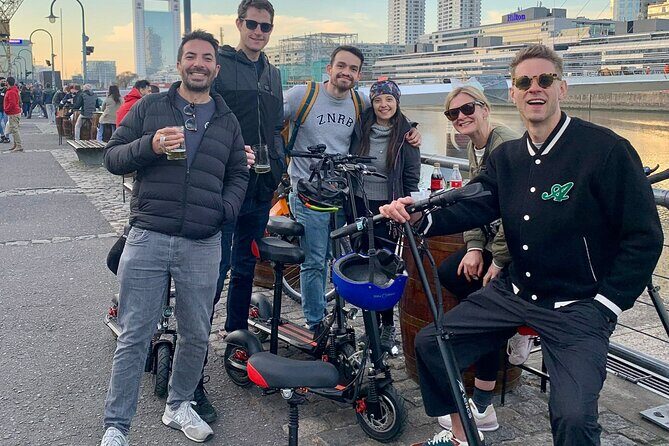
Buenos Aires has this way of rewarding slow wandering… but you also have only so many hours in town. This scooter format solves the problem. You glide between big sights while someone threads the connections for you, so you’re not just collecting photos.
The practical payoff is huge: you cover a long city stretch—about 16 km—without the slow-down of constant stops and re-starts like a bus day. And because the tour is built around frequent, short landmark breaks (often around 10–15 minutes), your brain stays switched on. You see more than you’d get from a straight walking route, yet you still get time to look at details up close.
My favorite part is how the tour uses the city as a lesson. The route moves through places tied to Argentina’s identity—finance shocks, cultural institutions, monuments, and religious sites—then anchors that context with food and drink. In other words: you get stories and tastes, not just one long lecture.
The one caution is physical comfort and balance. The scooter isn’t a problem if you ride bikes well, but if you struggle with two-wheel balance, you’ll feel it. Also, the tour depends on good weather, so a rainy day can change plans.
A few more Buenos Aires tours and experiences worth a look

Price and value: what $89 buys you (and why it can work)
At $89 per person for a 5-hour experience, the headline question is simple: what’s included that usually costs extra?
Here’s what you get that helps justify the price:
- The electric scooter plus helmet and a reflective belt
- Several included tastings: mate, alfajor (including dulce de leche varieties), chipá, Fernet de Branca, and craft beer
- Food you’ll often have to pay for on your own: the tour’s end meal (choripán at @Chori) is part of the experience
- A guided route that connects the sights to Argentine culture, not just locations
Could you do a cheaper self-guided day? Sure. You could also burn more time and spend more energy walking (or take multiple rides to cover the same ground). The value here is the combination of mobility + planned food breaks + interpretation of what you’re looking at.
I’d treat it as a “first big city day” purchase. If you’re trying to orient yourself fast and get comfortable moving around Buenos Aires, this route is a strong option.
The route rhythm: how the day moves through Buenos Aires
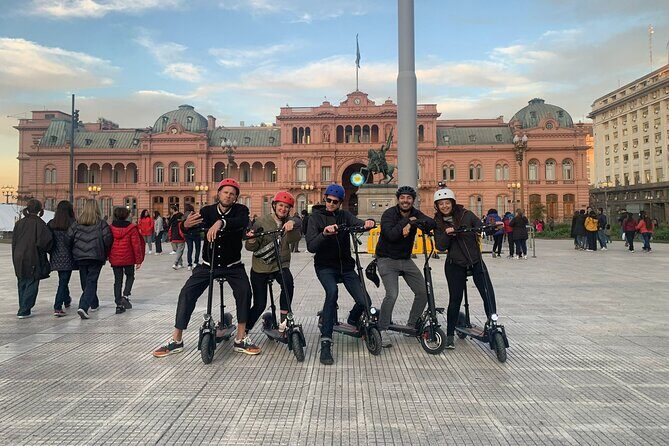
This tour starts at Tres Sargentos 463 (10:00 am) and finishes at Plaza Serrano at @Chori. The route is designed as a steady flow: ride a bit, stop, look, learn, snack, then ride again. That pattern matters. It keeps you from feeling rushed at any single stop while still making real progress across the city.
The total time is listed as about 5 hours, which is realistic for a route with many landmark stops. Most stops are around 10–15 minutes, so you get just enough to understand what you’re seeing and why it’s famous, without getting trapped in long waiting lines.
The ending matters too. You don’t finish at some generic viewpoint. You end in Palermo at Plaza Serrano, where you can keep going after your choripán, craft beer, and final round of Argentine stories.
Stop-by-stop: what you’ll see and the story behind it
Plaza Estado del Vaticano to Obelisco: starting with culture, then going loud
You begin at Plaza Estado del Vaticano, where the tour frames the day as an ecological, fun way to connect with Argentine identity. Right away, you’ll get your first gastronomic hit: mate with alfajor. This is a smart start because it turns the waiting-and-getting-ready phase into something cultural instead.
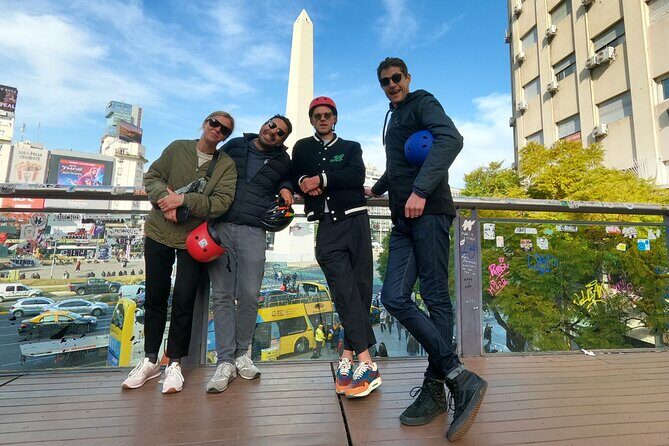
From there, you head to the Obelisco—Buenos Aires’ big “we’re here” statement. It’s quick to visit (about 10 minutes in the plan), but it’s a key anchor. You get a sense of how the city built its modern identity around symbols people recognize instantly.
A few more Buenos Aires tours and experiences worth a look






Banco Nación and the Corralito: when finance becomes personal
Next is Banco de la Nacion Argentina, tied to the question of what the El Corralito was. This is one of the stops where you’ll feel the tour’s emphasis on “roots” of culture. It’s not just a pretty building. You’re given a lens for understanding how economic power and everyday life can collide—especially when institutions affect ordinary people.
Centro Cultural Kirchner and Luna Park: culture in motion
You then pass through Centro Cultural Kirchner (CCK). The stop is short, but it’s themed: culture as a frontline. CCK tends to feel like a city engine—arts, events, and big public attention.
After that comes Luna Park, described in the plan with notes about its records and reputation. This is another quick stop, but it works well with scooters because you’re not stuck inside the venue. You see the facade and get the context, then keep moving.
Puente de la Mujer: Calatrava’s bridge and a different kind of Argentina
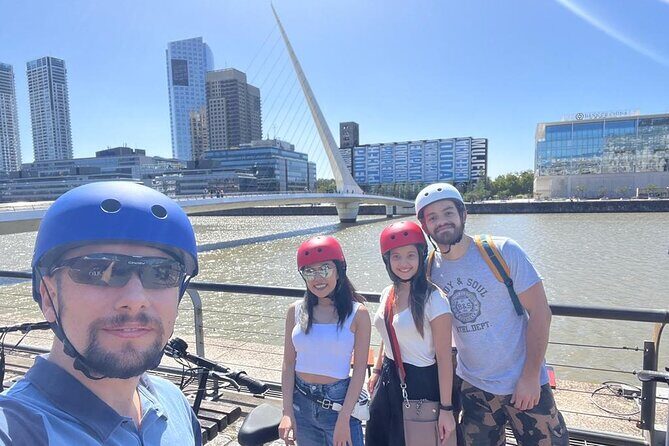
At Puente de la Mujer, you’ll focus on the artist’s message through the bridge design. The plan connects this stop to a taste break with mate again and chocolate alfajor filled with dulce de leche.
This is where the tour shifts from “landmark facts” into mood. The bridge is modern and sculptural, and hearing what the designer intended gives you a way to look at it beyond architecture-as-background.
Torre Monumental and Malvinas: nicknames, memory, and meaning
You continue to Torre Monumental—and it’s framed with a specific local question: Monumental Tower or the Tower of the English? That phrasing signals that the story involves how outsiders influenced Buenos Aires, and how locals remember that influence.
Then you reach Monumento a los Caídos en Malvinas, tied to the Falklands War and Argentina’s victory four years later (as stated in the tour plan). This stop changes the tone of the day. You slow down mentally. You’re looking at a monument that carries national memory.
Plaza General San Martín and University of Buenos Aires: protests and access
Next is Plaza General San Martín, where the tour connects public life to protests and mentions an ILO ranking idea. You’ll also get another snack reset here: Fernet plus chipá.
After that, you head to Facultad de Derecho – Universidad de Buenos Aires, with the theme of being free, quality, and for everyone. Even on a scooter tour, this stop lands because it frames education as a public value, not a gated luxury.
Floralis Genérica, Recoleta Cemetery, and the Basilica: beauty with attitude
You stop at Floralis Genérica, presented with a theme of modernity and resilience. It’s a good “breather” moment. The structure is eye-catching, and it’s the kind of sight that makes your brain stop tracking the route and just look.
Then you reach La Recoleta Cemetery, described as luxury even in death. Whether you go inside or not, Recoleta’s cemetery reputation sets expectations: this is where Buenos Aires shows off its historical ambition.
The route continues to Basilica de Nuestra Señora Del Pilar, framed around faith and the idea of the Pope and God (the tour plan uses the stylized D10S reference). It’s a reminder that Buenos Aires isn’t only politics and food. It’s also devotion and public ritual.
Plaza Serrano and @Chori: finish with choripán and beer
The day ends at Feria Honduras Plaza Serrano, right in Palermo’s scene zone. This is a smart finish because Plaza Serrano is exactly where you’d want to wander after the tour anyway.
You’ll also visit @Chori for the included meal: choripán with chimichurri and Argentine craft beer. If you’re deciding whether the scooter day is worth it, this ending is a strong part of the “yes.” You end hungry-but-happy, not just museum-tired.
What you’ll snack on: mate, alfajor, fernet, chipá, and choripán
Food is not random here. It’s timed like a soundtrack.
- Mate + alfajor at the beginning: mate is the classic Argentine drink-and-social ritual. Alfajor gives you that signature dulce de leche sweetness many people associate with Argentina.
- Chipá + Fernet de Branca later: chipá is a savory cheese bread made from cassava and cheese, and Fernet is the bitter-herb digestif that Argentines talk about like it’s culture on a spoon.
- Chocolate alfajor with dulce de leche at Puente de la Mujer: it’s a dessert moment placed right when you’re looking at a modern landmark.
- Choripán + chimichurri + craft beer at the end: this is the barbecue side of Argentina, delivered in a casual, street-food way.
One practical point: this is not a lunch meal at noon. Lunch is listed as not included. But you will eat multiple tastings, and the final choripán is filling. If you’re a big eater, you might still want to plan a late snack after the tour.
Scooter handling, safety gear, and who should be cautious
The tour includes helmet and a reflective belt. That matters. Buenos Aires streets can be chaotic, and being seen helps you feel safer.
You also have a built-in factor: the activity requires you to know how to ride a bicycle, so balance isn’t optional. During the practice, the seat and setup need to fit your body properly. One review flagged that seat fit issues can make balancing harder, and another person noted knee replacements made it challenging to maintain balance.
So here’s the honest take: if you have mobility limitations, knee issues, or balance problems, you should be careful. You might find scooter seating uncomfortable even if you can walk fine.
If you can ride a bike confidently, this tour tends to work well because the route is built for steady riding between short stops.
What the guides do differently (Mike and Rita)
Small group tours rise or fall on guide style. Here, the names that came up most were Mike and Rita.
What I’d look for in the guide experience, based on the descriptions you were given:
- Clear English explanations at each stop
- A pacing that feels relaxed, not school-like
- Enough confidence-building during the scooter briefing so you feel ready to move
- Historical and cultural context that’s short, usable, and tied to what you’re seeing
One bonus: one review mentioned the vibe worked for a 10-year-old, which tells me the guide approach isn’t only for adults who want facts. If you like explanations that stay human and story-driven, you’ll probably enjoy this format.
Weather, timing, and making the day fit your itinerary
This experience requires good weather. That’s not just a legal note. Scooters and rain don’t mix well, and a damp day can turn “fun and relaxed” into “careful and cold.”
It also starts at 10:00 am. That’s a good time to beat crowds and still have enough afternoon energy to continue exploring afterward—especially since you finish in Plaza Serrano, where the streets invite wandering.
A smart planning move: treat the tour as your “orientation day.” Afterward, you’ll know where things are and what you care about most. You’ll also have a taste map of what to hunt for again.
Who this tour is best for
This is a great match if you want:
- A highlights day without hours of walking
- A mix of landmarks + Argentine culture explained in plain terms
- Multiple included tastings instead of one rushed stop
It’s especially good for first-time Buenos Aires visitors who want an efficient first pass and a fun, social way to learn the basics.
It’s not the best fit if:
- You cannot comfortably ride a bicycle
- You have balance or mobility constraints that make scooter riding risky
- You hate being on a scooter for long stretches (even if the route is broken into stops)
Should you book the Buenos Aires in One Day Scooter Tour?
I’d book it if you want a single-day plan that feels like more than sightseeing. The best reason is the combo: mobility + context + food. You end with choripán at @Chori, and that’s a fitting Buenos Aires payoff.
If your priority is a slow, deep museum day, this won’t replace that. But if your goal is to get your bearings fast and understand what makes Buenos Aires tick—through mate, fernet, chipá, and the stories attached to the city’s landmarks—this tour earns its place.
If you’re on the fence, ask yourself one question: can I ride a scooter confidently for several hours? If yes, you’ll likely have a memorable day. If no, you may want a different style of tour.
FAQ
How long is the Buenos Aires in one day electric scooter tour?
It lasts about 5 hours.
How far will we ride during the tour?
You’ll ride about 16 km.
What’s included in the price?
The tour includes the electric scooter, protective equipment (helmet and reflective belt), and multiple tastings, including mate with alfajor, Fernet with chipá, and beer plus choripán at the end.
What’s the meeting point and the end point?
It starts at Tres Sargentos 463, C1054ABC Cdad. Autónoma de Buenos Aires, and ends at Serrano, C1414 Cdad. Autónoma de Buenos Aires, at Plaza Serrano near @Chori.
What time does the tour start?
It starts at 10:00 am.
How big is the group?
The tour has a maximum of 9 travelers.
Do I need good weather to go?
Yes. The experience requires good weather.
Can I cancel for free?
Yes. Free cancellation is available up to 24 hours in advance for a full refund.
If you want, tell me your travel dates and whether you ride bikes comfortably—I can help you decide if this is the right Buenos Aires day plan or if you should switch to a walking or driver-based option.