REVIEW · BUENOS AIRES
Buenos Aires in One Day Private Walking Tour
Book on Viator →Operated by Buenos Aires Walking Tours · Bookable on Viator
Buenos Aires changes fast when you walk it. This one-day private tour strings together the city’s biggest stories on foot—then tops it off with cemetery legends, French-leaning architecture, and San Telmo’s antiques-square lore. I especially like the way the guide connects Plaza de Mayo politics to what you’re standing in front of, and the spotlight on Recoleta Cemetery beyond the obvious postcard facts. The main drawback to plan for is that the route is long on foot, and there’s at least one short taxi ride during the day (not included).
You’re also not just doing a hit-list of famous sights. The pacing is built around neighborhood personalities—from the British fingerprints in the downtown core to the French and Italian influence in Barrio Norte—so you start to understand why Buenos Aires looks the way it does. I think you’ll feel the value best if you’re the type who likes street-level context, not just quick photo stops.
Finally, the price is $199 per person for about 6 hours, with cemetery admission included. That sounds steep until you remember you’re getting a local English-speaking guide doing the heavy lifting across multiple areas in a single day—most people would struggle to stitch it together alone without wasting time.
In This Review
- Key things I’d circle before you book
- How this one-day walk teaches Buenos Aires, not just shows it
- Price and value: $199 for 6 hours, plus one taxi hop
- Meeting at 10:00 and getting oriented fast
- Downtown intro on foot: Calle Florida, Retiro sights, and British Buenos Aires
- Palermo and Recoleta: France, religion, tango-era clues, and the cemetery that people actually remember
- Palermo’s big public institutions and monuments (plus a shockingly photogenic flower)
- El Centro and Plaza de Mayo: the political heart with the physical clues still visible
- San Telmo’s Dorrego Square: antiques energy and the slave-market history you can’t skip
- Puerto Madero: the “new city” built over old docks
- Coffee and lunch break: plan to eat on your own, but use the time wisely
- How long and how much walking? Treat it like a real day on your feet
- What kind of guide you get matters (and this one sounds strong)
- End point: Plaza Dorrego so you can keep exploring
- Should you book this private walking tour?
- FAQ
- How long is the Buenos Aires in One Day private walking tour?
- What does the tour cost?
- Is this tour private?
- Where do we meet and what time does the tour start?
- Where does the tour end?
- What is included in the price?
- What is not included?
- Do I need cash for taxis during the tour?
- Does the tour run in bad weather?
- What about cancellations?
Key things I’d circle before you book
- Neighborhood storytelling over drive-by sightseeing, with the guide explaining what you see on the sidewalk
- Recoleta Cemetery with real context, including the monument focus around Evita Perón
- San Telmo Dorrego Square stop that doesn’t skip the uncomfortable slave-market history
- A route that mixes grand monuments and everyday streets, from Florida Street to Palermo’s big-city institutions
- Short taxi hop(s) to keep the day efficient, at about USD $5–7 each
- Coffee and lunch break built in (own expense), so you can recharge without derailing the schedule
How this one-day walk teaches Buenos Aires, not just shows it
Buenos Aires has a talent for looking effortless from afar, like everything is always scenic and photogenic. Up close, though, it’s a city of layers—old elites and new crowds, European influences and local realities, moments of progress and political rupture. This tour is built to make those layers make sense while you’re still standing in front of the evidence.
What I like about the structure is that it’s not random. You begin downtown and work outward through a string of neighborhoods that each have a different “accent.” You’ll move from wide, monumental spaces into narrower old streets, from old-school religious architecture into Belle Époque-style buildings, then toward markets and plazas where history keeps repeating itself in new forms.
Also, this is a true walking day. If your idea of a “tour” is mostly sitting, you’ll probably feel the distance more than you expected. But if you enjoy the rhythm of stepping from place to place and hearing why each spot matters, this format is the point.
You can also read our reviews of more walking tours in Buenos Aires
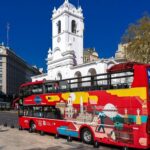
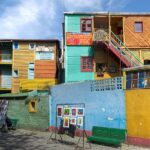
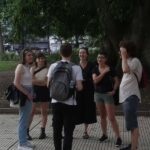
Price and value: $199 for 6 hours, plus one taxi hop
At $199 per person for about 6 hours, you’re paying for three things: a private guide, a long route, and included access to Recoleta Cemetery. The guide is also local, English-speaking, and oriented to street-level explanation rather than narration-from-a-bus.
What’s not included is also clear: meals (coffee/lunch are on your own), hotel pickup/drop-off, and transport during the tour—except you’re told a taxi ride is necessary to connect certain attractions, generally around USD $5–7. That “extra” is usually not a deal-breaker, but it matters for budgeting.
If you’re deciding between this and a cheaper group option, compare what you want: a big group can move fast, but you get less back-and-forth. With a private walk, you can ask questions as you go—especially helpful for the darker history stops in places like Dorrego Square.
Meeting at 10:00 and getting oriented fast
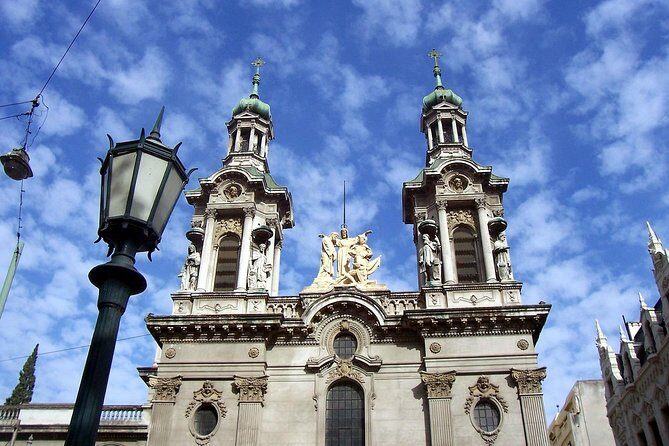
You meet at Buenos Aires Walking Tours (look for guides holding a small BA Walking Tours sign). The start is no later than 10:00am and the meeting point is outside the cafe corner door with Paraguay St. nearby. It’s simple: you find your guide by signage and start walking.
One practical tip: don’t plan on rolling in at 10:05 and catching up. The itinerary covers a lot of ground, and the day depends on staying on schedule.
Downtown intro on foot: Calle Florida, Retiro sights, and British Buenos Aires
Right away, you get into the streets that shape the city’s identity. Calle Florida is a classic Buenos Aires promenade—busy with storefront energy and historic buildings—and it’s a good place to begin because it shows you how commerce and architecture sit side by side.
Then the tour swings into Retiro, where the stops are less about one single building and more about connections. You’ll see Plaza San Martín, with references to its early roles including a bullfight ring and a slave market. This is one of those moments where the city’s present-day look can distract you from what happened there. With a guide, you learn to read the ground.
From there you’ll also hear about Paz Palace, the Kavanagh Building, and the Santísimo Sacramento Church, plus you’ll get the fun-but-important angle on the British Clock Tower and the nearby railroad terminal stations. Argentina’s relationship with Britain isn’t just a trivia fact; it shows up in architecture and urban planning, and the guide frames that presence as part of the city’s evolution rather than an accident.
You’ll also cover the General San Martín Monument, with explanation tied to how the nation took shape. This is where the tour starts linking symbolism (monuments, plazas) to actual national history.
Why it matters for you: downtown can feel like one big maze of streets and buildings. This part of the day gives you landmarks you can later use when you explore on your own.
Palermo and Recoleta: France, religion, tango-era clues, and the cemetery that people actually remember
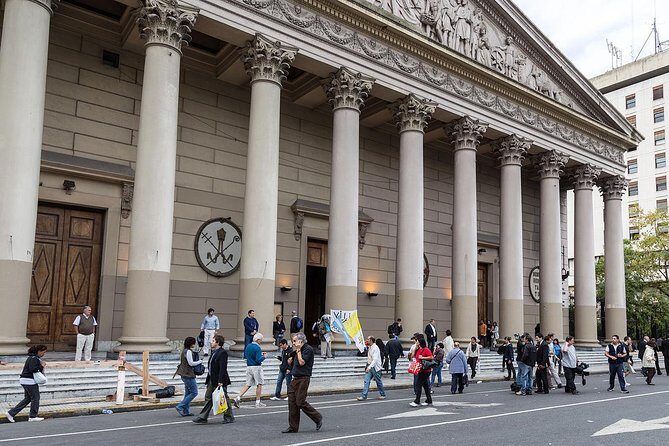
After the city-center foundation, you move into Barrio Norte and the “grand building” Buenos Aires people expect to see—but the guide explains what those buildings are doing culturally.
In the Avenida Alvear zone, you’ll learn about the neighborhood’s strong French and Italian influence, plus you’ll pass major mansions and embassy-style buildings, including the French Embassy at Palacio Ortiz-Basualdo and the Hyatt connection at Duhau Mansion. The stop list also points out how different faiths and immigration shaped architecture and civic presence, with examples tied to the palaces and institutions along Alvear.
Then you head toward Recoleta, and that’s where the day turns more emotional. Recoleta is famous for its polished streets, but your guide brings you to the heart of why people come: Recoleta Cemetery.
You’ll spend a dedicated cemetery chunk (admission included), and the guide focuses on the monuments and stories, with special attention to Evita Perón, who is buried here. In the reviews tied to this tour, guides like Carlos and Soledad are singled out for doing an excellent job making the cemetery feel understandable instead of just crowded marble.
Possible drawback to note: even with the best guide, cemetery time can feel long if you’re expecting faster sightseeing. One review praises the depth, but still flags that it can run a bit long around Evita’s tomb. If you know you get restless in quiet, closed spaces, plan to bring patience and water for after.
From Recoleta, you’ll also see church and tango-adjacent stop points like Palais de Glace, plus you’ll pass through neighborhood institutions such as the BA Exhibition Center and design-related spots. The message is clear: Buenos Aires doesn’t separate “culture” from “daily life”—it blends them.
You can also read our reviews of more private tours in Buenos Aires




Palermo’s big public institutions and monuments (plus a shockingly photogenic flower)
Next up: Palermo, Buenos Aires’ largest and most populous neighborhood, where the tour uses big-name landmarks as story anchors. You’ll see stops connected to arts and public spaces, including the National Gallery of Art and the National Library Building.
Then comes a standout visual: Floralis Monument, the giant flower sculpture. You’ll also hear about Peynot’s Grand Monument, described as France’s centennial gift to Argentina, and you’ll find a reference to Evita Perón’s monument in this area (the stop notes that it’s a place tied to where she died).
The “why” here matters. Palermo can look like a collection of museums and monuments, but the guide uses those stops to explain how Buenos Aires builds cultural prestige—sometimes through international gestures (like centennial monuments), sometimes through local commemorations.
For you: if you like cities that do public art and civic architecture, Palermo will give you plenty to take in even after the official tour ends.
El Centro and Plaza de Mayo: the political heart with the physical clues still visible
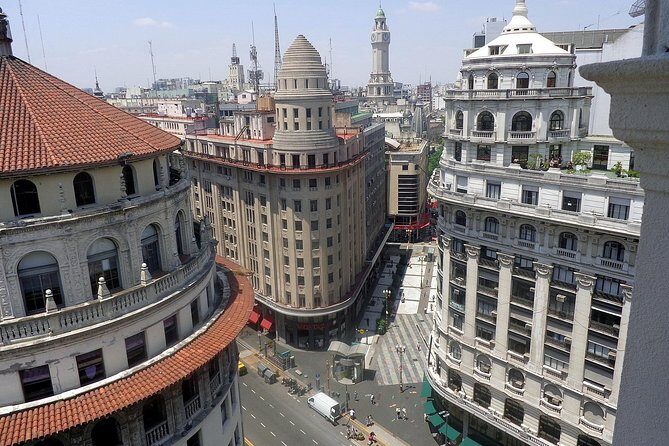
The downtown stretch brings you to the weighty symbols: Florida Street again in its older-story sense, the Harrods and Galerías Pacífico buildings (including the British connection idea), and major civic institutions.
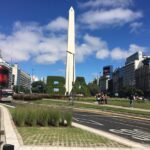
You’ll also pass Teatro Colón, the famous opera house, and the Obelisco, where you get explanation tied to what it stands for. There’s also a stop tied to Mariquita Sánchez and Argentina’s National Anthem—another example of the guide using people to explain national identity.
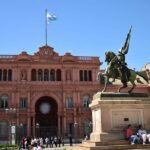
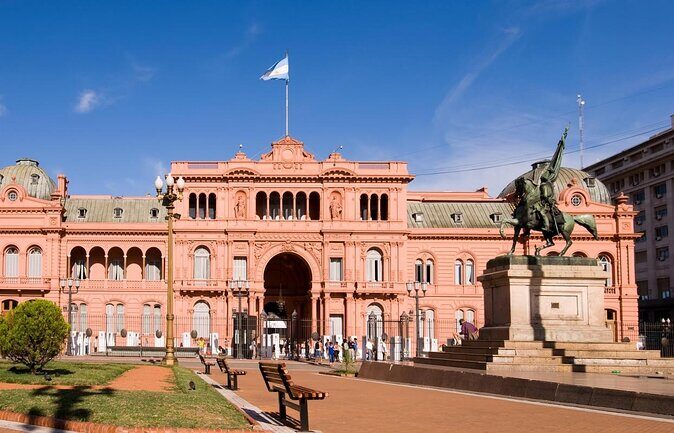
Then you land at the big set-piece: Plaza de Mayo. Here, the tour focuses on the core institutions around the square: Metropolitan Cathedral, the Cabildo, and the Casa Rosada presidential office. You’ll also hear about the Pyramide de Mayo and the Mothers of the Disappeared, connected to the country’s darker political episodes.
This isn’t just history talk. It’s practical for travel because the square is the kind of place you’ll likely pass again during your own independent exploring. Understanding what you’re looking at turns a one-time photo into a meaningful stop.
A note on one detail that stands out: the tour description includes the idea that nearby Ministry Buildings show shrapnel marks tied to recent coups. Even if you don’t know the political timeline cold, having a guide point out physical scars helps you read the city like a document.
San Telmo’s Dorrego Square: antiques energy and the slave-market history you can’t skip
From the central monuments, the route heads into San Telmo, described as the oldest neighborhood in Buenos Aires. That phrase can sound like marketing, but it’s actually your cue for what changes next: older churches, more preserved streets, and a slower pace of everyday life.
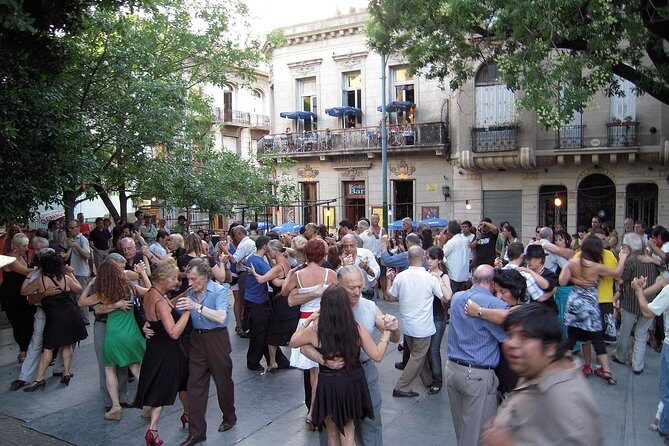
The key anchor here is Plaza Dorrego, where the tour explains the famous San Telmo Antiques Fair—and then, importantly, doesn’t dodge the neighborhood’s dark past. The stop notes the history of the open-air Slave Market, giving you context so the antiques and café seating don’t erase what the square once hosted.
You also see nearby old-city structures tied to government and religion, including the Cabildo, the Cathedral, and references to national-era figures like Manuel Belgrano. There’s also mention of Piramide de Mayo elements earlier in the day, but in San Telmo you get another layer: education and learning sites such as Manzana de las Luces (often tied to enlightenment-era schooling roots), plus the tour references to the Walk of the Mothers of the Disappeared.
Small realism check: San Telmo can be crowded on weekends because of the antiques fair. If you’re going on a busy day, keep your patience for foot traffic. The guide’s value is steering you around the noise and keeping the story clear.
Puerto Madero: the “new city” built over old docks
Toward the end of the day, you reach Puerto Madero, the newest neighborhood described as expanding the city into the water beyond old British dockyards. The contrast is the point.
After hours of talking about 19th-century architecture, political squares, and cemetery monuments, Puerto Madero gives you a change in visuals and mood. It also helps you see the practical side of the story: cities rewrite themselves. Buenos Aires didn’t just preserve the past; it also repurposed space.
This is a good finish, even if your feet are already protesting, because the area feels like a reward—an “after” space where you can keep wandering without a guide.
Coffee and lunch break: plan to eat on your own, but use the time wisely
You’ll have a built-in coffee/lunch break (own expense). The tour description doesn’t list specific restaurants, so think of this time as a chance to reset your energy and decide how hungry you are for the afternoon.
If you’re the kind of traveler who gets decision fatigue, here’s an easy rule: eat early-ish rather than at the last minute. The tour still has meaningful stops left, and you’ll want steady energy for the walk.
How long and how much walking? Treat it like a real day on your feet
The tour is about 6 hours, and some visitors report closer to 7 hours depending on conditions. You should assume a full day of moving, especially because the day is split across multiple neighborhoods.
There are also two schedule realities to keep in mind:
- It operates rain or shine.
- The route may shift due to weather, city dynamics, repairs, and similar real-world issues.
One reason I think this works well as a private format: your guide can usually keep the day coherent even if the city throws curveballs. In a group tour, delays can cascade. Here, the guide can adjust pacing while keeping the story intact.
What kind of guide you get matters (and this one sounds strong)
The reviews attached to this tour highlight names like Clemencia, Carlos, Soledad, and Eilat. The common thread in their praise is that they connect the dots between architecture, politics, and what everyday life looks like.
That matters because Buenos Aires isn’t just “pretty.” A lot of what makes it special is interpretive. For example, the British presence isn’t limited to one building—it’s woven into clocks, terminals, street history, and how downtown developed. Similarly, the cemetery can be overwhelming if you don’t know what stories to focus on. Good guides pick the right things to explain, and the names above show up as people who do that work well.
End point: Plaza Dorrego so you can keep exploring
The tour ends at Plaza Dorrego in San Telmo, in an area tied to the antiques fair and café culture. This is a smart finish because it’s a place you can naturally wander without feeling lost.
Also, one review mentions a bit of confusion after the tour about where you finish versus where you started. To avoid that, keep your map app ready and ask your guide where you’ll be dropped off at the start of the day—then you’ll have a clear end-game.
Should you book this private walking tour?
Book it if you:
- Want a structured day that teaches you how Buenos Aires “hangs together”
- Like architecture stories, plaza symbolism, and neighborhood-level context
- Want Recoleta Cemetery time with explanation, not just standing quietly by famous names
- Prefer a private guide who can slow down for questions
Skip it (or choose another format) if you:
- Hate long walks or tight schedules
- Mainly want indoor museum time and minimal street exposure
- Don’t care about history framing and would rather read guidebooks on your own
If your goal is to get beyond surface sightseeing and actually understand the city’s why, this is a strong one-day plan.
FAQ
How long is the Buenos Aires in One Day private walking tour?
It lasts about 6 hours (approx.).
What does the tour cost?
It costs $199.00 per person.
Is this tour private?
Yes. It’s a private tour/activity, and only your group participates.
Where do we meet and what time does the tour start?
You meet at the Buenos Aires Walking Tours location at Florida Garden, Florida 899. Start time is 10:00am, and meeting is outside the cafe corner door near Paraguay St.
Where does the tour end?
The tour ends at Plaza Dorrego, Humberto 1º 400.
What is included in the price?
A local English-speaking guide and cemetery admission tickets.
What is not included?
Hotel pickup/drop-off, meals, and transportation during the tour.
Do I need cash for taxis during the tour?
The tour notes that a one taxi ride is necessary to get to one attraction to another, and the cost is approximately USD $5–7 (not included).
Does the tour run in bad weather?
Yes. It operates rain or shine.
What about cancellations?
Free cancellation is available. You can cancel up to 24 hours in advance for a full refund. If you cancel less than 24 hours before the start time, the amount paid is not refunded.