REVIEW · BUENOS AIRES
Jewish Sites Buenos Aires Private Walking and Car Tour
Book on GetYourGuide →Operated by ROSOTRAVEL Argentina · Bookable on GetYourGuide
Jewish Buenos Aires hits different. This private walk-and-car experience connects you to Templo Libertad street life, Argentina’s WWII-era Jewish story, and the solemn memory of the AMIA bombing—with a licensed guide who adjusts to your questions. I especially like the sense that you’re not just checking sites off a list; you’re getting local context tied to real places. The other big plus is the private format with a small group size, so you can go at your pace and ask follow-ups. One potential drawback: synagogue entry isn’t included, so you’ll focus mostly on what you can see and learn from the street and nearby institutions.
If you choose the 3-hour or 4-hour option, you also get access to the Salvador Kibrick Museum, where objects and documents turn the story from “information” into something you can picture. And if you’re short on time or walking isn’t your thing, the 4-hour version adds private car transport plus extra stops like major avenue views and memorials. One more consideration to keep in mind: museum entry for the Kibrick site requires you to show your original passport (for foreigners) or your national identity card (for Argentinian citizens).
In This Review
- Key takeaways before you go
- Walking the Old Jewish Quarter on Libertad Street
- Templo Libertad and what you’ll learn from the outside
- Holocaust Memorial focus: WWII context in Argentina
- AMIA and the 1994 bombing: remembrance with real stakes
- Salvador Kibrick Museum (3-hour and 4-hour): artifacts that make the city feel human
- 4-hour option by private car: extra landmarks and memorial context
- Price and value: how $129 makes sense (or doesn’t)
- What the private guide style really changes
- Planning tips: shoes, documents, and how to meet your guide
- Who should book this tour, and who might skip it
- Should you book this Jewish Buenos Aires tour?
- FAQ
- How long is the tour?
- Where does the tour start?
- Is synagogue entry included?
- Is entry to the Salvador Kibrick Museum included?
- Do I need a passport or ID for the museum?
- Does the tour include private transportation?
- Which languages are available?
- How much walking is involved?
- What about weather and cancellations?
Key takeaways before you go
- Licensed, private guidance: you get undivided attention and language support from your guide.
- Old Quarter route on Libertad Street: you’ll see the area’s most important landmarks in a logical sequence.
- AMIA + Holocaust Museum themes: the tour connects remembrance to Argentina’s post-war and modern Jewish life.
- Kibrick Museum entry on 3-hour and 4-hour: rare artifacts, photos, and historical documents.
- 4-hour car option adds memorial stops: you also cover places tied to the 1992 Israeli Embassy attack.
Walking the Old Jewish Quarter on Libertad Street
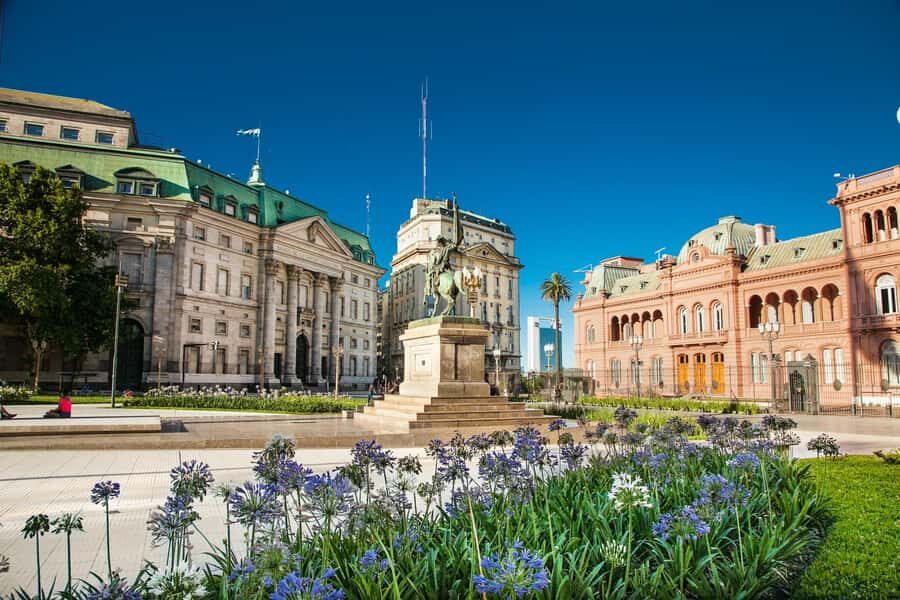
Buenos Aires has neighborhoods where the past isn’t frozen behind glass. On this tour, you move through one of the city’s historic Jewish quarters, using the streets themselves as your timeline. You’ll start with a short orientation and then follow your guide along Libertad Street, where the area’s identity shows up in architecture, institutions, and the way different eras overlap.
Because this is a private tour, the guide can steer you toward what you care about most—community roots, WWII-era context, or the modern tragedies that reshaped memory in Argentina. That matters, because Jewish Buenos Aires isn’t one single story. It’s immigration and integration, faith and public life, and remembrance that still affects the present.
You’ll also cover a reasonable amount of walking on the shorter options. For the 2-hour and 3-hour versions, expect about 25–30 minutes on foot, and that includes some uneven surfaces or steps. Wear comfortable shoes. Buenos Aires sidewalks can be friendly one moment and a tiny obstacle course the next.
You can also read our reviews of more walking tours in Buenos Aires
Templo Libertad and what you’ll learn from the outside
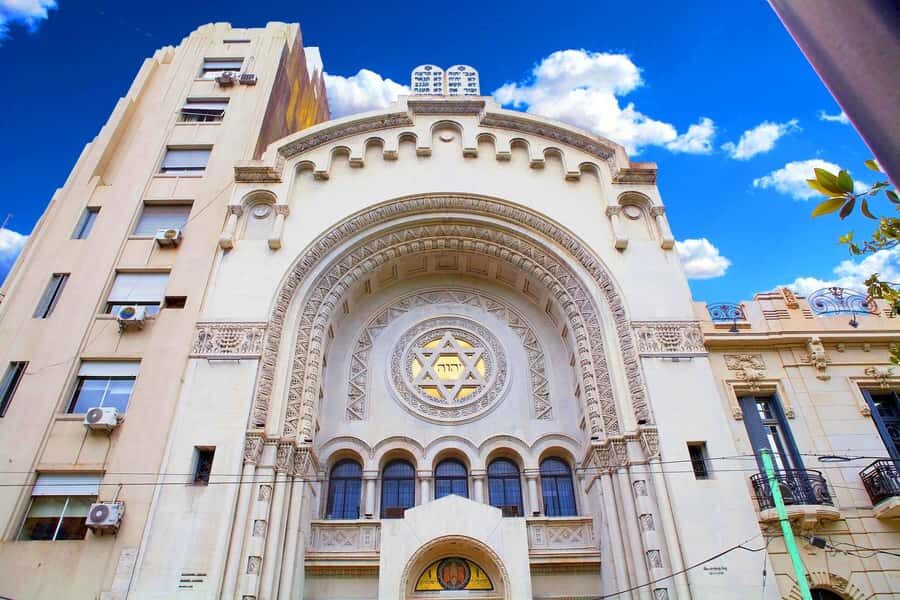
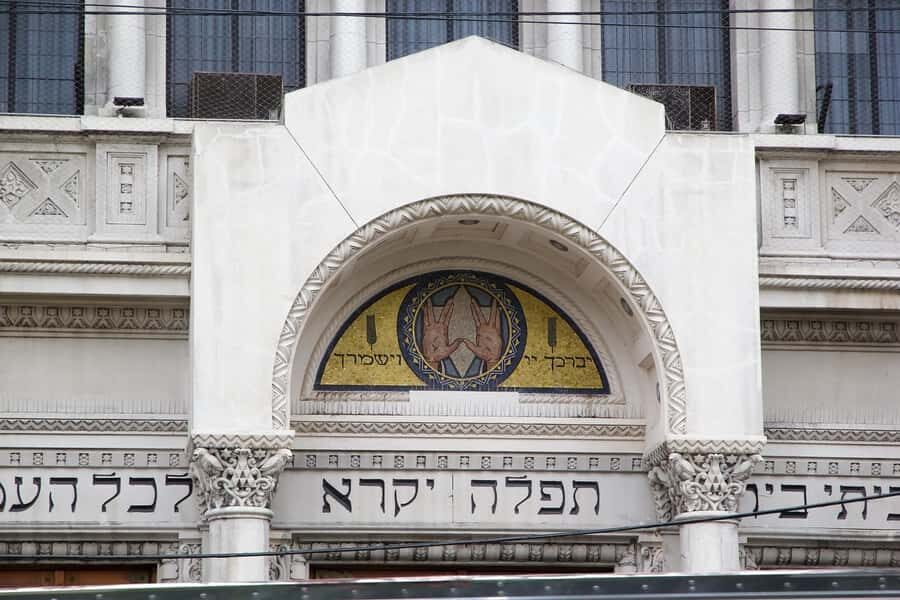
The first stop that anchors everything is Templo Libertad on Libertad Street—Argentina’s first synagogue. Even without synagogue entry, you’ll still get a strong sense of why the building became a beacon for the community. Your guide will point out key details and explain how early Jewish presence in Argentina took shape in public, not only within private life.
I like that this part of the tour doesn’t ask you to pretend you’ve seen things you can’t. Instead, it focuses on reading what’s visible: the façade, the street context, and the early roots of the diaspora as it formed in Buenos Aires.
Right nearby, you’ll pass the Museo Judío de Buenos Aires, and the guide will explain the role of museums and institutions in preserving memory. Think of this as a “how the story gets told” lesson, before you move into the heavier memorial sites.
Holocaust Memorial focus: WWII context in Argentina

Next comes the Buenos Aires Holocaust Museum, where your guide ties Argentina’s role during and after WWII to the experience of Jewish survivors and their rebuilding of life in Buenos Aires. This isn’t just a Europe-only narrative. You’ll be guided to understand how what happened abroad echoed into the city after the war.
What makes this stop work on a private tour is that you can pause where your questions naturally land. If you’re wondering how survivors rebuilt community life, or how immigration and identity played out locally, your guide can connect those dots while you’re still standing in the right place.
This is also where the tone of the tour shifts into remembrance. The guide’s job is to help you take in the facts without turning the day into a somber blur. If you prefer a slower pace for sensitive topics, this private format helps—you can ask for the timing you need.
AMIA and the 1994 bombing: remembrance with real stakes
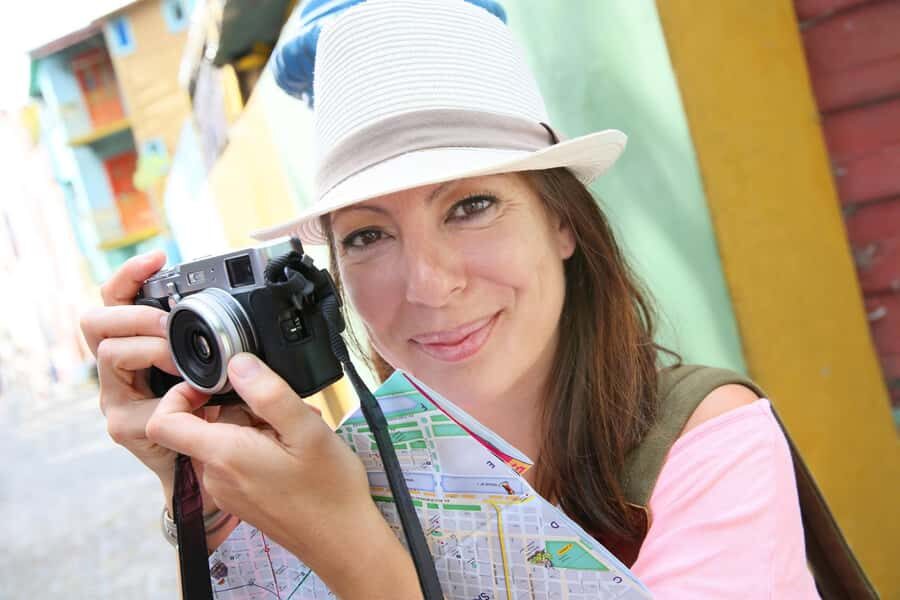
The tour culminates at AMIA (Asociación Mutual Israelita Argentina), a site that symbolizes both unity and tragedy. The guide will explain the 1994 bombing and why it became one of the darkest moments in Argentine-Jewish history. You’ll also learn how the impact didn’t stop at the event itself; it continued to shape community and national life.
I appreciate how this stop is handled as more than a headline. Your guide frames AMIA in the longer story of identity, resilience, and public memory. That’s the part many people miss when they only read about the bombing afterward: the event exists inside an ongoing community story.
If you’re the type who likes to understand modern history through its institutions, this is a strong ending point. AMIA gives you an address for the lesson. It makes the subject feel grounded in today, not trapped in a book.
Salvador Kibrick Museum (3-hour and 4-hour): artifacts that make the city feel human
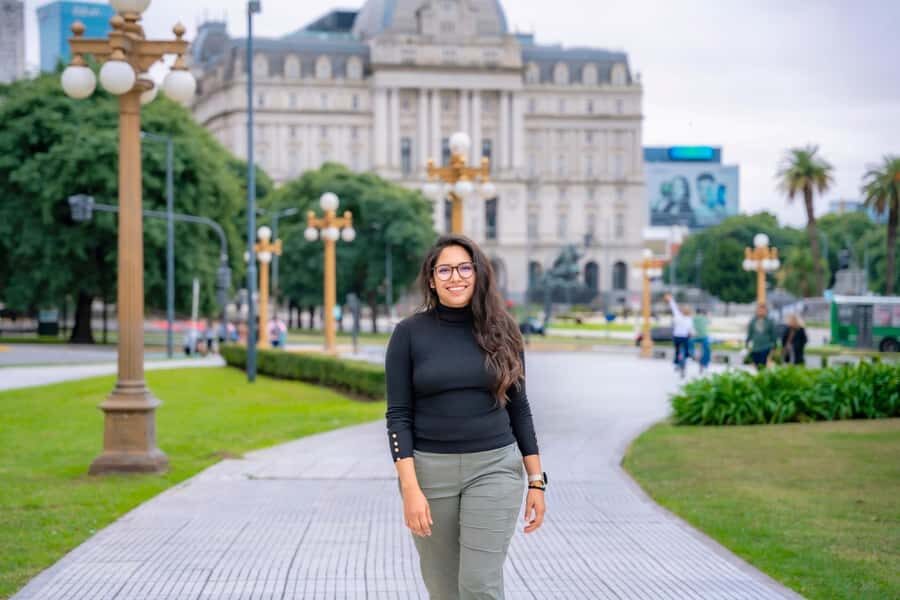
If you book the 3-hour or 4-hour option, you’ll get entry to the Museo Judío de Buenos Aires Dr. Salvador Kibrick. This is the stop that adds depth when you want more than the street-and-memorial approach.
Inside, you’ll see ritual objects, photographs, and historical documents. Those items do a good job of shrinking distance between “big events” and everyday Jewish life. It’s one thing to hear about immigration and integration; it’s another to look at objects that carried meaning across borders and generations.
Security matters here. For the museum visit, foreigners must present their original passport, and Argentinian visitors must show their national identity card. Plan on bringing the right document in original form, not a photo.
This is also where the guide’s role becomes extra useful. A private guide can help you interpret what you’re seeing without overwhelming you with a lecture. And if you’re traveling with curiosity rather than a strict checklist, this museum entry is often the part that sticks.
You can also read our reviews of more private tours in Buenos Aires




4-hour option by private car: extra landmarks and memorial context
The 4-hour itinerary is the “slow-and-complete” choice. You get private transportation with pickup and drop-off at your accommodation in Buenos Aires, which is a big help if you want to reduce walking time or you’d rather spend your energy on stories than on routes.
With the added car time, you also gain access to a few key locations that widen the lens:
- Plaza Libertad, a calmer square tied to the same architectural and community setting as the Libertad Street area.
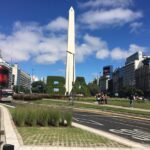
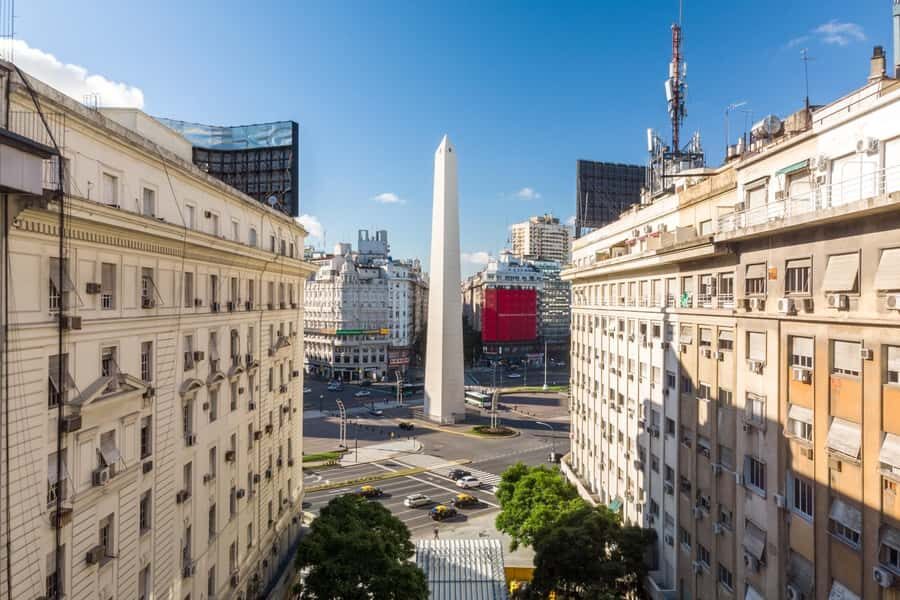
- 9 de Julio Avenue, known for its scale—your guide uses it as context for how Buenos Aires expresses grand urban ambition around neighborhood histories.
- The Israeli Embassy Memorial, commemorating the 1992 attack, which helps connect the later AMIA tragedy to the broader pattern of memorial and resilience in the city.
- Plaza General San Martín, a stately public space connected to Argentina’s military and immigrant history.
This longer version works well when you want a fuller sense of how Jewish history threads through major Buenos Aires spaces. It also helps when you’re traveling as a small group who doesn’t want to split into multiple taxi rides or worry about navigating distances.
Price and value: how $129 makes sense (or doesn’t)

At $129 per person for a private experience lasting 2–4 hours, the real question is value-for-your-time. You’re paying for a licensed private guide, language support, and a focused route through high-importance sites.
Here’s how I’d think about value:
- If you choose the 2-hour option, you’re mostly paying for curated context at major exterior and museum sites, with no museum entry to the Kibrick collection and no private car.
- If you choose the 3-hour option, the value improves because Kibrick Museum entry is included. That one ticket can matter a lot if you prefer artifacts and documents rather than only memorial atmosphere.
- If you choose the 4-hour option, you’re paying for comfort and coverage: private car transport plus additional landmarks and memorials. If you have limited mobility, the car isn’t a luxury—it’s a practical upgrade.
The group size cap (1–25 per guide) also supports value. Small enough for questions, not so large that you’re stuck listening without a chance to ask about what you find confusing or emotionally intense.
What the private guide style really changes
One of the most praised parts of this experience is the guide’s delivery. A guide named Richard Shpuntoff stood out in multiple accounts for being warm, friendly, open, and knowledgeable, plus generous with context that went beyond dates. The best guides on this topic do something tricky: they explain political and historical climate without flattening it into talking points.
You also get guides who adjust the pace to your group, which is important for topics like the Holocaust and the AMIA bombing. If your group wants more explanation, the guide can slow down. If you want a tighter route with fewer pauses, you can ask for that too.
Because the tour is private, you aren’t forced into a one-size-fits-all narrative. And since the tour is available in English, Spanish, French, Italian, and Portuguese, language barriers don’t have to be the limiting factor. That’s a quality-of-life detail that makes the whole day smoother.
Planning tips: shoes, documents, and how to meet your guide
Logistics are mostly straightforward, but a few details matter:
Start point: meet your guide in front of Hotel Presidente, Cerrito 850, C1010 Cdad. Autónoma de Buenos Aires. Do not enter the hotel. The staff there isn’t part of the tour arrangement.
Walking comfort: for the 2-hour and 3-hour versions, wear comfortable shoes. The route includes uneven surfaces or steps, and the tour runs in varying weather conditions.
Documents: if you book the 3-hour or 4-hour option, bring your original passport (for foreigners) or national identity card (for Argentinian citizens) for museum security.
Timing: check the email you receive the day before the tour. That message includes important updates from the operator, which can help you line up timing and pickup instructions properly.
Food: food and drinks aren’t included. If you’re doing the tour in the middle of the day, plan a snack or meal nearby before or after, especially if your museum time runs longer than you expect.
Who should book this tour, and who might skip it
This tour is a great match if you want Jewish heritage explained through real Buenos Aires locations—especially if you care about the connection between community life, WWII-era context, and modern remembrance.
It’s also ideal if you like learning from a guide who can answer questions in your chosen language and adapt to your pace. The private format is a big win if you’re traveling with family members who want to compare notes or if someone in your group prefers deeper context.
You might consider another option if:
- You’re expecting synagogue interiors. Entry to synagogues is not included.
- You’re unwilling to handle museum security rules (original passport or national ID for Kibrick).
- You strongly dislike walking. The shorter routes are moderate, but they do include some steps and uneven ground.
Should you book this Jewish Buenos Aires tour?
Yes, if you want a focused, private route through the sites that shape Jewish memory in Buenos Aires—and you value a guide who can explain what you’re looking at instead of sending you off with a map. Choose the 3-hour option if the Kibrick Museum sounds like your kind of “seeing the past,” and pick the 4-hour option if you want transport comfort plus extra memorial and landmark context with less stress.
If you’re still on the fence, base the decision on one thing: how much you want museums and how much you want walking. This tour is built around that trade-off, and it works best when you choose the option that matches your energy level and curiosity.
FAQ
How long is the tour?
The experience runs for 2 to 4 hours, depending on the option you book.
Where does the tour start?
Meet your guide in front of Hotel Presidente, Cerrito 850, C1010 Cdad. Autónoma de Buenos Aires. Do not enter the hotel.
Is synagogue entry included?
No. Entry to synagogues is not included.
Is entry to the Salvador Kibrick Museum included?
Yes, entry to the Salvador Kibrick Jewish Museum is included only in the 3-hour and 4-hour options. It’s not included in the 2-hour option.
Do I need a passport or ID for the museum?
Yes. For security reasons, foreign visitors must present their original passport, and Argentinian visitors must present their national identity card.
Does the tour include private transportation?
Only the 4-hour option includes private transportation with pickup and drop-off at your accommodation. The 2-hour and 3-hour options do not include private transfer.
Which languages are available?
The live guide is available in English, Spanish, French, Italian, and Portuguese.
How much walking is involved?
For the 2-hour and 3-hour tours, it’s a moderately paced walking route covering about 25–30 minutes on foot, including some uneven surfaces or steps.
What about weather and cancellations?
The tour runs rain or shine. You can also cancel up to 24 hours in advance for a full refund.