REVIEW · BUENOS AIRES
Buenos Aires for curious people
Book on GetYourGuide →Operated by Social&Cultural · Bookable on GetYourGuide
History here walks right beside you. This 3-hour, conversational walking tour uses the city itself as a guidebook, starting at Lezama Park and ending at Casa Rosada. I love how it’s built around an anthropological lens, so you don’t just memorize dates—you connect people, power, and culture. I also like the way the route asks real questions (British interest, African-descendant presence, immigrant Argentina, and political memory) as you move through the historical center.
One thing to keep in mind: the themes get serious at points, especially when you reach the Espacio para la Memoria ex CCD Club Atlético. If you prefer light, surface-level sightseeing, this one might feel heavy—but it’s also honest, and that’s the point.
If you’re the type who asks why and keeps asking, you’ll be in your element. The best part is that you’re encouraged to talk back and ask questions, not just listen while walking.
In This Review
- Key things you’ll appreciate
- From Bar Británico to Lezama Park: history with street-level context
- Russian Orthodox Church and Club Sueco: when architecture signals migration
- Espacio para la Memoria ex CCD Club Atlético: the city’s memory is part of the streets
- San Telmo’s church and Plaza Dorrego: where old Buenos Aires shows up
- Market break: how to use those 20 minutes well
- Facultad de Ingeniería and UCA Santa María de los Buenos Aires: education as a future lens
- Puente de la Mujer: a modern landmark with historical gravity
- Ending at Museo Casa Rosada, Casa Rosada, and Plaza de Mayo
- The big questions the guide keeps returning to
- Price and timing: is it good value for 3 hours?
- Practical tips so you enjoy the walk more
- Who this Buenos Aires for curious people walk suits best
- Should you book this tour?
- FAQ
- Where does the tour start?
- How long is the tour?
- How much does it cost?
- What are the main highlights you’ll cover?
- What is the route like?
- Where does the tour end?
- What languages are available?
- What should I bring?
Key things you’ll appreciate
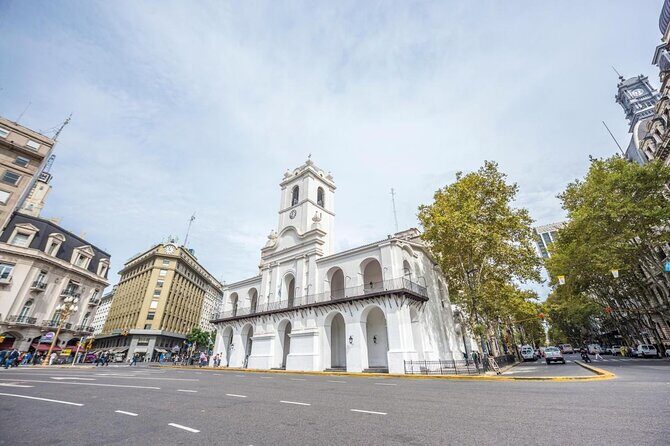
- A conversational route, where discussion is part of the itinerary, not an add-on
- History through an anthropological perspective, focusing on people and lived experience
- A thoughtfully chosen set of stops across Telmo and the political core of the city
- Hard topics handled with place-based context, especially at Espacio para la Memoria ex CCD Club Atlético
- Landmarks that reflect multiple waves of influence, including British interest and immigrant change
- A walk that ends in the political heart, with multiple drop-offs around Casa Rosada and Plaza de Mayo
From Bar Británico to Lezama Park: history with street-level context
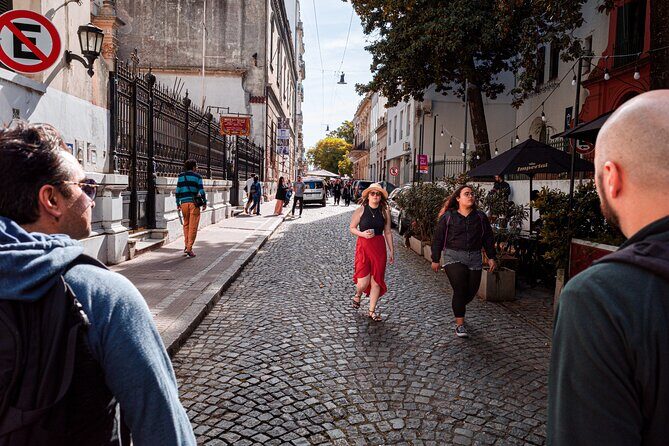
You’ll meet at Bar Británico, and that start matters more than you might think. It puts you in a lived-in Buenos Aires moment right away, before the tour shifts into the city’s deeper timeline. From there, you head to Parque Lezama, where you get a first guided stretch (about 15 minutes) that sets the tone for how you’ll read the rest of the walk.
What I like here is the structure: the guide doesn’t toss facts at you. They frame Buenos Aires as a layered story—past and present at the same time. From an anthropological perspective, it’s less about who ruled and more about who was affected, who arrived, and how communities shaped what you see now.
Parque Lezama also acts like a hinge for curious minds. You start picking up how the “big questions” the tour promises connect to physical places, not just textbooks. That’s useful if Buenos Aires feels overwhelming when you arrive—suddenly, you have a way to organize the chaos.
You can also read our reviews of more tours and experiences in Buenos Aires.
Russian Orthodox Church and Club Sueco: when architecture signals migration
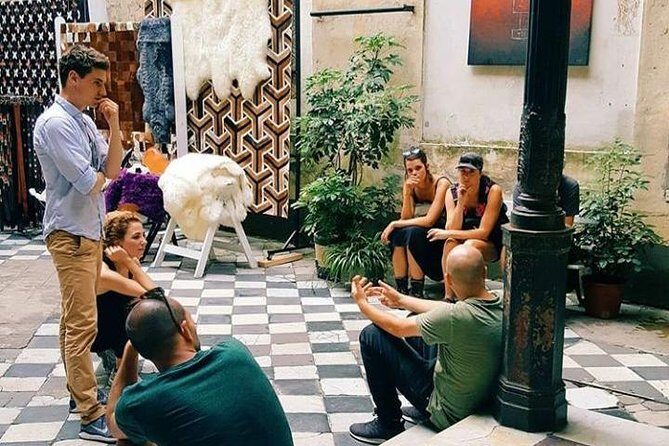
Next come two quick hits (about 10 minutes and 10 minutes) that are easy to walk past on your own. The tour stops at the Russian Orthodox Church of the Holy Trinity, then continues to Club Sueco Restaurante. On a typical sightseeing day, you’d see buildings. On this tour, you’ll learn how those buildings can signal cultural presence, community life, and the changing mix of people in Buenos Aires.
This is where the tour’s conversational style pays off. The guide’s job is to help you ask better questions. You might start wondering why certain communities put down roots here and how those roots influenced the city’s social fabric. Even without a heavy lecture, the message is clear: cities don’t just grow—they absorb groups, ideas, and expectations.
One practical consideration: these are short stops, so bring your curiosity early. If you want extra time for questions, ask them as soon as the guide points you toward what you should notice. You’ll get more from the walk if you treat each landmark like a clue.
Espacio para la Memoria ex CCD Club Atlético: the city’s memory is part of the streets
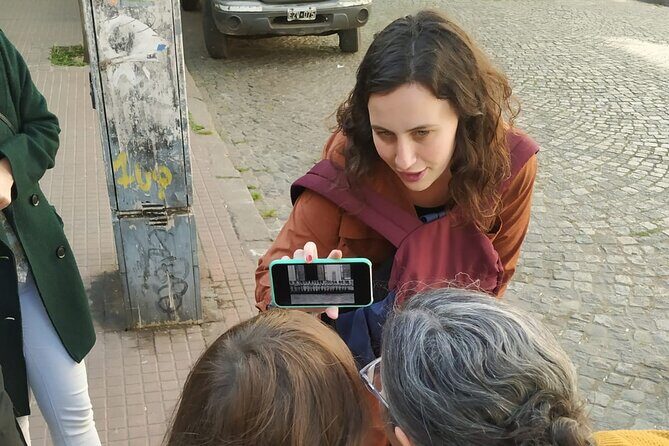
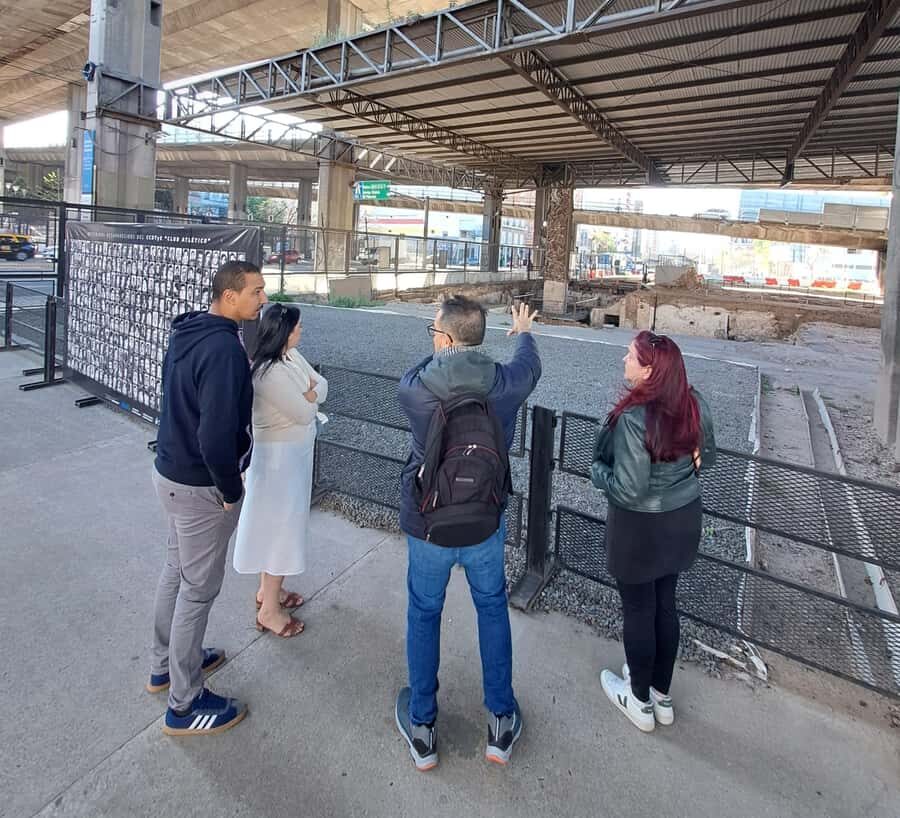
Then comes the stop that changes the emotional temperature of the tour. You’ll visit Espacio para la Memoria ex CCD Club Atlético for about 10 minutes. This isn’t presented as trivia. It’s tied directly to the tour’s big questions about the desaparecidos and how memory shapes modern Argentina.
I appreciate that this isn’t a generic “sad history” moment. The framing you’ll get is how the past leaves marks in public space—how people remember, how societies respond, and how the present keeps talking to the past. If you’ve ever felt that political history is abstract, this is the section that brings it back to earth.
A drawback? Some people find this part emotionally challenging. If you’re sensitive to themes of persecution and trauma, you’ll want to mentally pace yourself. But if you can handle it, it’s also one of the most meaningful parts of the walk because it answers the question of why the city’s political identity matters.
San Telmo’s church and Plaza Dorrego: where old Buenos Aires shows up
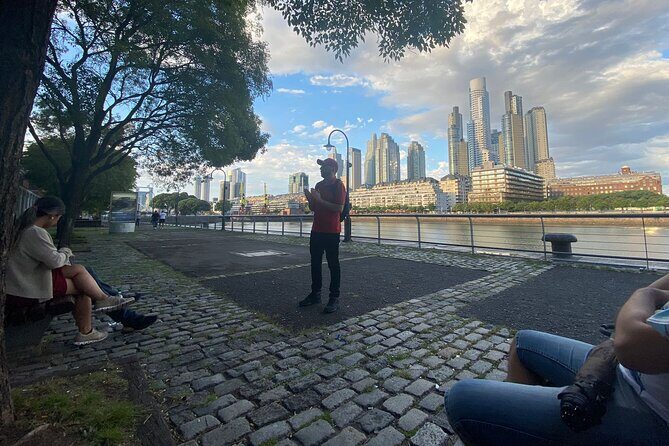
After the memory site, the walk shifts into classic historical-center territory. You’ll stop at Parroquia de San Pedro González Telmo (about 10 minutes), then continue to Plaza Dorrego (about 5 minutes). These are shorter moments, but they’re placed like stepping stones: they help you see how community life and religious or civic spaces fit into the bigger narrative of Buenos Aires.
This part of the tour is also where you’ll start linking history to everyday street scenes. You’re not just learning “what happened.” You’re learning how the city organized itself—socially, culturally, and geographically—so that what you see today makes sense.
And then you get a practical break: San Telmo Market for about 20 minutes. It’s not a full meal stop (meals aren’t included), but it’s enough time to rehydrate, grab a snack if you want, and reset your brain before the tour heads toward the modern political and architectural symbols at the end.
Market break: how to use those 20 minutes well
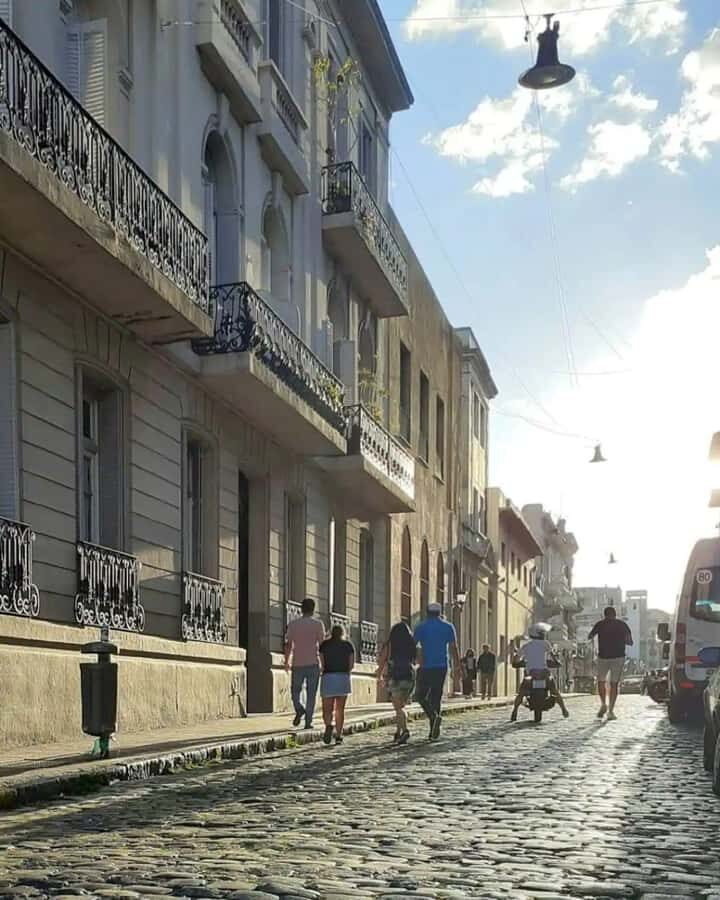
San Telmo Market is one of those places where you can easily get sidetracked. The tour gives you a set amount of time for a reason: you’re supposed to use it to decompress, not drift for an hour.
Bring your camera energy, but don’t forget the basics. Comfortable shoes are your best friend here, because after the break you still have more walking and a few more landmarks before the final stretch toward Casa Rosada. Also, Buenos Aires weather can swing, so having water matters.
If you want to get the most out of the break, treat it like a quick homework moment. Think about the big questions you’ve been hearing—British interest, African-descendant presence, immigration—and ask yourself which part of the walk just helped you understand it more clearly. Then, when you’re back with the guide, you can ask targeted questions.
Facultad de Ingeniería and UCA Santa María de los Buenos Aires: education as a future lens
The itinerary continues with two more stops (about 5 minutes and 10 minutes): Facultad de Ingeniería and UCA Santa María de los Buenos Aires. These stops do something clever. They keep the tour from becoming only a “past museum.” Instead, you get a chance to see how institutions point toward what Argentina wants its future to be.
Because this is an anthropological approach, the guide’s angle tends to connect people and ideas. Universities and engineering faculties aren’t just buildings. They’re places where the city’s next generation learns how to think, build, and participate in national life.
You’ll likely feel the shift when you move from plazas and historic churches into the academic world. The conversation may still orbit the same themes—immigration, national identity, politics—but you’ll start hearing how those themes can show up as education and civic direction.
Puente de la Mujer: a modern landmark with historical gravity
Next up is Puente de la Mujer, where you’ll spend about 15 minutes. Even if you’ve seen photos, a bridge is different when you’re walking toward it. It becomes a moving viewpoint, and the guide’s commentary helps you connect the “visual modern” Buenos Aires to the “story old” Buenos Aires you’ve been threading through all along.
This is also a natural moment for Q&A. By now, the tour has introduced several layers: early inhabitants, external interest like the British, the African-descendant population, immigration, and the political upheavals that left memory scars. A modern landmark like this gives the conversation a place to land: how Argentina’s present tries to hold multiple timelines at once.
If you want to ask questions, ask them here. The guide has built enough context that your curiosity will make sense, and you’ll be more likely to get thoughtful, connected answers instead of broad generalities.
Ending at Museo Casa Rosada, Casa Rosada, and Plaza de Mayo
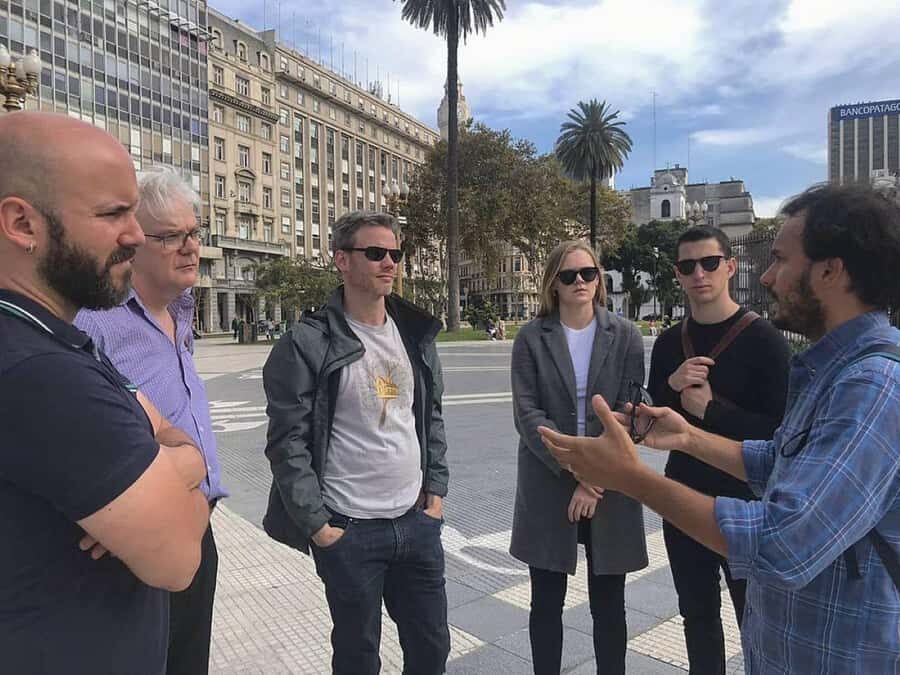
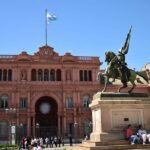
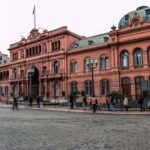
The tour finishes with drop-offs around Museo Casa Rosada, Casa Rosada, and Plaza de Mayo. This is the political axis of Buenos Aires, so it’s the right place to circle back to the tour’s recurring themes: who leads, how politics changes over decades, and how collective memory shapes what the nation remembers and repeats.
You’ll come into this final area with a different brain. Earlier, the tour asked about Evita and Perón—not as names to collect, but as part of the story of modern Argentina. You’ll also have talked about the desaparecidos and why their memory still matters. By the time you’re near the political center, those topics stop feeling like separate chapters and start feeling like a single ongoing conversation.
Also, it’s practical. Multiple drop-offs give you flexibility. If you want to head straight into the museum area, you can. If you want to linger around the open space of Plaza de Mayo, you can do that too. The walk ends, but your understanding doesn’t have to.
The big questions the guide keeps returning to
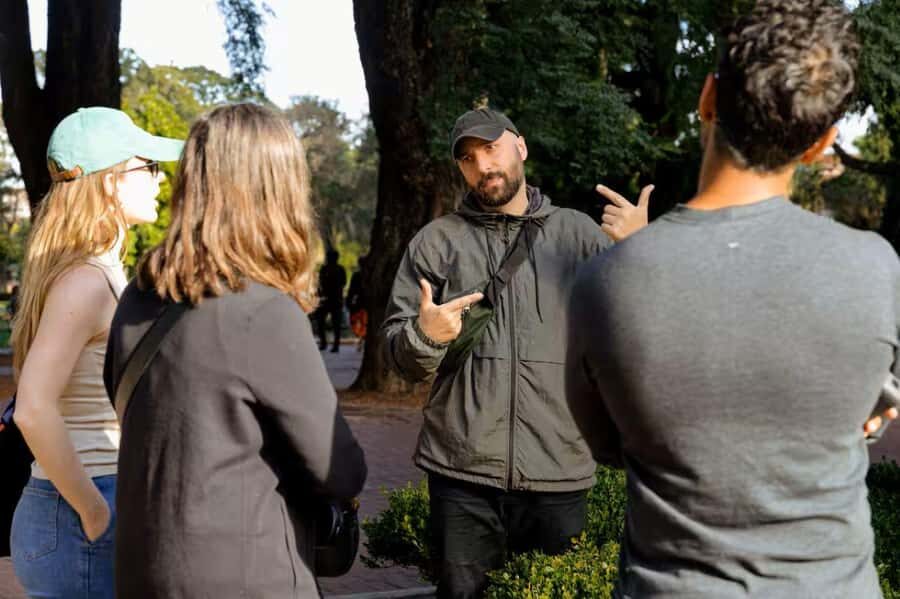
What makes this tour more than a “route with talking points” is that the guide keeps the conversation anchored in the questions you care about. You’ll be guided through topics like:
Where Buenos Aires begins (first inhabitants)
You’ll explore the first inhabitants through an anthropological lens, using the historical center as your visual reference point.
Why the British paid attention to these shores
The tour doesn’t treat this as a remote event. It frames British interest as a driving force you can connect to later change.
What happened to the African-descendant population
You’ll address this directly, with the goal of making that piece of Buenos Aires history visible in your mind.
How Argentina became a nation of immigrants
You’ll hear the story as movement of people and culture—not just a label.
Evita and Perón: why their story keeps showing up
You’ll discuss what the deal is, and how political narratives continue to shape public life.
Desaparecidos and the weight of memory
At Espacio para la Memoria ex CCD Club Atlético, this theme becomes physical, not abstract.
Why the US dollar holds power in the local economy
You’ll talk about this as part of understanding modern Argentina, not just historical curiosity.
This Q&A-driven structure is why people end up feeling like the tour gave them a way to think, not just a list to recite.
Price and timing: is it good value for 3 hours?
The price is $30 per person for about 3 hours, which is a fair ask for a guided, multi-stop walk that hits both historical and political landmarks. What justifies the cost is the format: you’re not paying for a monologue. You’re paying for a guide who’s guiding discussion, guiding connections, and guiding your attention so each stop makes sense in the next.
You also get a tight timeline. Each stop is relatively short, which can feel efficient, especially if you want a strong first introduction without committing to a whole day. The downside is simple: if you want long museum-style time at every location, this won’t be that kind of tour. This is a walk-and-talk route with purposeful pacing.
The best use of the time is to show up with questions in your head. If you don’t know what to ask, that’s okay—the guide will prompt you—but starting curious usually leads to a better experience.
Practical tips so you enjoy the walk more
Because this is a walking experience, your comfort affects your mood. Wear comfortable shoes, and plan for varying weather. Bring water and sunscreen, and keep a camera handy if you like to remember details you notice in passing.
Language access is a plus. You can join in Spanish, French, English, or Portuguese. And the tour offers private or small groups, which often helps with the conversational feel. If you’re the kind of person who asks a lot of follow-ups, small groups are where you’ll get the most out of the guide’s back-and-forth.
Who this Buenos Aires for curious people walk suits best
This tour is built for you if you’re in Buenos Aires to understand the country, not just collect photos. It’s especially good if you like history that explains relationships between people, places, and power.
It also suits first-timers. You’ll get a guided introduction to the historical center and its political end point, with multiple stops that help you see Buenos Aires as one connected story. If you already know a lot, you’ll still enjoy it because the format keeps you asking new questions instead of re-reading facts you already mastered.
If you prefer low-emotion sightseeing, consider that there is at least one moment focused on political memory at Espacio para la Memoria ex CCD Club Atlético. You can still do it, but be honest about what kind of day you want.
Should you book this tour?
I’d book Buenos Aires for curious people if you want a guided walk that treats the city like a living argument—one where immigrants, empire, community, and political memory all matter. It’s strong value for your time, and it’s designed to get you thinking, not just watching.
I wouldn’t book it if you’re mainly after quick surface-level highlights or if you hate emotionally heavy subject matter. In that case, Buenos Aires will give you plenty of other options—but for a thoughtful, discussion-led orientation, this one fits the bill.
FAQ
Where does the tour start?
You’ll meet at Bar Británico.
How long is the tour?
The tour lasts 3 hours.
How much does it cost?
The price is $30 per person.
What are the main highlights you’ll cover?
You’ll learn Buenos Aires history from an anthropological perspective, explore the historical center, discuss British interest and the African-descendant population, learn about the city’s political leaders including Evita and Perón, and talk about the desaparecidos and modern memory.
What is the route like?
It’s a walking experience that starts with Parque Lezama and Russian Orthodox Church of the Holy Trinity, continues through areas including Espacio para la Memoria ex CCD Club Atlético and Plaza Dorrego (with a break at San Telmo Market), then ends around Puente de la Mujer and the Casa Rosada area.
Where does the tour end?
You’ll have drop-off locations around Museo Casa Rosada, Casa Rosada, and Plaza de Mayo.
What languages are available?
The guide can speak Spanish, French, English, and Portuguese.
What should I bring?
Bring comfortable shoes, a camera, sunscreen, and water.