REVIEW · BUENOS AIRES
100% History and architecture of Buenos Aires
Book on GetYourGuide →Operated by Swell Experiences · Bookable on GetYourGuide
Buenos Aires tells its story in stone. This 100% History and architecture tour strings together the city’s power landmarks in a tight loop, starting at Plaza de Mayo and moving through grand boulevards and iconic civic buildings. I like that it’s focused on what you can see and read in the façades—this is architecture you can actually point at and understand.
Two highlights for me: the route takes you along Avenida de Mayo, where European-style streetscape details make the city feel like it has more than one era folded into it, and you also get an included look inside the Cathedral and Chapter tied to the Plaza de Mayo area. That mix of street-level views plus one indoor moment gives the tour more weight than a stop-and-go photo walk.
One drawback to consider: the experience depends on a solid meetup. The meeting instructions are clear—look for the black umbrella in front of the Pyramid of May—but if you’re tight on timing, it’s worth arriving a few minutes early and staying alert around the start time.
In This Review
- Key points worth knowing before you go
- Why Plaza de Mayo is the perfect place to start
- Avenida de Mayo: where the city shows off its European face
- The second round at Plaza de Mayo and what the Cathedral visit adds
- Ending at the National Congress: the final “big statement” building
- Price and time: why $12 can actually feel like a deal
- Group size, language, and accessibility details that affect your comfort
- What this tour is best for (and who it might not fit)
- Should you book 100% History and architecture of Buenos Aires?
- FAQ
- How long is the Buenos Aires history and architecture tour?
- Where does the tour start?
- Where does the tour end?
- What language is the guide?
- What is included in the tour?
- How much does it cost?
- Is the tour wheelchair accessible?
Key points worth knowing before you go
- Plaza de Mayo as your history anchor, with major civic sights right from the first minutes
- Avenida de Mayo’s architectural swagger, including famous landmarks like Café Tortoni and Palacio Barolo
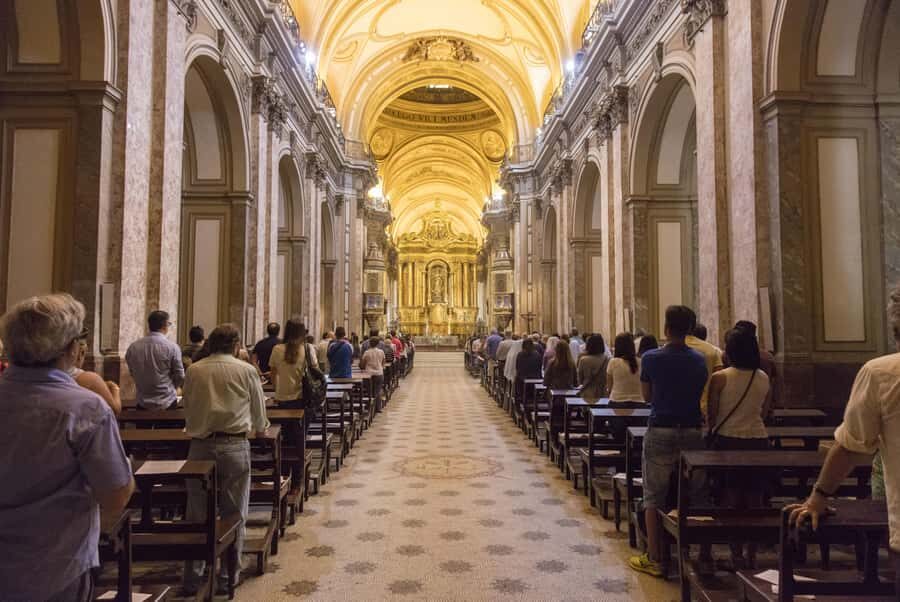
- An included Cathedral and Chapter visit, so you’re not only looking at buildings from the sidewalk
- A guided, Spanish-language walk designed around key stops rather than long detours
- A short, 2-hour format that fits well if you only have half a day in Buenos Aires
Why Plaza de Mayo is the perfect place to start
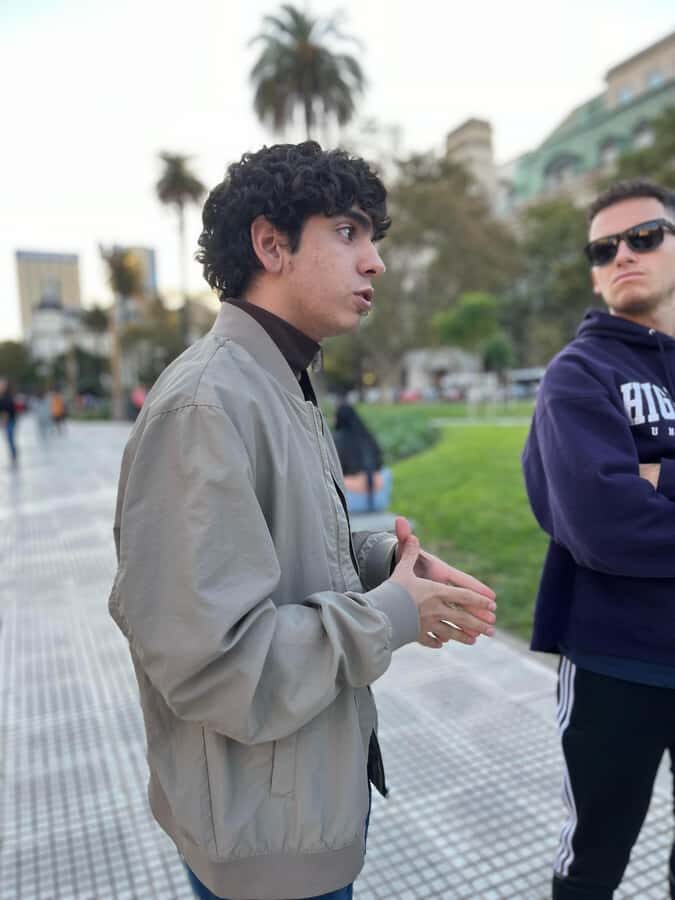
Plaza de Mayo isn’t just a big square. It’s the kind of place where you can sense how Argentina’s public life has played out over time—politics, protests, ceremonies, and national decisions all seem to funnel through this exact address. Starting here makes the rest of the walk easier, because you’re not guessing why the buildings matter. You’re starting at the “why.”
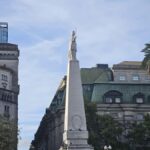
The tour begins at the Pyramid of May, where you’ll spot the guide holding a black umbrella. That detail matters. Buenos Aires crowds can be dense, and having a clear visual cue reduces stress. You’ll also end back at the meeting point, which is handy if you’re planning dinner or a later neighborhood stop.
I also like that the tour keeps you concentrated on the city center rather than spreading you thin across too many neighborhoods. In just two hours, you get a sense of how the civic core ties together: a square, a grand avenue, and the institutions at the end of the line.
You can also read our reviews of more historical tours in Buenos Aires

Avenida de Mayo: where the city shows off its European face
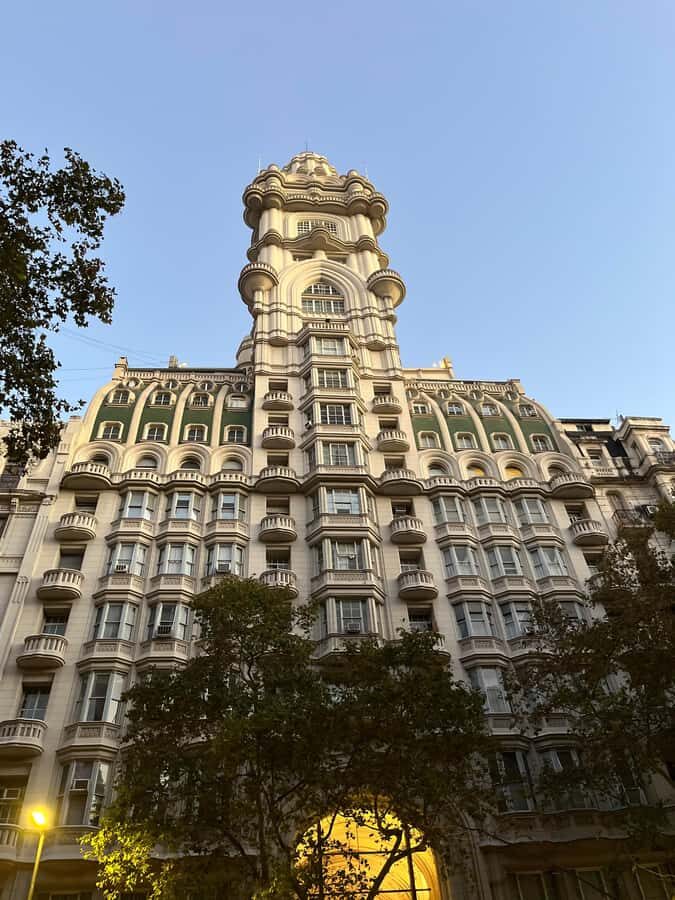
After Plaza de Mayo, you move along Avenida de Mayo for about an hour of guided walking. This is the part where Buenos Aires starts to feel like a styled stage set—big, formal buildings, strong lines, and a streetscape that tells you the city once looked to Europe for inspiration. Even if you’re not a self-described architecture nerd, you’ll still feel the shift. The avenue has scale.
This is also where the tour’s highlight list starts to make sense. As you work your way down the boulevard, expect to see street-facing references tied to landmarks such as Café Tortoni and Palacio Barolo. You don’t have to go inside these spots to appreciate the role they play in the city’s identity. Their facades and location along a major avenue are part of the story.
Practical tip: bring patience for walking time. This route is designed for viewing from the street and absorbing details as you go. If you’re someone who hates stopping, take short breaks when the guide pauses at viewpoints—standing for a minute can save you from losing context later.
The second round at Plaza de Mayo and what the Cathedral visit adds
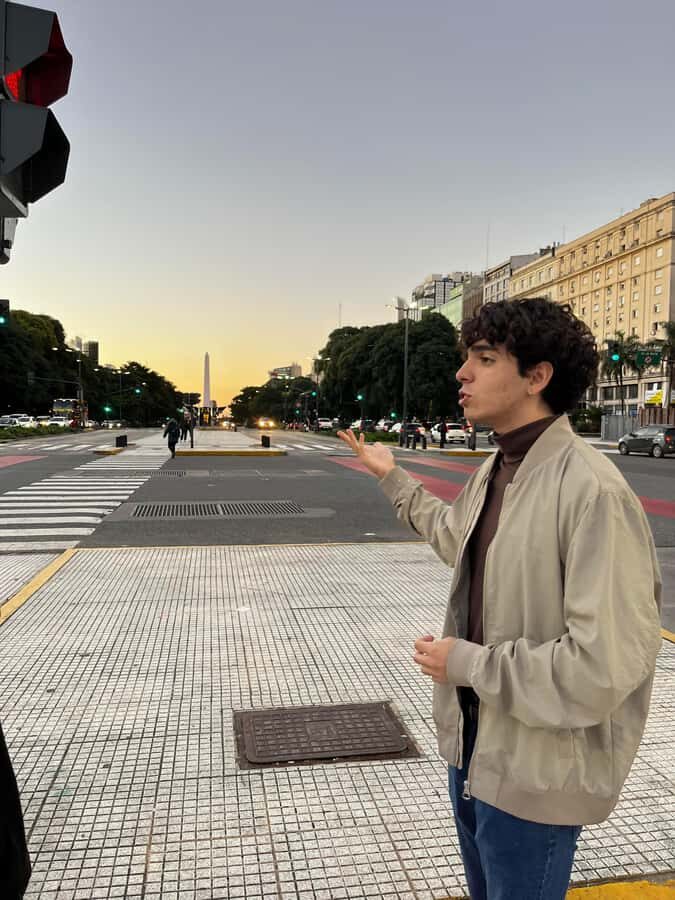
The itinerary brings you back for another guided hour around Plaza de Mayo. That’s a smart choice. The square looks different depending on where you stand and what you’ve already learned on the walk. In the first stretch, you’re oriented to the layout and the role of the area. Then you return with clearer context, so the details you missed the first time start to make sense.
The tour includes entrance to the Cathedral and Chapter, which is a big value add compared to many quick exterior-only city tours. Indoor visits change how you experience architecture. Instead of reading buildings only from the street, you get a chance to see how the space is arranged and how the religious/civic mix shows up in the design. Even if you’ve visited other cathedrals in South America, you’ll likely appreciate the way this one connects to the square’s central role.
What to watch for here: don’t treat the Cathedral and Chapter as a rushed checkbox. Use it as a pause in the middle of the tour. When you come out, the square feels less like scenery and more like a living civic stage.
Ending at the National Congress: the final “big statement” building
The walk finishes at the Congreso de la Nación Argentina. Ending at a national institution gives the tour a clean arc. You started in the square where public life has always been loud and visible. Then you moved through one of the city’s showiest avenues. Now you land at a building meant to represent governance and national identity.
This stop is especially good for photo lovers who also want meaning. The Congress building isn’t just a background object—it’s a reason for the route. You’ll leave with a stronger sense of how Buenos Aires organizes power and symbolism into urban space: squares for assembly, avenues for processions and prominence, and monumental architecture for legitimacy.
If you’re trying to time your day, plan for a smooth transition after the tour. Since the activity ends back at the starting area, you can pivot to a nearby café or museum without having to figure out a whole new route across town.
Price and time: why $12 can actually feel like a deal
The price is $12 per person for a 2-hour experience. On paper, that’s cheap for a guided walking format, and the value comes from the mix of stops: multiple big-name areas plus an included interior visit (Cathedral and Chapter). You’re not paying just for someone to point at buildings while you rush on your own.
Two things also make the pricing feel more reasonable. First, you get a live Spanish guide rather than an audio-only tour. Second, the tour is short enough to fit into most itineraries, which matters in a city where full-day activities can eat up your energy.
The best way to get your money’s worth is simple: arrive ready to walk, and don’t wait for the guide to do all the mental work. If you can, spend the last ten minutes of the tour looking back along the route you came from. It helps you connect the architecture to the story the city is telling.



Group size, language, and accessibility details that affect your comfort
This experience runs with a private group format, guided by a live Spanish guide. “Private” usually means you get a more personal rhythm—fewer interruptions, and it’s easier to ask questions if something doesn’t click right away.
Accessibility is explicitly supported: the tour is wheelchair accessible. Since it’s a city-center walking route, you should still expect some street-level unevenness typical of historic areas, but the operator is signaling that they’ve planned for wheelchair travelers.
One more practical detail: start times depend on availability. So if you’re aiming to fit it between other plans—like a museum or a meal—check schedules early. Even a tour that’s only two hours can feel long if it forces you to rush your next stop.
What this tour is best for (and who it might not fit)
This is a strong choice if you want an architecture-and-history overview without spending half your day commuting or zigzagging across multiple neighborhoods. I’d also recommend it if you like civic landmarks: squares, avenues, and major institutions. The route is built around them.
It’s also a good fit for first-timers. If it’s your first time in Buenos Aires, seeing Plaza de Mayo and Avenida de Mayo together helps you understand how the city’s center works as a whole. If you’re a repeat visitor, you may still enjoy the pacing because it’s structured around a readable timeline—start at the core, move along the grand avenue, then land at the national symbol.
Who might not love it: if you’re looking for deep technical architectural analysis or long, slow museum-style time, the two-hour format may feel too quick. This tour is about orientation and story clarity, not extended exploration of every building.
And one last comfort note: the meetup is a key part of the experience. You’re told exactly where to meet (in front of the Pyramid of May) and what to look for (a black umbrella). Make that your “default plan,” and give yourself a small buffer so you’re not starting the tour tense.
Should you book 100% History and architecture of Buenos Aires?
If you’re spending limited time in Buenos Aires, I’d say yes—with one condition: treat it like a guided walk, not like a casual stroll. With the included Cathedral and Chapter visit plus major street landmarks along Avenida de Mayo, $12 for two hours can give you more real context than you’d get from a self-guided loop.
It’s also promising that the overall average rating is 4/5. That tells me the experience generally lands well, but it also hints that it isn’t perfect every time.
My “go ahead” checklist:
- You can arrive at the Pyramid of May a few minutes early to find the black umbrella.
- You’re happy to walk around the historic center and stop for explanation.
- You want a city-center architecture and civic history highlight reel with a short, manageable timeline.
If that matches your travel style, book it. Then do yourself a favor: after the tour, take 10 minutes on your own to look back at the avenue and square. You’ll usually understand the city a lot better the second time you see it.
FAQ
How long is the Buenos Aires history and architecture tour?
The tour lasts about 2 hours.
Where does the tour start?
The meeting point is in front of the Pyramid of May, where the guide will have a black umbrella.
Where does the tour end?
The tour ends back at the meeting point.
What language is the guide?
The live tour guide speaks Spanish.
What is included in the tour?
The tour includes a guided tour and entrance to the Cathedral and Chapter.
How much does it cost?
The price is $12 per person.
Is the tour wheelchair accessible?
Yes, the tour is wheelchair accessible.