REVIEW · SALTA
From Salta: Cafayate, land of wines and imposing ravines
Book on GetYourGuide →Operated by La Quebrada Turismo · Bookable on GetYourGuide
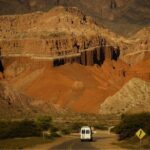
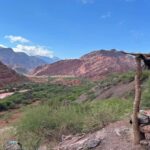
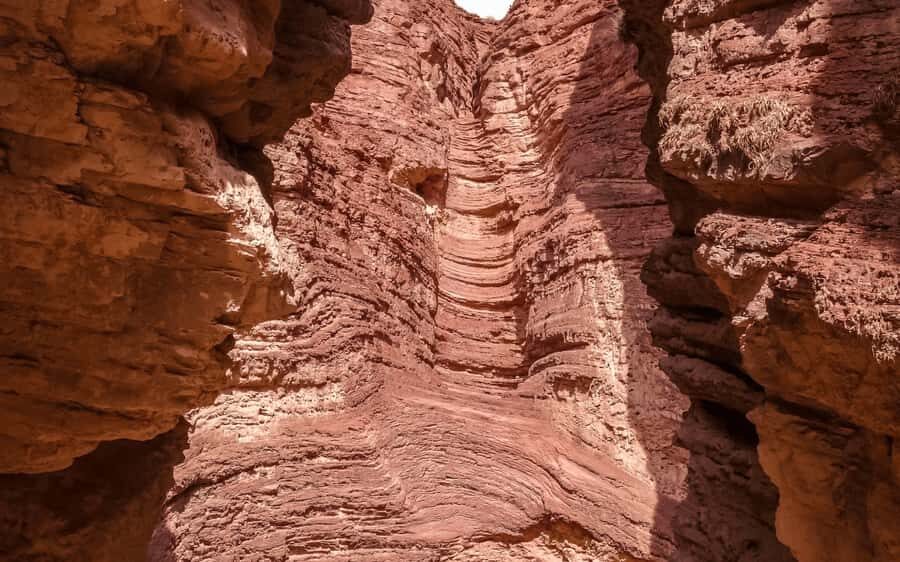
Salta to Cafayate is one long camera-happy day. You’ll ride through the Calchaquí Valley to the Las Conchas Natural Reserve, where the rocks look sculpted by an artist with a serious streak of orange and red.
What I like most is the variety of viewpoints packed into one day—short walks, quick photo stops, and just enough time to actually look. I also love the Cafayate winery visit, where the wine focus matches the region’s reputation for high-altitude grapes.
The main drawback is the day is long and the schedule moves. You’re on the road for hours, and if you’re hoping for a slow, relaxed Cafayate afternoon or a big, sit-down lunch, you may wish you had more time.
In This Review
- Key highlights worth planning around
- Cafayate and Las Conchas: a day that feels bigger than Salta Province
- The route from Salta: Lerma Valley views and the moment the gorge takes over
- Devil’s Throat to El Anfiteatro: the gorge stops that make the whole trip worth it
- La Garganta del Diablo (Devil’s Throat)
- El Anfiteatro (The Anfiteatre)
- Mirador Tres Cruces
- The mini stops: Las Conchas on a timeline of nicknames
- El Sapo (Quebrada de las Conchas)
- El Fraile and La Casa de los Loros (pass-by scenic viewpoints)
- Yesera
- El Obelisco and Las Ventanas
- Los Castillos
- Cafayate time: the winery visit and what you’re actually buying
- The winery stop (45 minutes total)
- Time in Cafayate town (about 2 hours)
- Comfort and timing: how to survive a 12-hour day without a grumpy mood
- Transport comfort you can plan for
- Heat, snacks, and staying human
- Who should book this Salta to Cafayate day trip
- Price and value: why $29 can work here
- Should you book this tour or go DIY?
- FAQ
- How long is the Salta to Cafayate day trip?
- What’s included in the price?
- Is food or drinks included?
- Where do you get picked up in Salta?
- What are the main stops in the Las Conchas Natural Reserve?
- How much time do you spend at the winery and in Cafayate town?
- Is the tour cancelled due to rain?
- What should I bring?
- Are alcohol, drugs, or pets allowed?
Key highlights worth planning around
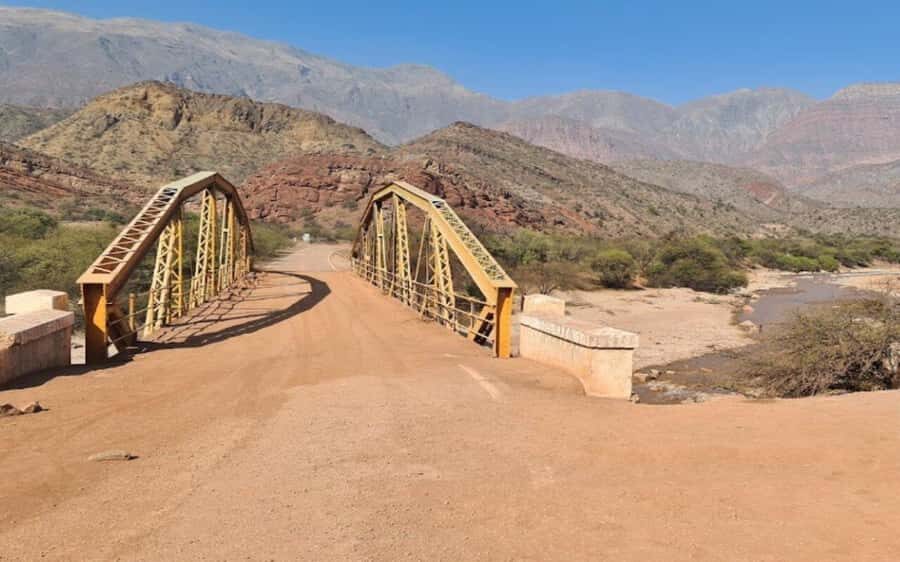
- Las Conchas formations in the Natural Reserve: Devil’s Throat, El Anfiteatro, Yesera, and more, with frequent photo stops
- A real photo circuit, not just driving: multiple short guided walks (some 10–20 minutes) to get you off the bus
- Cafayate winery time: guided visit plus wine tasting and time to browse and shop
- Bilingual guiding that actually works: guides like Carolina, Angie, Martín, Fabio, and Santiago have handled Spanish/English smoothly
- Comfort + timing: air conditioning shows up on many rides, but bus seats can feel tight on long legs
- Value for $29: transport, major sights, and the winery stop are built into the price
Cafayate and Las Conchas: a day that feels bigger than Salta Province
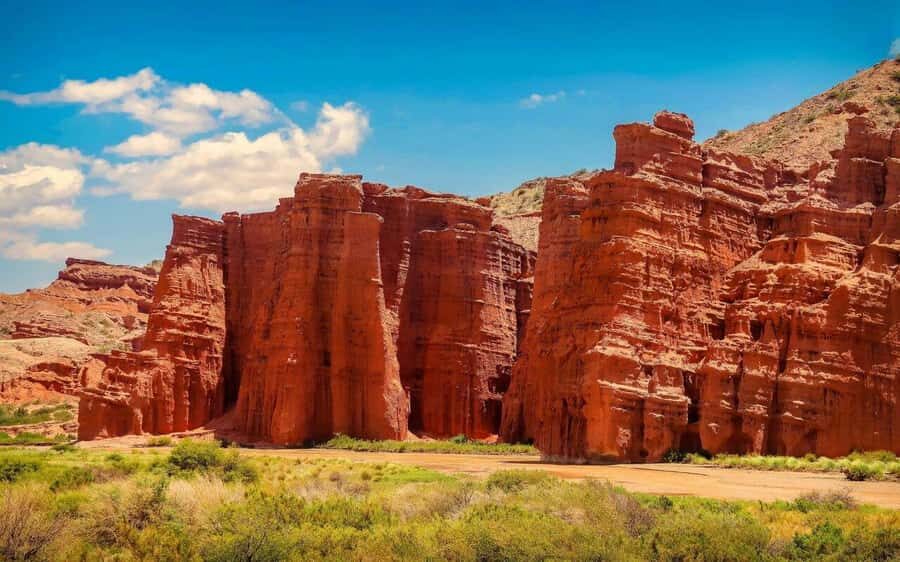
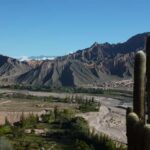
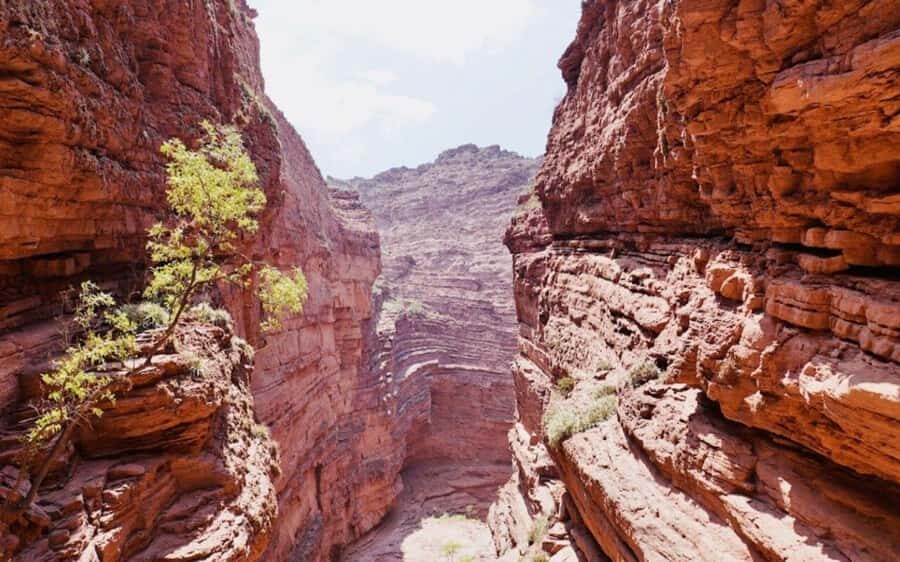
Cafayate sits in the Calchaquí Valley, about 180 km from Salta, and it has a reputation for wine that’s hard to ignore. But the part that surprised me is how much of the day is about the geology—the gorge looks like it’s been carved with a chisel, not weather.
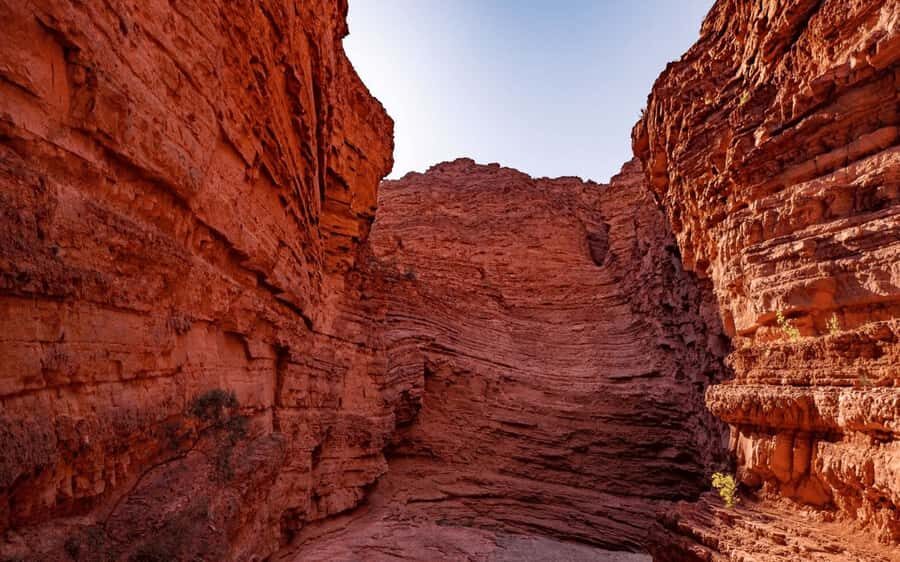
On this trip, you’ll get both sides: the dramatic rock formations first, then Cafayate with a winery visit afterward. The colors along the way are the hook: orange and red hills, then those sculpted shapes like La Garganta del Diablo and El Anfiteatro, all tied together by a famous route through North Argentina.
You can also read our reviews of more wine tours in Salta

The route from Salta: Lerma Valley views and the moment the gorge takes over
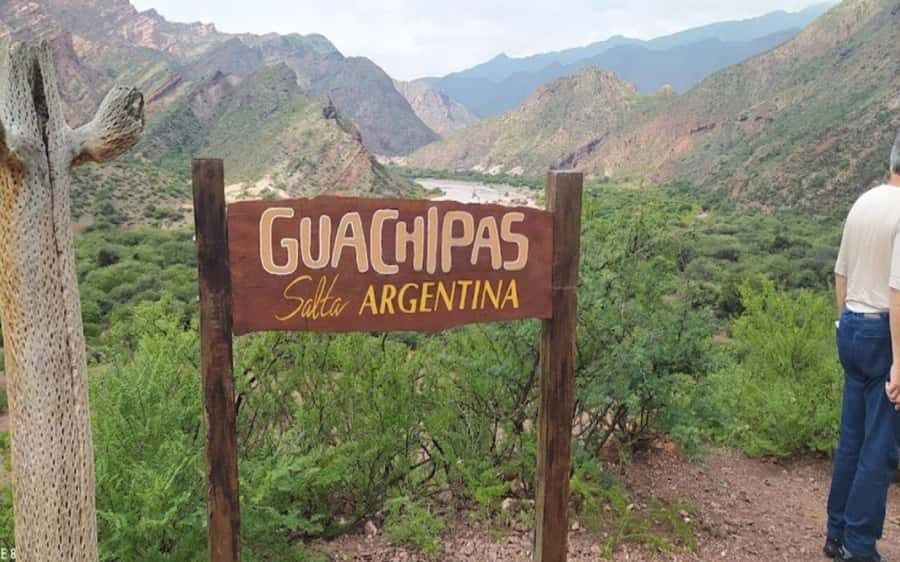
You start with pickup around Salta’s main square area (within about 15 blocks), then head out with a coach/sprinter/minibus ride that takes roughly 2 hours before the first real breaks and stops. There’s a local café break and a short window of free time early on—handy when you’re trying to time bathrooms and coffee before the “no turning back” part of the day.
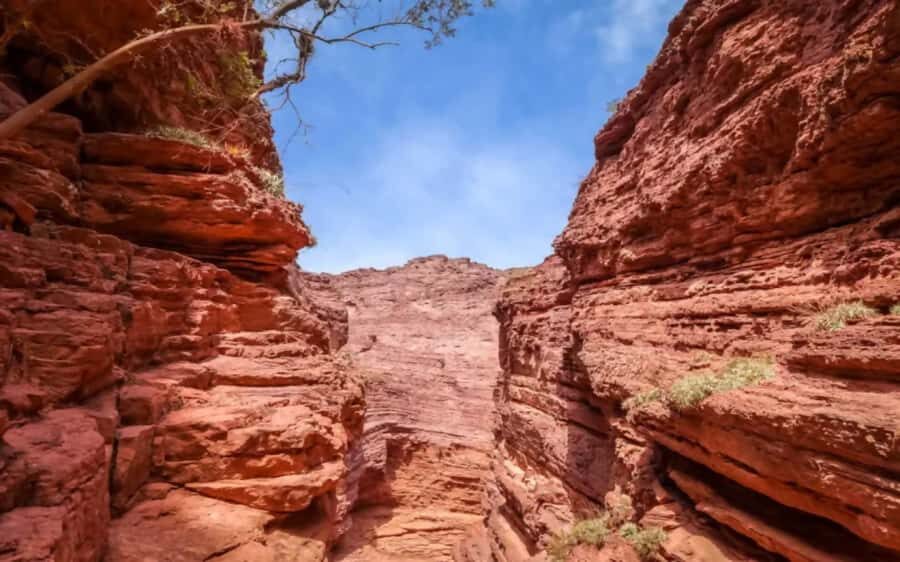
As you leave the city, the route takes you through the center and south of the Lerma Valley before you enter the Las Conchas gorge area. This transition matters. In the morning, you’re building context—valley geography and wide views—then the natural reserve starts delivering the close-up stuff, where each turn seems to reveal a new rock shape.
If you’re the type who likes to understand what you’re seeing, you’ll appreciate how the guide weaves the sites together in both languages. From what I’ve seen with guides like Carolina and Martín, the explanation doesn’t feel tacked on; it helps you recognize why each formation got its nickname.
Devil’s Throat to El Anfiteatro: the gorge stops that make the whole trip worth it
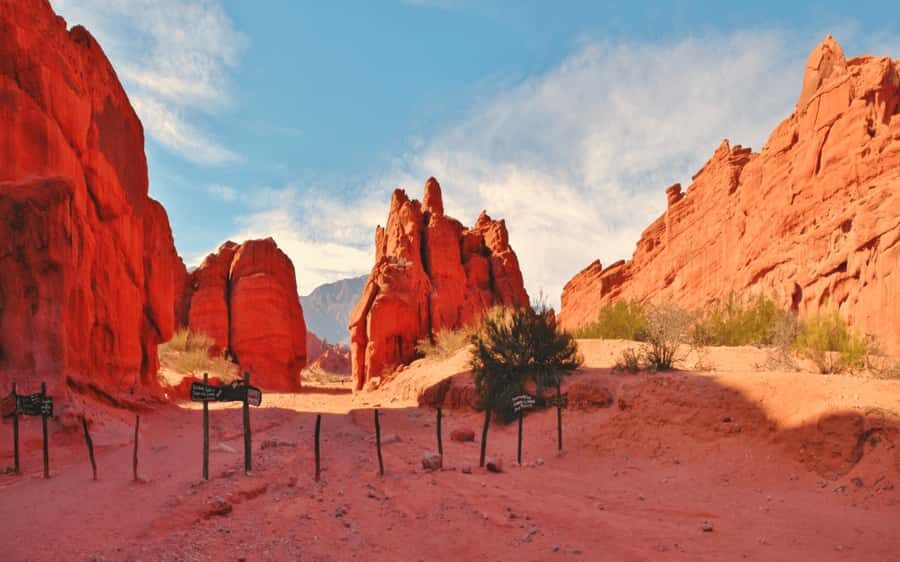
This is the heart of the experience: quick stops at recognizable formations, with photo time and guided walking when it’s scheduled. The best part is that you don’t need to plan anything yourself—you step out, look, listen, and move on.
La Garganta del Diablo (Devil’s Throat)
This is one of the first signature stops. You’ll get a photo stop plus a guided visit and walk for around 20 minutes. The “throat” idea isn’t random—you can see how the shape funnels attention and frames the gorge views like a natural corridor.
Tip from my perspective: wear comfortable shoes you can trust on uneven ground. Even short walks can feel longer when you’re concentrating on angles for photos.
El Anfiteatro (The Anfiteatre)
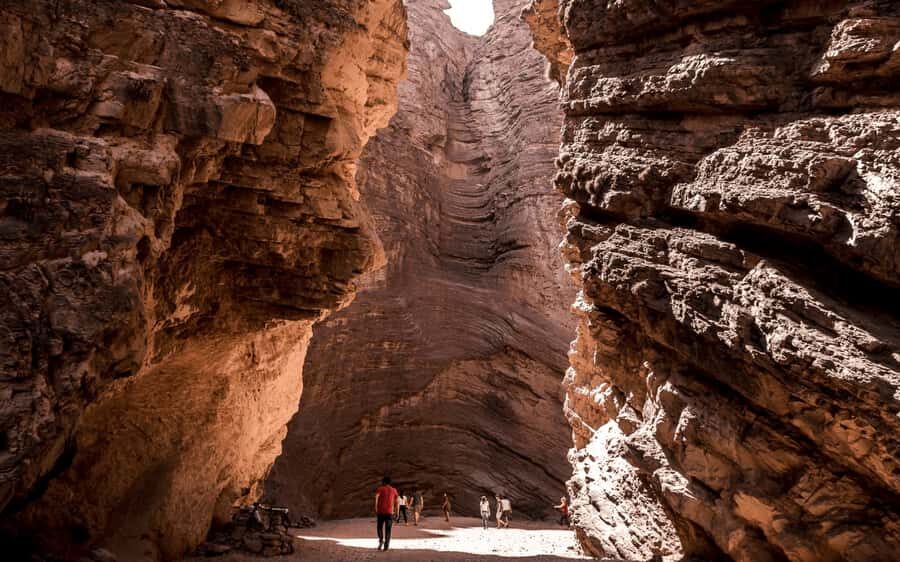
Next up is El Anfiteatro, with another guided visit and about 20 minutes of walking time. Think of it as a built-in stage. You’re in a bowl-like rock setting, and that helps your brain “read” the scene faster—even if you don’t know geology.
You’ll also get some free time here, which is useful. Use it to step back from the main viewpoint and look for the curve and symmetry the formation offers.
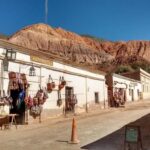

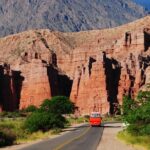
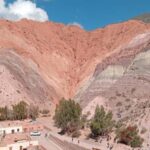
Mirador Tres Cruces
Then comes Mirador Tres Cruces, a viewpoint stop with around 15 minutes on foot. This one is more about the bigger context—how the gorge and surrounding hills sit together rather than just the carved features.
If you’re tired, this is the stop where you can still get payoff without overextending your legs. It’s short, and the view does most of the work.
The mini stops: Las Conchas on a timeline of nicknames
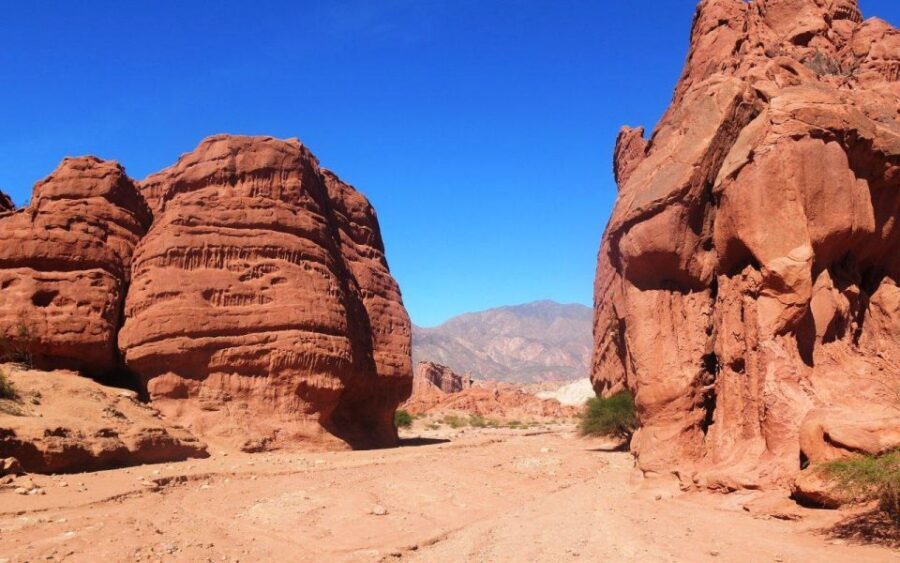
After the big two walks and the main mirador, the day becomes a sequence of quick hits. Some are just brief photo opportunities, while others include guided time for looking closely.
El Sapo (Quebrada de las Conchas)
El Sapo is a quick one—about 5 minutes, mostly photo and guided looking. The name helps here: you’re hunting for the profile the rock resembles. It’s not a long stop, so treat it as a fast puzzle.
El Fraile and La Casa de los Loros (pass-by scenic viewpoints)
These are pass-by stops—short and scenic. You won’t spend long on the ground, but you’ll get views that make you understand why the region got famous for this gorge route in the first place.
Yesera
Yesera gets around 10 minutes, including guided visit and sightseeing time with a short walk. It’s the kind of formation that benefits from hearing the guide’s explanation in the moment. Names and shapes land better when you see them right away.
El Obelisco and Las Ventanas
El Obelisco and Las Ventanas are mostly photo/passing stops, designed for quick framing. If you like photos that look like monuments, you’ll enjoy this part. The trick is moving efficiently—make your shots, then let the bus time take you onward.
Los Castillos
Los Castillos is another longerish stop for this late-stage run: around 10 minutes with guided tour, some free time, and time for sightseeing and walking. This is a good one to slow down for a moment. The formation group gives you more angles, and your photos will look better if you walk a few steps rather than shooting from one spot.
Cafayate time: the winery visit and what you’re actually buying
After the gorge circuit, you reach Cafayate and your day pivots from rocks to wine. You’ll have a winery visit first (about 45 minutes total time on site, including guided tour, tasting, and some time to shop), then time in Cafayate town afterward.
The winery stop (45 minutes total)
Expect a guided tour, a tasting, and a chance to buy bottles or small items. This visit matters because it connects the scenery to the product. Cafayate is known for high-altitude wines, and the tasting gives you a quick, practical sense of what the region tastes like.
One honest note: several people find the winery portion shorter than they want. If your main goal is wine education, you may leave wishing for more time. But for most people doing a full-day sights-and-wine program, it hits the sweet spot: a taste plus context.
Time in Cafayate town (about 2 hours)
Cafayate town time is about 2 hours, including break/photo/sightseeing/shopping windows. You’ll be able to walk, browse, and reset before heading back. The tradeoff is that the clock doesn’t slow down. Some people feel it’s a touch long for town browsing, while others appreciate the flexibility.
My practical advice: use your town time for two things only: a short stroll for photos and a quick browse for snacks or souvenirs. Don’t overcommit to a full meal. Drinks and food aren’t included on this tour, so plan your own plan.
Comfort and timing: how to survive a 12-hour day without a grumpy mood
This is a 12-hour excursion. That’s not hidden. The schedule builds in photo stops and breaks, but you’re still spending serious time on the road.
Transport comfort you can plan for
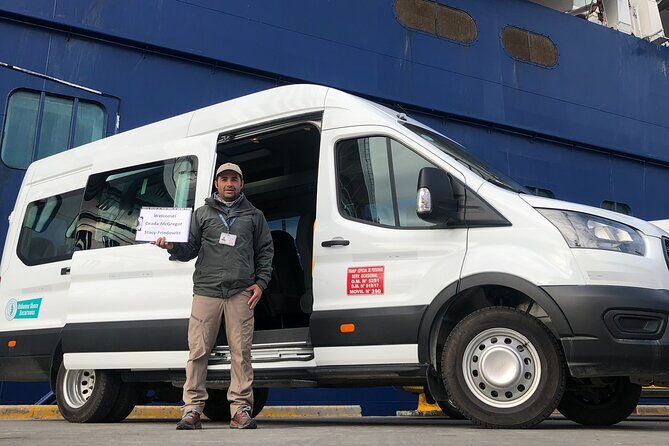
The ride uses a sprinter or minibus. Many people report good air conditioning and decent legroom—one tall traveler was happy with space. Still, seats can be tight, and one person noted front seats felt like the best move, while a seat near the wheels left them sore by the end.
If you can choose seating, aim for where you can stretch your legs and keep your posture comfortable. On a long day, your back is your most important travel partner.
Heat, snacks, and staying human
The tour runs all day, and the region can feel warm. I’d treat this like a day-trip where you should bring basics:
- Water and a small snack (food isn’t included)
- Sunscreen and a hat
- A fan if you have one (people mention warmth and thirst)
- Comfortable shoes for short but frequent walks
Also, the tour is not suspended due to rain or bad weather. So pack for sun, and have a light layer in case weather shifts.
Who should book this Salta to Cafayate day trip
This tour is a strong match if you want one-day access to the highlights without driving yourself. You’ll get the gorge formations, the best-known photo stops in Las Conchas, and a winery tasting in Cafayate—all with bilingual guidance and transport handled.
You’ll likely enjoy it if:
- You want a packed visual day with a mix of short walks and long view moments
- You like wine, but you’re also here for the scenery and the route
- You appreciate explanations in Spanish and English (guides like Carolina, Angie, Manuel, Martín, Fabio, and Santiago have done a great job switching languages smoothly)
You might not love it if:
- You’re hoping for a long, slow winery experience rather than a tasting-and-tour burst
- You want a relaxed sit-down lunch included (food and drinks aren’t part of the price)
- You hate long road time or crowded seating on long days
Price and value: why $29 can work here
At $29 per person for a 12-hour outing, the value is mainly in what’s included:
- Transport in a sprinter/minibus
- Bilingual guide in Spanish/English
- Major gorge sites plus photo stops
- Winery visit in Cafayate with tasting and guided tour
The cost feels low because the tour doesn’t include food or drinks. That’s the tradeoff. If you budget your own lunch, snacks, and water, the math gets easy: you’re paying for sights, guide time, and transport, not a packaged meal day.
Should you book this tour or go DIY?
Book it if you want the Las Conchas Natural Reserve highlights and Cafayate wine in one day with minimal planning. It’s especially good for first-timers who don’t want to juggle navigation, parking, timing, and multiple separate stops.
Skip or consider a different plan if you’re a wine-only person or if your ideal day is slow and food-focused. This is a sights-first program with wine as a significant add-on, not the whole story.
If you do book: bring snacks, aim for comfortable seating, and don’t treat each stop as a “long hike.” You’re here for quick, high-impact views—then you’re off to the next one. That pacing is exactly why the day works.
FAQ
How long is the Salta to Cafayate day trip?
The experience runs for about 12 hours.
What’s included in the price?
Transport from Salta, a bilingual guide (Spanish and English), stops in Las Conchas and the Calchaquí Valleys, and a winery visit in Cafayate with tasting. It also includes photographic stops at key geological formations and landmarks.
Is food or drinks included?
No. Foods and drinks are not included, so you’ll want to plan your own snacks and lunch.
Where do you get picked up in Salta?
Pick-up is included from hotels or central addresses within about 15 blocks around the main square area.
What are the main stops in the Las Conchas Natural Reserve?
You’ll stop for Devil’s Throat (La Garganta del Diablo), El Anfiteatro, Mirador Tres Cruces, El Sapo, Yesera, El Obelisco, Las Ventanas, and Los Castillos, plus shorter scenic pass-by viewpoints.
How much time do you spend at the winery and in Cafayate town?
The winery portion totals about 45 minutes. Time in Cafayate town is about 2 hours.
Is the tour cancelled due to rain?
No. The excursion is not suspended due to rain or bad weather.
What should I bring?
Bring your passport or ID card and wear comfortable shoes (sports shoes are recommended).
Are alcohol, drugs, or pets allowed?
No to alcohol and drugs, and pets are not allowed.