REVIEW · SALTA
City of Salta: Alpaca and leather handicraft workshop in the open air!
Book on GetYourGuide →Operated by ARTESANO POR UN DIA · Bookable on GetYourGuide
Salta gives you plenty of views, but this experience gives you a skill and a souvenir. You work with alpaca embossing on Argentine leather in the fresh air, with an instructor who walks you through each step and makes the process feel doable.
I love that you get to choose what you make (billetera, card holder, or bracelet) and leave with something you actually used your hands to create. I also like the cultural rhythm: you pause for mate and learn the proper way to prepare and drink it, not just “try a drink.” One catch: it’s fully outdoors, so sun, bugs, and weather matter, and it’s not a great fit if you’re sensitive to insects.
In This Review
- What makes it feel local, not touristy
- Key things to know before you go
- Alpaca embossing on leather: why this craft is worth your time
- Meeting by the Martín Miguel de Güemes monument (and why location matters)
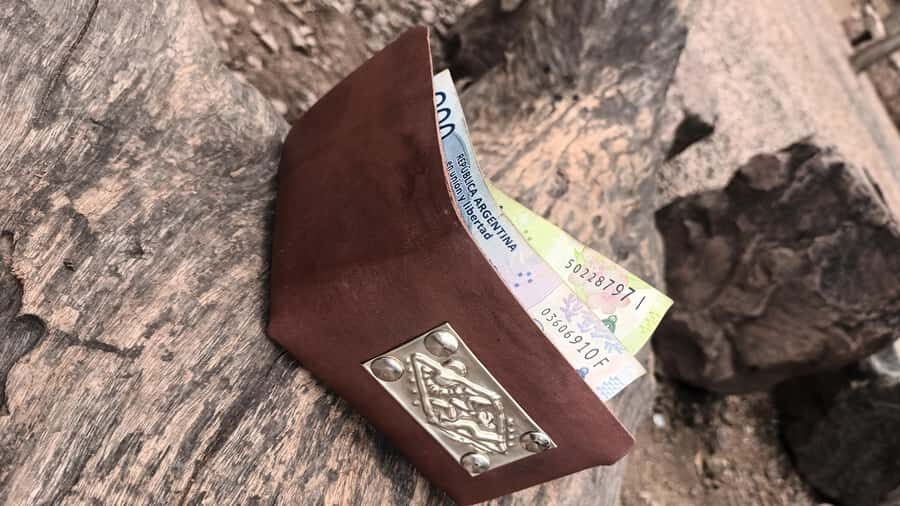
- What you make: billetera, card holder, or bracelet
- How the embossing lesson works in real time
- Mate with the craft: the cultural pause that makes it memorable
- Outdoors means you should pack like it’s sunny (because it is)
- Small group size: why learning actually happens
- What’s included, and what that means for your value
- Practical timing and what to expect on the ground
- Who should book this workshop in Salta
- Should you book this Salta alpaca and leather workshop?
- FAQ
- Where does the workshop meet?
- How long is the workshop?
- What can I make in the workshop?
- Are materials and tools included?
- Is mate included?
- What languages are the instructor’s lessons in?
- How big is the group?
- What should I bring?
- Is alcohol allowed?
What makes it feel local, not touristy
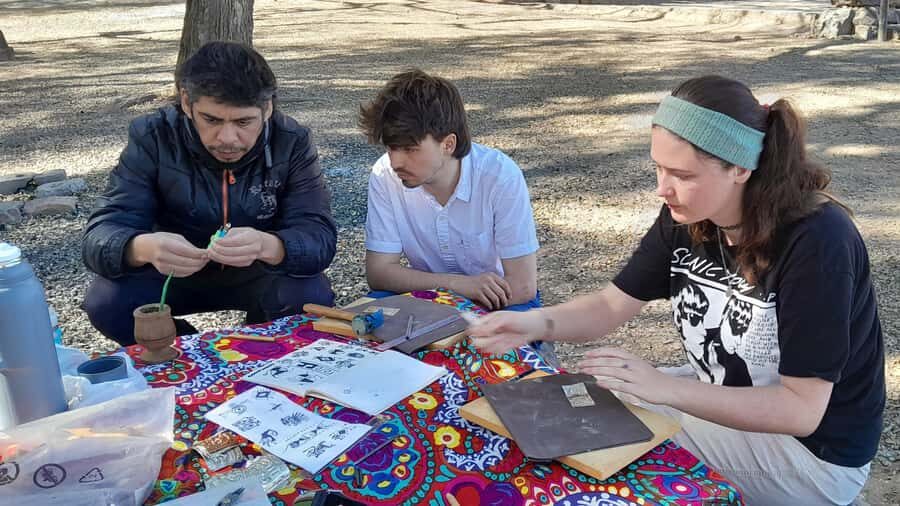
The workshop meets at the steps at the foot of the Martín Miguel de Güemes monument, right by nature at the foot of San Bernardo hill. Expect a small group limited to 4 people, so you get real help while you emboss your metal and transfer that shape into your leather.
You’ll be outdoors for the whole creative session (the class itself runs about 1 hour and 30 minutes, with a 2-hour overall window). If you want a “learn, make, and go” experience that feels grounded in Salta craft culture, this one has the right energy.
Key things to know before you go
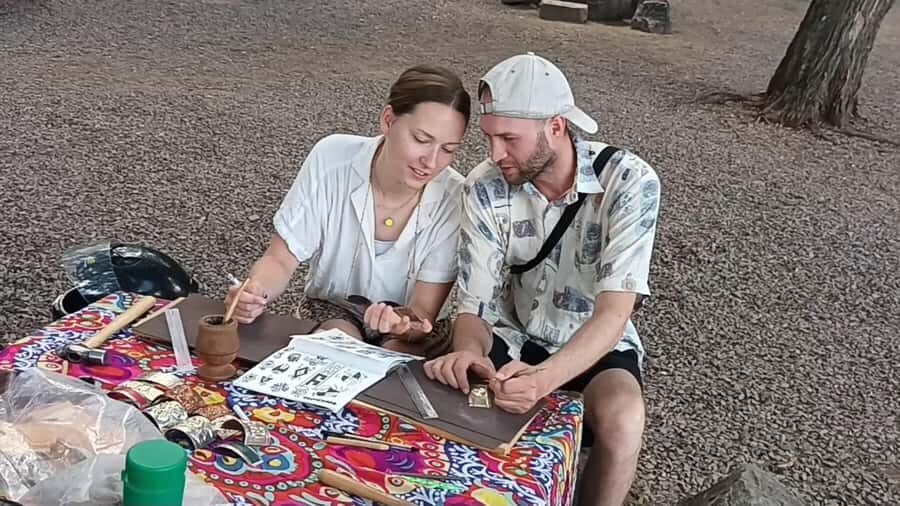
- Outdoor workshop setting at the foot of San Bernardo hill, meeting by the Güemes monument steps
- Small group size (up to 4), so your instructor can correct your technique
- Pick your creation: billetera, card holder, or bracelet
- Real materials included: alpaca metal and 100% Argentine leather plus the tools
- Mate time is part of the lesson, including guidance on preparing and drinking it
You can also read our reviews of more city tours in Salta

Alpaca embossing on leather: why this craft is worth your time
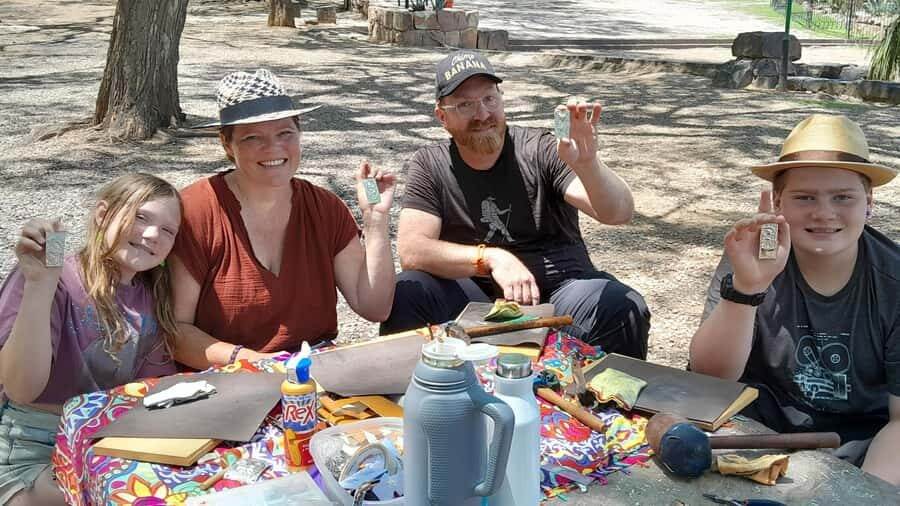
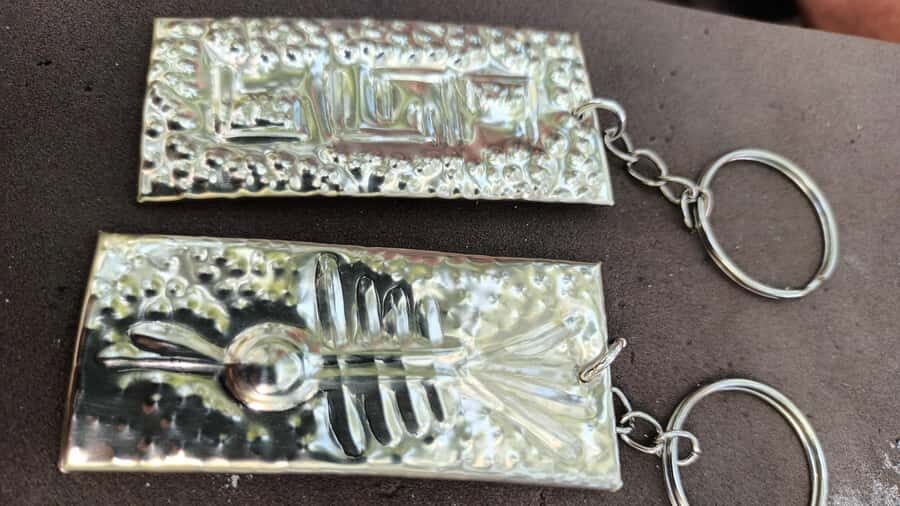
This is one of those activities where “souvenir” is the wrong word. Yes, you’ll bring home a handmade item, but the bigger value is the technique. Embossing alpaca metal is satisfying because it’s tactile and visual: you shape the metal with intent, then translate that into a leather piece that’s uniquely yours.
Alpaca here isn’t just a “pretty metal.” It’s described as a noble, malleable metal with a color and shine similar to silver. That matters because it handles in a way that supports embossing, meaning you’re not fighting the material. On the other side, you’re working with soft yet resistant Argentine leather, so your final accessory doesn’t feel flimsy or temporary.
The result is a practical keepsake. You’re not buying a pre-made thing off a shelf and calling it local. You’re creating a functional item, and that’s the difference between a 10-minute purchase and a real memory.
Meeting by the Martín Miguel de Güemes monument (and why location matters)
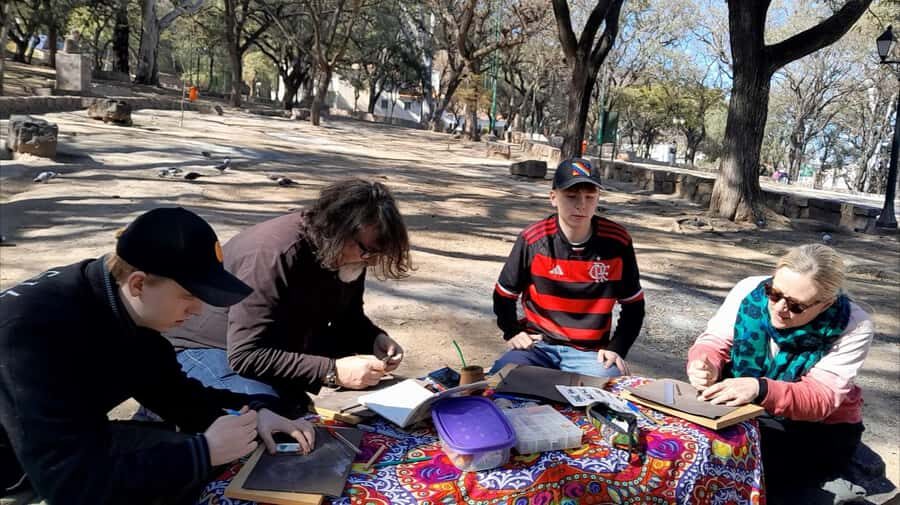
Your workshop starts at the steps at the foot of the Martín Miguel de Güemes monument. Being outdoors by San Bernardo hill is more than a nice backdrop. It changes how the session feels: you’re not trapped indoors, and you’re not rushed through a single “photo moment.”
Because the class is outdoors, you’ll want to treat it like a short hike day, even if you don’t walk much. Bring a hat and plan for sun. Also bring insect repellent and biodegradable sunscreen, since the experience is designed to be enjoyed fully outside.
If you like learning in a real-world setting instead of a studio, this location is a plus. The craft isn’t floating in a vacuum. It’s happening where people live with the outdoors as part of daily life.
What you make: billetera, card holder, or bracelet
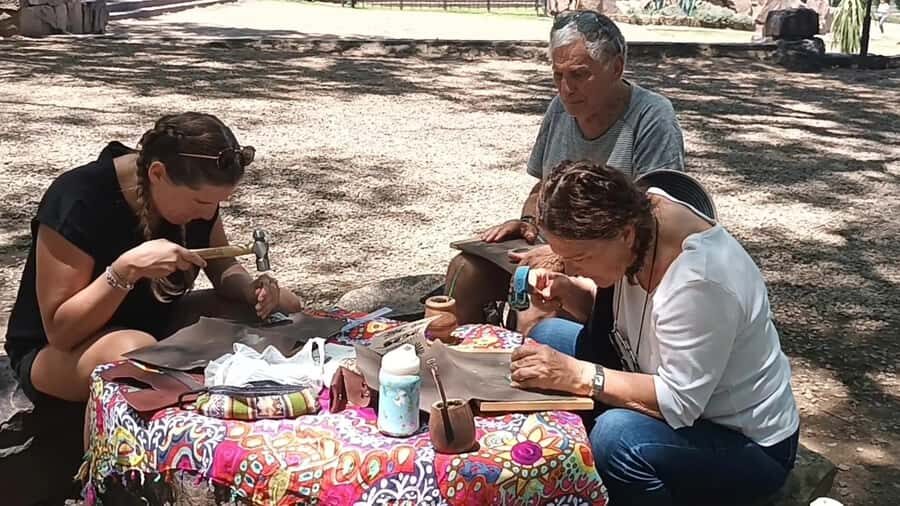
Right away, you’ll choose your creation, and that choice affects the entire workshop flow. You can make:
- Billetera (wallet): practical and elegant for cards and cash
- Card holder: built for a lighter, “just what I need” carry
- Bracelet: wearable, personal, and easy to show off
I like that these options cover different styles and needs. If you’re a “use it every day” type, the billetera or card holder makes sense. If you prefer something smaller and lower stakes, the bracelet is a great entry point.
Also, because you’re personally embossing the leather with your chosen metal technique, your final piece reflects your own hands and decisions. Even if your design isn’t complicated, you’ll notice the difference the moment you hold it. It feels earned.
How the embossing lesson works in real time
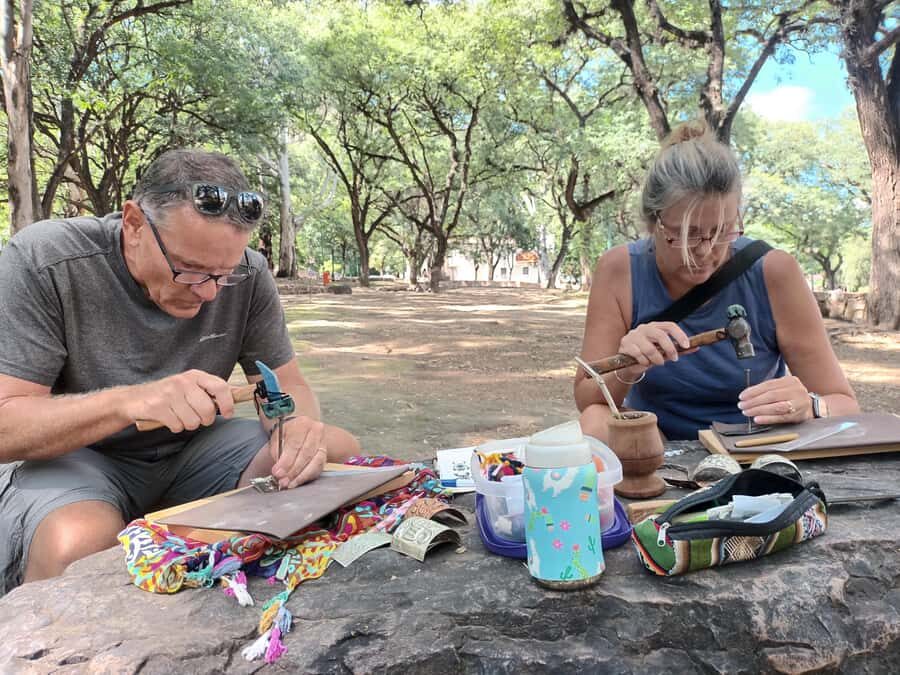
The core of the workshop is the technique of alpaca embossing, applied onto the Argentine leather. The way the session is described, the instructor guides you step-by-step and stays engaged while you work. This is important because embossing isn’t just “press and hope.” You need the right prep and the right sequence.
You’ll be using included tools and materials, so you aren’t guessing what you’re supposed to do next. You also get instruction in the process, plus time to actually try. That’s why small group size matters. With fewer people, the instructor can notice when your impression isn’t landing cleanly and adjust your approach.
If you’ve never done anything like this, don’t worry. The reviews point to instructors like Carlos being good at helping you through the process. People highlight how detailed the guidance feels, and how helpful it is to be shown the proper way to prepare and handle the mate ritual as well. That kind of attention usually shows up in the craft, too.
The lesson pace is meant to fit into roughly 1 hour and 30 minutes of making time. That’s enough for you to learn the technique and finish something you can walk away with.

Mate with the craft: the cultural pause that makes it memorable
Mate isn’t an add-on here. It’s part of the experience, and the instructor teaches it as tradition rather than a gimmick. You’ll drink mate (traditional Argentine infusion) during the session, and you’re guided on the proper way to prepare and drink it.
I like this because it slows the whole experience down in a good way. Craft workshops can feel mechanical if they’re purely technical. Adding mate creates a human rhythm: you work, you pause, you learn something small and specific about daily culture, and you return to your piece with a calmer head.
From the feedback, the mate part stands out because it’s taught with care. People mention the proper way to prepare and drink mate as a “cool experience,” not just a sip. So if you want something distinctly Argentine beyond the craft itself, this is where the authenticity shows up.
Outdoors means you should pack like it’s sunny (because it is)
This workshop is designed to be enjoyed 100% outdoors, and that should guide what you bring. The recommendations are very clear:
- Hat
- Comfortable clothes
- Biodegradable sunscreen
- Biodegradable insect repellent
That list is practical for a reason. You’re working outdoors in the same time window as the sun and insects, and there’s no suggestion of an indoor backup. If you’re the type who burns easily, prioritize sunscreen. If you know you react to bites, bring strong repellent and consider covering clothing.
Also note one behavioral detail: alcohol and drugs are not allowed. That keeps the class focused and likely safer around tools and hot drinks.
If you want the experience to feel relaxed, treat it like a warm-weather activity and dress accordingly.
Small group size: why learning actually happens
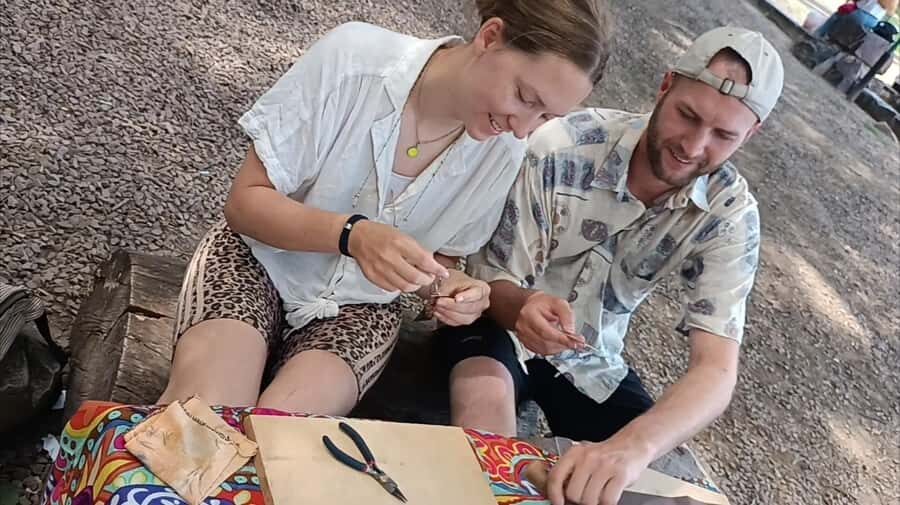
Limited to 4 participants, the workshop is built for interaction. That single detail can be the difference between “I made something” and “I learned how to make it.”
With a small group, the instructor can:
- notice where you’re struggling with the embossing technique
- correct your handling without rushing you
- guide you while you work rather than just demonstrating at the start
And because you’re creating a real item, you can’t just get away with vague instructions. You need clear feedback, especially in a hands-on process like this.
The reviews also point to a strong teaching style, especially from Carlos, who is described as friendly and down to earth while still giving detailed help. That balance matters because it keeps the session fun without sacrificing quality instruction.
What’s included, and what that means for your value
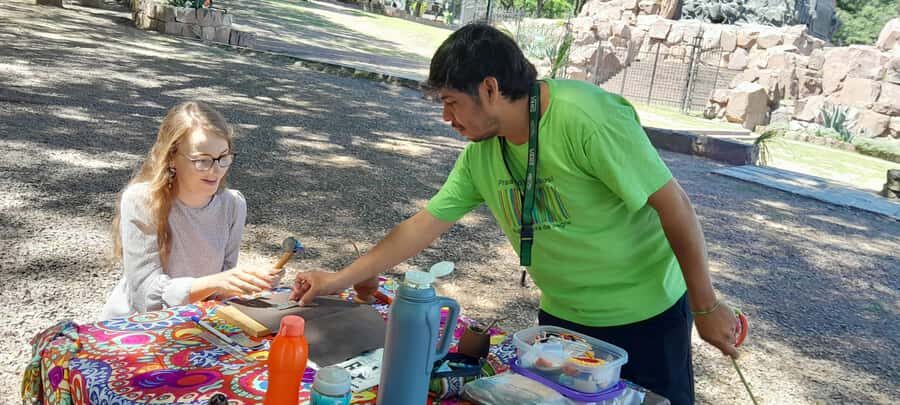
The price is $22 per person, and it includes the important stuff: alpaca metal, 100% Argentine leather, necessary tools, and mate. You’re not paying extra for materials, which is usually where craft classes inflate.
Here’s how that adds up in plain terms. If you were to buy the materials and tools yourself, you’d pay more, and you’d still have to figure out the technique. In this workshop, you pay for:
- materials you can’t easily source for a one-off project
- tool access
- guided teaching and hands-on help
- a cultural element (mate) that’s also included
The duration is about 1 hour and 30 minutes for the workshop, with an overall 2-hour window. For $22, you’re getting a full creative session rather than a quick demo.
One note: the activity is not suitable for children under 10, and it’s not recommended for people with mobility impairments or for visually impaired people. If that applies to you, it’s best to skip rather than hope the outdoor format works out.
Practical timing and what to expect on the ground
You’ll have multiple starting times depending on availability, and the experience runs as a 2-hour activity overall. That means you can fit it into your day without it swallowing half of Salta.
Expect:
- arrival at the meeting point by the Güemes monument steps
- an outdoor setup at the foot of San Bernardo hill
- teaching and hands-on embossing
- mate included as part of the flow
- return back to the meeting point at the end
Also, you’ll be taught in English and Spanish, which is a big deal if you want to understand the process without relying on hand gestures.
Given it’s a small group and you’re making a finished accessory, plan for a “slow and steady” pace. This isn’t a sprint tour. It’s a quality hands-on workshop.
Who should book this workshop in Salta
I think this is a great fit if you want any of the following:
- you like hands-on experiences and don’t mind getting a little messy
- you want a practical souvenir you’ll actually carry
- you enjoy cultural details like mate that go beyond a menu description
- you prefer small groups with real instruction
It’s also ideal if you like the outdoors and can handle sun and insects for about 1.5 hours.
Skip it if:
- you’re dealing with insect allergy risk and can’t manage it
- you have mobility or vision limitations that would make an outdoor, hands-on format difficult
- you’re not comfortable being outdoors in the conditions Salta can bring
Should you book this Salta alpaca and leather workshop?
Yes, if you want a meaningful craft experience with included materials, small-group attention, and a tangible item at the end. The best part isn’t just the souvenir. It’s that you’re taught the embossing technique on real Argentine leather, and you learn mate properly during the session.
Book it if you like learning by doing and you’re okay with a fully outdoor workshop. Don’t book it if sun and bugs would ruin your day, or if outdoor participation isn’t practical for your needs.
FAQ
Where does the workshop meet?
It meets on the steps at the foot of the Martín Miguel de Güemes monument.
How long is the workshop?
The workshop is about 1 hour and 30 minutes, and the full activity runs around 2 hours.
What can I make in the workshop?
You can choose a billetera (wallet), a card holder, or a bracelet.
Are materials and tools included?
Yes. Alpaca metal, 100% Argentine leather, and the necessary tools are included.
Is mate included?
Yes. Mate (traditional Argentine infusion) is included, and you’ll be guided on the proper way to prepare and drink it.
What languages are the instructor’s lessons in?
The instructor teaches in English and Spanish.
How big is the group?
It’s a small group limited to 4 participants.
What should I bring?
You should bring a hat, comfortable clothes, biodegradable sunscreen, and biodegradable insect repellent.
Is alcohol allowed?
No. Alcohol and drugs are not allowed during the activity.