REVIEW · SALTA
From Salta: Full-Day Tour to Cafayate with Wine Tasting
Book on GetYourGuide →Operated by TIAMAR TRAVEL EVT · Bookable on GetYourGuide
A full day, lots of geology, and plenty of time outside. I love how the drive drops you straight into tobacco country first, with adobe-and-clay chimneys and sun-drying leaves in the Lerma Valley. I also love the way the trip strings together famous rock formations in Quebrada de las Conchas, from Devil’s Throat to the House of the Parrots, with a bilingual guide who keeps explaining what you’re seeing. One drawback to plan for: this is a long day with about 2 hours of bumpy dirt roads on the return, so it’s not ideal if your back is sensitive.
The Cafayate portion is the reward stop: you arrive, you eat (lunch is on your own), and you visit a winery or two to learn about the local wine scene—especially torrontes. The wine part is not a long, slow “cellar-door weekend” experience; it’s a tasting-focused break that fits into a packed itinerary.
Even so, at around $29 per person with hotel pickup, an air-conditioned minibus, and a certified Spanish-English guide, this tour offers a lot of time-on-the-road scenery for the price. If you get a guide like Omar, Monica, Julio, Eduardo, or Eva, you’re likely to get energetic explanations in both languages.
In This Review
- Key points you should know before you go
- Tobacco Country to Quebrada: how this day starts
- Devil’s Throat and the House of the Parrots: the stops that make it worth it
- Cafayate arrival: time for lunch and a real town break
- The winery visit: what you get (and what to watch for)
- Torrontes tasting tips: how to make the most of a short stop
- The ride reality: comfort, bumpy roads, and where to sit
- Why the price feels fair at $29
- Guides can make or break the day: who to watch for
- When this tour is the right fit (and when it isn’t)
- Simple game plan: how to enjoy the day without stress
- Should you book this Cafayate day trip from Salta?
- FAQ
- How long is the tour?
- What’s included in the price?
- Is lunch included?
- Do I visit one winery or two?
- What language is the guide?
- Where are pickups in Salta?
- Is the tour suitable if I have back problems?
- What should I bring?
- Is it okay for minors to join?
- How bumpy is the drive?
Key points you should know before you go
- Lerma Valley tobacco sights first: adobe and clay chimneys plus sun-drying tobacco leaves set the tone for the day
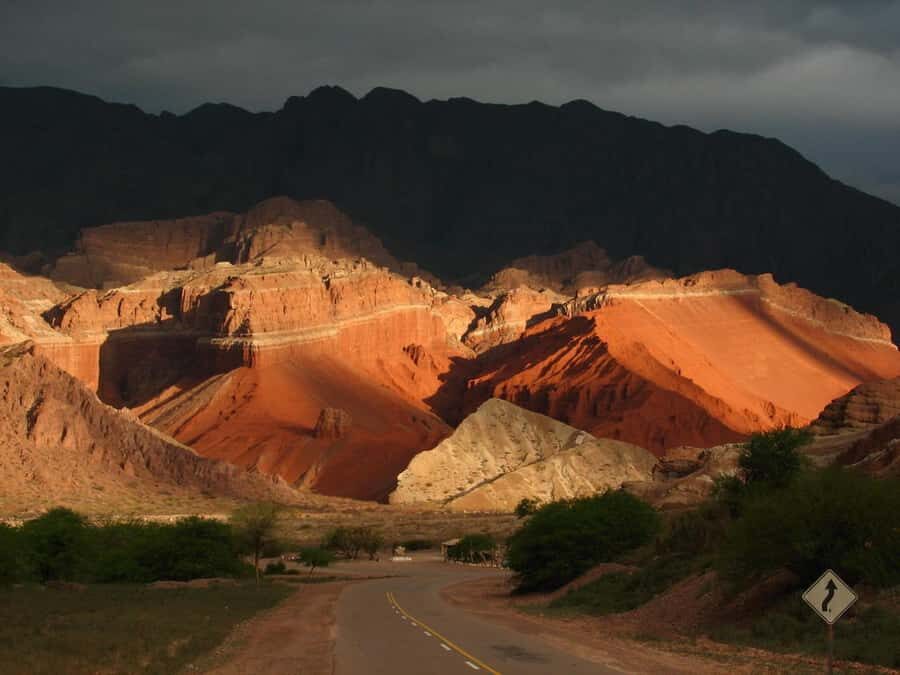
- Quebrada de las Conchas stops are the main event: Devil’s Throat and the House of the Parrots are photo-worthy waypoints
- Winery visit is short and tasting-style: you may do one bodega (some days) rather than a full wine tour
- Bilingual guiding matters on this route: you’ll get explanations in English and Spanish without long gaps
- Minibus comfort, but uneven roads: the vehicle is air-conditioned, yet the dirt-road stretches can feel rough
- Cafayate time is practical: you get time to enjoy the town and connect it to what you learned from the drive
Tobacco Country to Quebrada: how this day starts
This is a true “go early, see a lot” day trip. You’re picked up from downtown Salta hotels between 7:00 AM and 7:40 AM, then you head south along Provincial Route 68. The morning is less about wine and more about how this part of Argentina works.
In the Lerma Valley, the bus rolls past farms and especially tobacco plantations. You’ll see the distinctive drying setup—chimneys made of adobe and clay—and you’ll likely spot tobacco leaves spread out to dry under the sun. It’s an attention-grabber if you like understanding how landscapes are shaped by work, not just by tourism.
This morning segment is also where the guide helps you get your bearings fast. Guides tend to connect what you see to the geology and the way the region’s climate and elevation influence agriculture. If you’re the type who likes an explanation attached to a view, this tour fits that habit well.
You can also read our reviews of more food & drink experiences in Salta


Devil’s Throat and the House of the Parrots: the stops that make it worth it
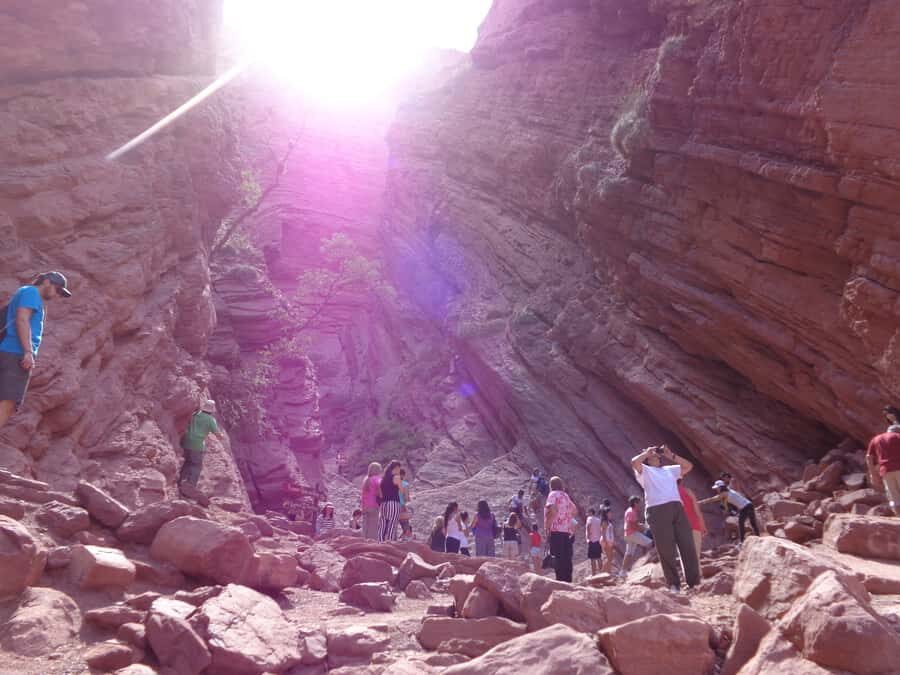
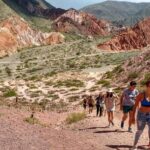
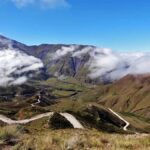
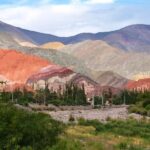
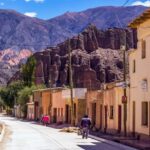
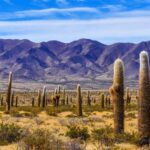
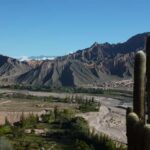
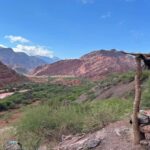
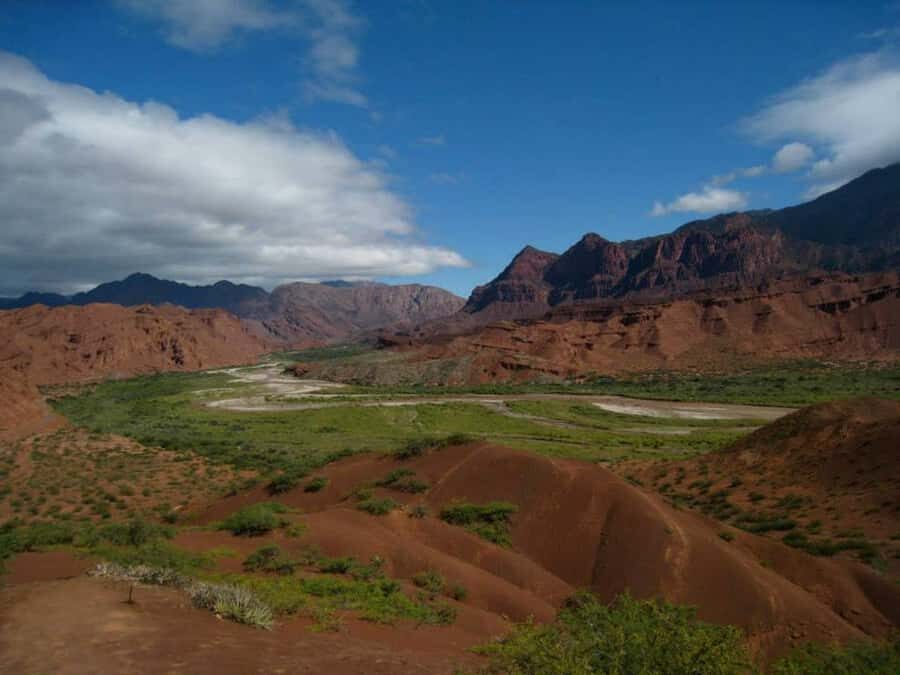
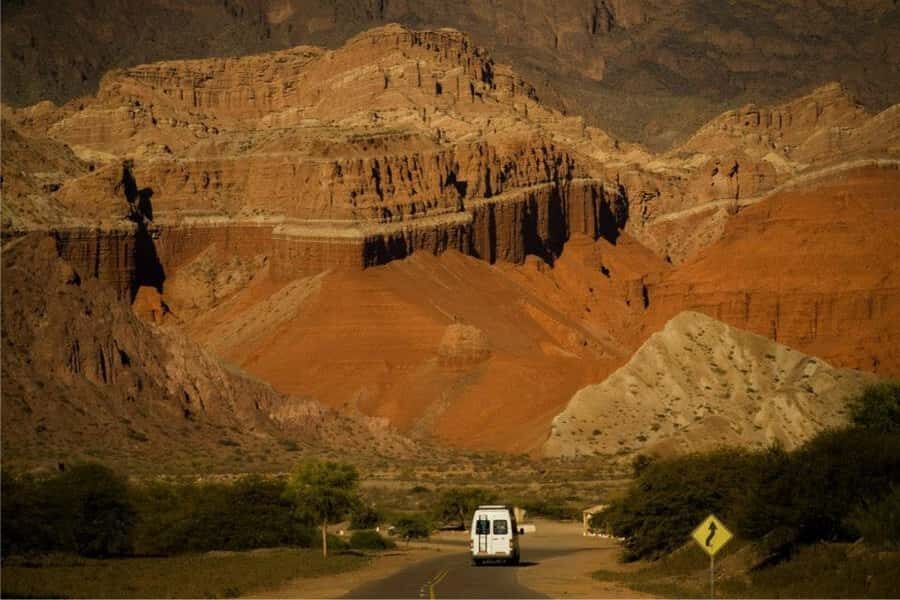
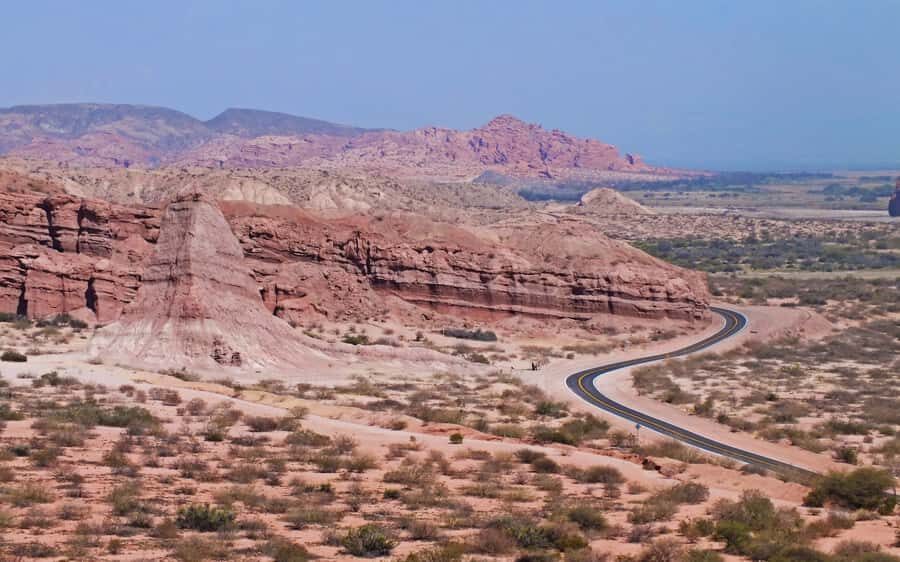
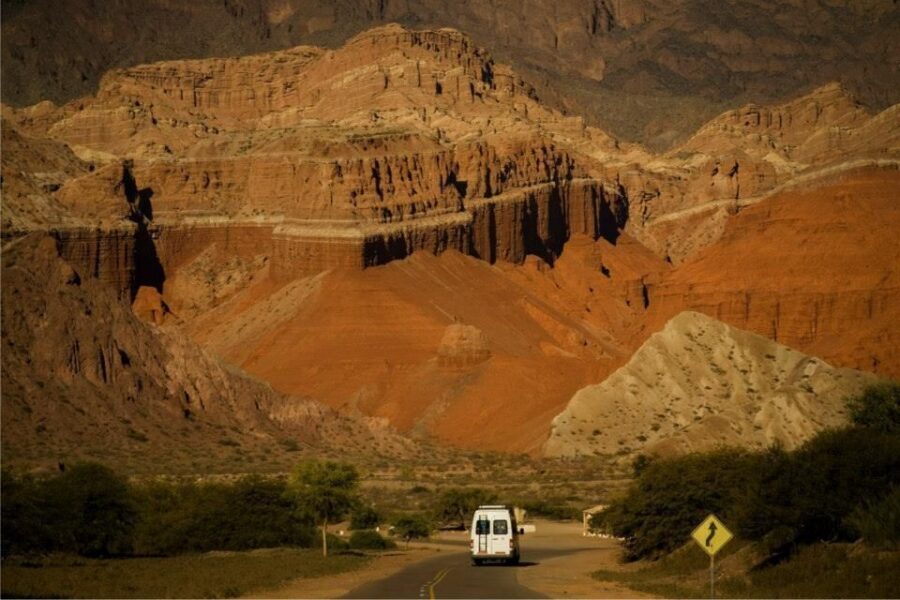
Once you leave the Lerma Valley world behind, you start getting those red-rock, canyon-shaped vistas that make people stop mid-sentence to take pictures. You pass through the town of Alemania and then start seeing the dramatic formations tied to the broader Quebrada de las Conchas area.
Two named highlights are built into the driving route:
- Devil’s Throat: a narrow, steep rock feature that looks far more theatrical than the name suggests. It’s the kind of stop where you appreciate scale—how steep the walls are and how the terrain channels light.
- House of the Parrots: another rock-formation stop that catches your eye from multiple angles. The colors and shapes make it easy to understand why this region pulls serious photographers.
The key thing here is pacing. The day is long, so the stops have to work. You’re not stuck in one viewpoint for ages, and you’re also not rushed past everything. The guide typically keeps you informed while you’re moving, then gives you a chance to hop out and look up.
If you care about geology, you’ll like how guides like Omar and Eduardo are described as giving detailed scientific background and clear explanations in English and Spanish. Even if you don’t memorize every term, you’ll come away with a stronger mental map of what you’re actually seeing.
Cafayate arrival: time for lunch and a real town break
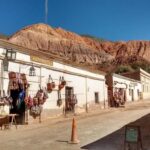
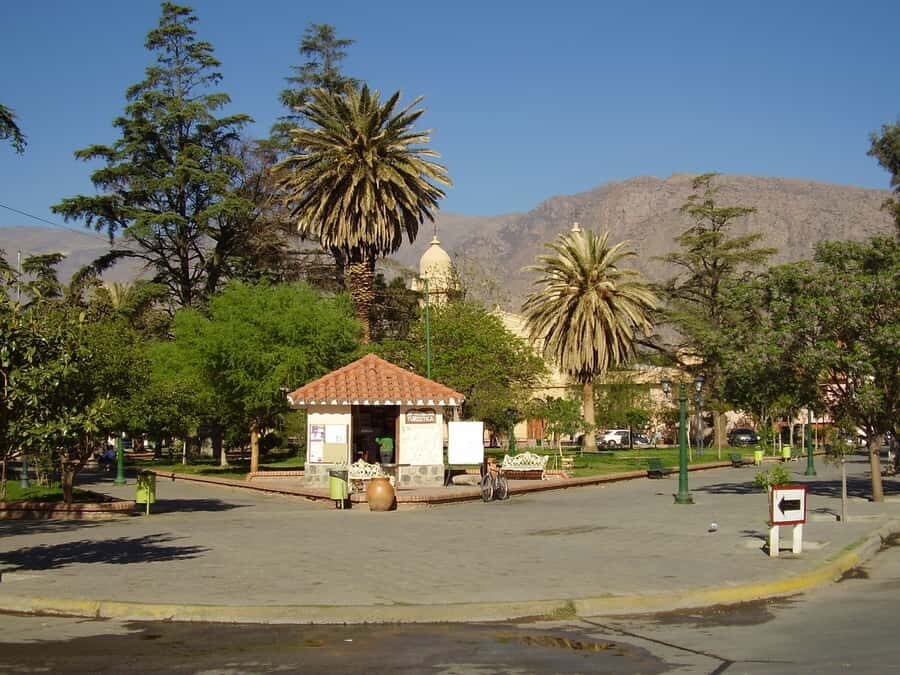
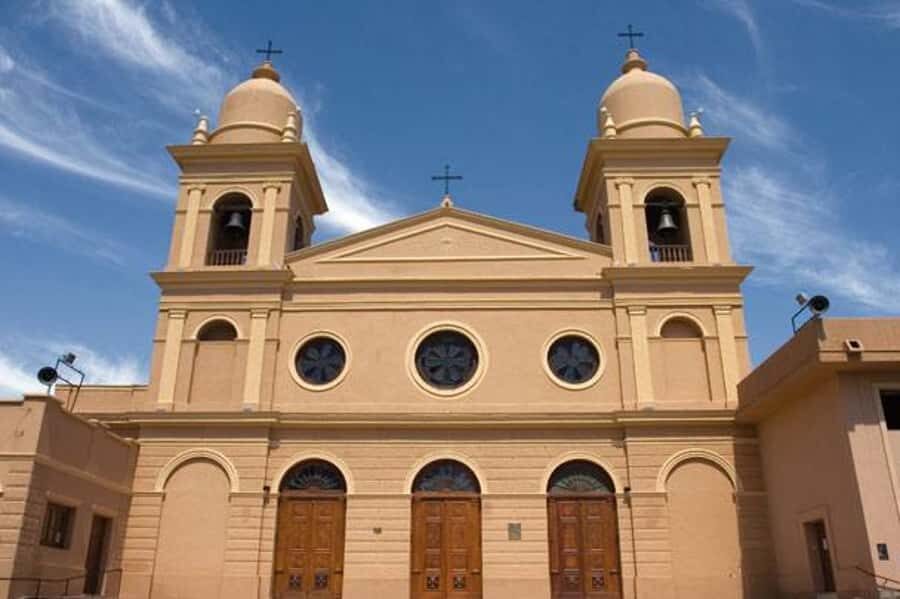
After the morning driving and photo stops, you reach Cafayate, the wine town at the end of this long arc of views. This is where the tour shifts from “look at rocks” to “look at a place.”
You’ll have time for lunch in Cafayate, but lunch isn’t included, so plan to pay for your own meal. The good news is that Cafayate is built for this kind of stop. You can use the break to walk around a bit, reset your legs, and get a feel for the town before you go back out into the countryside.
This town time is also useful for context. A lot of people think torrontes begins and ends at the winery tasting. In reality, you’ll understand more by seeing the town first and then connecting it back to what you learned on the road—especially the climate and terrain that shape the grapes.
The winery visit: what you get (and what to watch for)
The tour includes a visit to a winery (bodega) in Cafayate, and the program may include one or two bodega stops depending on the day. Either way, the winery portion is designed as a tasting interruption, not a deep, hour-by-hour vineyard production tour.
What you can expect:
- you learn a bit about the local wine industry
- you taste wines tied to the region, with torrontes highlighted as the famous local style
Here’s the practical part: several experiences point out that the wine segment can feel short. Some days include only one winery, and the tasting doesn’t always come with the full walk-around experience you might hope for. There’s also a note that the wine tour explanation can sometimes be more Spanish-heavy than the rest of the day, even if the guide is bilingual for the overall trip.
So, go in with the right mental model. If your goal is to sample a few wines and learn the basics fast, this tour works. If your goal is a long, hands-on winemaking deep dive, you’ll likely want to plan an additional winery visit on your own in Cafayate.
Torrontes tasting tips: how to make the most of a short stop
Because the tasting window can be brief, you’ll get more out of it if you steer it a bit. I’d suggest you do three simple things when you arrive at the bodega:
- Ask what the winery is proud of right now. Torrontes is the headline, but different producers can emphasize different aromatics and styles.
- Take notes on your own palate. In short tastings, you often forget what you liked the first wine by the end of the second.
- Buy one bottle you’ll actually drink. If you’re unsure what you’ll love, ask the guide (or staff) which bottle matches the taste you’re liking in that moment.
Also, if you care about the language experience, remember the day is set up for Spanish and English. Still, for the wine part specifically, plan for the possibility that explanation depth in English may vary depending on the group mix and the winery schedule.
You can also read our reviews of more wine tours in Salta

The ride reality: comfort, bumpy roads, and where to sit
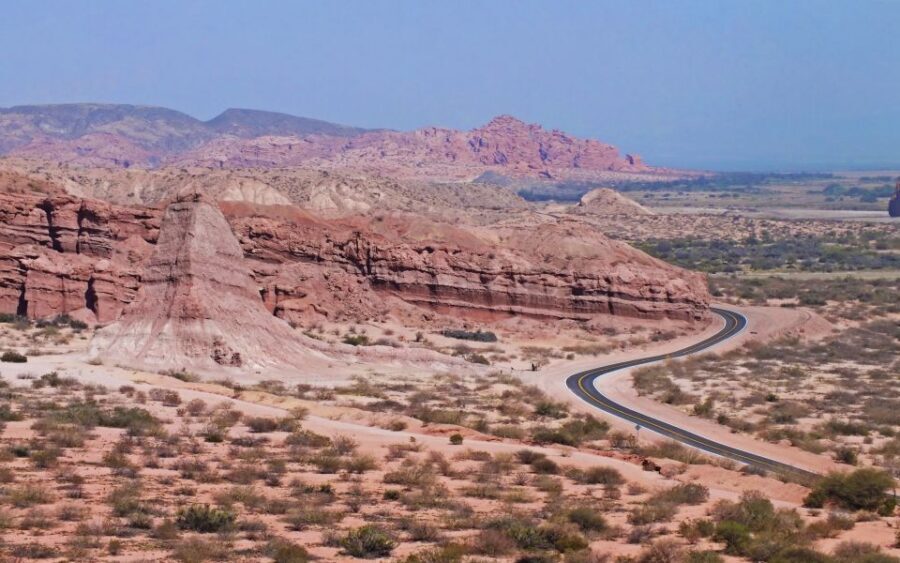
This tour is long—about 13 hours total. The driving structure matters: you’ll have an initial drive out from Salta, then the return uses a different route so you see a different set of views.
Two details you should plan around:
- You’ll spend time on low-quality dirt roads (about 2 hours), plus additional time on the highway on the way back (another 2 hours).
- The vehicle is described as high-quality minivans with air-conditioning, and seating is generally comfortable enough—but the road is still the road.
If you get car sick easily, consider this tip from what people observe: the back can feel rougher on bumpy stretches. Asking for a front seat near the driver (when possible) is a small move that can make a big difference.
If you have back problems, skip this one. The itinerary explicitly isn’t suitable for people with back issues, and it’s not the kind of route where you can “power through” comfortably.
Why the price feels fair at $29
Let’s talk value without hand-waving. At $29 per person, you’re buying a full-day package that includes:
- hotel pickup and drop-off in downtown Salta
- transportation in an air-conditioned minibus (typically sized for 17 to 23 passengers)
- a certified bilingual guide in English and Spanish
- entry into the day’s main attractions, including the winery stop
What’s not included: lunch and personal expenses.
So where does the money go? Mostly into the transportation and guide time. Cafayate is far enough that doing it on your own means either renting a car (costly and stressful on these roads) or finding connections that actually match the timing.
For the cost, you’re getting a structured day with stops you’d struggle to coordinate alone. The one thing to be honest about is the wine portion: it can be short. If wine is your main priority, the best strategy is to treat this as your introduction plus tasting, then add a second, longer winery visit once you’re in town.
Guides can make or break the day: who to watch for
This tour clearly rises or falls with the guide’s ability to turn a long ride into a story you can follow. Several named guides stand out for delivering clear explanations in both languages and staying energized through a packed schedule.
Examples mentioned include:
- Omar, praised for sharing geological background and keeping the group comfortable
- Monica, praised as energetic and able to switch languages effectively
- Julio, praised for strong narration and terrain awareness
- Eduardo, praised for detailed history and geography in both English and Spanish
- Eva, praised for explaining how the gorges and mountains formed
You don’t need to memorize names. Just use this logic: if your guide is actively explaining what you’re seeing, the long ride feels faster and more meaningful.
When this tour is the right fit (and when it isn’t)
This is a strong match for you if:
- you want a one-day snapshot of Cafayate and Quebrada de las Conchas
- you like photo stops with context, not just random pull-offs
- you want bilingual guiding so you don’t miss the “why” behind the scenery
- you’re okay with a long day and want the schedule to carry you
It’s a weak match if:
- you have back problems or are sensitive to jolts on dirt roads
- you’re looking for an in-depth winery experience with plenty of time at the cellar and grounds
- you strongly prefer the wine explanation to be fully in English (it can vary during the winery segment)
Simple game plan: how to enjoy the day without stress
Here’s how I’d set yourself up for success:
- Bring layers. High-altitude regions can shift temperature across a long day.
- Bring your ID or passport. It’s required.
- Plan your lunch as on your own. Bring cash/card and keep it light so you don’t feel stuffed during the afternoon drive.
- Be ready for long roads. If you’re car-sick prone, ask for the front.
- Treat the wine tasting as a taster. If you want more, add a separate winery visit in Cafayate after this tour.
Should you book this Cafayate day trip from Salta?
If you want an efficient, guide-led way to see the big highlights between Salta and Cafayate, this tour is a solid pick. The best part is how the day is built around the drive itself—tobacco valley agriculture in the morning, Quebrada de las Conchas formations in the middle, and a winery tasting stop that ties it back to what makes Cafayate famous.
Book it if you’re excited by geology, viewpoints, and a structured day with bilingual narration. Skip it if you’re hoping for a long, slow winery experience or you’re dealing with back pain or motion sensitivity.
For $29, you’re paying for transportation plus bilingual context, and that’s exactly what makes the day feel worth it.
FAQ
How long is the tour?
It runs for about 13 hours.
What’s included in the price?
Pickup and drop-off at downtown Salta hotels, air-conditioned minibus transportation, and a certified bilingual guide (Spanish and English). A winery visit is also included.
Is lunch included?
No. Lunch isn’t included, so you’ll need to pay for it on your own.
Do I visit one winery or two?
The plan is to visit 1 or 2 wineries in Cafayate, depending on how the day runs.
What language is the guide?
The guide is bilingual, speaking English and Spanish.
Where are pickups in Salta?
Pickup is available from downtown Salta hotels between 7:00 AM and 7:40 AM.
Is the tour suitable if I have back problems?
No. The tour isn’t suitable for people with back problems.
What should I bring?
You should bring a passport or ID card.
Is it okay for minors to join?
Unaccompanied minors aren’t allowed. Those under 18 must be accompanied by an adult, and children under 2 can travel for free if they don’t occupy a separate seat.
How bumpy is the drive?
You’ll experience about 2 hours of traveling on low-quality dirt roads, plus about 2 hours of highway driving on the way back. The vehicles are described as high-quality minivans with air-conditioning.