REVIEW · SALTA
Salta or Jujuy: Iruya and Salinas Grandes 2-Day Tour
Book on GetYourGuide →Operated by NORDIC TRAVEL EVT · Bookable on GetYourGuide
Salt flats and mountain towns in two days. That’s what makes the Salta or Jujuy Iruya and Salinas Grandes tour interesting: you get the Seven Colors Hill viewpoint above Purmamarca and you’ll reach the Salinas Grandes at around 4,150–4,200 meters. The big consideration is that it’s high altitude and includes driving on low-quality dirt roads, so it can feel like a workout even when you’re not walking much.
What I also like is the mix of short, meaningful stops with real time in the places that matter. You’ll do a 30–40 minute hike on the Colorados trail and then reach Iruya, a town built into the mountains. You’ll also travel with a bilingual guide (English/Spanish) and, based on past experiences with guides like Miguel and Pablo, you can expect solid communication and a helpful, upbeat attitude—just don’t expect a slow, relaxed pace.
In This Review
- Key Points at a Glance
- Salta or Jujuy: Where This 2-Day Route Really Hits
- The Early Start: Pickup, Road Trip Energy, and What to Expect
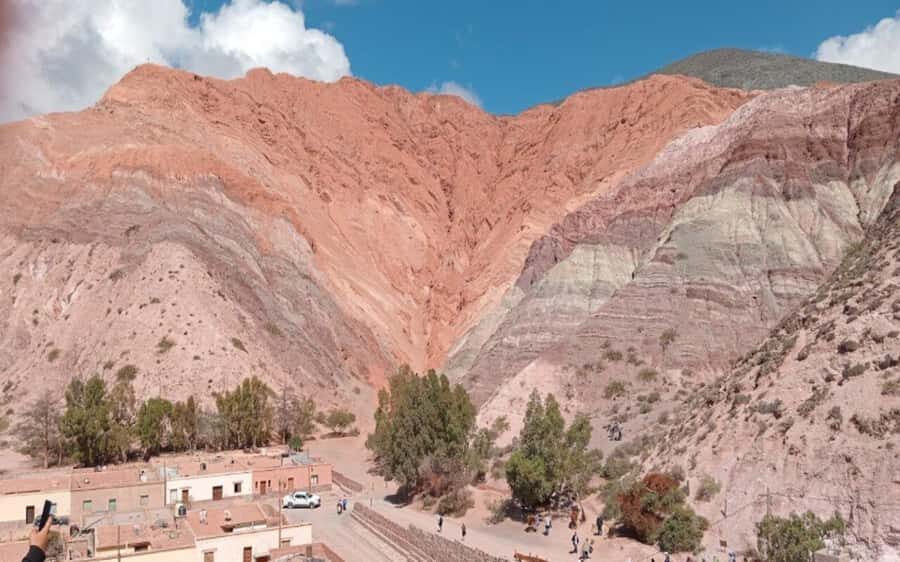
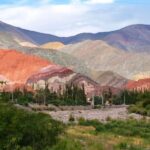
- Seven Colors Hill and the Purmamarca Cuestas: Where the Views Start to Turn Dramatic
- Salinas Grandes at Altitude: The Salt Flats Moment You’ll Remember
- Purmamarca Time: Lunch on Your Own and a Real Town Break
- Colorados Trail: A Short Hike With Big Payoff
- Humahuaca’s Gorges and the UNESCO Factor: The Route Becomes a Story
- Iruya: The Mountain Town Stop That Feels Like a Detour Into the Past
- Price and Value: Is US$266 Actually a Good Deal?
- Comfort, Timing, and Packing for High-Altitude Dirt Roads
- Who Should Book This Tour, and Who Should Skip It
- Should You Book the Iruya and Salinas Grandes 2-Day Tour?
- FAQ
- What cities can I depart from?
- What’s included in the tour price?
- Is accommodation included?
- How high does the tour go?
- How much walking is involved?
- Where do lunch meals happen?
- Is this tour suitable for young children or limited mobility?
Key Points at a Glance
- Seven Colors Hill viewpoint and Purmamarca cuestas give you the big-picture drama early
- Salinas Grandes time up at about 4,150m for that stark white-salt view
- A 30–40 minute Colorados hike that’s short enough for most fit adults but still scenic
- A UNESCO stop for Humahuaca’s Gorges on the way to Iruya
- Iruya’s mountain setting makes day two feel like a change of planet
- Pickup and drop-off in Salta or Jujuy, plus bilingual guiding throughout
Salta or Jujuy: Where This 2-Day Route Really Hits
This tour works because it strings together three very different “wow” moments without feeling random. First you’re in Andean foothills with cuestas and viewpoints. Then you reach the huge, pale world of the Salinas Grandes salt flats. Finally, you swing back into steep mountain terrain as you head toward Iruya, a town built in the middle of the mountains.
I like that you get multiple types of scenery and not just one long drive. You’ll spend time at viewpoints (good for photos), walk a bit (good for stretching your legs), and still have breaks for lunch and exploring on your own.
Pick Salta or Jujuy based on where you’re already staying. You’ll be picked up from centrally located accommodations in either city, and the tour keeps the same “route spine” so the highlights line up the same way.
A few more Salta tours and experiences worth a look
The Early Start: Pickup, Road Trip Energy, and What to Expect
Your day typically starts with pickup between 6:30 and 7:15 AM. The timing matters because the route includes high-elevation stops and dirt-road stretches. You’ll want to be ready about 15 minutes before pickup so you don’t slow the whole group down.
Pickup is available if you’re staying in a centrally located place up to about 8 blocks from Plaza 9 de Julio (in the city you choose). In some cases, the vehicle might not be able to reach your exact hotel entrance, and you’ll be asked to meet at another nearby pickup spot.
Once you’re rolling, the tour passes through towns like Yala, Volcán, and Tumbaya before you reach Purmamarca. Even if you mostly view this as “transfer time,” it’s a useful part of the experience because you start seeing the region’s mountain character before the major stops.
Seven Colors Hill and the Purmamarca Cuestas: Where the Views Start to Turn Dramatic
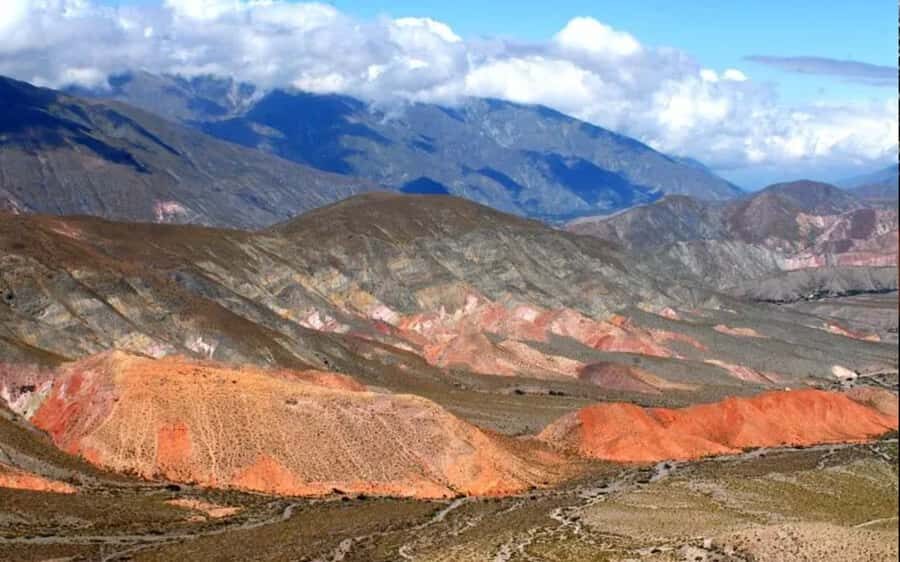
Purmamarca is the launchpad for the Seven Colors Hill experience, and the best part is that you don’t just look from one spot—you move through the approach terrain.
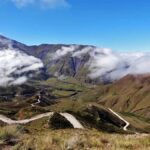
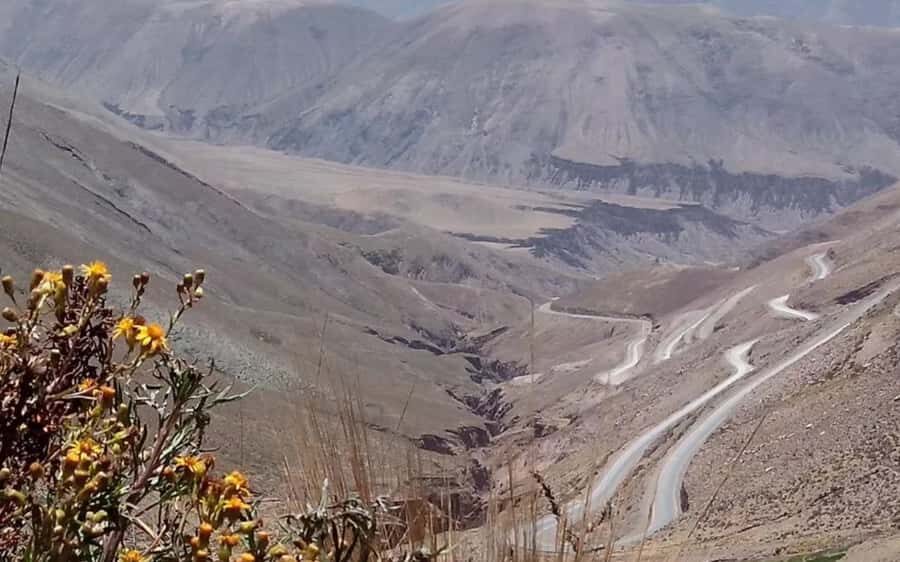
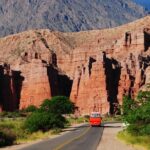
You’ll start by ascending sections tied to Cuesta del Lipán, Cuesta del Saladillo, and Abra de Potrerillos. That matters because these cuestas are part of the character of the route: you’re traveling along winding mountain roads where the views change as you climb. It’s not just a scenic bus window moment; it’s an actual “we’re going up” feeling.
Your guide also keeps an eye out for local wildlife. The tour notes the chance to spot animals such as vicuñas and llamas along the way. Even if you don’t see wildlife every time, the fact that you’re paying attention to the natural side of the route (not just the photo spots) makes the morning feel more grounded.
At this stage of the day, you’ll also want to keep your pacing reasonable. Altitude can make effort feel bigger than normal. Comfortable shoes help, and sunglasses plus a sun hat are genuinely practical here.
Salinas Grandes at Altitude: The Salt Flats Moment You’ll Remember
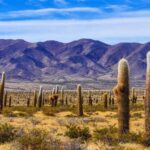
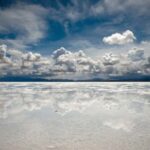
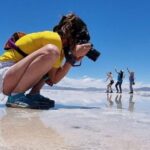
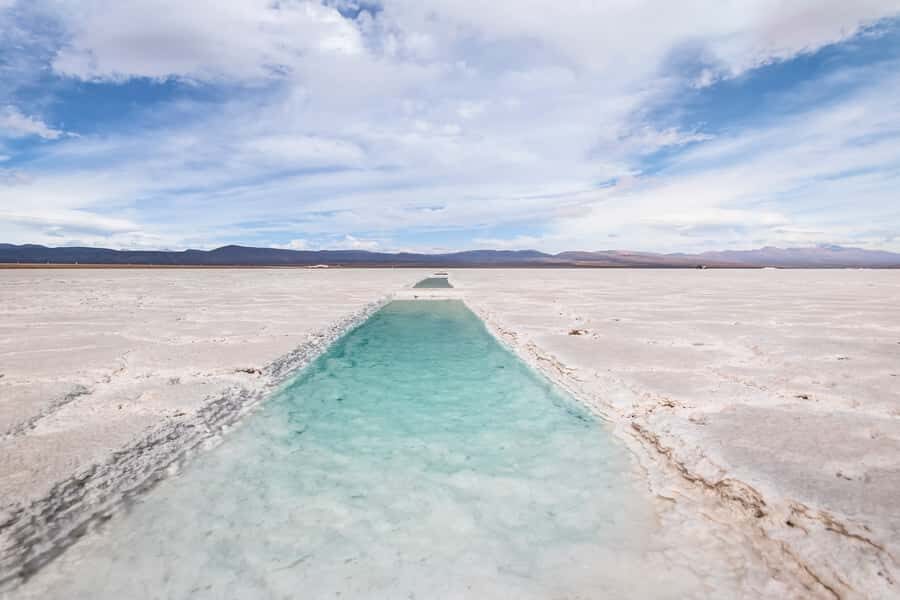
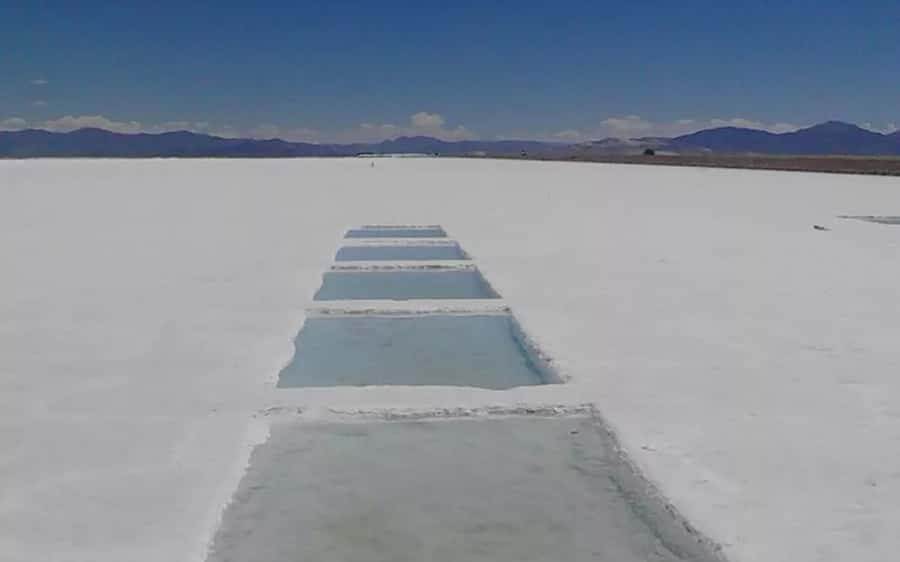
Then the itinerary delivers its headline. You’ll climb to roughly 4,150 meters above sea level, where the Salinas Grandes appear—an enormous white salt plain against a blue sky. This is the point where the route goes from “beautiful mountains” to something almost unreal.
You’ll spend about 45 minutes at the top exploring the area, including time for views around the blue volcanoes. Even with a short time window, 45 minutes is enough to walk a bit, take photos, and just stare for a moment. That white-and-blue contrast is the kind of visual payoff that makes a two-day trip feel worth it.
After that, you head back down toward Purmamarca. The descent is also part of how the day stays manageable: you go from high, open salt-flat air back to a village atmosphere where you can breathe easier.
Purmamarca Time: Lunch on Your Own and a Real Town Break
Once you’re back in Purmamarca, you’ll get free time for lunch. Food and drinks are not included, and the tour’s guide will help you understand what to choose locally, but you should budget for an average lunch cost of about US$6 per person.
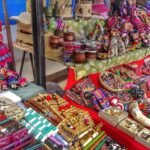
What you’ll do with that free time is up to your style. I like that Purmamarca gives you options: you can stroll narrow streets, admire mountain views from town angles, or visit the craft market if you want small souvenirs that feel tied to place rather than mass-produced.
You’ll also need to plan one overnight stay in Purmamarca. Accommodation is not included in the tour price, and the guide can help you find a good option for your night. Average costs noted for budgeting are about US$60 for a double-room in a 3-star hotel, or around US$20 in a hostel.
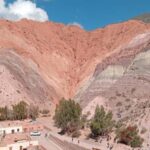
Colorados Trail: A Short Hike With Big Payoff
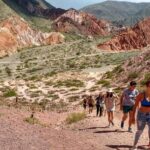
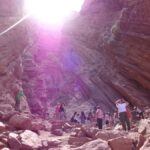
After lunch, the day includes a hike along the Colorados trail. It’s listed as 30–40 minutes, which is the sweet spot for many travelers: enough walking to feel like you did something outdoors, not so long that you’ll be exhausted before sunset.
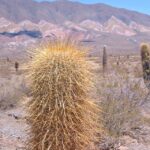
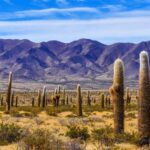
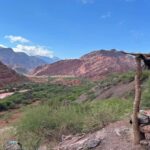
The trail takes you through desert-like terrain between mountains, so you’re not only walking on a path—you’re moving through a changing visual corridor. This is where you get a different texture than the salt flats: more earth tones, more rock feel, and more sense of being surrounded by the region’s harsh, high-altitude world.
This part also helps you understand the geography of the area. Salta Province’s high regions don’t feel like one big “view.” They feel like multiple zones packed close together.
Humahuaca’s Gorges and the UNESCO Factor: The Route Becomes a Story
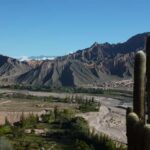
Day two starts with travel across the Humahuaca’s Gorges, a site recognized as a UNESCO World Heritage Site in 2003. Even if you’re not a museum person, UNESCO status can be useful as a guide to what the region is being protected for: the structure of the landscape and the way communities and roads interact with mountain terrain.
This portion of the trip is about getting from one kind of altitude scenery to another. You’re heading toward Iruya, which the tour describes as a unique town built in the middle of the mountains.
Use this as your mental shift time. Day one is about climbing, salt, and cuestas. Day two is about mountain settlement and viewpoints—same altitude world, different angle.
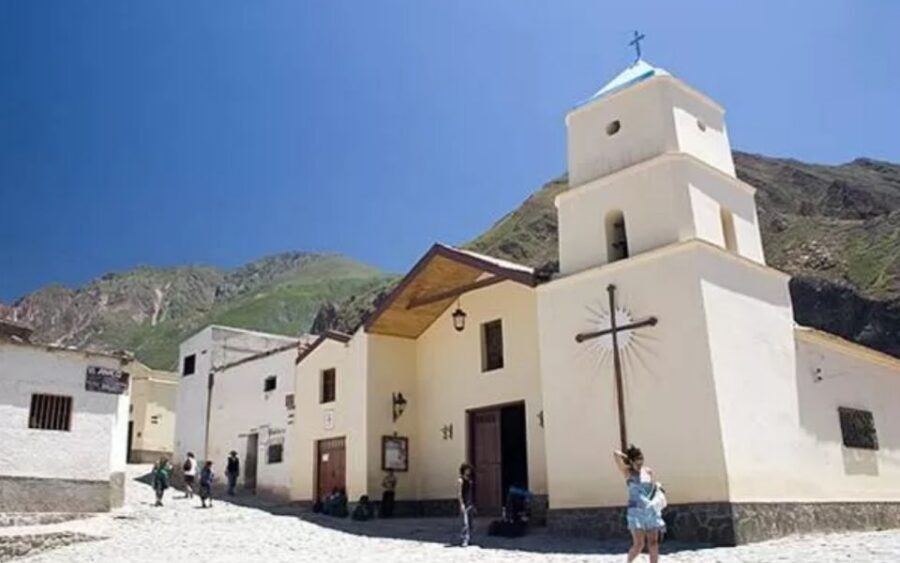
Iruya: The Mountain Town Stop That Feels Like a Detour Into the Past
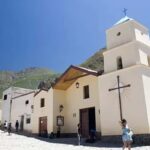
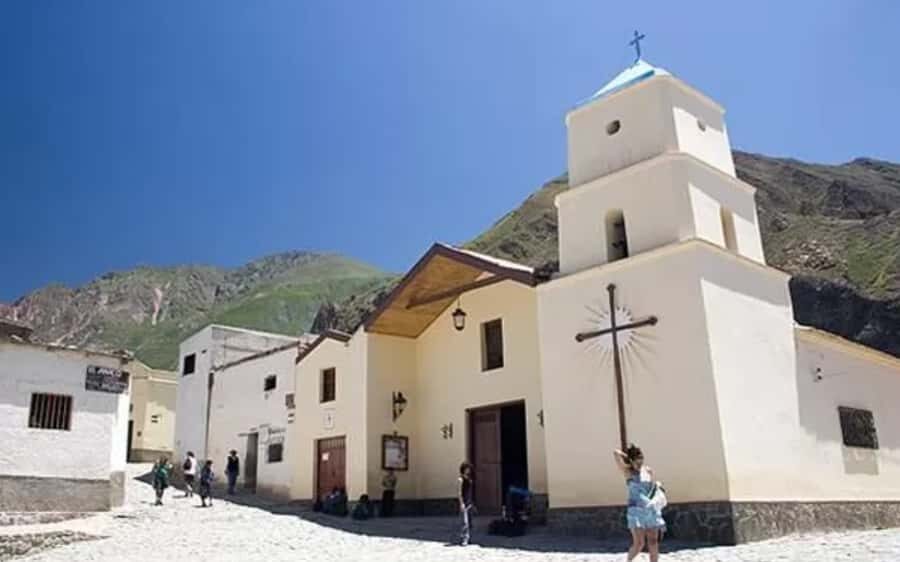
Iruya is the payoff stop on day two. The tour frames it as a distinctive town in the mountains, and that description is exactly what you feel when you arrive: you’re not in a city on a plateau. You’re in a mountain setting where the terrain shapes everyday life.
You’ll have free time for lunch on day two as well. Lunch isn’t included, so plan for food costs similar to day one. Then you’ll return to Salta or Jujuy and the tour ends.
What makes Iruya valuable is that it’s not just a photo point. It’s a place to pause and absorb how people live where roads are hard and the mountains dominate everything. Even a short stop can change how you see the region, especially after the salt flats and trails of day one.
Price and Value: Is US$266 Actually a Good Deal?
At US$266 per person for a 2-day tour, the value depends on what you compare it to.
Here’s what you’re getting included:
- Hotel pickup and drop-off in central Salta or Jujuy
- Transportation by bus or minivan (depends on group size)
- A bilingual guide in Spanish and English
What you’re paying separately for:
- Accommodation in Purmamarca for one night (with typical budget ranges around US$60 for a double in a 3-star hotel, or US$20 in a hostel)
- Food and drinks, with an average lunch cost around US$6 per person
So is it worth it? For most people, yes—because two-day itineraries like this usually charge for the hard part: early pickup, high-altitude routing, expert guidance, and logistics between far-flung points. The guide is especially useful because this area isn’t “walk out and wander freely” easy. You’re following a route built for viewing and safe movement through the terrain.
The only time it might feel pricey is if you already have an easy way to arrange transport on your own and you’re comfortable managing the altitude and timing without a guide. If you want the structure, the bilingual guiding, and the stops lined up in the right order, the price feels more reasonable.
Comfort, Timing, and Packing for High-Altitude Dirt Roads
This tour isn’t physically complicated on paper, but it is demanding in practice because it reaches up to about 4,200 meters and includes driving on low-quality dirt roads.
That’s why the “what to bring” list matters:
- Passport or ID card
- Comfortable shoes (you’ll be ascending routes and doing a hike)
- Sunglasses
- Sun hat
Also, start thinking about “effort budgeting.” The itinerary includes uphill walking components (the cuestas area) plus the Colorados hike plus time at high altitude. Even if you’re fit, you’ll feel the day. Build in a relaxed pace in the moments you can control: photos, water breaks, and using free time to sit when you want.
One more practical note: the supplier asks for a contact number when booking so they can reach you during the process. If you’re traveling with spotty phone coverage, make sure you’ll still have a way to be contacted.
Who Should Book This Tour, and Who Should Skip It
This experience fits travelers who want a structured route through iconic places without having to plan every leg. It’s also great if you like getting out of the vehicle and walking a bit at key points, especially around Purmamarca, the salt flats, and the Colorados trail.
The tour is not recommended if you have:
- Limited mobility
- Children under 5 years old
- Pregnancy
So if you’re bringing kids, this probably won’t be the right choice. If you have mobility concerns, it’s better to look for a more accessible option where the route avoids rough terrain.
If you’re a comfortable adult traveler who can handle altitude and dirt-road driving, you’ll likely enjoy the mix: viewpoint time, a short hike, and a mountain town feel that goes beyond just standing in one place.
Should You Book the Iruya and Salinas Grandes 2-Day Tour?
I’d book this tour if you want a fast, efficient way to see Purmamarca’s Seven Colors Hill region, experience the Salinas Grandes at high altitude, and still make it to Iruya for a mountain-town contrast. It’s also a good match if you value bilingual guiding and smooth communication, with guides like Miguel and Pablo associated with the experience’s day-to-day feel.
I wouldn’t book it if you need a low-effort itinerary, have mobility limits, or want a totally relaxed pace. Between altitude, early pickup, and dirt-road travel, this is more of an “experience the region by road” tour than a gentle sightseeing day.
If you’re ready for that, this two-day route is a strong way to connect the Salt Flats world to the mountains of Iruya without losing time or direction.
FAQ
What cities can I depart from?
You can choose to depart from either Salta or Jujuy, depending on the option you book.
What’s included in the tour price?
The tour includes hotel pickup and drop-off from centrally located accommodations, transportation (bus or minivan based on group size), and a bilingual guide (Spanish and English).
Is accommodation included?
No. You need to book one night accommodation in Purmamarca. The tour notes average costs of about US$60 for a double room in a 3-star hotel and US$20 in a hostel.
How high does the tour go?
The itinerary reaches up to about 4,200 meters above sea level, including a stop at roughly 4,150 meters for time at the Salinas Grandes.
How much walking is involved?
You’ll do uphill walking during the cuestas ascent and then a 30–40 minute hike along the Colorados trail.
Where do lunch meals happen?
Lunch is free time on your own on both days (lunch is not included). The tour notes an average lunch cost of about US$6 per person.
Is this tour suitable for young children or limited mobility?
No. It’s not recommended for children under 5, pregnant women, or people with mobility impairments/limited mobility.