REVIEW · SALTA
From Salta: 3-Day Cafayate, Cachi, and Humahuaca Guided Trip
Book on GetYourGuide →Operated by TIAMAR TRAVEL EVT · Bookable on GetYourGuide
Salta is prettier than the photos suggest. This 3-day circuit strings together rock canyons, colonial towns, and a winery tasting in Calchaquies Valley, plus Los Cardones National Park and the Seven Color Hill. I especially like the mix of big scenery (red rock and mountain lookouts) with small-town wandering (Cachi and Humahuaca). One thing to consider: you’ll spend a chunk of time on dirt roads, so if your back is touchy, this may not be the right fit.
What I like most is how the trip keeps you moving without feeling rushed between stops. You get hotel pickup and drop-off in Salta, guided viewpoints, and a winery entry ticket included, which saves time and money. The other plus is that the guide communication can be very clear in English, which matters when the terrain is wild and the explanations shape how you see it.
You also don’t have to plan sleep logistics. You return to your Salta hotel at the end of each day, so this feels more like an efficient loop than a multi-day stay in the interior.
In This Review
- Key things that make this trip worth your time
- The big picture: why this Salta loop works
- Day 1: Quebrada de las Conchas and the Calchaquies Valley winery
- The drive to Quebrada de las Conchas
- Calchaquies Valley winery tour and tasting
- Cafayate town time (then back to Salta)
- Day 2: Cuesta del Obispo viewpoints, Los Cardones cacti, and Cachi
- Cuesta del Obispo panoramic views
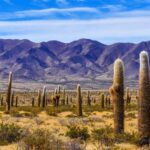
- Los Cardones National Park: cacti you can’t ignore
- Cachi: colonial architecture and a calmer pace
- Day 3: Purmamarca market, Seven Color Hill, Tilcara, and Humahuaca
- Purmamarca town and the local market
- Seven Colors Hill (and why it’s iconic)
- Tilcara and Humahuaca: churches and town landmarks
- Cacti, dirt roads, and comfort: what to plan for
- Air-conditioned minivan, but expect some rougher segments
- Comfortable shoes and clothes are not optional
- Back problems: the warning is there for a reason
- Guides and communication: the real quality signal
- Price and value: is $94 per person fair?
- Who should book this trip, and who might skip it
- Should you book this 3-day Salta circuit?
- FAQ
- What’s included in the trip price?
- Is there a winery stop on this tour?
- Do I stay overnight somewhere during the tour?
- What language is the tour guide?
- How much is the driving over dirt roads?
- What should I bring for the trip?
- Is the tour suitable for people with back problems?
Key things that make this trip worth your time
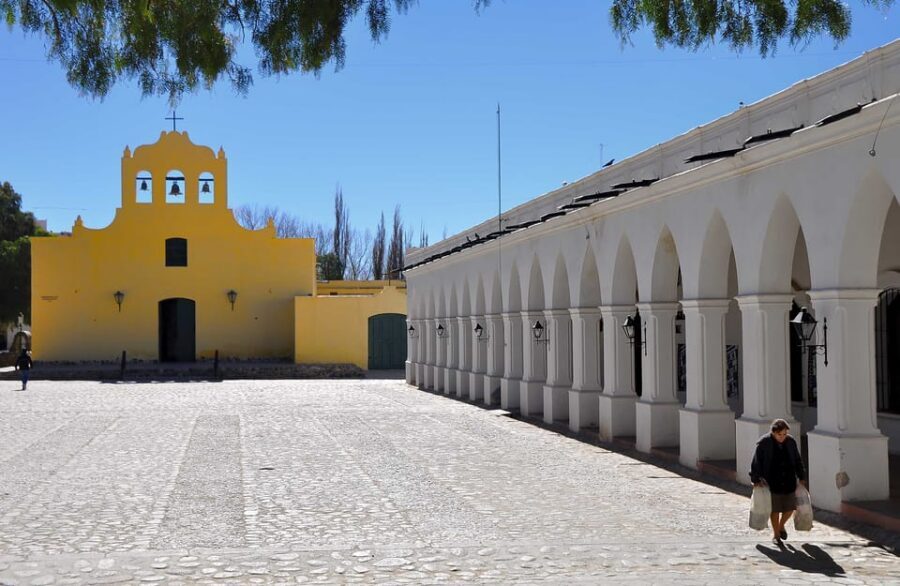
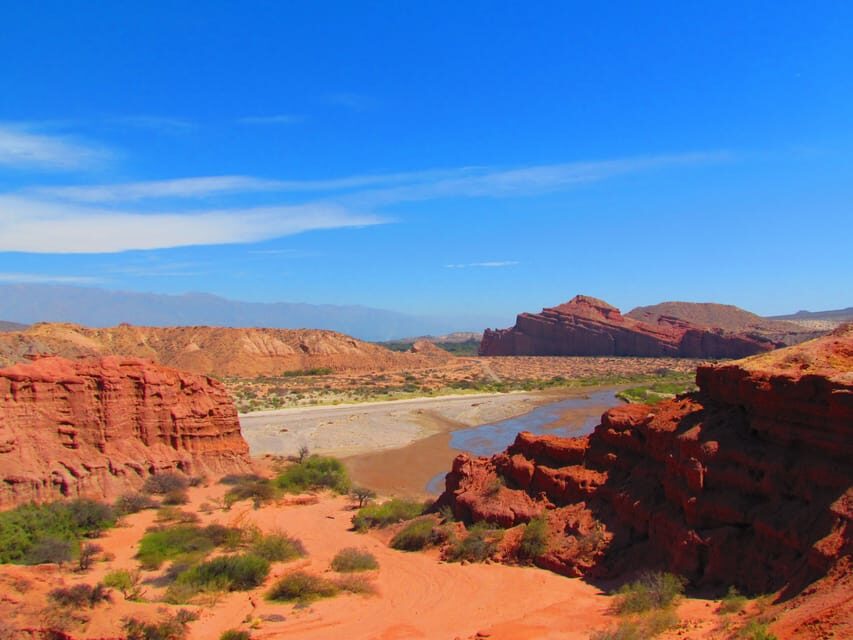
- Quebrada de las Conchas red rock formations with dramatic canyon views
- Calchaquies Valley winery tour and tasting (entry ticket included)
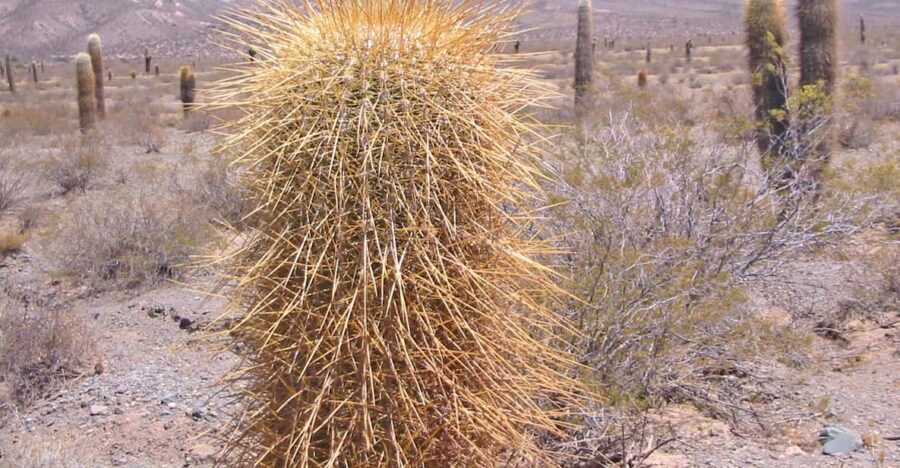
- Los Cardones National Park for cacti that look like they belong in a science fiction movie
- Seven Color Hill plus the Purmamarca market for local color and snacks
- Colonial-era town walks in Cachi, Tilcara, and Humahuaca
- Hotel pickup and drop-off with an air-conditioned minivan (on these roads, that’s a comfort win)
The big picture: why this Salta loop works
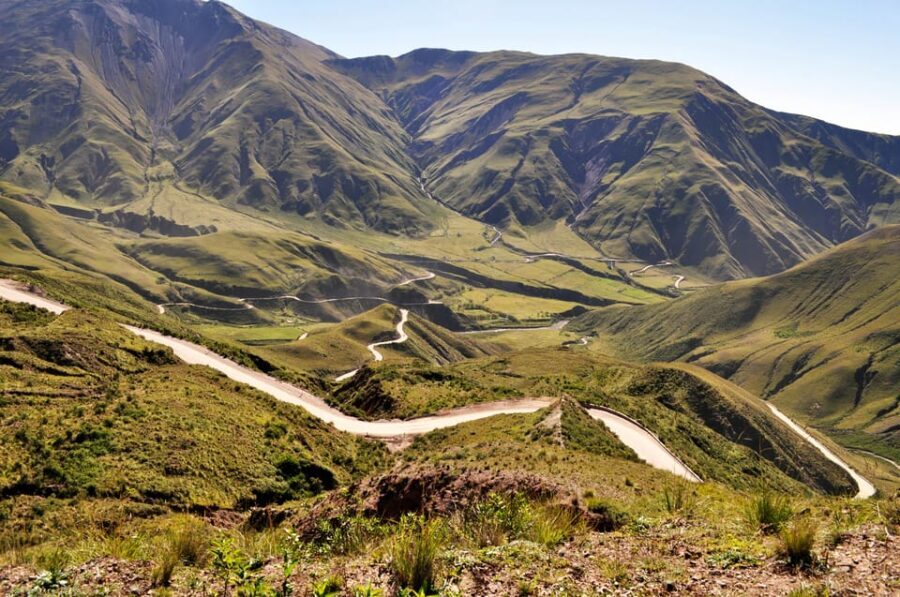
If you’re basing yourself in Salta and want a “best of the region” style trip, this is a smart way to do it. You’re not just driving past places. You’re stopping at the viewpoints and town squares that most people end up making time for later, when they realize they can’t see everything alone.
This route also balances two kinds of travel pleasures. There’s the obvious nature side: red rock canyons, curving mountain roads, and desert cacti. And then there’s the human side: towns with old architecture, churches, and market energy where you can slow down for a bit. That combo is why this trip tends to feel satisfying instead of tiring.
Price matters here, so I’d frame it like this: yes, $94 per person is not a “cheap bus ride.” But your hotel pickup/drop-off, guided transportation in an AC minivan, and the winery entry ticket are included. Food and drinks aren’t, so you’ll still spend there. Still, this package reduces the number of separate tickets and logistics you’d otherwise have to handle yourself.
You can also read our reviews of more guided tours in Salta
Day 1: Quebrada de las Conchas and the Calchaquies Valley winery
Day 1 is all about going from your hotel to the dramatic scenery quickly, then ending the day in a real town.
The drive to Quebrada de las Conchas
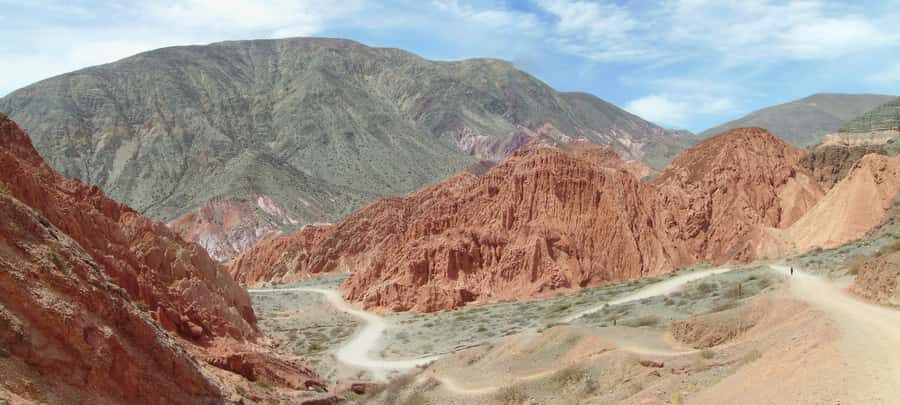
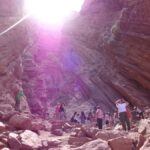
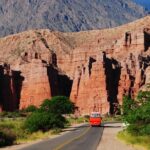
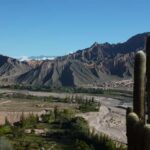
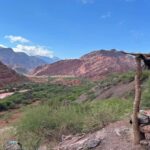
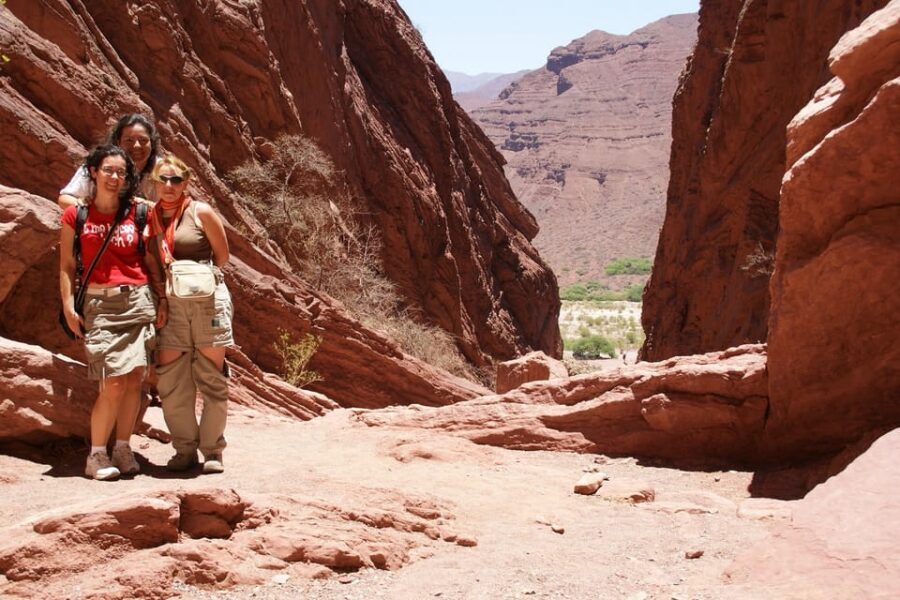
You’ll start with pickup in Salta and head toward Quebrada de las Conchas, known for imposing red rock formations. Expect big canyon shapes and steep-looking terrain where the rock colors shift as the light changes. This is the kind of stop where you benefit from having a guide. They help you read what you’re seeing so it’s not just “cool rocks,” but a sense of how the region formed and why the views look the way they do.
Practical note: wear shoes with grip. Even when you’re not doing long hikes, you’ll want stable footing on uneven ground and where the paths feel informal.
Calchaquies Valley winery tour and tasting
Next comes Calchaquies Valley, where you’ll tour a local winery and get a complimentary tasting. The important part isn’t only the drink. It’s the process. A guided stop like this gives you context: how the grapes and wine culture fit into a high-desert environment.
Since the entry ticket is included, you’re not stuck deciding whether it’s “worth it” once you’re already there. You can just enjoy the tasting and ask questions without worrying about adding another ticket type to your day.
Cafayate town time (then back to Salta)
You’ll also explore Cafayate and its landmarks before returning to your hotel in Salta. I like this structure: you get enough time in the town to feel like you’re actually in Argentina, not just shuttled between viewpoints. Cafayate is a good place for a slow stroll and a casual stop for snacks, especially because Day 1 mixes scenery and culture instead of only scenery.
By evening, you’re back. No overnight travel required.
A few more Salta tours and experiences worth a look
Day 2: Cuesta del Obispo viewpoints, Los Cardones cacti, and Cachi
Day 2 starts with mountain views, then shifts into desert plants, then finishes with colonial charm.
Cuesta del Obispo panoramic views
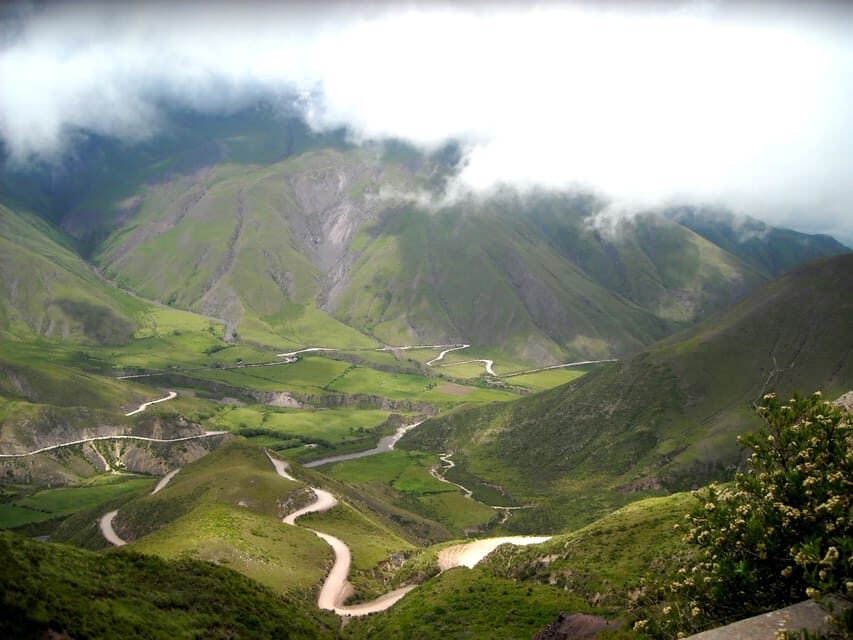
You’ll head to Cuesta del Obispo for panoramic views from the mountains. This is one of those “sit, look, and let your camera rest” moments. The goal isn’t to rush to the next photo spot. It’s to take in the layers: road curves, slopes, and distance that makes you understand why people describe the area as otherworldly.
Bring water if you’re prone to dry-weather fatigue. The data doesn’t list water, and food isn’t included, so you’ll want your own backup habits.
Los Cardones National Park: cacti you can’t ignore
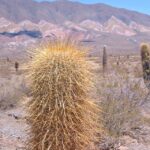
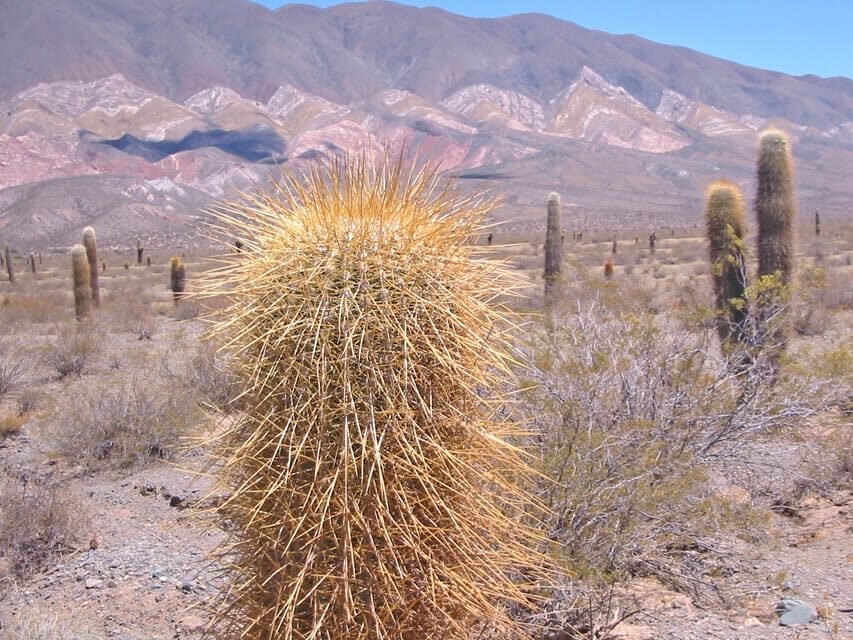
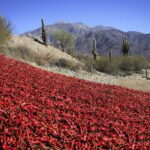
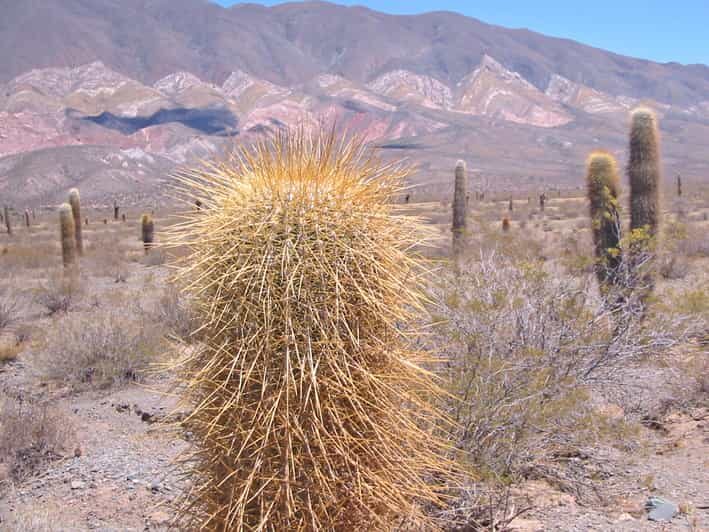
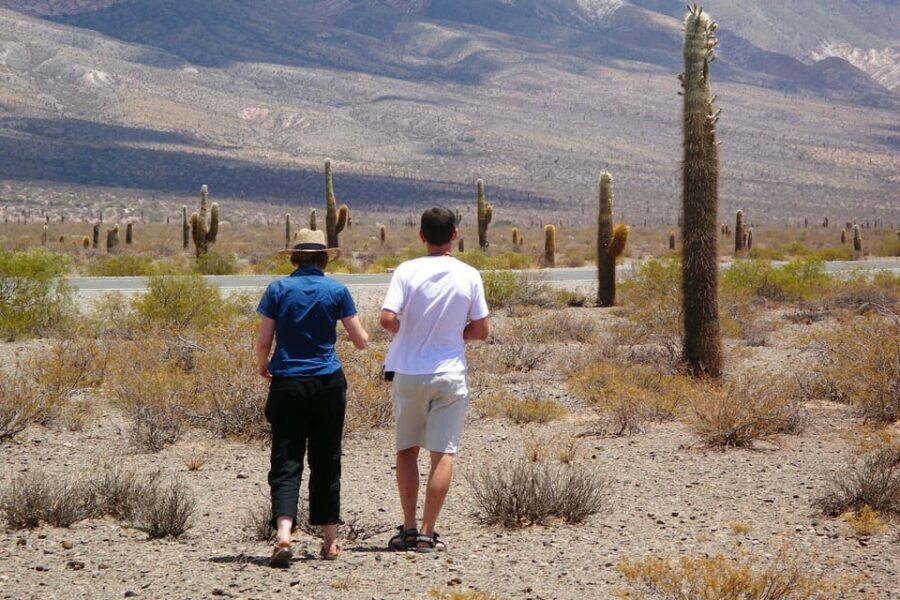
Then you’ll visit Los Cardones National Park, famous for a striking variety of cacti. You’ll get time to walk around, and this is where the guide help matters again. You’ll notice details like how cacti grow in clusters and how the terrain shapes where they thrive.
This stop is often the emotional highlight of the day for me. It’s not just “pretty plants.” It’s a living map of the climate and elevation. If you’re into nature photography, this is a great place to slow down and look for scale—how tall the cacti feel compared to you.
Cachi: colonial architecture and a calmer pace
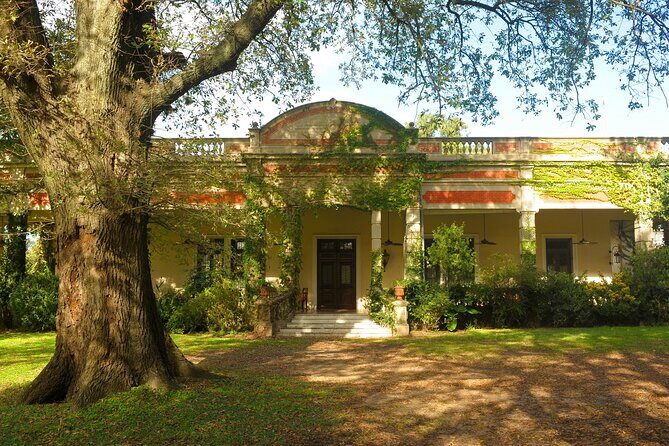
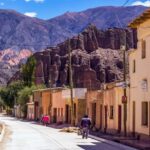
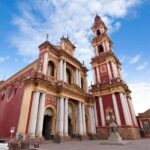
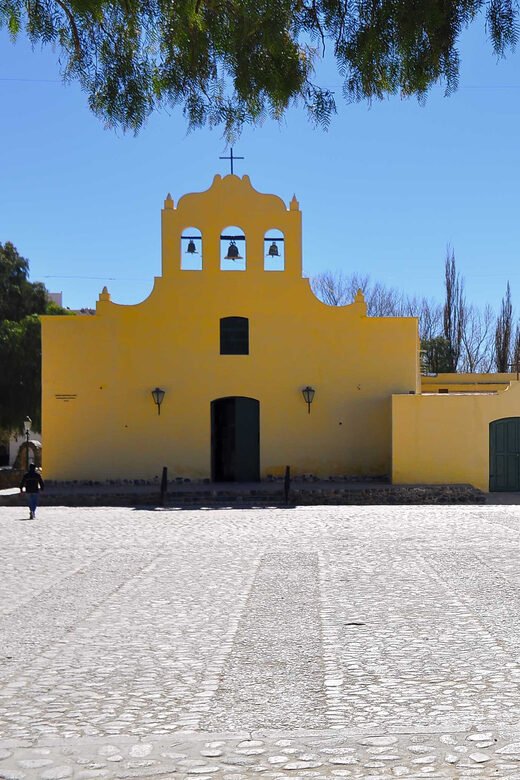
After Los Cardones, the plan includes walking around Cachi, a small town with colonial architecture. This is your reset. Less desert intensity, more streets and buildings where you can take your time. Cachi also gives the tour a nice rhythm: one day heavy on scenery and driving, then one day with a more relaxed town walk built in.
Then it’s back to Salta at the end of the day.
Day 3: Purmamarca market, Seven Color Hill, Tilcara, and Humahuaca
Day 3 is where the route turns into a culture-and-color finale. You’ll hit Purmamarca first, then the famous hill, then two towns that make the day feel worth the final push.
Purmamarca town and the local market
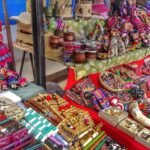
You’ll visit Purmamarca and stop at the local market. This is a practical win. Markets are where you can quickly grab small gifts, snacks, or simple souvenirs without hunting. Even if you don’t buy much, markets help you read the region through everyday life.
If you like photographing people and crafts, do it respectfully and keep your pace gentle. Market lighting can be tricky, so earlier in the visit is often better for photos.
Seven Colors Hill (and why it’s iconic)
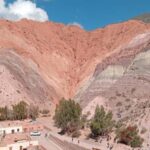
Next is Seven Color Hill, one of the most recognizable sights in the Salta-Jujuy area. The “colors” aren’t just decorative. They’re tied to the geology and how rock layers show up with light and weather.
I like this stop because it’s one of the few places on the trip where the guide can point out what to look for without you needing to be a geology expert. You’ll see the hill differently after a short explanation.
Tilcara and Humahuaca: churches and town landmarks
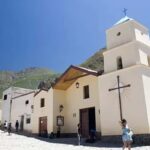
Finally, you’ll move on to Tilcara and Humahuaca. You’ll explore churches, local landmarks, and the surrounding areas. This part of the day gives you a sense of continuity: you saw natural forces shaping the land, and now you’re seeing how people built communities on top of it.
Because food and drinks are not included, plan for a casual meal or snacks in these towns. This is also a good time to buy last-minute items from the areas you liked most.
You’ll finish with the drive back to Salta.
Cacti, dirt roads, and comfort: what to plan for
Here’s the honest logistics piece that affects your enjoyment.
Air-conditioned minivan, but expect some rougher segments
You’ll travel by air-conditioned minivan, which helps a lot on long stretches. Still, there are around 2 hours of traveling through dirt roads during the experience. That doesn’t mean the trip is miserable, but you should be realistic: dirt roads can mean bumpy rides and slower progress.
If you’re sensitive to motion or vibration, bring a little comfort kit: anything you personally use to stay comfortable on road trips. And keep your schedule flexible, since dirt-road timing can feel slower than paved highways.
Comfortable shoes and clothes are not optional
You’ll be walking in places that can be uneven. Comfortable shoes matter more than stylish ones. Clothes should be comfortable enough for warm days and cooler moments, especially in high-altitude regions where temperatures can swing.
Back problems: the warning is there for a reason
The trip is not suitable for people with back problems. If that applies to you, don’t “wait and see.” The dirt-road time and long drives can make it worse.
Guides and communication: the real quality signal
The strongest praise in the reviews centers on the guides’ performance. I’d treat that as a key decision factor.
This trip is English and Spanish guided, and the explanations can be very clear in English. That matters because you’ll be seeing places with names you may not know how to pronounce, let alone interpret. A good guide turns a stop into a story you can repeat later.
Some tours also use two guides across the day(s). The effect is often great: one guide might be more attentive to questions and timing, while another’s English explanations can feel extra clear. Either way, you’re not just stuck in a seat. You’re actively learning while you move.
Price and value: is $94 per person fair?
At $94 per person for 3 days, the value comes from what’s bundled.
Included:
- Hotel pickup and drop-off in Salta
- Certified tour guide
- Transportation by air-conditioned minivan
- Entry ticket to the winery
Not included:
- Food and drinks
- Other entry tickets
That means your biggest variable costs are meals and any optional paid activities you add yourself. But compared to doing this route piece by piece, the package saves you time and coordination. It also reduces the number of times you need to negotiate transport and tickets after you arrive.
If you’re the kind of traveler who likes to be out seeing things early and doesn’t want to spend your days planning, this is a solid value. If you prefer total control and don’t mind driving yourself, then this may feel more structured than you like. But for most people using Salta as a base, it’s a practical deal.
Who should book this trip, and who might skip it
This works best if you want:
- A guided introduction to Salta and the Jujuy region in a short time
- A mix of major sights and small-town wandering
- Winery time without extra ticket hassle
- Desert and mountain scenery with explanation
You should think twice if:
- You have back issues (the trip isn’t suitable)
- You hate long days with lots of driving between stops
- You need fully inclusive meals (since food/drinks aren’t included)
If you’re traveling solo, this also helps because you don’t have to coordinate separate transport for each day. You just show up, and the route carries you.
Should you book this 3-day Salta circuit?
I’d book it if you want a one-shot plan that hits the region’s signature moments: Quebrada de las Conchas, a Calchaquies Valley winery tasting, Los Cardones National Park, Seven Color Hill, and the town walks in Cachi, Tilcara, and Humahuaca. The big “yes” for me is that the included items do real work: pickup/drop-off, a certified guide, AC transportation, and winery entry.
I’d pause if dirt roads or long drive days would be rough on your body, or if you’re the type who needs every meal fully handled for you. Also, since the excursion order can change based on availability, you’ll want to stay flexible about which day feels most important to you.
If you’re set on seeing a lot without building a complex plan from scratch, this tour is a strong fit.
FAQ
What’s included in the trip price?
Hotel pickup and drop-off, a certified tour guide, transportation by air-conditioned minivan, and the entry ticket for the winery tasting are included. Food and drinks, and other entry tickets, are not included.
Is there a winery stop on this tour?
Yes. On Day 1 you’ll visit a local winery in Calchaquies Valley and take part in a tour with a complimentary tasting. The winery entry ticket is included.
Do I stay overnight somewhere during the tour?
No. There’s no accommodation included. You return to your Salta hotel at the end of each day.
What language is the tour guide?
The guide provides live commentary in English and Spanish.
How much is the driving over dirt roads?
The experience includes around 2 hours of traveling through dirt roads.
What should I bring for the trip?
Bring a passport or ID card, comfortable shoes, and comfortable clothes.
Is the tour suitable for people with back problems?
No. The tour is not suitable for people with back problems due to the road conditions and travel style.