REVIEW · SALTA
Full-day Cafayate, Lerma Valley, and Wine Tasting from Salta
Book on Viator →Operated by AGENCIA DE TURISMO TIAMAR EVT · Bookable on Viator
Red rocks, quick photo stops, and wine.
From Salta, this full-day outing strings together the Quebrada de las Conchas with the Devil’s Throat and the Anfiteatro, then finishes in Cafayate for free time and a guided wine tasting.
I like two things a lot: round-trip transport with hotel pickup/drop-off (when selected) and a small group cap that keeps the day from feeling like cattle on a conveyor belt. The guide component also matters, because the best part of these stops is the context behind the rock shapes and the valley history.
One drawback to think about first: the wine portion is often in Spanish, and even when the guide is good, you may not catch every detail unless they translate well. Also, it’s a long day with lots of time in the van, so it’s not for people who want frequent comfort breaks and a slow pace.
In This Review
- Key things to know before you go
- Why this Salta-to-Cafayate day trip works (even if the ride is long)
- Morning logistics: the 7:00 am start and pickup rhythm
- The big payoff starts at Quebrada de las Conchas: photo stops and geology
- Devil’s Throat: short entrance, big wow factor
- El Anfiteatro: where acoustics and theatrics meet
- Cafayate town time: what you can realistically do in about an hour
- The wine tasting in Cafayate: value, but watch the language and quality
- Language
- Wine quality and how rushed it feels
- Comfort and motion: sitting through 12 hours without regrets
- Guides can make or break the day
- Is this tour worth the $29.99 price?
- Who should book this (and who might be happier elsewhere)
- Should you book this Salta-to-Cafayate tour?
- FAQ
- What time does the tour start in Salta?
- How long is the full-day experience?
- Is hotel pickup included?
- How big is the group?
- What are the main stops during the day?
- Is the wine tasting in English?
- What happens if weather is bad or you need to cancel?
Key things to know before you go
- Small-group feel (max 15 travelers) while still packing in major sites around Cafayate
- Short, efficient stops at the Quebrada de las Conchas viewpoints, plus Garganta del Diablo and El Anfiteatro
- Hotel pickup and drop-off is included when you select it, saving you from logistics stress in Salta
- Free time in Cafayate is scheduled, but lunch and town exploring can eat into the clock
- Wine tasting language varies: some guides translate, but the winery experience can be Spanish-first
- Road time is real: you’re trading hours on the road for not having to drive yourself
Why this Salta-to-Cafayate day trip works (even if the ride is long)
This tour is built for one goal: getting you from Salta into the Cafayate region’s most famous scenery without a rental car. You start early (7:00 am) and you return to the same meeting point, so you get a clean, one-day plan.
The reason I think it’s a smart value is simple: most of what you’re paying for isn’t the views themselves. It’s the transport across a big area, timed photo stops along the route, and an on-the-road guide who keeps you from just staring out the window.
The tradeoff is obvious when you look at the day length. It’s around 12 hours, and you’ll spend a lot of that time seated on a comfortable bus/minivan while the day moves around you. If you hate that kind of “sit and watch” travel, you might feel impatient. If you’re okay with it, the payback is seeing more in a single day than you could easily stitch together on your own.
You can also read our reviews of more food & drink experiences in Salta

Morning logistics: the 7:00 am start and pickup rhythm
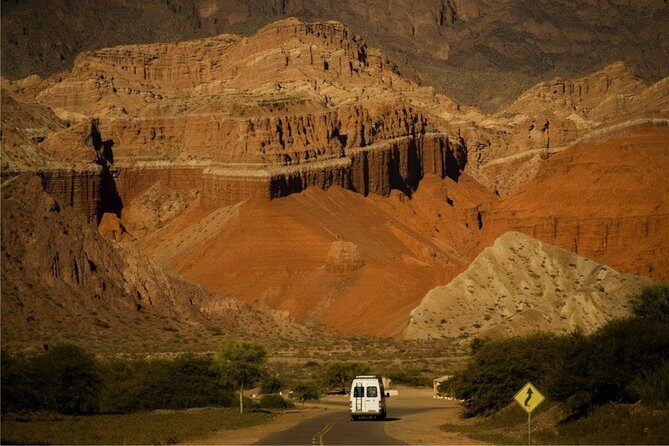
The day starts at Caseros 420, A4400 Salta. If you’ve selected the pickup option, the tour includes hotel pickup and drop-off; if not selected, you’ll likely need to make your own way to the meeting point.
Why that matters: mornings in Salta can be busy, and it’s easy to waste half your trip solving local logistics. With pickup organized, you can focus on the day itself. One detail I love from real-world experience on this style of tour: staff often try to manage the group in a structured way, so you don’t lose time with chaos at each stop.
It’s also worth knowing the group size is capped tightly. You’re looking at up to 15 travelers (the activity lists a max of 23 passengers overall), which usually makes the early loading process smoother and the guide’s attention feel less spread out.
The big payoff starts at Quebrada de las Conchas: photo stops and geology
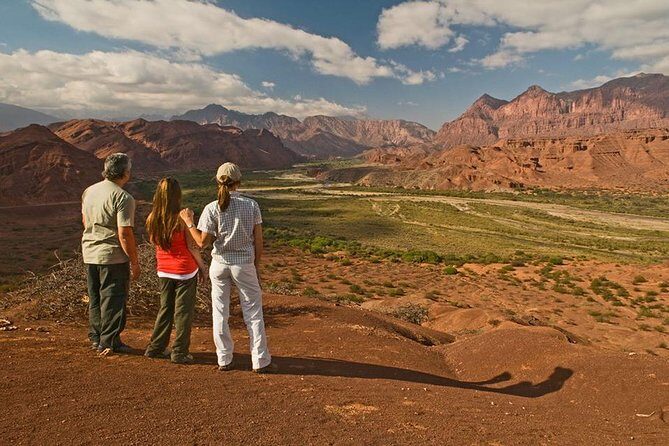
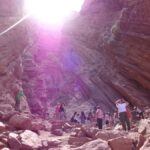
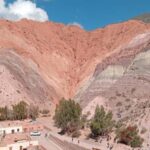
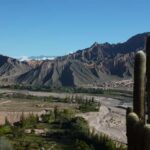
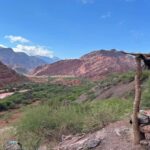
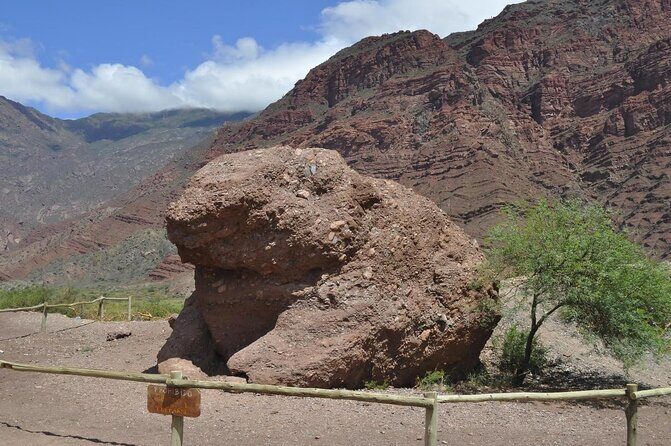
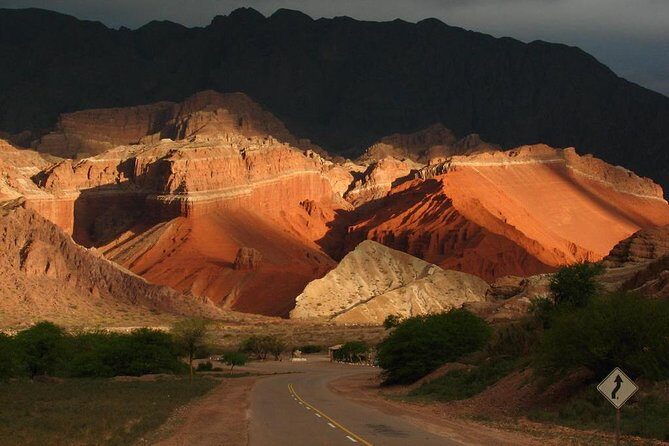
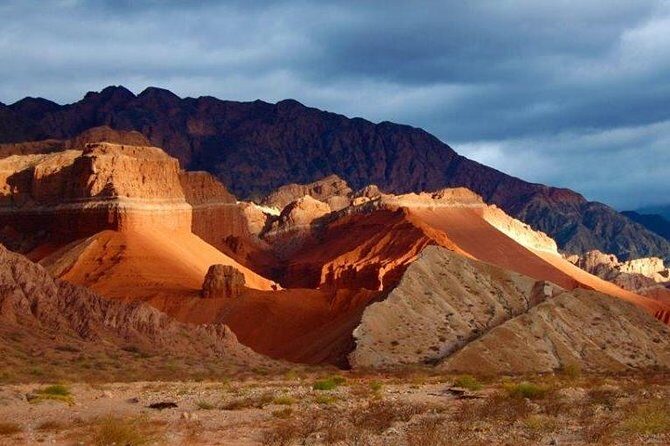
The first major stop is the Quebrada de las Conchas (the Conchas Gorge). This is the heart of the day, and it’s where you see why the route is famous: tall rock walls, unusual colored strata, and formations that look almost sculpted.
You’ll make multiple stops along the gorge. The goal isn’t just a drive-by. You get chances to step out, walk a bit, and take photos. The time listed for this section is about 2 hours, and the stops are described as having free admission, which helps keep the day feeling like a lot of sightseeing for the money.
What I’d pay attention to here:
- Start with comfortable shoes. Even when stops are short, you’ll be on uneven ground at viewpoints.
- Bring sun protection. The gorge area can feel bright and hot even when the air is cooler in the morning.
- Use the guide for context. Some guides on this route are very focused on the physical geography, and that’s the kind of explanation that turns “pretty rocks” into “oh, I get what I’m looking at.”
If you like learning, guides such as Fernando and Eduardo are specifically praised for the way they explain the geology and the regional story. On the tours where the guide is strong, you don’t just collect pictures—you understand why those red shapes exist.
Devil’s Throat: short entrance, big wow factor
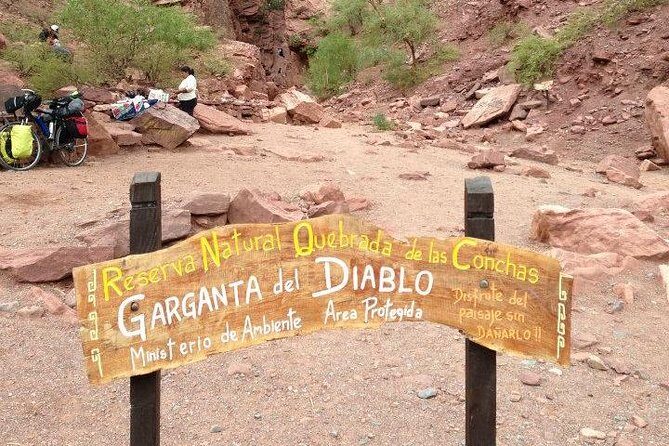
Next up is La Garganta del Diablo (Devil’s Throat). This stop is listed at about 20 minutes, with free admission.
It’s a good “legs-on and camera-ready” break. The formation is dramatic, and the short time works because the moment you get out, it’s all about angles: where you stand in relation to the rock face, how you frame the opening, and catching the light.
One practical note: because this stop is brief, you’ll want to be ready to move. If you’re the type who likes to linger for long conversations, you may wish there were more time here. If you like efficient stops that still feel impressive, this is one of the best parts of the schedule.
El Anfiteatro: where acoustics and theatrics meet
Then you’ll go to El Anfiteatro, again listed at about 20 minutes with free admission.
The name alone sounds like a place built for an audience, and the tour highlights its natural acoustics. This is one of those stops where a guide can turn a quick visit into something memorable. On some departures, guides have even treated the space like a stage—there’s a story in the feedback about Monica creating an impromptu song moment in the Anfiteatro.
Even if you don’t care about acoustics, it’s still a great photo stop. The shape and scale help you understand the gorge isn’t just random rock—it’s a whole system of formations.
You can also read our reviews of more wine tours in Salta
Cafayate town time: what you can realistically do in about an hour
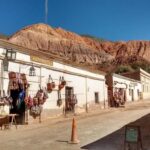
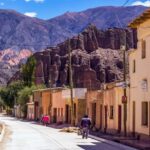
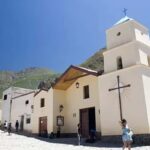
After the gorge stops, the tour reaches Cafayate. The schedule lists about 1 hour of free time, and the idea is you can explore the main plaza area and nearby streets.
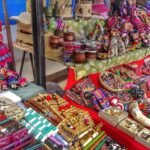
A one-hour window is enough for a short walk, coffee, browsing some local crafts, and a quick lunch if you go fast. It’s usually not enough for a long, slow restaurant experience—especially if you sit down, order carefully, wait for food, and chat.
I’ve seen a consistent pattern in the feedback: some people wish there was more time to explore beyond the plaza area, while others are happy just to stretch their legs, take in the colonial-style vibe in the center, and shop a little.
Here’s how to use the hour well:
- If you want lunch, pick somewhere you can move through quickly.
- If you want photos and strolling, skip the long meal.
- If you’re wine-focused, treat the town hour as a chance to orient yourself for anything you might do after the tour.
Also: some reports mention that restaurant service can be slow enough to swallow your planned free time. If you’re the type who wants a sit-down lunch, do it intentionally and keep expectations tight.
The wine tasting in Cafayate: value, but watch the language and quality
The experience includes wine tasting during the Cafayate visit, with an expert-led component. In practical terms, you’ll likely get a small tasting lineup and learn how the region’s conditions shape the grapes.
Now the honest part: the tasting experience isn’t the same quality or language experience every day.
Language
Some tours have been reported as Spanish-only at the winery, which can be frustrating if you don’t read or speak Spanish well. On other departures, guides stepped in to translate. For example, feedback includes cases where Cezar translated during the winery visit, and where other guides handled English and Spanish more evenly.
If English clarity matters to you, plan smart:
- If the tour description says the tasting is guided, ask (or confirm) whether the guide translates during the winery portion.
- If your Spanish is basic, bring patience, and focus on the tasting itself rather than expecting a full technical explanation.
Wine quality and how rushed it feels
A few notes point out the tasting can be basic—sometimes only two wines are offered, and the winery tour can feel rushed. On the other hand, other guides and bodega stops were described as delicious and well worth it.
There’s also a practical option mentioned in the feedback: some guides can offer an upgrade to taste more or different wines at another bodega for an extra fee. That’s a good sign if you’re a serious wine person and want more than a quick sampler.
One more seasonal reality: there’s a caution that some wineries may be closed for vacation from late December to early January. If your trip falls in that window, you might want to build flexibility (and avoid planning only around one “must-see” bodega).
Comfort and motion: sitting through 12 hours without regrets
Let’s talk about the van/bus ride, because it’s the part you can’t skip.
The tour is described as comfortable by many people. There’s also praise for A/C and for drivers who handle the route well. But there are also complaints about cramped seating on some departures and one report that the driver exceeded speed limits, leading to motion sickness for some passengers.
What I’d do if you’re sensitive to motion:
- Bring motion-sickness medication just in case.
- Pick a seat that feels most stable to you (if you get to choose).
- Pack water and plan your breaks around the stops the guide schedules.
And for comfort in general, remember this is a long day. Even when stops are frequent, you still spend hours in transit. If you go in expecting a “scenic cruise,” you’ll probably enjoy it more than if you want nonstop walking.
Guides can make or break the day
For tours like this, the geography is fixed. The guide quality isn’t.
The feedback gives you a clear signal: guides such as Alexandra, Cezar, Fernando, Milagros, Eduardo, Monica, Carolina, Ramiro, and Sergio are singled out for different strengths—translation, storytelling, geography explanations, and safe driving.
Here’s what that means for you:
- If you want a tour that feels like it has a narrative, choose one with strong bilingual support when possible.
- If you want geology explained, look for guides who focus on the physical features of the gorge.
- If you want a calmer pace, trust that a good guide will help manage time at viewpoints and keep the group moving without panic.
Also, many people liked the way guides tried to reduce time spent with big crowds at the more famous stops. That matters. Crowds don’t just block photos—they also make the experience feel rushed.
Is this tour worth the $29.99 price?
At $29.99 per person, the value is obvious on paper: you’re paying for the drive into the gorge region, the guided sightseeing, and the Cafayate wine tasting—without needing to rent a car.
What makes it feel like a good deal is that transport costs and parking headaches add up quickly if you do it solo. You’re also buying time. In one day you see multiple major stops that normally take careful planning.
The places where you should calibrate expectations:
- Wine tasting can be “okay to good,” not always “wow.”
- Cafayate town time is limited, so plan meals fast or skip the long sit-down.
- Language at the winery isn’t guaranteed.
Still, if your priority is the Quebrada de las Conchas route plus a guided taste of Cafayate wine culture, this price tier is hard to ignore.
Who should book this (and who might be happier elsewhere)
This tour is a good fit if you:
- Want maximum sightseeing from Salta without driving yourself
- Enjoy short viewpoints with lots of photo chances
- Like having a guide explain what you’re seeing as you go
- Are traveling as a couple or solo and want a small group feel
You might think twice if you:
- Need an English-only experience during the winery tasting
- Hate being on the road for long stretches
- Want a slow, leisurely Cafayate lunch and lots of town wandering
- Are a serious wine enthusiast seeking a deep, multi-winery tasting day
Should you book this Salta-to-Cafayate tour?
I’d book it if your top priorities are the Conchas Gorge photo stops and getting to Cafayate with organized transport and a guide. The value is strong for what you see, and the small-group size helps the day feel personal rather than mass-produced.
I would hesitate if you’re wine-tour specific and English comprehension at the winery is non-negotiable. In that case, you’ll want to confirm the guide’s ability to translate during the tasting, and you may prefer to plan extra time in Cafayate on your own.
If you go in knowing it’s a long day with a focus on big viewpoints, you’ll likely come away impressed—not just by the rocks, but by how much this route packs into a single trip.
FAQ
What time does the tour start in Salta?
The tour start time is 7:00 am, with the activity beginning at Caseros 420, A4400 Salta.
How long is the full-day experience?
It lasts about 12 hours.
Is hotel pickup included?
Hotel pickup and drop-off are included if you select the pickup option. If that option isn’t selected, pickup may not be included.
How big is the group?
The tour has a maximum of 15 travelers, and it lists a maximum of 23 passengers overall.
What are the main stops during the day?
You’ll see the Quebrada de las Conchas area with multiple scenic stops, then visit La Garganta del Diablo, El Anfiteatro, and you’ll have time in Cafayate plus a wine tasting.
Is the wine tasting in English?
The winery portion can be Spanish-first. Some guides translate for English speakers, but language coverage during the winery visit isn’t guaranteed.
What happens if weather is bad or you need to cancel?
This experience requires good weather. If it’s canceled due to poor weather, you’ll be offered a different date or a full refund. Free cancellation is available up to 24 hours in advance.