REVIEW · SALTA
From Salta: Humahuaca, Salinas Grandes, & Purmacara 2 Days
Book on GetYourGuide →Operated by La Quebrada Turismo · Bookable on GetYourGuide
First, the scenery changes fast. This 2-day route through Quebrada de Humahuaca and into Jujuy hits the big sights: rock cutouts, high-mountain towns, and those famous salt flats in Salinas Grandes. I really like how the trip mixes dramatic viewpoints with actual places to walk—markets, small towns, and a chance to stretch your legs.
Second, I’m drawn to the stop in Purmamarca for the Hill of the 7 Colors and the craft market rhythm. You get the kind of photo moment that feels earned, not rushed, and then you’re back among real local life. One possible drawback: language balance and timing can be a little uneven, so if you want lots of detailed English narration, you’ll want to keep your expectations realistic.
If you prefer to plan with your feet and your camera rather than rely on constant explanations, this tour can be a great fit. If you’re very picky about schedule control and bilingual commentary all day, you may find it frustrating.
In This Review
- Key Points to Know Before You Go
- The Big Idea: Two Days That Go Right for the Famous Stops
- From Salta to Quebrada de Humahuaca: The Ride Sets the Tone
- Purmamarca and Cerro de los Siete Colores: The Stop You’ll Remember
- Maimará’s Painter’s Palettes: A Nice Change of Pace
- Uquia and the Ceramic Factory: Where the Route Adds Culture
- Tilcara and the Pucará Ruins: Walking Gives Meaning
- Humahuaca Town and the Route’s Final Views
- Salinas Grandes: White Salt Flats That Look Impossible
- Price and Value: How $78 Shapes the Experience
- When This Tour Really Works for You
- The Main Things to Watch Out For
- Should You Book This 2-Day Salta to Jujuy Tour?
- FAQ
- How long is the tour?
- What does the price include?
- Is food included?
- What languages will the guide speak?
- Do they cancel the excursion due to rain?
- What should I bring?
- Is alcohol allowed on the tour?
- Are pets allowed?
- Where do they pick you up?
Key Points to Know Before You Go
- Quebrada de Humahuaca viewpoints: you’ll pass through the famous gorge area and get sweeping rock formations.
- Cerro de los Siete Colores in Purmamarca: a must-see color hill plus time around the craft market.
- Salinas Grandes photo time: striking white salt flats that look unreal once you’re standing there.
- Tilcara’s mountain-town vibe: Pucará ruins and hiking-friendly viewpoints nearby.
- Stops like Maimará and Uquia: Painter’s Palettes and a ceramic factory visit add variety beyond the main towns.
- Mixed experience quality: pickup delays and repetition of at least one Purmamarca-area stop can happen.
The Big Idea: Two Days That Go Right for the Famous Stops
This is a classic “Salta → Jujuy highlights” style itinerary. In two days, you’re moving through a UNESCO-recognized natural-and-cultural zone, with a strong focus on the signature scenery and the towns that sit inside it. That’s good news if you want the greatest hits without doing hours of self-planning.
The practical value is simple: transportation is handled in a transit vehicle (sprinter or minibus), and you get a bilingual guide in Spanish and English. The guide format matters here—your day will feel more like “guided driving with stop-and-walk breaks” than a full lecture tour.
The itinerary also favors variety. You’re not just doing one type of view. You’ll see high desert towns, colorful rock formations, and then you’ll end on the surreal white of the salt flats. That combo is a big reason this route earns repeat bookings.
A few more Salta tours and experiences worth a look
From Salta to Quebrada de Humahuaca: The Ride Sets the Tone
Your day begins with pickup included from hotels or central addresses, within about 15 blocks of Salta’s main square. The guide will arrange pickup with a driver who has a sign with their surname, and you’re expected to be ready a bit early. The key rule: the driver won’t wait more than 5 minutes after the scheduled pickup time.
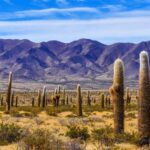
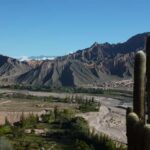
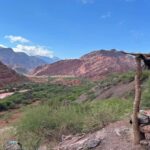
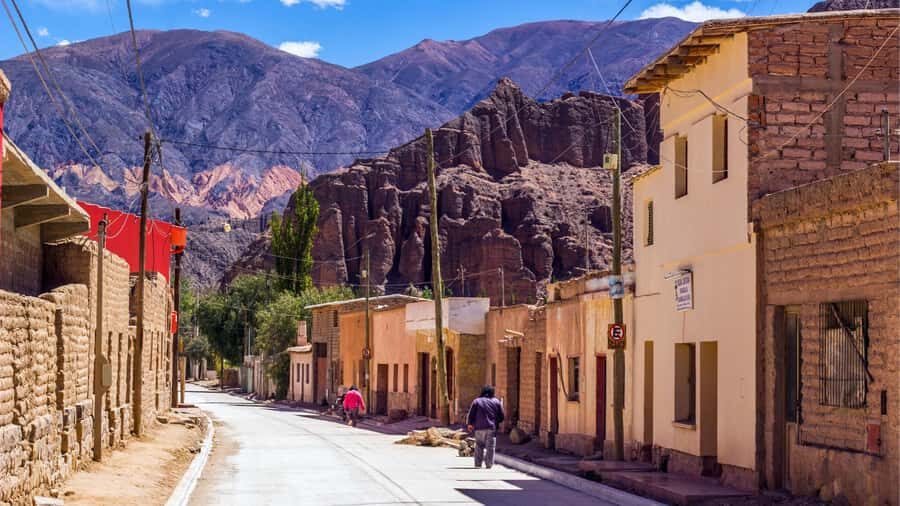
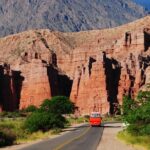
Once you’re on the road, the focus becomes Quebrada de Humahuaca—the gorge area known for sculpted rock formations and dramatic color bands in the mountains. Even when you’re just moving between towns, the views keep changing in a way that feels cinematic. You’re not staring at one backdrop for hours.
This is where the tour’s “value” shows. You’re paying for momentum: the route gets you into the right corridor quickly, so you spend your limited time where the scenery is actually the story. If you were to do this solo, you’d either burn a whole day on transport logistics or risk missing the most photogenic areas without local knowledge.
Purmamarca and Cerro de los Siete Colores: The Stop You’ll Remember
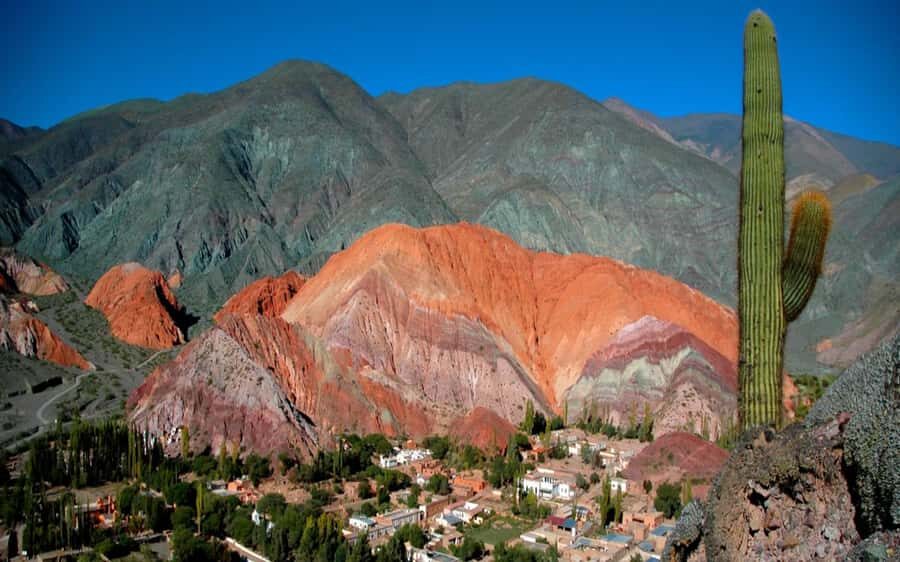
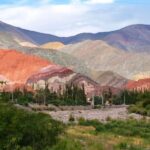
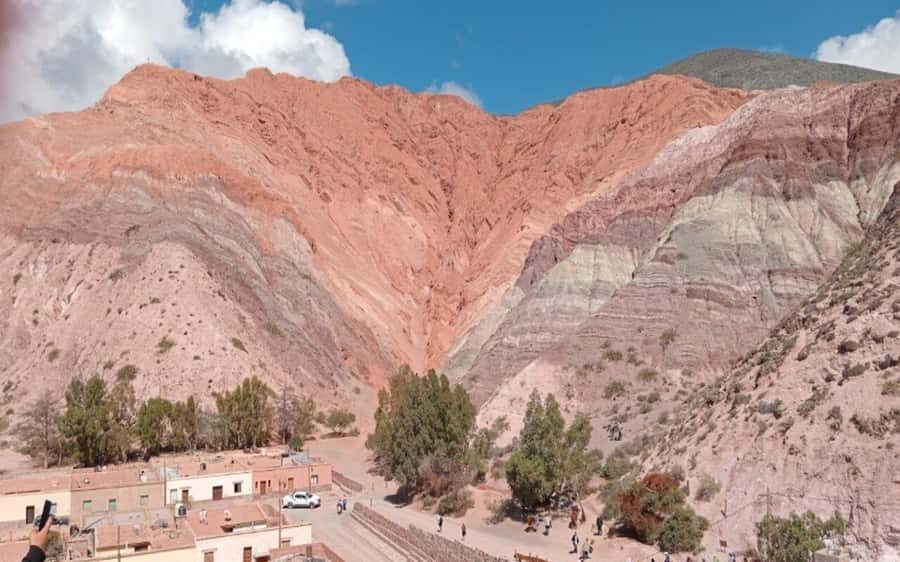
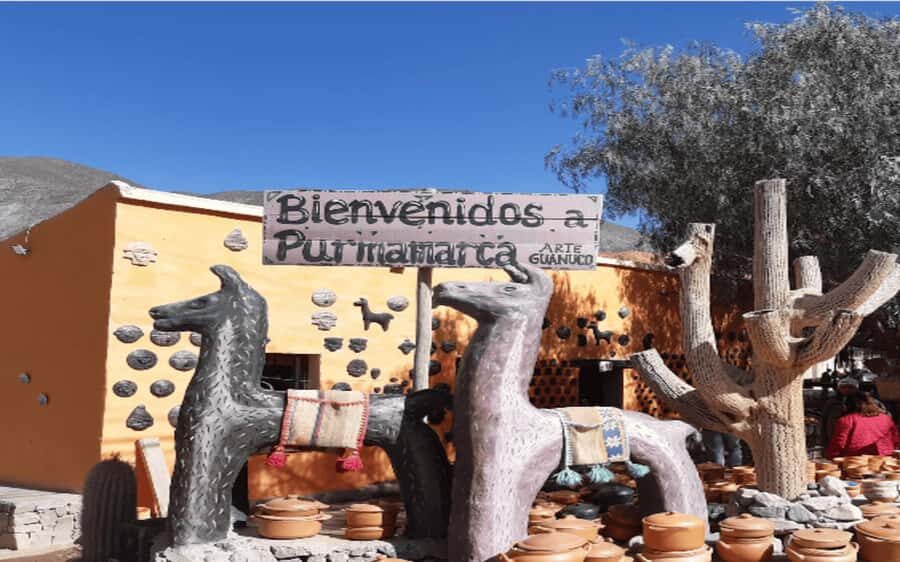
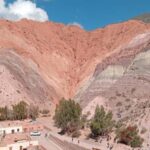
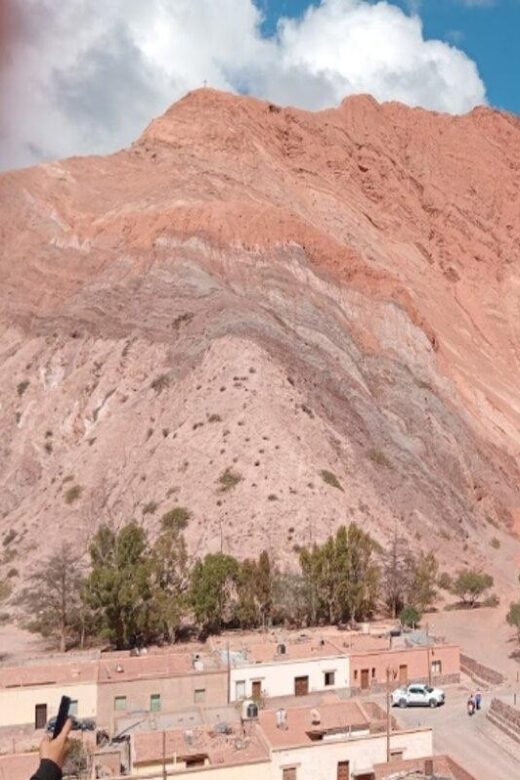
Purmamarca is the tour’s star town for a reason. You’ll visit Purmamarca and take in the Hill of the 7 Colors—the famous Cerro de los Siete Colores. This is the kind of place where you can understand why people plan whole trips around one viewpoint.
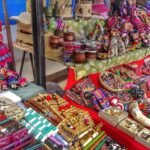
Here’s what makes it work in a group setting: there’s a natural loop. You’re typically free to walk around, take photos, and then visit nearby areas like the craft market. The market element is more than a souvenir stop. It’s how you shift from scenery to local texture—crafts, colors, and the small-town feel that keeps the day from turning into “only photos.”
If you’re a photographer, you’ll appreciate that you get an outdoor target. You’re not just looking at mountains from a bus window—you’re getting close enough for details to matter. If you’re not into photos, you’ll still enjoy the simpler experience: a break in the schedule where the air and the colors do the talking.
One caution based on real-world experiences people reported: Purmamarca areas can feel repeated on some versions of the tour. That doesn’t ruin the destination, but it can reduce the sense of “newness” if you’re hoping every stop is fresh.
Maimará’s Painter’s Palettes: A Nice Change of Pace
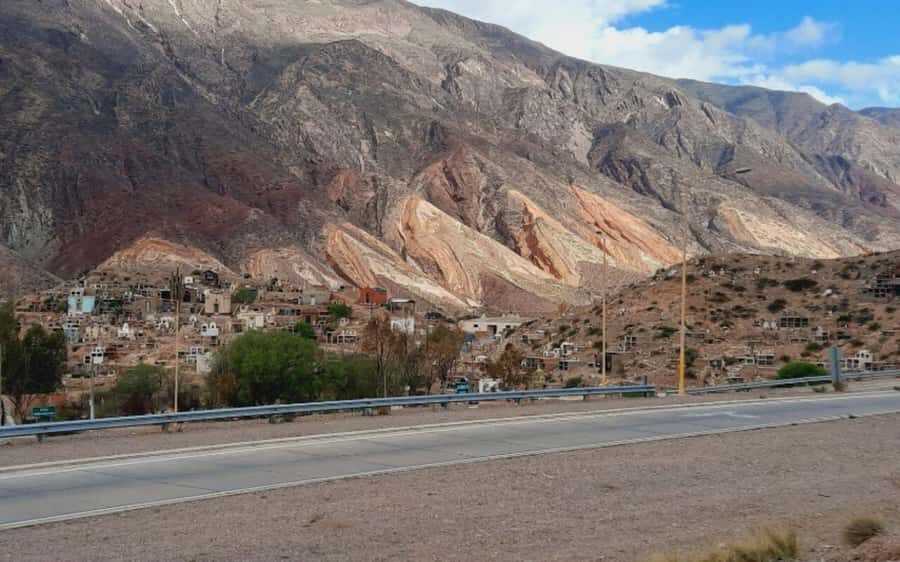
Between the big headline stops, the route often includes Maimará, known for the Painter’s Palettes (related to the region’s colorful mineral bands). This is a good example of how the itinerary keeps variety: you get another viewpoint-style stop that doesn’t feel exactly like Purmamarca.
In practical terms, it’s the kind of stop where you can take a short walk, study the rock colors, and reset your eyes before the next town. It’s also a useful mental pacing tool in a two-day program. When you’re doing long driving days, small-but-different stops help keep the day from turning into one long blur.
If you want to maximize photo time, this is one of the places where doing a bit of early exploring helps. Move around, don’t just stand at the first obvious point, and you’ll usually find better angles.
Uquia and the Ceramic Factory: Where the Route Adds Culture
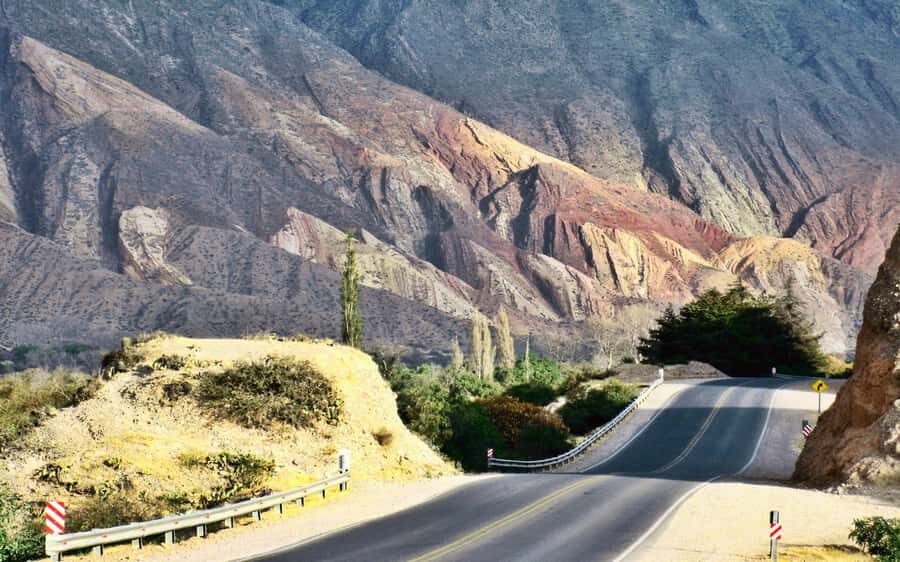
The route also reaches Uquia and includes a ceramic factory visit. This is your “not just scenery” moment, and it helps balance the entire trip. The big views are spectacular, but they can start to feel similar if the day has only lookouts and driving.
A factory stop gives you a different rhythm: slower observation, hands-and-materials learning, and a chance to understand that these towns aren’t built only for tourists. Even if you don’t buy anything, you’ll probably enjoy seeing what local artisans do and how the region’s aesthetics show up in craft.
If you’re the kind of person who likes to connect visuals to real making, this stop is worth paying attention to. And if you’re shopping-light, it’s still a good break from the open-air stretches.
Tilcara and the Pucará Ruins: Walking Gives Meaning
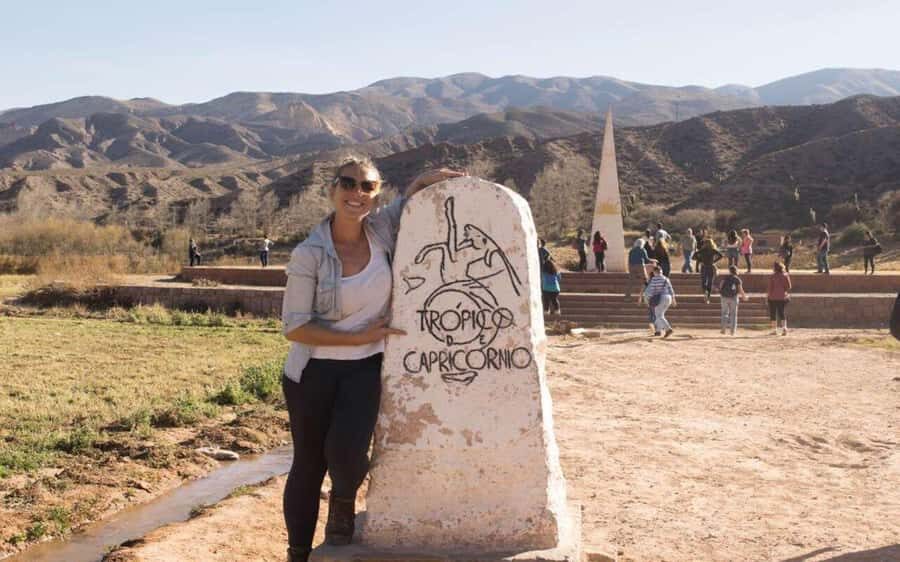
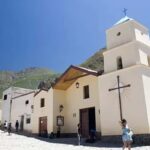
Tilcara is one of those towns that rewards you for stepping out. It’s known for mountain views and hiking trails, and it pairs naturally with the stop at the Tilcara area’s Pucará high-mountain fortress ruins—partially destroyed, which means you’re looking at history in a weathered, real-world form rather than something restored to a glossy shine.
This is where the tour can feel especially good: you get time that’s not only about looking from a distance. You can walk, stretch, and feel the terrain under your shoes. In a two-day schedule, that kind of physical break matters.
Practical tip: wear comfortable shoes. The tour asks for sports shoes, and I agree with that guidance. Even if you’re not doing a long hike, uneven ground and slopes are common in this part of Argentina.
Also, keep your expectations flexible. Ruins and fort remnants don’t “perform” like modern attractions. The payoff is in perspective—standing where people once guarded the region and looking out at the modern valley below.
Humahuaca Town and the Route’s Final Views
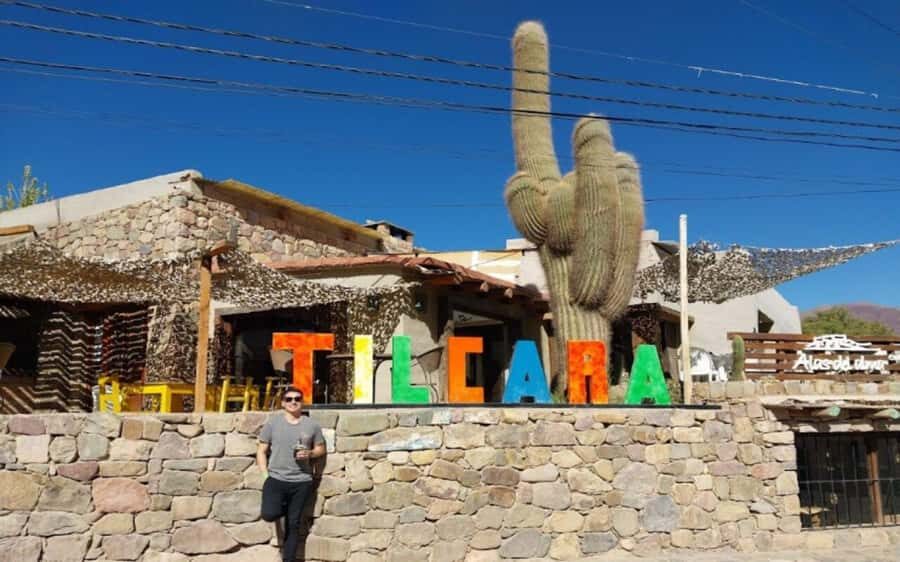
Humahuaca is the largest town in the Quebrada de Humahuaca area, and it anchors the experience with more everyday energy than the smaller villages. You’re not just passing by—you’re arriving at a real town with a stronger sense of place.
One of the more intriguing elements in the route is the mention of the Lipan Slope. While the itinerary description keeps details light, it signals that you’ll be seeing more than just flat viewpoints. You’ll likely get additional mountain-side perspectives that help explain the region’s dramatic geography.
This is also where your pacing matters. After long drives and multiple photo stops, Humahuaca can feel like the “breathing space” moment. If you plan to buy a few items or just enjoy a slower walk, you’ll usually appreciate it more later than you would at the start of the trip.
Salinas Grandes: White Salt Flats That Look Impossible
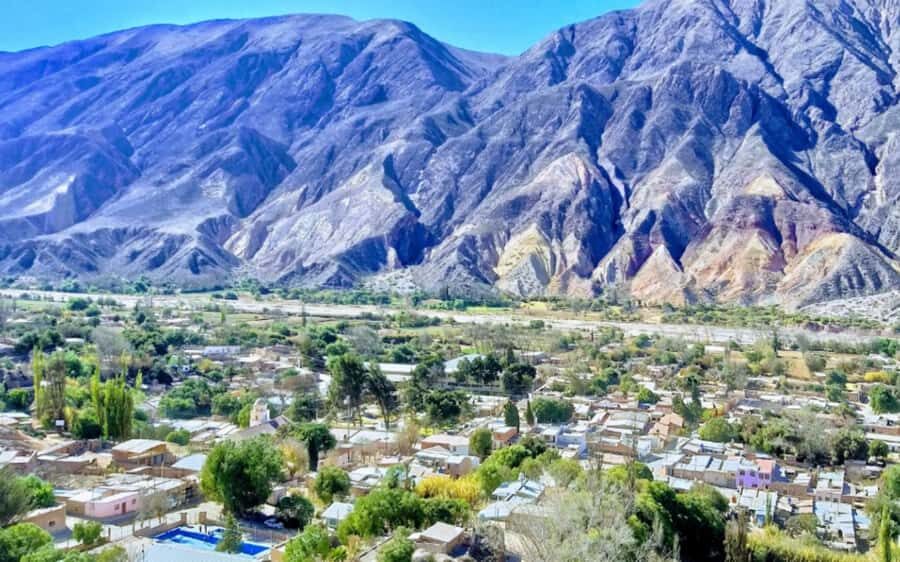
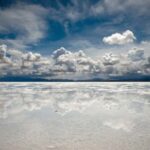
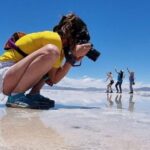
Then comes the big surprise for many people: Salinas Grandes, the salt flats in northern Argentina. The tour sets you up for the classic experience—stepping onto the striking white salt surface and taking photos that look almost fake until you’re doing them yourself.
This stop is one reason the tour can feel like good value. The scenery shift is dramatic. One moment you’re in rocky mountain country; the next you’re on a vast white plain. It’s a completely different visual language, and that change is what makes two days feel full rather than repetitive.
A practical note: salt flats can be bright and reflective. Bring your sunglasses and dress for sun exposure (the tour only specifies comfortable/sports shoes, but brightness is real here). Even if the tour doesn’t mention weather stops, you’ll still want to be smart about how you move and where you stand for photos.
One more thing: if you’re short on time, don’t only aim for the first photo spot. Take 2 minutes to look for an angle that gives you depth, not just white ground. The flatness can trick your eyes.
Price and Value: How $78 Shapes the Experience
At $78 per person for a 2-day trip, you’re not paying for a luxury pace. You’re paying for the “logistics package”: pickup, transport across two days in a sprinter or minibus, and a bilingual guide.
So the question isn’t whether it’s cheap. It’s whether it’s cost-effective for what you want. If your goal is to cover Humahuaca Gorge area, Purmamarca’s famous color hill, Tilcara’s ruins, Humahuaca town, and Salinas Grandes in a tight schedule, then $78 can be a bargain.
If your goal is lots of detailed English narration, perfect timing, and zero repetition, the price alone won’t fix those mismatches. Some people found that English explanations were shorter and Spanish took up most of the time. That doesn’t mean the guide wasn’t friendly—it just means you should plan to rely more on what you can see and your own questions than on constant detailed commentary.
In other words: this tour is excellent for your eyes. For deep interpretive history in English, you might want to supplement with your own reading while you’re there.
When This Tour Really Works for You
I think this experience fits best if you:
- Want the main Jujuy highlights without renting a car.
- Like a mix of viewpoints and walkable stops (markets, ruins, small towns).
- Are comfortable with long drives and short-but-frequent outings.
- Think in terms of “photo and perspective” more than “lecture-style learning.”
It also makes sense if you’re doing a broader trip through northern Argentina and want Jujuy’s signature sights in a compact window.
The Main Things to Watch Out For
This is where the reviews point to the kind of issues you should mentally prepare for.
Timing can slip. Pickup lateness happened at least once, and that can affect your start rhythm. If you’re heading to another plan the same day, build in flexibility.
Language balance can vary. Even when the guide is bilingual, English explanations may be shorter, with Spanish taking up more of the speaking time. If English-only narration matters a lot to you, you may feel the gap.
Repetition can happen. At least one version of the itinerary appears to revisit Purmamarca-related stops. The Hill of Seven Colors is worth seeing, but repetition can make the second hour feel less exciting if you’d hoped for a totally new sequence every stop.
None of these issues erase the power of the scenery. They just change how smoothly the day feels.
Should You Book This 2-Day Salta to Jujuy Tour?
Yes, with clear expectations.
Book it if you want a two-day hits tour that places you in the right corridor for Quebrada de Humahuaca, then follows through to Purmamarca and Salinas Grandes. You’ll likely feel satisfied because the visual payoff is huge, and the included stops (Tilcara ruins, Humahuaca town, Uquia ceramic factory) add enough variety to keep it from feeling one-note.
Don’t book it if you’re the type who needs long English commentary and strict timing. In that case, look for a version with more consistent English depth, or be ready to manage the experience by focusing on walking, photos, and your own questions when you can.
If your travel style is flexible and you’re excited by big scenery plus a few real-town moments, this is a solid way to use two days in northern Argentina.
FAQ
How long is the tour?
It runs for 2 days.
What does the price include?
Pickup from hotels or central addresses (within about 15 blocks of Salta’s main square), transportation in a transit vehicle (sprinter or minibus), and a bilingual guide in Spanish and English.
Is food included?
No. Food and drinks are not included.
What languages will the guide speak?
The guide provides Spanish and English.
Do they cancel the excursion due to rain?
No—the excursion is not suspended due to rain or bad weather.
What should I bring?
Bring your passport or ID card, and wear comfortable shoes (sports shoes are recommended).
Is alcohol allowed on the tour?
No, alcohol is not allowed.
Are pets allowed?
No, pets are not allowed.
Where do they pick you up?
Pickup is included from hotels or central addresses roughly within 15 blocks around Salta’s main square. You should wait in the hotel lobby about 10 minutes before scheduled pickup, and the driver won’t wait more than 5 minutes after the scheduled time.