REVIEW · SALTA
From Salta: Cafayate, Cachi and Salinas Grandes in 3 days
Book on GetYourGuide →Operated by La Quebrada Turismo · Bookable on GetYourGuide
Three days, and Salta turns cinematic. I love the Salinas Grandes salt flats and the high-altitude wines in Cafayate. The trade-off is long, full-day driving, so if you get motion-sensitive or you hate feeling rushed, go in with eyes open.
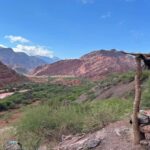
You’ll cover a serious chunk of northwest Argentina: the Calchaquí valleys and Quebrada de Las Conchas, Cachi’s dramatic passes and Los Cardones National Park, then Purmamarca, the 7-Colors Hill, Quebrada de Humahuaca, and finally the salt flats. Expect photo stops, a bilingual guide (Spanish and English), and plenty of big-view moments, even if the day plan is tight.
In This Review
- Key things to know before you go
- The big idea: three 12-hour days through Salta and Jujuy
- Day one out of Salta: Lerma Valley to Quebrada de Las Conchas and Cafayate
- Cafayate wineries and tasting time
- The main drawback for this day
- Day two to Cachi: Quebrada de Escoipe, Cuesta del Obispo, and Los Cardones National Park
- La Cuesta del Obispo photo stops
- Arriving at the Los Cardones National Park area
- Day three: Purmamarca, 7-Colors Hill, Quebrada de Humahuaca, and Salinas Grandes
- Purmamarca crafts market and the 7-Colors Hill
- Humahuaca Gorge and Lipan Slope
- Trekking of the Colorados (what it means for your day)
- Salinas Grandes: what you’ll actually see and how to photograph it
- How to make it better
- The “why it’s special” factor
- The driving reality: what long days feel like in northwest Argentina
- A heads-up from real-world issues
- Logistics that matter (pickup, gear, and rules)
- Price and value: is $96 for 3 days a good deal?
- Who this Salta–Jujuy combo fits best
- Should you book this combo?
- FAQ
- What are the main stops included in this 3-day combo?
- How long is each day?
- Do I need to arrange transportation from Salta?
- What time should I be ready for pickup?
- Is food or drink included?
- What should I bring?
- Are there rules about what I can bring on the tour?
- Does the tour run in bad weather?
- What languages are the guide services offered in?
- What is the cancellation policy?
Key things to know before you go
- Salinas Grandes and Cerro de los Siete Colores: that white salt-flat look plus a colorful nearby mountain
- Quebrada de Las Conchas: Garganta del Diablo, El Amphitheater, Las Ventanas, Los Castillos, and more geoforms
- Cafayate winery visit: wine tasting focused on the area’s high-altitude reputation
- Cuesta del Obispo to Cachi: a scenic climb-and-view day with stops along the way
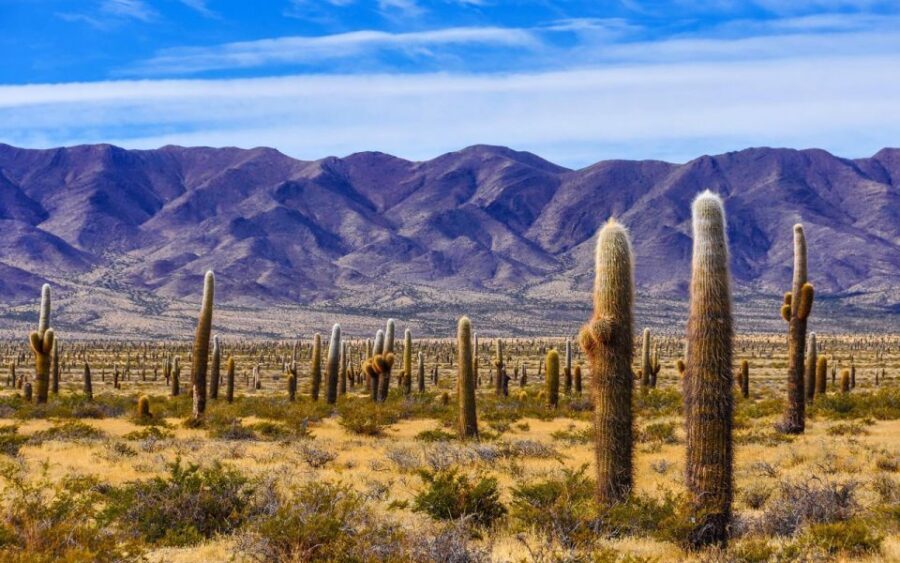
- Los Cardones National Park: built for photos and slow looking at the cactus-covered terrain
- Purmamarca + 7-Colors Hill: crafts market time mixed with iconic Andean color
The big idea: three 12-hour days through Salta and Jujuy
This combo is built for people who want the highlights without doing the logistics themselves. Each tour day runs about 12 hours, so the rhythm is simple: pick-up in the early stretch, long drive, set stops, lunch breaks that are not included, then return.
If you like road trips where the views do most of the work, you’re in the right place. If you’re hoping for a relaxed pace, you’ll probably feel the schedule, especially on the stretches between Salta and the countryside. One practical point: the itinerary includes lots of “photo stops,” which usually means short time on the ground but frequent chances to frame the scenery the way you see it in your head.
A few more Salta tours and experiences worth a look
Day one out of Salta: Lerma Valley to Quebrada de Las Conchas and Cafayate
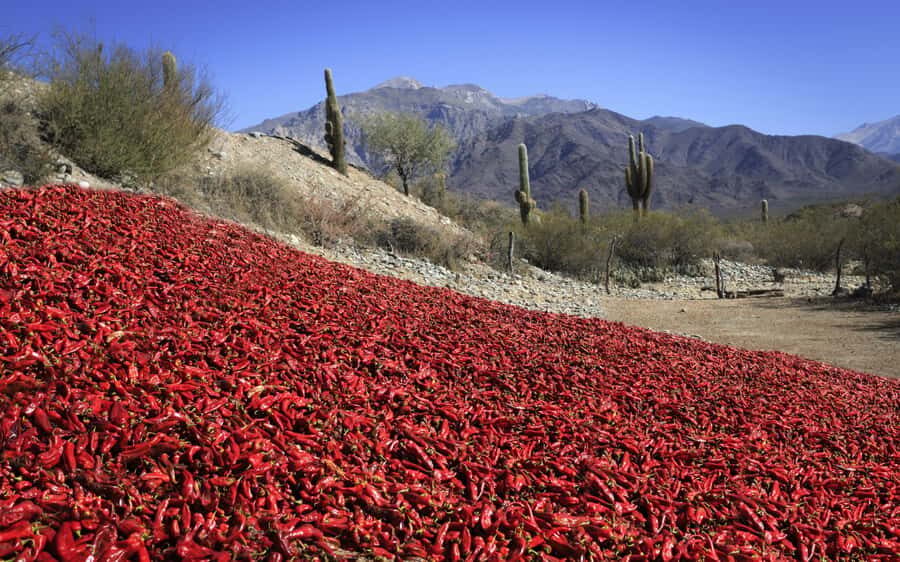
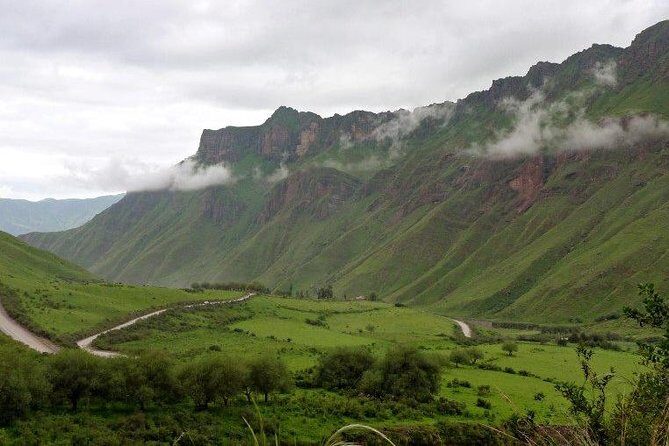
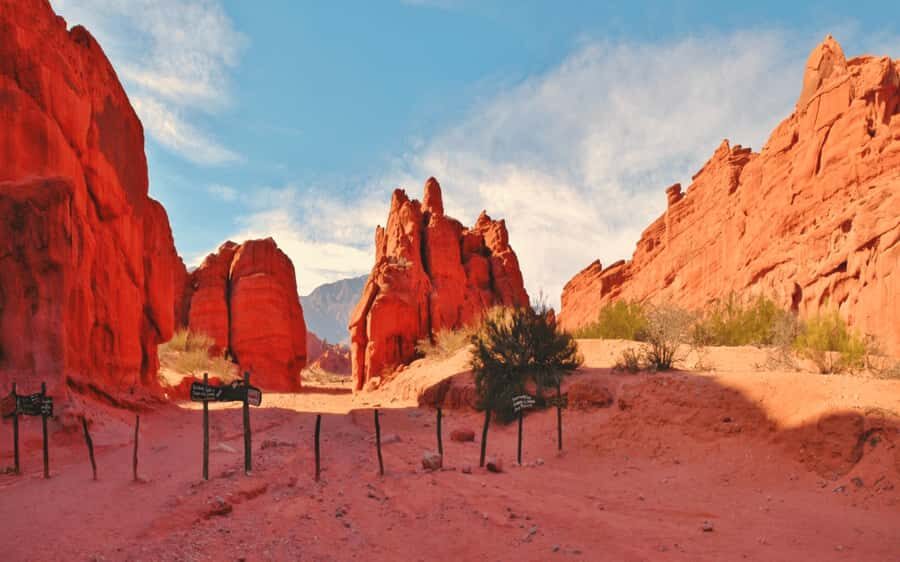
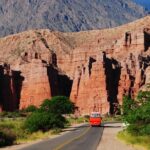
Day one starts with Salta’s Lerma Valley area and then heads into the Quebrada de Las Conchas Natural Reserve. This is where the north gets cinematic fast. You’ll do a chain of stops for rock formations carved into shapes that look almost designed: La Garganta del Diablo, El Amphitheater, Las Ventanas, Los Castillos, La Yesera, El Sapo, El Fraile, El Obelisco, and others.
Here’s why I think this day works. The geoforms are not just pretty; they give you orientation for the region. Once you see the “amphitheater” and “windows” in person, the rest of the driving makes more sense because the shapes repeat across the hills. Even the short stops feel purposeful instead of random.
Cafayate wineries and tasting time
After the morning/early afternoon drive-and-photo rhythm, you’ll reach Cafayate for the wine route and a winery visit with tasting. The tour is specifically framed around the area’s high-altitude wine reputation, which is a big reason people come here. If you don’t drink much, you can still treat this as an introduction to local agriculture and what “high altitude” actually means in practice.
After lunch, the plan is to return to Salta via the same route. That “same way back” detail matters: you’re not guessing your way through transfers. You follow the same roads, keep your bearings, and avoid the risk of losing time.
The main drawback for this day
You’re in a vehicle for a lot of it. On this type of route, even great views can make time feel compressed. Bring comfort for long sitting. Wear shoes you can stand in for photo stops, and keep snacks and water to yourself since foods and drinks are not included.
Day two to Cachi: Quebrada de Escoipe, Cuesta del Obispo, and Los Cardones National Park
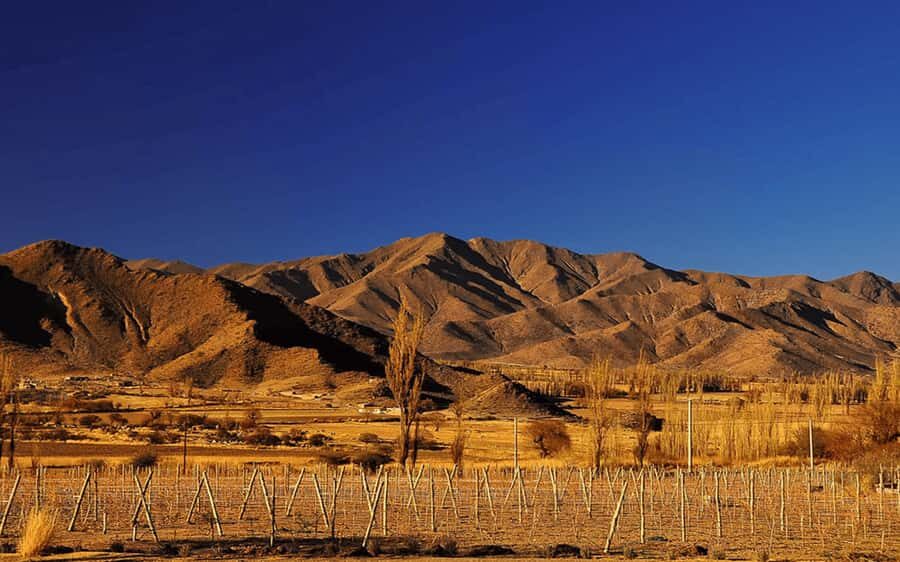
Cachi is one of those towns that feels like it belongs to another pace. This day sets you up for it with passes and gorges, not just a drive-through. You’ll visit Quebrada de Escoipe, then head toward the imposing Cuesta del Obispo.
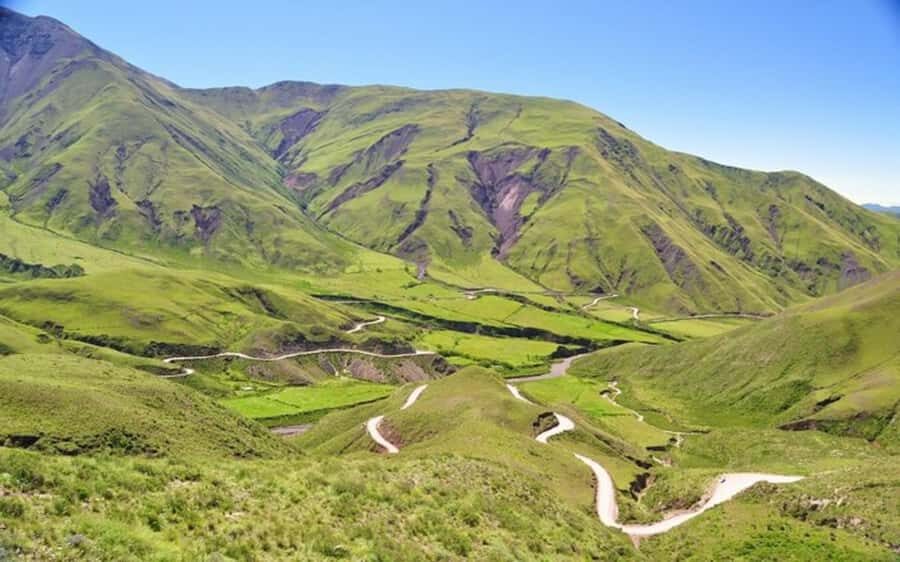
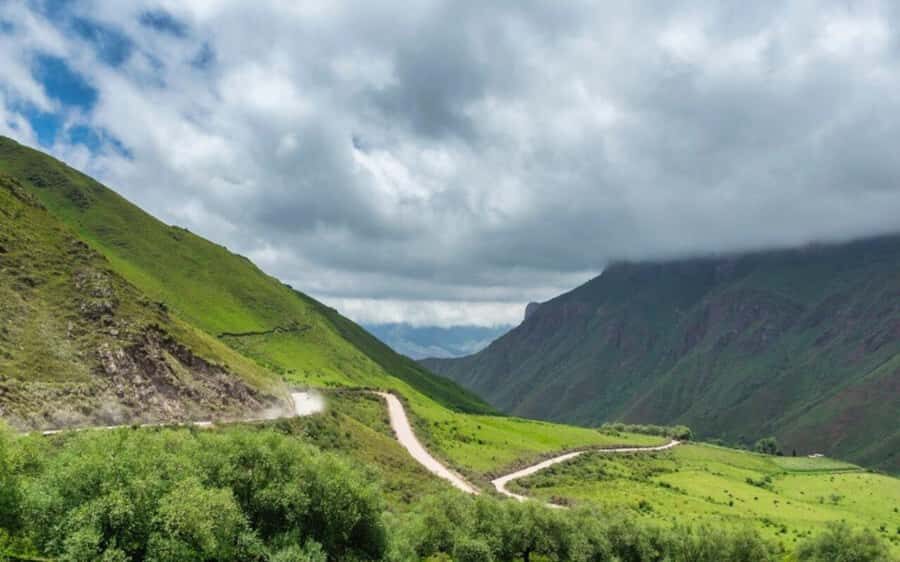
Why Cuesta del Obispo is worth your attention: it gives you that sense of climbing into the Andes without needing hiking boots on. You’ll get photo stops, and the views tend to change quickly as you move higher. You’ll also pass La Piedra del Molino, which helps break up the long drive into moments you can actually remember.
La Cuesta del Obispo photo stops
The tour includes photo stops at Cuesta del Obispo and Los Cardones National Park, which tells you the “stay time” is mostly short. Still, that’s the right choice here. The best part of a day like this is capturing the geometry of the slopes and the contrast between rock, sky, and vegetation as it changes by altitude and exposure.
Arriving at the Los Cardones National Park area
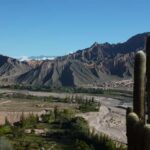
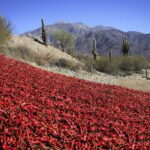
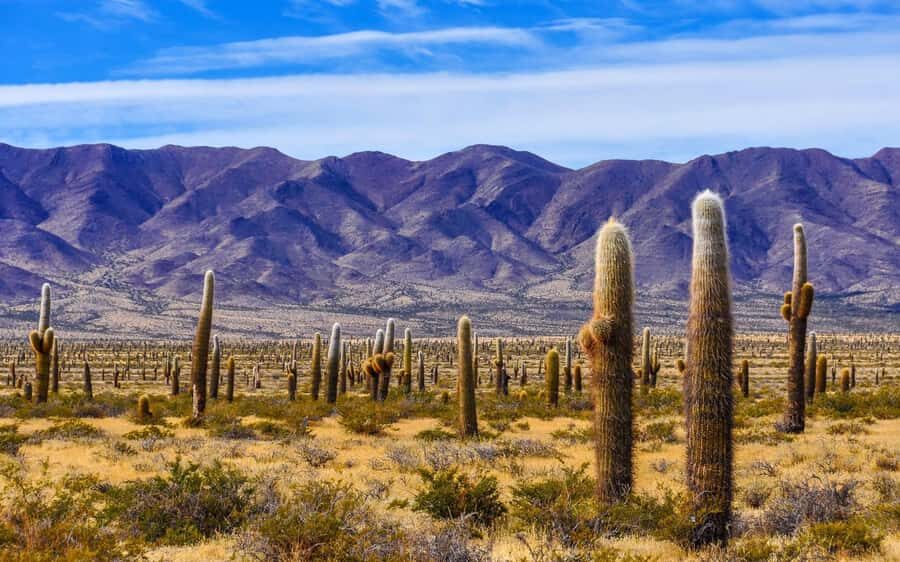
Next up is Los Cardones National Park. The park is famous for cacti, and the tour route is designed so you don’t just see one angle—you get enough stops to understand the scale. Even if you’re not a cactus obsessive (no judgment), this is a visual lesson in how life adapts in dry high-country conditions.
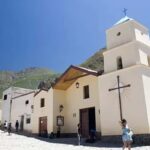
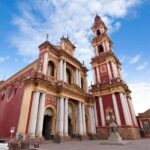
After a full day of stops and driving, Cachi’s town feel becomes a reward: colonial-style facades and narrow cobblestone streets that you can slow down for. The tour’s plan keeps you moving, but the town is the kind of place where a little walking pays off.
Day three: Purmamarca, 7-Colors Hill, Quebrada de Humahuaca, and Salinas Grandes
This is the day that many people call the highlight, and it’s easy to see why. Day three blends culture and color before delivering the “wow” finale: Salinas Grandes.
Purmamarca crafts market and the 7-Colors Hill
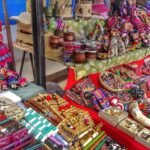
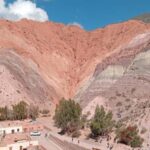
You’ll visit Purmamarca and the Cerro de los Siete Colores—the 7-Colors Hill. The tour also includes time connected to the famous crafts market in Purmamarca. This is a good match for the rest of the day because it’s the opposite of the salt-flat world: here you’re surrounded by people, texture, and handmade items tied to the region.
The practical win: you get a chance to buy small souvenirs without waiting until the end of the day, when energy and timing usually run low.
Humahuaca Gorge and Lipan Slope
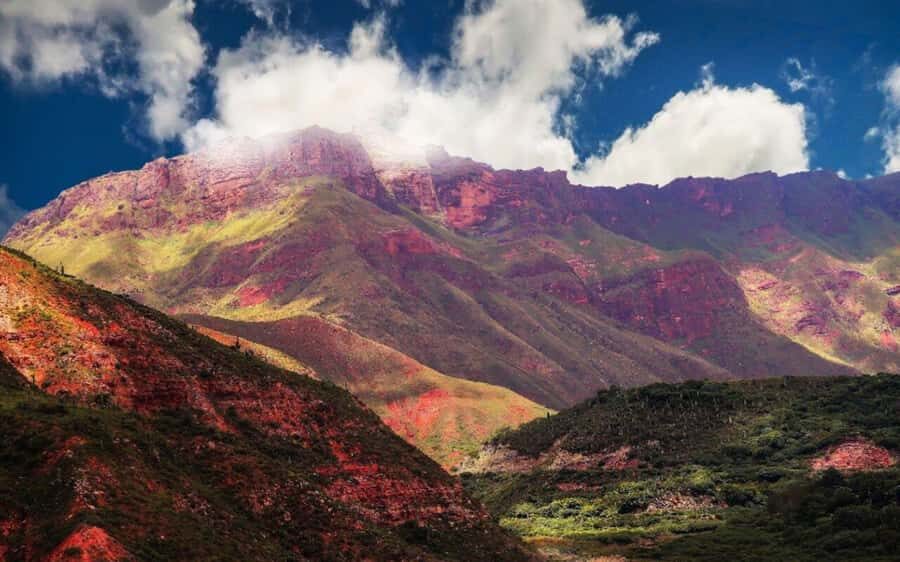
Between Purmamarca and the salt flats, the route includes Quebrada de Humahuaca, plus a pass-like stop called the Lipan Slope. Think of these as “corridor views.” They’re not just scenery; they help you read the geography of the Andes foothills and understand why the towns line the valleys.
Trekking of the Colorados (what it means for your day)
The itinerary includes Trekking of the Colorados. Because the exact time or difficulty level isn’t specified here, treat this as a variable that depends on weather, your pace, and the group’s schedule. Bring practical shoes and be ready for a bit of walking on uneven ground, then you can enjoy it instead of wondering if you packed wrong.
Salinas Grandes: what you’ll actually see and how to photograph it
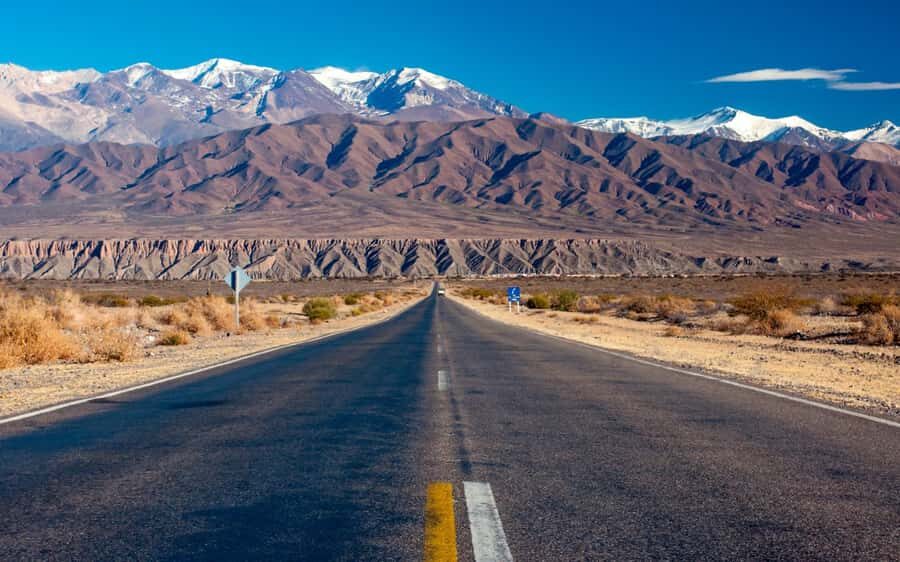
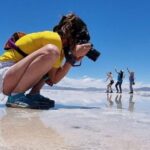
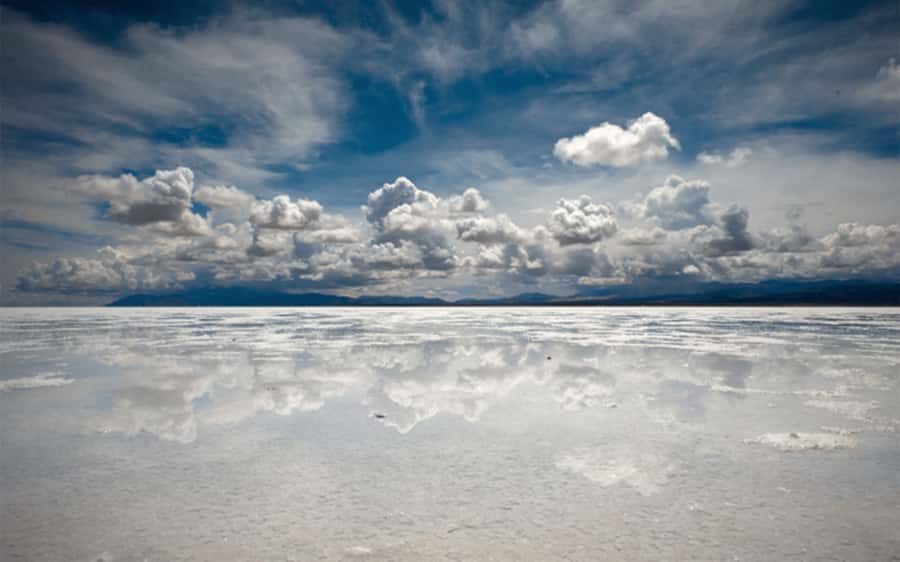
Now for the star: Salinas Grandes. The tour highlights Cerro de los Siete Colores nearby and then gives you time to pose and wander in the striking white salt flats of Salinas Grandes. This is one of those places where a short visit can still feel huge because there are so few visual distractions.
How to make it better
- Wear shoes with grip. Salt flats can feel firm, but you’re usually walking on surfaces that don’t behave like city sidewalks.
- Bring layers. Even when it’s sunny, wind can make you regret packing for summer heat only.
- Plan for photos where the sky matters. In Salinas Grandes, clouds and light can change the whole look.
The “why it’s special” factor
The salt flats aren’t just a background. They’re a blank canvas that makes the colors of nearby hills and the contrast between human scale and empty space feel more intense. That contrast is part of the reason people keep returning to the area for pictures year after year.
The driving reality: what long days feel like in northwest Argentina
This combo is priced and scheduled for people who accept that the region is big and the distances are real. Each tour day is about 12 hours, with transport in transit using a sprinter or minibus, plus pickup from hotels or central addresses within 15 blocks around the main square.
That long-drive structure is also why value can be good here. You’re not paying for each stop and transfer separately. But it also means you should pick what matters to you. If you’re the type who likes to stretch your legs often, you’ll need to use the stops strategically. If you’re fine leaning into photo windows and short breaks, you’ll probably feel satisfied with the pace.
A heads-up from real-world issues
There are a couple of practical concerns that could affect your comfort. One report described very long drives and a driving style that felt too fast for safety comfort. Another described a vehicle breakdown that caused a long wait before a replacement arrived.
I can’t predict whether any of that happens on your dates, but I can say it’s worth mentally preparing for the possibility of delays on a route like this.
Logistics that matter (pickup, gear, and rules)
Pickup is included, and you’re expected to wait in the hotel lobby about 10 minutes before the scheduled time. The driver will have a sign with their surname, and the vehicle won’t wait more than 5 minutes after the pickup time.
What to bring is straightforward:
- Passport or ID card
- Comfortable shoes (and sports shoes are mentioned too)
- Something that helps you stand comfortably for photo stops
What to leave behind:
- Alcohol and drugs are not allowed
- Pets are not allowed
Also, the tour is not suspended due to rain or bad weather. That means you’ll want to dress for conditions that can shift quickly in the Andes.
Price and value: is $96 for 3 days a good deal?
At $96 per person for 3 days, this is priced like a “high-volume highlights” tour. You’re paying for three full-day itineraries (each about 12 hours), with bilingual guiding in Spanish and English, hotel-area pickup, and transport that strings together several major sites: wine country, multiple gorges and viewpoints, Los Cardones National Park, and Salinas Grandes.
What you’re not paying for: foods and drinks. That’s the big add-on. If you’re budgeting, plan to cover lunches and any snacks you want during long stretches. If you rely on included meals, this tour will feel more expensive than the base rate.
So the value question comes down to you:
- If you want the big checklist done in a short window, the deal can feel strong.
- If you hate long days and prefer slower, independent exploring, you’ll likely get better value by going point-to-point on your own.
Who this Salta–Jujuy combo fits best
This tour suits you best if you’re:
- Short on time and want Cafayate, Cachi, and Salinas Grandes together
- Excited by geology and viewpoints, not just town time
- Comfortable spending most of each day in a vehicle
- Fine with a plan that prioritizes photo stops and fixed routing
It may feel less ideal if you:
- Want a leisurely pace with lots of unstructured time
- Get stressed by long drives or can’t handle schedule pressure
- Prefer tours that linger in one place for hours instead of touching many locations
Should you book this combo?
I’d book it if your goal is simple: maximize northwest Argentina in three days, with a guide, transport, and a route that hits the region’s most photographed sites. The Salinas Grandes final day and the Cafayate winery tasting make the payoff feel real, and the mix of gorges, passes, and Los Cardones gives you variety that’s hard to reproduce on your own in such a tight schedule.
I’d think twice if you know you hate long seated travel or you’re easily worn down by delays. In that case, consider splitting the trip into fewer days or planning independent transport so you can slow the pace where you want.
If you do book: come ready for full days, bring the right shoes, keep some cash for meals, and pack layers for changing weather. This route rewards people who treat the drives as part of the experience, not something to resent.
FAQ
What are the main stops included in this 3-day combo?
The tour includes a winery in Cafayate with tasting, Las Conchas Gorge and wine route stops, Devil’s throat and Amphitheater photo stops, Quebrada de Escoipe and Cuesta del Obispo, Las Conchas and Calchaquíes Valleys, La Piedra del Molino, Los Cardones National Park, spice grocers, Humahuaca Gorge, Purmamarca and the Hill of 7 Colors, Lipan Slope, Salinas Grandes, and Trekking of the Colorados.
How long is each day?
Each tour lasts approximately 12 hours, and the overall combo is 3 days.
Do I need to arrange transportation from Salta?
No. Transport is included in transit by sprinter or minibus, plus pickup from hotels or central addresses within 15 blocks around the main square.
What time should I be ready for pickup?
You should wait in the hotel lobby about 10 minutes before the scheduled pickup time.
Is food or drink included?
No. Foods and drinks are not included.
What should I bring?
Bring your passport or ID card, and wear comfortable shoes (sports shoes are also mentioned).
Are there rules about what I can bring on the tour?
Alcohol and drugs are not allowed, and pets are not allowed.
Does the tour run in bad weather?
The excursion is not suspended due to rain or bad weather.
What languages are the guide services offered in?
The guide is bilingual in Spanish and English.
What is the cancellation policy?
Free cancellation is available up to 24 hours in advance for a full refund.