REVIEW · LA BOMBONERA
Buenos Aires: River Plate and Boca Juniors Museum Tour
Book on GetYourGuide →Operated by Tangol · Bookable on GetYourGuide
Football rules this city, and you’ll feel it fast. This tour strings together two of Argentina’s biggest clubs, using interactive museum storytelling and real stadium moments so you understand why people here take matches personally. I love the way it mixes club history with hands-on exhibits and photo-friendly stops.
What I like most is how you get two angles on the same obsession: Boca’s Pasion Boquense museum brings the club culture to life, while River’s Museo River Plate uses tech-style exhibition modules to walk you through the club’s trophies and legends. I also love the clear, efficient routing from San Telmo to La Boca and then north to Nuñez, so you’re not wasting half a day just getting around.
One thing to consider: Boca Juniors stadium access is limited during renovations, so some bookings may only include the Boca museum, without the pitch, locker rooms, and stands. If your top goal is walking the stadium floor, check which parts are currently operating before you go.
In This Review
- Key tour takeaways
- San Telmo start to La Boca: how the tour sets the tone
- Pasion Boquense Museum: Boca’s story in objects, film, and fan emotion
- Inside La Bombonera: what you’ll see versus what renovations may stop
- Head north to Nuñez: getting your bearings near El Monumental
- River Plate Museum and the “temporal translation module”
- The stadium photo stops: plan for the good shots, not just the quick ones
- A good guide turns football trivia into real understanding
- Duration and timing: why 3 to 5 hours feels like the right length
- Price and value: is $103 per person fair for this mix?
- Who this tour suits best (and who should rethink)
- Should you book the River Plate and Boca Juniors Museum tour?
- FAQ
- Where do I meet for the tour?
- How long is the tour?
- How much does the tour cost?
- What languages is the guide available in?
- What’s included in the price?
- Is food or drinks included?
- Is hotel pickup included?
- Can I visit the Boca Juniors stadium inside?
- What should I bring?
- Is the tour wheelchair accessible?
Key tour takeaways
- San Telmo to La Boca to Nuñez: the route is built to hit both clubs in one go
- Interactive museum time at both clubs, not just a quick look and out the door
- Photo opportunities connected to the stadium experience (with caveats for Boca during renovations)
- River’s “temporal translation module” is a standout way to follow the club’s timeline
- Football films and pitch-run moments help you understand the match-day feeling
- English or Spanish guide with a track record of strong, patient explanations from guides like Ariel and Martin
San Telmo start to La Boca: how the tour sets the tone
The day begins at Tangol Travel Agency in San Telmo, which is a smart launch point. You start with a real guide-led plan instead of wandering. From there, you head toward La Boca, where La Bombonera lives, and you’re already in football mode before you even enter the museums.
You’ll be on your feet for most of the tour. Bring comfortable shoes and keep your day bag simple, because luggage or large bags aren’t allowed. This is also not suitable for people with mobility impairments or wheelchair users, so plan around the walking.
The pacing matters here. This tour is built around short, high-impact stops rather than one long museum grind. That fits you if you want a football fix without turning Buenos Aires into a full-day chore.
Pasion Boquense Museum: Boca’s story in objects, film, and fan emotion
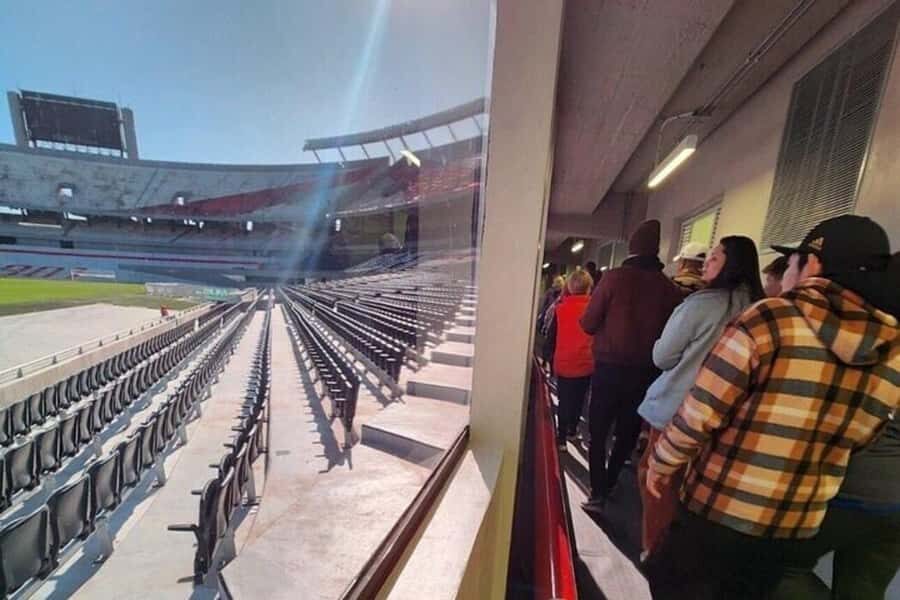
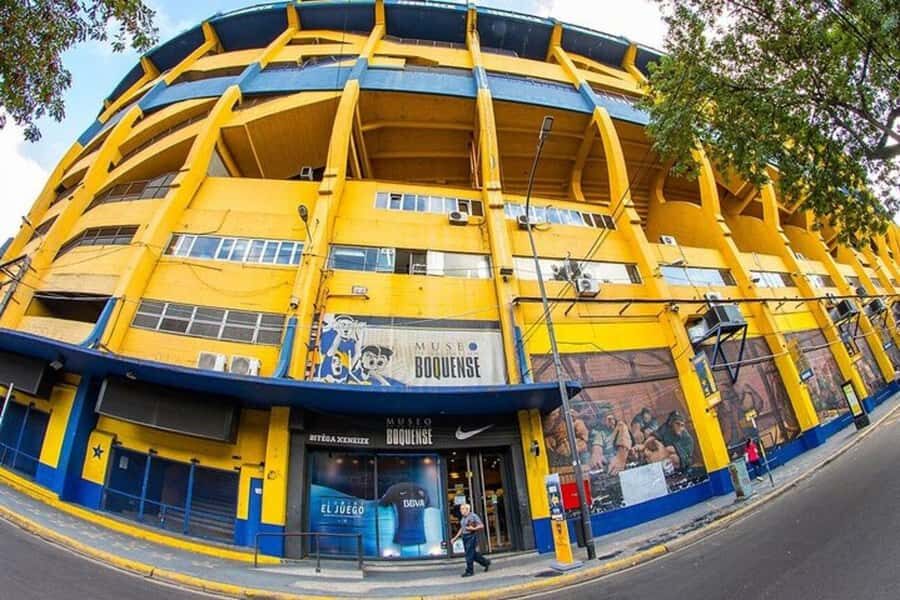
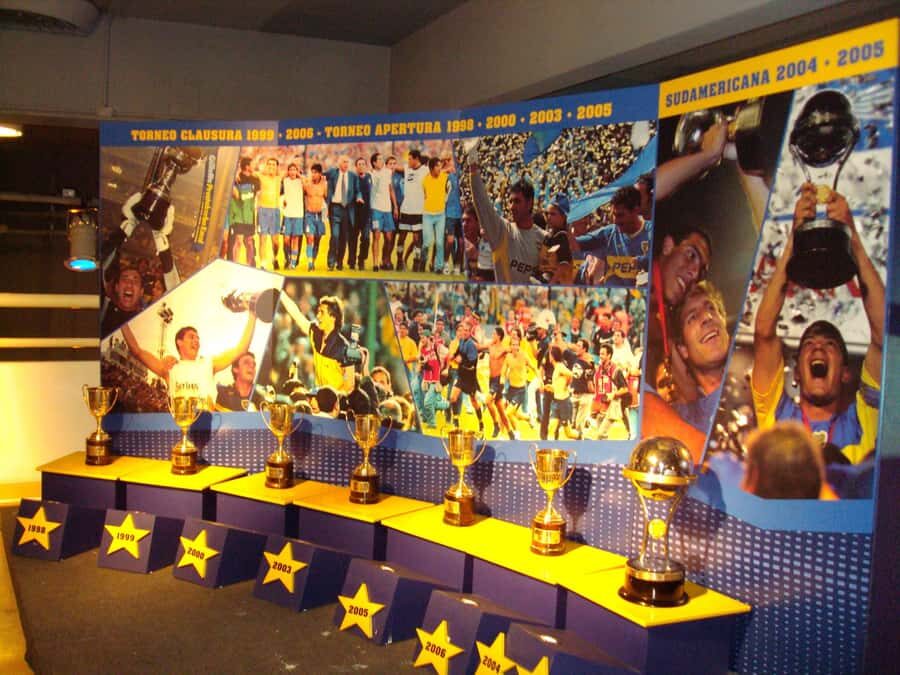
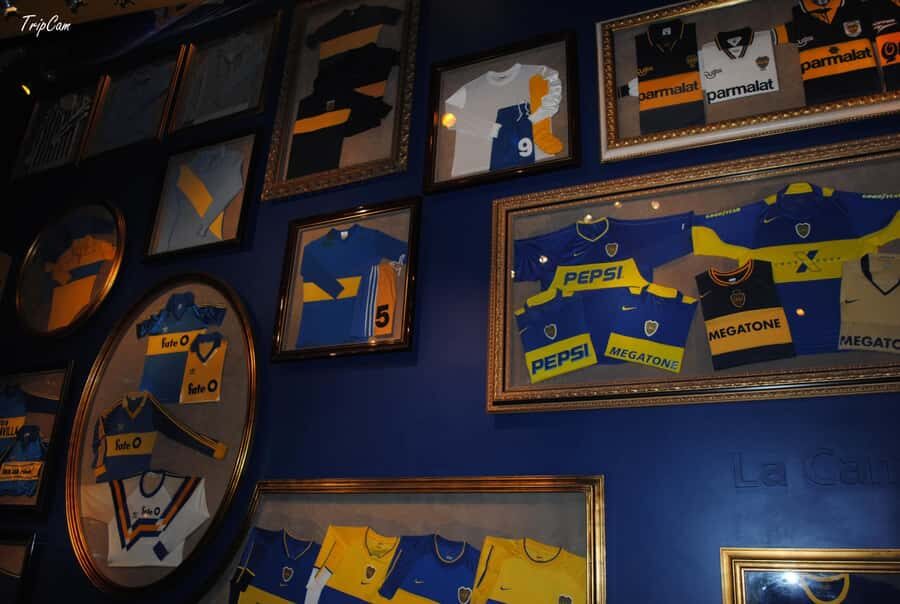
The Museo de la Pasión Boquense is where Boca’s culture really comes into focus. You don’t just read about the club—you move through exhibits tied to the team’s identity, its players, and how the famous shirt evolved over time. If you care about why fans wear certain colors and shapes, this part helps it make sense instead of staying as random trivia.
One of the best elements is the film experience. You’ll watch a film designed to show how it feels to be part of the team, and it includes a moment where you’re presented as if you’re running out in the kit. It’s the kind of scene that turns football history into something you can almost feel in your chest—even if you’re not the world’s most intense supporter.
This museum stop is also a good reset. You get the context for what you’ll see later, and it gives you that “oh, I get it” feeling before stadium memories start stacking up.
Inside La Bombonera: what you’ll see versus what renovations may stop
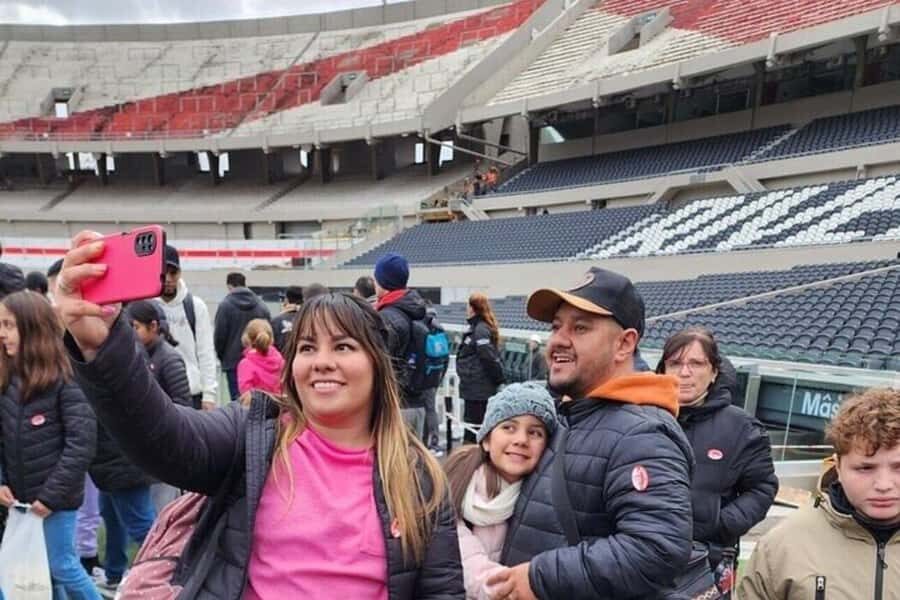
Now, the stadium piece is the part everyone plans around. The standard itinerary talks about going into La Bombonera, looking around the best seats, checking popular stadium areas, visiting areas like locker rooms, and even taking photos on the pitch. You’d also get a photo-worthy view from a stand where Diego Maradona’s private box can be seen.
But here’s the big caution: Boca Juniors stadium is not operational due to renovations. If that impacts your booking, you’ll have access only to the museum, without entry to the field, changing rooms, or stands.
So how should you handle this? If your priority is the stadium interior, treat the Boca museum as guaranteed value and the stadium-floor access as conditional. The good news is that even museum-only, the Boca stop still gives you solid content and match-day atmosphere through exhibits and the film.
Head north to Nuñez: getting your bearings near El Monumental
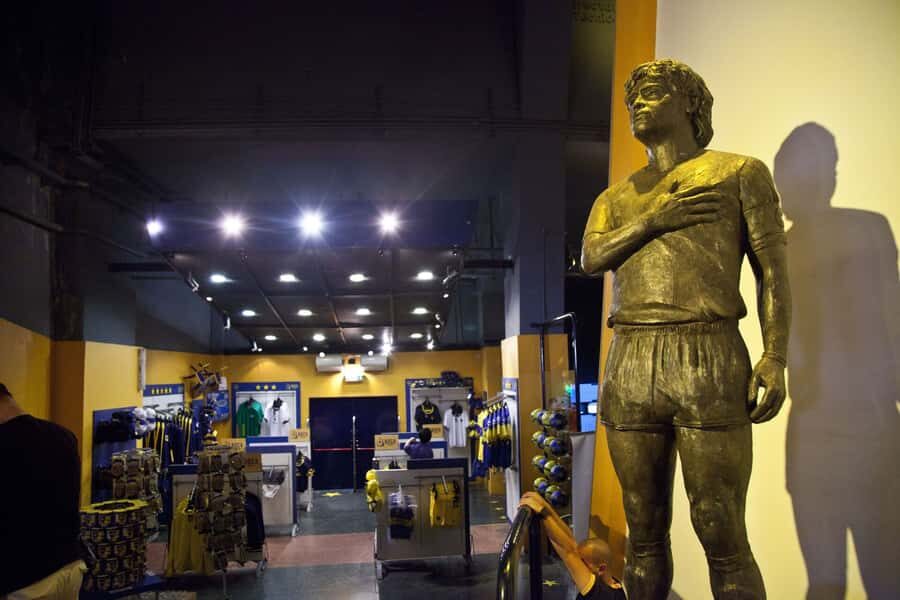
After La Boca, the tour moves you north to Nuñez for El Monumental, River Plate’s stadium. Before you step inside the museum areas, you start with orientation outside. You’ll explore parts of the surrounding area known as Barrio River, and you’ll also look at the access gates.
That outside time is more useful than it sounds. It helps you connect what you see later inside the museum with where it sits in the real stadium layout. It also improves the photo experience because you’ll know what you’re trying to capture instead of just shooting randomly.
This is also one of the reasons the tour works well for first-timers in Buenos Aires. You get a local map of two key football zones—one in La Boca and one in Nuñez—without spending hours figuring it out.
River Plate Museum and the “temporal translation module”
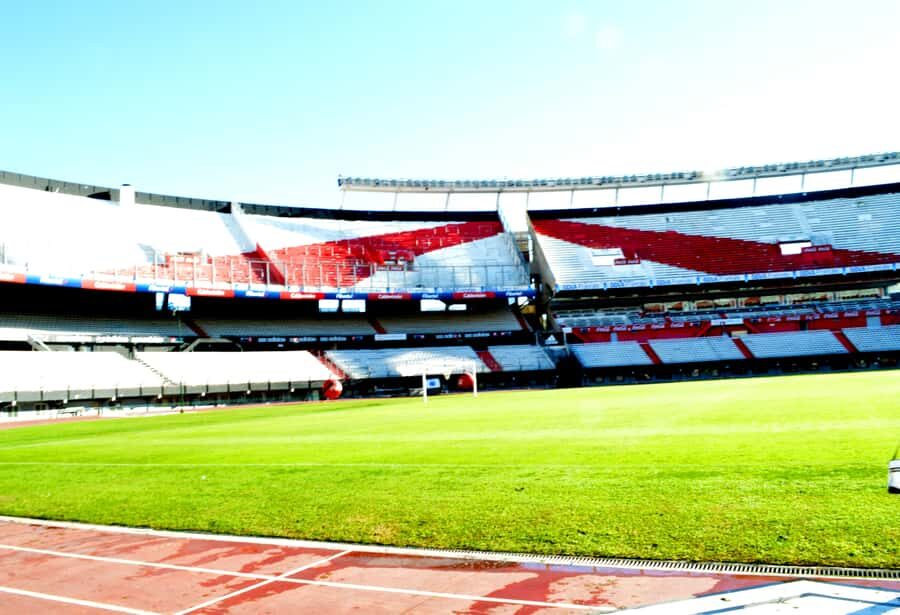
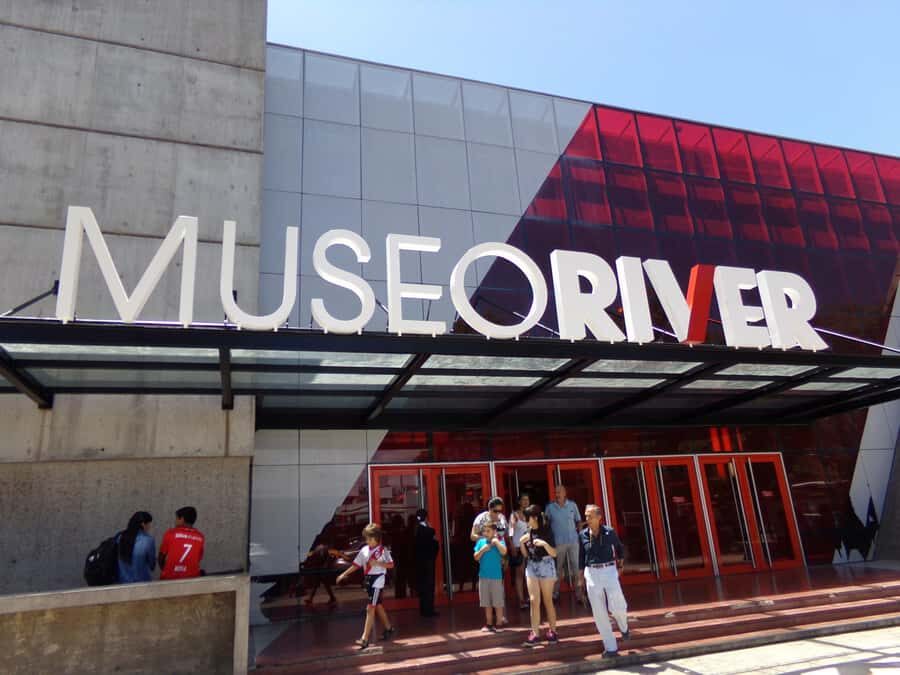
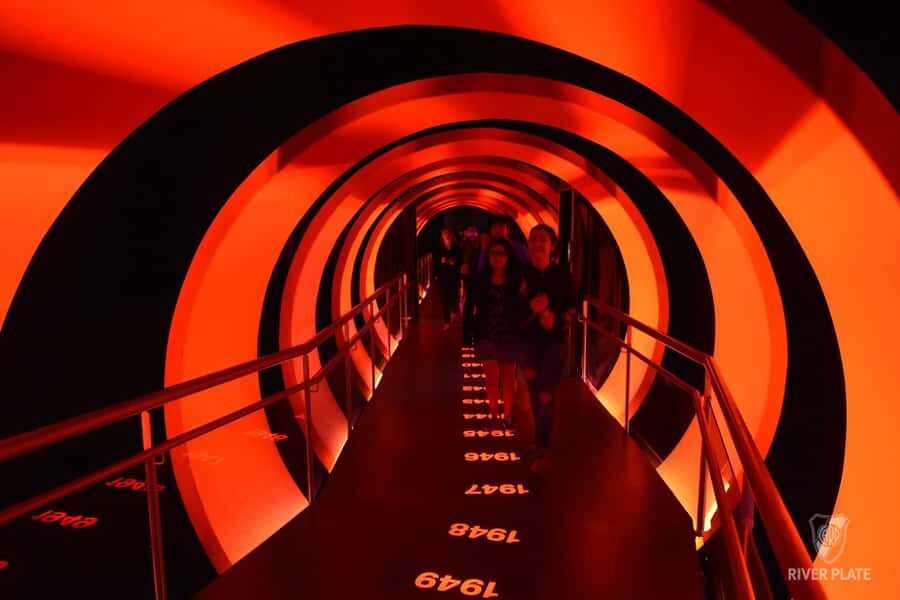
The Museo River Plate is the other half of the magic. You start with the club’s story and major milestones, then the exhibition moves into a feature called the temporal translation module, which helps show parts of River’s glory over the years—from the club’s founding onward.
You’ll learn about great players and important titles, and the way the museum is structured makes it feel like a guided timeline rather than a row of glass cases. If you’re the type who enjoys understanding context—why certain eras mattered, which legends shaped the club—this is exactly the kind of setup you’ll appreciate.
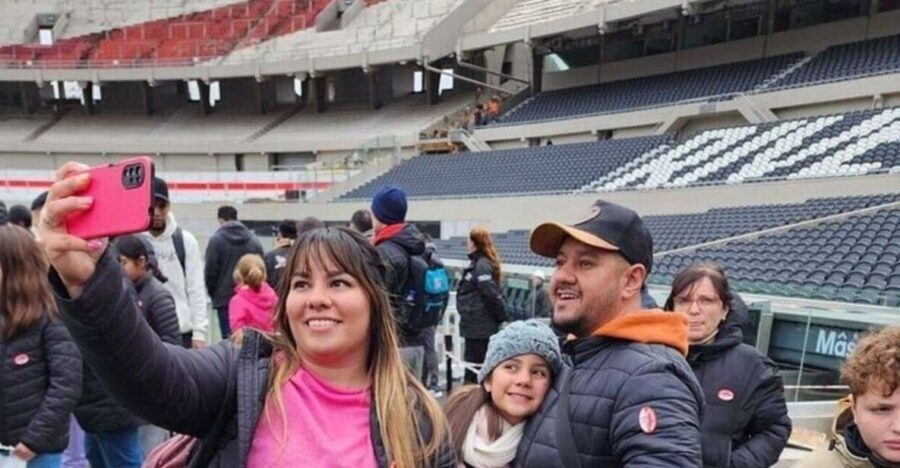
Then comes the payoff: you go into the stadium environment, with time for a chance to visit the playing field and take photos. That’s a real value add because it bridges the museum stories to the physical place. It’s also the moment where a lot of people stop treating the tour like a history lesson and start treating it like a football pilgrimage.
The stadium photo stops: plan for the good shots, not just the quick ones
This tour is built around photo moments, but you’ll get the best results if you know what kind of photos you want.
- For River, you can reasonably expect field and playing-area photos since the itinerary explicitly includes access to the playing field.
- For Boca, the stadium-internal photos depend on whether your date falls within renovation-limited access. If you’re museum-only, your “must-have” stadium-floor photos might not happen.
Also, keep your phone ready and your body ready. You’re moving between areas, and some stops are tight on time. Wearing comfortable shoes isn’t optional here—it’s how you avoid turning a great football day into an aching-day story.
A good guide turns football trivia into real understanding
A football museum tour can go two ways: either you get a script and a stamp, or you get context. This experience leans toward context, thanks to a live guide in English or Spanish.
I’ve seen the impact of strong guides in the way people talk about them, including Ariel and Martin. The common thread is clear explanations paired with flexibility—time for questions and enough patience to help you get photos without feeling rushed.
If you’re going with friends who know a lot, your guide can help you catch the “why” behind the rivalry stories and the meaning behind the stadium details. If you’re brand new to Argentine football, a good guide matters even more. They’re the difference between collecting club names and actually understanding the passion.
Duration and timing: why 3 to 5 hours feels like the right length
The tour runs 3 to 5 hours. In practice, plan as if it could stretch toward the longer end, especially if your group moves slower or you stop for extra photos.
This timing is also why the itinerary works: it’s long enough to absorb both club museums and get meaningful stadium time, but short enough that you can still eat and wander Buenos Aires after. If you’re planning a day that includes other sights, treat it like a half-day anchor.
Because food and drinks aren’t included, I’d plan a snack strategy. Even if you don’t want a full meal, having water and something small ready keeps the day comfortable, especially if you’re doing field-area photo time where you’ll naturally be standing longer than you think.
Price and value: is $103 per person fair for this mix?
At $103 per person, you’re paying for more than entry tickets. You’re paying for:
- a live guide (English/Spanish)
- transportation across key neighborhoods
- museum entry where it applies, depending on the option you choose
If you select the option that includes both museums, the value is strong because you’re getting two major football institutions in one organized run. And even with the Boca stadium limitations during renovations, the Boca museum still delivers core storytelling, film, and Boca’s identity through its exhibits.
The best value angle is simple: you’re not just buying museum access. You’re buying a football-focused day plan with logistics handled, so your time goes into the stuff you came for.
If you only book one option, then you should judge value based on your personal priority: Boca for the passion and museum film moments, or River for the timeline module and playing-field stop.
Who this tour suits best (and who should rethink)
You’ll love this tour if:
- you’re a football fan who wants more than a surface-level stadium snap
- you want both clubs in one half-day
- you like guided history explained in plain language
- you appreciate interactive museum experiences
You might want to rethink it if:
- your main goal is Boca stadium interior access and you need that guaranteed
- you have mobility limitations, since the tour isn’t suitable for wheelchair users or people with mobility impairments
- you’re sensitive to lots of walking and standing (you will be on your feet for multiple segments)
Should you book the River Plate and Boca Juniors Museum tour?
Book it if you want a football-first Buenos Aires day that actually explains the rivalry, the symbols, and the stadium meaning. The River museum part is especially strong thanks to the temporal translation module and the chance to be on the playing field. The Boca museum is still worth your time for the shirt evolution and the team-feeling film.
Don’t book it blindly if the Boca stadium interior is your number one dream. Renovations can shift the experience into museum-only access, and that changes the “wow” factor for some people.
If you confirm what’s operational for your dates and you’re comfortable with a guided half-day plan, this is a smart, genuinely on-topic way to understand Argentina’s greatest passion.
FAQ
Where do I meet for the tour?
You meet at the activity provider’s office at Tangol Travel Agency.
How long is the tour?
The duration is listed as 3 to 5 hours. A full day of stops is built into that time window.
How much does the tour cost?
The price is $103 per person.
What languages is the guide available in?
The tour includes a live guide in English and Spanish.
What’s included in the price?
The tour includes a guide, transportation during the tour, and entry tickets to the River Plate Museum and/or Boca Juniors Museum depending on the selected option.
Is food or drinks included?
No. Food and drinks and any extras are not included.
Is hotel pickup included?
No hotel pickup is included.
Can I visit the Boca Juniors stadium inside?
Not necessarily. The Boca Juniors stadium is not operational due to renovations, so bookings may include museum access only, without access to the field, changing rooms, and stands.
What should I bring?
Bring a passport or ID card and wear comfortable shoes.
Is the tour wheelchair accessible?
No. It’s not suitable for people with mobility impairments or wheelchair users.