REVIEW · USHUAIA
USHUAIA: TREKKING IN LAGUNA DE LOS TÉMPANOS AND VINCIGUERRA GLACIER
Book on GetYourGuide →Operated by Explore Tierra del Fuego · Bookable on GetYourGuide
Glacier caves wait just beyond the trail. In Ushuaia, this hike pairs Fuegian peat bogs and forest climbs with a front-row approach to Laguna de los Témpanos. It’s a full day in Tierra del Fuego nature, with a pace that’s challenging but well guided.
I really like how the route layers environments back-to-back: wetland views first, then a native forest ascent until the vegetation thins, and finally the glacier setting where you’re close enough to notice ice detail. I also like the small group size and the included box lunch that gives you time to sit and soak in the scene. The main drawback to plan around is seasonal expectations: the ice-cave and internal-river-type views aren’t guaranteed year-round.
In This Review
- Key points before you go
- Why Vinciguerra and Laguna de los Témpanos feel like a different planet
- Pickup and timing in Ushuaia: plan for a long day on your feet
- The Andorra Valley start: peat bogs and thawing-water vibes
- Native forest ascent: where the trail pushes past the comfortable zone
- The last demanding climb to Laguna de los Témpanos
- Ice, crevasses, and caves: what’s real in summer vs winter
- Lunch at the glacier foot: included, scenic, and worth the pause
- Gear that actually matters: crampons, poles, and footwear
- Difficulty level: 14 km round trip, and you’ll earn that glacier view
- Guides, safety, and how they handle tricky weather
- Price and value: why $170 can make sense here
- Should you book this Ushuaia trek?
- FAQ
- How long is the trek?
- How far do I hike?
- What’s included in the price?
- What do I need to bring?
- Are ice caves and internal glacier features guaranteed?
- What group size is it?
- Who can’t join the activity?
- What languages do the guides speak?
- Can I cancel and get a refund?
Key points before you go
- Andorra Valley peat bogs at the start: wetland scenery that feels like a movie opener
- Native forest climb to the edge of vegetation: a clear shift in scenery as you gain height
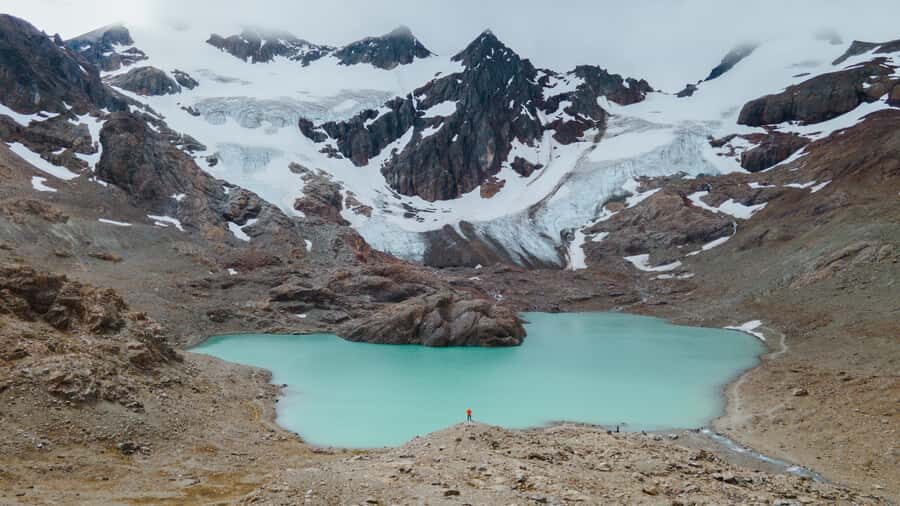
- Laguna de los Témpanos “ice giant” viewpoint: photos plus a real sense of scale
- Walk to the glacier foot (about 20 minutes along the lagoon): where you can see crevasses and feel the ice-world change
- Season affects ice caves and internal-river visibility: ask what’s realistic for the month you’re going
Why Vinciguerra and Laguna de los Témpanos feel like a different planet
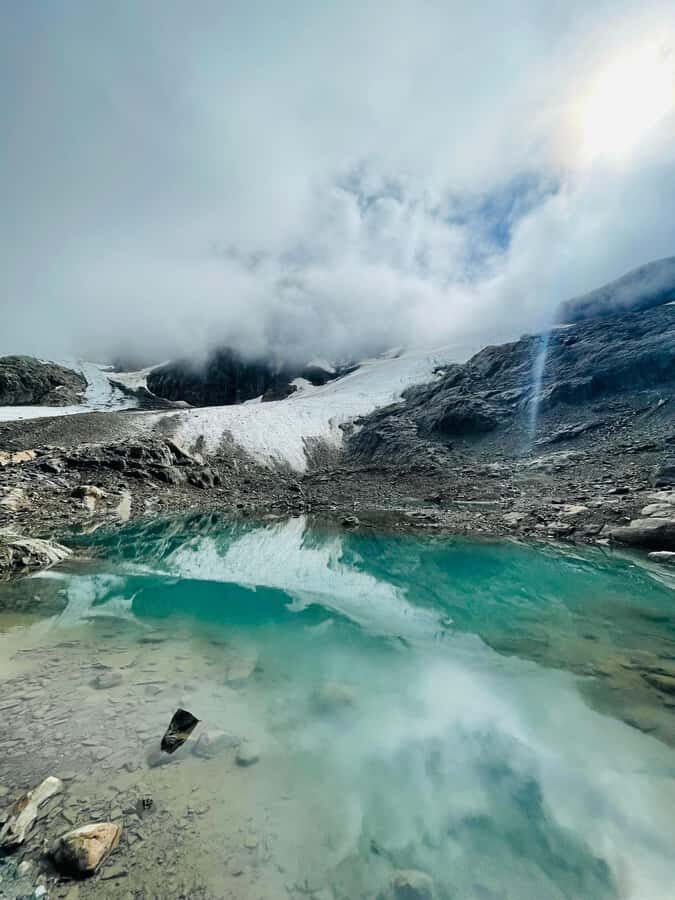
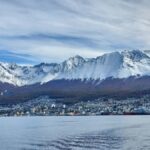
Ushuaia can be touristy, but this trek pulls you toward something more primal: glacial terrain and subpolar wetlands in the same day. The terrain here isn’t just a backdrop. It’s part of the story you physically follow.
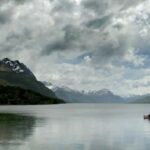
The Vinciguerra glacier sector is especially compelling because you don’t simply stand and look. You hike uphill through Andorra Valley’s wetland, then keep climbing through native forest until the trail opens into the high-country view that frames the glacier lagoon. By the time you reach Laguna de los Témpanos, the ice doesn’t feel abstract. It feels close—like you could touch the textures (and yes, you’ll be stopping near the glacier’s foot to observe it).
What you’re really buying is perspective: you see how water, ice, wind, and vegetation limits shape the landscape in layers, not as one long viewpoint.
You can also read our reviews of more hiking tours in Ushuaia
Pickup and timing in Ushuaia: plan for a long day on your feet
The total experience runs about 450 minutes (7.5 hours). That includes van transfer time plus a long hike period, so it feels like a true day out, not a quick “nature break.”
You get door-to-door pickup from your accommodation and then transportation to the trail area. Once you’re moving, you’ll spend most of the day trekking—plus shorter pauses for rest, photos, and a scenic lunch.
If you’re the type who likes a tight schedule, consider that the day is built around walking time. You’ll want a relaxed dinner plan for later, and ideally nothing requiring punctual timing that night.
The Andorra Valley start: peat bogs and thawing-water vibes
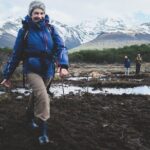
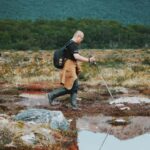
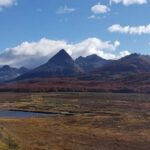
Before the big climb, you cross the Andorra Valley, and that early wetland section matters more than it sounds. Peat bogs look subtle at first—until you notice how saturated ground changes everything: where water pools, where the terrain softens, and how the vegetation survives.
This part also includes a visual pairing that feels distinctly Fuegian: the wetland around you, plus a thawing river cutting through. Even before you gain serious elevation, the setting gives you that “cold place in motion” feeling. You’re not just seeing frozen territory. You’re seeing the transition zone where ice-age leftovers are actively melting and reshaping the land.
It’s a good moment to get your bearings early and settle into the rhythm—because the real work comes next.
Native forest ascent: where the trail pushes past the comfortable zone
After the wetlands, you enter the native forest. This is where the hike turns from scenic walking into a steady climb. The goal isn’t technical climbing, but endurance: keep your pace consistent, use your trekking poles if you have them, and don’t rush the stops.
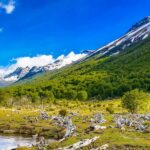
The trail climbs toward the limit of vegetation, which means the environment visibly thins out as altitude rises. This transition is one of the most satisfying parts of the day because it’s not just about effort—you’ll literally watch the landscape change around you.
There’s also a “breather” point: you come out in front of a thawing waterfall and take a short rest on the streambank. That stop is more than a break. It’s a chance to look ahead with a clearer sense of what you’re climbing toward: glacier influence starts to become obvious, and you’ll catch partial views before the final push.
The last demanding climb to Laguna de los Témpanos
From that waterfall-and-stream rest, the hike shifts into its most demanding stretch: the final ascent to Laguna de los Témpanos. This is the part where you’ll feel the day as a full-body effort—legs working steadily, breath working a little harder, and your focus narrowing onto footing and pace.
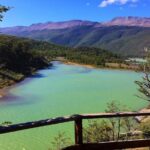
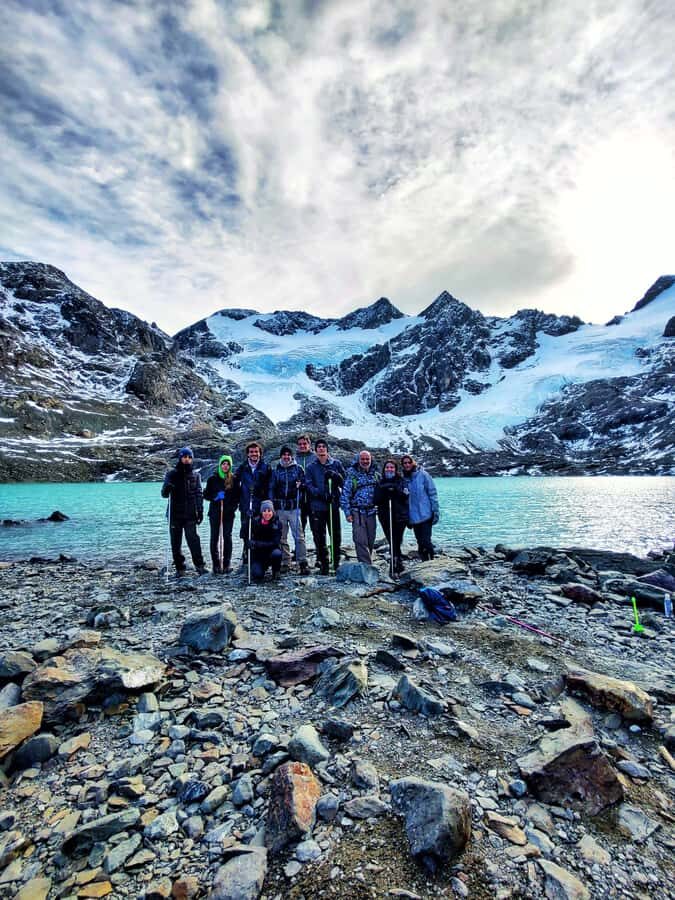
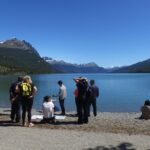
Once you arrive, the payoff hits quickly. You’ll have time for photos and for appreciating the glacier lagoon—including the sense of scale when you spot the “ice giant” across the water. It’s the kind of scene where you’ll want more than one angle, because the ice looks different from each position.
Then comes the segment that makes this trek stand out: you don’t stay far away. You walk about 20 minutes along the lagoon to reach the foot of the glacier. That short-ish walk is still walking—so you’ll want to save energy—but it’s the gateway to being close to the ice.
Ice, crevasses, and caves: what’s real in summer vs winter
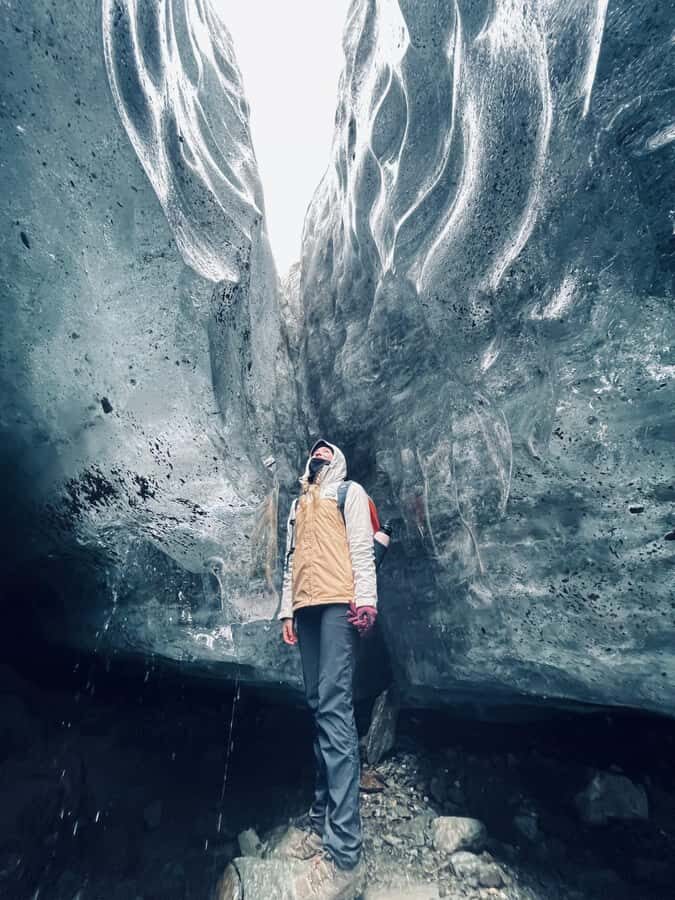
This is where you should calibrate expectations. The description highlights ice caves formed in the millenary glacier, plus ice features like crevasses and internal water flow.
In practice, the ice-cave and internal-river-type details can be seasonal. If you’re going outside the coldest window, you might see less of the dramatic cave access than what the winter picture suggests. One traveler pointed out that the winter-specific features weren’t available at their time of year, even though the tour talks about them.
Still, the day can be stunning even without guaranteed cave access. When you reach the glacier foot, you can typically:
- See crevasses and ice structure up close
- Hear the ice-world effects in the moments you’re close to the melt zone (what you hear depends on conditions)
- Look for the cave-like openings created by melt channels, if they’re present at that time
My advice: before you go, ask your guide what the realistic ice conditions usually look like in your month. You’ll enjoy it more when you know what to watch for.
Lunch at the glacier foot: included, scenic, and worth the pause
You’ll enjoy lunch sitting next to the glacier at the point where you can still look at ice up close. The tour includes a box lunch, so you’re not scrambling for food mid-hike, and you get an actual break designed for the view.
This is also the moment to slow down mentally. You’ve climbed for hours. Now you’re close to something that’s actively changing—thaw water nearby, ice texture in front of you, and the soundscape of a cold environment doing its work.
One small detail that can make lunch feel more complete: some guests have reported tea as part of the meal setup. Even if that isn’t always emphasized, you can expect the lunch break to be a proper rest, not a quick snack on the move.
Pro tip: bring your camera strap short enough that you can lower it quickly if the wind picks up. Cold air + sudden gusts + long-lens aiming can turn “quick photo” into a struggle.
Gear that actually matters: crampons, poles, and footwear
This trek comes with trekking poles, and crampons if necessary. That’s useful because the glacier-adjacent zones can be slick or uneven depending on conditions.
But you must bring the real essentials:
- Warm clothing
- Weather-appropriate layers
- Trekking boots (mandatory)
Do not treat the footwear line as a suggestion. The hike distance is long, and you’ll be stepping over mixed surfaces. Bad boots turn the day from challenging into miserable fast.
If you run cold easily, plan to dress warmer than you think you need. Tierra del Fuego weather can change quickly, and being underdressed turns every stop into a battle.
Difficulty level: 14 km round trip, and you’ll earn that glacier view
This is not a casual walk. You need to be in good physical condition and able to keep a mountain pace for a 14 km round trip.
If you’re comfortable with long hikes and you manage your effort well, you’ll probably find this doable. The key is pacing and steady steps. The day has multiple climbs, and the final ascent is the toughest moment.
It’s also not suitable for:
- Children under 12
- Wheelchair users
If you’re between fitness levels, choose based on how you handle sustained effort rather than how fast you can do short bursts.
Guides, safety, and how they handle tricky weather
The guides are specialized mountain tour guides, and the tour is conducted in Spanish and English. What matters most to you isn’t just their knowledge of the scenery—it’s how they keep a mixed group moving together safely on uneven ground.
Even with that planning, weather can make the day harder. Rain in the morning has been reported as a factor that increases difficulty. The good part: guides kept regular checks and made sure everyone was okay, which is exactly what you want during a long climb on slippery terrain.
So if skies look gray at departure, don’t assume you’re doomed to a dull hike. In these conditions, the climb can feel tougher, but the experience often stays meaningful because the landscape is still doing what it does: wetland, forest, waterfall, and glacier.
Price and value: why $170 can make sense here
At $170 per person for roughly 7.5 hours, you’re paying for a lot of the stuff that usually costs extra on glacier trips:
- Door-to-door transfers
- Specialized mountain guides
- Box lunch
- Support gear like poles, plus crampons if needed
You also get a small group capped at 10 participants. That matters on trails where spacing affects pace, safety, and your ability to hear the guide and get questions answered without feeling like you’re in a queue.
Where the value can dip for some people is expectations around specific ice features. If you’re specifically chasing ice caves and winter-style internal-river drama, pick your month carefully or ask what you should realistically expect.
For most hikers, though, the combination of long walk distance, glacier proximity, and included meal is a solid use of money in Ushuaia. You’re not paying just to ride a bus and look from afar.
Should you book this Ushuaia trek?
Book it if you want:
- A full-day glacier hike with real walking distance
- Close glacier access at Laguna de los Témpanos, not just a viewpoint stop
- A small-group experience with guide support and included lunch
- The kind of day where wetland, forest, waterfall, and ice all feel connected
Skip or reconsider if:
- You’re expecting guaranteed ice cave access and winter-only ice features in every season
- You’re not confident in long-distance hiking—this is built for people who can handle 14 km round trip
- You can’t do the required trekking boots and warm layers
My decision rule: if you can handle a tough climb for hours and you’re okay that glacier visuals may vary by season, this is a strong booking. If your main goal is a very specific winter ice-cave show, do a quick pre-trip question to match your travel dates with what the glacier is likely to provide then.
FAQ
How long is the trek?
The total duration is about 450 minutes (around 7.5 hours), including transportation time.
How far do I hike?
It’s a 14 km round trip, and you’ll need to keep a mountain pace for that distance.
What’s included in the price?
Transfers, specialized mountain tour guides, a box lunch, and trekking poles are included. Crampons may be provided if necessary.
What do I need to bring?
You must bring warm clothing and weather-appropriate clothing, plus trekking boots. Trekking boots are mandatory.
Are ice caves and internal glacier features guaranteed?
The tour description highlights ice-cave and internal-river-type features, but availability can vary by season. You should expect that winter conditions are the most favorable for certain dramatic ice access.
What group size is it?
It’s a small group limited to 10 participants.
Who can’t join the activity?
It’s not suitable for children under 12 and wheelchair users.
What languages do the guides speak?
The live tour guide speaks Spanish and English.
Can I cancel and get a refund?
You can cancel up to 24 hours in advance for a full refund.