REVIEW · PUERTO MADRYN
From Puerto Madryn: Peninsula Valdés Shore Excursion
Book on GetYourGuide →Operated by Yellow Penguin · Bookable on GetYourGuide
Peninsula Valdés turns the ocean into a zoo. This 7-hour shore excursion from Puerto Madryn mixes wildlife viewing with stop-and-learn moments at the Istmo Carlos Ameghino Interpretation Center. I love how the day feels organized for a cruise morning-to-afternoon schedule, without turning into a rush-and-hope checklist.
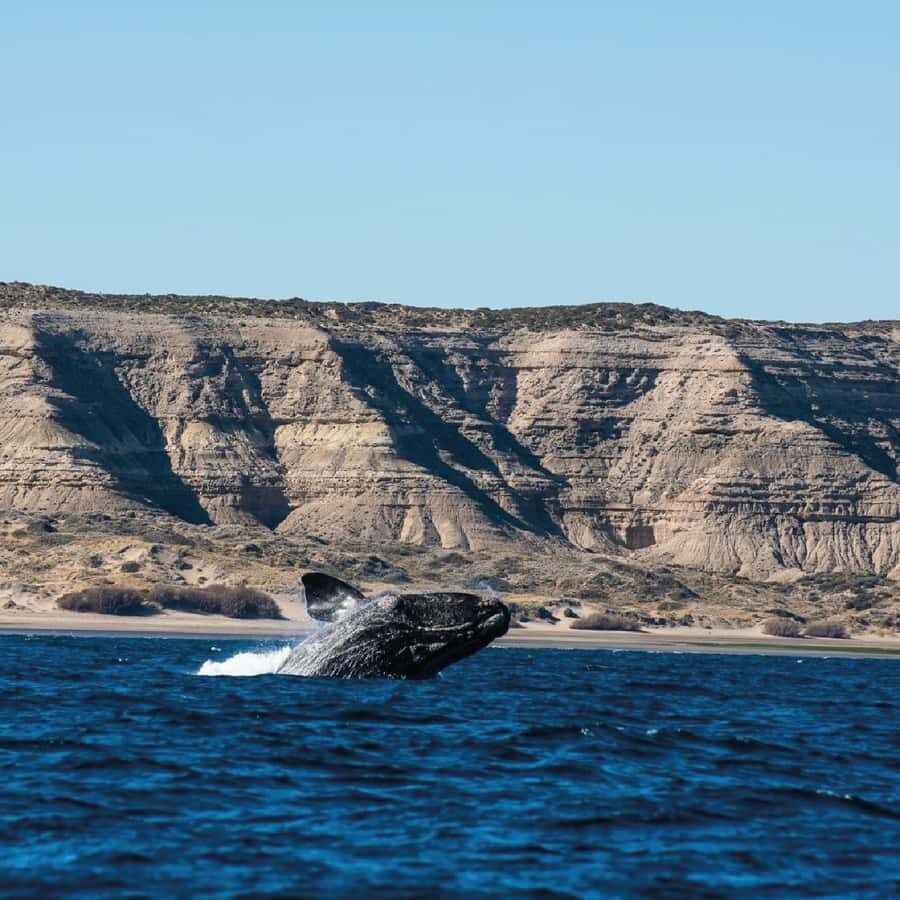
Second, I really like the animal variety: penguins and sea lions in one day is a big win, and you might also spot land animals such as guanacos and maras. It’s not just the sea—your guide also helps you notice the peninsula’s geology, plant life, and even the historical events shaping what you see today.
One drawback to plan around: sightings can be hit-or-miss depending on time of year, weather, and where animals are feeding. Also, the reserve entrance fee (about USD 30) is not included, so you’ll want cash/card ready for that on the spot.
In This Review
- Key things I’d circle before you book
- From Puerto Madryn Port to Valdés: the 7-hour rhythm
- The Istmo Carlos Ameghino Interpretation Center: your fast primer
- Caleta Valdés and Punta Cantor: your first big animal chances
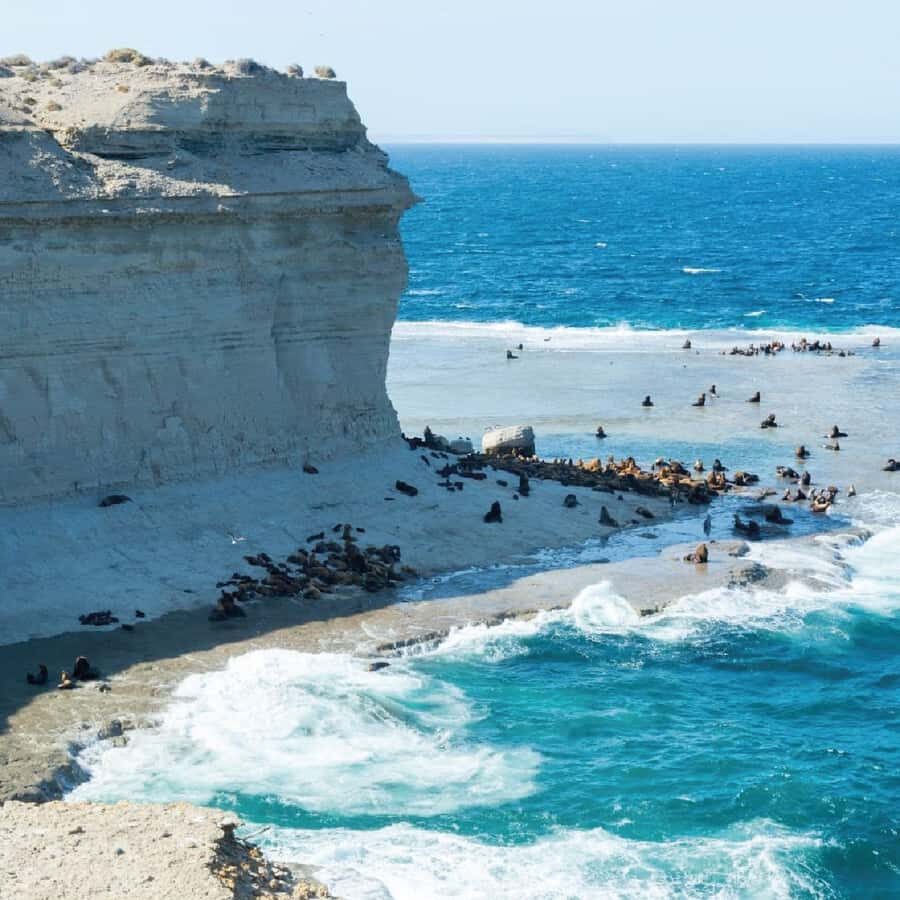
- Punta Norte and the reserve stops: seals, sea lions, and possible colonies
- Orcas are possible, not promised: how to think about the luck factor
- Terrestrial animals and the salt flats: guanacos, maras, rheas, and more
- Punta Delgada lighthouse fallback: when the plan adapts
- Price and logistics: is USD 112 good value?
- What to bring (and why it matters on this route)
- Who this shore excursion suits best
- Should you book this tour?
- FAQ
- Where do we meet for the Peninsula Valdés shore excursion?
- How long is the tour?
- What languages are spoken by the guide?
- Is transportation included?
- Is this tour wheelchair accessible?
- What wildlife can I expect to see?
- Is lunch included in the price?
- Are entrance fees included?
- What should I bring for the day?
- Is there free cancellation or a reserve-pay-later option?
Key things I’d circle before you book
- Interpretation Center first: a guided primer at Istmo Carlos Ameghino so you understand what you’re looking at later.
- Multiple viewpoint strategy: you’re taken to different areas like Caleta Valdés, Punta Cantor, Punta Norte, and sometimes more.
- Wildlife plus terrestrial animals: guanacos, maras, rheas, foxes, and armadillos can join the party.
- Luck factor built in: orcas may show up in some seasons, but the ocean decides.
- Binocular-friendly sites: you’ll get more from the day if you bring them and use them early.
- On-the-spot entrance fee: about USD 30 for the reserve can change the real cost a bit.
From Puerto Madryn Port to Valdés: the 7-hour rhythm
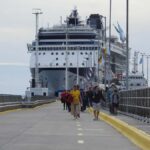
Your day starts right at the Port of Puerto Madryn. The meeting point is clearly marked with a Yellow Penguin sign, and you board a van for the ride into the peninsula. Expect about 45 minutes each way, with the main time spent out on the peninsula itself under a guided route.
This is a shore excursion style day, so the goal is simple: maximize viewpoints and keep you on schedule to return for your cruise. That means you’ll walk, stop often, and look a lot—less of the “sit and wait” model and more “go where the action is likely to be.”
You should also know the pace is controlled by the guide and local conditions. If you’re traveling with someone who needs slower transitions, ask early how they handle moving between stops. In at least one situation involving mobility concerns, people worried about timing for the return to the ship—so it’s worth flagging your needs sooner rather than later.
A few more Puerto Madryn tours and experiences worth a look
The Istmo Carlos Ameghino Interpretation Center: your fast primer
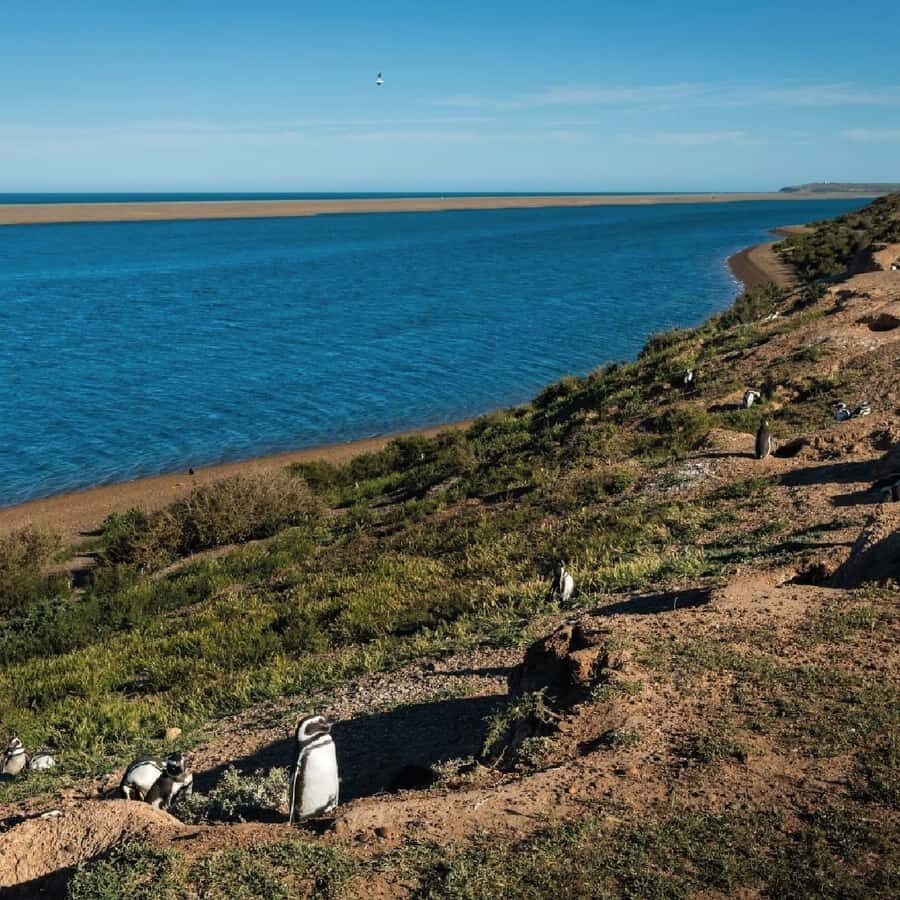
The first real stop is the Istmo Carlos Ameghino Interpretation Center, which sets the tone for the whole day. This is where you learn about the peninsula’s flora, fauna, geology, and historical events. It’s the kind of orientation that makes later sightings feel less like random spotting and more like you’re reading the landscape correctly.
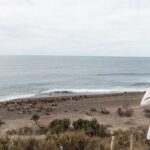
You’ll also get a first round of big-picture views from a panoramic viewpoint. From here, you can take in scenes tied to the Golfo Nuevo area, the San José zone, and Isla de los Pájaros. Even if the wildlife action is quiet at one spot, the geography still tells you a lot about why animals use the coasts the way they do.
What I like about starting with explanation: you’re not just counting animals. You’re learning what to notice—where animals rest, where they feed, and how the peninsula’s features create those patterns.
Caleta Valdés and Punta Cantor: your first big animal chances
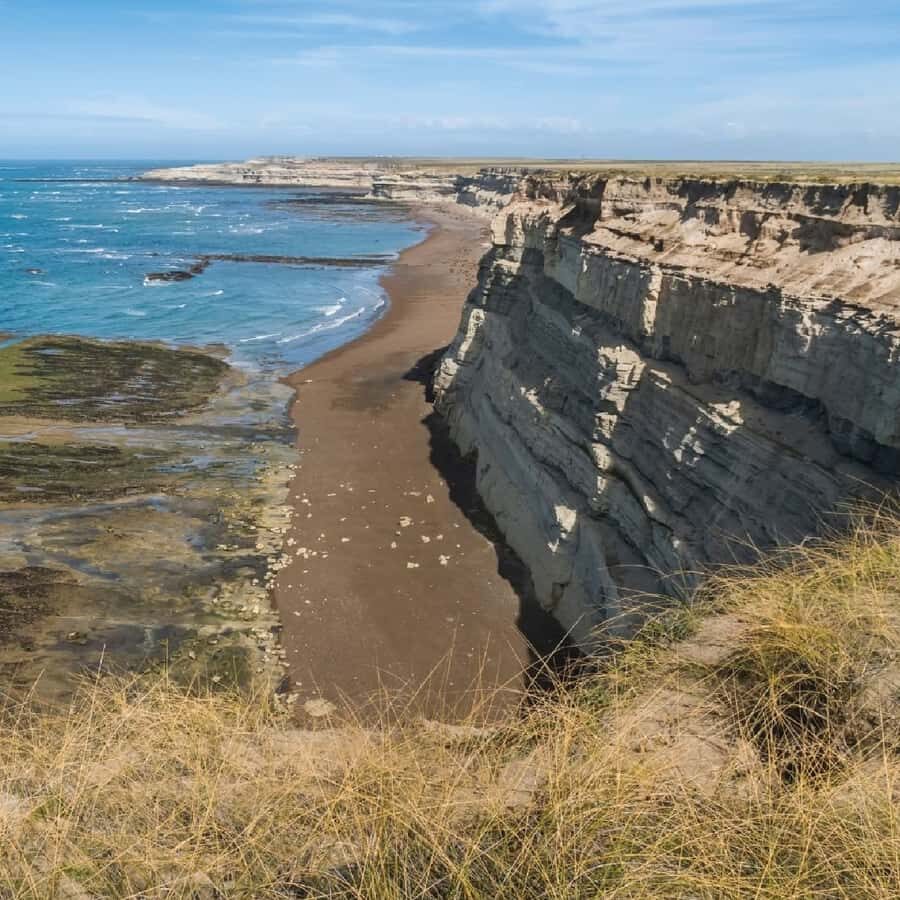
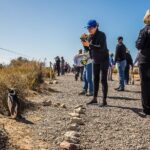
After the interpretation stop, the route shifts to trails and lookouts designed for close views without trying to crowd wildlife. You’ll usually have a few different “scan points,” which matters because marine animals do not stay put.
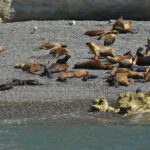
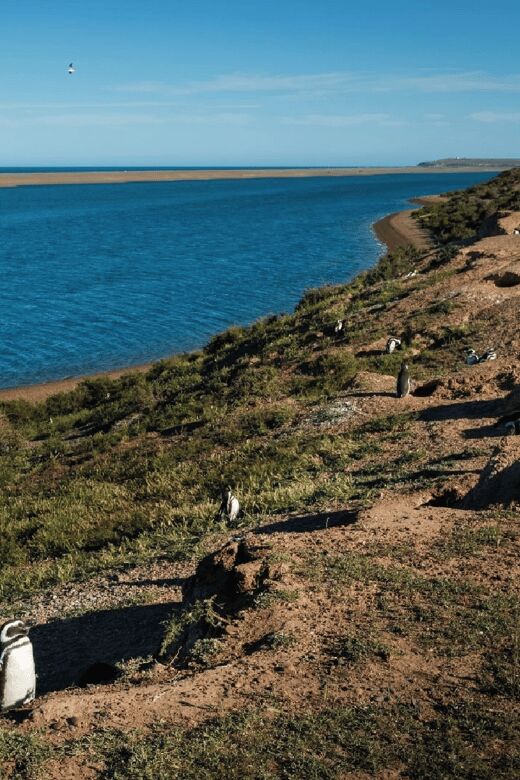
Depending on season and conditions, the itinerary may include areas such as Caleta Valdés and Punta Cantor. This is where you have a good shot at spotting elephant seals, penguins, and sea lions from the most practical viewpoints.
The key is understanding what “close” means here. You’re typically observing from designated vantage points, not walking among animals. That’s a good thing. It’s safer for wildlife and for you, and it helps your guide keep the group moving at the right moments for photos.
Lunch is optional and at your own expense. If you’re sensitive to timing, plan to eat quickly and keep your energy up for the afternoon stops—because the day still has several potential wildlife windows.
Punta Norte and the reserve stops: seals, sea lions, and possible colonies
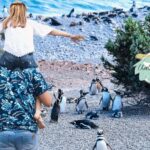
One of the most important sections of the day is the stop at Punta Norte when conditions allow it. This area is described as a place where you can observe major marine activity, and it also may include time for a penguin colony visit or a sea lion reserve stop (again, depending on what’s feasible on the day).
If you want the best odds for both species and variety, Punta Norte is the kind of location you hope for. The reason is straightforward: it’s set up as a wildlife-focused sector, so the viewpoints tend to be chosen for animal presence.
Here’s the practical reality. Wildlife use of coastal zones changes with feeding patterns and seasons. In early March, for example, it’s possible for colonies to look dramatically smaller than you hoped. That doesn’t mean the peninsula is “bad”—it means the animals are doing what animals do. Your best move is to come prepared for a day where you learn from the guide and not only chase a specific number of sightings.
Binoculars help a lot here. A seal or penguin can be “there” even when it’s hard to see with the naked eye from a distance.
Orcas are possible, not promised: how to think about the luck factor
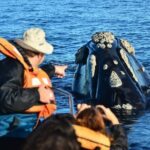
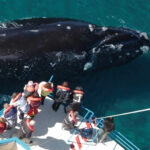
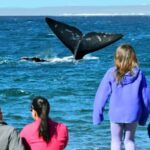
The tour includes the chance of orca sightings in some seasons, but it’s explicitly luck-based. That’s important because Peninsula Valdés doesn’t operate like a theme park with guaranteed highlights. Orcas depend on prey, weather, and timing.
Also, don’t assume that if orcas aren’t seen, the day is automatically a flop. The day’s value is built on multiple wildlife categories: elephant seals, penguins, sea lions, plus land animals and geology. You can still leave with a strong sense of the peninsula’s life cycle even without an orca moment.
This is where a great guide really matters. A strong driver/guide approach means you’re taken to the most productive places for the conditions that day. In one of the positive experiences, the guide Mariano was praised for being highly informative and for positioning the group where people could see penguins, sea lions, and more wildlife. In another account, a guide David stood out for knowledge and clarity when walking through fauna and history.

Terrestrial animals and the salt flats: guanacos, maras, rheas, and more
Peninsula Valdés is known for marine wildlife, but the day also includes terrestrial animals typical of the region. This is where your eyes should shift from the horizon to the inland edges, the grassy patches, and the places where animals move calmly.
You might spot guanacos and maras (rabbit-like animals adapted to arid conditions), and there’s also the possibility of seeing rheas, foxes, and armadillos. These aren’t always guaranteed, but having time allocated for them makes the excursion feel more complete.
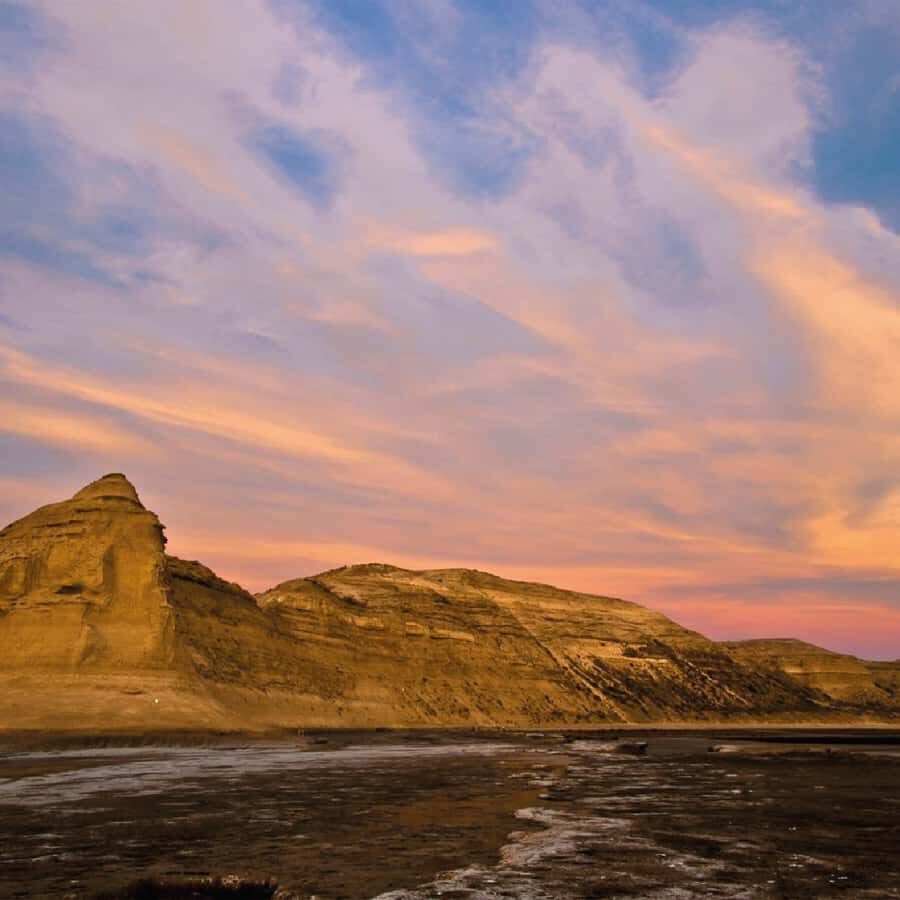
You can also visit two significant salt flats described as among the deepest depressions in South America. This adds a different kind of wow. It’s not an animal moment, but it helps you understand how the peninsula’s physical features create its unusual ecosystem.
If you like photography, this portion is useful even when wildlife is quiet. The salt flats and the terrain give you strong visual variety, which breaks up the day so you’re not staring at the same coastline all afternoon.
Punta Delgada lighthouse fallback: when the plan adapts
Sometimes Punta Norte won’t be possible, based on conditions. If that happens, the route may shift to Punta Delgada, at the southeastern tip of the peninsula.
Punta Delgada includes a historic lighthouse and an elephant seal colony. It’s a smart fallback because it keeps the day focused on marine wildlife, even when you can’t reach the exact earlier reserve points.
This “adapt as you go” approach can be the difference between a disappointing day and a satisfying one. Just remember that your view of animals depends on timing, not only on the destination. If you’re returning to a ship on a tight schedule, you want a guide who manages that balance well.
Price and logistics: is USD 112 good value?
The price is listed at USD 112 per person for a 7-hour shore excursion. For a guided, transfer-based excursion that includes multiple viewpoint stops and a structured education component, that can be solid value—especially if you’re aiming for more than one species during your short time in Puerto Madryn.
But there’s a cost detail you need to plan for: reserve entrance fees (about USD 30) are not included and must be paid on the spot. That changes the real total slightly, so treat the USD 112 as the base, not the final bill.
Also, meals are not included. Lunch may be available during the day at your own expense, so bring a plan: either budget for it or eat before you’re out in the peninsula for the main walking and viewing blocks.
When I judge value for this tour, I look at the big picture: you’re paying for guided positioning, interpretive context, and the chance to see several marine animals plus terrestrial species. If you’re the type who gets frustrated when nature doesn’t cooperate, then the luck factor around orcas and the seasonal variability of colonies becomes a bigger risk.
What to bring (and why it matters on this route)
This is a walking-and-looking day. Wear comfortable shoes because you’ll be on trails and at multiple viewpoints. Pack your camera, water, a hat, and sunscreen—sun and wind can both be stubborn on the coast.
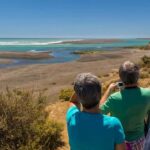
Binoculars are strongly worth it. Even if you have a good view, binoculars let you see behavior rather than just shapes. And behavior is the whole point: how seals rest, how penguins move, and how sea lions lounge before they change location.
Weather-appropriate clothing is also key. The tour changes with the day’s reality, and you’ll be outside for long enough that being underprepared turns “enjoyable” into “just waiting for it to end.”
Who this shore excursion suits best
This works best for you if you want a guided, species-focused Peninsula Valdés day with a clear educational component. If you like learning the why behind animal behavior—how the geography supports the life cycle—this kind of excursion is a good match.
It also fits well for cruise passengers because it’s built around a return to the port so your ship can wait for you. And because it’s stated to be wheelchair accessible, it can be a workable choice if the group can manage the viewpoints and paths involved.
If you’re traveling with limited patience for uncertainty—especially around penguin and seal numbers in certain seasons—then you should mentally budget for “possible” rather than “guaranteed.”
Should you book this tour?
I’d book it if your priority is a well-timed Peninsula Valdés day that mixes marine wildlife with inland animal chances and real context from the Istmo Carlos Ameghino Interpretation Center. The USD 112 base price plus the reserve fee still makes sense when you consider that you’re getting guided transfers, organized stops, and multiple chances at different species.
I wouldn’t book it if you need a guaranteed orca sighting or guaranteed large colonies on a specific date. The peninsula’s wildlife timing can shift, and you can end up with fewer animals at certain sites on certain days. If that sounds stressful, consider booking only if you can accept nature’s schedule and rely on a solid guide to adapt the route to what’s active.
In short: if you want the Peninsula Valdés experience with structure, bring binoculars and go with the flow. That’s when this shore excursion pays off.
FAQ
Where do we meet for the Peninsula Valdés shore excursion?
You meet at the port with the Yellow Penguin sign at Administración Portuaria de Puerto Madryn.
How long is the tour?
The tour lasts 7 hours total.
What languages are spoken by the guide?
The live guide speaks Spanish, English, and Portuguese.
Is transportation included?
Yes. You get transfer by van as part of the excursion.
Is this tour wheelchair accessible?
Yes, it’s listed as wheelchair accessible.
What wildlife can I expect to see?
You may see elephant seals, penguins, sea lions, and possibly orcas depending on the season. There’s also a chance of terrestrial animals like guanacos and maras, and other species such as rheas, foxes, and armadillos.
Is lunch included in the price?
Meals are not included. Lunch is an option during the day at your own expense.
Are entrance fees included?
No. Entrance fees to the reserve are approximate USD 30 and must be paid on the spot.
What should I bring for the day?
Bring comfortable shoes, a hat, camera, sunscreen, water, and binoculars.
Is there free cancellation or a reserve-pay-later option?
You can cancel up to 24 hours in advance for a full refund, and there is a reserve now & pay later option to keep plans flexible.