REVIEW · MENDOZA
Mendoza: half day in the Andean foothills
Book on GetYourGuide →Operated by OPERADORES MENDOZA VIAJES · Bookable on GetYourGuide
Andes air, bridge views, then back to town fast. This half-day Mendoza outing is interesting because it changes by day, sending you either through the Cacheuta and Potrerillos canyon country or up toward the Villavicencio Nature Reserve. I especially like the built-in wow factor of the 140-meter suspension bridge and the big mountain views you get along the way.
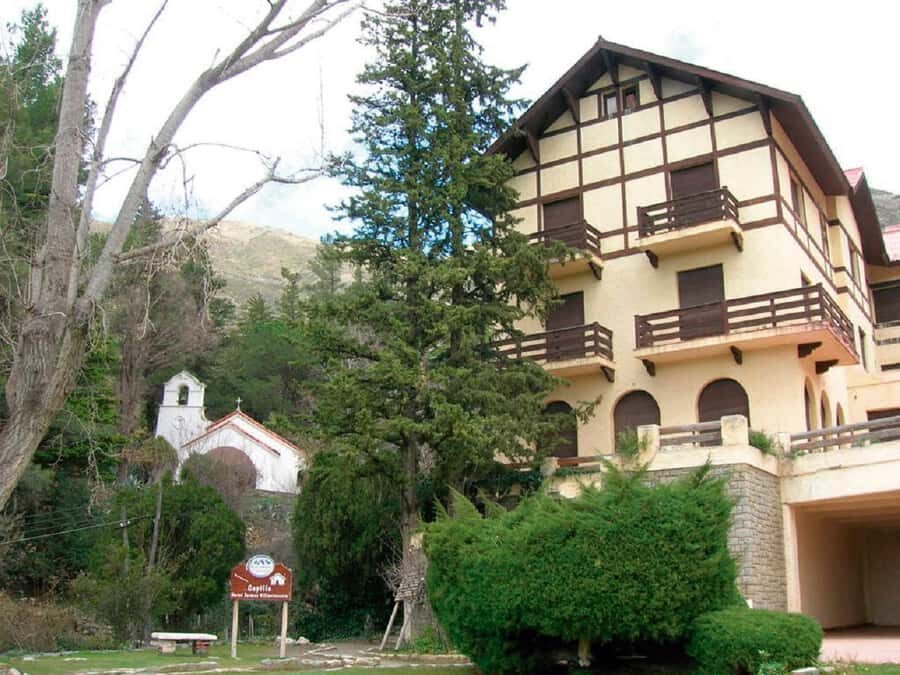
I also like how the morning alternative isn’t just driving and looking. At Villavicencio, you visit the interpretation center and then spend time in the historic gardens linked to the Hotel Villavicencio, plus the chapel—good variety for a 4-hour trip. One drawback to keep in mind: the schedule includes a free break window, and if you’re craving nonstop sightseeing, that final stretch can feel a bit slow.
In This Review
- Key things to know before you go
- How this Mendoza half-day tour works (and why it matters)
- Cacheuta and Potrerillos: the suspension bridge, the tunnel, and the dam
- Cajón de Cacheuta and the old FADER power plant ruins
- Cross the 140-meter Cacheuta suspension bridge
- Tunnel to Potrerillos, then dam and 10-km lake views
- The free Potrerillos Park hour (snacks and optional extras)
- Return via Route 7 and Agrelo Malbec country
- Villavicencio morning route: gardens, chapel, and Mirador de los Caracoles
- Villavicencio Nature Reserve interpretation center
- Gardens of Hotel Villavicencio and its chapel
- Mirador de los Caracoles before returning to Mendoza
- Price and value: is $54 for 4 hours worth it?
- The best part: guide-led context and real scenery scale
- What to bring (and what will actually affect your comfort)
- Who this half-day foothills tour is perfect for
- Should you book this Mendoza foothills tour?
- FAQ
- FAQ
- How long is the Mendoza half-day Andean foothills tour?
- What does the price include?
- Which days go to Cacheuta and Potrerillos?
- Which days go to Villavicencio?
- What are the main stops on the Cacheuta and Potrerillos route?
- What are the main stops on the Villavicencio route?
- Is food or refreshments included?
- What languages is the live guide?
- What do I need to bring?
- How will I know the pickup details?
Key things to know before you go
- Two different itineraries depending on day and time, so you’re not always doing the same loop
- Cacheuta’s 140-meter suspension bridge plus the Cajón de Cacheuta river canyon area
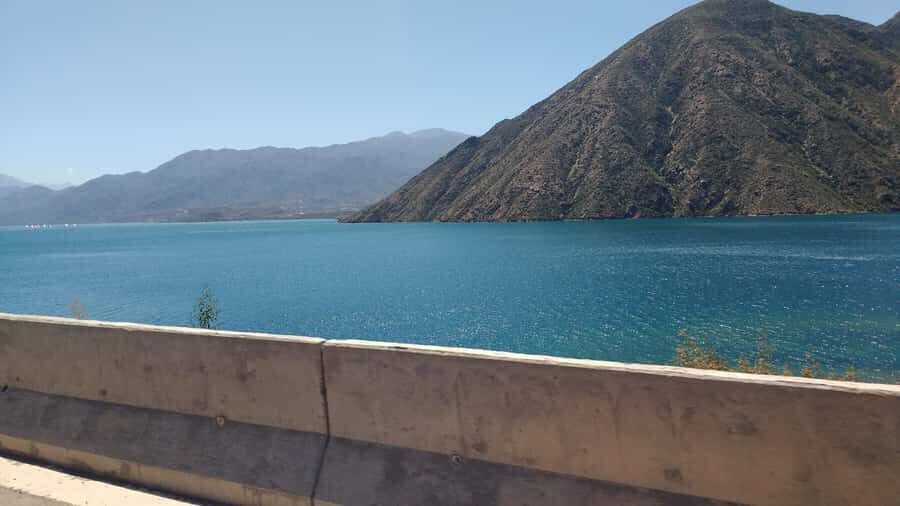
- Potrerillos Dam and its 10-kilometer artificial lake viewpoints, with a tunnel section en route
- Villavicencio Nature Reserve gardens and chapel for a calmer, garden-and-history feel
- Mirador de los Caracoles for a high viewpoint before returning to Mendoza
How this Mendoza half-day tour works (and why it matters)
This is a 4-hour half-day tour out of Mendoza Province, designed for maximum scenery with minimal time lost. The main reason it’s worth your attention is that it’s not a “one-size-fits-all” Mendoza day trip. Tuesdays, Thursdays, and Sundays run the Cacheuta–Potrerillos route in the afternoon, while Wednesdays and Saturdays run the Villavicencio route in the morning.
That split actually helps you plan. If you want the canyon action—bridge, tunnel, reservoir views—pick the afternoon Cacheuta/Potrerillos day. If you prefer gardens, a reserve setting, and viewpoints without the long drive feel, the morning Villavicencio option makes more sense.
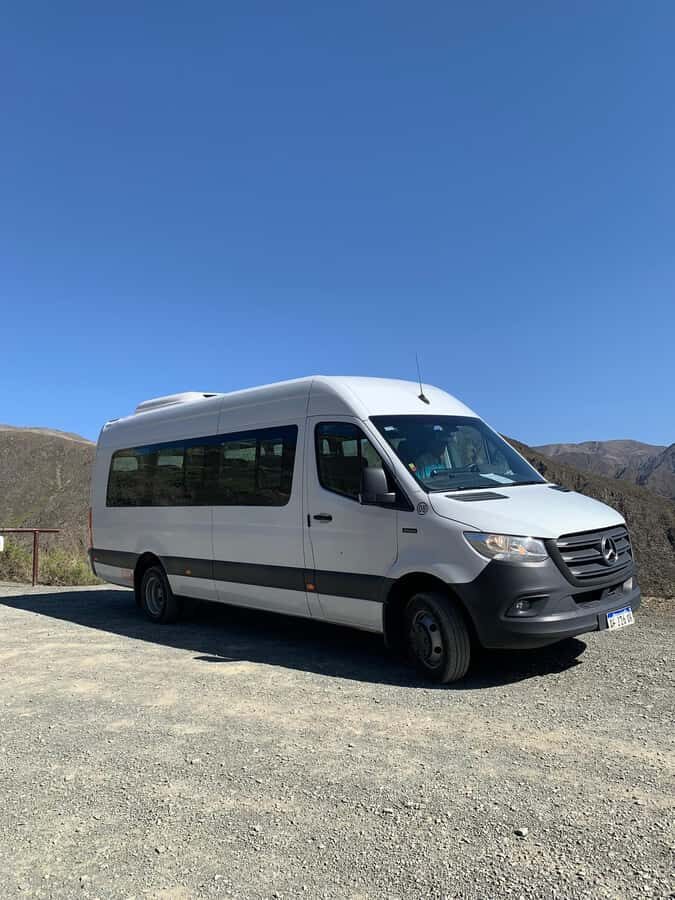
You’ll have a live tour guide for the full experience (English, Portuguese, Spanish). Pickup is arranged from central Mendoza hotels, and you’ll get the meeting-point details by WhatsApp 24 to 48 hours ahead, which is helpful when you’re tired from travel or jet lag.
You can also read our reviews of more tours and experiences in Mendoza.
Cacheuta and Potrerillos: the suspension bridge, the tunnel, and the dam
If you go on Tuesdays, Thursdays, or Sundays (afternoon), expect a classic Mendoza foothills loop west of the city. The tour focuses on Cacheuta and Potrerillos, with a canyon feel and several “stop-and-look” moments.
Cajón de Cacheuta and the old FADER power plant ruins
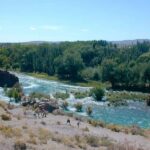
The route starts by heading into Cajón de Cacheuta, the narrow section of the Mendoza River. Here, you’ll visit the ruins of a former FADER power plant. This isn’t just for photos. The location gives you context: you’re looking at how people harnessed mountain water and power in a rugged, tight river corridor.
It’s a useful stop if you like your sightseeing with a little meaning behind it. And if you’re not into history, it still works as a visual change of pace before the bridge.
Cross the 140-meter Cacheuta suspension bridge
Next comes the headline: you’ll cross a 140-meter suspension bridge. This is the moment most people remember, because it’s both dramatic and practical. It’s a big “span” over the river canyon, so you get layered views without needing hiking boots or long walks.
The main consideration is comfort. Suspension bridges can sway, and canyon wind can change quickly. If you’re sensitive to that, bring a light layer and keep your eyes on the path when you’re on the bridge.
Tunnel to Potrerillos, then dam and 10-km lake views
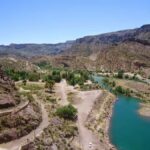
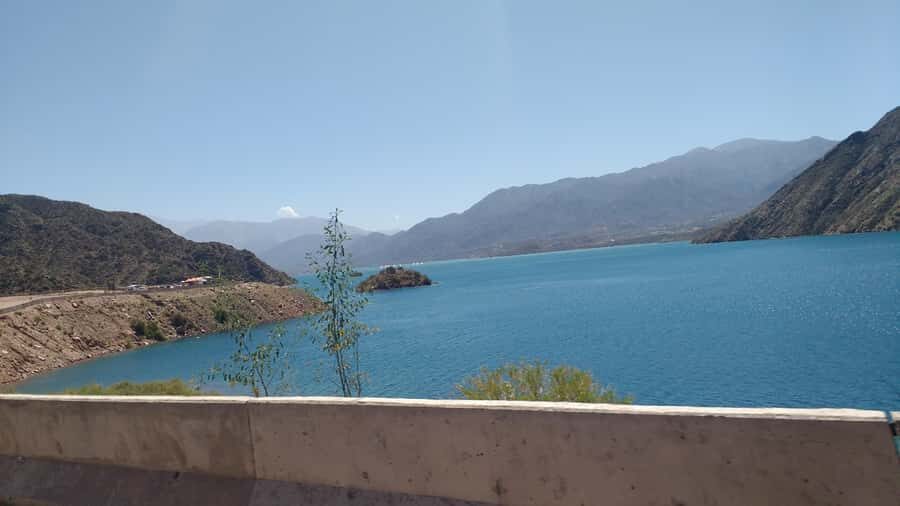
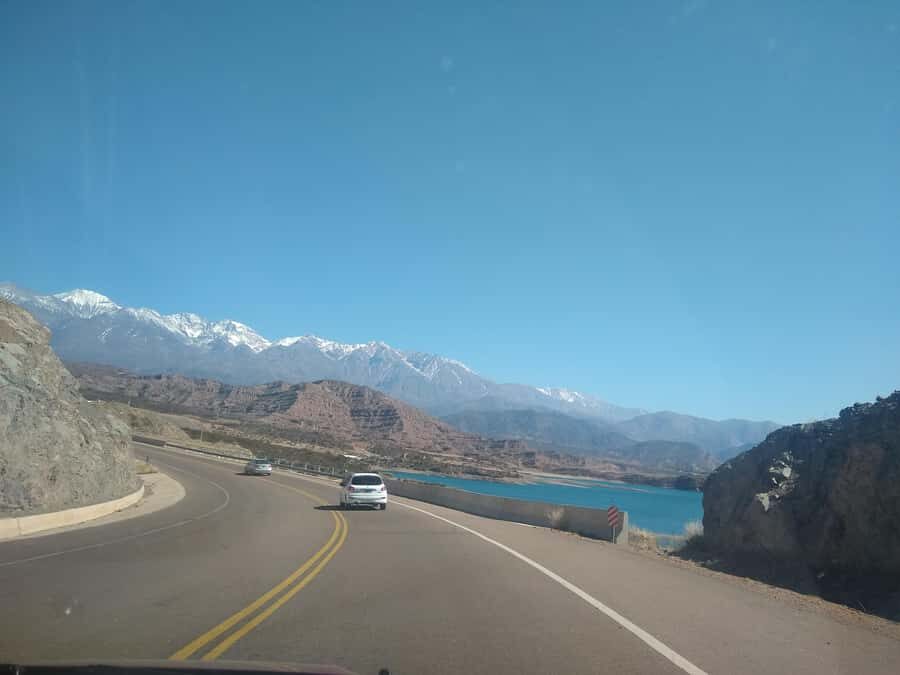
After the bridge, the tour goes through a tunnel to Potrerillos. This matters because it turns the trip into more than just a straight scenic drive—you get that switch from open canyon views to a more enclosed passage, then suddenly you re-emerge with the Potrerillos Dam and its 10-kilometer artificial lake in view.
That dam-and-water scene is one of the best “scale” moments in the region. It helps you understand why this area became so important for Mendoza’s water and power needs.

The free Potrerillos Park hour (snacks and optional extras)
You also get about 1 hour free in Potrerillos Park. This is your time to grab snacks or do optional activities (not included). The value here is control: you’re not locked into a timed program for every minute.
The tradeoff is pacing. If your ideal day is constant movement and constant narration, that open hour can feel like a pause—especially if you’re waiting for the group to reconvene.
Return via Route 7 and Agrelo Malbec country
On the way back, the tour takes Route 7 and passes through Agrelo, a well-known Malbec area. You’ll see wineries in the scenery, including names such as Septima, Chandon, and Norton.
Important: you’re not doing a full winery visit in this half-day format, but the payoff is that you get the “Mendoza wine country road” vibe without spending hours on tastings. It’s a nice way to connect the mountains to the region’s culture—without turning your afternoon into a wine marathon.
Villavicencio morning route: gardens, chapel, and Mirador de los Caracoles
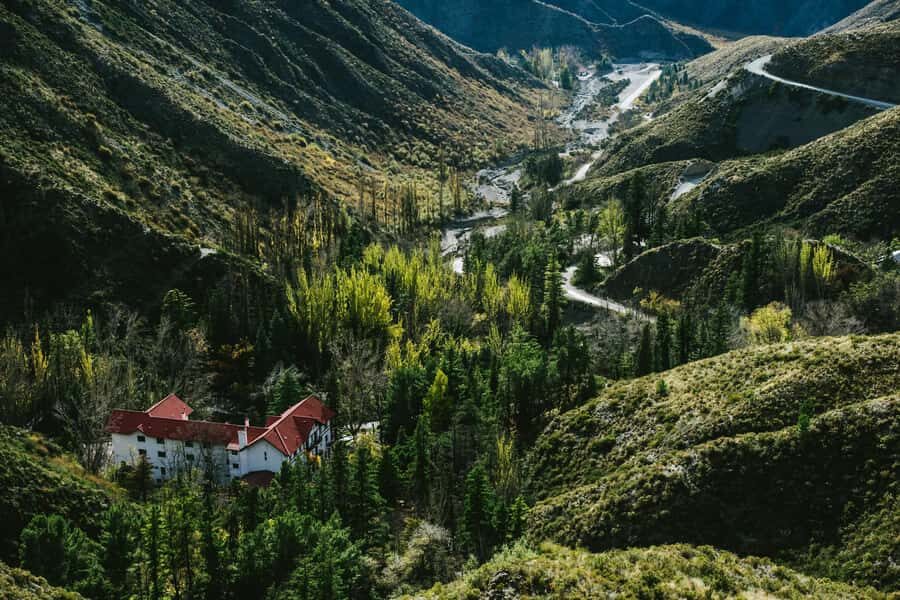
For Wednesdays and Saturdays (morning), the tour shifts to a different side of the Mendoza foothills story. You’ll travel along the San Martin route of the Army of the Andes to reach the Villavicencio Nature Reserve.
This itinerary is a great choice if you want a more rounded outing—nature reserve setting plus built heritage—rather than canyon spectacle only.
Villavicencio Nature Reserve interpretation center
The day starts at the Nature Reserve with time at the interpretation center. This is a smart setup because it helps you read the place as you move through it. You’re not just staring at trees and rocks; you’re getting a guide to what you’re seeing and why it matters in the reserve.
If you like learning without feeling like you’re in a classroom, this stop usually hits the right note.
Gardens of Hotel Villavicencio and its chapel
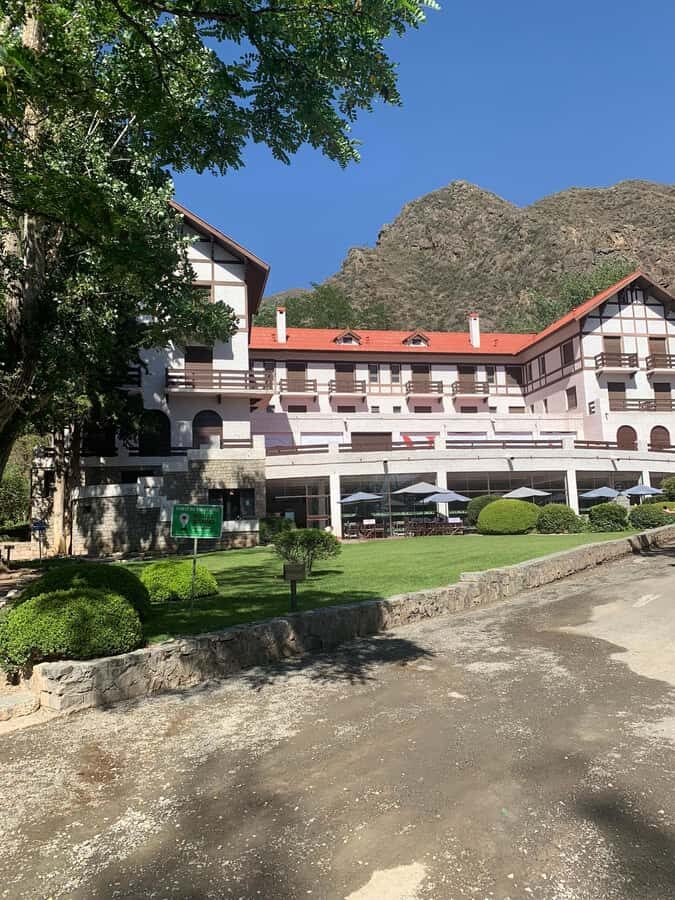
Next you visit the historic gardens associated with Hotel Villavicencio, and you’ll also stop at the chapel. This part stands out because it breaks up the “drive and look” rhythm.
The gardens add a slower pace, and the chapel gives a cultural anchor. It’s also a good “memory maker” for people who want more than just scenic viewpoints.
Mirador de los Caracoles before returning to Mendoza
You’ll admire the scenery from Mirador de los Caracoles before heading back to Mendoza. Your return time is around 1:00 p.m., so it’s a convenient morning plan if you want the afternoon free for wine, lunch, or just relaxing.
One thing to watch for: viewpoints can be weather-dependent. If visibility is poor, you may not get that sharp line of sight that makes the Andes pop. If it’s clear, though, this is a strong spot for that “big sky + high mountains” feeling.
Price and value: is $54 for 4 hours worth it?
At $54 per person for a 4-hour half-day, the math is pretty straightforward: you’re paying for transportation, a live guide, and organized time in multiple key spots. Since the experience includes both guided stops and entry to at least some reserve/historic areas, the value comes from avoiding the hassle of coordinating a car, parking, and timing across multiple locations in a mountainous area.
The biggest value driver is that the tour doesn’t treat the drive like the destination. You get specific stops: the suspension bridge and canyon area on one loop, and the interpretation center plus gardens and chapel on the other. That’s exactly what you want when you only have a half day.
What’s not included matters too. Refreshments at the mid-afternoon stop aren’t included. You’ll have a free hour for snacks in Potrerillos Park on the afternoon route, but plan on buying your own food and drinks there.
If you’re the kind of traveler who likes to move efficiently, this is a good rate for organized sightseeing in the Mendoza foothills.
The best part: guide-led context and real scenery scale
One reason this tour works so well for short trips is that it pairs scenery with explanation. You’re not just standing at a viewpoint waiting for your phone battery to die. The guide keeps things moving and helps you connect what you see—river canyon, dam scale, reserve setting—to the region’s broader story.
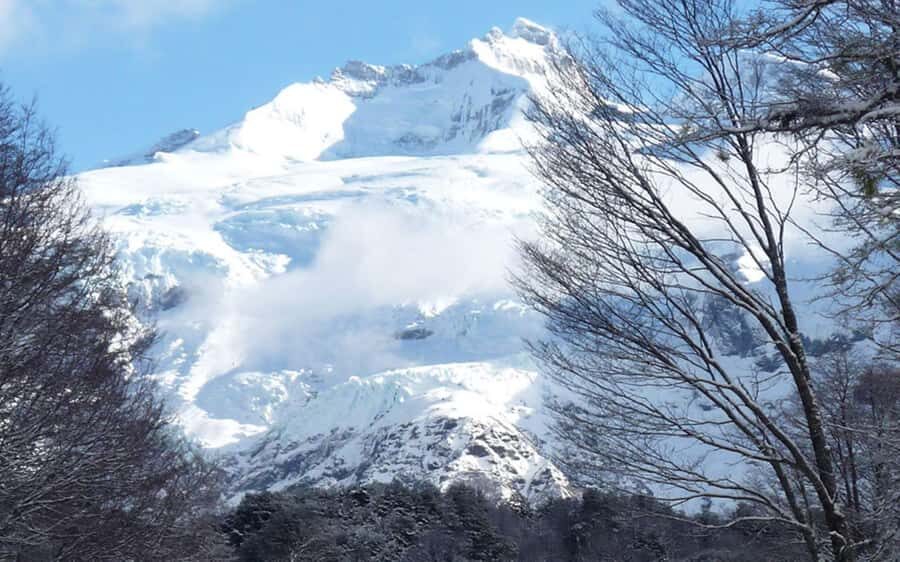
And for pure payoff, you’ll likely get those classic high-altitude Andes views. One of the most praised takeaways from recent feedback is the sight of snowcapped Andes mountains when conditions line up. You can’t control the weather, but you can control your choice: you’re picking a time slot when the foothills route is accessible and scenic.
If you’re thinking, I want the mountains without sacrificing a full day—this is built for that.
What to bring (and what will actually affect your comfort)
This tour is short, so what you pack affects your comfort more than usual.
Bring:
- Passport or ID card (a copy is accepted)
For comfort, I’d also suggest:
- A light layer. Mountain weather can change fast.
- Shoes with decent grip. Some areas can be uneven, especially near viewpoints or bridge approaches.
- Sunglasses and sunscreen if the sun is strong at higher elevations.
Also, keep an eye on the group timing. Because your time is limited, you’ll want to be ready to go when the guide gives the next instruction—no wandering off to take one extra photo unless everyone is already paused.
Who this half-day foothills tour is perfect for
This is a good match if you:
- Have limited time in Mendoza and want a real mountain experience without a full-day commitment
- Like guided context more than random self-driving
- Want either canyon drama (Cacheuta/Potrerillos) or garden-and-reserve calm (Villavicencio)
- Enjoy pairing sightseeing with wine-region scenery on the way back (Agrelo pass-through)
It’s also a workable choice for couples and solo travelers because pickup is organized and the tour stays focused.
If you dislike any downtime at all, consider that Potrerillos includes about one hour free, and that can be either relaxing or a bit slow depending on your style.
Should you book this Mendoza foothills tour?
I’d book it if you want a short, well-structured break from city time and you care about seeing the region in a guided format. The combination of transportation + live guide + high-impact stops makes the $54 price feel fair, especially because you get scenery you can’t easily replicate in the same timeframe without planning.
If you already have a rental car and you’re confident driving these mountain roads, you could DIY parts of it. But this tour is designed to be tight and efficient, with clear scheduled stops like the suspension bridge and Mirador de los Caracoles. For most people, that’s the real win.
FAQ
FAQ
How long is the Mendoza half-day Andean foothills tour?
It runs for about 4 hours.
What does the price include?
Transportation, a tour guide throughout the tour, and a search service for central hotels in the city of Mendoza.
Which days go to Cacheuta and Potrerillos?
Tuesdays, Thursdays, and Sundays in the afternoon follow the Cacheuta and Potrerillos route.
Which days go to Villavicencio?
Wednesdays and Saturdays in the morning go to the Villavicencio Nature Reserve route.
What are the main stops on the Cacheuta and Potrerillos route?
You visit Cajón de Cacheuta and ruins of the former FADER power plant, cross a 140-meter suspension bridge, go through a tunnel to Potrerillos, and see the Potrerillos Dam and its 10-kilometer artificial lake. You also get a 1-hour free break in Potrerillos Park.
What are the main stops on the Villavicencio route?
You visit the Villavicencio Nature Reserve interpretation center, the historic gardens of Hotel Villavicencio, the chapel, and the Mirador de los Caracoles before returning to Mendoza around 1:00 p.m.
Is food or refreshments included?
No. Refreshments at the mid-afternoon stop are not included.
What languages is the live guide?
The guide is available in English, Portuguese, and Spanish.
What do I need to bring?
Bring your passport or ID card. A copy is accepted.
How will I know the pickup details?
You’ll receive a WhatsApp message with the schedule, meeting point, recommendations, and how to access any reservation details 24 to 48 hours before the start.