REVIEW · SALTA
From Salta: Humahuaca & Salinas Grandes 2-Day Tour
Book on GetYourGuide →Operated by TIAMAR TRAVEL EVT · Bookable on GetYourGuide
Color trails through Jujuy and Salta. This Humahuaca and Salinas Grandes tour mixes iconic Quebrada de Humahuaca towns with major photo moments like Cerro de Siete Colores and the salt planes at Salinas Grandes. The big win is the all-in-one planning plus the convenience of an air-conditioned Mercedes-Benz minivan with a bilingual driver/guide. One thing to watch: the second day can feel more like a drive-and-see day, and a couple stops may come with less guidance than you’d want.
I like that the itinerary gives you both street-level Argentina and standout viewpoints, not just scenic pulls from the bus window. You get time for town wandering in Purmamarca and Humahuaca, plus a proper look at archaeological ruins and a long ascent on Cuesta de Lipan. The trade-off is that you’ll spend a lot of hours on the road, so plan this as an active travel day, not a slow weekend.
If you want a road trip that hits the major icons with minimal hassle, this is a strong pick. If you need thorough commentary at every single stop, keep your expectations realistic about pacing and how much time you’ll have in each place.
In This Review
- Key highlights to know before you go
- Day one: Purmamarca to Humahuaca with historic stops on the way back
- Cerro de Siete Colores at Purmamarca: how to make the colors work for you
- Humahuaca town time: Independence Monument and the chapel with a gold altar
- Tilcara and Pucará de Tilcara ruins: impressive stops, with a pacing reality check
- Day two: Volcán and Tumbaya roads to Purmamarca again, then Cuesta del Lipan to Salinas Grandes
- Price and logistics: what $78 really buys (and what to budget)
- Best for: who this tour suits best
- Should you book Humahuaca and Salinas Grandes from Salta?
- FAQ
- What is included in the Humahuaca & Salinas Grandes tour?
- Are entrance fees included?
- Is food and drinks included?
- What are the pickup and drop-off details in Salta?
- What’s the duration of the tour?
- What languages will the guide speak?
- Is the tour suitable for everyone?
- What should I bring?
Key highlights to know before you go
- Cerro de Siete Colores from Purmamarca: the Hill of 7 Colors is part viewpoint, part town backdrop, and it’s worth seeing from multiple angles during your stops.
- Humahuaca town breaks you can actually use: you’ll have a lunch break plus time to explore key sights like the Independence Monument.
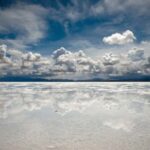
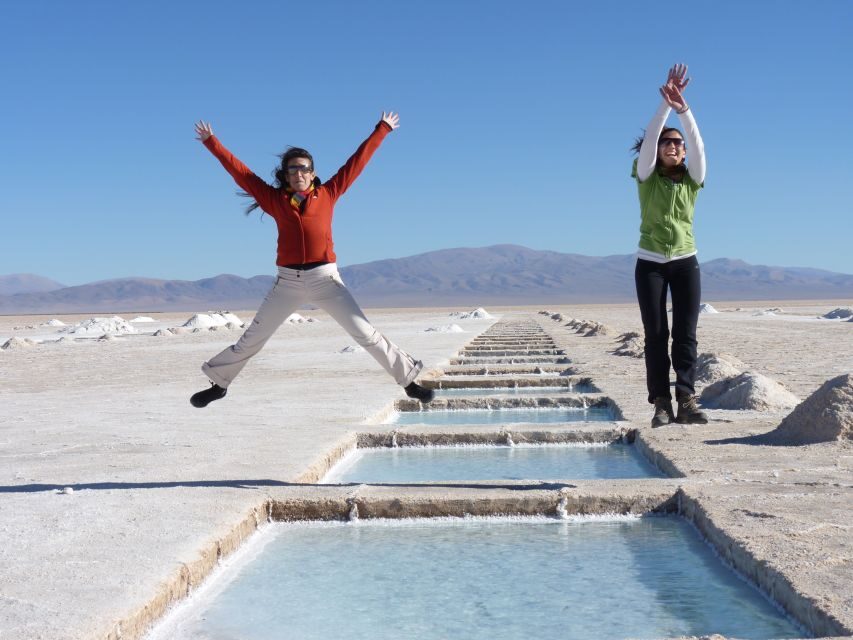
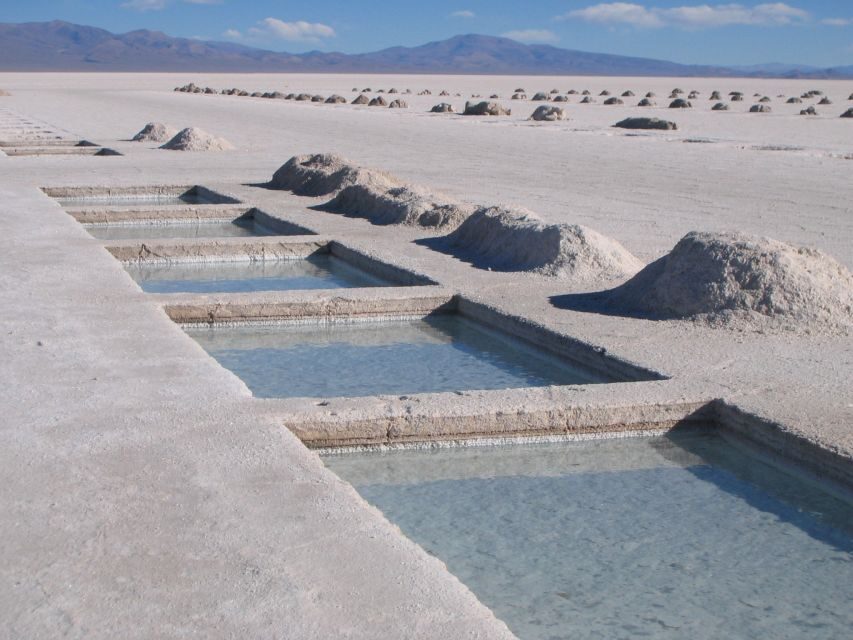
- Salinas Grandes with free time for salt flats photos: you’re not just paused at a lookout; you get time to admire the salt planes and famous pools.
- Cuesta de Lipan drives for changing scenery: the winding ascent is one of those stretches where the bus ride becomes part of the experience.
- Bilingual guide support: Spanish and English guidance helps you connect the dots between towns, monuments, and ruins.
- Hotel pickup only near Plaza 9 de Julio: it’s convenient if you’re in that zone, and irrelevant if you’re farther out.
Day one: Purmamarca to Humahuaca with historic stops on the way back
Day one starts with pickup from your downtown hotel in Salta (for hotels within about 15 blocks of Plaza 9 de Julio), then you head out toward Jujuy and into the Quebrada de Humahuaca area. The minivan is air-conditioned, which matters because these road days can run hot or dusty depending on the weather.
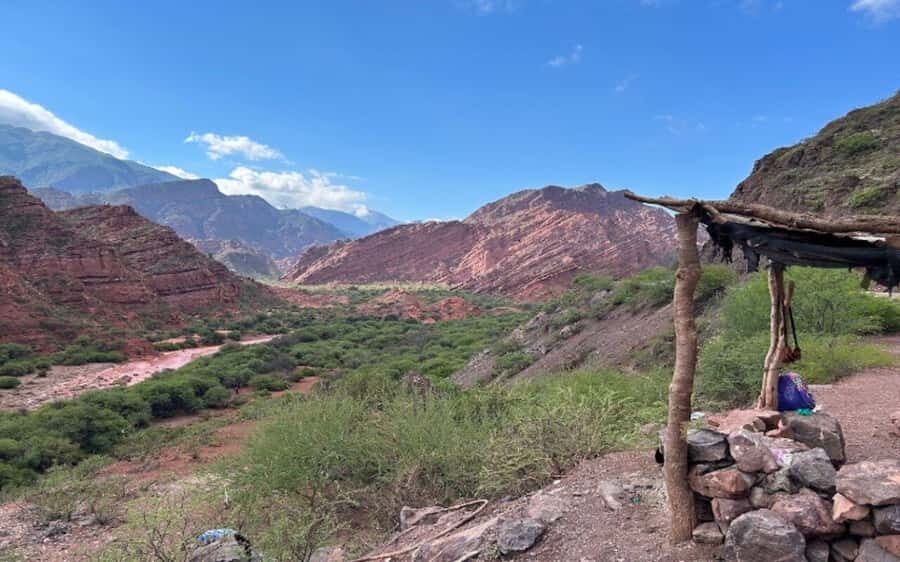
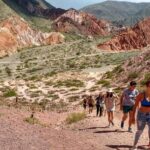
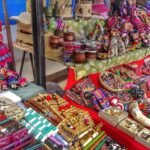
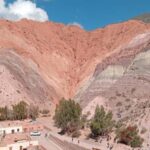
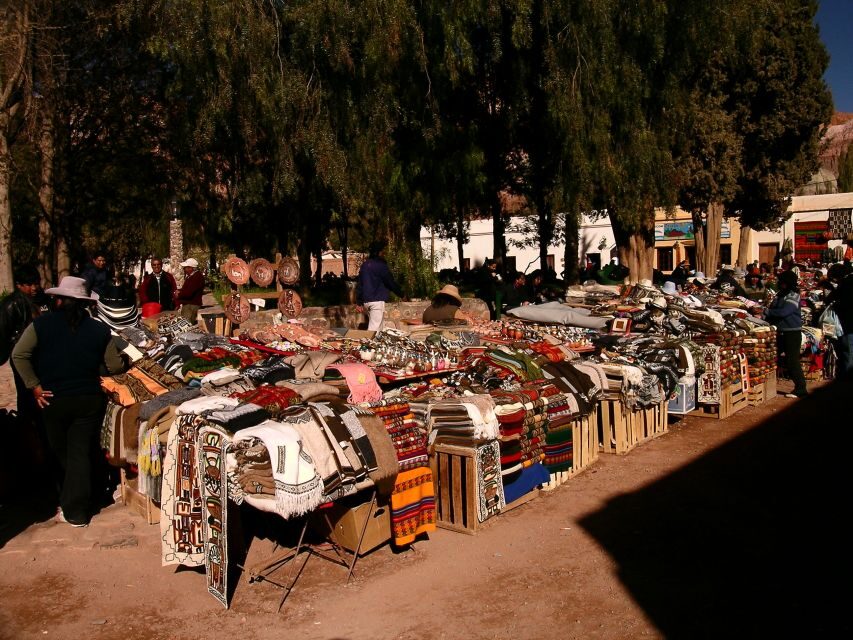
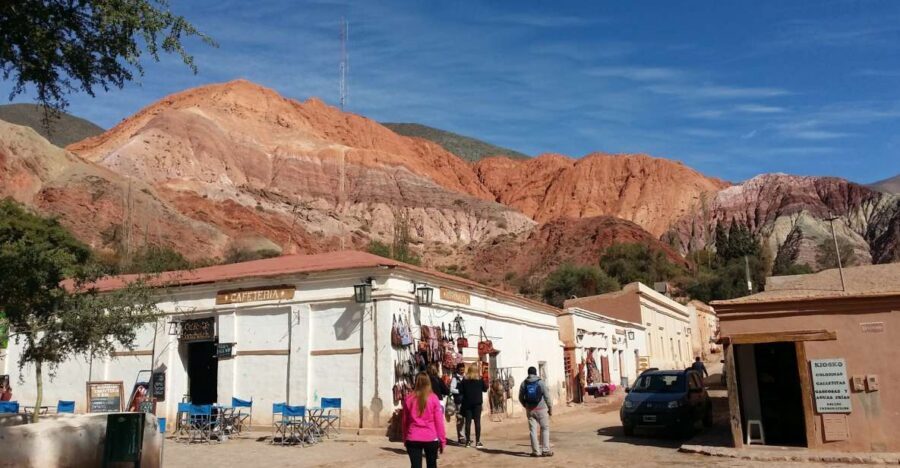
Purmamarca is where the tour really gives you that Quebrada de Humahuaca feeling. You’ll walk around the principal square where local craftsmen display and sell their work, and you’ll get a church visit that ties into the area’s past. From the road, you’ll also see Paleta del Pintor, the Painter’s Palette hill—one of those natural color forms the region is known for, even before you reach the big viewpoint.
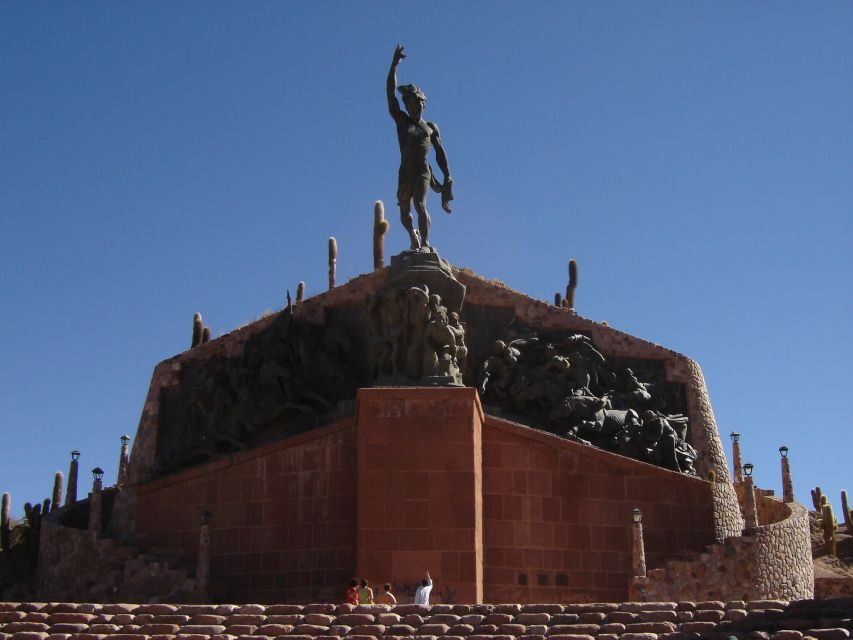
Then you arrive in Humahuaca. This is your town time: you’ll stop for lunch and you’ll have a window to explore at your own pace. I like this structure because it balances guided moments with the freedom to wander streets, take photos, and just breathe for a bit. A key sight here is the Monumento de la Independencia, a standout landmark you can’t miss once you’re in town.
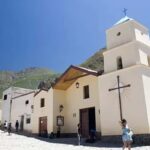
On the return direction toward Salta, you’ll make additional cultural stops that go beyond the standard scenery routine. One is a chapel built about 700 years ago, where the altar is covered in gold. You’ll also see priceless paintings connected to the Cusco School, plus a small monument marking the imaginary line of the Tropic of Capricorn. These stops are valuable because they add context to the towns you just passed through—this isn’t only about colors in the hills.
The downside to plan for: day one feels full, and you may notice the tour compresses certain optional-sounding moments. If you’re someone who wants a long sit-down look inside churches and museums, you’ll need to be flexible and accept that some stops are more about highlights than deep stays.
A few more Salta tours and experiences worth a look
Cerro de Siete Colores at Purmamarca: how to make the colors work for you
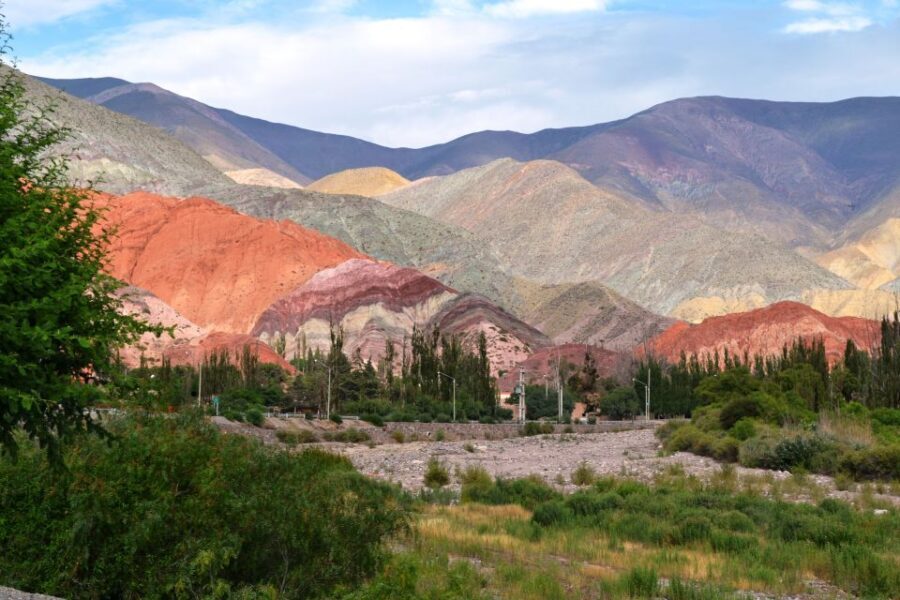
Cerro de Siete Colores, also called the Hill of 7 Colors, is one of those places where the view changes as you move. The tour uses Purmamarca as the base, which is smart: you’re not just looking at a hill, you’re looking at a whole town layered in front of it.
When you’re in the area, don’t rush straight to photos. I recommend taking a couple minutes to orient yourself: figure out where the square sits in relation to the hill, and then use that as a reference point. That way, your photos feel intentional instead of just “camera pointed at mountain.”
The craft square stop can be more than a quick tourist moment. If you like handmade items, this is where you can browse without feeling like you’re being dragged through a shop line. I also like that the itinerary doesn’t treat Purmamarca as a drive-by; you get enough time to walk, look, and choose what you want to focus on.
One note for your expectations: the hill is the star, but the tour also uses Purmamarca to set up later stops. So the experience can feel like an introduction as much as a finale. If you come in with the right mindset—expecting a guided overview plus some self-paced time—you’ll get the best out of it.
Humahuaca town time: Independence Monument and the chapel with a gold altar
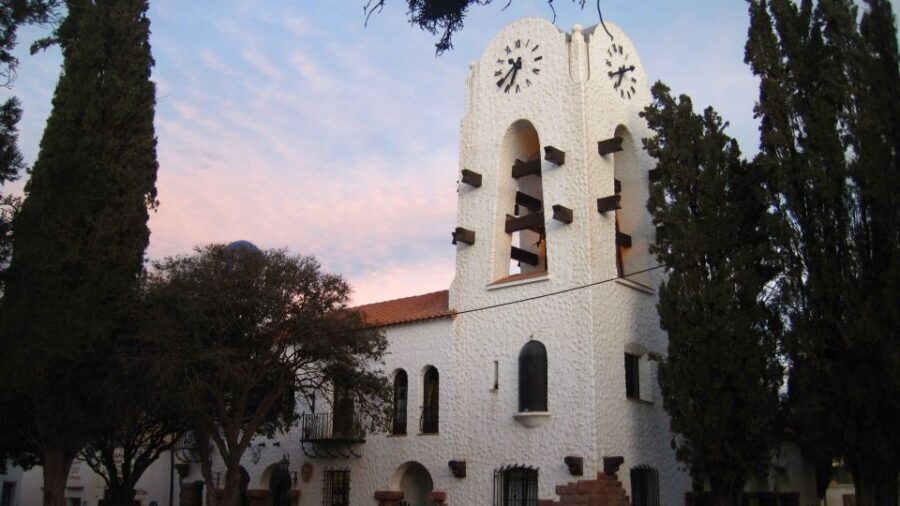
Humahuaca is where the tour shifts from “look at the mountains” to “experience the town.” You’ll have a break for lunch and time to explore, which is important. In places like this, a short town visit can still be meaningful if you use it well—walk a few blocks, locate the main sights, and then decide whether you want to linger at a plaza or head back out for another viewpoint.
The Monumento de la Independencia is a strong anchor sight. Even if you’re not a monument person, it gives you a clear target and a way to measure your surroundings. It also helps the town feel less like a passing stop and more like a place with identity.
The chapel stop on the way back toward Salta is one of the most visually memorable elements of day one. A chapel built around 700 years ago, with an altar covered in gold, is the kind of detail that you can’t fully get from a bus window. You’ll also see paintings associated with the Cusco School, which adds another layer to the cultural mix of the region. And then there’s the small Tropic of Capricorn marker, a simple monument but a clever reminder that geography and identity overlap here.
If you’re hoping for long time inside every religious or museum stop, keep in mind that day one uses these places as part of a larger route. You’ll get enough to notice and appreciate, but not so much that you can settle in for hours.
Tilcara and Pucará de Tilcara ruins: impressive stops, with a pacing reality check
Tilcara is another town stop where you can walk the main square and see the church. There’s also time for an Anthropology Museum visit, which is great if you want something a bit more explanatory than street scenes and views.
Then you reach Las Ruinas Incaicas del Pucara de Tilcara. This is the kind of site that makes you stop thinking in terms of “tour stops” and start thinking in terms of how people lived in the area long before the Incas. The tour frames the ruins as belonging to a society even older than the Incas, which helps you connect the place to deep timelines.
Here’s the practical consideration: the ruins experience can feel lighter on explanation than you might hope for, depending on how the schedule lands that day. If you enjoy learning every detail of a site, you may want to do a bit of pre-reading before you go so you can make sense of what you’re seeing in the time you’re given.
Still, even with limited commentary, the ruins themselves are a strong reason to visit. They’re physical, concrete, and built for people to understand spatially—so your eyes do a lot of work, even if your guide time is short.
Day two: Volcán and Tumbaya roads to Purmamarca again, then Cuesta del Lipan to Salinas Grandes
Day two starts again from Salta and crosses into Jujuy with stops along the way in towns like Volcán and Tumbaya. The tour keeps moving, and that’s part of why it works: you’re seeing the region as a connected route, not as isolated postcards.
You’ll head back to Purmamarca for another town-and-view moment—main square time, craft stands, then a visit to the 7 Color Hill. Repeating a location can be either a perk or a problem. If you used day one to focus on the town and you want a fresh chance at the hill, it’s a second bite at a delicious view. If you feel like you already saw what you needed, you may wish there were more new stops instead.
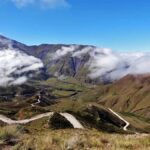
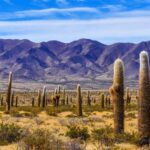
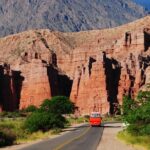
After Purmamarca, the itinerary turns into a scenic ascent along Cuesta del Lipan. This is where the road itself becomes part of the event. Winding climbs and changing sightlines help you understand why the Quebrada region has a reputation for dramatic views.
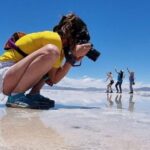
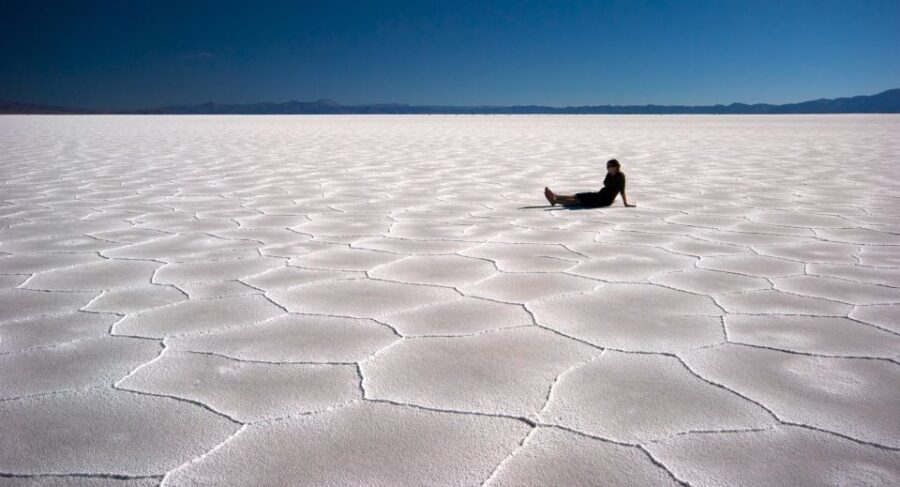
Finally, you reach Salinas Grandes, described as one of the 7 Wonders of the Argentine Republic. This is the big payoff on day two. You’ll have free time to admire the salt planes and the famous pools, and this unscripted time matters because it’s hard to appreciate this kind of place from a quick stop. You can walk around, find angles, and spend as long as you want composing photos or simply staring at a surface that looks like it belongs to another planet.
The caution: day two can feel like a tight run of big sights. If you want slow museum pacing or very guided interpretations at every location, day two may not satisfy that style of travel. Treat it as a road-trip highlights day with enough freedom for photos and personal time at Salinas Grandes.
Price and logistics: what $78 really buys (and what to budget)
At around $78 per person for a 2-day tour, you’re paying for transport, a bilingual driver/guide, and hotel pickup/drop-off within the specified area. That’s solid value for a route that covers multiple towns and long driving days. The biggest “hidden variable” isn’t the tour price—it’s what you’ll spend on your own during the day.
Entrance fees aren’t included, and food and drinks aren’t included either. If you don’t bring snacks, you’ll likely need to plan for purchasing lunches and drinks during stops. You can also reduce friction by deciding in advance what you’ll do for meals: either grab something quick during lunch breaks or carry a few simple snacks for the road.
Comfort-wise, the air-conditioned Mercedes-Benz minivan is a practical win. But the tour isn’t suitable for people with back problems, and that’s a key detail. Even in comfort, you’re sitting for long stretches, so if you know you’re sensitive to back strain, this may be the wrong format.
Pickup is only available for hotels located within 15 blocks of Plaza 9 de Julio, with pickup between 7:00 AM and 7:40 AM. If you’re farther out, you may not be eligible for pickup, so confirm your exact hotel location before you book.
Best for: who this tour suits best
This trip makes the most sense if you want a guided, low-effort way to see a lot of what people come to this part of Argentina for—Purmamarca, Humahuaca, and the dramatic salt flats at Salinas Grandes—without spending days planning driving routes and stop timing.
You’ll enjoy it if:
- You like road-trip viewpoints and don’t mind long driving stretches.
- You want a mix of town wandering and natural landmarks.
- You appreciate short cultural stops like the chapel with the gold altar and Cusco School paintings.
- You’re happy to spend real time on photography at places like Salinas Grandes.
You might struggle with it if:
- You require a highly detailed guided explanation at every single museum or ruin.
- You’re sensitive to sitting for long periods and need more movement breaks.
- You prefer slower days with fewer stops and more “stay awhile” time.
A smart travel tweak, if it fits your budget: consider spending at least one night on your own in Purmamarca or nearby. That way you can reduce the sense of racing back to Salta just to sleep and reset. The tour covers plenty of ground, and extra time on the ground makes the whole route feel less like a sprint.
Should you book Humahuaca and Salinas Grandes from Salta?
I’d book this if you want a guided route that delivers the core icons of the Quebrada region with good convenience—pickup, transport, bilingual help, and real time at Salinas Grandes. Day one is especially strong for pairing towns with cultural stops, and it’s a good day for understanding what makes the area more than just scenery.
I’d be more careful if your top priority is deep, guided interpretation at every archaeological site and church. Day two can feel more schedule-heavy, and the experience may depend on how the day’s timing works for your group.
Bottom line: if you’re chasing the big visuals—Cerro de Siete Colores, Cuesta del Lipan, and the salt flats—while still wanting a guided backbone, this tour is good value for your time. Just go in with the right expectations: it’s a tour of highlights, not a slow, classroom-style experience at every stop.
FAQ
What is included in the Humahuaca & Salinas Grandes tour?
The tour includes a driver/guide, pickup and drop-off at downtown hotels all days, transportation by an air-conditioned Mercedes-Benz minivan, and a certified bilingual guide in Spanish and English.
Are entrance fees included?
No. Entrance fees are not included.
Is food and drinks included?
No. Food and drinks are not included.
What are the pickup and drop-off details in Salta?
Pickup is possible from downtown Salta hotels between 7:00 AM and 7:40 AM, and hotel pickup/drop-off is only available for hotels located within 15 blocks of Plaza 9 Julio.
What’s the duration of the tour?
It’s a 2-day tour. Starting times vary, so you’ll need to check availability for the specific dates.
What languages will the guide speak?
The guide is bilingual in Spanish and English.
Is the tour suitable for everyone?
It is not suitable for people with back problems.
What should I bring?
Bring a passport or ID card, comfortable shoes, and comfortable clothes.