REVIEW · SALTA
Full-Day Tour to Humahuaca from Salta
Book on GetYourGuide →Operated by TIAMAR TRAVEL EVT · Bookable on GetYourGuide
Humahuaca is where Argentina starts to feel unreal. This long day from Salta strings together high passes, Inca-era roads, cactus country, and the colorful towns of the Quebrada de Humahuaca—all with a guide who can steer the bus’s big views into something you actually understand.
What I like most is the focus on the scenery that matters: the climb to the 3,348-meter viewpoint on Cuesta del Obispo (watch for condors overhead) and the unforgettable Hill of 7 Colors area in Purmamarca. I also really appreciate the human pace at town stops—there’s time to stroll, browse local craft markets, and get a real feel for Humahuaca beyond just photos.
The main thing to consider is that it’s a full-day bus ride: it’s long (around 13 hours), you’ll be in altitude, and there can be some steep walking at viewpoints. Also, if your Spanish is limited, make sure your guide’s mic works for you—some departures are strong in English, others can be harder to hear.
In This Review
- Key things you’ll notice
- Why Humahuaca Feels Different From a Typical Day Trip
- The 7:00–7:40 Pickup and How the Day Moves
- From Salta to the Gorges: Route 68, Escoipe, and Los Laureles
- Cuesta del Obispo: The High Pass, the Rock Walls, and Condors
- El Valle Encantado and the Fairytale Views You Can Actually Name
- Purmamarca: Town Energy Plus the Hill of 7 Colors
- National Park of the Cactus and Recta del Tin Tin: More Than a Scenic Detour
- Lunch in Cachi (and What to Do if Your Order Changes)
- Humahuaca Town Time: Plaza, Church, and a Slow Wandering Window
- Bus Comfort, Seat Choice, and Why It Matters
- English Support and the Mic Issue to Watch For
- Price and Value: Why $37 Can Be a Smart Trade-off
- Should You Book This Humahuaca Day Trip?
- FAQ
- How long is the Full-Day Tour to Humahuaca from Salta?
- What time does hotel pickup happen?
- What languages are offered on the tour?
- Is hotel pickup and drop-off included?
- Do I need a passport for this tour?
- Can I cancel and get a full refund?
Key things you’ll notice
- Cuesta del Obispo’s big-altitude viewpoint with a real chance of seeing condors
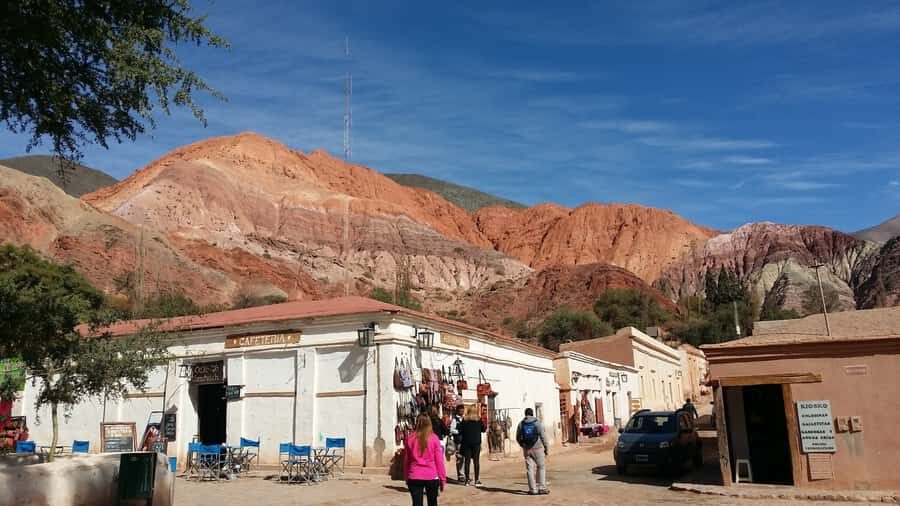
- Purmamarca’s Hill of 7 Colors—the stop that usually steals the show
- El Valle Encantado and the changing terrain as you move through different altitude zones
- Recta del Tin Tin (Inca road) plus Parque Nacional los Cardones cactus country
- Town time with wandering breaks and artisan shopping mixed into the day
Why Humahuaca Feels Different From a Typical Day Trip
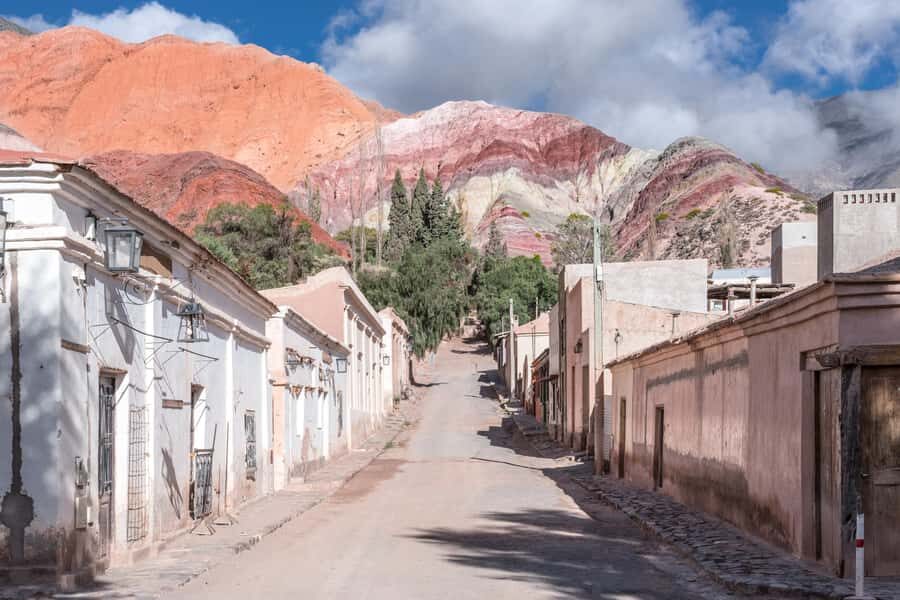
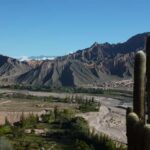
If you’ve only seen northern Argentina from cities or flatter routes, this tour is a wake-up call—in the best way. The Quebrada de Humahuaca isn’t one single “thing.” It’s a whole chain of environments, rock tones, and cultural stops stacked along a dramatic corridor from low valleys up to high plateaus.
You start in Salta Province’s everyday outskirts, then the scenery starts changing in a steady rhythm: drier hills, deeper gorges, and then that high-road feeling where the air gets thinner and the view gets sharper. One of the nicest surprises is that the tour doesn’t treat the trip like a straight drive to one highlight. It gives you multiple anchor points—views, towns, and named natural landmarks—so the day feels like a journey instead of a bus crawl.
Guides matter here. On recent departures, people have called out guides such as Edu, Millie, Abel, Maria, Monica, and Fernando for turning mountain geography and local history into something you can picture as you ride. Even when the schedule is tight, a good guide helps you connect what you’re seeing to why it’s there.
A few more Salta tours and experiences worth a look
The 7:00–7:40 Pickup and How the Day Moves
The day starts early: pickup happens between 07:00 and 07:40 in the lobby area of your hotel (for selected hotels). This is one of those “yes, set your alarm” situations. If you’re staying at a property that isn’t part of the pickup list, you’ll need a different plan since transfers from other hotels aren’t included.
Once you’re on the bus, you’ll settle into long-road mode. This isn’t a quick hop between sights—it’s a full corridor tour, with stops that come one after another. That’s great if you like variety, but it also means you’ll want to pack for a long day: water, a layer for cooler altitude air, and comfy shoes in case walking starts to feel a bit more than casual.
The timing structure matters for your comfort. The itinerary is built around viewpoint windows and town breaks, so if you’re the type who needs long, slow museum-time stops, you might find the pacing a touch fast. But if you want to see a lot of the Quebrada de Humahuaca without renting a car, this kind of schedule is exactly the trade-off.
From Salta to the Gorges: Route 68, Escoipe, and Los Laureles
After pickup, the route heads out along Provincial Route 68, passing small towns like Cerrillos, La Merced, and El Carril. This part is useful even if you don’t get out of the bus much. It sets the baseline—then the mountains start to take over your view little by little.
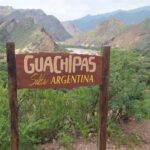
Next, the drive turns toward dramatic scenery with stops along the way for the Gorge of Escoipe and Los Laureles. These are the kinds of places where “pretty” isn’t the full story. The canyon walls and tight terrain help you understand why the region’s roads and settlements follow certain lines. In other words: even short scenic stops teach you how the geography shapes daily life up here.
A practical tip: these early stops often come with photos, quick looks, and then back on the bus. If you want your best shots, position yourself early when the group first pauses—don’t wait for the crowd to settle, because the group will move on fast once the guide finishes the point.
Cuesta del Obispo: The High Pass, the Rock Walls, and Condors
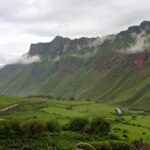
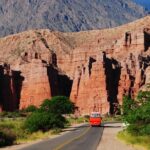
This is one of the most exciting stretches of the entire day. You’ll drive the winding road known as Cuesta del Obispo (Bishop’s Slope), with rock formations and natural walls forming the backdrop as you climb.
The tour reaches a summit at 3,348 meters above sea level, and this is where you’re most likely to feel the altitude. You might not be gasping, but you’ll probably notice it—so slow down your walking and give yourself a moment when you stop. If you’re sensitive to altitude, you’ll want to take it easy at every viewpoint.
One of the reasons people love this segment is that it’s not just geology. Keep your eyes up. The day includes instruction to look for condors flying above—when they appear, it changes the whole vibe of the viewpoint from “scenic stop” to “this is alive.”
Also, pay attention to how the scenery changes as the elevation increases. One of the route’s themes is transition: the subtropical valleys begin to fall away, then you start seeing the high-altitude character of the Andes region.
El Valle Encantado and the Fairytale Views You Can Actually Name

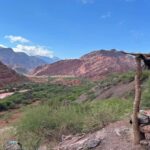
After the highest part of the pass, the route opens up toward El Valle Encantado (The Enchanted Valley). The name is dramatic, but the visual logic is simple: you get a surreal mix of rock shapes, color, and distance that can look unreal on a bus window—or even better once you’re standing still for a moment.
What helps you appreciate this stop is that it’s not floating in nowhere land. It’s tied to how the route climbs and how the valley itself shifts in character. The tour also calls out the way the terrain changes as you move from the subtropical zones toward a higher corridor.
If you like photography, this is a “pause and watch the light” type of location. Don’t rush through. Give yourself a few minutes to let your eyes adjust and you’ll start seeing the patterns in the rock tones instead of just the broad view.
Purmamarca: Town Energy Plus the Hill of 7 Colors
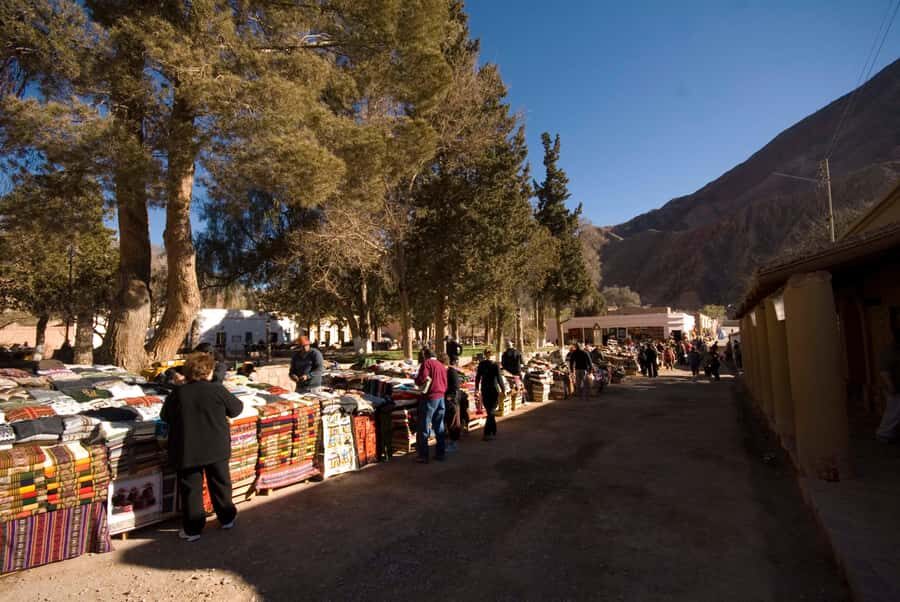
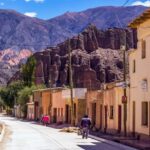
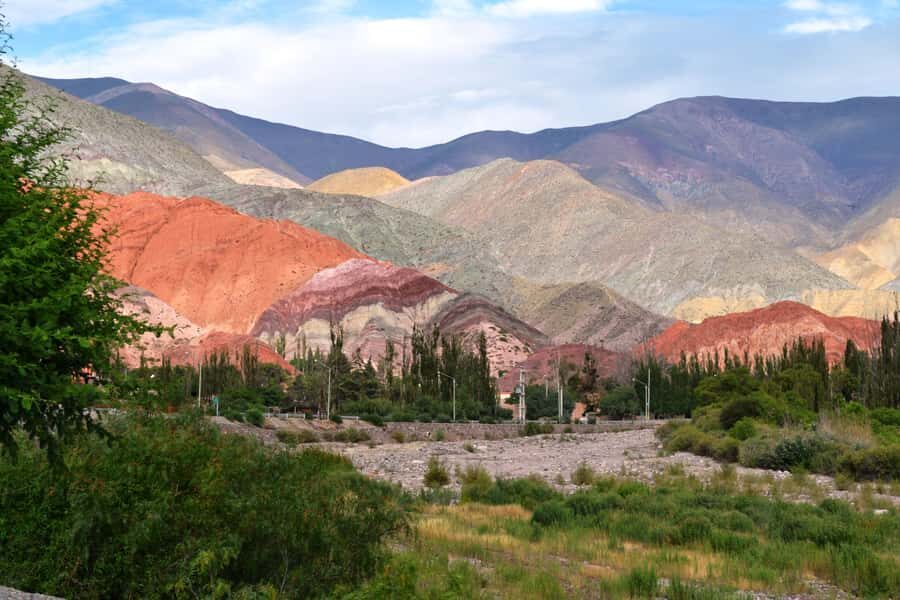
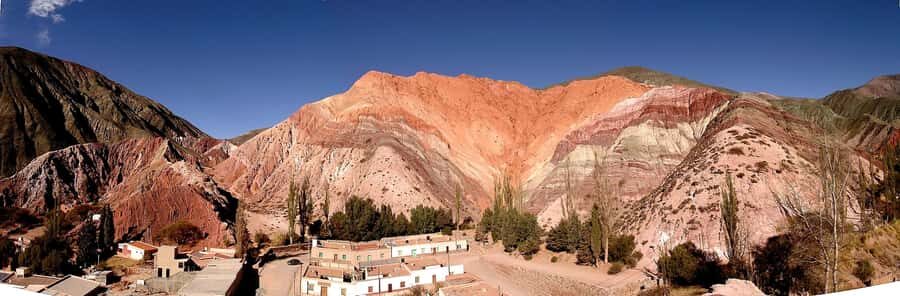
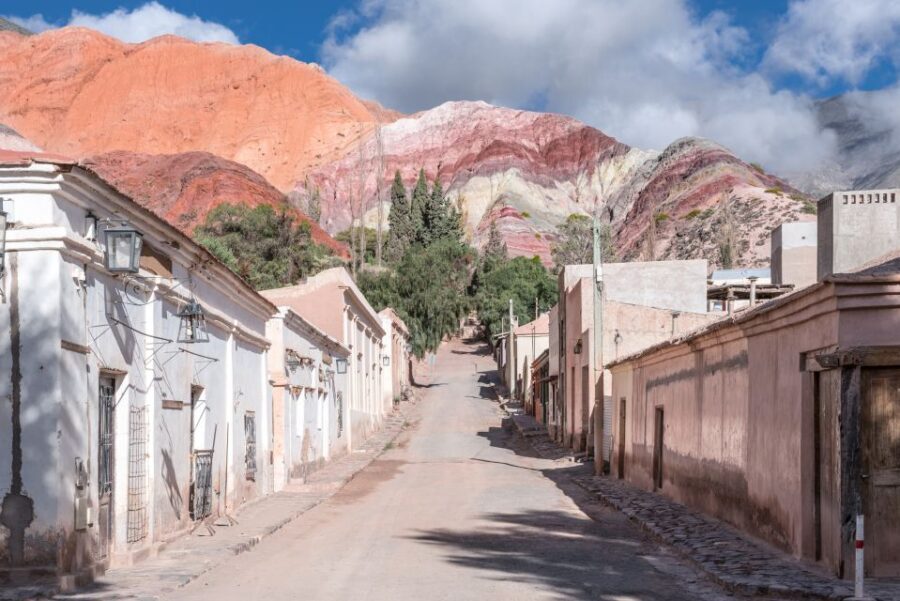
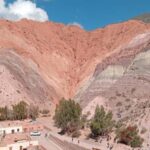
You’ll arrive in the Purmamarca area for the day’s most iconic colors. Purmamarca is a beautiful town in the Quebrada, and it’s also a practical base for the highlight: the Hill of 7 Colors (often described as something you have to see in person).
This is the stop where the whole day’s payoff starts to click. Earlier you learned the route’s geography through cliffs and gorges. Now you see it expressed through color layers in the hills. It’s not just pretty paint. The “7 colors” idea is a way of translating geology into something you can feel instantly.
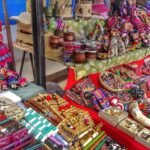
You’ll have time to enjoy Purmamarca on your own as well as visit local artisan markets. This part is important. Without markets and browsing time, Purmamarca would turn into a quick photo stop. With it, you get texture: small stalls, handmade crafts, and the casual rhythm of a real town rather than an arranged tourist stage.
One caution: in some versions of the day, the timing can feel tight for shopping. If you know you want specific items, go early in the stop window and don’t wait until the end when people start hurrying back to the bus.
National Park of the Cactus and Recta del Tin Tin: More Than a Scenic Detour
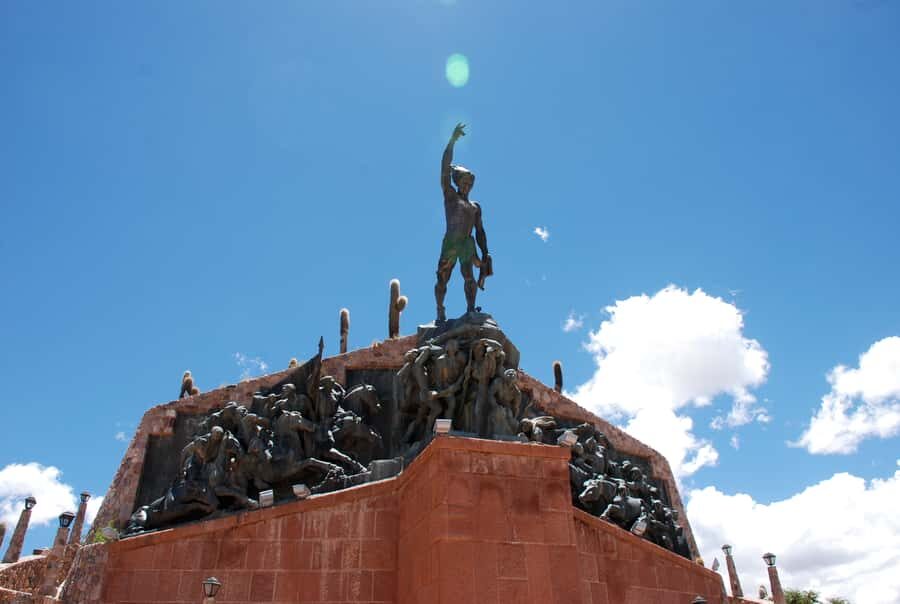
Between the big town moments, the tour adds two stops that make the day feel more grounded in the region’s identity.
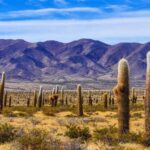
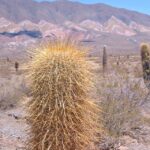
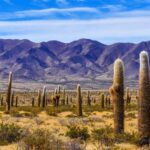
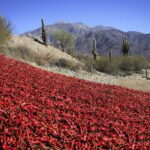
First, you’ll pass through Parque Nacional los Cardones, named for cardón grande cactus formations. This isn’t a tiny roadside plant. It’s a defining feature of the high environment here. If you’re used to green landscapes, this will reset your expectations in a good way. The shapes feel architectural, and the cactus “population” changes how you read the terrain.
Next comes Recta del Tin Tin, described as an Incas-built road. This is one of those segments where a guide can make the difference between “we saw an old road” and “we understand why this line in the mountains mattered.” Even without a long explanation, the idea is clear: you’re traveling a route shaped by human movement long before modern highways.
If you’re the kind of traveler who likes a bit of context, this is where you’ll feel it. The day isn’t only about views—it connects views to routes, routes to history, and history to how people live across these altitudes.
Lunch in Cachi (and What to Do if Your Order Changes)
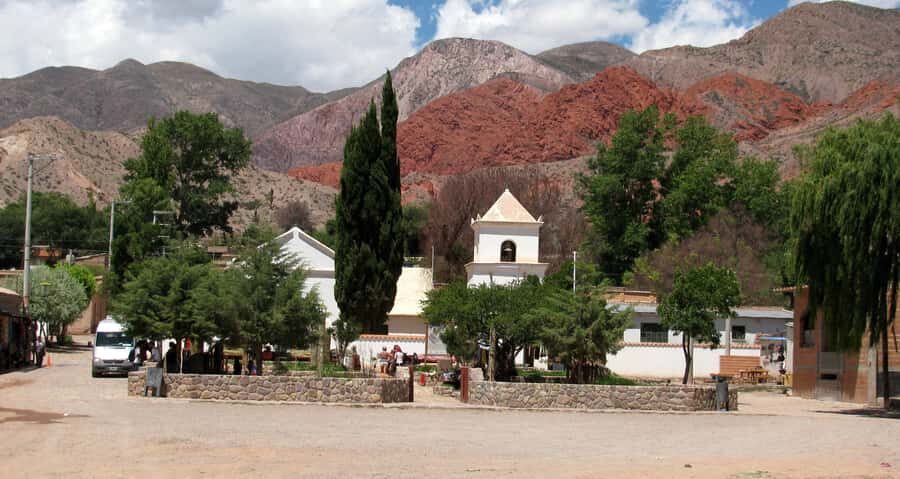
The planned lunch stop is Cachi, timed for when you need a break before returning toward Salta. Cachi is known in the region for well-preserved colonial architecture, and you’re given time to stroll streets and check out the town center.
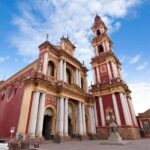
The tour typically includes a look at the church in Central Plaza and a historical museum focused on the history of Aboriginal communities. Then you can pick up souvenirs at a craft market and have free time before the return drive.
One thing to keep in mind: the core highlights of the day are the Quebrada de Humahuaca towns—and some routes may include different town combinations. In past runs, some people reported the day focused more on Humahuaca and Purmamarca (with Tilcara mentioned) rather than spending lunch time in Cachi. The practical takeaway is simple: don’t treat lunch as a guaranteed “must-see Cachi museum moment.” Treat it as a planned break, and be flexible about the exact town sequence.
Food-wise, the day can include a group meal at the lunch stop. I’d plan on a normal travel pace: eat, stretch your legs, then rejoin the group.
Humahuaca Town Time: Plaza, Church, and a Slow Wandering Window
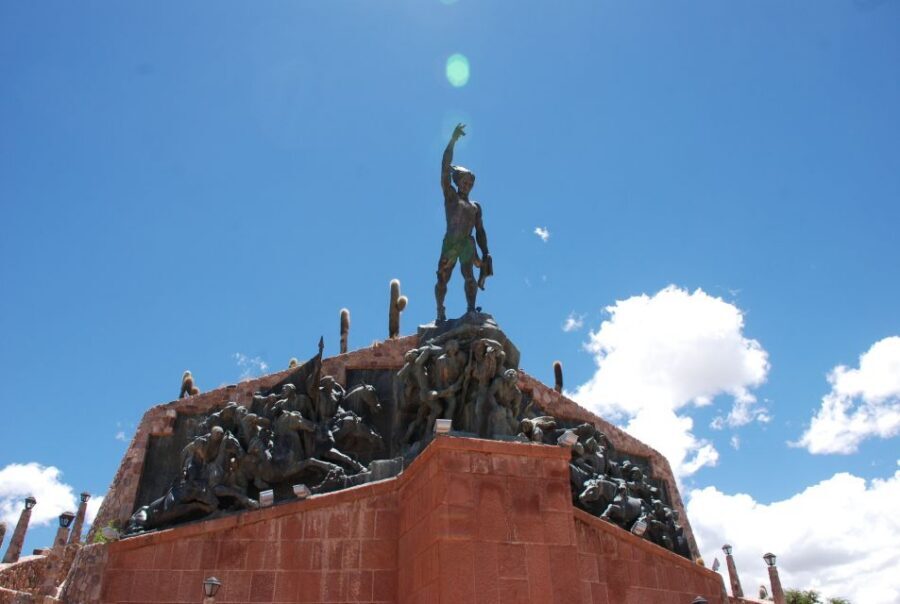
By the time you reach Humahuaca, the day shifts from scenic driving into town browsing. Humahuaca is the kind of place where the best moments often happen between the official stops: walking the streets, looking at small storefronts, and watching how locals move through the day.
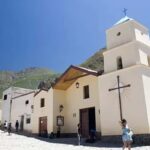
You’ll get guided time for key sights such as the town’s plaza area and church, plus cultural context tied to local communities. After the guided portion, the tour gives you free time to shop and explore at your own pace.
This free wandering window is valuable for two reasons. First, it gives you control over how much you want to linger. Second, it balances the earlier intensity of drives and viewpoints. By late in the day, even just a 30-60 minute walk can feel like a reward.
If you’re thinking about souvenirs, Humahuaca and Purmamarca are where you’ll want to focus. The tour mentions artisan markets and craft stalls, and that’s your best chance to buy handmade items without relying on airport shopping later.
Bus Comfort, Seat Choice, and Why It Matters
This kind of day trip lives and dies by comfort. Reviews have pointed out that the bus is generally clean and comfortable, but also that seat positions can affect your experience—especially if you’re picked up later when the bus is fuller.
The practical fix is easy: get to your pickup point early and try to board as soon as possible. Once seated, plan for long viewing: bring something to keep warm, and if you tend to get stiff, shift your legs occasionally during stops.
Also, be ready for steep or slightly demanding walking at certain viewpoint areas. One review specifically mentioned that you’ll go above 10,000 feet and that there can be some steep walking. You don’t need to be an athlete, but you should pack for “good shoes, not city sandals.”
Finally, altitude fatigue is real on long days. You’ll probably feel better if you hydrate and take the walking slower than you normally would.
English Support and the Mic Issue to Watch For
The tour runs with a live guide in Spanish and English, which is a big deal if you want to understand what you’re seeing rather than just watch it happen.
That said, a good day isn’t only about language—it’s also about audio. Some departures have been praised for excellent English, with guides switching between English and Spanish well for mixed-language groups. Other comments mention that the guide could be hard to hear at times due to mic volume, and that some stops might lean more heavily Spanish.
What you can do: when you’re at viewpoints, position yourself closer to the guide. And during longer stops, don’t assume everything will be repeated. If you’re truly dependent on English narration, choose your seat wisely in the bus and pay attention to how well the mic carries.
Price and Value: Why $37 Can Be a Smart Trade-off
At $37 per person, this tour is priced like a practical value option—not a luxury package. You’re paying for a full day of transportation through a remote region, guided interpretation, and hotel pickup/drop-off for selected hotels.
Here’s the real value math: driving or hiring a private car for this kind of distance and route would usually cost far more, and it’s not just the miles—it’s the stress of navigating mountain roads, finding parking, and staying on schedule at multiple towns.
The trade-offs are what you’d expect for this price tier: it’s a bus format, the day is packed, and your experience will depend on guide delivery and your comfort tolerance for altitude and longer drives.
If you want the Quebrada’s highlights in one day, you’re likely paying for efficiency. If you want a slower, deeper dive into one town or one museum, you may prefer staying overnight and exploring by day-by-day pace. For most people, though, this is a solid way to see the big hitters without overplanning.
Should You Book This Humahuaca Day Trip?
Book it if you want a single-day route that hits the best-known names of the Quebrada de Humahuaca: the dramatic climb on Cuesta del Obispo, Purmamarca and the Hill of 7 Colors, markets for crafts, and Humahuaca town time. It’s also a good pick if you don’t want to wrestle with mountain driving yourself.
Skip or reconsider if you dislike long bus days, have trouble with altitude, or need excellent English audio all the time. The walking at viewpoints and the high elevation can be a factor, and a mic that’s not loud enough can make a difference.
If you’re somewhere in the middle—curious, flexible, and up for big views and town wandering—this is an easy yes.
FAQ
How long is the Full-Day Tour to Humahuaca from Salta?
The tour lasts about 13 hours.
What time does hotel pickup happen?
Pickup is included for selected hotels, with pickup between 07:00 and 07:40 AM.
What languages are offered on the tour?
The live tour guide speaks Spanish and English.
Is hotel pickup and drop-off included?
Yes, hotel pick-up and drop-off are included for selected hotels. Transfers from other hotels are not included.
Do I need a passport for this tour?
Yes. A valid passport is required on the day of travel.
Can I cancel and get a full refund?
You can cancel up to 24 hours in advance for a full refund.