REVIEW · SALTA
From Salta: Day Trip to Cafayate
Book on GetYourGuide →Operated by Tangol · Bookable on GetYourGuide
Some days start with a drive.
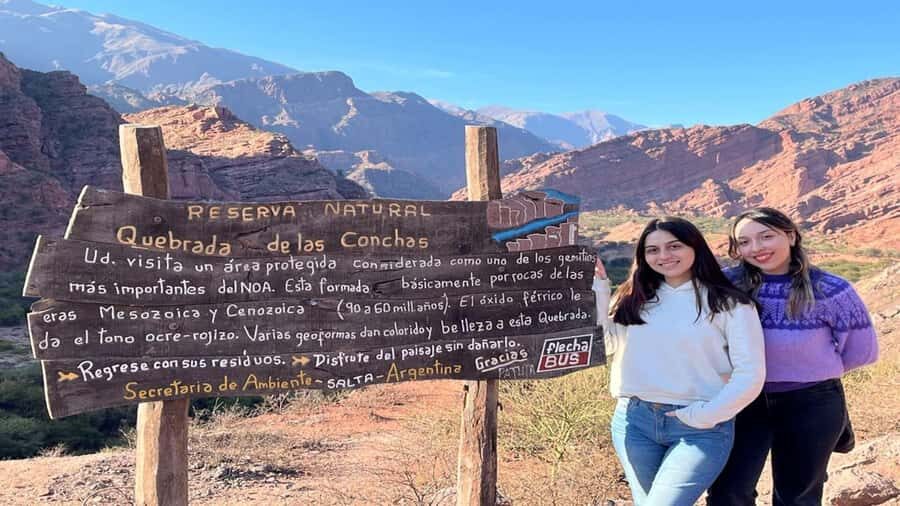
This one rolls out from Salta into the Lerma Valley and then up into the famous Quebrada de las Conchas, where wind-carved rock shapes turn the canyon into a giant outdoor photo book. You also get a real break in Cafayate, including time at a winery to sample local whites.
What I like most is how the day mixes big scenery with something you can actually understand—like the way Torrontés fits the region. I also like that you have a professional guide and timed hotel transfers, so you’re not juggling maps, buses, or rental car stress for 12 hours.
One thing to consider: it’s a long day, and comfort can vary depending on the vehicle—one account noted a van without air conditioning, so plan for warm sun and dress accordingly.
In This Review
- Key highlights to look for
- Why Salta to Cafayate works so well in 12 hours
- Lerma Valley morning: tobacco fields and German-colonial echoes
- Entering Quebrada del Río Las Conchas: rock shapes with names you’ll remember
- Cafayate arrival: the town that earns its wine reputation
- Winery time: Torrontés tasting with context (not just a sales pitch)
- The return drive: same road, totally different canyon mood
- Price and value: what you pay for and what you’re getting
- Comfort, timing, and practical tips that keep the day smooth
- Should you book the Salta to Cafayate day trip?
- FAQ
- How long is the Salta to Cafayate day trip?
- Is hotel pickup included?
- What languages are the guides?
- Is food or drinks included?
- Do I visit a winery in Cafayate?
- What should I bring and what can’t I bring?
Key highlights to look for
- Lerma Valley drive with tobacco fields, villages, and a hint of the Belgrano Railway’s old route
- Quebrada de las Conchas rock formations you’ll recognize by name as you pass them
- Guided explanation of wine culture so the winery stop feels more than a quick stop
- Torrontés tasting in Cafayate in a town known for white wine quality
- Return trip in different light that changes how the canyon colors read
Why Salta to Cafayate works so well in 12 hours
I like day trips that feel like a complete story, not just a long commute with one highlight at the end. This route does that. You start in the Salta area with valley scenery, then you move into the canyon where the scenery gets dramatic fast. Finally, you end in Cafayate with a winery visit that gives you something to bring home besides photos.
The time window matters. Twelve hours is long enough to cover the big sights without feeling like you’re rushing through one single place. And because you return via the same road, you get that rare bonus of seeing the canyon again under different sunlight.
If your goal is to see the highlights of Salta Province in one go, this fits. If your goal is slow travel and long lunches, you’ll likely feel pressed. You’ll spend the day outside, in sun and wind, so keep your expectations tuned to an active scenic tour.
A few more Salta tours and experiences worth a look

Lerma Valley morning: tobacco fields and German-colonial echoes
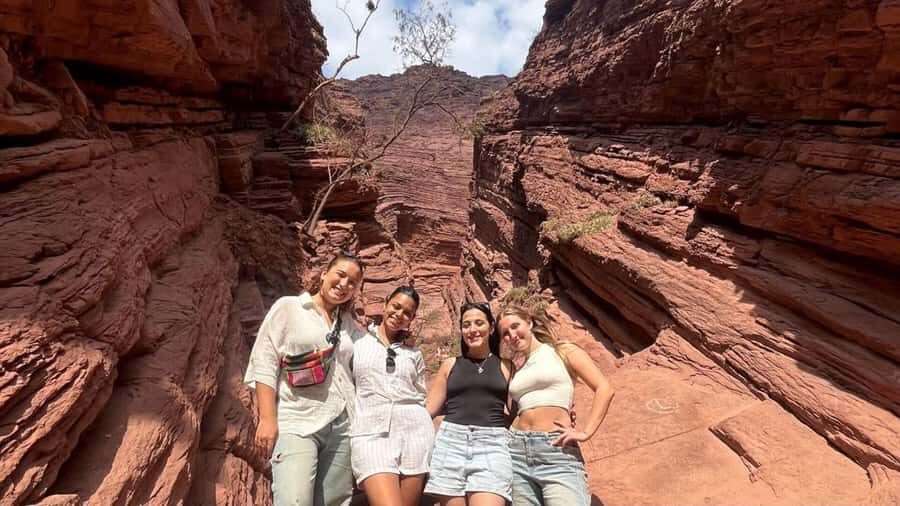
The day begins with morning hotel transfers in Salta. From there, you’ll cross the Lerma Valley, where the mix of agriculture and small towns gives you a real sense of what life looks like before you reach the higher, drier canyon country.
This part of the drive stands out because it isn’t just scenery for scenery’s sake. You’ll pass tobacco fields and villages with German colonial architecture, and you’ll hear how this area connected to the old Belgrano Railway route. Even if you’ve never studied Argentine railway history, the idea is easy: this corridor used to be a final destination for the railway, and that legacy still shapes how towns developed.
Practical note: the morning light can be strong, especially if your hotel pickup puts you into daylight early. This is where you’ll feel the value of simple packing—sunscreen and sunglasses are not optional if you burn easily.
What can be a drawback here is also obvious: you’re in a vehicle for a while before the canyon. If you hate being stuck in traffic or you get restless in vans, plan to bring something that makes sitting easier (like water and a layer for AC that might or might not be there).
Entering Quebrada del Río Las Conchas: rock shapes with names you’ll remember
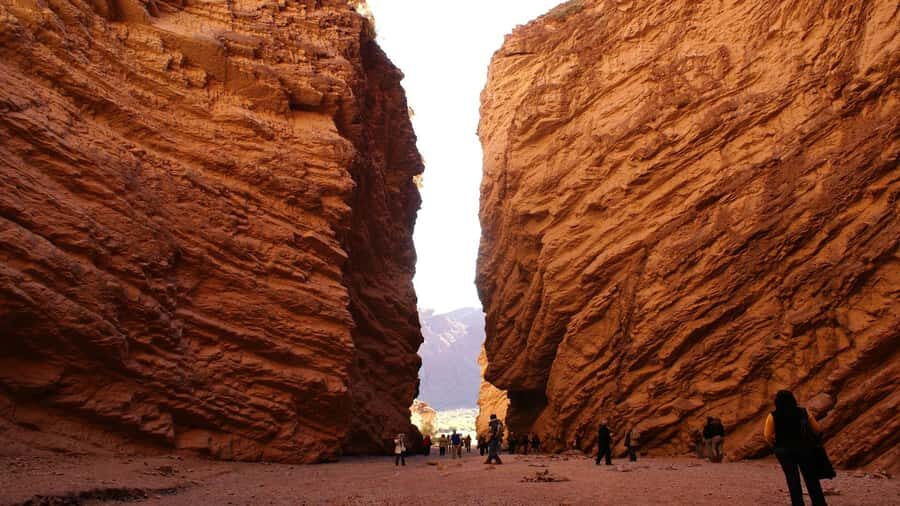
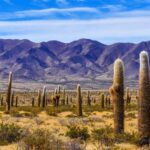
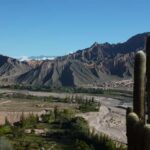
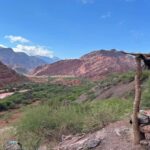
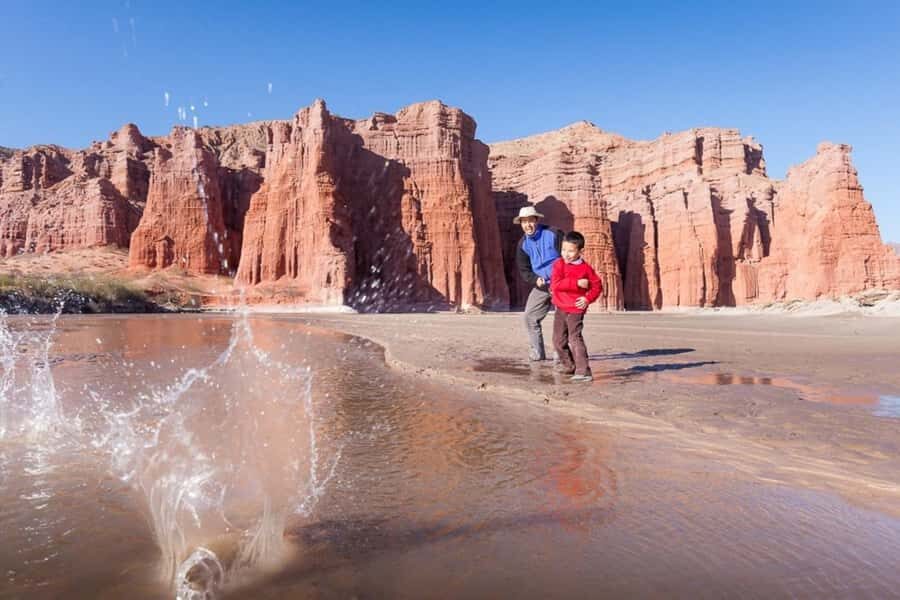
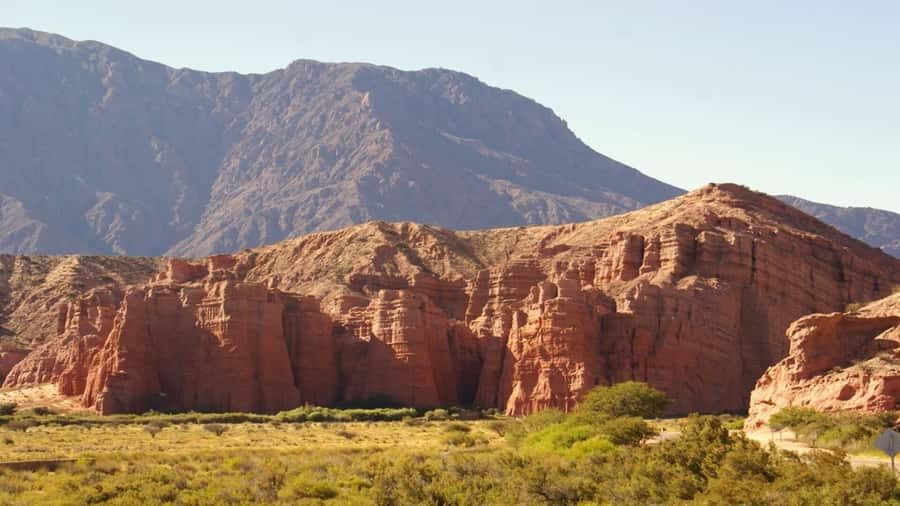
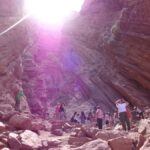
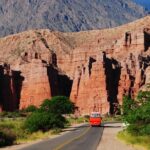
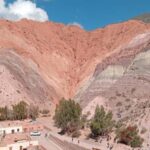
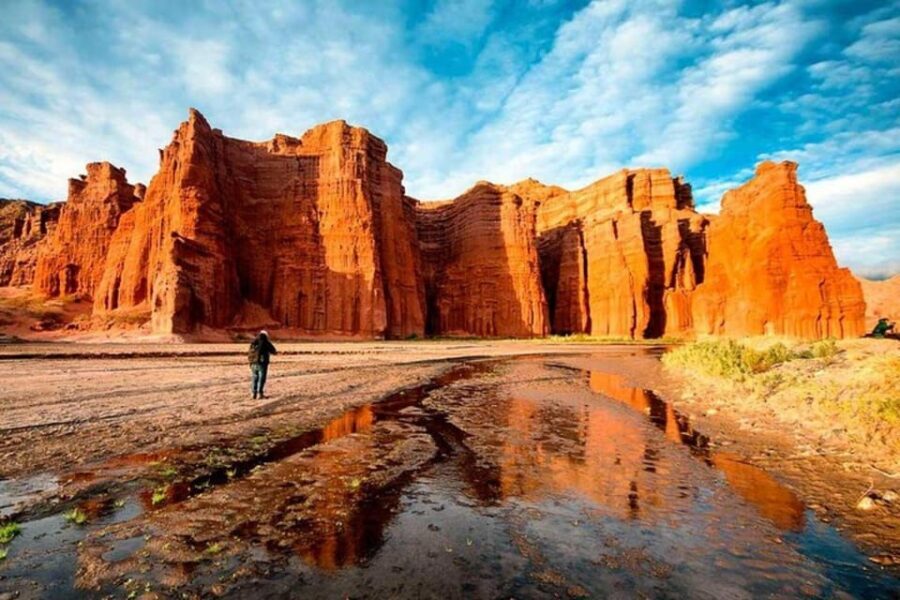
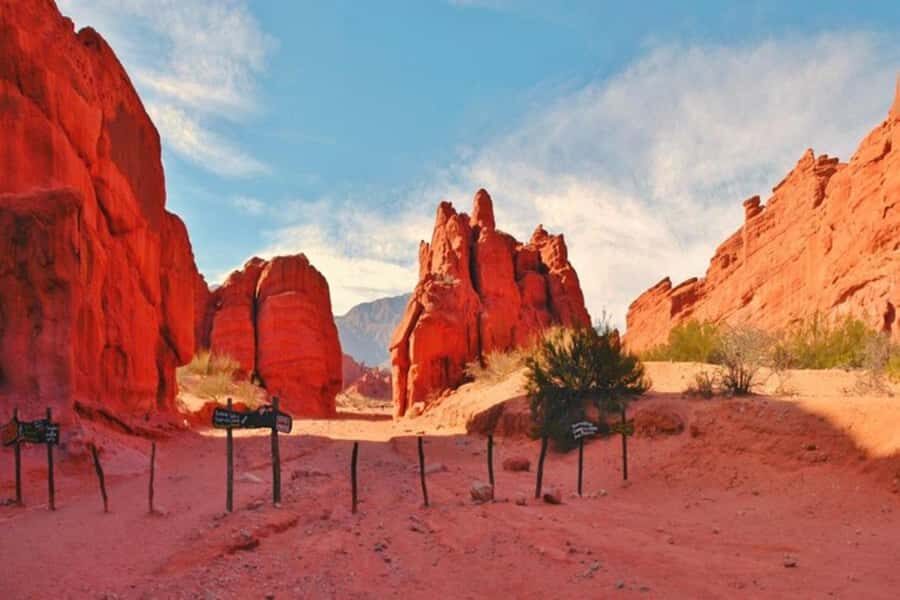
Once you transition into the Quebrada del Río Las Conchas, the day becomes visual and fun. This canyon is known for erosion—wind and water that slowly sculpted the rocks into shapes people name for what they resemble.
What makes the experience better than just driving through is that you’re not watching random rock piles. You’ll learn the rock formation names as you go past them, and each stop reads like a clue:
- dunes
- the toad
- the bishop
- the devil’s throat
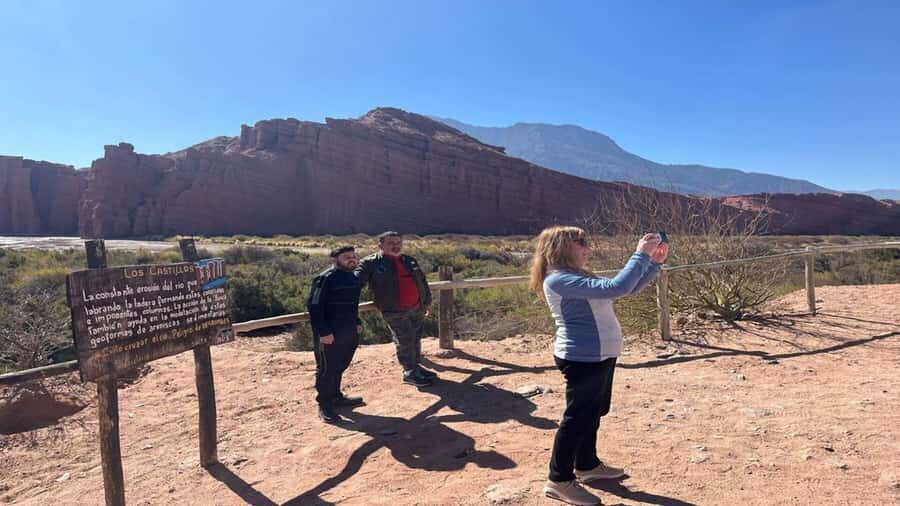
- the castles
- the amphitheater
That list isn’t there for trivia. It changes how you look at the canyon. Instead of seeing one long stretch of cliffs, you’ll start spotting silhouettes and patterns and noticing where erosion carved the details.
Two more things I think you’ll appreciate here:
- The canyon pacing is built around how you experience it. You’re not asked to hike hard for hours, but you do get enough time in the right place to actually absorb the formations.
- The guide’s narration adds context to the scenery, so it feels like you’re learning something while you stare upward and try to match the names to what you see.
Potential downside: wind. The canyon area can feel exposed. Wear something you’re comfortable moving in, and bring a sun layer or light jacket if you run cold once you’re in open air.
Cafayate arrival: the town that earns its wine reputation
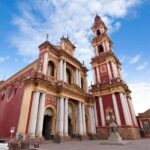
After the canyon drive, you continue on National Route 68 to Cafayate, the youngest city in the Calchaquí Valleys. The big reason people come here is wine—especially Torrontés—and that reputation isn’t just marketing fluff.
What I like about arriving after you’ve seen the canyon is timing. You’re already primed to think about terrain and weather, and then the day shifts to agriculture and glass. Cafayate doesn’t feel like a random stop. It feels like the wine part of the same story.
You’ll have time during the day for the winery visit and sampling. And because it’s guided, you’re less likely to feel like you walked into a wine place and missed the point.
A quick reality check: the tour listing doesn’t include food or drinks. That’s totally fine if you plan ahead, but it does affect how you’ll handle your energy. You might want to eat before you reach the winery if you’re the type to get hungry easily on full-day tours.
Winery time: Torrontés tasting with context (not just a sales pitch)
The winery visit is one of the core highlights, and for a good reason: wine in Cafayate is not just an accessory. It’s one of the main products that put the valley on the map.
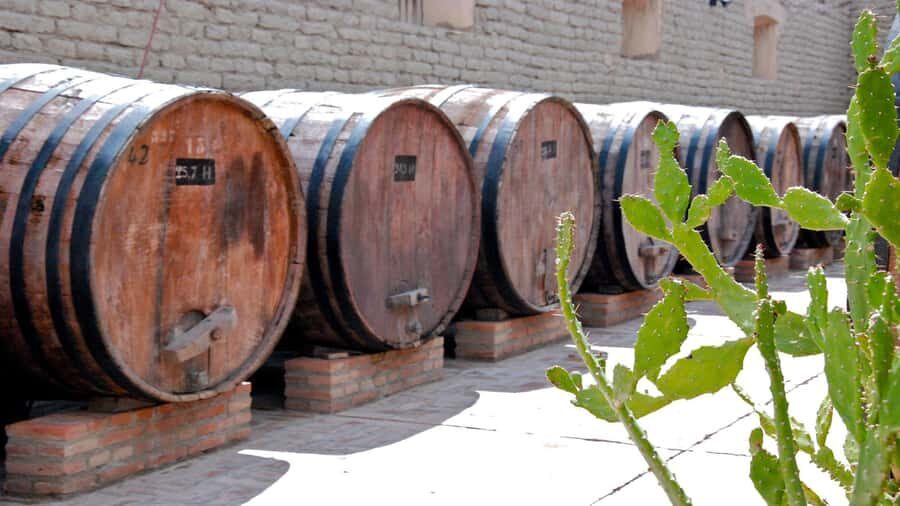
You’ll be able to sample Torrontés during the winery stop. What you should aim to do is use the guide’s explanations to connect the taste to the place. That’s where the winery visit becomes more valuable. A tasting without context can blur together. With context, you start noticing differences in aroma and flavor and thinking about why they might come from local growing conditions.
One more thing to watch for: the quality of the experience often depends on your guide and how the day is paced. One account praised Agostin specifically for being attentive and helping a guest get the most from the day despite mobility issues. Another praised Cecilia and Rodrigo. On the flip side, there’s also an account noting a guide who wasn’t in the best mood and another pointing out that a bodega stop felt less interesting. That tells me the winery experience can vary in how engaging it feels—so your attitude helps. Ask questions when you can. If something doesn’t grab you, use the canyon and route as your main payoff.

The return drive: same road, totally different canyon mood
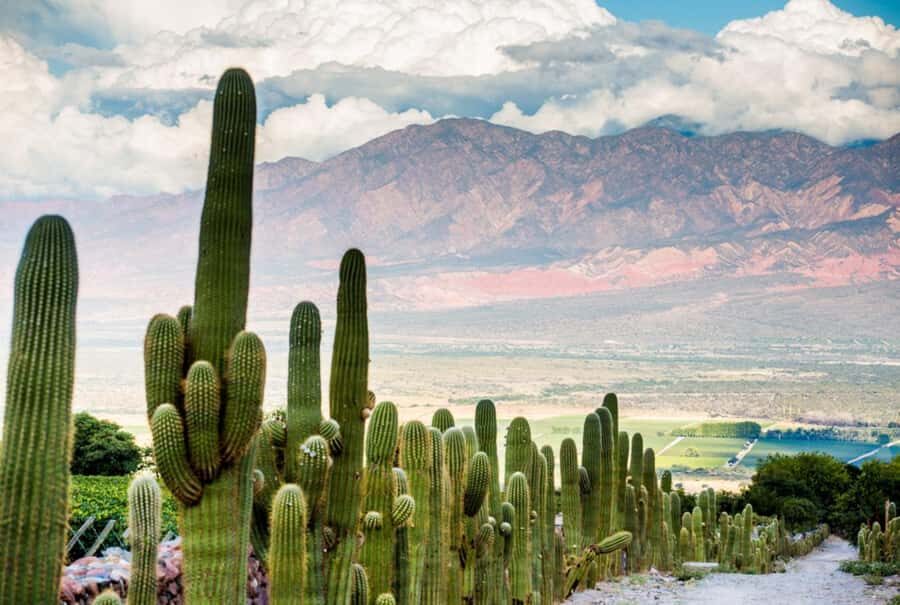
The return trip follows the same route back to Salta, but the light changes. That matters more than people expect.
When you head into the canyon earlier, you catch sharper contrast—rock edges and shadows can look crisp and defined. On the way back, sunlight angle shifts, and the canyon colors and depth reading can change. It’s like the canyon edits itself between morning and afternoon.
This is also why the day trip feels complete. You’re not seeing one still image. You’re seeing how the same place reads differently over time, which helps you understand it faster.
If you love photography, this is the part where you’ll often stop caring about getting the perfect shot and start enjoying the experience—because you already have the names of the formations in your head, and your eyes get better at matching what you see.
Price and value: what you pay for and what you’re getting
At about $41 per person for a full day, this tour looks like solid value when you consider three things you’d otherwise have to solve yourself:
- a professional guide to explain what you’re seeing (not just transport)
- round-trip transfers that remove the hardest parts of planning
- a winery visit that includes tastings
The cost also makes sense given the scope. You’re covering Lerma Valley, a major canyon route with named formations, and Cafayate in one long day. Doing it on your own would likely mean coordinating multiple transport legs or driving yourself and dealing with parking and timing.
The value weak point is also clear: food and drinks aren’t included. So the real total cost depends on your spending habits. If you buy snacks and lunch, budget accordingly. If you pack light and plan your meals strategically, you’ll keep it close to the base price.
So who gets the best deal? People who want the highlights, want explanation, and don’t want to manage logistics for a 12-hour loop.
Comfort, timing, and practical tips that keep the day smooth
A few practical details can make or break how you feel at the end of the day.
Pickup area matters. Pickups happen only from centrally located hotels. If your accommodation is outside that zone, you’ll get a meeting point instead. The pickup time gets confirmed 24 hours before the tour and is approximate, so keep that evening plan flexible.
What to bring:
- passport or ID card
- comfortable shoes
- sunscreen and sunglasses
What’s not allowed:
- luggage or large bags
That last point is more important than it sounds. Bring only what you can carry easily for a long day. If you’re arriving from somewhere else in Argentina with a big pack, this is one reason you might rethink your logistics for Salta.
Also, be ready for a day that includes both sun and wind. Comfortable shoes help because even without a strenuous hike, you’ll still likely move around at viewpoints and stops.
On language: the tour runs with a live guide in Spanish and English, so you should feel supported even if you’re not fluent in Spanish.
Should you book the Salta to Cafayate day trip?
I’d book it if you want a single-day hit of Salta Province highlights: Lerma Valley scenery, the named formations of Quebrada de las Conchas, and a winery visit in Cafayate tied to Torrontés. It’s a good choice for first-time visitors who don’t want to piece together transport and don’t want to miss the canyon country.
I’d hesitate if you’re extremely sensitive to long days, dislike sitting in a vehicle for extended stretches, or need lots of food/drink support during the day since nothing is included. And if you get hot easily, note that at least one account flagged a lack of air conditioning on a van, so dress for warmth and bring a layer you can manage.
If you do book, set yourself up for success: wear shoes for uneven ground, bring sun protection, and treat the day as an outdoor sightseeing loop with a winery finish—then you’ll get your money’s worth.
FAQ
How long is the Salta to Cafayate day trip?
The duration is 12 hours.
Is hotel pickup included?
Yes, round-trip transfers are included. Pickup is available only from selected centrally located hotels, and if your hotel is outside the area you’ll be given a closest meeting point.
What languages are the guides?
The live tour guide is available in Spanish and English.
Is food or drinks included?
No. Food and drinks are not included, and the tour does not list any included meal.
Do I visit a winery in Cafayate?
Yes. The tour includes a visit to a winery, where you can sample Torrontés.
What should I bring and what can’t I bring?
Bring your passport or ID card, comfortable shoes, sunscreen, and sunglasses. Luggage or large bags are not allowed.