REVIEW · SALTA
Salta: Quebrada de Humahuaca and Purmamarca Day Trip
Book on GetYourGuide →Operated by Tangol · Bookable on GetYourGuide
Color bands in the Andes, in one long day. I like the way Purmamarca’s seven-colored hill gives you an instant wow moment, and I also like the stop-by-stop focus on church art and monuments along the Quebrada de Humahuaca route. It’s a long day, but it feels like a guided sampler of Jujuy’s culture and scenery, from narrow village streets to major city highlights.
One consideration: this tour is 13 hours, so you’ll do a lot of driving and you may spend time at planned stops that include shops and craft areas.
In This Review
- Key Highlights in Plain Terms
- Getting Value From a 13-Hour Quebrada Loop
- Purmamarca: Seven-Colored Hill, Church, and the Square Market
- Tilcara Ruins and the Archaeological Museum Stop
- Tropic of Capricorn Views and La Pollera de la Coya
- Uquía’s Church and the Arcabuceros Angels Paintings
- Humahuaca Around Noon: Independence Monument and a Major Church
- Maimara and the Roadside Photo Framing: La Paleta del Pintor
- San Salvador de Jujuy: Flag Hall, Cathedral Pulpit, and Lola Mora
- The Return Via National Route 9: Stops That Break Up the Drive
- Shoes, Bags, and How to Be Comfortable on a Long Day
- Who This Day Trip Fits Best
- Should You Book This Salta to Jujuy Day Trip?
- FAQ
- How long is the Salta day trip to Quebrada de Humahuaca and Purmamarca?
- Where does the tour actually begin?
- What stops are included during the day?
- Is pickup from my hotel included?
- What languages does the guide speak?
- Are meals included in the price?
- Do I need to pay an entrance fee at Tilcara Ruins?
- Can I bring large luggage or bags?
- Is there free cancellation?
- What should I bring?
Key Highlights in Plain Terms
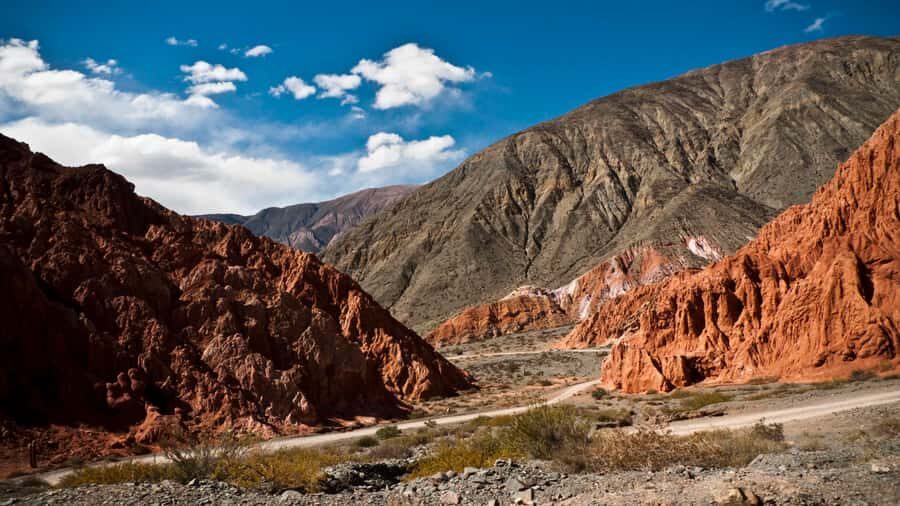
- Seven-colored hill in Purmamarca as your early, eye-stopping “start here” moment
- Tilcara ruins and an archaeological museum to ground the views in local history
- Arcabuceros Angels paintings in Uquía’s church for a quieter, more artistic break
- Humahuaca’s independence monument by sculptor Soto Avendaño and a major church stop
- San Salvador de Jujuy’s Flag Hall and Cathedral for big-city culture after the mountains
- Return via National Route 9 with multiple scenic viewpoints along the way
Getting Value From a 13-Hour Quebrada Loop
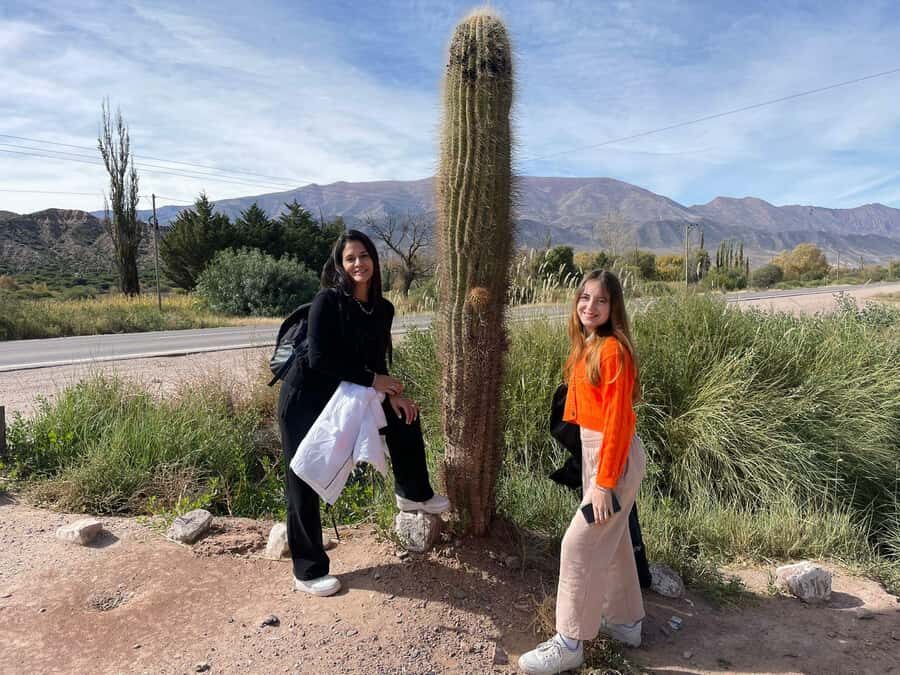
For $111 per person and a 13-hour schedule, the value comes from packing a lot of named places into one guided day. You get round-trip transfers from your hotel in Salta, a Spanish/English guide, and an itinerary that connects the mountain villages with the capital’s most important sights.
The key is managing expectations. This isn’t a slow, wander-at-will trip. It’s a route-based experience where the guide keeps momentum, the vehicle does the heavy lifting, and your best views often happen at specific stops.
A few more Salta tours and experiences worth a look
Purmamarca: Seven-Colored Hill, Church, and the Square Market
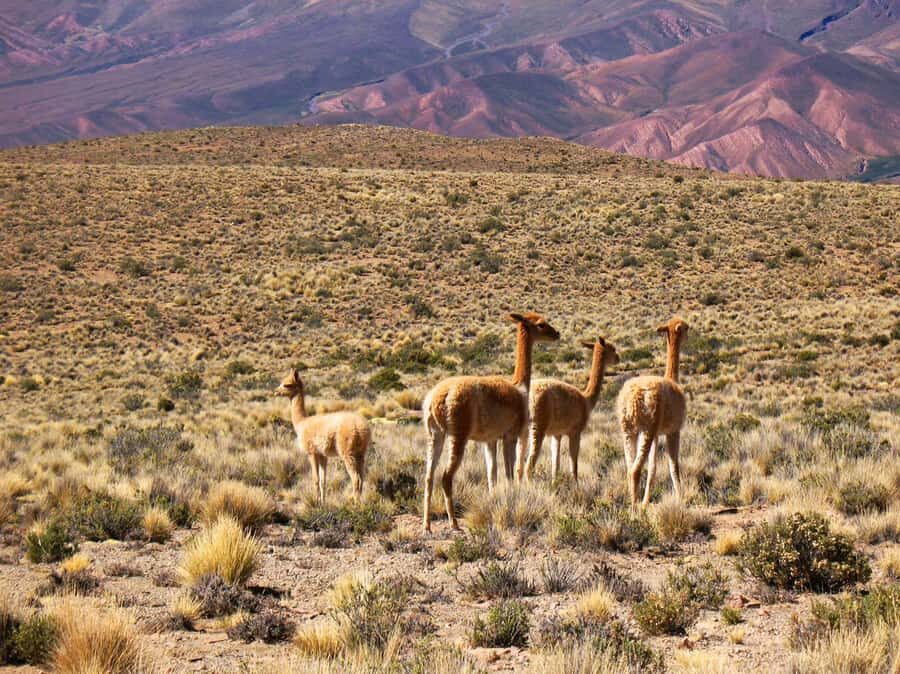
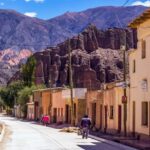
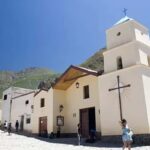
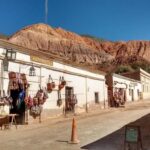
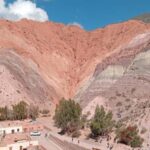
The tour technically starts when you arrive in Purmamarca village, not when you leave Salta. If you want a smooth “first hour payoff,” this is it. You’ll see the 7-colored hill that gives Purmamarca its fame, plus the village church and a quick walk through narrow streets.
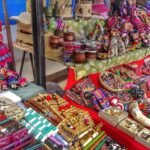
Then comes the part many people actually enjoy: the craft market on the square. It’s the kind of stop where you can browse without feeling like you’re racing, and you can pick up small items that reflect the region’s textile and artisan traditions.
If you’re picky about shopping time, keep it practical. Go with a light plan—either browse for a short window or decide what you’re looking for—because this day already has a lot of moving parts.
Tilcara Ruins and the Archaeological Museum Stop
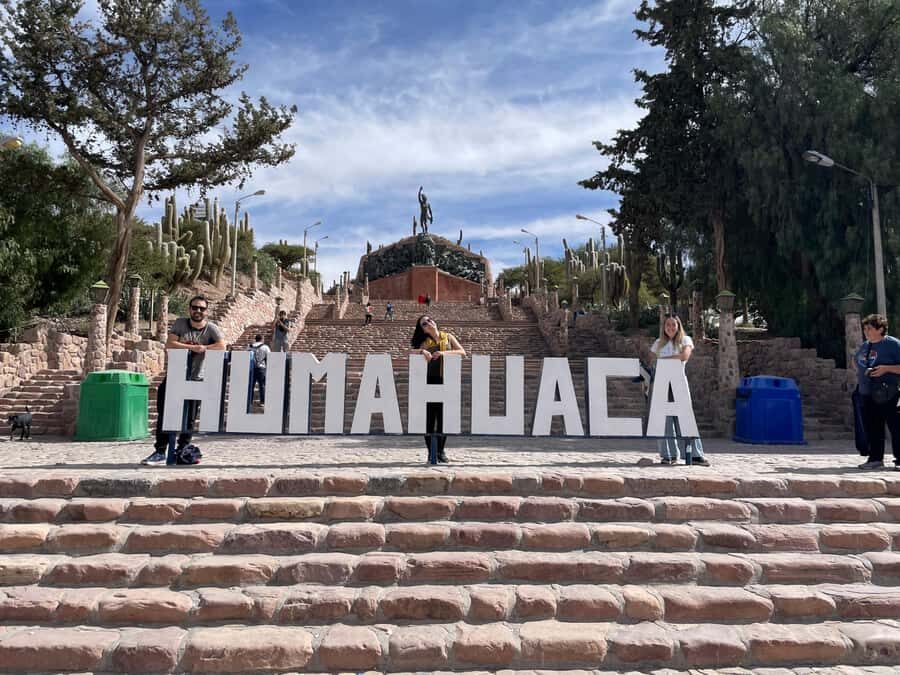
Next up is Tilcara, where the day shifts from village charm to something more grounded: ancient ruins and an archaeological museum. This pairing matters. Ruins let you see place and scale, while the museum can help you understand what you’re looking at without needing extra research beforehand.
And Tilcara is a good checkpoint because it sits right in the heart of the Quebrada route. You’re not just passing through a town—you’re getting a focused cultural stop that gives context for the mountains outside the windows.
One small note for budgeting: the entrance fee to the Tilcara Ruins is not included. If you’re watching costs, factor that in ahead of time.
Tropic of Capricorn Views and La Pollera de la Coya
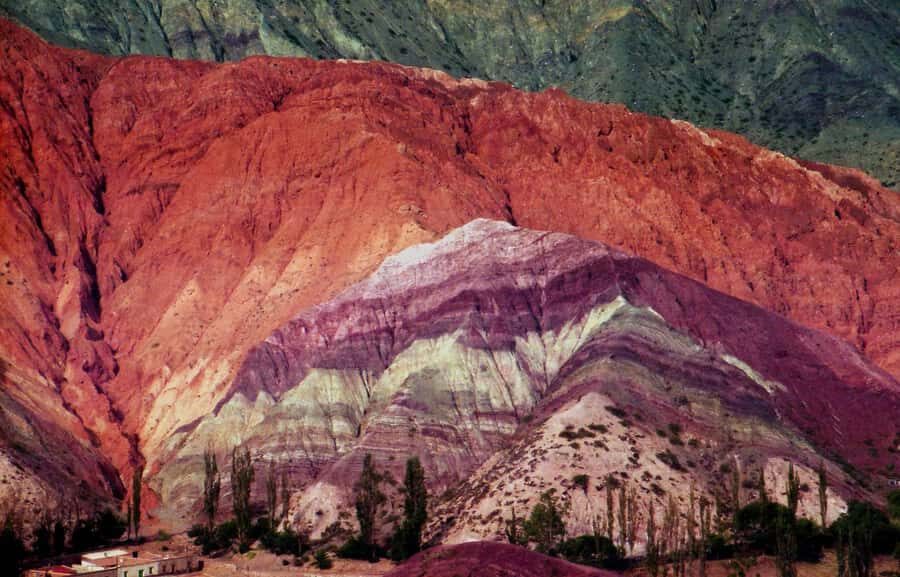
After Tilcara, the tour crosses the Tropic of Capricorn—one of those geography markers that makes the trip feel real rather than postcard-only. Even if you’ve never studied latitude lines, you’ll still get that practical feeling: the guide points out where you are, and the views help you connect the map to the terrain.
Then you’ll take in views of La Pollera de la Coya. This is one of those “look, compare, and enjoy the shapes” moments. Don’t overthink it. Stand where the group pauses, let your eyes adjust to the colors and contours, and use your camera like a tool, not a distraction.
Uquía’s Church and the Arcabuceros Angels Paintings
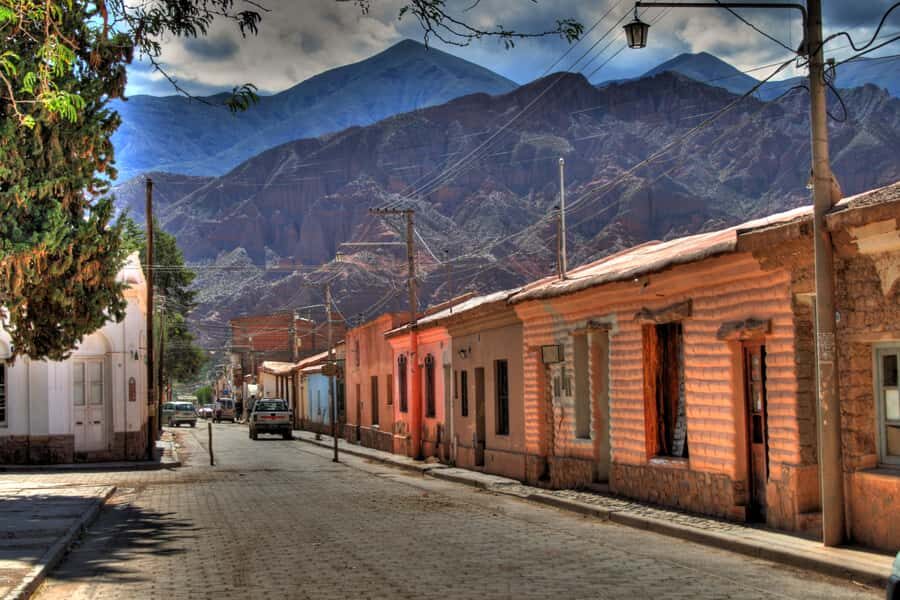
Uquía is shorter on spectacle scale than some of the bigger stops, but that’s exactly why it works. You’ll visit the church that houses the paintings of the Arcabuceros Angels.
This is a smart contrast after the open-air scenery. Instead of chasing the horizon, you slow down and look at details—color, figures, and the style of the artwork in a real local setting.
If you like religious art and local craftsmanship in context, this stop is often the kind that makes the day feel more human, not just scenic.
Humahuaca Around Noon: Independence Monument and a Major Church
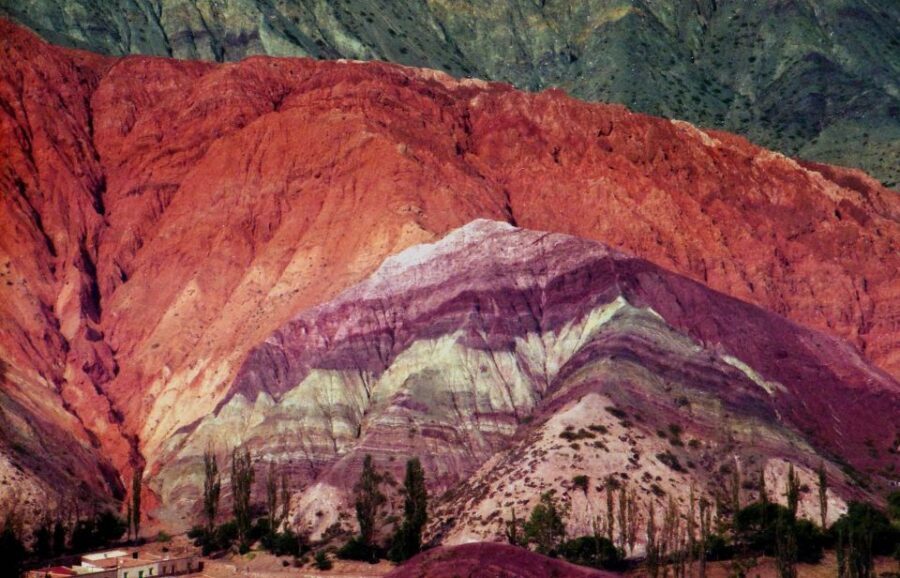
You’ll arrive in Humahuaca at around noon, which is helpful because it gives you time for lunch without squeezing the main sightseeing too late. Humahuaca is important here, and the itinerary reflects that.
You’ll see a major church and an independence monument by sculptor Soto Avendaño. That combination matters: monuments give you the political story, while churches remind you of the everyday spiritual life that shaped the region.
Plan your pace. After morning villages and ruins, noon is a good moment to take a breath, eat, and then return your attention to the details—stonework, facades, and the monument setting. Even in a fast group schedule, Humahuaca tends to give you something tangible to focus on.
Maimara and the Roadside Photo Framing: La Paleta del Pintor
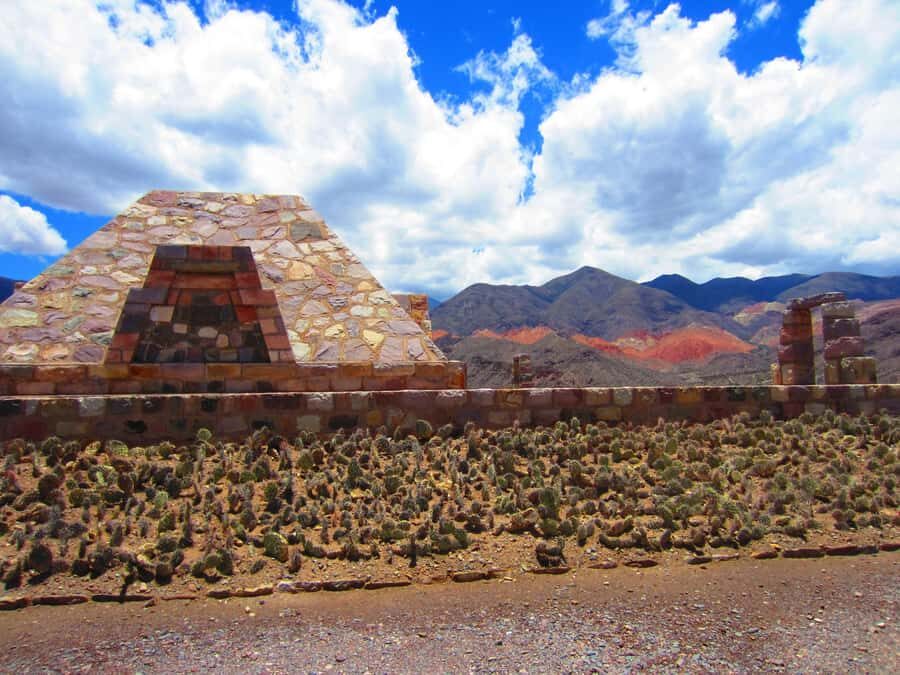
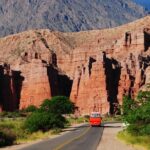
After lunch, you’ll drive past La Paleta del Pintor, which frames the town of Maimara. This is a classic route-style sight: a roadside stop where the whole value is the angle and the way the terrain and colors line up.
It’s worth stepping out, if the group stops briefly, and taking the photo quickly but carefully. The point isn’t having the perfect shot. The point is understanding how the Andes look from this road—layered, striped, and shaped by light.
If you’re sensitive to timing, remember this is one of the many “stop windows” of the day. A short stop can still be meaningful when it’s placed at an exact viewing spot.
San Salvador de Jujuy: Flag Hall, Cathedral Pulpit, and Lola Mora
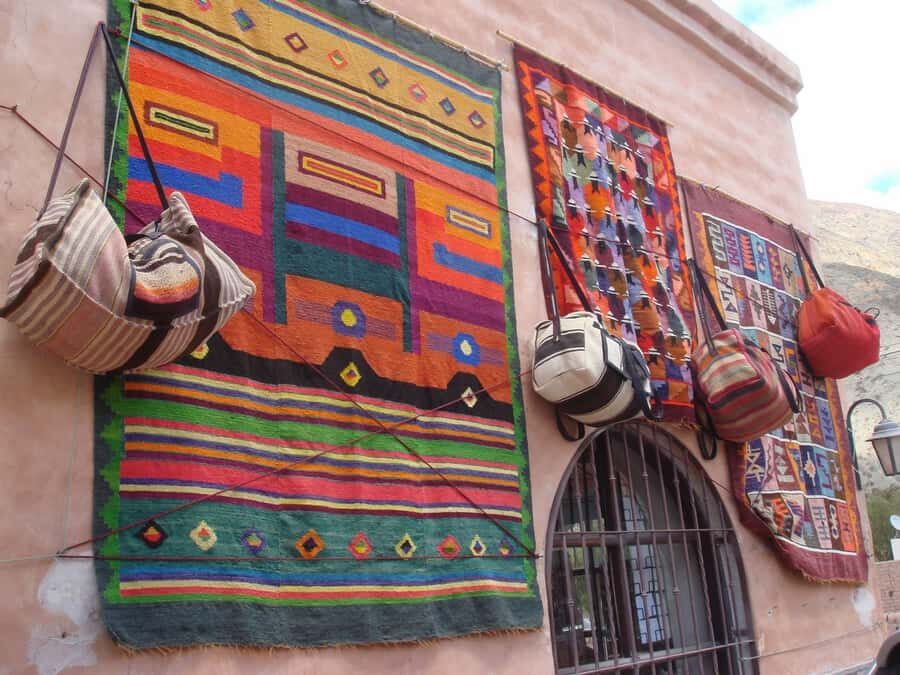
Once the tour reaches San Salvador de Jujuy, the vibe shifts from highland villages to city landmarks. You’ll see the Flag Hall and then visit the Cathedral.
Inside the Cathedral, the pulpit is carved wood and gold, and you’ll also see statues by Lola Mora. If you like art and architecture, this is a strong capstone. After all the outdoor scenery, these interior highlights help you understand the region’s artistic ambition.
This is also where the guide’s explanation can really pay off. Even without deep background, these named features give you anchors. You start noticing how the day connects: religion and public symbols show up again and again, just in different formats.
The Return Via National Route 9: Stops That Break Up the Drive
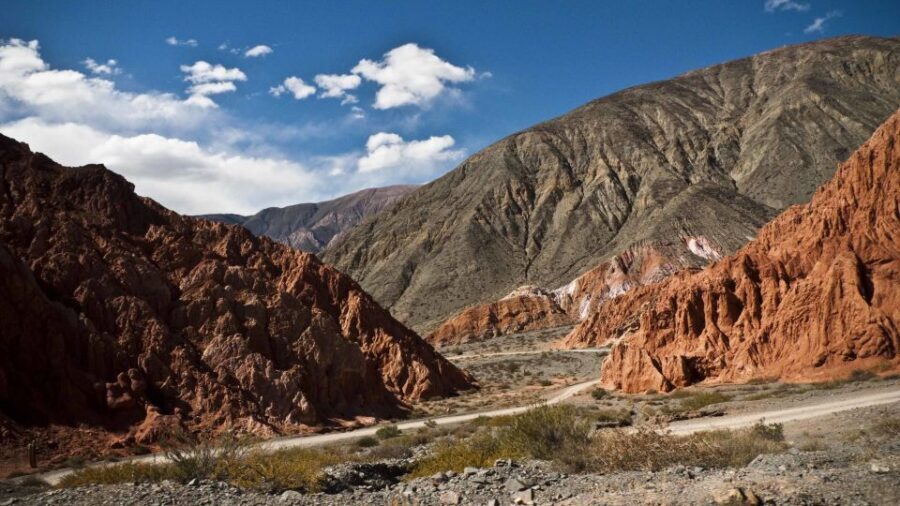
On the way back to Salta, you’ll travel by National Route 9 through subtropical vegetation. It’s a noticeable change from the mountain scenery earlier in the day, and that contrast is part of the value of staying on this route instead of picking only one area.
The final stretch includes viewpoints and stops along the way, such as El Abra of Santa Laura, La Cienaga dam, Las Maderas, and Campo Alegre. These are usually more about perspective and getting fresh air than about a long guided walkthrough.
Bring a practical mindset for the ride back. If you pack a small strategy—camera ready, water accessible, and comfortable shoes—you’ll enjoy the scenic rhythm instead of feeling worn down by it.
Shoes, Bags, and How to Be Comfortable on a Long Day
This tour has a few practical rules that affect your comfort. Wear comfortable shoes, because you’ll walk briefly in village streets and around key stops. Also, luggage or large bags are not allowed, so travel light if you want an easy day.
Since food and beverages are not included, you’ll want to handle meals on your own. Lunch is part of the itinerary as a stop, but you’ll be responsible for what you order.
One more tip from a common real-world issue: confirmation can be messy if you rely on only one channel. If you book through a platform and then don’t hear back in time, double-check your email and any messages you were sent. Plan to confirm your pickup details before the day arrives, not after.
Who This Day Trip Fits Best
This experience fits best if you want a guided route that hits the big names—Quebrada de Humahuaca towns, ruins, church art, and city landmarks—in one day. It’s also a good match for people who don’t want to piece together public transport or worry about driving.
It may not be ideal if you strongly prefer slow travel, long time in one town, or zero shopping stops. The itinerary includes craft market time and other brief stops along the way, so you’ll likely move through areas faster than you would on your own.
Should You Book This Salta to Jujuy Day Trip?
I’d book it if you want maximum sightseeing per day and you’re happy to trade a slower pace for an efficient route. Purmamarca’s seven-colored hill and the Humahuaca monument stop give you clear, memorable anchors, while Uquía’s Arcabuceros Angels and San Salvador de Jujuy’s Cathedral details add variety.
Skip it if you hate driving days or if you’re the type who wants hours of free time in just one place. This tour is built for coverage, not lounging. If that sounds like you, choose a slower base and explore fewer towns in depth.
FAQ
How long is the Salta day trip to Quebrada de Humahuaca and Purmamarca?
The duration is 13 hours.
Where does the tour actually begin?
Although it starts from Salta with pickup, the sightseeing begins when you arrive in Purmamarca village.
What stops are included during the day?
You’ll visit Purmamarca, Tilcara (ruins and museum), Uquía (church with Arcabuceros Angels paintings), Humahuaca (church and independence monument), plus stops through Maimara and San Salvador de Jujuy (Flag Hall and Cathedral), before returning to Salta.
Is pickup from my hotel included?
Yes. Pickup is included from your hotel in Salta.
What languages does the guide speak?
The guide is Spanish/English speaking (languages listed: Spanish and English).
Are meals included in the price?
No. Food and beverages are not included.
Do I need to pay an entrance fee at Tilcara Ruins?
Yes. The entrance fee to Tilcara Ruins is not included.
Can I bring large luggage or bags?
No. Luggage or large bags are not allowed.
Is there free cancellation?
Yes. You can cancel up to 24 hours in advance for a full refund.
What should I bring?
Bring a passport or ID card and wear comfortable shoes.