REVIEW · TILCARA
Trekking Purmamarca
Book on Viator →Operated by Purmamarca Aniacho Turismo · Bookable on Viator
A quiet walk, big science. This private trek near Purmamarca takes you a few kilometers out of town onto an exclusive path with no crowds, where you’ll learn how wind and water shaped the dry river bed into striking geological forms. It’s built for real appreciation, not speed.
What I like most is the way the guide turns the ground under your feet into a story—geology plus native culture—and makes it understandable on the trail. The second big win is the pacing: it’s not a competition, and the guide adjusts to your group so you can actually enjoy the stops and the explanations (as guide Fabricio did for one family, helping them move at their pace and really connect the dots).
One thing to consider: you’ll be walking a dry river bed for about 4 km and it runs in good-weather conditions. If your body doesn’t like altitude or uneven footing, plan for a slower rhythm and bring what you need.
In This Review
- Key Highlights You’ll Feel Right Away
- Trekking Purmamarca: How the 4 Hours Actually Work
- Leaving Town for an Exclusive Trail (Not a Race)
- Dry River Bed Trekking: The 4 km That Teaches You to Look
- Geology + Native Culture: What the Guide Turns Into Meaning
- Flora Notes and Medicinal Uses: Learning Without Pretending You’re a Botanist
- The 2700-Meter Pause: A Short Break That Changes the Rest of the Hike
- Price and Value: Is $60 Worth It?
- What to Bring (So You Don’t Cut the Hike Short)
- Who This Private Trek Fits Best
- Weather Matters More Than You Think
- Should You Book Trekking Purmamarca?
- FAQ
- Where does the trek start and end?
- How long is Trekking Purmamarca?
- How far do we hike?
- What elevation do we reach?
- Is this a private tour?
- What is included in the price?
- What should I bring?
- What fitness level do I need?
- Does it run in all weather?
- Can I cancel for free?
Key Highlights You’ll Feel Right Away
- Exclusive, low-crowd route a few kilometers from town with no one crossing your path
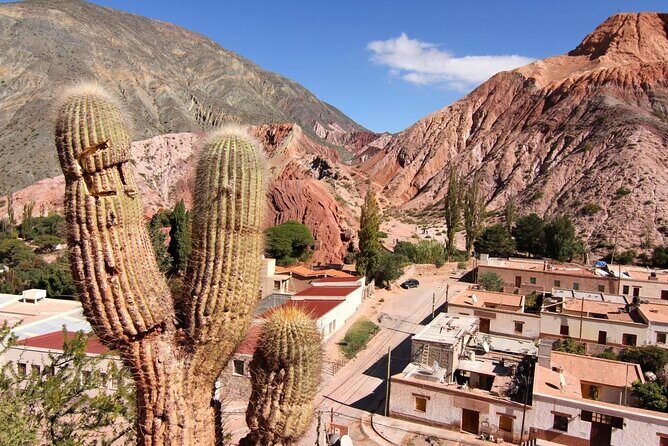
- 4 km across the dry river bed shaped by wind, water, and Pachamama forces
- 2700 meters rest stop about half an hour before the return
- Geology + native culture explanations while you walk, not in a classroom
- Flora with medicinal uses tied to the region’s everyday knowledge
Trekking Purmamarca: How the 4 Hours Actually Work
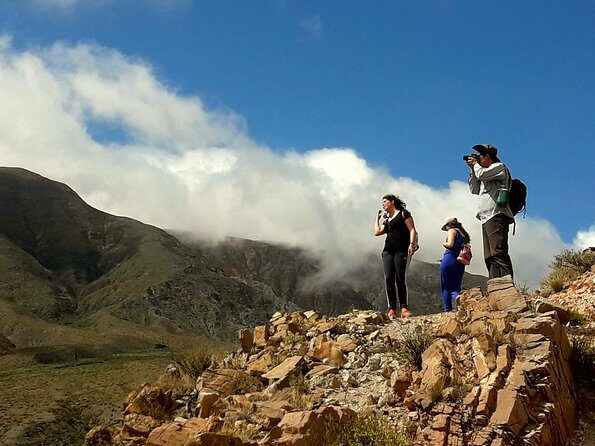
This is a private trek that runs about 4 hours total, built around a simple idea: walk a short distance, then understand what you’re seeing. The route starts back at the meeting point in Purmamarca (Lavalle, Y4618 Purmamarca, Jujuy, Argentina) and returns there as well, so you don’t spend your time juggling logistics.
You’ll head out a few kilometers from town to reach an exclusive path. That matters here. The dry river bed is fascinating, but it’s a lot more enjoyable when you’re not constantly stepping aside for other groups. The activity is designed for a bearable effort, with a guide who keeps the pace realistic for the participants.
The main walk portion is a 4-kilometer stretch across the dry river bed. Along the way, you get on-the-trail interpretation: history, native culture context, and what to notice in the plants (including medicinal uses). Then, when you reach around 2700 meters, you pause for about 30 minutes. After that reset, you head back.
You can also read our reviews of more tours and experiences in Tilcara.
Leaving Town for an Exclusive Trail (Not a Race)
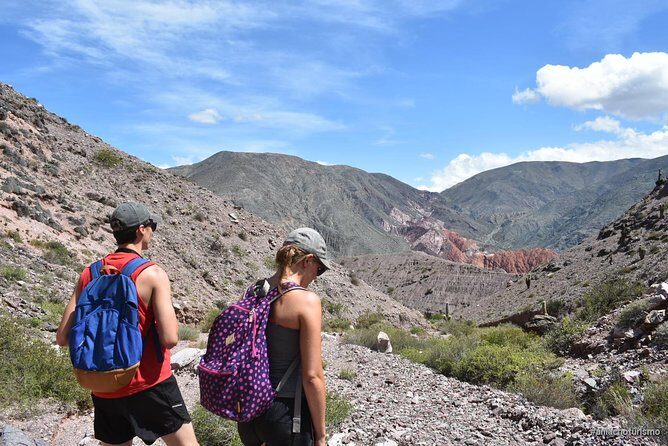
Most hikes feel like they’re either about views or about exercise. This one leans hard into the first part—attention. You start away from town on a path where you’re meant to feel the “space” of the area. The tour description is clear about not finding or crossing other people, and that shapes the whole experience. Less traffic means you can hear yourself think and actually absorb what the guide is pointing out.
It also means your photos come out more natural. You’re not constantly waiting for someone to move. You’re walking with a small group energy (just your group on a private tour), which makes it easier for the guide to pause when someone spots something interesting—or when you just need a slower moment.
The guide frames it as not a competition. That’s more than a nice attitude. It’s practical. Short hikes can still wear you out if the pace is stubborn, especially on uneven ground. Here, you’ll keep it bearable based on your physical conditions.
Dry River Bed Trekking: The 4 km That Teaches You to Look
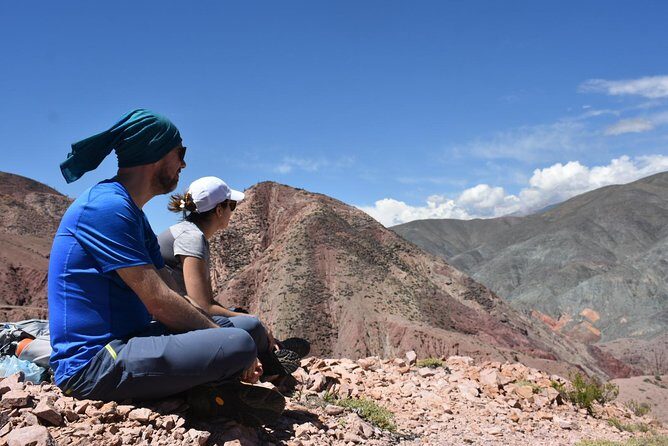
The heart of the hike is the 4-kilometer journey across a dry river bed. This isn’t just “walk and look around.” The route is chosen because the geology is visible, and the guide connects the shapes to forces over time.
The tour highlights geological forms in sediments carved by the action of wind, water, and what they call Pachamama force. Even if you don’t know the technical terms, you can still “read” the evidence: erosion lines, texture changes, and how layers show up in the terrain. A good guide helps you notice the difference between random rock and patterns worth learning.
Here’s how I’d approach the walk if I were planning your day: keep your eyes moving in a slow loop—ground texture, mid-distance formations, then back down. That rhythm matches what the guide is doing: talking history and culture, then pointing out flora, then returning to geology.
Also, the dry river bed can mean footing that feels different from a smooth trail. Bring a little care to your steps. If you’re traveling with knees that don’t love uneven ground, you’ll be glad you moved calmly and didn’t try to power through.
Geology + Native Culture: What the Guide Turns Into Meaning
You’re not getting a lecture. You’re getting explanations while you walk, and that changes how the information lands. The guide’s role is central: they interpret what you’re seeing and connect it to history and native culture during the trek.
One of the strongest clues is the review praising Fabricio. That family specifically called out how he explained geology and flora and fauna, and how that made the rest of their trip feel easier. That’s the real value of a guide like this: you stop treating the region as a set of pretty photos and start understanding why things look the way they do.
If you like travel moments that feel like they teach you something without taking away the fun, this is that type of tour. The guide is also setting expectations properly: this is about discovering nature at its best on a path where you share anecdotes. So you get practical storytelling, not just facts.
Flora Notes and Medicinal Uses: Learning Without Pretending You’re a Botanist
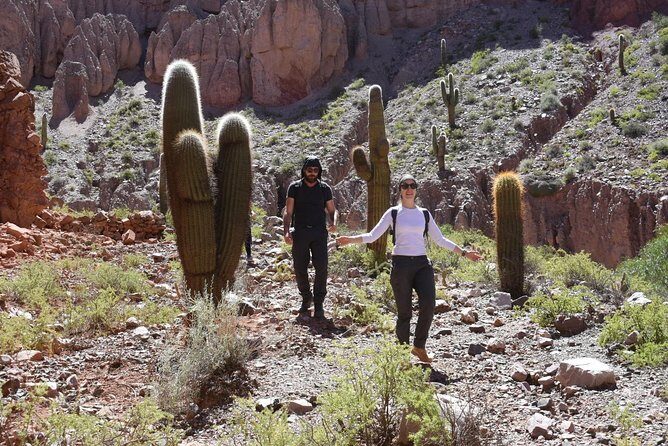
The trek includes interpretation of flora, including medicinal use. That’s a big deal on hikes in places like this. Plants aren’t just scenery. When a guide tells you medicinal use in context, it changes your attention from “pretty leaves” to “why this plant matters locally.”
You don’t need to be a plant expert. The guide’s job is to help you notice what to look for and how locals think about the plants. I’d treat this part like a conversation: listen for how the guide describes practical uses and why those uses exist in a place with this particular environment.
One caution: medicinal information can be complex, and the only safe way to use it is through trusted local knowledge. Here, you’re learning interpretation and cultural context while walking—not picking plants for home remedies. Keep it educational, not experimental.
The 2700-Meter Pause: A Short Break That Changes the Rest of the Hike
When you reach 2700 meters, you stop for about 30 minutes. That’s not just time to rest your legs. It’s also a chance to let the altitude and the setting settle in.
At this point, you’re typically done with the main outward effort and you’re transitioning into the return. A guided pause makes the hike feel less rushed. You can breathe, drink water, and reset your pace for the way back.
If you’re sensitive to altitude, use the break wisely: slow down your breathing, sip water steadily, and don’t immediately surge back into fast walking. The tour description also emphasizes that the activity is bearable and matched to participants’ physical conditions, so you should feel comfortable asking for a slower rhythm.
Price and Value: Is $60 Worth It?
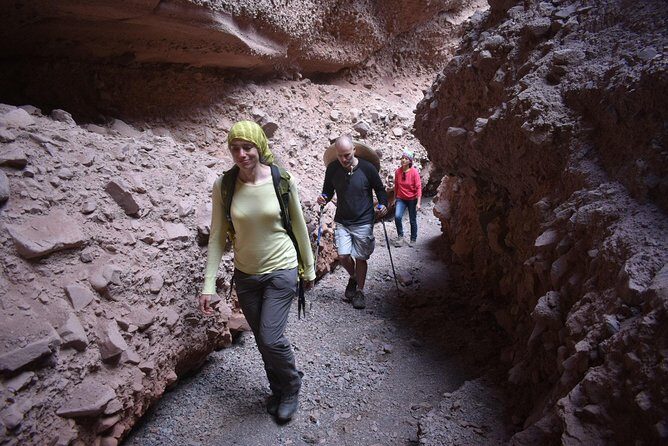
At $60.00 per person for an experience that runs about 4 hours, the value depends on what you want from the day. This isn’t priced like a big group bus tour. It’s positioned as a private activity with personalized service.
Here’s what you’re really paying for:
- Private group experience only your group participates
- Guide interpretation of geology, history, native culture, and flora with medicinal uses
- Exclusive path that aims to keep the hike away from other people
That combination can be worth it, especially if you’re the type who wants meaning in the trip instead of just motion. Also, one review highlights that doing it early helped them understand the region better in the days after. Even without assuming you’ll repeat that exact benefit, the logic holds: learning the “why” often improves how you enjoy everything else.
What you need to budget for: snacks aren’t included, and you should bring a water supply. The tour description says the participant must provide water, so don’t show up hoping it’ll be handled for you.
What to Bring (So You Don’t Cut the Hike Short)
The inclusion list is short on purpose: personalized service is included. That means you should plan your own comfort items.
Pack:
- Water (the participant must provide it)
- Snacks if you want them (not included)
- Sun protection for daytime trekking
- Sturdy shoes for dry river bed footing
If you’re going in the middle of the day, the sun can be honest. Keep that in mind during the return, when you might feel tempted to hurry. A guide-paced hike can still feel long if you’re under-fueled or dehydrated, so bring what keeps you steady.
Good news: service animals are allowed, so if you rely on one, you can plan accordingly.
Who This Private Trek Fits Best
This trekking experience is described as suitable for people with moderate physical fitness. It’s also framed as “bearable” and adjusted to your conditions, not an endurance test.
I think it’s a strong match if you:
- Want a quiet route and an experience away from crowds
- Like learning geology and culture while moving
- Prefer guided pacing over “go faster” energy
- Enjoy educational trail stories, including medicinal plants in cultural context
It might not be your best fit if you’re looking for a strenuous workout or long mileage. The route is 4 km, and the day is designed for learning and appreciation. You’ll still get movement, but it won’t feel like a grinder hike.
Weather Matters More Than You Think
This activity requires good weather. That’s not a random rule. The route runs across a dry river bed and you’ll be outdoors for roughly 4 hours. Weather affects comfort, footing, and overall safety, so it’s good they’re straightforward about it.
If the experience is canceled due to poor weather, you’ll be offered a different date or a full refund. That flexibility is helpful when you’re planning a short stay in the area and trying to match your best day to the forecast.
Should You Book Trekking Purmamarca?
If your ideal day in the Andes includes a short hike, quiet surroundings, and a guide who explains what you’re actually walking on, I’d book it. The exclusive nature of the path and the focus on geology + native culture + medicinal flora make this feel like more than a walk-about.
Choose it especially if you want your first morning in Purmamarca to set the tone. The experience with Fabricio is a good reminder of what you can gain from a thoughtful guide: you don’t just see the region, you start understanding it quickly.
One final check before you go: bring water, plan for moderate fitness, and be ready to take it easy if the weather isn’t cooperating. Do those three things, and you’ll likely end the day feeling like you learned something real, not just survived a hike.
FAQ
Where does the trek start and end?
The trek starts and ends back at the meeting point in Purmamarca: Lavalle, Y4618 Purmamarca, Jujuy, Argentina.
How long is Trekking Purmamarca?
It lasts about 4 hours (approx.).
How far do we hike?
The trekking portion is about 4 kilometers across the dry river bed.
What elevation do we reach?
You reach approximately 2700 meters (noted as 2700 meters / nm) where you rest for about half an hour before returning.
Is this a private tour?
Yes. It’s private, and only your group participates.
What is included in the price?
The experience includes personalized service.
What should I bring?
You should bring your own water. Snacks are not included, so bring what you need.
What fitness level do I need?
You should have a moderate physical fitness level.
Does it run in all weather?
It requires good weather. If poor weather cancels it, you’ll be offered a different date or a full refund.
Can I cancel for free?
Yes. You can cancel up to 24 hours in advance for a full refund. If you cancel less than 24 hours before, you won’t get a refund.