REVIEW · BUENOS AIRES
Buenos Aires: Historic Buenos Aires Landmarks & Icons Tour
Book on GetYourGuide →Operated by daddiescuriosos · Bookable on GetYourGuide
Buenos Aires in 150 minutes, on foot. This tour strings together the city’s most recognizable landmarks with clear stories, so the center stops feeling like random monuments. You get photo moments, short museum visits, and a few viewpoint angles that help you understand where everything fits.
What I like most: the guide. Miguel’s style makes the details stick, and he’s willing to adapt if your Spanish is shaky. I also like the mix of stops: big political landmarks (Plaza de Mayo, Casa Rosada) plus museum time at places like the Museo del Bicentenario.
The main catch is the format. This is outdoors and mostly walking, so if you have mobility limits, this one won’t feel good.
In This Review
- Key tour takeaways
- A 150-minute walk that connects Buenos Aires icons
- Plaza de Mayo: where the tour starts and the big stories land
- Casa Rosada and the Plaza de Mayo buildings you’ll recognize instantly
- Juan de Garay and the second founding viewpoint moment
- Museo del Bicentenario: relics, presidents, and real museum time
- Metropolitana Cathedral and the Cabildo: faith and civic power
- Manzana de las Luces: the quieter block that still matters
- From the convent past to finance: Central Bank and the old post office building
- Ministry of Defense views and the end at National Customs House
- What you’ll learn (and what to look for) without getting lectured
- Price and value: why $20 for 150 minutes can work
- Practical tips so the day feels easy, not exhausting
- Who should book this tour
- Should you book this Buenos Aires landmarks tour?
- FAQ
- Where does the tour meet?
- How long is the tour?
- What language is the tour guide?
- What’s included in the price?
- Are food and drinks included?
- What should I bring?
- Is the tour mostly outdoors?
- Is hotel pickup and drop-off included?
- Is it suitable for people with mobility impairments or wheelchair users?
- Is cancellation possible for a full refund?
Key tour takeaways
- Miguel’s guided storytelling turns common landmarks into something you can actually picture later
- A tight 150-minute loop that covers major sights without turning your day into a saga
- Museum stop energy at the Museo del Bicentenario, not just exterior photo ops
- Viewpoints around the historic core tied to Buenos Aires’ early chapters, including the Garay Monument area
- A finish with contrast at the National Customs House and Comic Strip Plaza, not just a last photo and goodbye
A 150-minute walk that connects Buenos Aires icons
If you want the highlights of downtown Buenos Aires without spending half a day hopping between neighborhoods, this tour makes a lot of sense. It’s built around the historic center, where the city’s power, faith, and civic life all sit close enough to walk between.
You’ll start at Plaza de Mayo, meeting your guide near the flagpole. From there, expect a steady walking pace with multiple short stops and guided explanations, all in Spanish. The tour is designed for outdoors, so plan around weather and heat.
You also get the practical benefit of a live guide: you’re not just looking at buildings, you’re learning what to notice as you pass. Reviews praise Miguel’s focus on answering questions and keeping things understandable, even for people whose Spanish isn’t perfect.
You can also read our reviews of more historical tours in Buenos Aires

Plaza de Mayo: where the tour starts and the big stories land
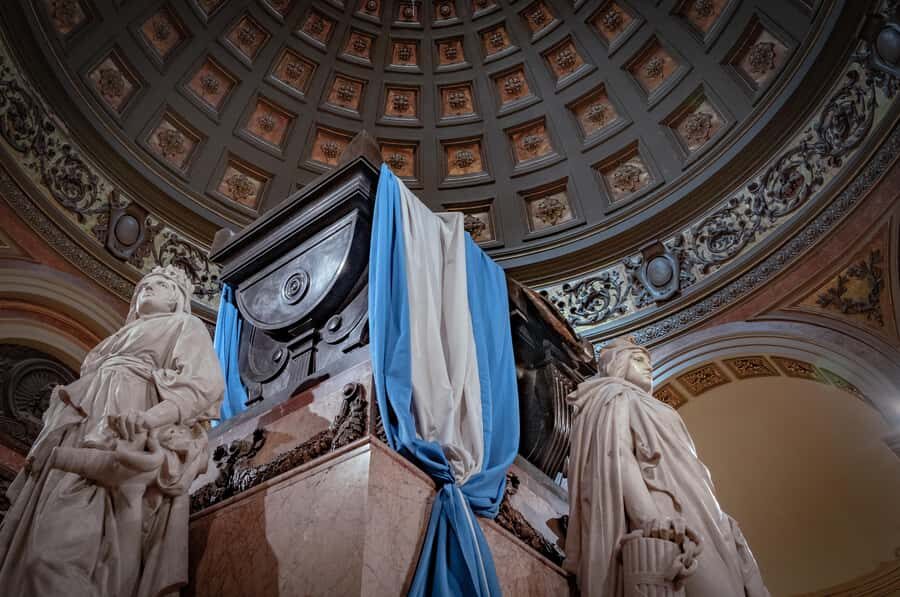
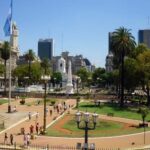
Plaza de Mayo is one of those places where you can feel the political heartbeat of Argentina without needing a map. You’ll meet here, near the flagpole, and the tour quickly orients you to why this square matters.
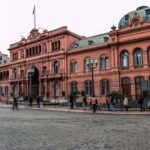
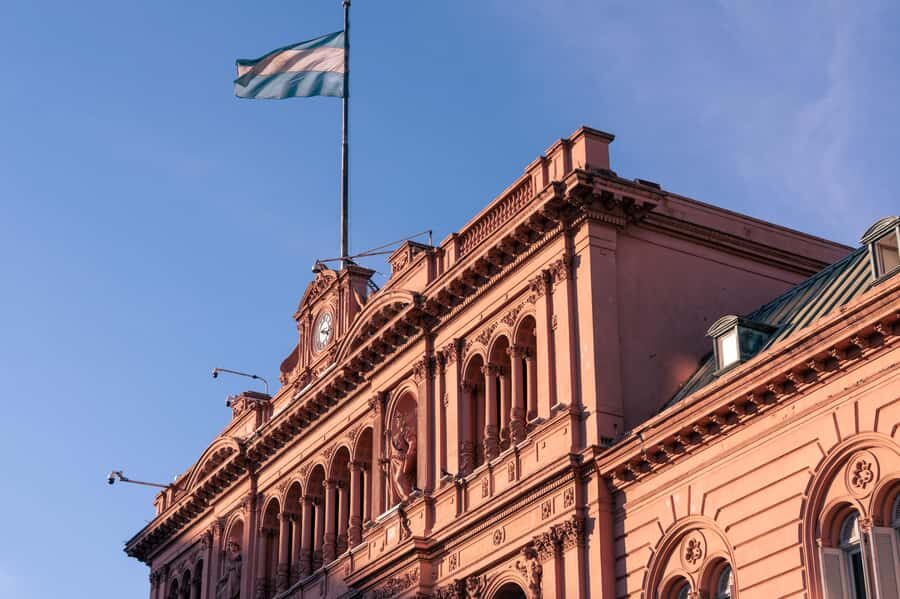
From Plaza de Mayo, your first wave of sights includes the area’s most famous government buildings. You’ll get a photo stop and short guided time around Casa Rosada, plus time to absorb the square itself.
One reason I like this approach is that it gives context early. Instead of learning about the city after you’ve already moved on, you start where key events happened and then keep building the story piece by piece.
Casa Rosada and the Plaza de Mayo buildings you’ll recognize instantly
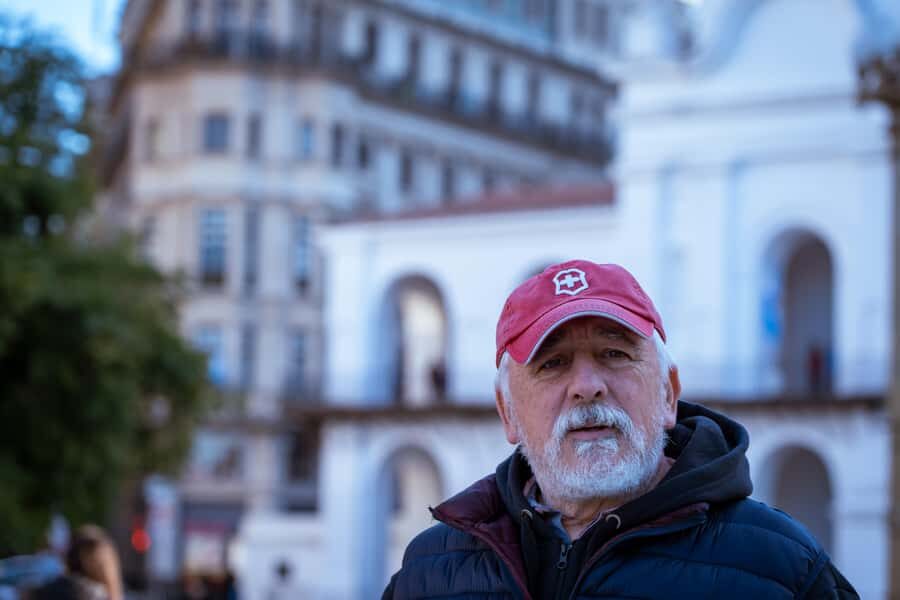
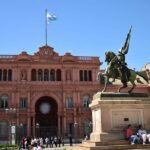
Casa Rosada is the kind of building people come to Buenos Aires already knowing, but it’s still easy to miss the details when you’re just snapping pictures. Here, you pause, take photos, and get guided info so you know what you’re looking at.
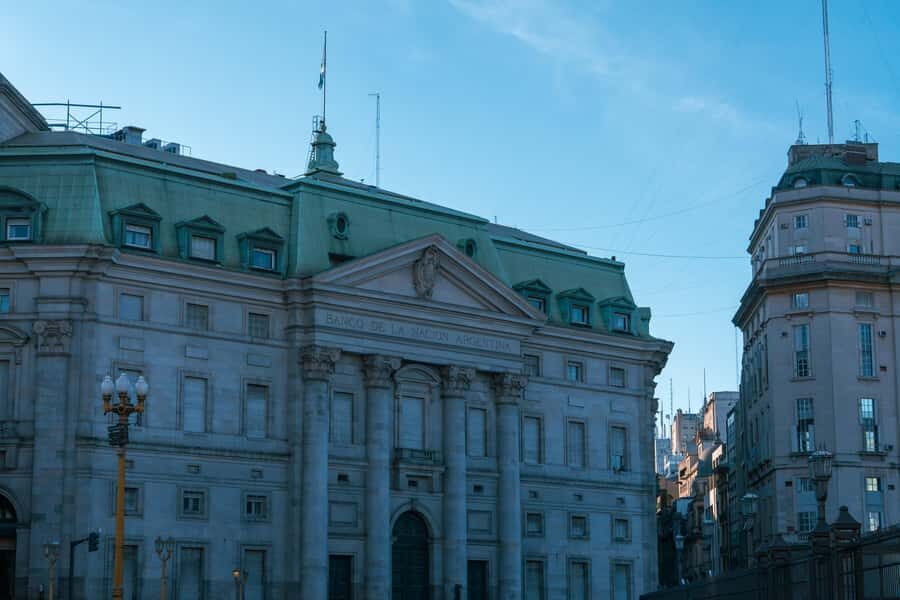
As you move around the square, you’ll also see other major civic structures that make the area feel like an architectural statement. The tour specifically highlights iconic buildings such as the Bank of the Argentine Nation in this same cluster, so you’re not only focused on one landmark.
Timing matters too. The tour uses short stops (like the photo and guided time near Casa Rosada), which keeps momentum. If you’re the type who gets bored by long museum waits, this pacing is a good fit.
Juan de Garay and the second founding viewpoint moment
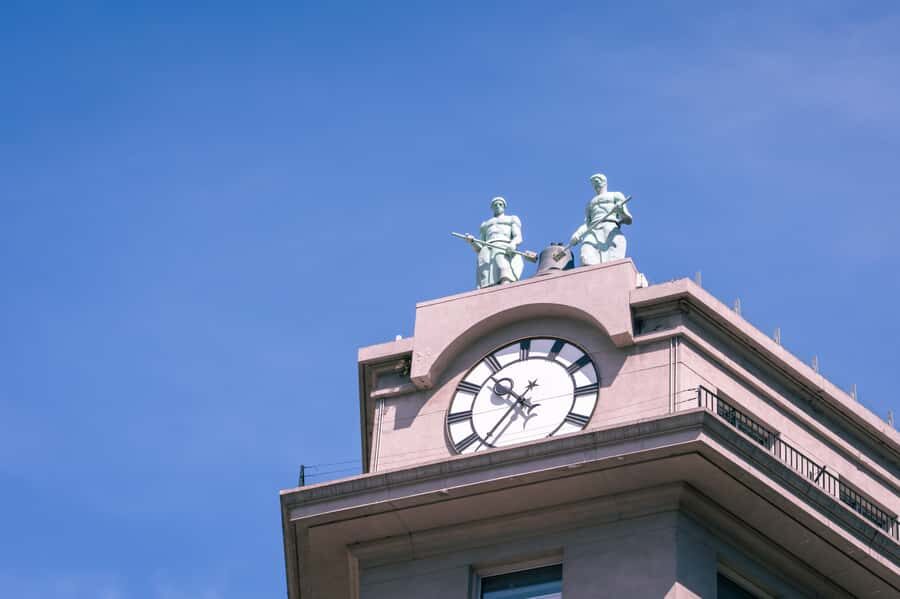
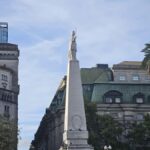
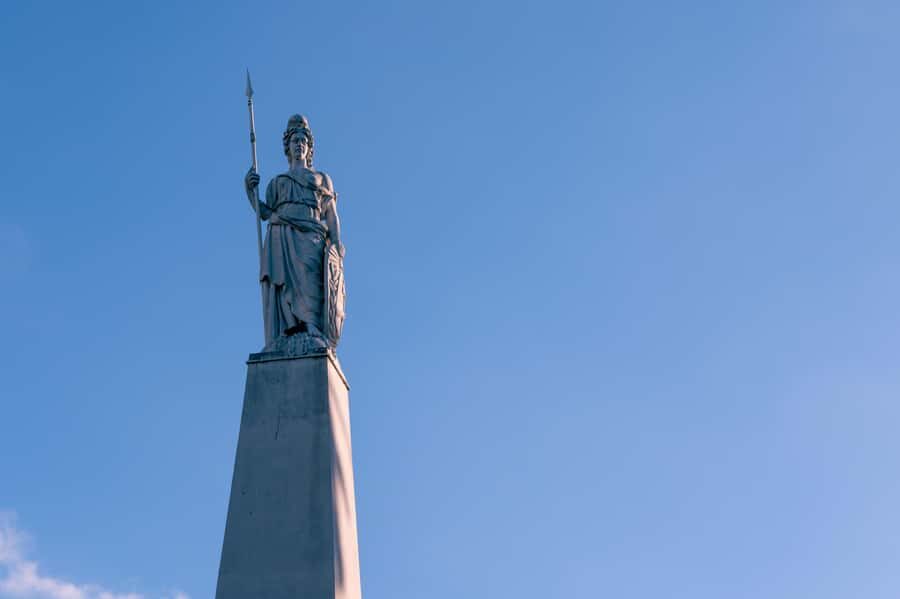
One of the tour’s smartest storytelling moves is connecting Buenos Aires’ early beginnings with what you can see from street level. You’ll stop for photos at Monumento a Juan de Garay, tied to the city’s second founding.
Why this works: the Garay angle isn’t just trivia. Your guide ties it to the location and to how the historic center developed. Even if you’re not a history superfan, this kind of “place-based” explanation helps your brain organize what you’re seeing.
You’ll also come across the area marked by the Garay Monument and get stunning sight lines across the historic core. It’s the kind of view where you suddenly understand why the city grew the way it did.
Museo del Bicentenario: relics, presidents, and real museum time
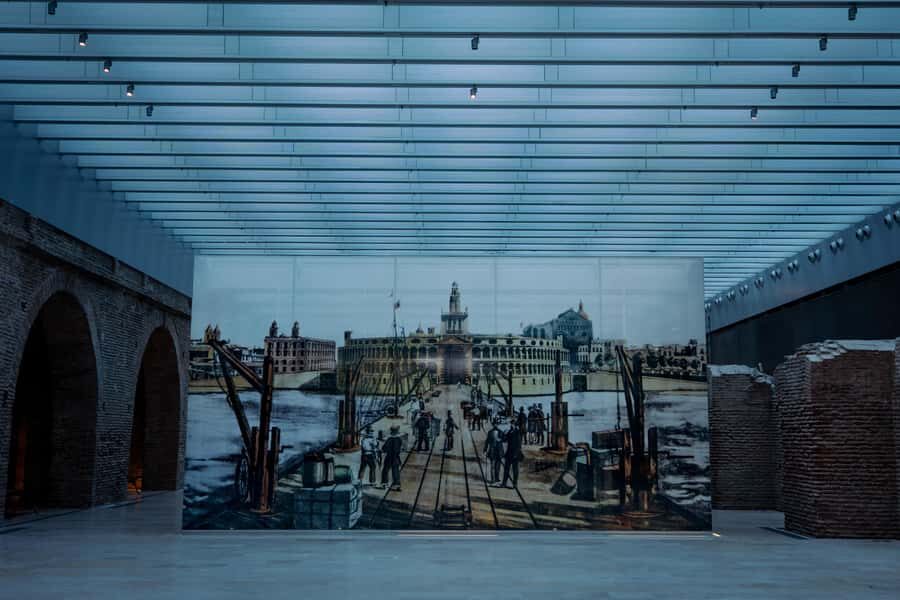
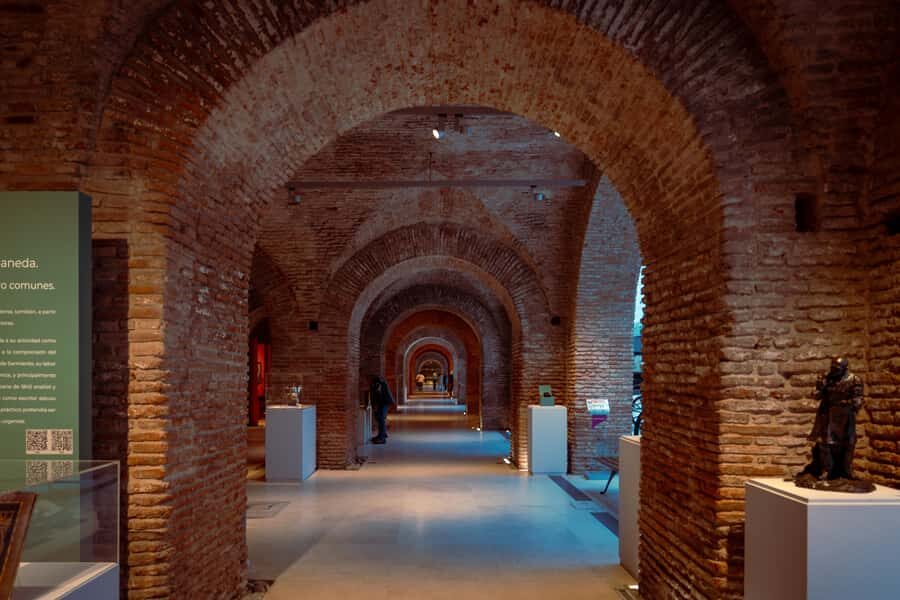
The tour doesn’t stop at exteriors. A key moment is the Museo del Bicentenario, where you get a guided visit and sightseeing time.
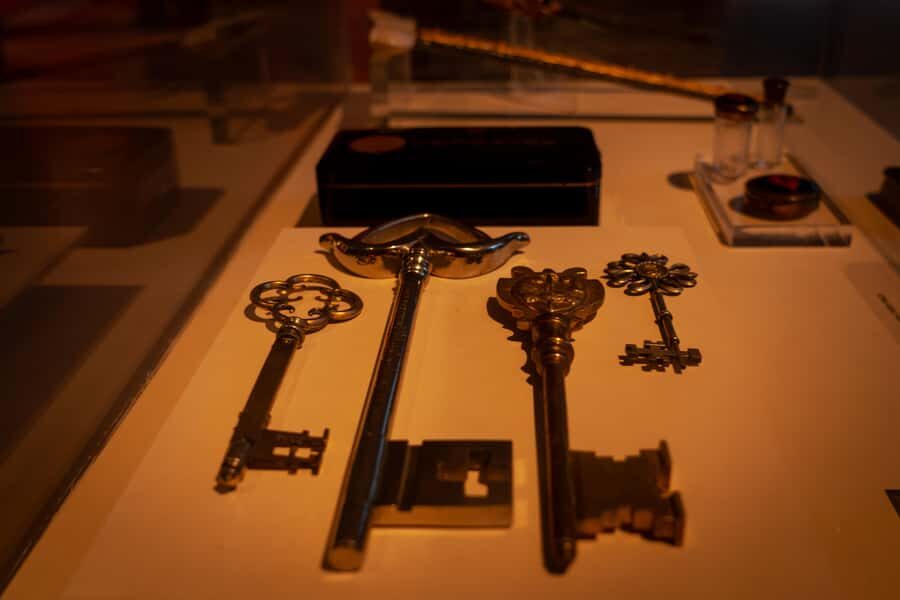
This museum is worth your attention because it mixes presidential relics with notable artworks. That combination matters for you because it breaks the usual pattern of political stops that feel one-note. Here, you get a calmer, indoor pause where history shows up through objects and display.
You also get about 20 minutes for this stop. That’s enough time to follow the guide’s explanation and actually look around, without turning your afternoon into an all-day commitment.

Metropolitana Cathedral and the Cabildo: faith and civic power
After the museum stop, the tour shifts into the “how the city ran” zone, with major religious and government landmarks in the same day.
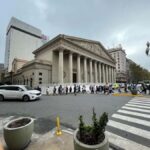
You’ll get a photo stop and then a guided visit focused on the Buenos Aires Metropolitan Cathedral. Even if you’ve seen impressive cathedrals before, having a guide point out what to pay attention to makes the difference between passing by and remembering.
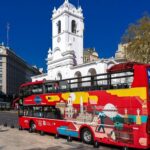
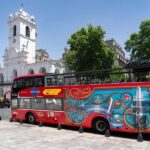
Next comes the Cabildo of Buenos Aires, presented as a museum that preserves the history of the city and the nation. This stop is about more than old walls. It’s where you connect civic governance to the physical space of the city center.
One practical tip: wear shoes you can tolerate. These stops involve looking up, looking around, and moving at a walking-tour pace. If your feet are unhappy, the buildings will feel colder too.
Manzana de las Luces: the quieter block that still matters
Between the biggest names, there’s a stop that gives you a breather: Manzana de las Luces. You’ll have a photo stop and then a guided visit with sightseeing time.
This is the kind of location where the details reward attention. Instead of a single “wow” façade, it’s a block that helps explain how Buenos Aires’ historic center developed in layers. A good guide helps you notice patterns you’d otherwise miss.
It also balances your afternoon. After plazas and major institutions, Manzana de las Luces feels more human-scale. You can absorb it instead of rushing to the next icon.
From the convent past to finance: Central Bank and the old post office building
The tour’s opening and mid-route stops bring you into two architectural stories you might not guess at from the street.
The experience begins at the Central Bank of the Argentine Republic, which was formerly the San Ramón Nonato Convent. That contrast is fascinating for a visitor because the building isn’t frozen in time; it’s been repurposed. You get the kind of explanation that turns a formal façade into something with a timeline.
Then you visit the Cultural Center, once the grand post office palace. This is also linked to the second founding area marked by the Garay Monument, with a stunning view of the historic center.
These stops are valuable because they show how Buenos Aires reuses space. If you’ve ever wondered why old buildings in big cities look like they belong to different eras at once, this is your answer in walking distance.
Ministry of Defense views and the end at National Customs House
As the tour continues, you’ll see the Ministry of Defense building, described as vast and a major viewpoint opportunity. That stop gives you the sense of scale you don’t always get from smaller monuments.
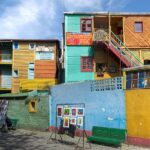
Then you finish at the National Customs House and the Comic Strip Plaza. Ending here is smart because the Customs House brings you back to the city’s movement and trade energy, while the Comic Strip Plaza offers a lighter, more playful final note.
The finish matters for your day planning. You don’t end stuck far away from everything. You close the loop in a central area, which makes it easier to keep exploring on your own right after.
What you’ll learn (and what to look for) without getting lectured
A big reason this tour earns its high marks is how the guide handles storytelling. Miguel’s background stands out in the way he explains things clearly and keeps moving at the pace of a walking group.
From the experience, you can expect guided highlights that help you connect:
- Power and place around Plaza de Mayo and Casa Rosada
- Early founding markers connected to views near the Garay Monument area
- Culture and governance at the Cathedral and Cabildo
- Objects and art at the Museo del Bicentenario
- Architectural reuse through the Central Bank and former post office building
Also, the guide’s interaction style comes up in reviews. People mention he listens to questions and adapts, and one review notes he even showed how to drink mate. That’s not a guaranteed script, but it fits the overall vibe: practical, human, and not purely textbook.
Price and value: why $20 for 150 minutes can work
At $20 per person for about 150 minutes, you’re paying for guided structure more than for transport or fancy extras. There’s no hotel pickup, and there are no food or drinks included, so you’re keeping costs down by focusing on walking + guide + key indoor stops.
For me, the value comes from the density. In 2.5 hours, you cover multiple major landmarks plus a museum visit. If you tried to stitch this together alone, you’d still spend time orienting yourself and figuring out what’s worth pausing for.
So if your goal is a strong “first afternoon in Buenos Aires” overview, this feels like good use of time. It’s also a solid option for people who want history explanations but don’t want a slow, sit-and-watch format.
Practical tips so the day feels easy, not exhausting
This tour is outdoors, and there’s a significant amount of walking. That’s not a dramatic warning; it’s just the reality of seeing a cluster of downtown landmarks on foot.
Bring:
- Comfortable shoes (the number-one decision for this itinerary)
- Hat and sunscreen if the sun is out
- Water, especially on warm days
Also, check the weather and dress for it. If it’s hot, you’ll feel it. If it’s windy, you’ll want a layer.
One more thing: the tour is in Spanish, and the guide can adapt if your Spanish is limited. Still, if you need full English instruction, you may want to look for a language-matched option.
Who should book this tour
This tour fits best if you:
- Want a tight overview of downtown Buenos Aires in one go
- Like guided context that helps you read buildings and squares
- Prefer walking with short stops over long museum marathons
- Are comfortable being outside for the whole experience
It’s not a great fit if you have mobility impairments or use a wheelchair. The tour format involves significant walking and outdoor movement.
Should you book this Buenos Aires landmarks tour?
I’d book it if you want to hit the classic downtown highlights and understand what they mean, without spending hours planning. The guide quality is a major plus, especially the way Miguel keeps explanations lively and responsive.
Skip it or consider alternatives if walking is a challenge for you, or if you absolutely need non-Spanish instruction. Otherwise, this is an efficient, well-paced way to get your bearings and leave with more than just photos.
FAQ
Where does the tour meet?
Meet your guide near the flagpole at Plaza de Mayo.
How long is the tour?
The duration is 150 minutes.
What language is the tour guide?
The live tour guide speaks Spanish.
What’s included in the price?
A guided tour is included.
Are food and drinks included?
No. Food and drinks are not included.
What should I bring?
Bring comfortable shoes, a hat, sunscreen, and water.
Is the tour mostly outdoors?
Yes, the tour takes place outdoors, so dress for the weather.
Is hotel pickup and drop-off included?
No. Hotel pickup and drop-off are not included.
Is it suitable for people with mobility impairments or wheelchair users?
No. It is not suitable for people with mobility impairments or wheelchair users.
Is cancellation possible for a full refund?
Yes. Free cancellation is available up to 24 hours in advance for a full refund.