REVIEW · BUENOS AIRES
Discover Argentine Wines Paired with Delicious Tapas
Book on Viator →Operated by Wine Discovery · Bookable on Viator
Four wines, four regions, one cozy table. I love the way Bertie links each pour to the land where it’s grown, and I love that Aby pairs every wine with homemade regional tapas you actually want to keep eating. One thing to consider: it’s focused on just four tastings in two hours, so if you want a long, big-flight wine crawl, this may feel short.
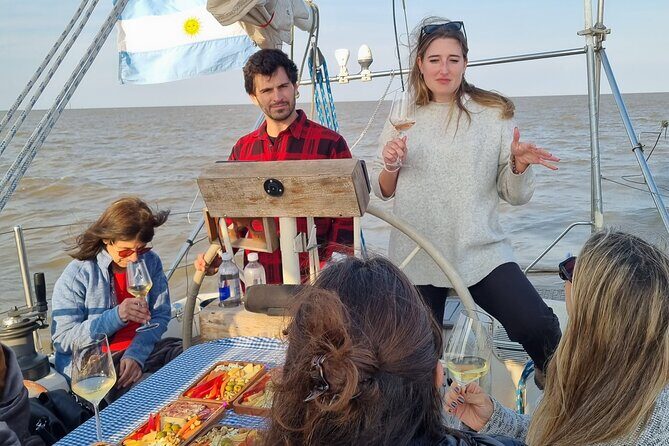
This is a small-group experience (up to 14 people) that mixes wine, food, and Argentina storytelling in a relaxed apartment setting in Buenos Aires. You can even go back to your favorites during the tasting, which is great if one glass really clicks.
In This Review
- Key highlights you’ll feel fast
- A 2-hour map of Argentine wine, from arid north to Mendoza
- Meet Bertie and Aby: a small-group tasting with real conversation
- The four pours: how each Argentine region changes the glass
- Tapas by Aby: the pairing is the point, not an add-on
- What you learn about Argentina while you eat
- Price and value in Buenos Aires: is $84 worth it?
- Practical tips before you go (so it feels easy)
- Should you book Discover Argentine Wines with Tapas?
- FAQ
- How long is the tasting?
- How many Argentine wines will I taste?
- Are the wines and tapas included in the price?
- Where does the experience start?
- Is gratuity included?
- How big is the group?
- Can I get a full refund if I cancel?
Key highlights you’ll feel fast

- A north-to-Mendoza wine storyline: the flight moves from the arid north down toward cool Patagonia, then to Mendoza’s famous vineyards.
- Four wines, four producer stories: each wine comes from a different family-run producer, so you’re sampling styles, not just grapes.
- Homemade tapas paired per pour: Aby’s cooking is built to match what’s in your glass, not served as an afterthought.
- History and culture woven in: you get context for why grapes are planted where they are, and what shaped those choices.
- Repeat-friendly tasting: if you want a second taste of a favorite wine, you’re welcome to do it.
- Intimate group size: the limit of 14 keeps it chatty and lets you ask questions without feeling rushed.
A 2-hour map of Argentine wine, from arid north to Mendoza
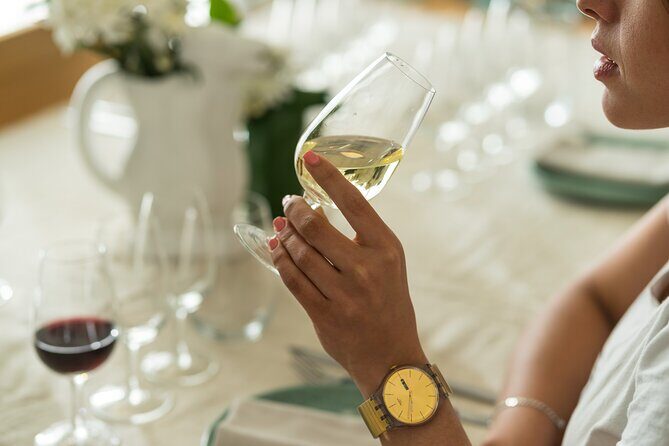
Argentina is huge, and wine styles shift fast with climate and elevation. This tasting is built around that idea: you move through regions in a way that helps you understand why the same country can taste so different. Instead of treating wine as a single category, you taste it like a geography lesson that you can eat.
The format is simple and satisfying: four wines, each from a different part of Argentina, with a small tapa served alongside each one. The flight is designed for a quick but meaningful timeline: you start in the arid north, then head south to the cool plains of Patagonia, and finish with the Mendoza segment.
A practical upside for your trip: this is an efficient way to get your bearings. If Buenos Aires is your base and you want to understand what you’ll later see in places like Mendoza, this kind of regional grounding makes all the vineyard talk make more sense.
The one drawback is also practical. With just four wines, you won’t taste everything. If you’re a serious collector hunting a very specific style, you’ll probably want to buy bottles afterward (and not everything will land in your perfect taste box).
You can also read our reviews of more wine tours in Buenos Aires


Meet Bertie and Aby: a small-group tasting with real conversation
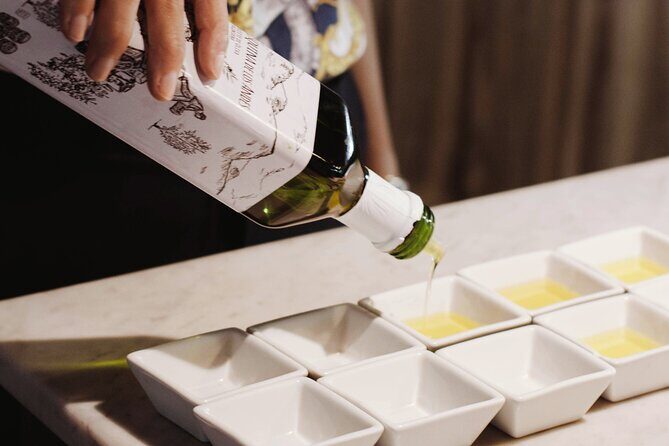
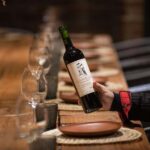
This is one of those tours that feels more like a well-hosted dinner plan than a classroom. The hosts, Bertie and Aby, steer the pace with friendly energy and clear explanation, and the group size helps a lot. With a maximum of 14 people, you’re less likely to get stuck watching from the back.
Bertie’s role is the wine side: he ties each bottle to its origin and gives you the kind of context that makes future tastings easier. The standout detail here is that you learn not just what the wine tastes like, but why it tastes like that, including how Argentina’s regions influence grape choices and winemaking approaches.
Aby drives the food pairing. Her tapas are homemade and served freshly for each wine pairing, which keeps the flight from feeling repetitive. Several people highlight that the food quality is a major part of the experience, not just a supporting actor. If you like eating as much as tasting, this will feel like a sweet deal: you get two flavors at once, and the whole table stays busy.
One small “heads-up” from the real world: because it’s in an apartment setting, finding your entry point can be a little tricky at first. I’d plan to arrive a few minutes early so you’re not rushing at the door.
The four pours: how each Argentine region changes the glass
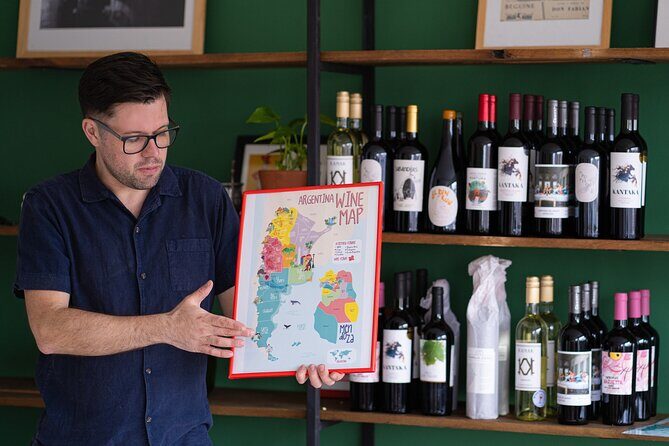
The most useful thing about this tasting is that it trains your palate to recognize place. When you taste wines one after the other from different regions, the differences stop being random and start becoming predictable.
Here’s what you can expect the flight to do:
- It starts with the arid north, where conditions push grapes to develop character in a particular way.
- It then shifts toward the cool plains of Patagonia, where temperatures can lead to a different flavor rhythm and structure.
- It ends with the famous vineyards of Mendoza, the region most people associate with Argentine wine.
One detail worth calling out if you’re trying to track grapes: among the four wines, you’ll taste only one Malbec, and you’ll taste only one wine from Mendoza. That keeps the experience honest. Instead of stacking similar bottles, the tasting forces variety and shows you the broader range of Argentina.
You’re also allowed to repeat. So if you find yourself thinking about one bottle after you’ve moved on, you don’t have to just shrug and hope it comes back later. That’s a small thing, but it makes the tasting feel less like a race and more like a conversation with the wines.
A balanced note for experienced wine drinkers: because there are only four pours, you won’t get a massive comparison of every style. But the payoff is that you’ll walk away with a clearer regional map, which is often more valuable than a longer list of similar samples.
Tapas by Aby: the pairing is the point, not an add-on
In Buenos Aires, you can eat well in a dozen different places. What makes this tasting different is that the tapas are designed to work with the wines, and they’re not generic snack food.
Aby’s cooking leans into regional dishes, served in small tapas with each wine. That “per-pour” pacing matters. Instead of eating everything at the beginning and tasting later, you get fresh food timed to the glass in front of you. It changes how you notice acidity, tannins, spice, and savory richness.
From the dishes people call out most, you might encounter favorites like empanada and even an Inca-inspired humita style dish. Even if the exact menu shifts from day to day, the pattern is consistent: you’ll get comfort-food energy with a thoughtful pairing logic.
Why this matters for you: if you’re learning wine, food is one of the fastest ways to understand flavor mechanics. A wine can taste smooth until you add something savory, or sharp until it meets a richer bite. When the pairing is done well, you feel those effects quickly, and you build instincts instead of memorizing tasting notes.
Also, because the food is a big part of the experience, this works for couples and friends who don’t all speak the same “wine language.” You can enjoy it even if your wine knowledge is light. The food gives everyone a strong hook, and the host stories make the wine easier to follow without turning it into homework.
What you learn about Argentina while you eat
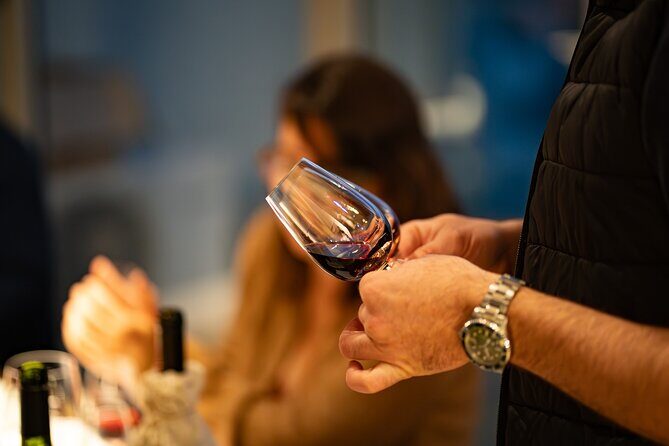
The tasting doesn’t stay stuck on tasting words. You also get context—history, culture, and the logic behind how wine became what it is in Argentina.
The most practical part of the “story” is how it connects the dots. You learn why certain grapes and styles make more sense in particular regions, and how local conditions shape flavor. That’s exactly the kind of background that makes later wine shopping less confusing.
You’ll also get to hear it in a way that feels grounded. Since it’s a small group and you can ask questions, the explanations tend to focus on what you want to know—like what to look for later in bottles or how regional styles usually behave.
A key benefit for first-time visitors: Buenos Aires can feel like it’s all about neighborhoods, steaks, and nightlife. This tasting adds another layer without requiring a full day trip. In two hours, you get a working sense of Argentina’s wine variety and enough background to enjoy wine tastings later with better instincts.





Price and value in Buenos Aires: is $84 worth it?
At $84 per person for about two hours, you’re buying a package: four wine tastings plus small homemade tapas with each wine. You’re also not locked into a one-and-done deal. You’re welcome to repeat wines, and you leave with recommendations you can use immediately when you hit a bottle shop.
Here’s the value math that matters on a real trip:
- If you plan to eat anyway (and you will), the tapas reduce what you’d otherwise spend on a separate snack or meal.
- If you’re wine curious, four samples from multiple regions is a quick way to understand style differences without the cost and time of multiple venues.
- If you like conversation, the small group (up to 14) helps you get more out of the host explanations than you would in a larger crowd setting.
One caution: alcohol is included as part of the tastings, but the tasting doesn’t mean you get to take bottles home for free. Wines are available to purchase at the end, but buying is optional and not included in the price.
Practical tips before you go (so it feels easy)
A few small things will help you enjoy this without friction:
- Go hungry-ish, not starving. Tapas are small, but the quality means you’ll want to taste everything.
- Arrive a few minutes early if you’re unsure about the entry to the apartment setting. One guest noted difficulty getting in, so don’t treat it like a drive-through pickup.
- Ask at least one question. With a group size capped at 14, your curiosity is part of the experience.
- Pick one favorite and compare it later. Since repeating is allowed, you can check whether your first impression was right.
- Plan for bottle temptation. If you find a wine you love, you may want to buy bottles to take home later, since purchases happen after the tasting.
Best fit: This is great for couples, small groups, and solo travelers who want a relaxed, food-forward way to learn about Argentine wine regions. If you’re a hardcore oenophile chasing a long tasting lineup, you might wish there were more than four pours. But if you want quick regional clarity plus homemade tapas, it’s a strong match.
Should you book Discover Argentine Wines with Tapas?
Yes, if you want a small-group wine tasting that treats food as seriously as wine. I’d book it if you’re the type who likes learning why grapes grow where they grow, and you want a Buenos Aires activity that feels authentic rather than scripted.
Skip it only if you need a longer tasting session or you’re hoping for a huge variety list of dozens of wines. With four wines, the experience is intentionally focused, and it’s best viewed as a fast regional snapshot you can use for the rest of your trip.
FAQ
How long is the tasting?
The experience runs for about 2 hours.
How many Argentine wines will I taste?
You’ll taste 4 wines during the 2-hour experience.
Are the wines and tapas included in the price?
Yes. The price includes snacks/tapas and alcoholic beverages for the tastings.
Where does the experience start?
It starts at Soler 5650, C1425BYH, Cdad. Autónoma de Buenos Aires, Argentina.
Is gratuity included?
No. Gratuity is not included.
How big is the group?
The tour/activity has a maximum of 14 travelers.
Can I get a full refund if I cancel?
Yes. You can cancel up to 24 hours in advance for a full refund. If you cancel less than 24 hours before the start time, the amount paid is not refunded.