REVIEW · USHUAIA
E-BIKE Beagle Viewpoint
Book on GetYourGuide →Operated by Native Adventure · Bookable on GetYourGuide
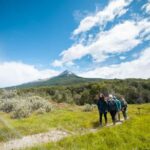
E-bikes in Ushuaia make viewpoints feel close. This small-group Beagle Channel ride uses pedal-assist to get you onto forest paths and peat-bog clearings, with panoramic payoffs toward the Martial Glacier. I especially like the way the guide mixes scenery with local-life stories (Cato and Laudi are both great at that), and I like the off-main-route feel that feels more like a real day outside than a conveyor-belt excursion. The main drawback: the saddles aren’t very padded, so plan for some soreness.
You’ll meet at Gdor. Deloqui 756, get a safety briefing and an e-bike fit, then roll through Ushuaia’s urban nature reserves before climbing into wilder terrain. The whole outing runs about 4 hours, and you finish with a snack and hot tea at Laguna Café de Barrio—simple, warm, and very welcome after time in the wind.
In This Review
- Key highlights to care about
- Meeting at Gdor. Deloqui 756 and your e-bike setup
- Bahía Encerrada and the Beagle Channel warm-up
- Buena Esperanza stream to Mirador Wallner viewpoints
- Peat bogs and lagoons: where the tour adds meaning
- The return to Laguna del Diablo and the hot tea reset
- Difficulty levels, timing, and how to avoid discomfort
- Gear and clothing: what’s included and what you must handle
- Price and value: is $135 a good deal for 4 hours?
- Who should book, and who should skip this ride
- Photo strategy: how to make the most of the best stops
- Final decision: should you book E-Bike Beagle Viewpoint?
Key highlights to care about
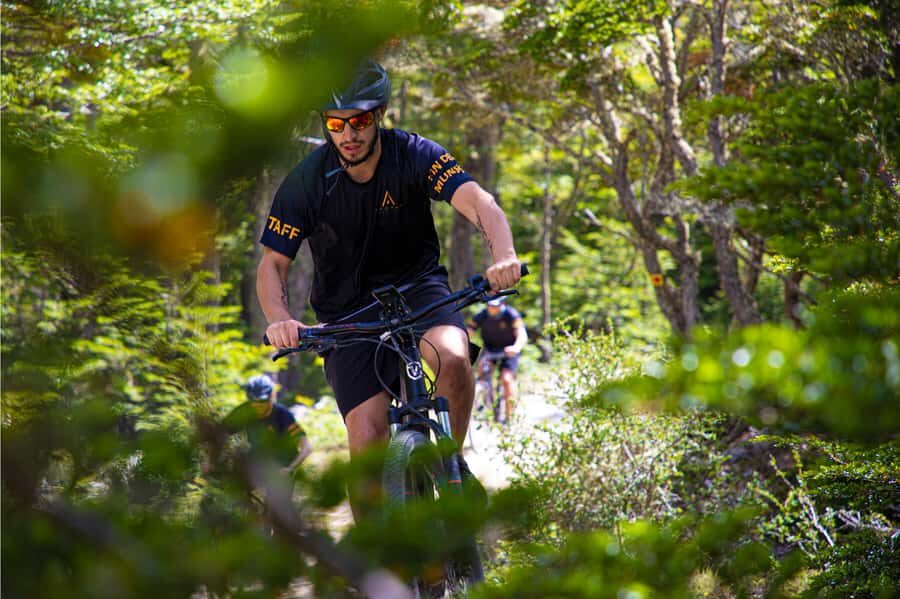
- Pedal-assist climbing means you can focus on the views, not fighting the terrain.
- Two urban nature reserves (Bahía Encerrada and Laguna del Diablo) plus wild forest trails.
- Mirador Wallner and the Beagle Channel viewpoints are the big “wow” stops.
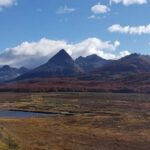
- Peat bogs and lagoon clearings with interpretive signage for the mountain range NW.
- Snack + hot tea included at Laguna Café de Barrio, so you don’t have to hunt for warmth.
- Small group of up to 4 keeps the pace personal and the route flexible.
Meeting at Gdor. Deloqui 756 and your e-bike setup
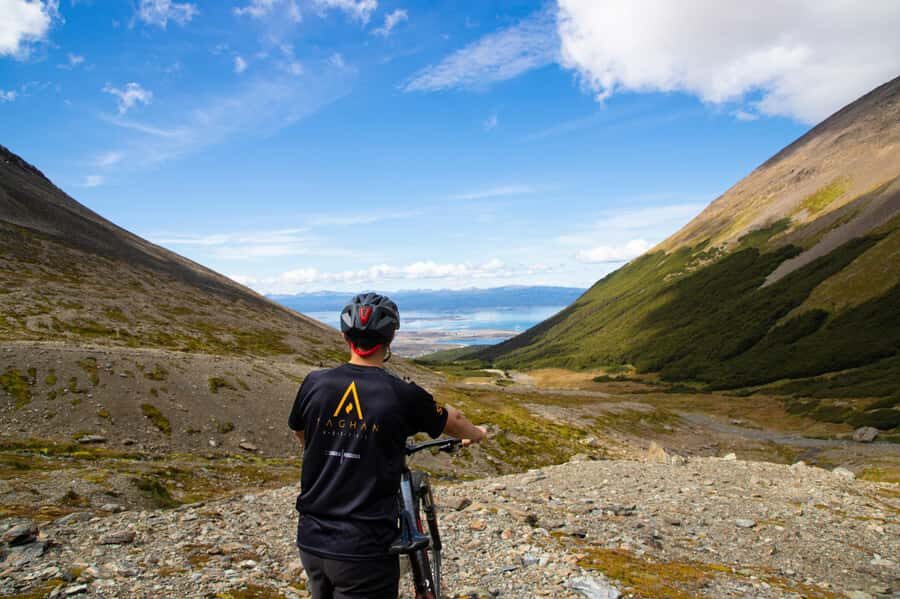
The tour starts at Gdor. Deloqui 756, next door to Yaghan Hostel. Expect a quick safety briefing first—about 15 minutes—then a guide adjusts the e-bike to your height so you can ride safely on both flat paths and short steeper stretches.
This fitting step matters more than it sounds. If the seat height and handlebar reach are off, you’ll feel it fast on an e-bike. And because Ushuaia weather can turn from calm to windy in minutes, comfort and control help you stay relaxed enough to enjoy the scenery instead of white-knuckling every corner.
You also get a helmet, water, and a snack. Good to know: technical clothing isn’t included, but you can rent it. If you come prepared with proper layers, the trip feels easy-going even when the ground gets uneven.
You can also read our reviews of more tours and experiences in Ushuaia.
Bahía Encerrada and the Beagle Channel warm-up
After you roll out, your first major stop is Bahía Encerrada urban nature reserve—right in Ushuaia, but with enough space and greenery that it doesn’t feel like you’re trapped in the city. This is a smart opener: you get a chance to settle into the e-bike rhythm and build confidence before the more rugged-looking sections.
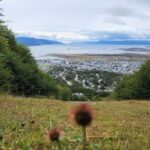
From there, you head toward a first panoramic point of the Beagle Channel. The goal here isn’t just a quick look. It’s about getting oriented to what you’ll keep seeing later: the channel’s long stretch of water, and the sense of islands to the south and mountains to the north. When you understand the geography early, the later “big views” hit harder.
If you’re doing Ushuaia in one day, this warm-up also helps you judge the wind and footing. You’ll be cycling through a mix of paths, so you want to know early if you need to slow down and focus on balance.
Buena Esperanza stream to Mirador Wallner viewpoints
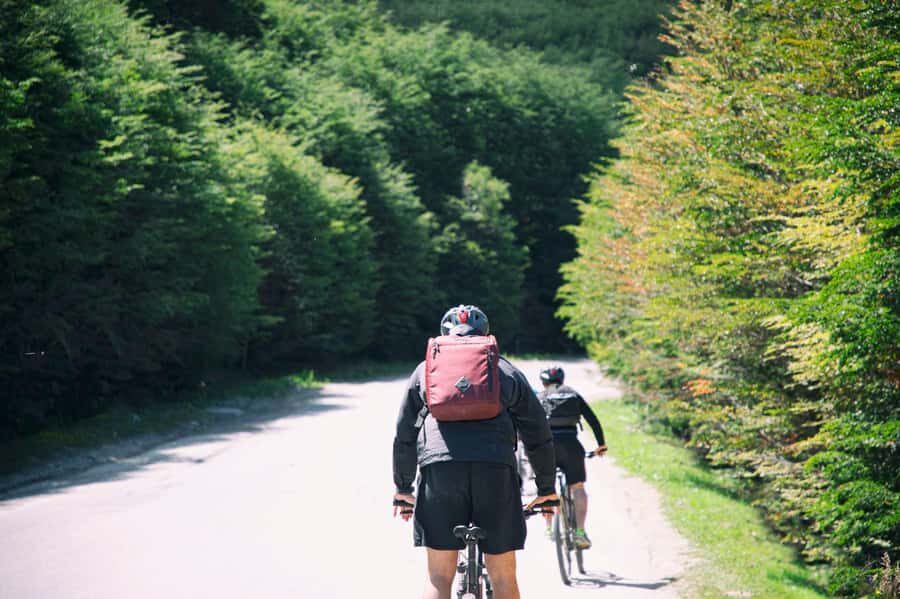
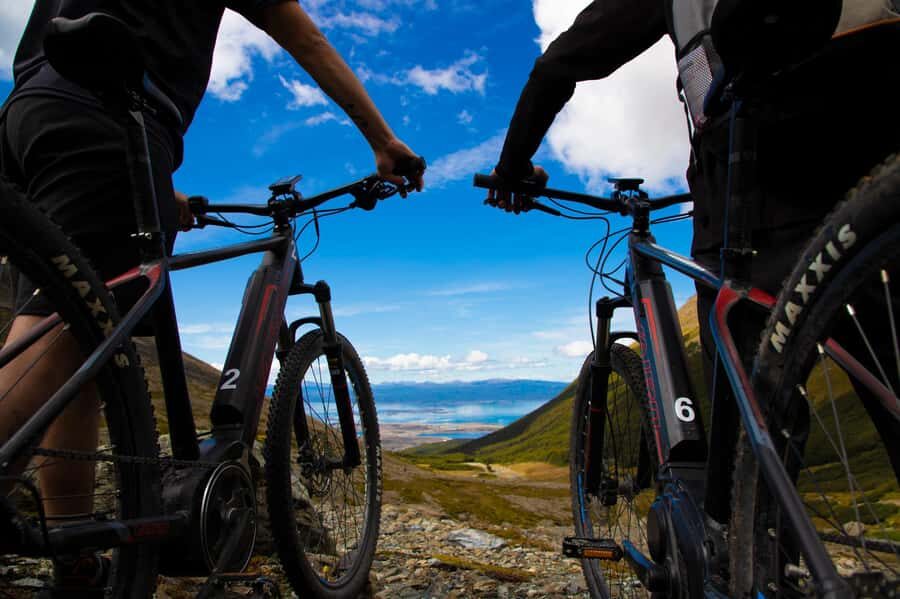
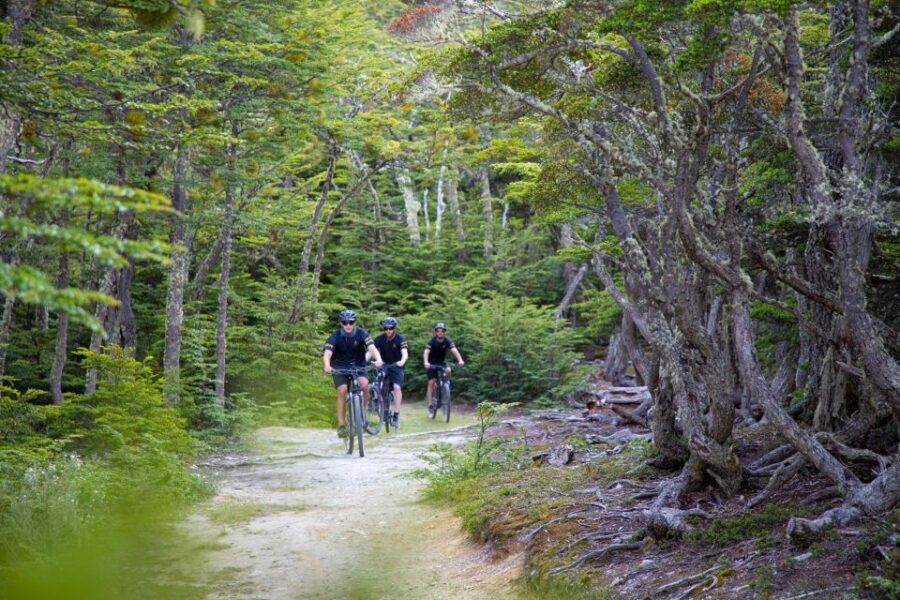
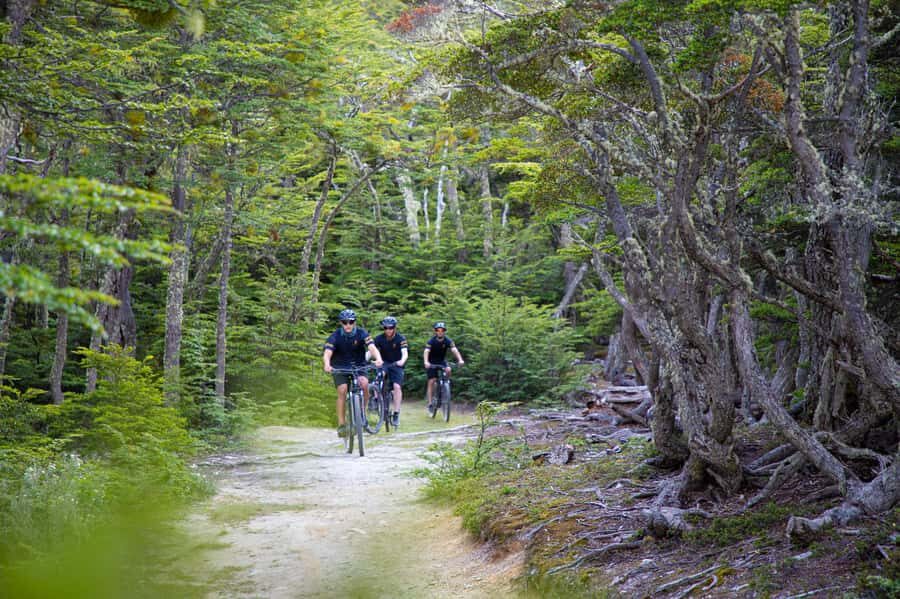
This is where the ride turns from easy exploration into true scenery time. You follow the route up along the Buena Esperanza stream, then transition onto a wild forest trail that feels more remote than the name suggests.
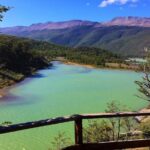
The standout here is Mirador Wallner. This is your second panoramic stop, and it’s the kind of viewpoint where you naturally stop moving, take photos, and just stare for a few minutes. The combination is strong: open sightlines over the channel, plus the surrounding mountain mass that makes the whole area feel dramatic without needing any extra effort from you.
One practical note: forest trails can mean uneven ground and occasional stretches where you’ll want to stand slightly on the pedals for balance. With pedal-assist, it’s not about pure strength, but it is still active cycling. If you’re the kind of rider who likes a challenge, you’ll probably enjoy the push-and-grab pace here. If you prefer a smooth stroll, focus on smooth handling rather than speed.
Peat bogs and lagoons: where the tour adds meaning
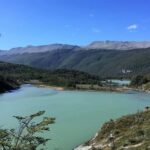
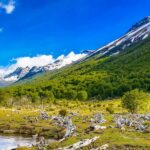
After Mirador Wallner, you reach a clearing with peat bogs and lagoons, plus interpretive signage about the mountain range extending to the northwest. This stop is more than a pretty breather. It’s where the guide turns the scenery into a bit of local environmental context—why the terrain looks the way it does, and how the natural features shape what you see from the ridges.
I like this part because it gives your photos more backstory. When you understand what peat bogs are and how wetland areas form, the area looks different in a good way. It stops being just scenery and becomes geography you can recognize.
Even if you’re not a “nature facts” person, give this section a few minutes. The signage and the guide’s explanation help you connect the dots between the forest, the wet clearing, and the glacier-direction views farther along.
The return to Laguna del Diablo and the hot tea reset
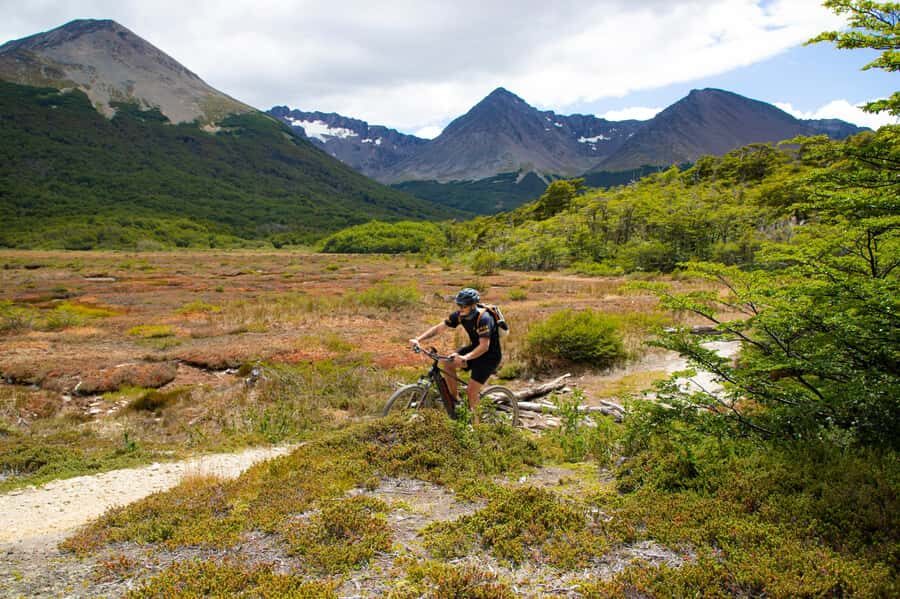
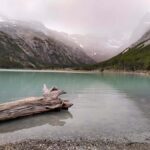
Once you’ve taken in the clearings and viewpoints, the route back follows a similar line through the same overall corridor. You end at Laguna del Diablo urban nature reserve, a city-side nature area that feels calmer once you’ve been up higher.
Then comes the best “I’m glad I did this” moment: the stop at Laguna Café de Barrio for a snack and hot tea included. After cycling in cold air, warmth hits like a reward. And because you’re not paying extra for a drink, it keeps the tour feeling good value all the way through.
A small heads-up: your legs might feel different on the way back, especially if you’re not used to cycling for extended stretches on mixed surfaces. Go steady. This tour works best when you ride smooth, enjoy the stops, and let the e-bike do its job.
Difficulty levels, timing, and how to avoid discomfort
The provider designs the tours with different technical difficulty levels in mind, and that’s a big deal in Tierra del Fuego. Weather, trail surface, and visibility can all change your sense of difficulty fast. The good news: the guide will tailor the experience enough that you’re not just being pushed along.
Still, you should assume you’ll ride more actively than a gentle city bike tour. The ground includes forest trails and clearings, and the route includes climbing segments toward the wider panorama area near the Martial Glacier viewpoint zone.
Now, the comfort reality check: I’d plan for soreness. One review flagged sore seats, and that matches what you should expect from typical trail saddles rather than long-distance cruiser setups. If you’re sensitive, wear padded cycling shorts if you have them, and don’t underestimate the value of a few minutes to stretch during stops.
Also, one more practical timing consideration: if you’re coordinating with a tight cruise schedule, give yourself buffer time at arrival. In the real world, meeting times and app notifications can mismatch. Show up early, confirm the start, and you’ll reduce stress.
Gear and clothing: what’s included and what you must handle
Included:
- E-bike with pedal assistance
- Helmet
- Water and a snack
- Cycle tourism guide
Not included:
- Technical clothing (you can rent it)
What you should bring:
- Outdoor clothing
What you should not bring:
- High-heeled shoes, alcohol and drugs, crutches, or bare feet
That last set matters more than it sounds. This is a bike-based route on uneven ground, so footwear and stability are part of your safety. If you arrive dressed only for walking around town, you’ll feel it once the ride starts.
If you plan to rent technical clothing, do it early enough to let it fit right before the briefing. It’s hard to get a good layering system in the cold if you’re rushing.
Price and value: is $135 a good deal for 4 hours?
At $135 per person for around 4 hours, this isn’t a bargain-basement tour. But the value stacks up in a few ways that matter in Ushuaia:
- You’re getting a guided route with interpretation stops, not just bike rental.
- The e-bike and helmet are included, which saves you from renting or sourcing gear.
- You get water and a snack, plus hot tea and a snack at the café stop.
- Small group size (up to 4) keeps the experience closer to a custom ride rather than mass tourism.
If you’re paying for convenience and access—someone else handling the route planning, safety briefing, and timing—then this price can feel fair. If you want to do everything at your own pace with zero structure, a bike rental might be cheaper. But if you want the viewpoints in the right order and with context, guided pedal-assist becomes good value quickly.
Who should book, and who should skip this ride
This tour is best for you if you:
- Can ride a bike and are comfortable on uneven paths
- Want a scenic day without doing all the climbing by muscle
- Prefer small-group attention and flexibility
- Like guides who connect nature with local life (the guides mentioned in feedback—Cato and Laudi—are strong in this area)
It’s not a good match if you:
- Have mobility impairments or use a wheelchair
- Have back problems, heart problems, or other medical limitations related to cycling effort
- Can’t ride a bike, or don’t have experience
- Need crutches or can’t manage basic bike control
- Are over 287 lbs (130 kg)
- Are older than 75 (or over 70, depending on the rule applied for your case)
- Want to wear high heels or go barefoot
- Are bringing alcohol or drugs
In other words: it’s active, even if pedal-assist helps. You should think of it as guided outdoor cycling, not a scenic bus replacement.
Photo strategy: how to make the most of the best stops
You’ll get a few named viewpoints and a couple of short photo-and-sightseeing breaks along the route. Here’s the simple approach I recommend:
- At Mirador Wallner, give yourself time to pause with the wind. Sometimes photos turn into just staring, and that’s okay.
- When you reach the peat bogs and lagoon clearing, stop and look before you shoot. The interpretive signage helps you aim your camera better because you’ll know what you’re looking at.
- During the return, keep checking the light. Even on cloudy days, Ushuaia can shift fast, and channel views can brighten in bursts.
Bring a jacket you can zip quickly. If you stop for photos, you’ll feel the temperature change right away.
Final decision: should you book E-Bike Beagle Viewpoint?
I’d book this tour if you want your first Ushuaia day to feel like the region rather than the town square. The best part is the combination: small-group e-bike access to viewpoints that would be hard to reach on foot, plus a warm pause at Laguna Café de Barrio that makes the whole day feel complete.
Skip it if you’re worried about seat comfort, you’re not confident on bike paths, or you need wheelchair or mobility accommodations. Also skip it if you’re limited by cycling-related health issues.
If you’re an able rider looking for an efficient, scenic, and guide-led way to see the Beagle Channel area and work toward Martial Glacier viewpoints, this is the kind of tour that saves you time and gives you real perspective fast.