REVIEW · BUENOS AIRES
Buenos Aires: Recoleta Neighborhood Walking Tour
Book on GetYourGuide →Operated by Signaturetours · Bookable on GetYourGuide
Recoleta has a way of stopping you mid-street. This guided walk through the neighborhood feels like a short trip back to the aristocratic Buenos Aires era, with Eva Perón’s crypt as a moving centerpiece. I especially like how the guide connects the architecture to the city’s power and glamour, and how the pacing stays easy enough that you can actually look at what’s in front of you. One thing to consider: it’s a walking tour, and the meeting point is by the cemetery, so plan your arrival time carefully.
The route is built for seeing a lot without rushing. You get a live guide in English or Spanish, a structured stroll past major Recoleta sights, and a cemetery visit that takes long enough to feel meaningful. The main drawback? You’ll be outdoors for the full stretch, so weather can affect your comfort.
If you want the Recoleta story in plain language, with a guide ready to answer questions, this is a solid choice. And if you happen to get a guide like Anahi or Veronica, the experience is likely to feel personal and flexible—people highlight how guides can adjust the route to what your group cares about.
In This Review
- Key things to look forward to
- Recoleta’s aristocratic streets: what this 2-hour walk really gives you
- Meeting by Cementerio de la Recoleta: get your bearings fast
- The cemetery visit and Eva Perón’s crypt: the emotional centerpiece
- From La Biela to MALBA: museums as orientation, not homework
- Floralis Genérica and the park rhythm: a breather in the middle
- Museo Nacional de Bellas Artes and Palais de Glace: culture in two different moods
- Facultad de Derecho (UBA) and Belle Époque architecture: the neighborhood’s style has a reason
- Embassies and the walk north: seeing a city-level view
- Ending near the MALBA zone: how to keep the momentum after the tour
- Price and value: is $93 worth it for a guided 2-hour walk?
- Who should book this Recoleta walking tour?
- Should you book this Recoleta walking tour?
- FAQ
- What’s the duration of the Buenos Aires Recoleta walking tour?
- Where do I meet the guide?
- Does the tour include Eva Perón’s crypt?
- What languages are available for the live guide?
- How much does the tour cost?
- What’s included in the price?
- Is hotel pickup included?
- Is ticket line access covered?
- FAQ
- Is the tour refundable if my plans change?
- Can I reserve now and pay later?
Key things to look forward to
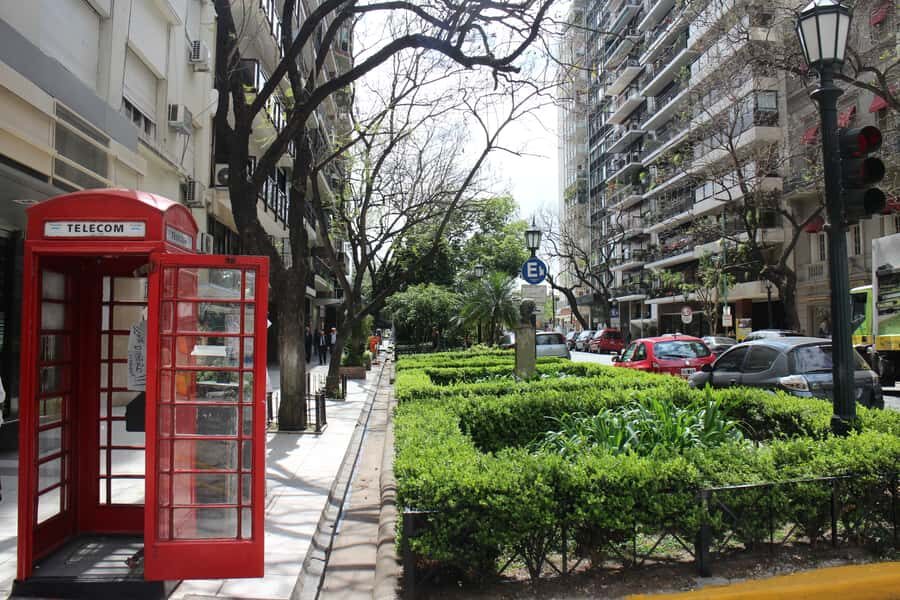
- A real Recoleta intro: French-style facades, Belle Époque vibes, and why the neighborhood looks the way it does
- Eva Perón’s crypt visit: an ornate, emotional stop that anchors the whole tour
- Museum-and-park rhythm: quick museum views, then small breaks like Floralis Genérica
- Pro guide, two languages: live English or Spanish with time for questions
- Easy walking pace: not an intense hike, more of a steady stroll with stops
- Small-group feel (sometimes): one group even described just two people, which makes it easier to talk
Recoleta’s aristocratic streets: what this 2-hour walk really gives you
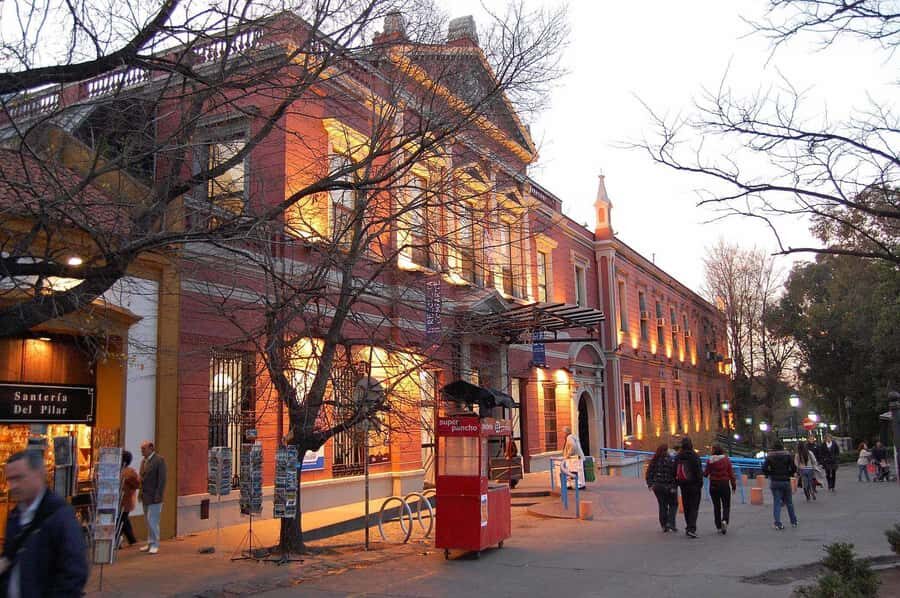
Recoleta can feel like a city within a city. The buildings look polished, the streets feel formal, and the overall mood nudges you to slow down. This tour is designed for exactly that: you get a clear path through the neighborhood so you’re not just taking photos—you’re learning what you’re looking at.
Two things make it work well. First, the guide ties together art, architecture, and political history so the stops don’t feel random. Second, the route includes both the big-name sights and the in-between moments—like the transition from public monuments to the cemetery’s private, ornate world.
The time frame is also smart. In about two hours, you’re not stuck in a half-day tour machine. You come away with a strong mental map of Recoleta and a sense of how the neighborhood earned its reputation.
You can also read our reviews of more walking tours in Buenos Aires


Meeting by Cementerio de la Recoleta: get your bearings fast
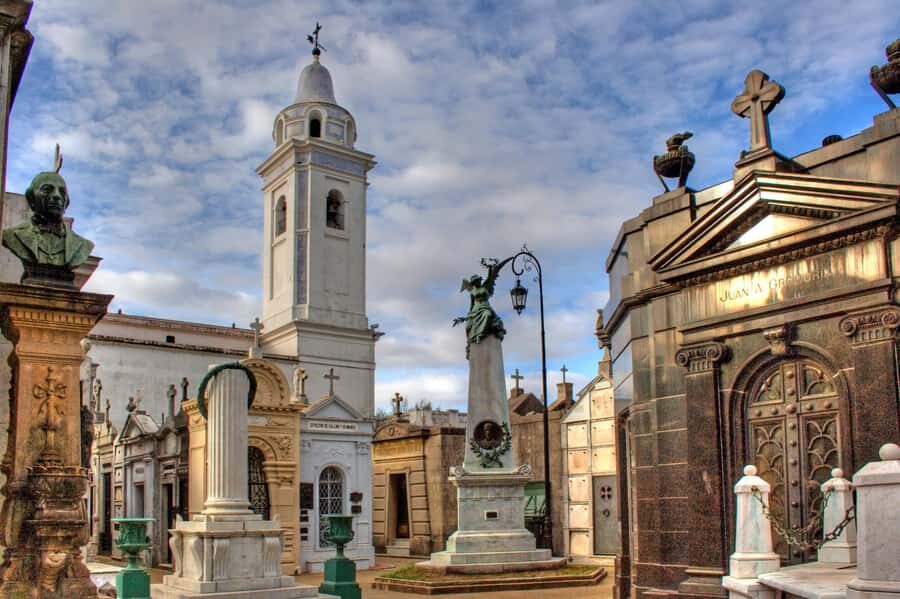
You meet ten minutes early right by the Cementerio de la Recoleta. That matters because it’s not a generic meetup location—you’re starting where the tour’s theme begins: status, legacy, and Buenos Aires’ layered history.
From there, the guide typically sets the tone with a quick explanation of the area, then moves into the major stops. The biggest practical benefit is that you’re oriented before you enter the cemetery. Instead of wandering and trying to guess what’s important, you know what to look for next.
Also, if you’re a little late, it helps to know the experience is described as understanding. One group highlighted that their guide, Micaela, was patient when they arrived behind schedule.
The cemetery visit and Eva Perón’s crypt: the emotional centerpiece
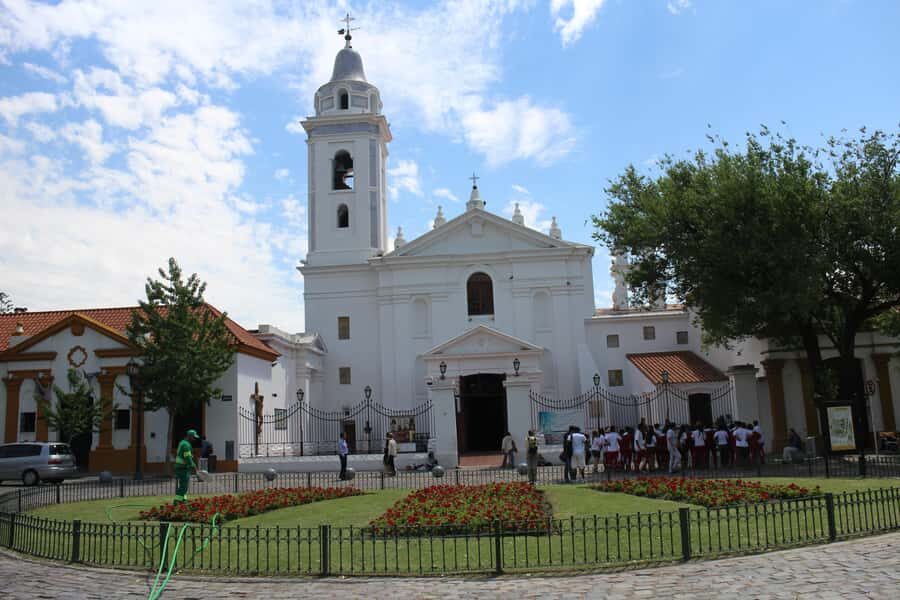
The cemetery stop is the anchor of the tour. Expect a longer visit—around 45 minutes—so it’s not just a quick glance at headstones.
What you’re really here for is Eva Perón’s crypt. The tour focuses on where she was laid to rest, and it’s described as ornate. Even if you know the broad outline of her story, seeing the crypt in person changes the experience. It’s not abstract history; it’s a specific place with visible artistry and high symbolism.
This is also where a good guide makes a difference. A few groups praised guides like Veronica and Barbi (Barbara) for making the cemetery feel understandable—not like a list of names you’ll forget. You get context for the aristocratic side of Recoleta, but you also get the human side: why this place matters.
If you’re sensitive to emotional or solemn settings, approach with a calmer mindset. This isn’t a party-and-pictures tour. It’s respectful, and it asks you to actually pay attention.
From La Biela to MALBA: museums as orientation, not homework
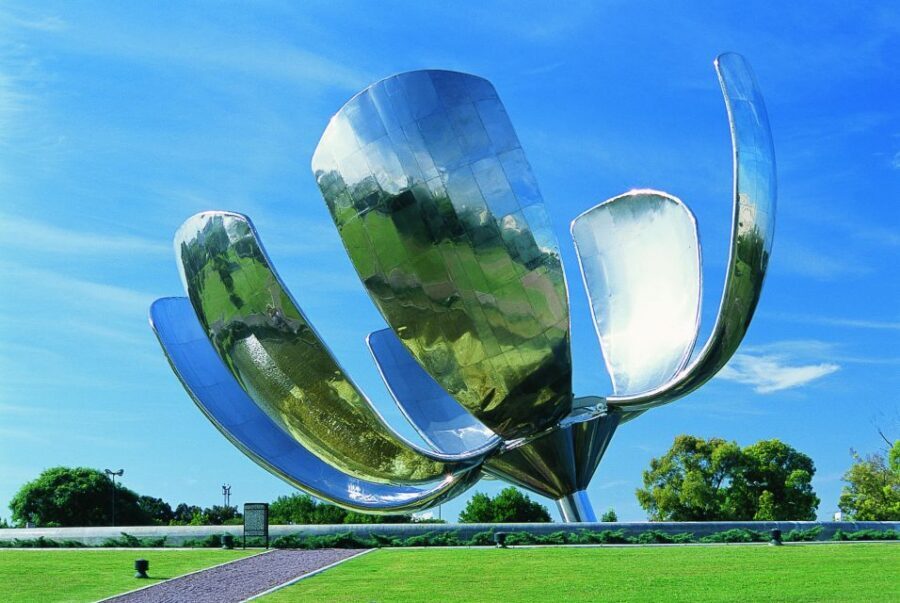
After the cemetery, the tour shifts into architecture and culture. One landmark you’ll see is La Biela, which works as a handy reference point for where you are in the Recoleta area.
You’ll also spend guided time around the Museum of Latin American Art of Buenos Aires (MALBA). The time is short, but it’s useful: you learn what MALBA is and how it fits into the broader Recoleta cultural landscape. Think of this stop as orientation. You’re not being forced to do a full museum visit—you’re getting a guided overview that helps if you later want to come back on your own.
If museums aren’t your priority, you might still appreciate how this stop helps break up the walk. It gives your eyes a new kind of visual language—art and design—right before the tour moves back into public spaces and architecture.
Floralis Genérica and the park rhythm: a breather in the middle
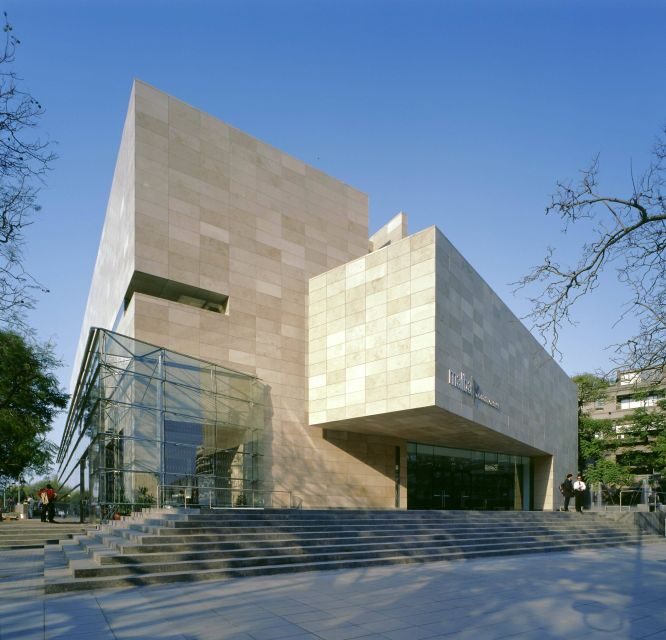
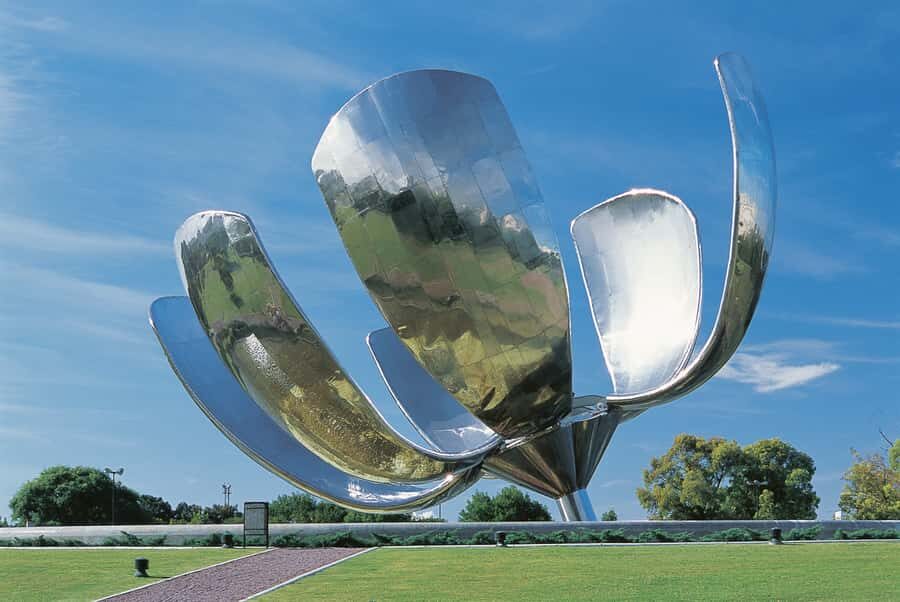
One of the smart things about the route is that it includes open-air moments. You’ll see Floralis Genérica, which comes with short guided time and a walk-by that keeps the energy moving.
Why I like this stop: it gives your brain a reset. Cemetery to museum to park creates variety, and it stops the tour from feeling like a nonstop string of stone and buildings. Floralis Genérica also helps you understand Recoleta’s layout—how the neighborhood isn’t only about grand facades, but also about planned public space and sightlines.
If you’re traveling with someone who needs frequent pauses, this is one of those built-in opportunities. It’s not a long break, but it’s enough to catch your breath and get a fresh angle on the surroundings.



Museo Nacional de Bellas Artes and Palais de Glace: culture in two different moods
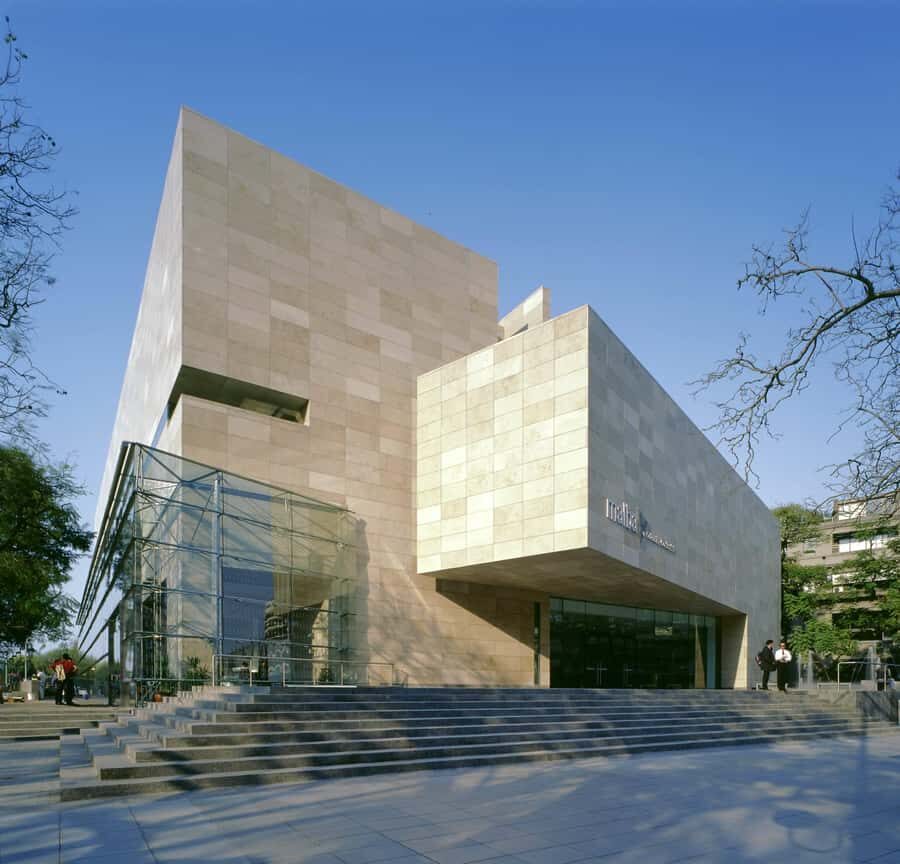
Next up are two classic cultural stops: the Museo Nacional de Bellas Artes and Palais de Glace.
At the Museo Nacional de Bellas Artes, you’ll get guided time for sightseeing and brief orientation. The value here is that the guide helps you notice details you’d probably miss if you simply stood outside and hoped for the best. Even with limited time, you come away with a better sense of why the museum belongs in this particular part of Buenos Aires.
Then the tour continues to Palais de Glace for a shorter stop. It’s described as a brief guided look, which makes sense inside a walking route. You’re not spending half your trip on one building, but you’re getting a taste of Recoleta’s cultural stage.
This section is especially good if you like architecture plus art in the same day. The guide’s narration keeps the stops tied together, so you don’t feel like you’re switching topics every five minutes.
Facultad de Derecho (UBA) and Belle Époque architecture: the neighborhood’s style has a reason
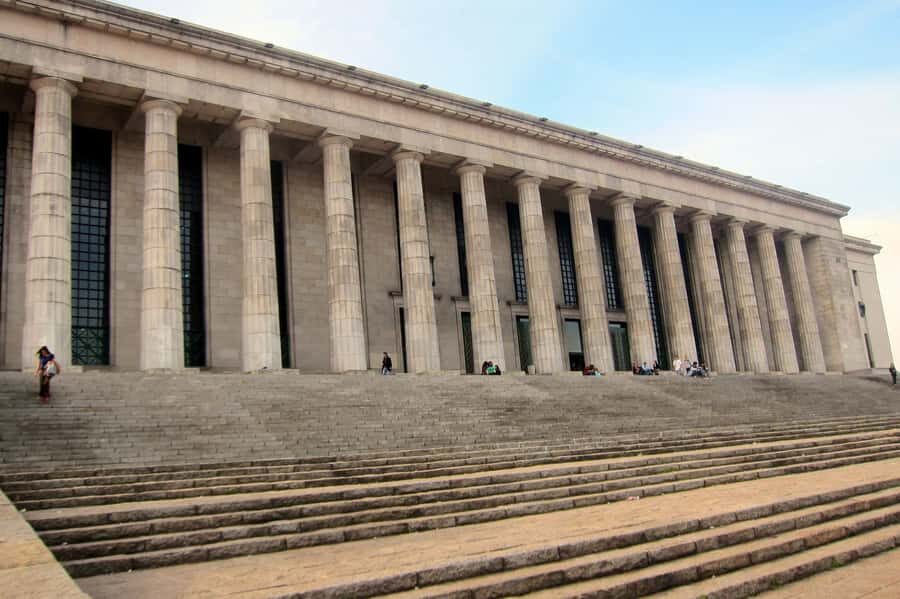
One of the most interesting parts is the emphasis on architecture inspired by the Belle Époque. Recoleta isn’t just pretty; it’s a visual story of influence and aspiration.
The tour includes Facultad de Derecho (UBA), with guided time to appreciate the structure. Then the walk continues through the streets where the neighborhood’s style becomes obvious—French-style buildings, sumptuous facades, and the overall feeling that the neighborhood was built to impress.
This is where the guide’s job becomes more than pointing. You start to notice how the neighborhood’s visual identity connects to class, power, and the social world the cemetery reflects. In other words: the tour helps you see the link between what people built and what people wanted to project.
Embassies and the walk north: seeing a city-level view
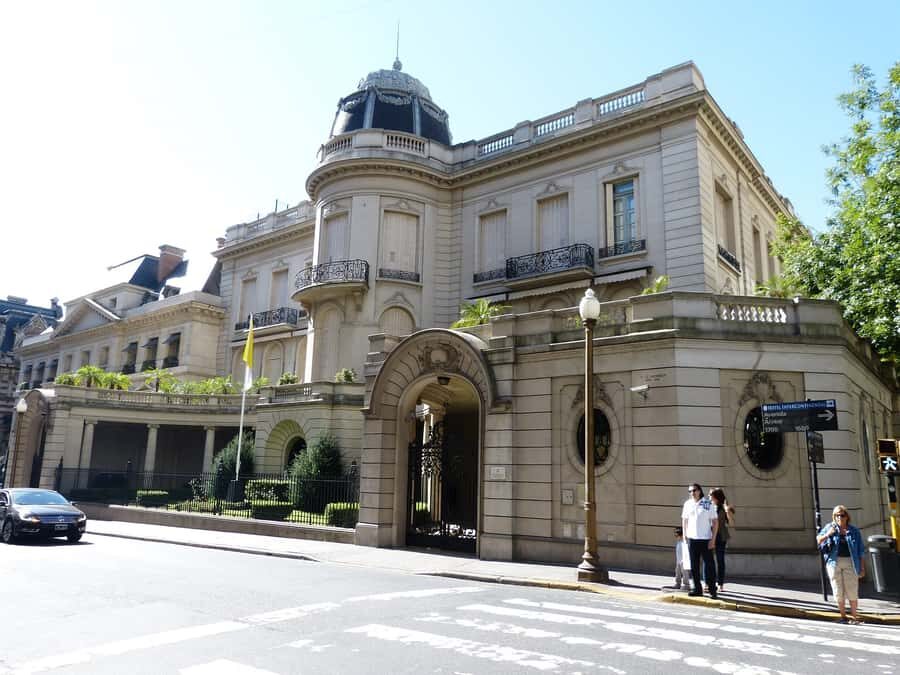
As you move north, the tour includes views of major architecture inspired by that same Belle Époque energy, and you also see where embassies are located.
You might not think of embassy areas as part of a sightseeing day, but it’s helpful. Embassies are a clue: they show how the city’s status and international connections shaped the streets around you. The guide keeps the focus on what you’re looking at, so it doesn’t turn into random passing-by.
This is also a good stretch for photos. The streets open up, and the buildings give you strong lines and facades that read well in pictures. Just keep an eye on footing and timing—this is still a walking tour, and the day is measured in stops.
Ending near the MALBA zone: how to keep the momentum after the tour
The tour ends back near the meeting area and the MALBA zone—depending on how the guide times the flow, you’ll likely finish around the museum neighborhood.
If you want to extend the day, this finish is convenient. You can continue exploring nearby streets at your own pace, grab a coffee, or return to MALBA if museum time still sounds appealing. The tour gives you enough context that a self-guided follow-up feels less like guessing.
If you’re trying to fit Recoleta into a busy itinerary, this is another practical win. You get a big Recoleta orientation without needing a full day commitment.
Price and value: is $93 worth it for a guided 2-hour walk?
At $93 per person, this isn’t the cheapest option on the Buenos Aires walking-tour scene. But you’re paying for several things that add up.
You’re getting a professional live guide in English or Spanish, guided time at major landmarks, and a cemetery visit that’s described as taking a substantial chunk of the tour. You’re also told the tour includes skipping the ticket line, which can save real time at busy sites.
The value really depends on how you travel. If you like structure—someone else handles the route and the context—you’ll likely feel the cost is justified. If you prefer to wander alone with a map and don’t want explanations, a paid tour may feel less efficient.
One more value point: guides are described as flexible with group interests. If you’re the type who asks questions or wants the route adjusted, that can make a $93 tour feel more like a tailored experience than a fixed lecture.
Who should book this Recoleta walking tour?
This tour fits best if you want three things at once:
- a strong Recoletta orientation without getting lost
- a guided cemetery visit that focuses on Eva Perón’s crypt
- a walking route that mixes architecture, art stops, and public spaces
It’s also a good match for first-timers. Recoleta can be visually overwhelming, and the guide helps you turn confusion into clarity fast.
If you’re traveling in a group, it’s still worthwhile. Multiple guides in English were praised for being friendly and easy to talk to, and one highlight was how a group had plenty of room to ask questions when the group size was very small.
Should you book this Recoleta walking tour?
I’d book it if you’re drawn to Recoleta’s French-style facades, want a guide to connect the architecture to the city’s social story, and don’t want to piece together the cemetery and museum stops yourself. The best part is the balance: serious context at the cemetery, then lighter cultural sights that keep your energy up.
Skip it only if you strongly dislike walking, you want a long museum visit rather than short guided time, or you prefer self-guided sightseeing with no structured explanations.
If you do book, aim to arrive a few minutes early. Starting on time matters in a walking tour, and it also lets you settle in before the cemetery portion begins.
FAQ
What’s the duration of the Buenos Aires Recoleta walking tour?
It runs for 2 hours.
Where do I meet the guide?
The meeting point is in front of the Cementerio de la Recoleta.
Does the tour include Eva Perón’s crypt?
Yes. The tour includes a visit to Eva Perón’s crypt.
What languages are available for the live guide?
The live guide is available in Spanish and English.
How much does the tour cost?
The price is $93 per person.
What’s included in the price?
Included: the guide and a walking tour.
Is hotel pickup included?
No. Hotel pickup and drop-off are not included.
Is ticket line access covered?
The activity includes skip the ticket line.
FAQ
Is the tour refundable if my plans change?
Yes. It offers free cancellation up to 24 hours in advance for a full refund.
Can I reserve now and pay later?
Yes. It’s listed with reserve now & pay later, so you can book without paying today.