REVIEW · BUENOS AIRES
Buenos Aires: 7 Hour Small Group “BA 101” Walk
Book on GetYourGuide →Operated by BuenosTours · Bookable on GetYourGuide
Buenos Aires hits you fast, and this walk gives you the map. It’s a 7-hour small-group tour (max 7) led by an English-speaking guide who can explain what you’re seeing and answer your questions as you go. You’ll bounce between classic landmarks and neighborhood textures, so the city doesn’t feel like a list.
I especially love two things about this experience. First, the focus on story—history, culture, and even food and fun facts—made the sights click instead of just passing by. Second, the route stacks in heavyweight stops like Recoleta Cemetery and Plaza de Mayo, then connects them with smaller, human-scale places like old plazas, cafes, and market streets.
One possible drawback: you’re on your feet for most of the day, including outdoor walking and cobblestones in San Telmo. Comfortable shoes matter, and it’s not a fit for wheelchair users or very young kids.
In This Review
- Key Points to Know Before You Go
- A Smart Way to Get Your Bearings in Buenos Aires
- Barrio Norte: Bookstores, education vibes, and a leafy Plaza
- Palacio de Aguas Corrientes: The building that surprises you
- Recoleta Cemetery and Evita’s Last Rest: A place that changes the tempo
- City Center Highlights: Obelisk views, Teatro Colón, and Supreme Court energy
- Avenida Corrientes and Florida Street: Old-school cafes and shopping arcades
- Plaza de Mayo and Casa Rosada: The balcony story you’ll remember
- San Telmo: Market ironwork, Plaza Dorrego energy, and Defensa’s cobblestones
- Coffee, Metro Ride, and Lunch: How the day stays enjoyable
- Value Check: Is $160 worth it?
- Who This Tour Fits Best (and Who Should Consider Alternatives)
- What Makes the Guide Matter on BA 101
- Should You Book Buenos Aires BA 101?
- FAQ
- How long is the BA 101 walking tour?
- Where do we meet and where does the tour end?
- What major sights are included?
- Is lunch included?
- Are entrance fees included?
- Is it a small group tour?
- What should I bring?
Key Points to Know Before You Go
- Small group of 7 keeps the pace conversational and the questions flowing.
- Recoleta Cemetery + Evita’s final resting place is a major anchor stop on the day.
- Lunch, coffee, water, and entry fees are included, so you won’t be constantly making food decisions mid-walk.
- Public transport is part of the plan, including a metro ride to save time and avoid unnecessary transfers.
- One-day orientation across multiple neighborhoods helps you decide what to revisit later.
A Smart Way to Get Your Bearings in Buenos Aires
When you only have a day to get oriented, a walking tour can do what a taxi can’t: it teaches you the city’s logic. BA 101 is designed to stitch together Buenos Aires’ major “photo” landmarks with the streets and squares where daily life spills out.
You start in the Recoleta/Barrio Norte area near Avenida Santa Fe and Avenida Callao. That’s a good choice because it lets you begin with a strong sense of the city’s layout—wide avenues, leafy squares, and the kind of architecture that makes you look up without trying. The tour runs from 10am to 5pm, so it’s long enough to feel like you earned your map, not just skimmed highlights.
You can also read our reviews of more walking tours in Buenos Aires
Barrio Norte: Bookstores, education vibes, and a leafy Plaza
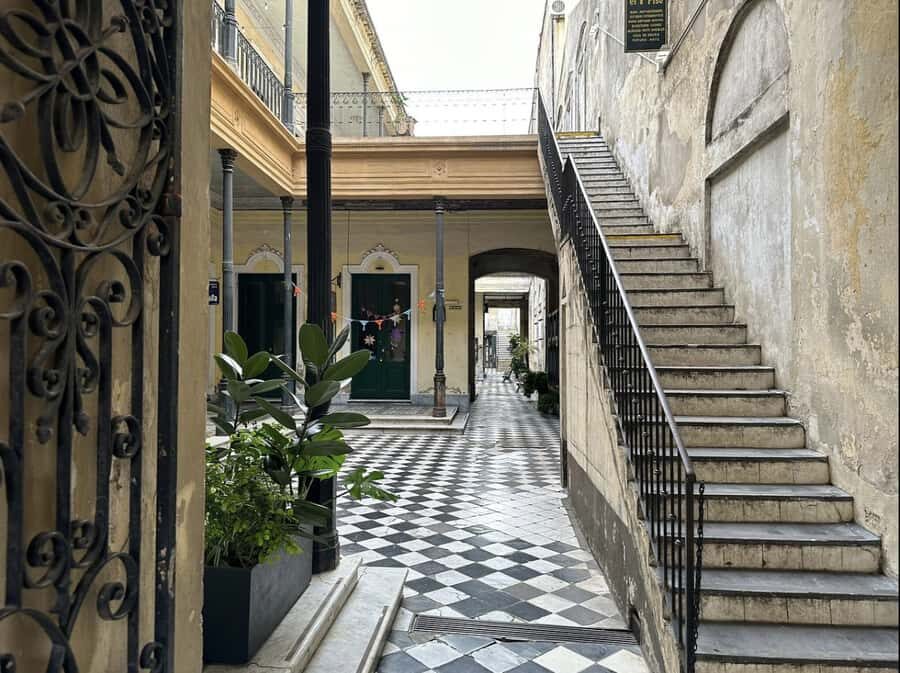
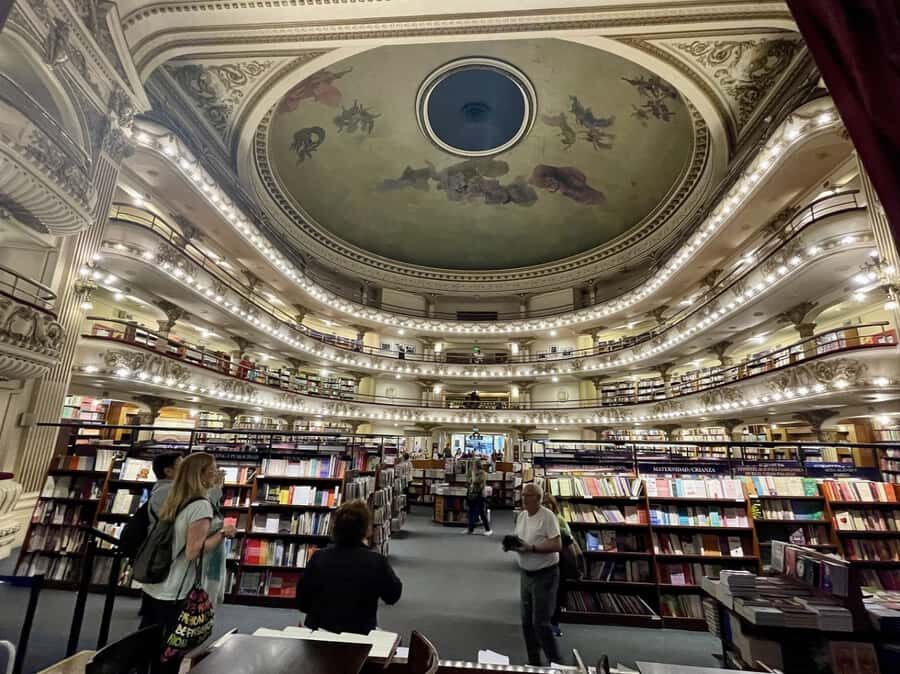
You begin in Barrio Norte, where you’ll first get your eyes on El Ateneo Grand Splendid. It’s not just a bookstore stop—it’s a reminder that Buenos Aires reuses and repurposes beautiful buildings. Your guide points out details that help you understand why places like this matter culturally, not just visually.
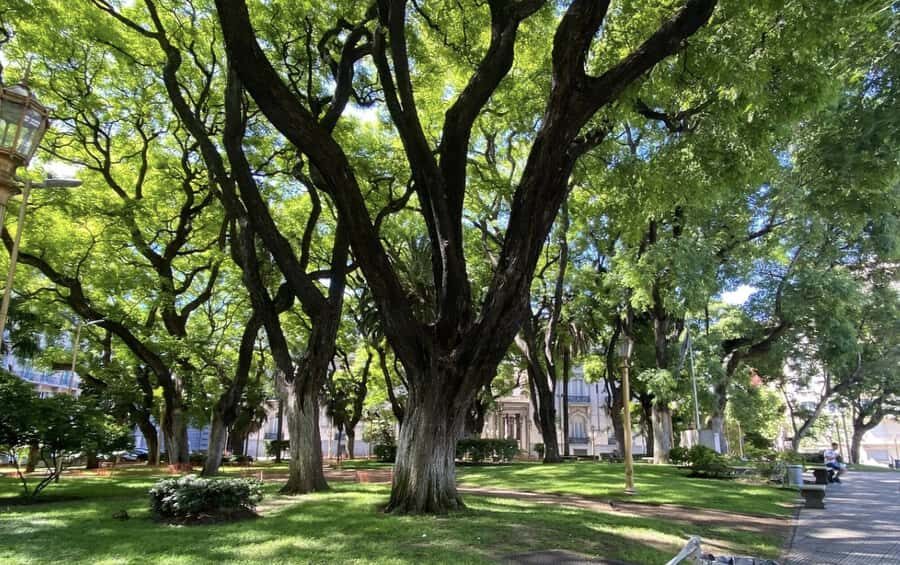
Next comes Plaza Rodriguez Peña, a green pocket in the city. You’ll learn about the Palacio Sarmiento, tied to Argentina’s Ministry of Education, and that adds context for why this area feels different from the historic core. It’s one of those stops where you slow down for a moment, look around, and understand how the city shapes daily rhythms.
Palacio de Aguas Corrientes: The building that surprises you
Then the tour moves to Palacio de Aguas Corrientes. This is a standout stop because it’s the kind of structure you might walk past in a hurry—until someone explains the story behind it. Expect to notice the design and craftsmanship more than you would on your own, because the guide connects it to the idea of how Buenos Aires built infrastructure and identity at the same time.
This is one of BA 101’s strengths: it doesn’t rely only on the obvious big names. It sprinkles in these “wait, what is this?” moments so your day feels varied, not repetitive.
Recoleta Cemetery and Evita’s Last Rest: A place that changes the tempo
Recoleta Cemetery is the headline for a lot of people, and it earns the attention. You enter a kind of city within the city, filled with elaborate tombs of Argentina’s well-known and important figures. The emotional weight is real, but the experience also comes with guided interpretation that helps you read the symbolism and design.
A key moment is visiting the last resting place of Eva Perón (Evita). You’ll be there alongside other mausoleums that can feel both haunting and stunning. This is where the guide’s ability to explain Argentine history matters most, because the cemetery becomes more than a “must-see”—it becomes a story you can actually follow.
After that, you’ll stroll Plaza Francia and see the Our Lady of Pilar Church, known for its colonial architecture and strong preservation. It’s a good contrast to the cemetery: solemn meets serene, stone meets sky, and you get a break to reset your energy.
City Center Highlights: Obelisk views, Teatro Colón, and Supreme Court energy
From Recoleta, you’ll head toward the City Center area around San Nicolás. One big stop is Teatro Colón, one of the world-famous opera houses. Even if you don’t attend opera, it helps to see it in person—because the building alone tells you Buenos Aires takes culture seriously.
You’ll also pass Plaza Lavalle, including the Palacio de Justicia de la Nación, home to Argentina’s Supreme Court. This is the kind of place where the guide’s explanations turn architecture into understanding. You see not just buildings, but what they represent in public life.
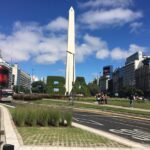
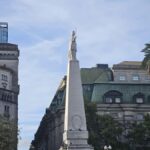
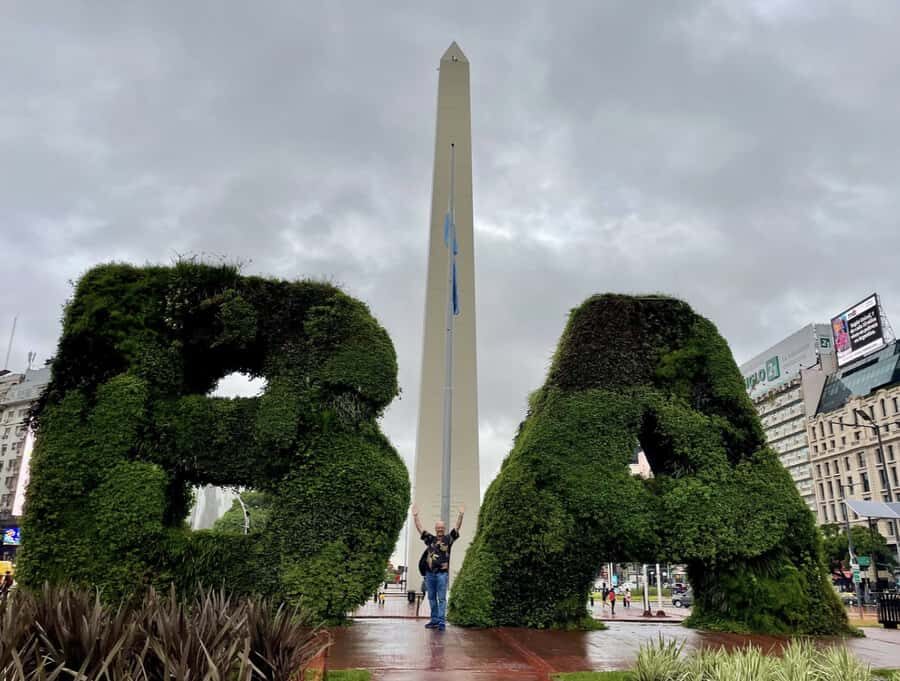
Then comes Avenida 9 de Julio, the widest avenue in the world. The Buenos Aires Obelisco sits here, and you’ll have time for a classic photo with the green BA sign. I like this part of the day because it forces a quick “big skyline” moment—after walking through smaller details all morning, you get a wide-angle break.

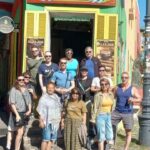
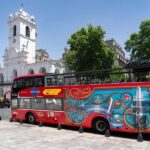
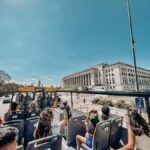
Avenida Corrientes and Florida Street: Old-school cafes and shopping arcades
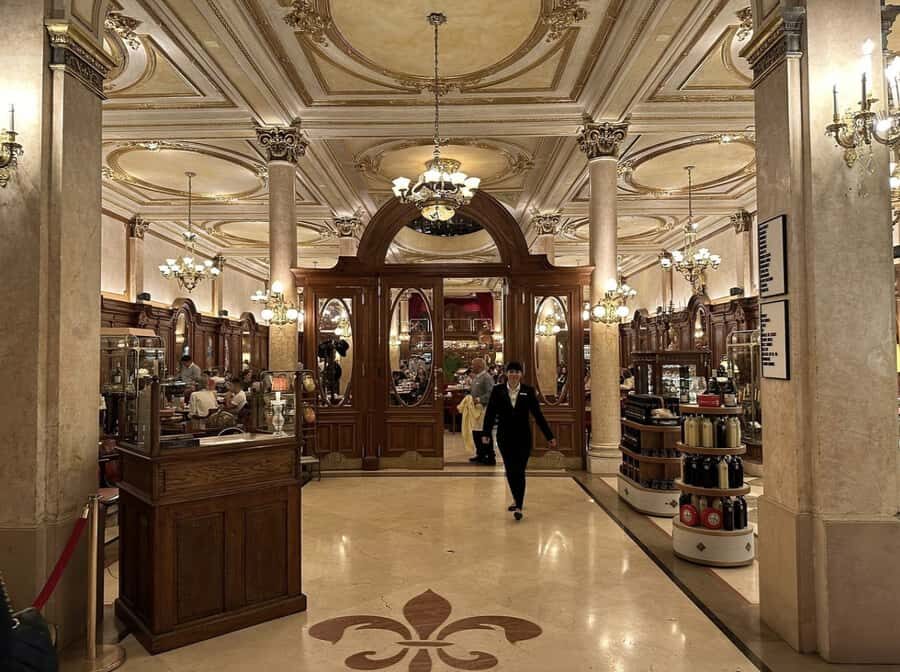
On Avenida Corrientes, you’ll be in the area many people call the street that never sleeps. The tour includes Confitería La Ideal, a beautifully restored old cafe. This stop works best if you let it sink in as a cultural snapshot: it’s the kind of place that still feels like it belongs to the city’s daily story, not just tourism.
Then you’ll transition to Florida Street, Buenos Aires’ main pedestrian shopping lane. Here you’ll also get to see Galería Güemes, an impressive structure that’s worth looking at even if you’re not buying anything. The value is in the context—your guide points out what to notice so you don’t just walk through as background noise.
Plaza de Mayo and Casa Rosada: The balcony story you’ll remember
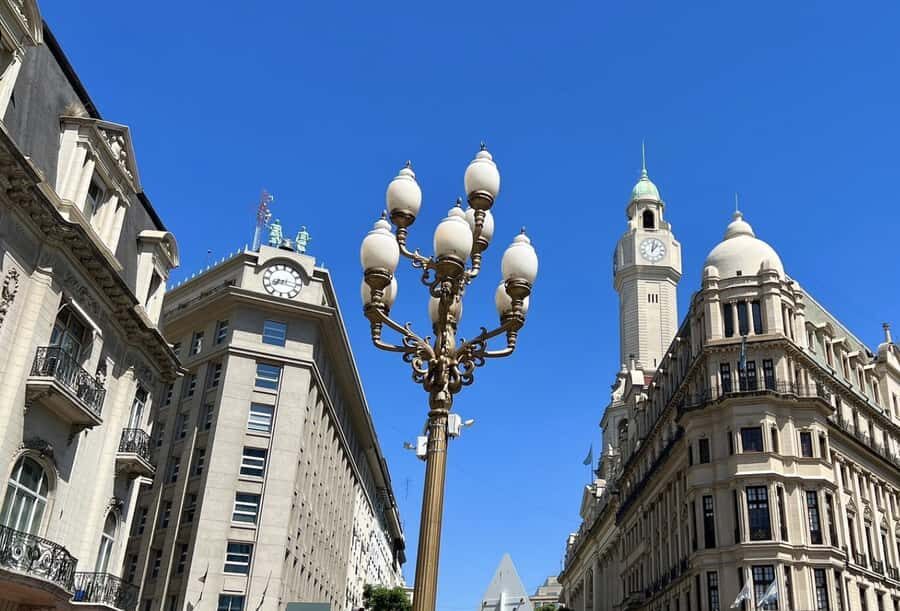
The historic core of Monserrat is where the tour slows down a bit, because Plaza de Mayo is the kind of place you can’t really learn from a quick photo. You’ll see the main square of Buenos Aires, tied to the city’s founding in 1580, and you’ll understand why this square is the civic heartbeat of Argentina.
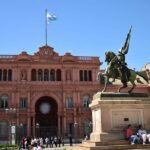
A major moment is seeing Casa Rosada, the Pink House, home to Argentina’s executive government branch. The guide shows you the famous balcony where President Perón and first lady Evita addressed crowds. Even if you know the names, seeing the balcony in context makes it feel more tangible.
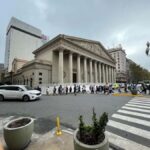
You’ll also visit the Buenos Aires Cathedral. It’s presented as the resting place of Argentina’s independence hero, and the guide also mentions Pope Francis used to give mass here. That adds another layer: the cathedral is political, religious, and historical all at once.
San Telmo: Market ironwork, Plaza Dorrego energy, and Defensa’s cobblestones
Finally, the tour reaches San Telmo. This is a great ending because it shifts from “monument day” to “neighborhood day.” You’ll start with Plaza Dorrego, one of the city’s oldest and most popular squares, known for bars, restaurants, and handicraft sellers.
Then you’ll visit the San Telmo Indoor Market. The building is described as an iron structure built in 1897, packed with antiques, souvenirs, and places to eat. What makes it worthwhile is the combination of shopping with local vendors and fresh produce, so it doesn’t feel like a staged craft fair.
You’ll also walk down Defensa Street, a cobblestone road filled with antique dealers and original Spanish and Italian architecture. This is where your earlier walking helps: by now you can actually tell the difference between neighborhood styles, building age, and street character.
Coffee, Metro Ride, and Lunch: How the day stays enjoyable
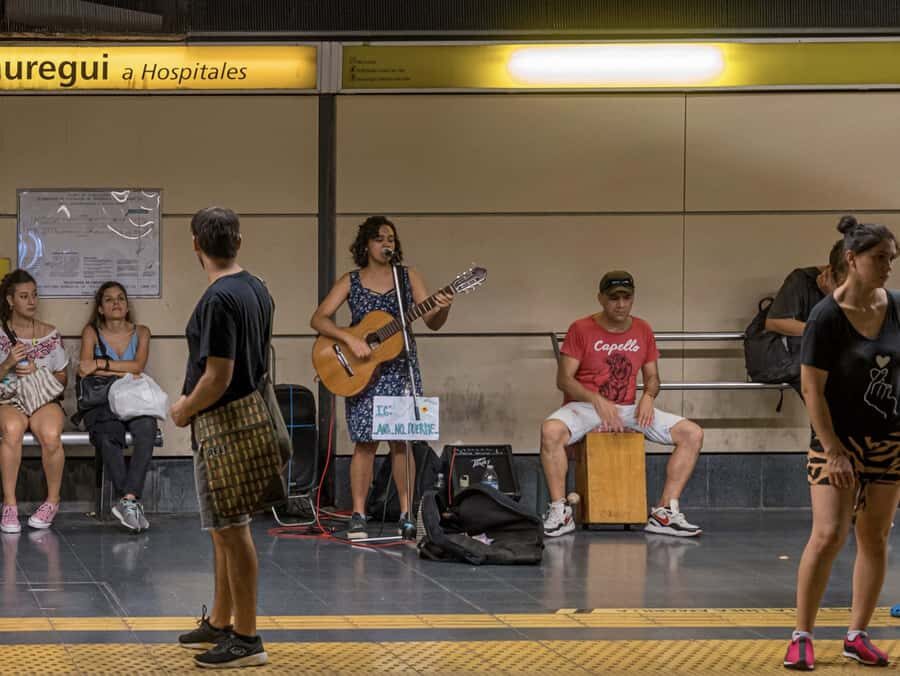
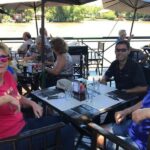
A long walking tour can go sideways if food and breaks are treated like afterthoughts. BA 101 handles it with included basics that keep your energy steady: morning coffee (or an equivalent-priced drink), a metro ride, and a local lunch with a main plus beverage.
You also get water to help you stay hydrated, which sounds obvious until you’re eight hours into a city walk in warmer weather. The lunch inclusion is also a quiet value win—Buenos Aires has plenty of great options, but choosing one mid-tour can be stressful.
The metro and public transport usage is another practical touch. It helps you cover distance without feeling like you’re spending the whole day on sidewalks that don’t add much.
Value Check: Is $160 worth it?
At $160 per person for a 7-hour tour, this isn’t a “grab it and forget it” bargain. But the price looks smarter when you count what’s inside.
Included items cover:
- Entrance fees, including Recoleta Cemetery (listed as US$15+ per person value)
- Coffee (or an equivalent-priced drink)
- A local lunch with main + beverage
- Public transport, including the metro ride taken during the tour
- Water
For me, the biggest value is less about any single ticket and more about the time-saving plus the guidance. You’re paying for an expert to point out what you’d likely miss on your own: architecture details, historical connections, and the cultural jokes and context that make Buenos Aires feel like a real place, not a postcard.
If you’re the type who enjoys asking questions—about who lived where, why buildings look the way they do, and what certain places represent—this price starts to feel fair fast.
Who This Tour Fits Best (and Who Should Consider Alternatives)
BA 101 is best for adults and older teens who want a serious highlights route without feeling rushed. The small group size helps it work for people who like conversation, not just sightseeing.
It also suits you if you want a first-day plan that helps you decide what to come back for later. By the end of the day, you’ll have names for neighborhoods, landmarks to anchor your memories, and a clearer sense of where you’d spend more time.
This is less ideal if you need wheelchair access, if you’re bringing a child under 10, or if you’re dealing with illness like a cold. Also, expect to walk a lot—cobblestones and outdoor distances are part of the day, so plan accordingly.
What Makes the Guide Matter on BA 101
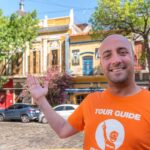
This tour’s personality comes from the guide. Two guides named in customer experiences—Tracy and Chris—are both praised for being friendly and for explaining local history with skill and clarity.
That shows up in how the stops feel. Instead of just hearing dates, you get story threads: why a place exists, how it connects to Argentine identity, and what to notice while you’re standing there. If you like your travel with facts and a little humor, this is the format that delivers it.
Should You Book Buenos Aires BA 101?
I’d book this tour if you want a structured day that hits the big Buenos Aires essentials—Recoleta Cemetery, Plaza de Mayo, Casa Rosada, Avenida 9 de Julio, and San Telmo market streets—while still leaving room for neighborhood character. It’s also a good pick if you’re traveling solo or short on time and you want an expert to help you prioritize.
I’d hesitate if you hate walking, you need very limited mobility, or you’re hoping for a mostly indoor sightseeing day. Otherwise, this is a smart way to see a lot of Buenos Aires with less guesswork and more understanding.
FAQ
How long is the BA 101 walking tour?
The tour lasts 7 hours, running from 10am to 5pm.
Where do we meet and where does the tour end?
You meet at 10am in the Recoleta/Barrio Norte area near the corner of Av. Santa Fe and Av. Callao. The tour ends at 5pm in San Telmo near plenty of places to eat, drink, and shop, with exact meeting-point details sent in your confirmation email.
What major sights are included?
You’ll see Recoleta Cemetery, Plaza de Mayo, Casa Rosada, the Obelisco on Avenida 9 de Julio, Teatro Colón, San Telmo Market (San Telmo Indoor Market), Plaza Dorrego, and Defensa Street, plus stops like El Ateneo Grand Splendid and Plaza Francia.
Is lunch included?
Yes. A local lunch is included, with a main and beverage.
Are entrance fees included?
Yes, entrance fees are included, including Recoleta Cemetery (listed as US$15+ per person value).
Is it a small group tour?
Yes. The group is limited to 7 participants.
What should I bring?
Bring comfortable shoes. Smoking isn’t allowed during the tour. The tour also isn’t suitable for wheelchair users and children under 10, and it’s not recommended for people with a cold.